Artwork
The Life of the Virgin: The Marriage of the Virgin
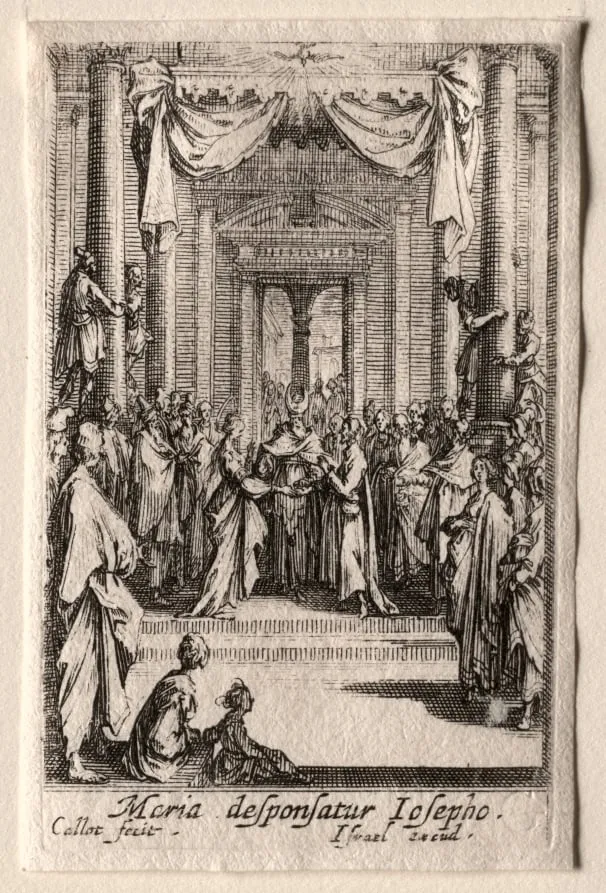
The Life of the Virgin: The Marriage of the Virgin is a print by the Baroque artist Jacques Callot. It dates from 1634 and is held in the collection of the Cleveland Museum of Art.
About this work
Overview
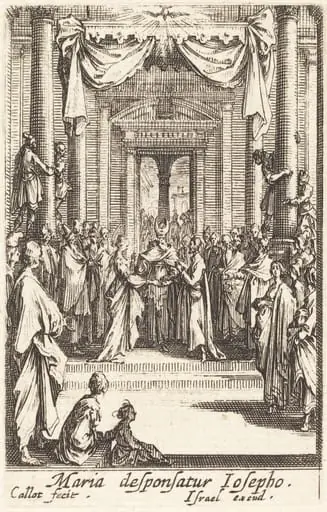
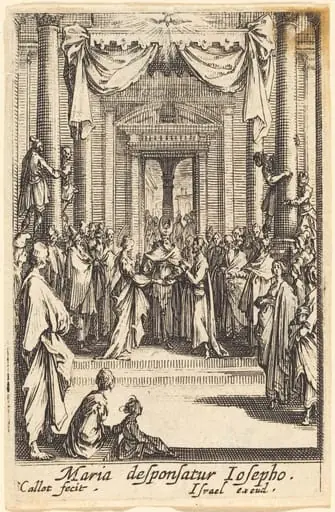
Created around 1634 by Jacques Callot, this black-and-white etching depicts the Marriage of the Virgin as part of a larger narrative cycle. The work is held in the collection of The Cleveland Museum of Art. Rendered with fine, incised lines, the print captures a densely populated interior space, emphasizing the ceremonial gravity of the event through intricate detail and layered composition.
Subject & Meaning
The inclusion of numerous figures suggests communal witness, elevating the event beyond a private rite to a public act of divine order.
The scene illustrates the union of the Virgin Mary and Saint Joseph, a moment of spiritual significance in Christian tradition. Callot includes a priest-like figure officiating between the couple, while attendants observe, kneel, or hold candles, reinforcing the sacred nature of the occasion. The inclusion of numerous figures suggests communal witness, elevating the event beyond a private rite to a public act of divine order.
Technique & Style
Callot employed fine-line etching to achieve remarkable detail and tonal variation. The crowded composition is structured with vertical columns and a soaring archway, guiding the viewer’s eye toward the central pair. Delicate shadows and rhythmic line work convey movement and depth, characteristic of Baroque printmaking, where emotional intensity is rendered through precision rather than color.
History & Provenance
The print belongs to a series illustrating the Life of the Virgin, likely commissioned or produced for devotional or educational use. It entered the Cleveland Museum of Art’s collection through established acquisition channels, though its early ownership history remains undocumented. As a work from Callot’s mature period, it reflects his influence in 17th-century Northern European print culture.
Context
Produced during the height of the Baroque era, the print aligns with Catholic devotional imagery promoted after the Counter-Reformation. Callot’s focus on narrative clarity and emotional atmosphere mirrors contemporary religious art in Italy and the Low Countries. His ability to condense complex scenes into single prints made such works accessible to a broader, literate audience beyond the elite.
Legacy
Callot’s technical mastery in etching influenced generations of printmakers across Europe. This work exemplifies his skill in transforming religious narrative into visually dynamic compositions. While not widely reproduced in popular culture, it remains a key reference in studies of Baroque printmaking and the visual representation of sacred events in early modern Europe.
Artist & collection
Artist
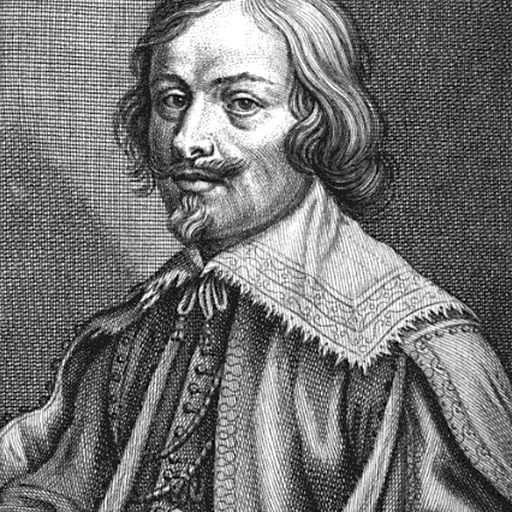
Jacques Callot was a baroque printmaker and draftsman from the Duchy of Lorraine.

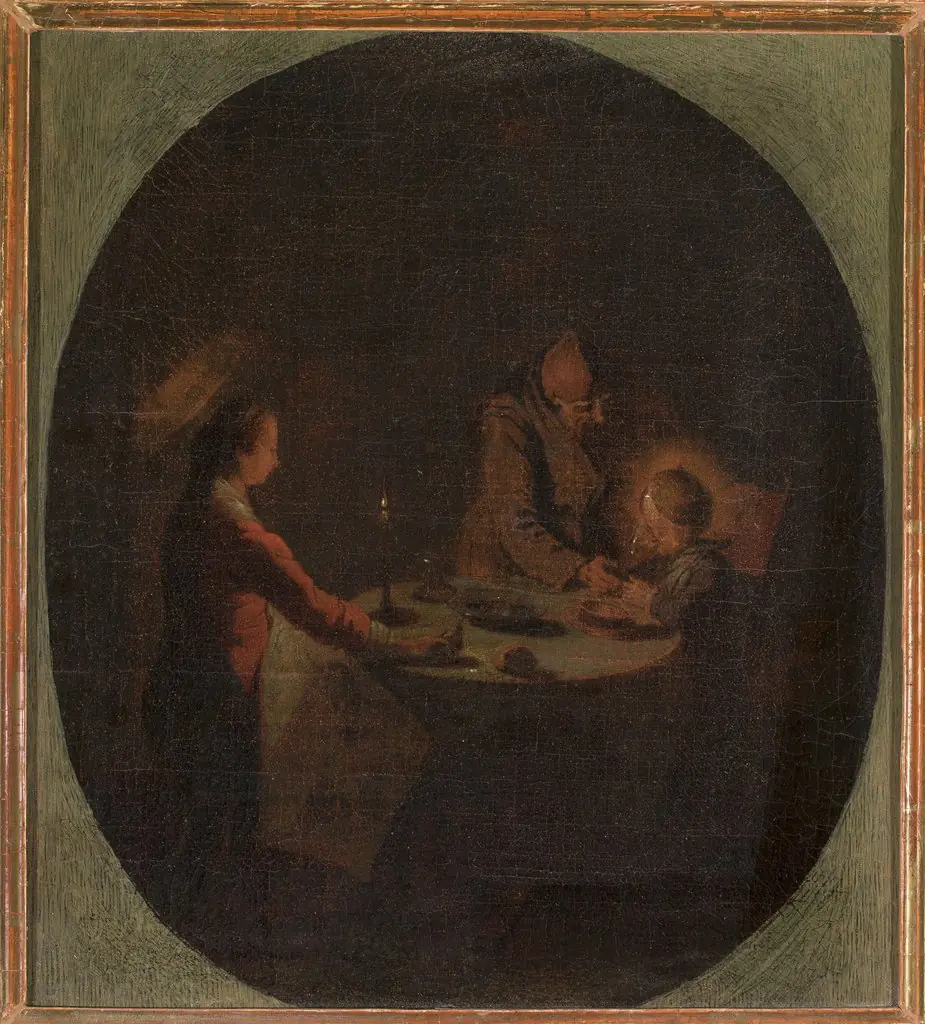 Holy Family at supper
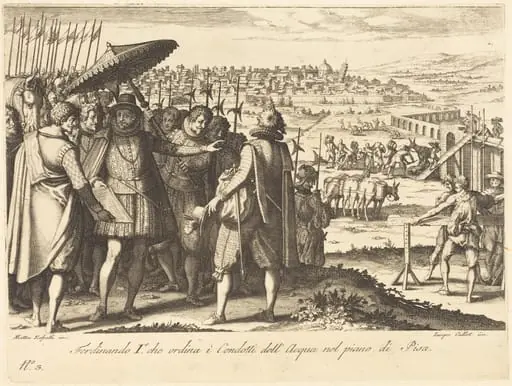 Restoration of the Aqueduct at Pisa
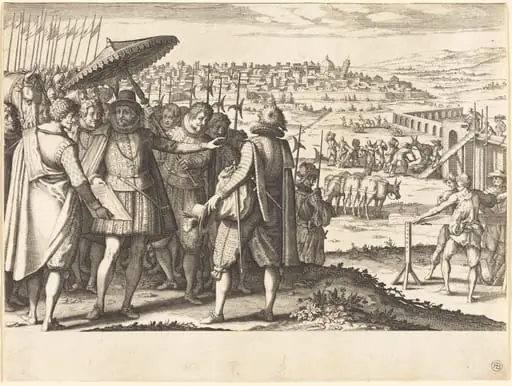 Restoration of the Aqueduct at Pisa
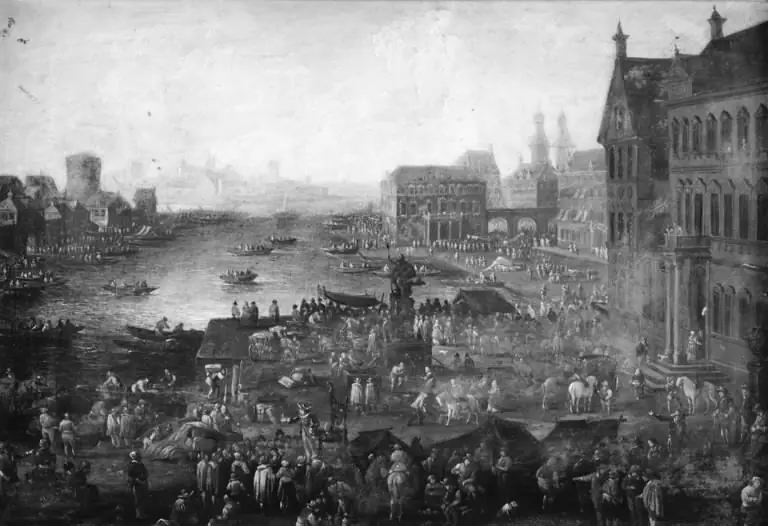 Square in Paris with Many Figures
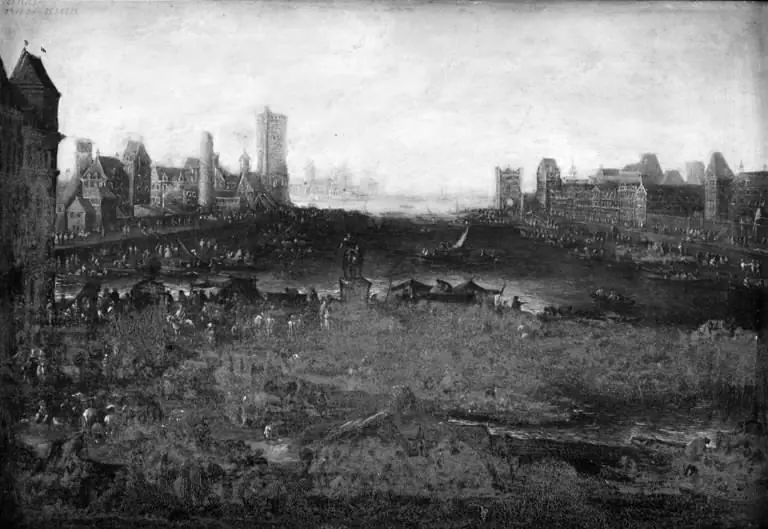 Square in Paris with Many Figures
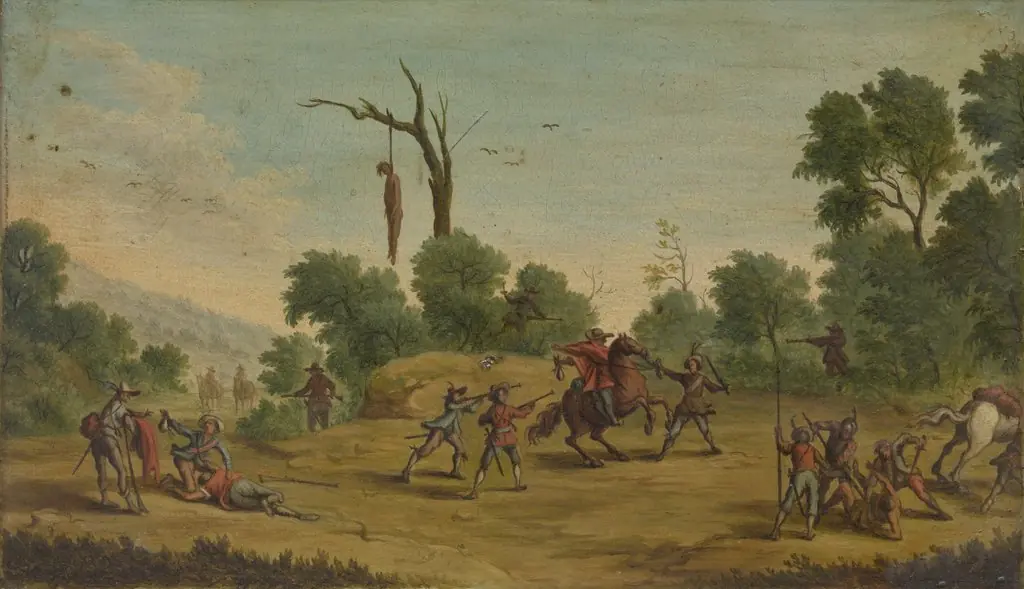 Horsemen Attacked by Robbers
 HOW WILL A COVERED PART BE CORRECTED?HOW WIKA A COVERED HEART DEED CORRECTED?
![Christ Walking on the Water [second plate], by Jacques Callot](https://artifactworldgallery.com/img/jacques-callot--christ-walking-on-the-water-second-plate--2069f3bfe4cb2126-w320.webp) Christ Walking on the Water [second plate]
Christ Walking on the Water [second plate]