Artwork
The Martyrdom of the Apostles: St. Thaddeus
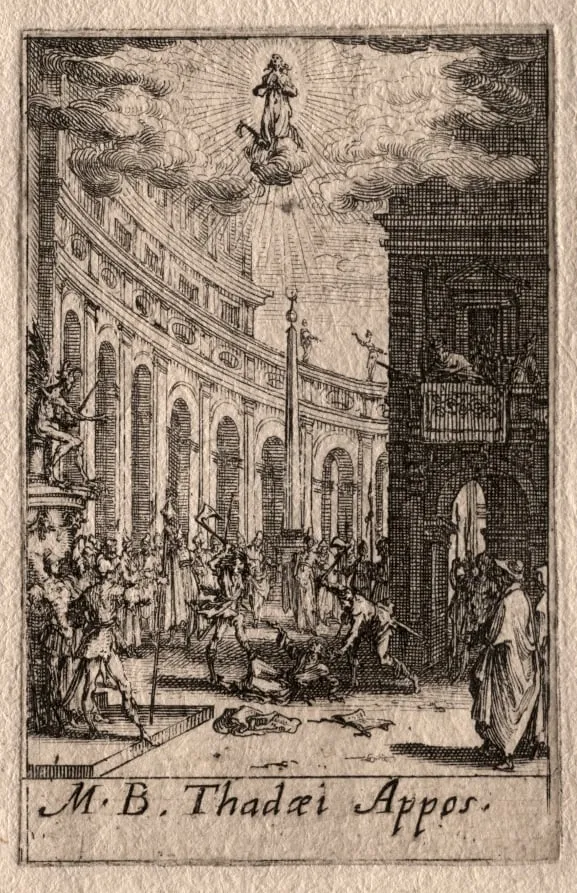
The Martyrdom of the Apostles: St. Thaddeus is a print by the Baroque artist Jacques Callot. It dates from 1632 and is held in the collection of the Cleveland Museum of Art.
About this work
Overview
Created around 1632 by Jacques Callot, this print depicts the martyrdom of Saint Thaddeus, one of the twelve apostles.
Created around 1632 by Jacques Callot, this print depicts the martyrdom of Saint Thaddeus, one of the twelve apostles. Executed in etching, the work is part of a series illustrating the deaths of the apostles. It resides in the collection of The Cleveland Museum of Art, where it is valued for its dramatic composition and technical precision in capturing movement and emotion through fine line work.
Subject & Meaning
The scene portrays Saint Thaddeus lying prone on the ground, surrounded by figures in ritualistic attire, suggesting a moment of execution or divine intervention. Above, a celestial figure hovers with a cross, implying heavenly approval or ascension. The gestures of the onlookers—pointing, kneeling, gazing upward—convey a mixture of awe, grief, and reverence, reinforcing the spiritual significance of martyrdom in early Christian tradition.
Technique & Style
Callot employs etching with meticulous detail, using fine, controlled lines to render architecture, drapery, and human form. Strong chiaroscuro effects are achieved through deep shadows and sharply defined highlights, directing focus to the central figures. The architectural setting, with its towering arches and columns, frames the action and enhances the sense of scale and solemnity, characteristic of Baroque visual language.
History & Provenance
The print was produced during Callot’s mature period in Florence, where he was influenced by Italian artistic traditions and religious iconography. It was likely part of a commissioned series intended for devotional or educational use. The work entered The Cleveland Museum of Art’s collection in the 20th century, having passed through several private European collections prior to its acquisition.
Context
In the early 17th century, depictions of apostolic martyrdoms were common in Catholic Europe, serving both as devotional aids and affirmations of faith during the Counter-Reformation. Callot’s series aligned with this trend, blending narrative clarity with emotional intensity. His use of architectural grandeur and celestial imagery reflected contemporary theological emphasis on divine justice and the sanctity of sacrifice.
Legacy
Callot’s prints of the apostles influenced later generations of printmakers through their compositional rigor and expressive detail. While not widely exhibited today, this work remains a significant example of Baroque printmaking’s capacity to convey spiritual drama with subtlety and precision. It continues to be studied for its technical innovation and its role in shaping religious imagery in print form.
Artist & collection
Artist
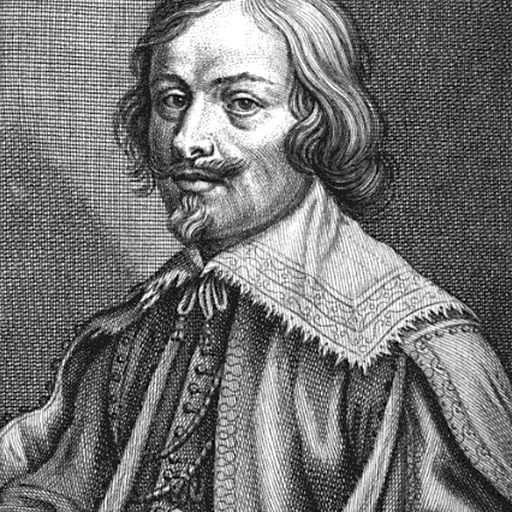
Jacques Callot was a baroque printmaker and draftsman from the Duchy of Lorraine.

 Holy Family at supper
 Restoration of the Aqueduct at Pisa
 Restoration of the Aqueduct at Pisa
 Square in Paris with Many Figures
 Square in Paris with Many Figures
 Horsemen Attacked by Robbers
 HOW WILL A COVERED PART BE CORRECTED?HOW WIKA A COVERED HEART DEED CORRECTED?
![Christ Walking on the Water [second plate], by Jacques Callot](https://artifactworldgallery.com/img/jacques-callot--christ-walking-on-the-water-second-plate--2069f3bfe4cb2126-w320.webp) Christ Walking on the Water [second plate]
Christ Walking on the Water [second plate]
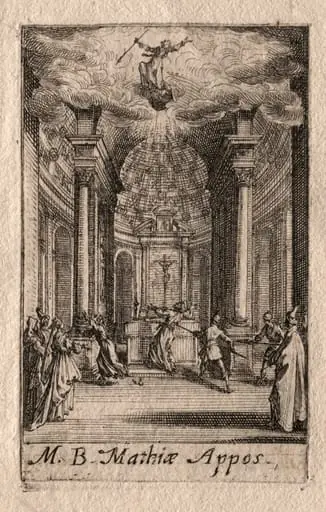 The Martyrdom of the Apostles: St. Matthias
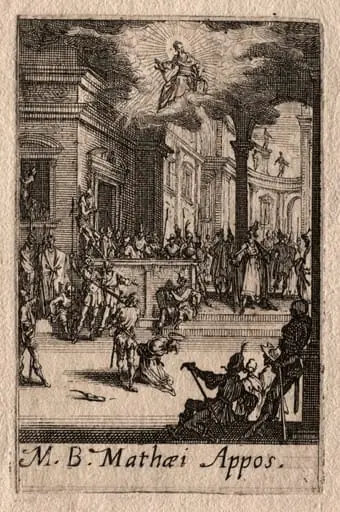 The Martyrdom of the Apostles: St. Matthew
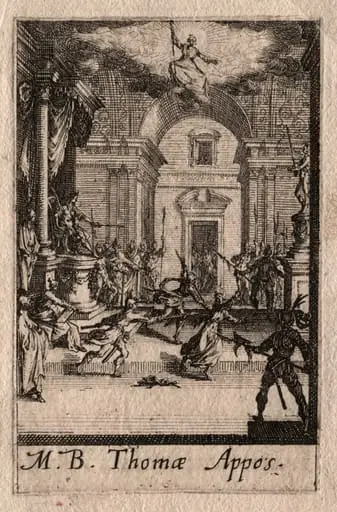 The Martyrdom of the Apostles: St. Thomas
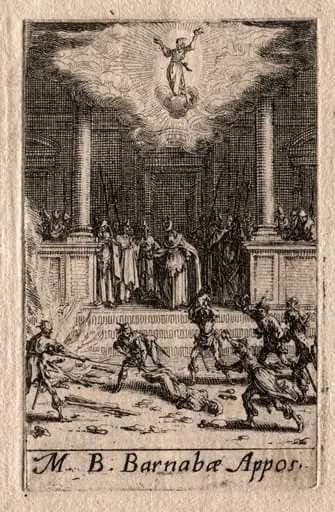 The Martyrdom of the Apostles: St. Barnabas
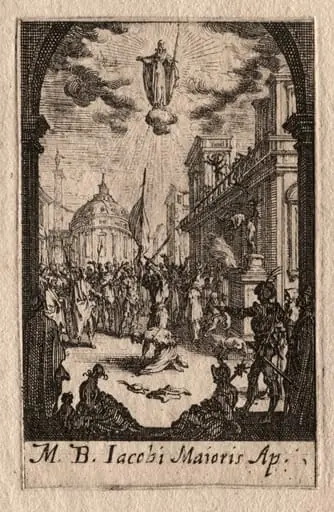 The Martyrdom of the Apostles: St. James the Greater
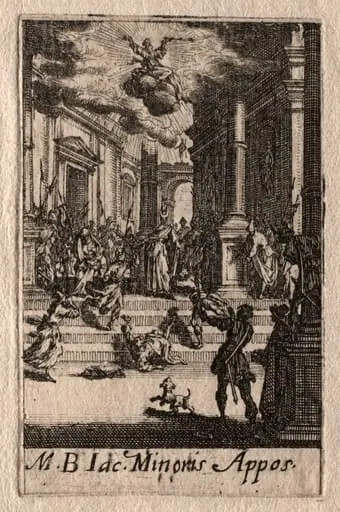 The Martyrdom of the Apostles: St. James the Less
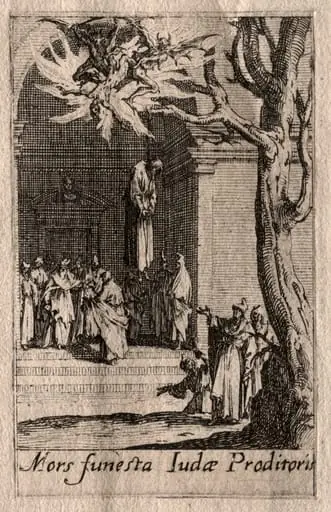 The Martyrdom of the Apostles: The Death of Judas
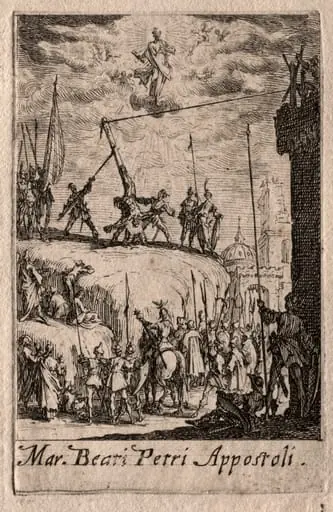 The Martyrdom of the Apostles: St. Peter