Artwork
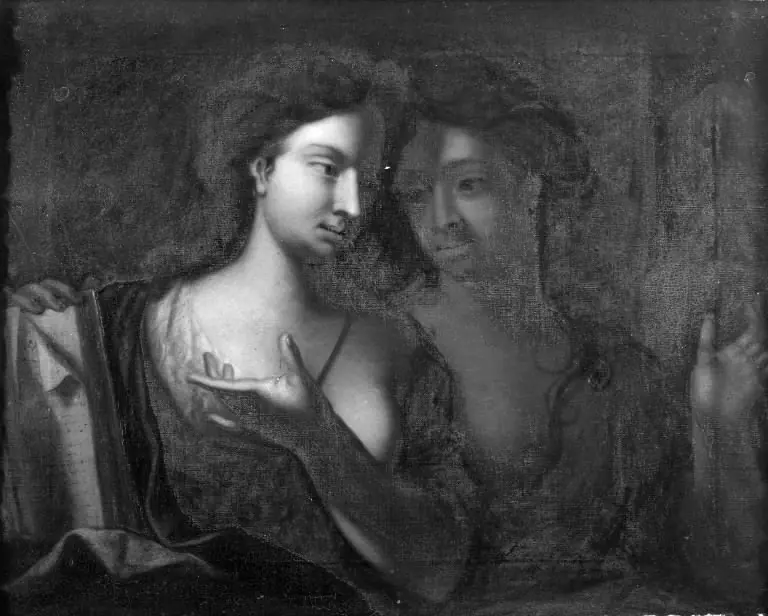
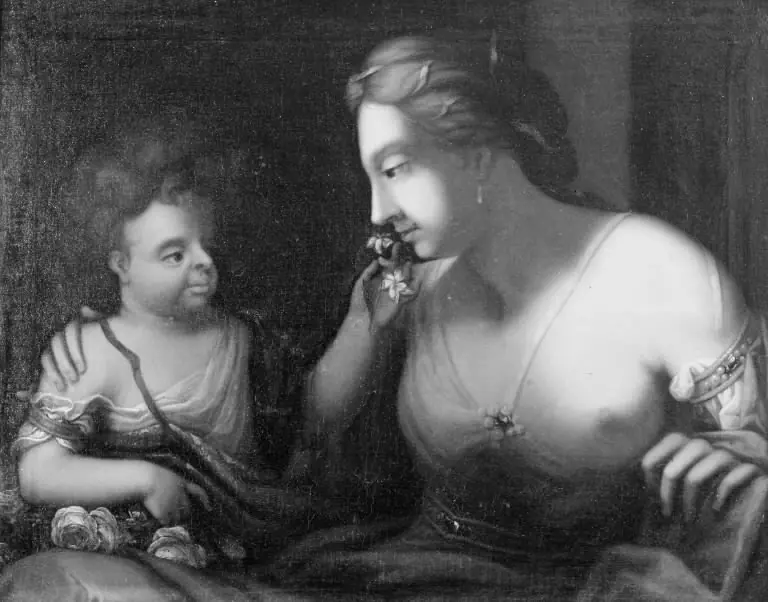
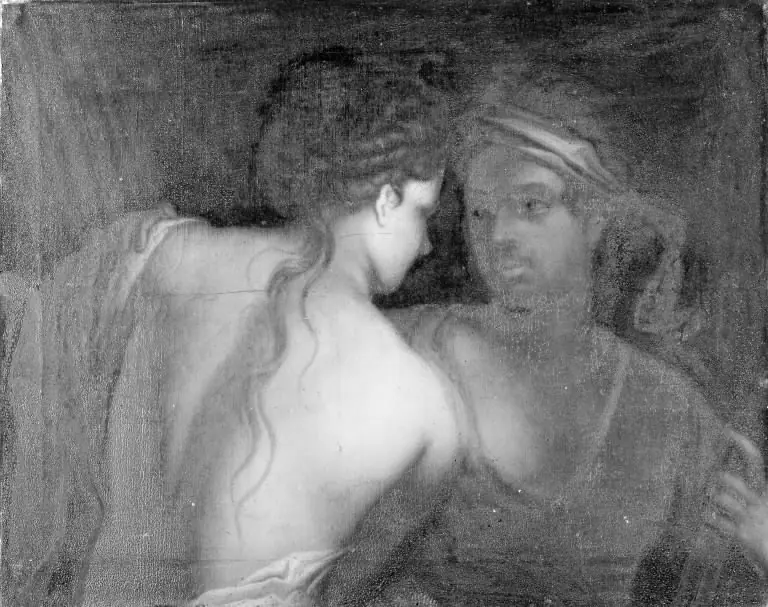
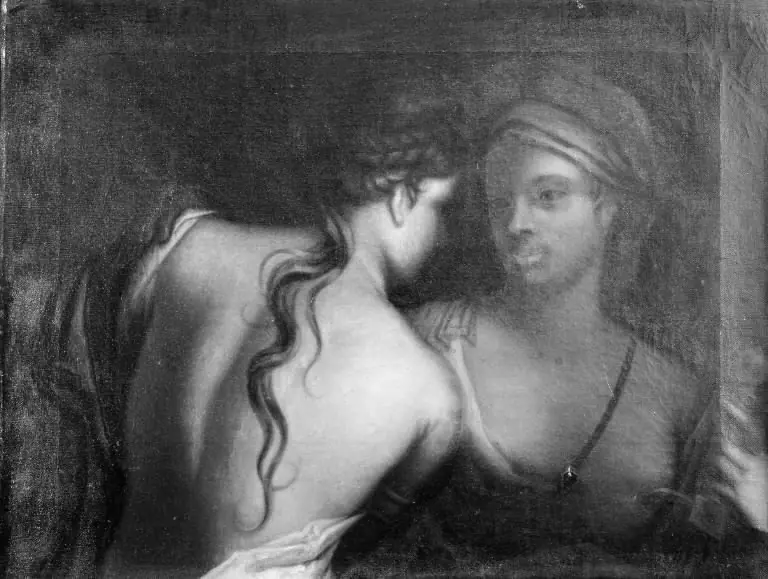
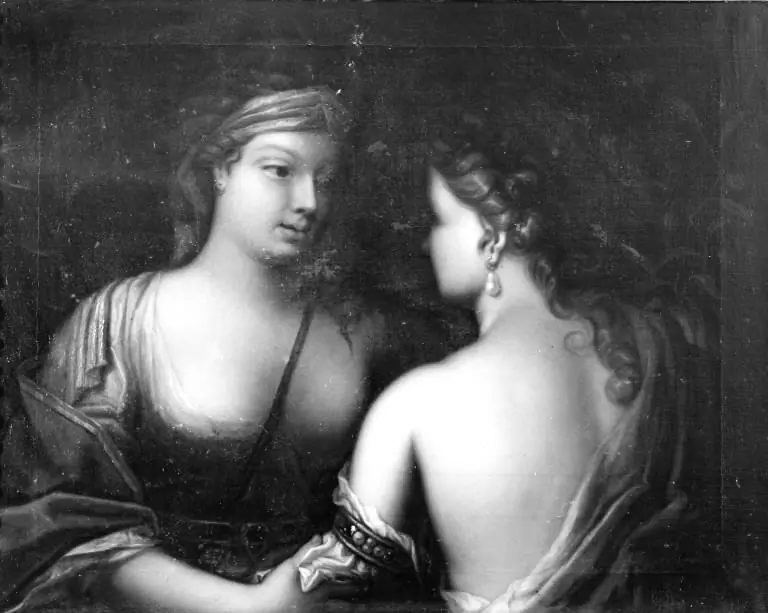
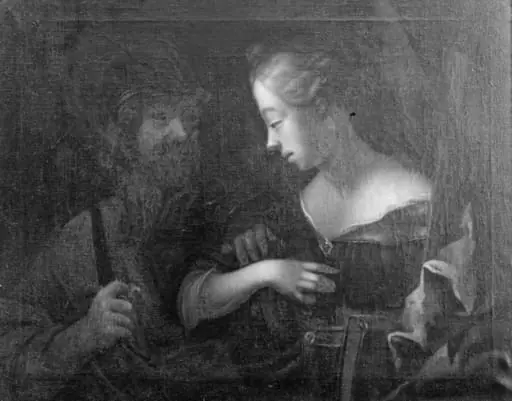
Et ungt fruentimmer i blå kjole, samtaler med en gammel mand
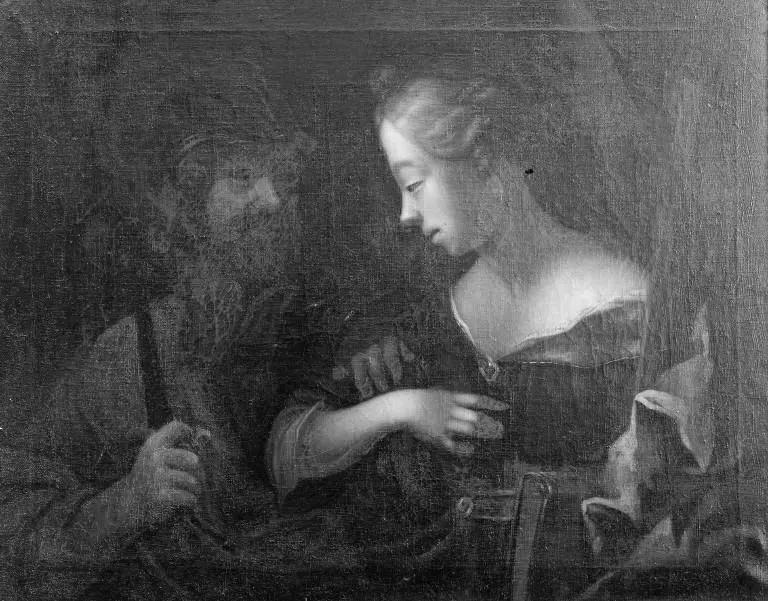
Et ungt fruentimmer i blå kjole, samtaler med en gammel mand is an oil painting by Jacques d'Agar. It dates from 1694 and is held in the collection of the Statens Museum for Kunst.
About this work
Overview
Painted in 1694 by French artist Jacques d'Agar, this oil-on-canvas work depicts a quiet exchange between a young woman and an elderly man. D'Agar, originally trained in historical subjects, had by this time established himself as a portraitist. The painting entered the collection of Statens Museum for Kunst in Denmark, where it remains today as part of its 17th-century European holdings.
Subject & Meaning
The absence of narrative context invites interpretation as a meditation on mentorship, faith, or generational exchange.
The scene captures a moment of introspective dialogue between a young woman in a dark blue gown and an older man dressed in a somber robe, his white beard and clasped book suggesting scholarly or spiritual authority. Her downward gaze and his steady look imply transmission of knowledge or counsel. The absence of narrative context invites interpretation as a meditation on mentorship, faith, or generational exchange.
Technique & Style
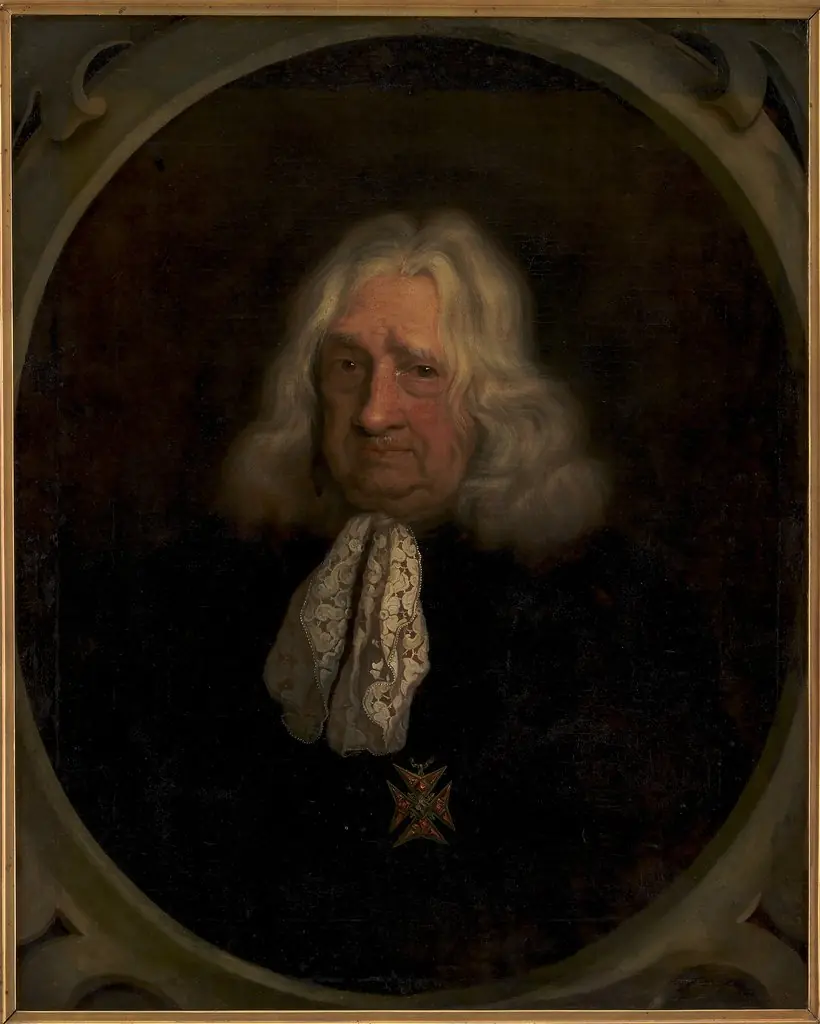
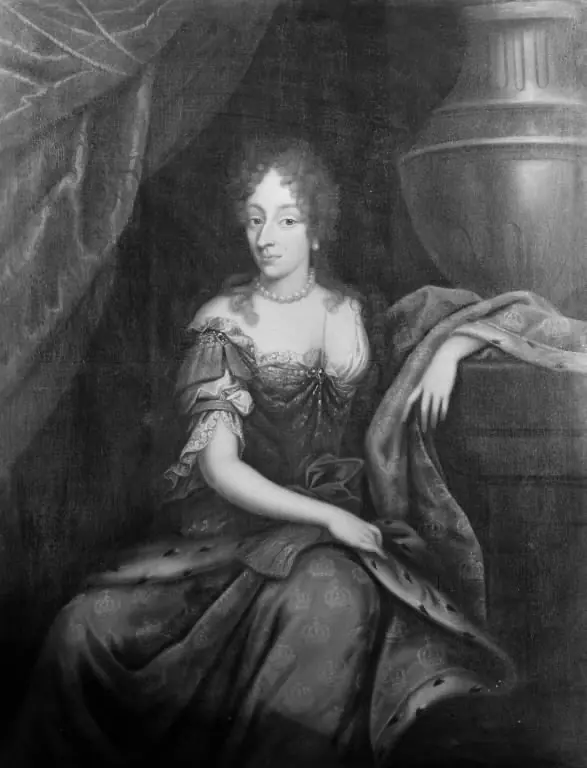
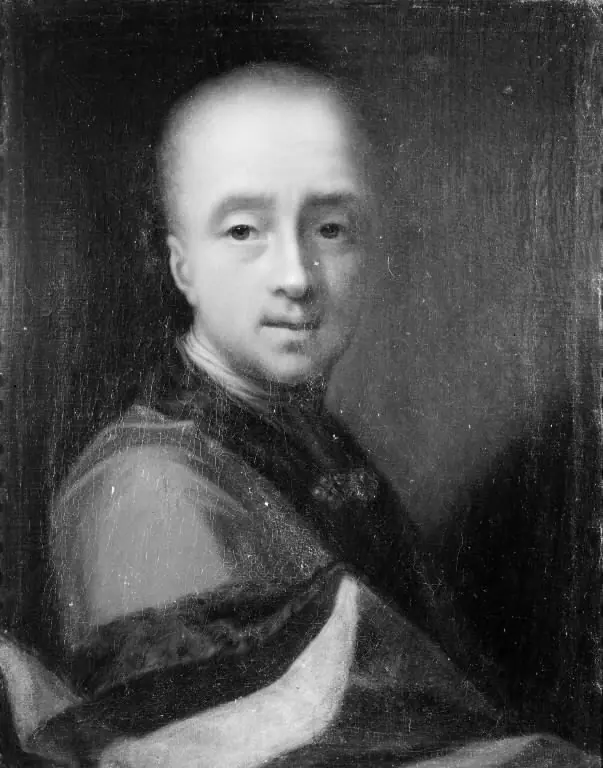
D'Agar employs a restrained palette dominated by deep blues and blacks, with subtle highlights on fabric and skin to model form. The dark, indistinct background isolates the figures, enhancing their psychological presence. Brushwork is precise yet unobtrusive, favoring clarity of expression over ornamental detail, reflecting the influence of French court portraiture and the quiet realism of the period.
History & Provenance
Jacques d'Agar, a Huguenot, left France after the 1685 revocation of the Edict of Nantes, which stripped Protestants of civil rights. He relocated to Denmark, where he found patronage among the nobility. This painting, created shortly after his move, likely reflects his adaptation to a new cultural environment, blending French training with the tastes of his Danish patrons.
Context
In late 17th-century Northern Europe, portraiture often conveyed moral or intellectual themes alongside likeness. The pairing of youth and age, book and gaze, aligns with contemporary ideals of wisdom and piety. D'Agar’s shift from history painting to portraiture mirrored broader trends among artists displaced by religious conflict, who turned to more commercially viable subjects abroad.
Legacy
Though not widely reproduced, the painting stands as a quiet testament to the movement of Huguenot artists across Europe. It exemplifies how personal and political upheaval shaped artistic trajectories, and how portraiture became a vehicle for subtle narrative in a time of religious displacement. Its preservation in Copenhagen underscores Denmark’s role as a refuge for exiled artists.
Artist & collection
Artist
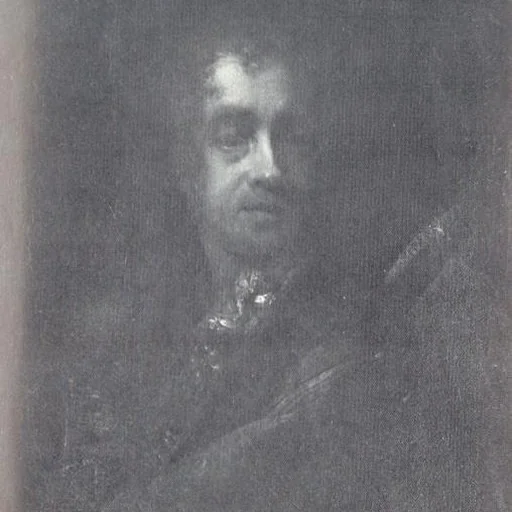
Jacques d'Agar (Danish: Jacob d'Agar; 9 March 1640 – 16 November 1715) was a French portrait painter born in Paris.