Artwork
Vanitas
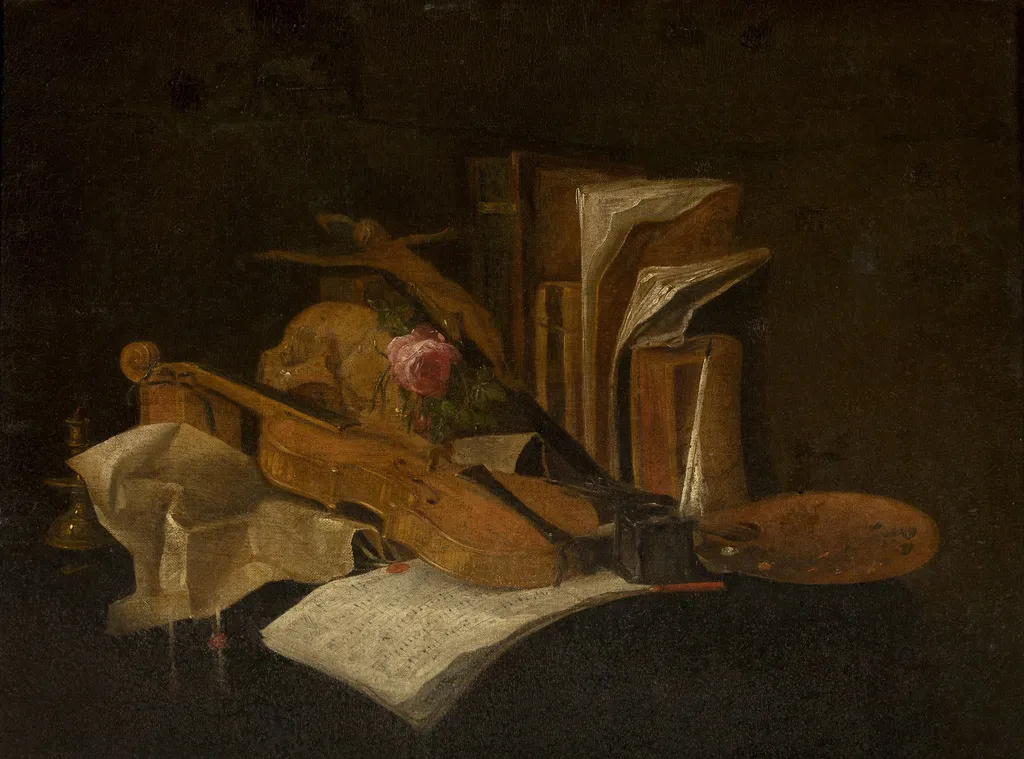
Vanitas is an oil painting by the Dutch Golden Age artist Jacques de Claeuw. It dates from 1650 and is held in the collection of the Royal Museum of Fine Arts Antwerp.
About this work
Overview
Vanitas is a still life painting by Jacques de Claeuw, executed in oil around 1650. It is part of the collection at the Royal Museum of Fine Arts Antwerp.
Subject & Meaning
The painting features a symbolic arrangement of everyday objects: a violin, a book, and a rose, stacked in a deliberate hierarchy. This composition alludes to the transience of life and the fleeting nature of earthly pursuits, characteristic of the vanitas theme.
Technique & Style
De Claeuw employed chiaroscuro, a strong contrast between light and dark, to create depth and draw attention to the central objects. The painting is marked by realistic rendering, meticulous attention to texture, and a subdued color palette dominated by earth tones.
History & Provenance
Created circa 1650, Vanitas is attributed to Jacques de Claeuw. The work is currently housed at the Royal Museum of Fine Arts Antwerp, though specific details of its acquisition history are not provided here.
Context
The work reflects the 17th-century Dutch tradition of still-life painting, particularly vanitas pieces that encouraged contemplation on mortality and the vanity of worldly goods.
Legacy
While specific influences or direct artistic legacies of Vanitas are not detailed, it contributes to the broader understanding and appreciation of 17th-century Dutch still-life painting and the vanitas genre.
Own this work as a print
Artist & collection

 Stilleben mit Musikinstrumenten, Notenblättern, Himmelsglobus und Muschel
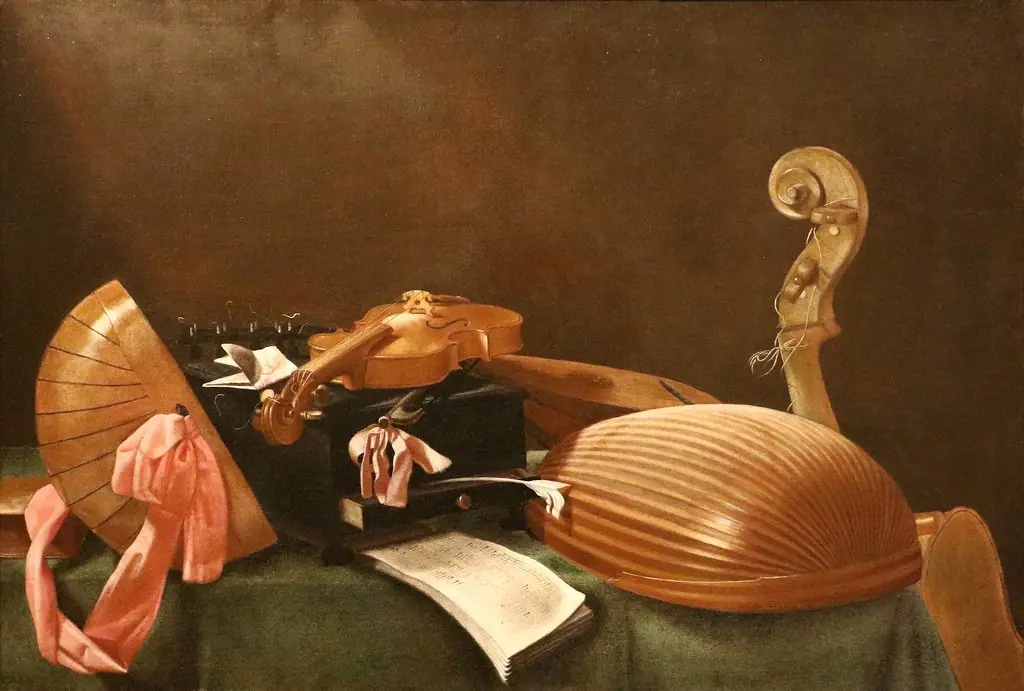 Music instruments
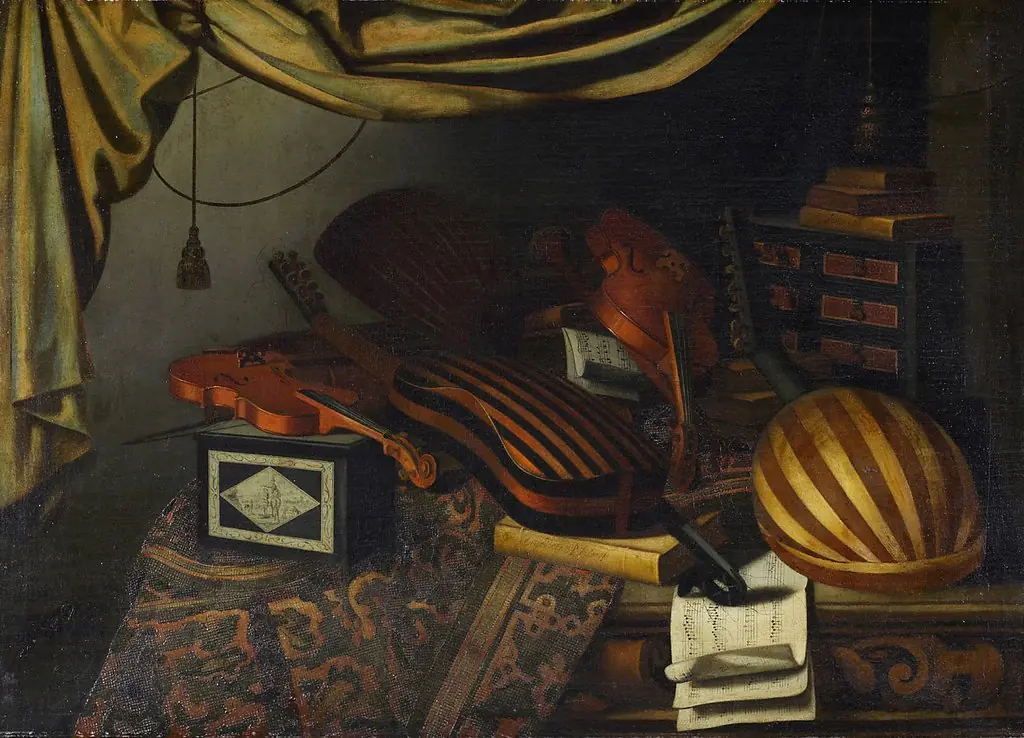 Stilleben mit Musikinstrumenten, Notenblättern und Büchern
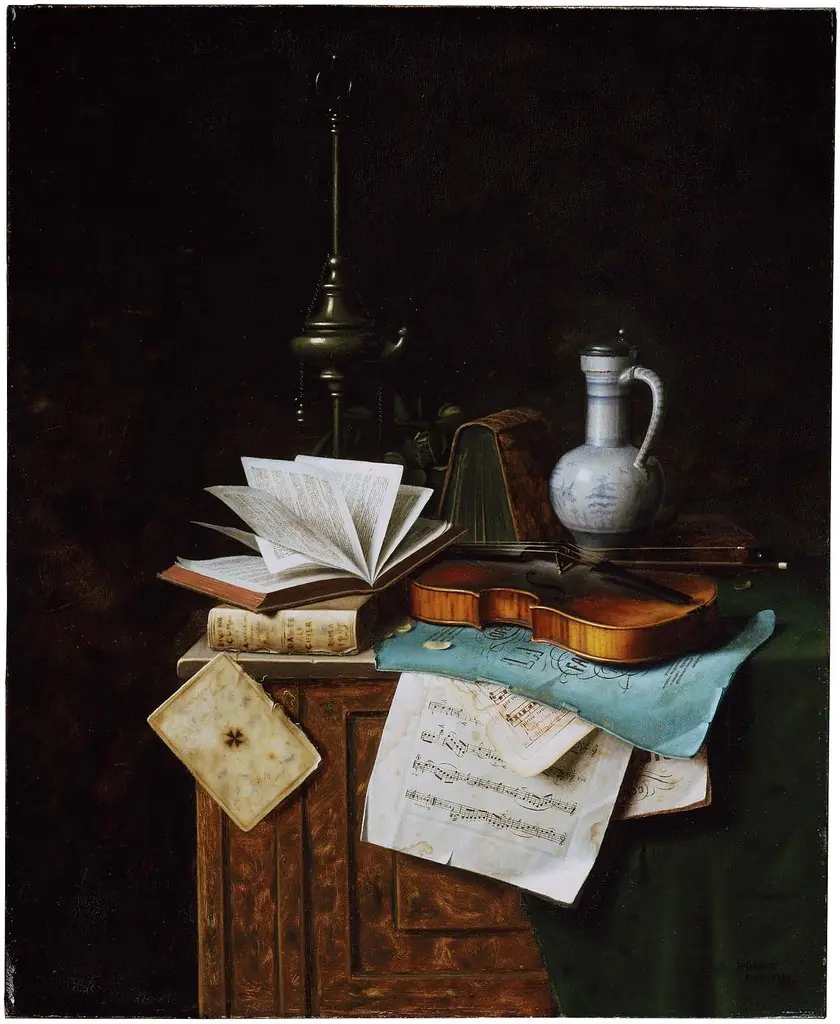 Still Life with Violin
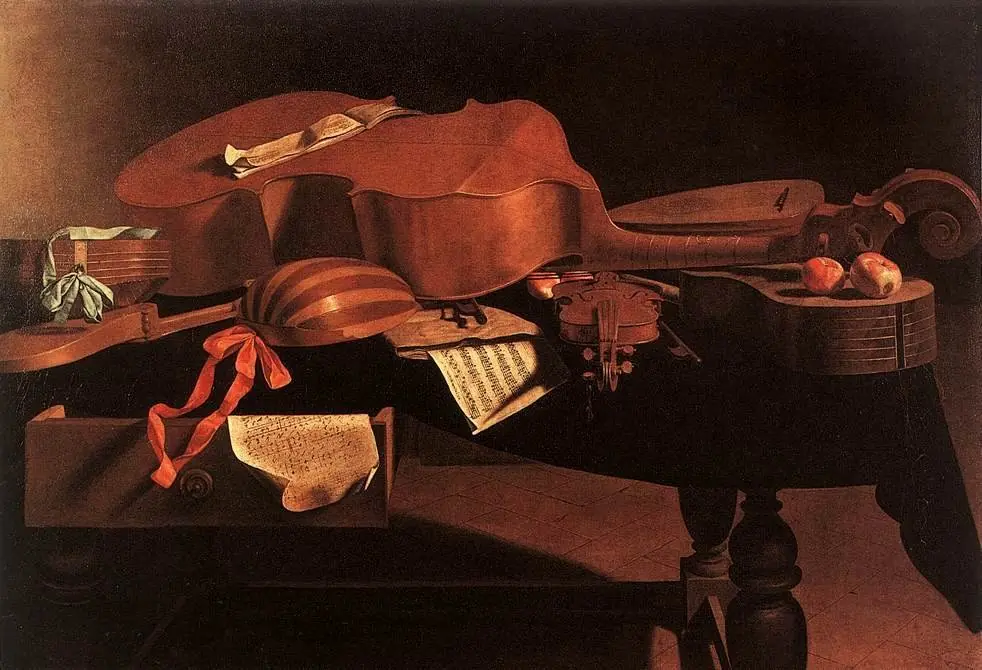 Musical instruments
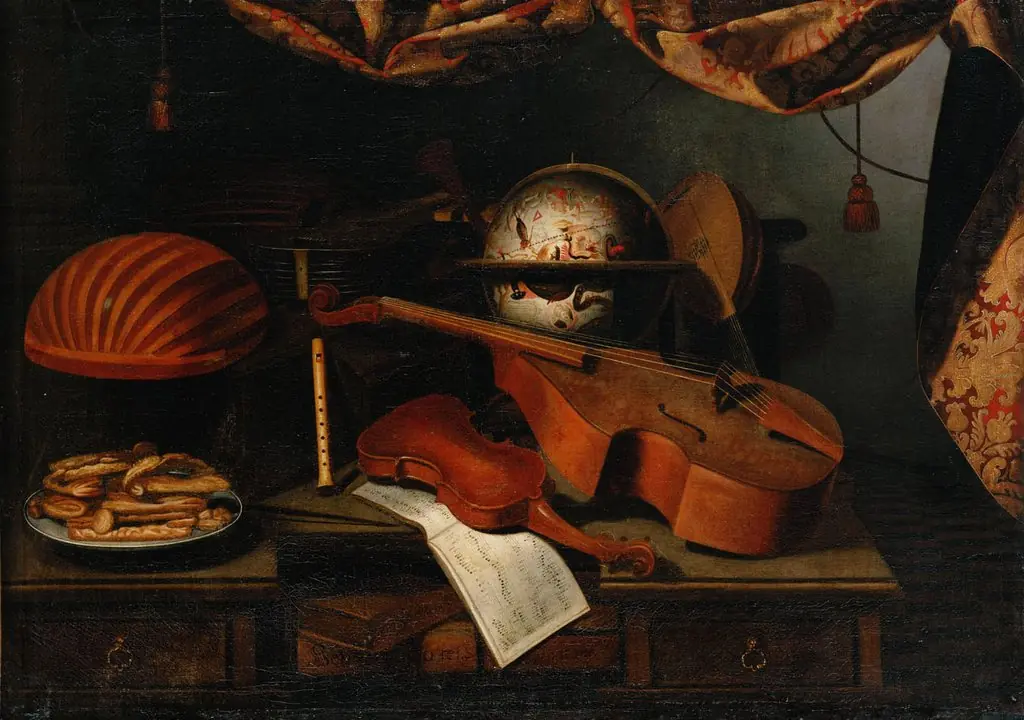 Stilleben mit Musikinstrumenten, Globus und einem Teller mit Gebäck
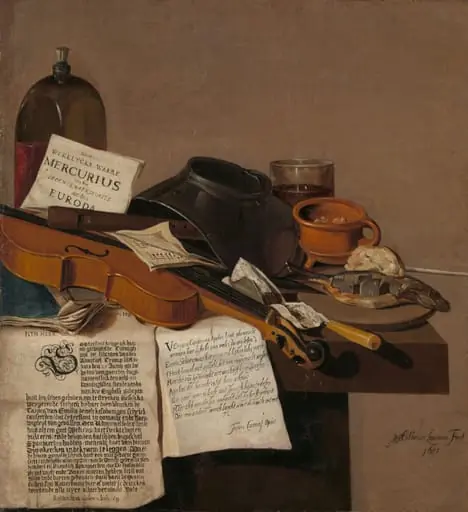 Still Life with a Copy of De Waere Mercurius, a Broadsheet with the News of Tromp's Victory over three English Ships on 28 June 1639, and a Poem telling the story of Apelles and the Cobbler
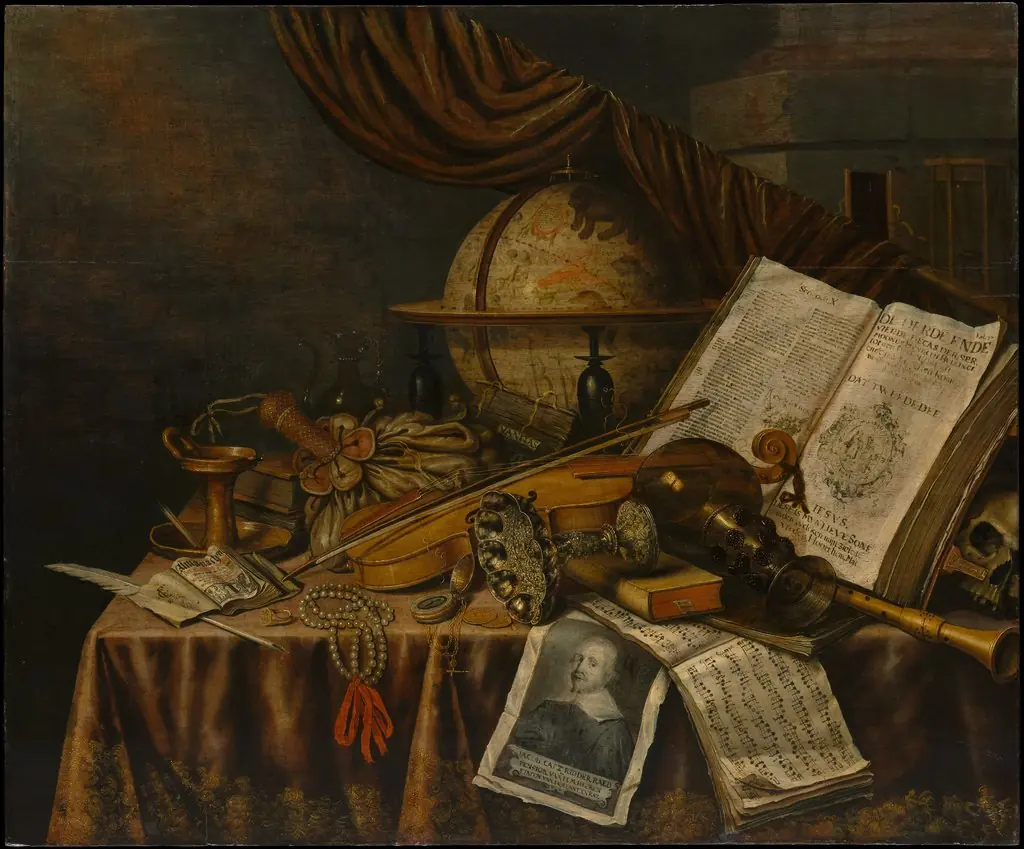 Vanitas Still Life
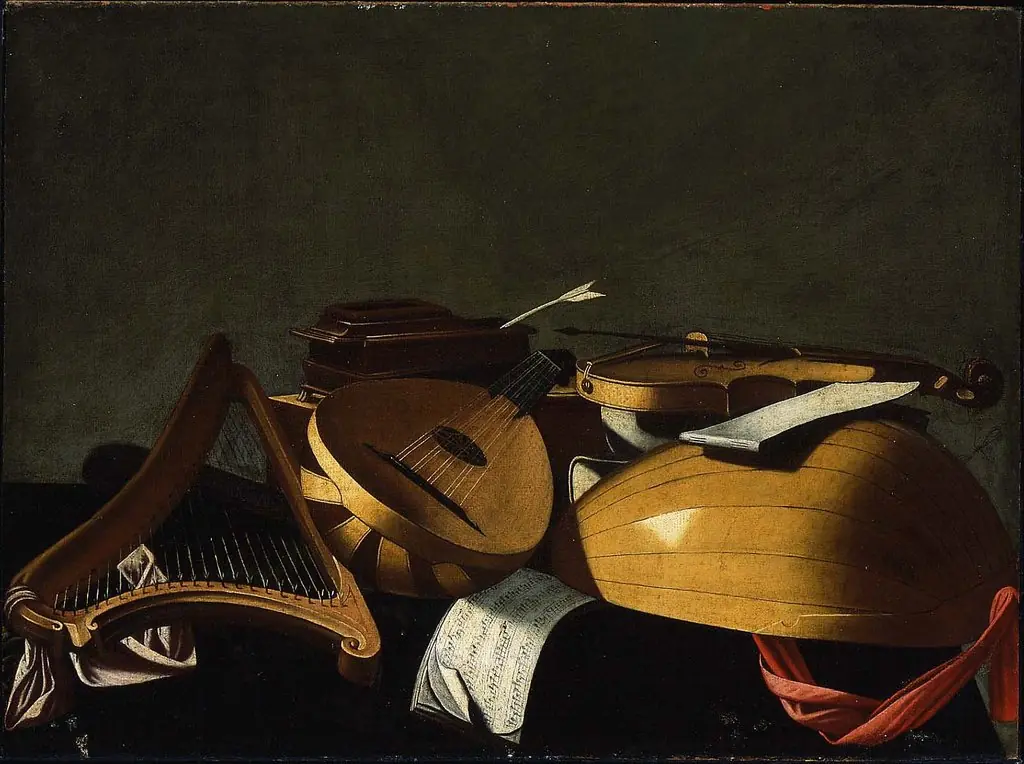 Musical Instruments
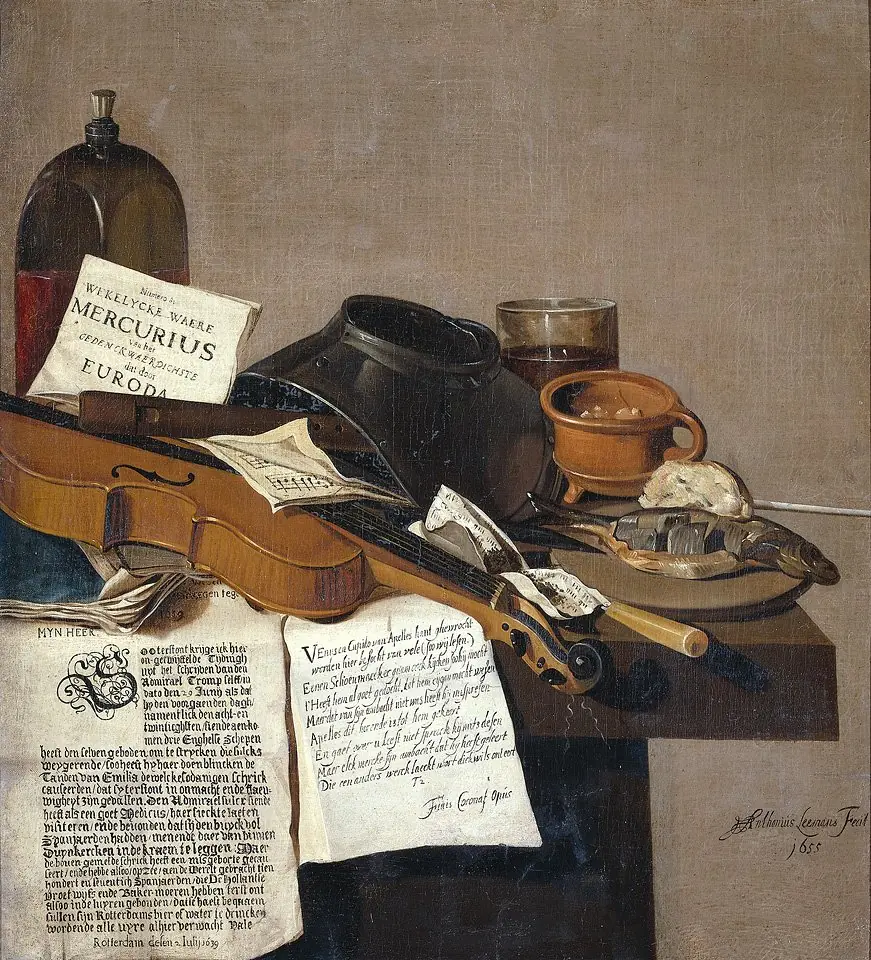 Still life with a copy of De Waere Mercurius, a broadsheet with the news of Tromp's victory over three English ships on 28 June 1639, and a poem telling the story of Apelles and the cobbler
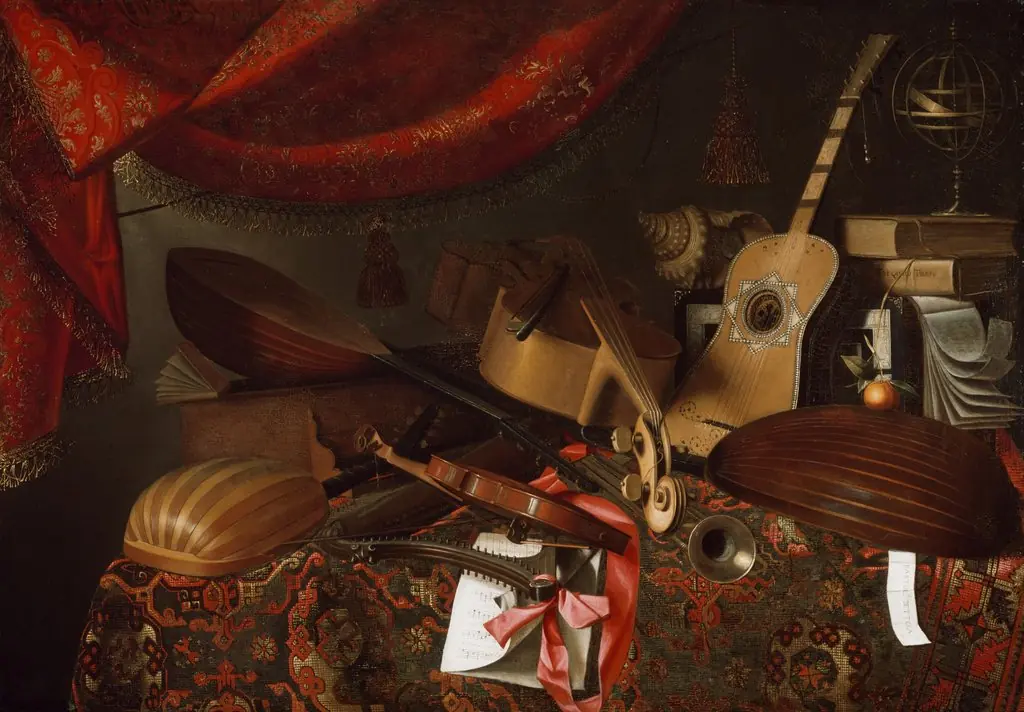 Still Life with Musical Instruments