Artwork
Chateau Fontainebleau from the Grand Canal
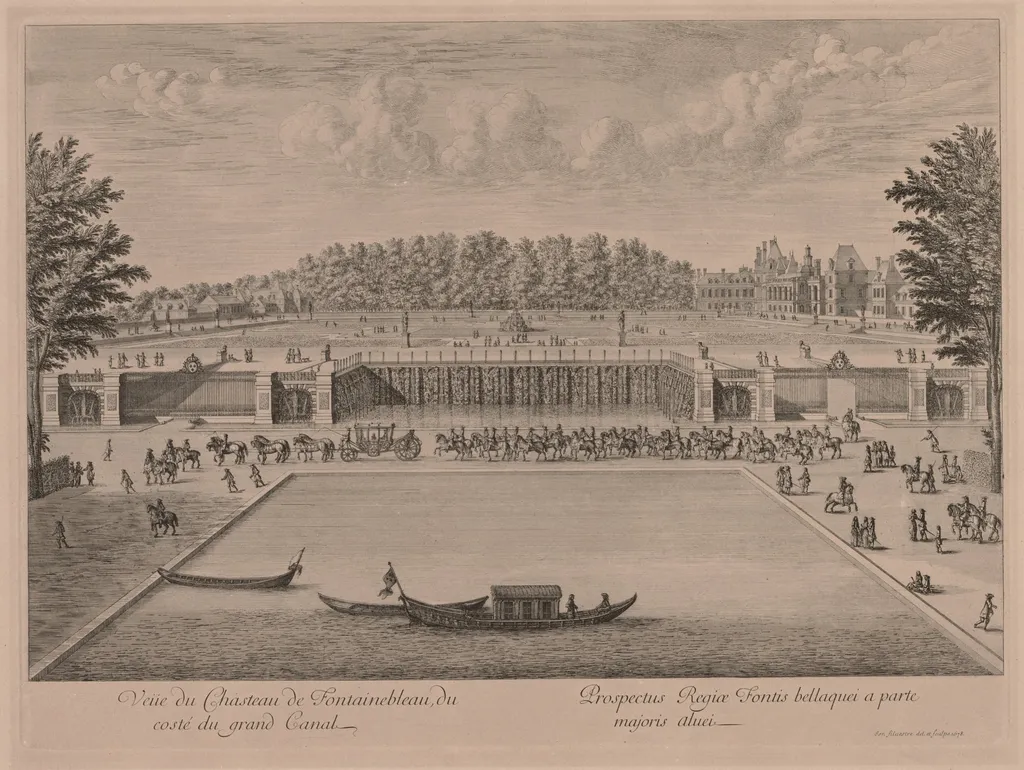
Chateau Fontainebleau from the Grand Canal is a print by the Baroque artist Jacques Rigaud. It dates from 1727 and is held in the collection of the Cleveland Museum of Art.
About this work
Overview
The composition balances architectural grandeur with lively human activity, reflecting the refined observational habits of early 18th-century French draftsmen.
Created in 1727 by Jacques Rigaud, this print depicts the Château de Fontainebleau as seen from the Grand Canal. Executed in ink and wash, the work captures the palace’s imposing architecture framed by dense foliage, with a bustling foreground of travelers and vehicles. The composition balances architectural grandeur with lively human activity, reflecting the refined observational habits of early 18th-century French draftsmen.
Subject & Meaning
The scene portrays the château not as a static monument but as a living center of courtly and public life. Figures on horseback, in carriages, and in a small boat suggest movement between the royal residence and the surrounding landscape. The orderly yet animated arrangement implies the château’s role as both a symbol of power and a hub of daily activity during the reign of Louis XV.
Technique & Style
Rigaud employed fine ink lines and subtle washes to render texture and depth, emphasizing the folds of fabric, the musculature of horses, and the play of light on water and stone. The meticulous attention to detail aligns with Baroque traditions of naturalism, though the composition avoids theatricality in favor of quiet precision, characteristic of French topographical drawing of the period.
History & Provenance
The print entered the collection of The Cleveland Museum of Art as part of a broader acquisition of French drawings from the 17th and 18th centuries. Its survival in good condition reflects its value as a documentary record of Fontainebleau’s appearance before major 19th-century alterations. No earlier provenance is documented beyond Rigaud’s studio practice in Paris.
Context
During the 1720s, Fontainebleau remained a favored royal residence despite Versailles’ dominance. Artists like Rigaud documented its grounds to satisfy aristocratic interest in landscape and architecture. This work belongs to a genre of topographical views that served both aesthetic and archival purposes, bridging art and cartography in pre-revolutionary France.
Legacy
Rigaud’s print contributes to a visual record of French royal sites before industrialization transformed their surroundings. While not widely reproduced, it exemplifies the precision and quiet observation that defined French draftsmanship of the era, influencing later topographical artists and historians studying the evolution of palace landscapes.
Artist & collection


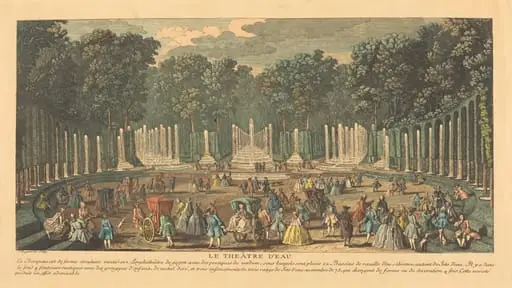 The Theatre of Water (Le Théâtre d'Eau)
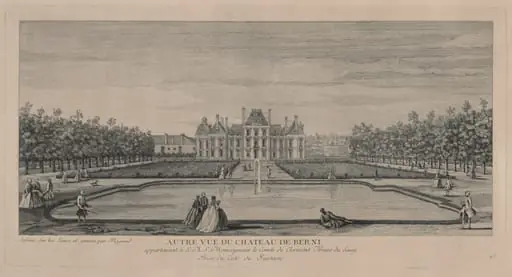 Chateau of Berny from the Gardens
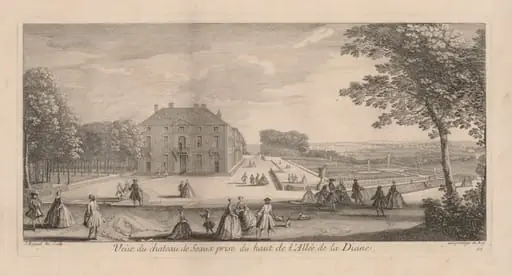 View of the Chateau de Seaux from Diana's Promenade
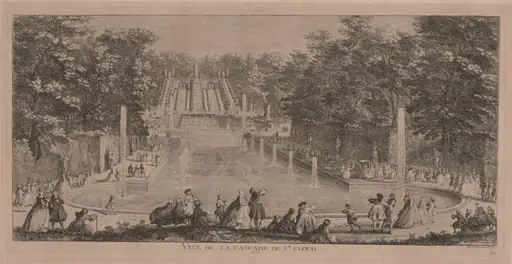 The Cascades of St. Cloud
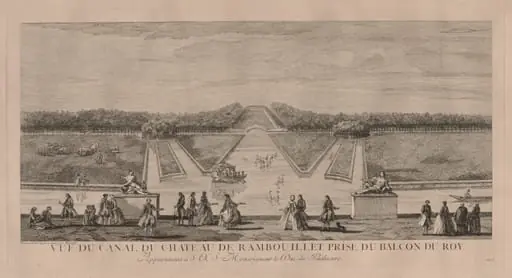 The Chateau from the Canal at Rambouillet
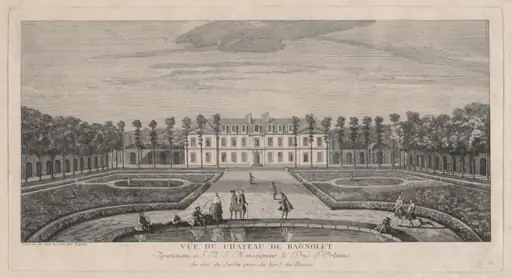 Chateau of Bagnolet
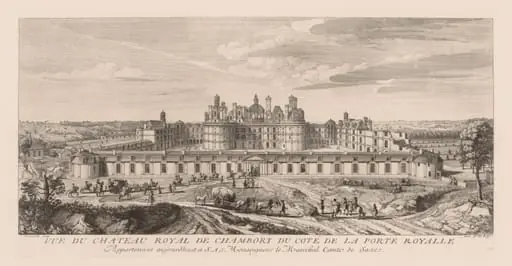 Vue du Château royal de Chambord, du côte de la Porte royale
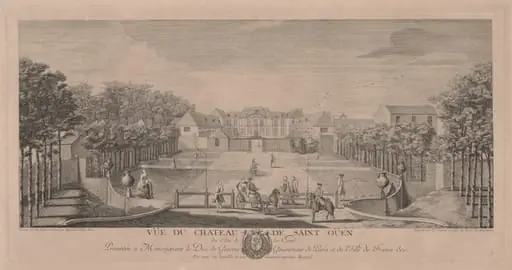 Chateau Saint Ouen from the Court
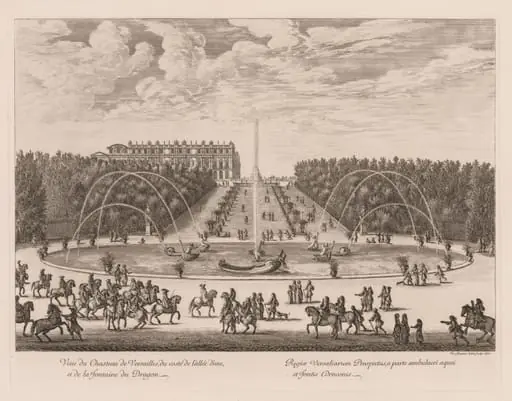 Vue du Château de Versailles, du côté de l'allée et de la fontaine du Dragon
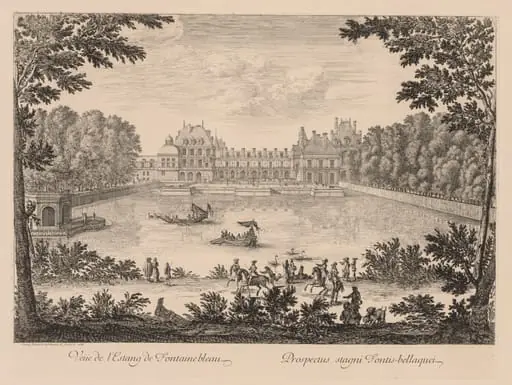 Vue de l'Etang de Fontainebleau
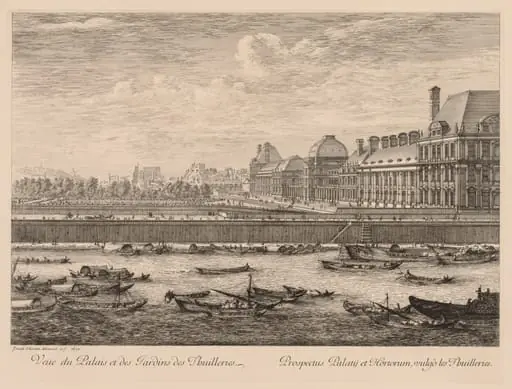 Vue du palais et des jardins des Tuileries, du côté du quai
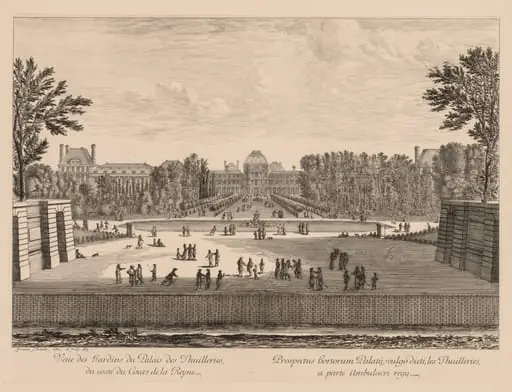 Vue du palais et des jardins des Tuileries, du côté du cours la Reine
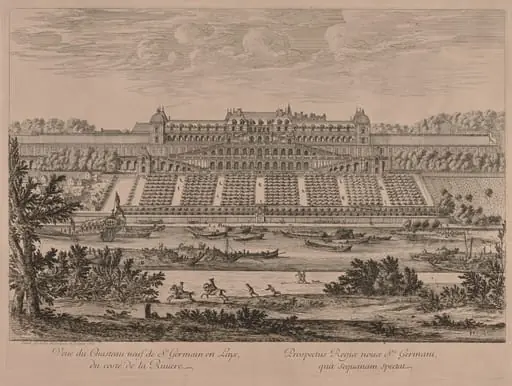 Chateau of St. Germain en Laye from the River
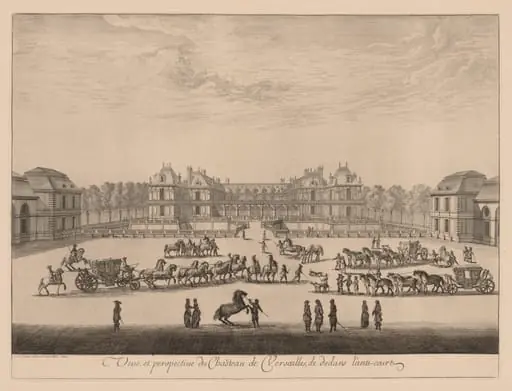 Vue et perspective du Château de Versailles, de dedans l'anti-cour
 Chateau St. Cloud