Artwork
Flower Gardens of Seaux
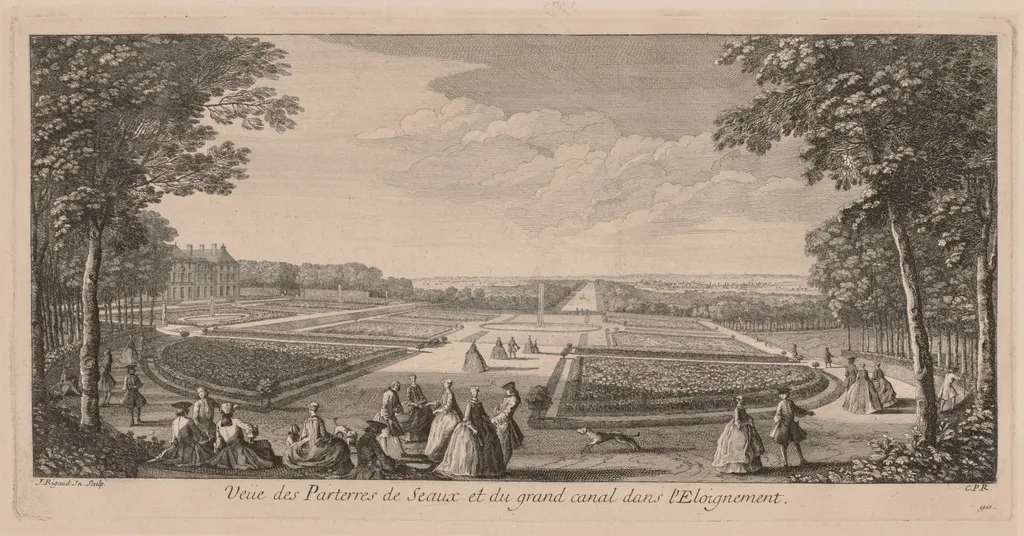
Flower Gardens of Seaux is a print by the Baroque artist Jacques Rigaud. It dates from 1736 and is held in the collection of the Cleveland Museum of Art.
About this work
Overview
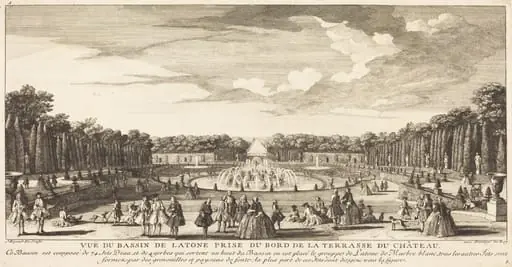
Rendered in fine linear detail, the composition captures a broad, orderly landscape with symmetrical flower beds, gravel paths, and architectural framing.
Created in 1736 by Jacques Rigaud, this print depicts the formal gardens of Seaux, a country estate near Paris. Rendered in fine linear detail, the composition captures a broad, orderly landscape with symmetrical flower beds, gravel paths, and architectural framing. The scene is grounded in topographical accuracy, reflecting the era’s fascination with cultivated nature. The artist’s signature and the title appear at the base, confirming authorship and subject.
Subject & Meaning
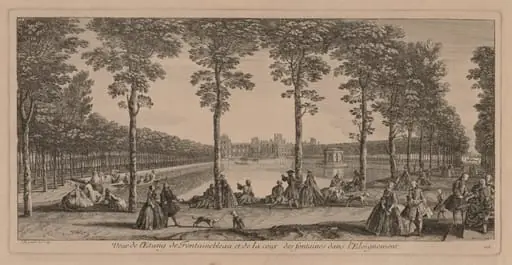
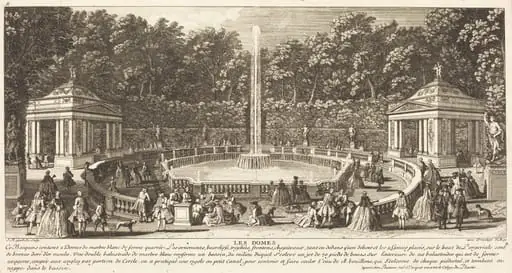
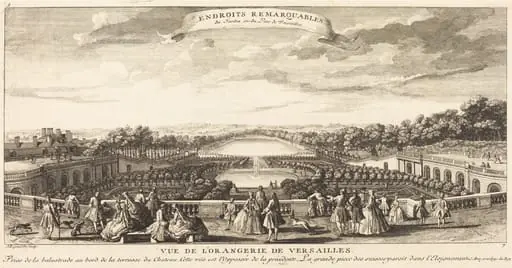
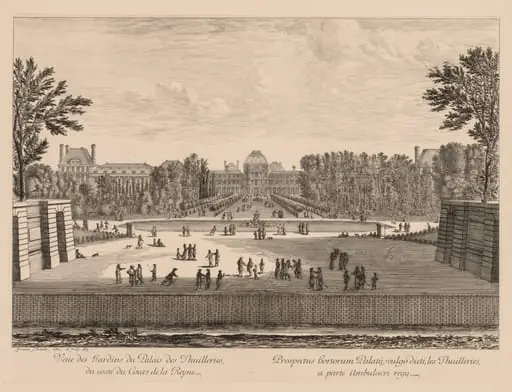
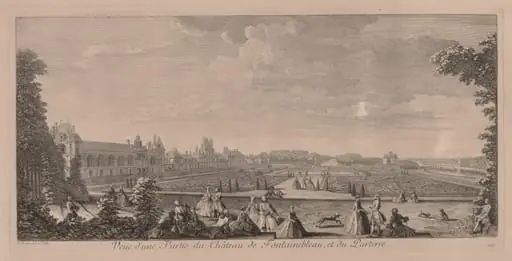
The print presents a leisurely scene of aristocratic figures strolling or resting within a meticulously maintained garden. Their attire and postures suggest the social rituals of 18th-century French elite culture. While human activity is present, the garden itself dominates the composition, signaling its role as a symbol of order, refinement, and controlled beauty—values central to the period’s landscape ideals.
Technique & Style
Rigaud employed precise pen-and-ink lines to define every element, from the clipped hedges to the texture of stone pathways. The light, even tonality and lack of heavy shading emphasize clarity and structure. This draftsmanship aligns with the tradition of architectural and garden illustration, where accuracy and elegance were prioritized over emotional expression or dramatic lighting.
History & Provenance
The print was produced during the height of French formal garden design, a period when estates like Seaux were celebrated for their geometric precision. It entered the collection of The Cleveland Museum of Art as part of a broader acquisition of European topographical prints, reflecting the museum’s interest in historical landscape documentation and print culture of the ancien régime.
Context
In early 18th-century France, garden design was a reflection of social status and Enlightenment ideals of rational order. Seaux, like other estates, was designed to showcase human mastery over nature. Rigaud’s print served both as a record of the property and as a cultural artifact, circulating among patrons who admired such idealized landscapes as expressions of taste and power.
Legacy
Rigaud’s work contributes to a genre of topographical prints that preserved the appearance of now-altered or lost estates. While not widely known today, such images remain valuable for historians studying landscape architecture and social customs. The Cleveland Museum of Art’s holding ensures continued access to this quiet, detailed record of pre-revolutionary French life.
Artist & collection


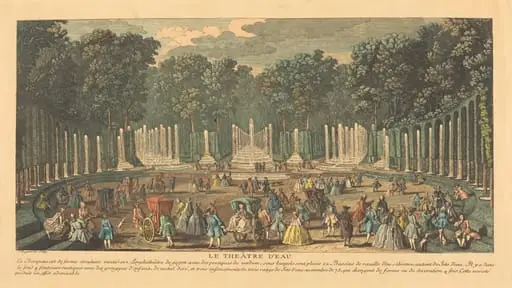 The Theatre of Water (Le Théâtre d'Eau)
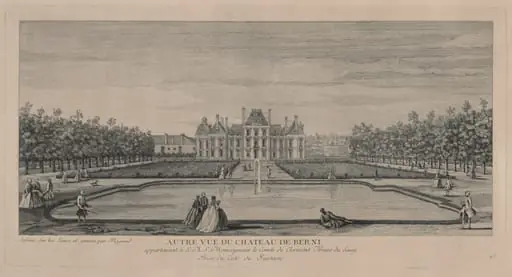 Chateau of Berny from the Gardens
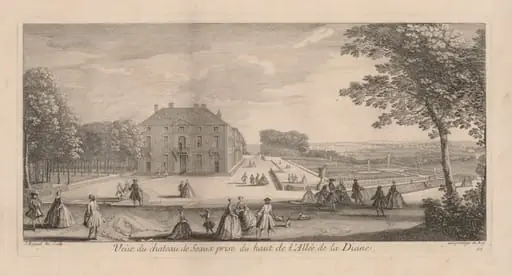 View of the Chateau de Seaux from Diana's Promenade
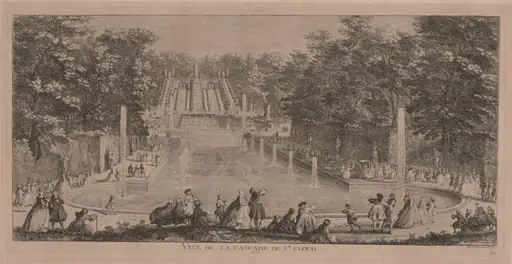 The Cascades of St. Cloud
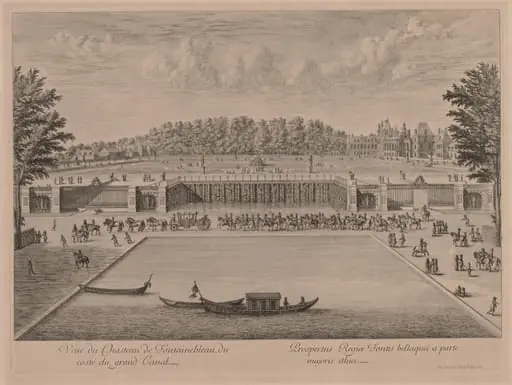 Chateau Fontainebleau from the Grand Canal
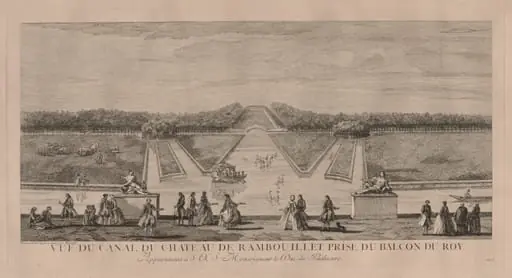 The Chateau from the Canal at Rambouillet
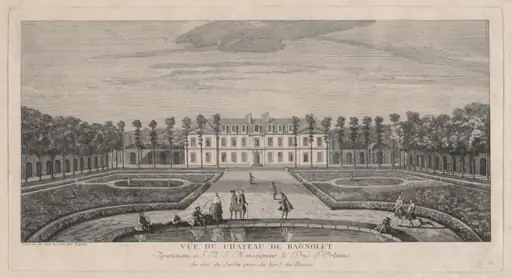 Chateau of Bagnolet
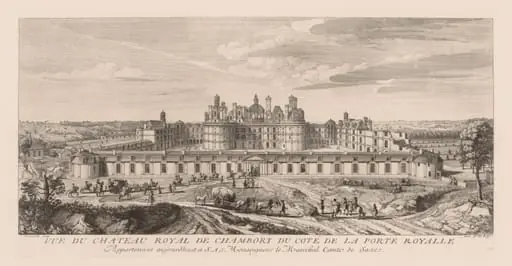 Vue du Château royal de Chambord, du côte de la Porte royale