Artwork
Nieder-oesterreich, Das Alte Schloss Grempenstein
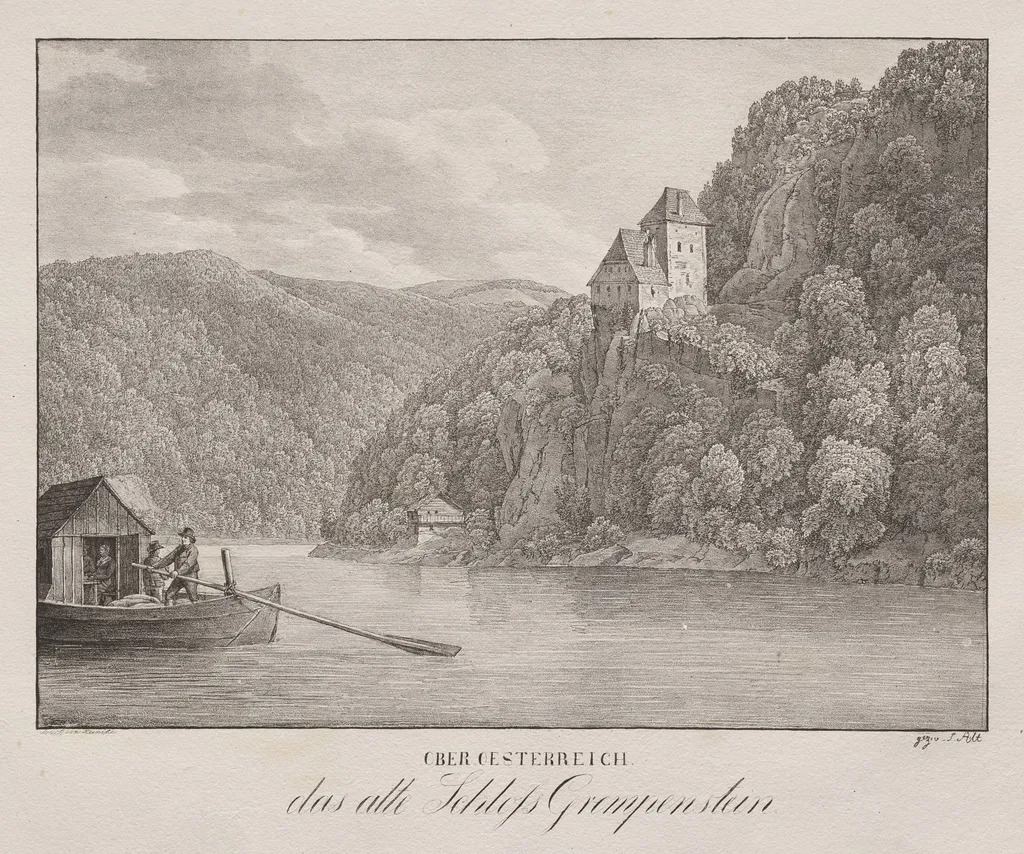
Nieder-oesterreich, Das Alte Schloss Grempenstein is a print by Jakob Alt. It dates from 1839 and is held in the collection of the Cleveland Museum of Art.
About this work
Overview
A modest wooden hut rests near the bank, while a distant hill supports a fortified castle, its silhouette softened by surrounding trees.
Created around 1839 by Jakob Alt, this black-and-white drawing depicts a tranquil riverside scene in Lower Austria. The composition centers on a small boat with two figures—one standing, one seated—gliding along the water. A modest wooden hut rests near the bank, while a distant hill supports a fortified castle, its silhouette softened by surrounding trees. The work is held in the collection of The Cleveland Museum of Art.
Subject & Meaning
The scene captures an unassuming moment in rural Austrian life, emphasizing quietude over drama. The castle, perched atop the hill, suggests historical continuity rather than grandeur. Its integration into the landscape implies a harmony between human habitation and nature. The figures in the boat appear unremarkable, reinforcing the painting’s focus on everyday existence rather than heroic or symbolic narratives.
Technique & Style
Alt employs fine linear detail and subtle tonal gradations to suggest depth and texture. Forms are simplified, avoiding ornate detail in favor of clean, flowing contours. Shading is smooth and deliberate, modeling the hillside and castle without harsh contrasts. The monochromatic palette enhances the atmospheric stillness, with ink or graphite lending a restrained, contemplative quality to the scene.
History & Provenance
The drawing was produced during Alt’s period of documenting Austrian landscapes, likely as part of a broader topographical project. It entered The Cleveland Museum of Art’s collection through documented acquisition, though its immediate provenance prior to the 20th century remains unrecorded in public sources. Its preservation reflects early 19th-century interest in regional scenery as cultural record.
Context
In the 1830s, Austrian artists increasingly turned to local landscapes as subjects worthy of artistic attention, moving away from idealized classical themes. Alt’s work aligns with this trend, reflecting a growing national consciousness tied to geography and heritage. The depiction of modest dwellings and unadorned castles signals a shift toward authenticity in representing the Austrian countryside.
Legacy
Alt’s drawings, including this one, contributed to a visual archive of Austria’s rural architecture and topography. Though not widely exhibited today, such works remain valuable for their documentary precision and quiet aesthetic. They offer insight into how 19th-century artists perceived and recorded the everyday landscape, influencing later regionalist traditions in Central European art.
Own this work as a print
Artist & collection


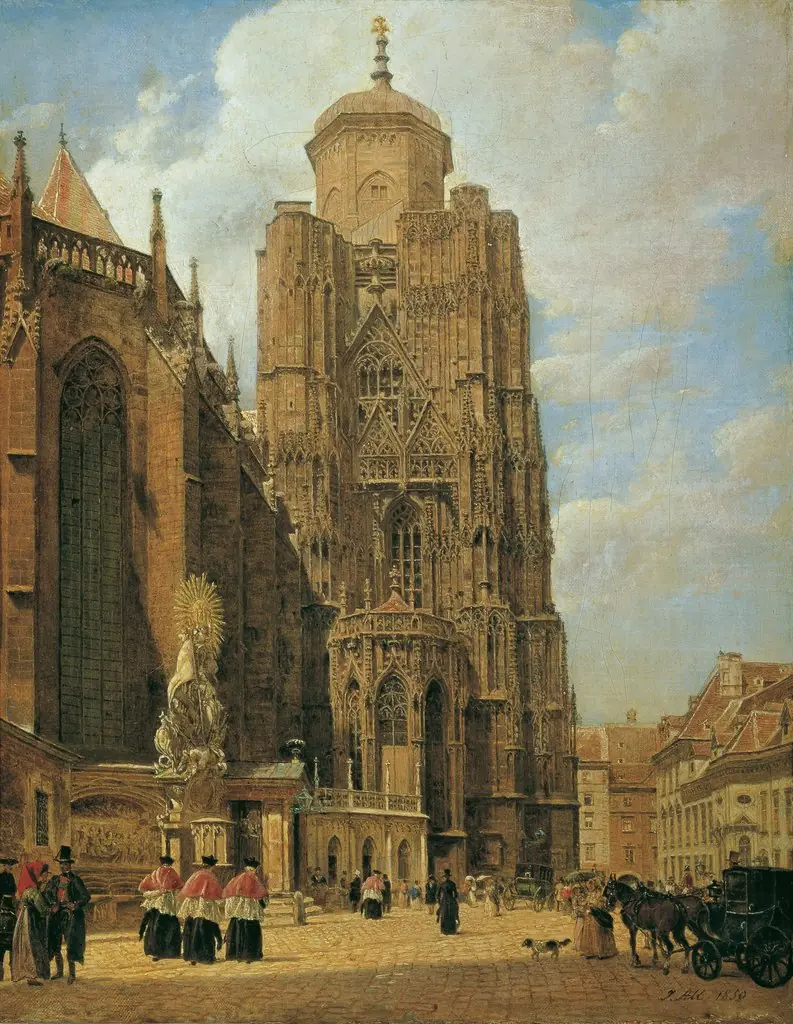 St. Stephen's Cathedral in Vienna
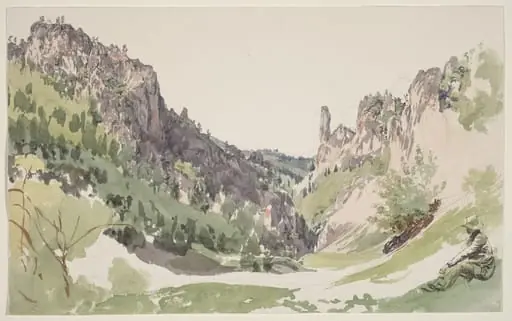 A Seated Man Contemplating a Sunlit Mountain Valley
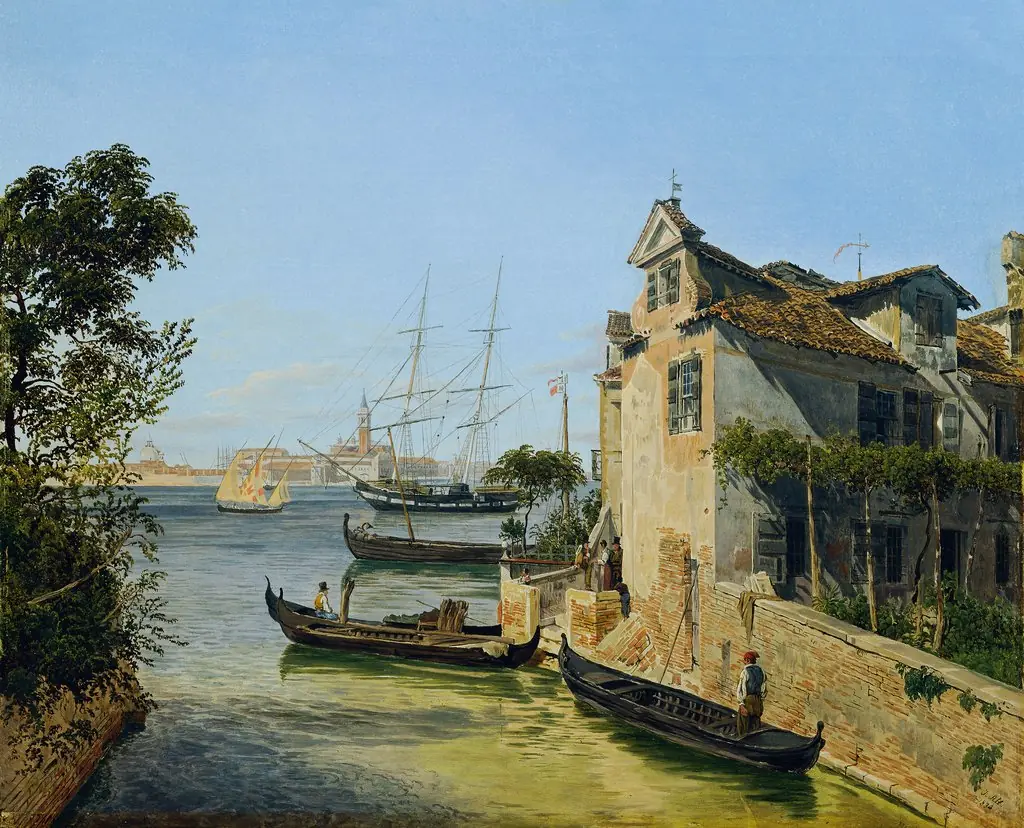 View of San Giorgio Maggiore in Venice
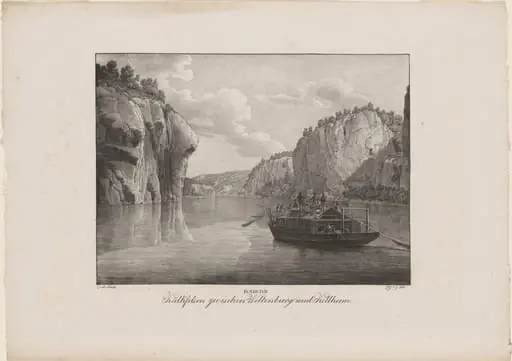 Baiern, Kalkfelsen zwischen Weltenburg und Kellheim (Bavaria, Chalk Cliffs between Weltenburg and Kellheim)
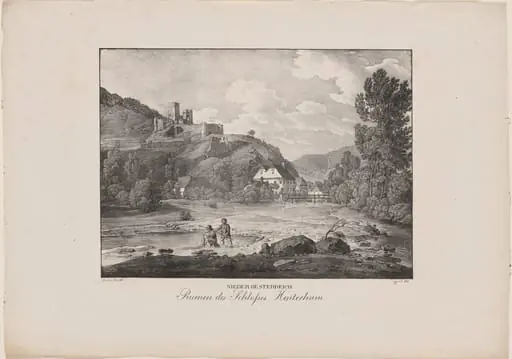 Nieder-Oesterreich, Ruinen des Schlosses Hinterhaus (Lower Austria, Ruins of Hinterhaus Castle)
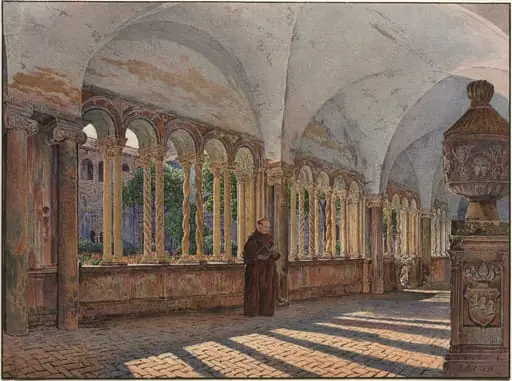 View of the Cloister of San Giovanni in Laterano, Rome
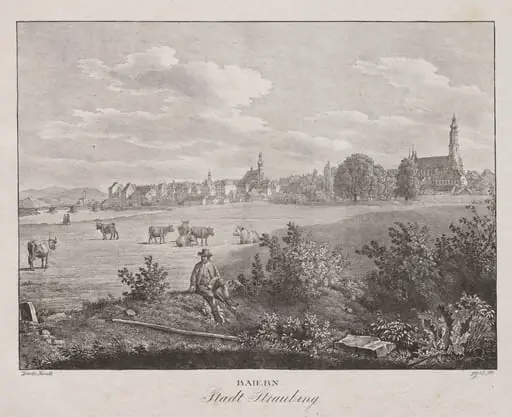 Baiern, Stadt Straubing
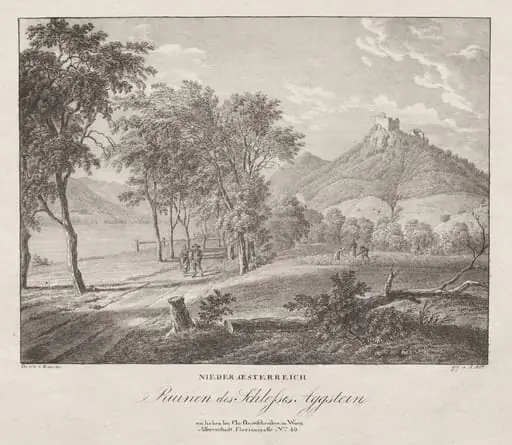 Nieder-oesterreich, Ruinen des Schlosses Aggenstein
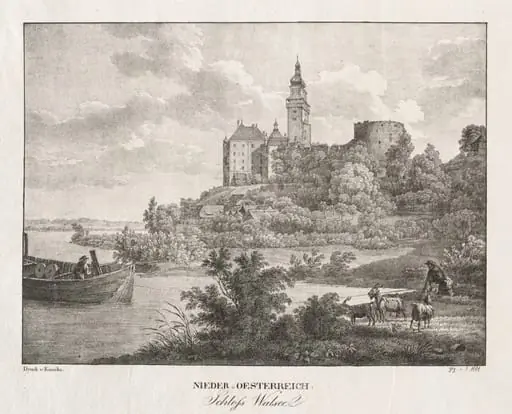 Nieder-oesterreich, Schloss Walseel
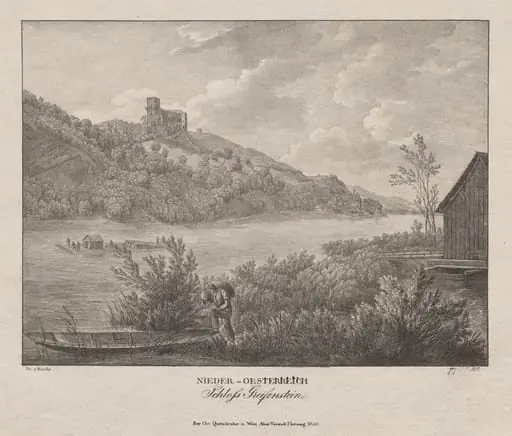 Nieder-oesterreich, Schloss Greifenstein
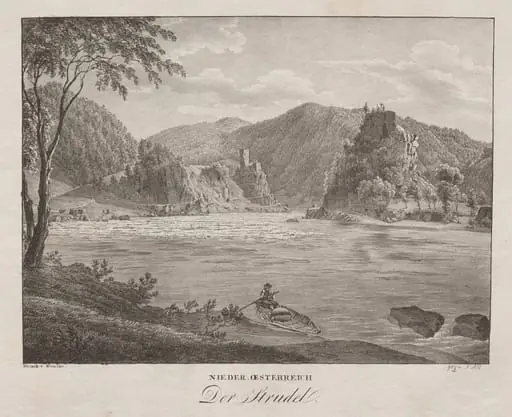 Nieder-oesterreich, Der Strudel
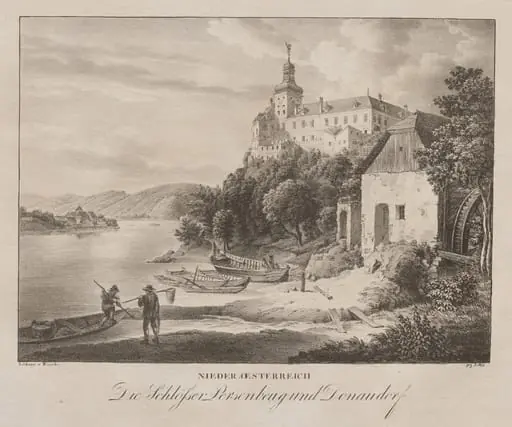 Nieder-oesterreich, Die Schlosser Persenbeug
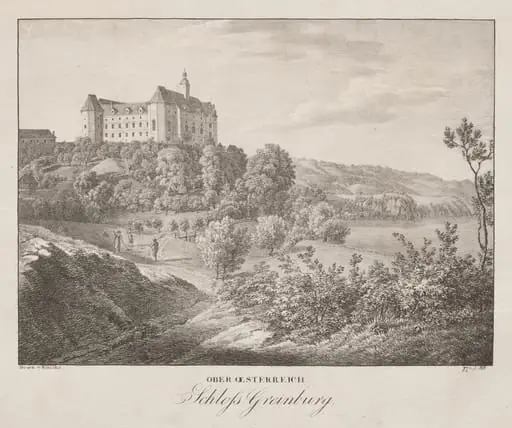 Ober-oesterreich, Schloss Greinburg
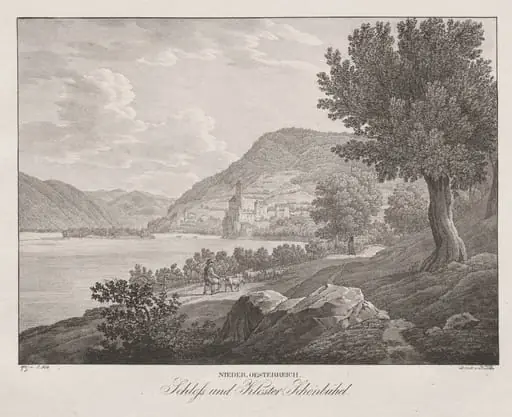 Nieder-oesterreich, Schloss und Kloster Schönbühel
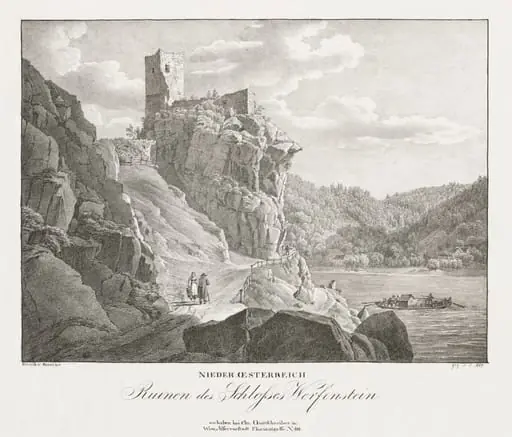 Nieder-oesterreich, Ruinen des Schlosses Werfenstein
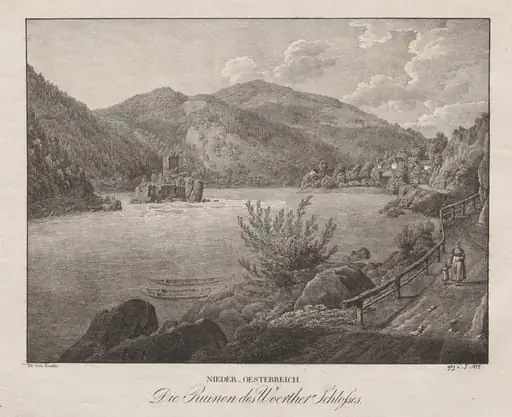 Nieder-oesterreich, Die Ruinen des Woerther Schlosses
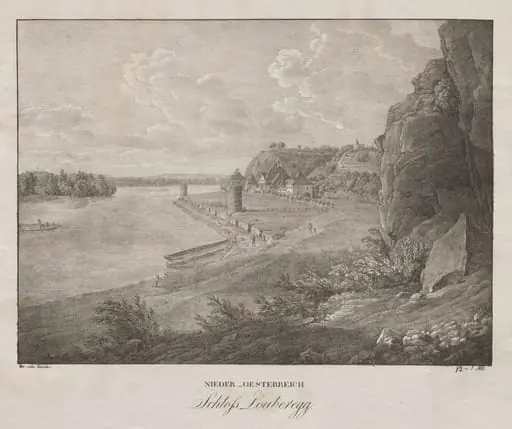 Nieder-oesterreich, Schloss Louberegg
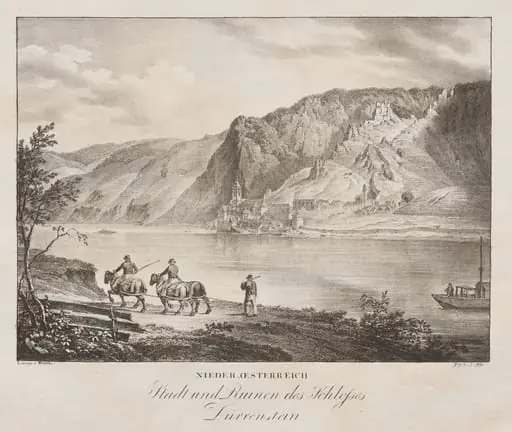 Nieder-oesterreich, Stadt und Ruinen des Schlosses
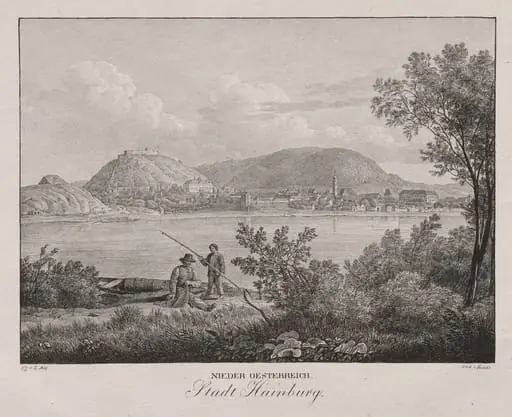 Nieder-oesterreich, Stadt Hainburg