Artwork
A Waterfall
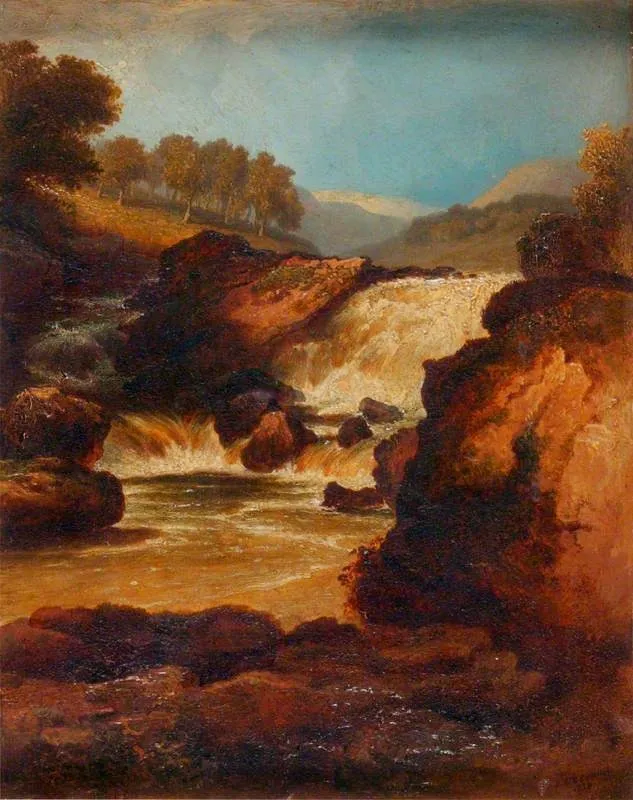
A Waterfall is an unspecified painting by James Arthur O'Connor. It dates from 1838 and is held in the collection of the Victoria and Albert Museum.
About this work
Overview
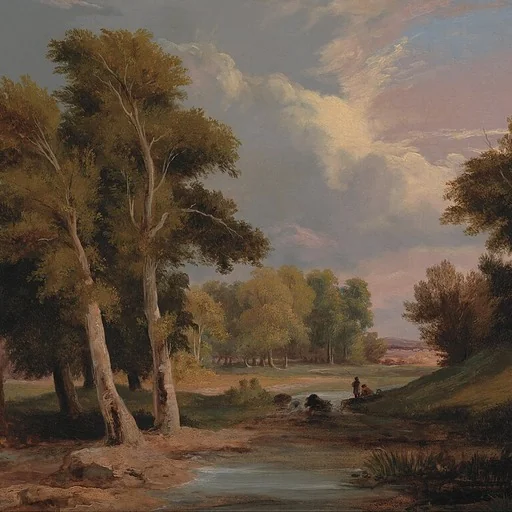
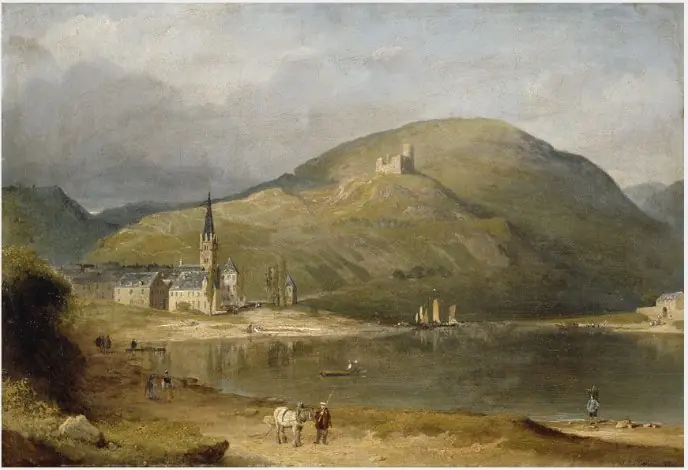
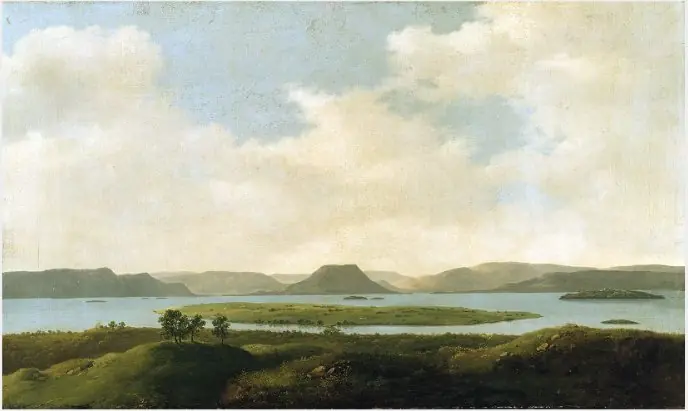
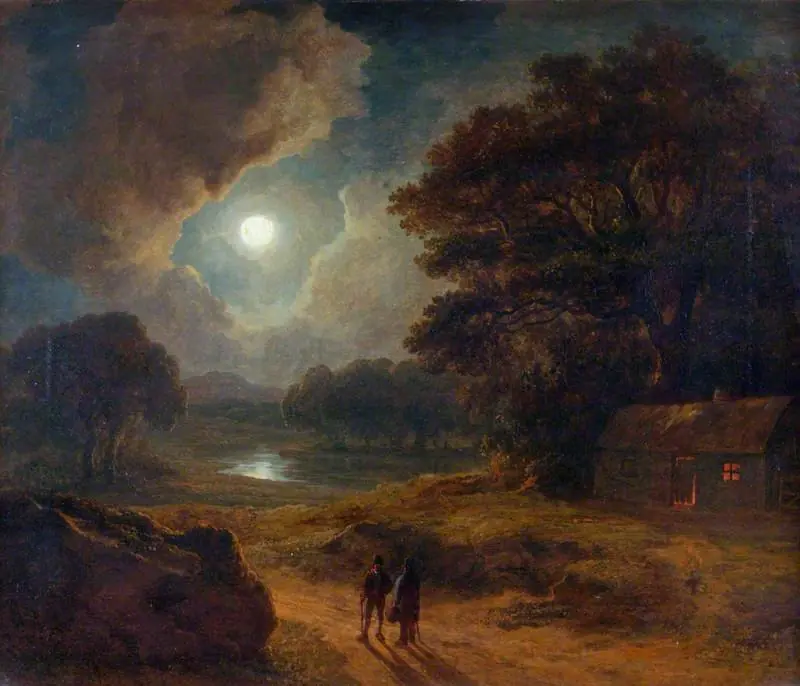
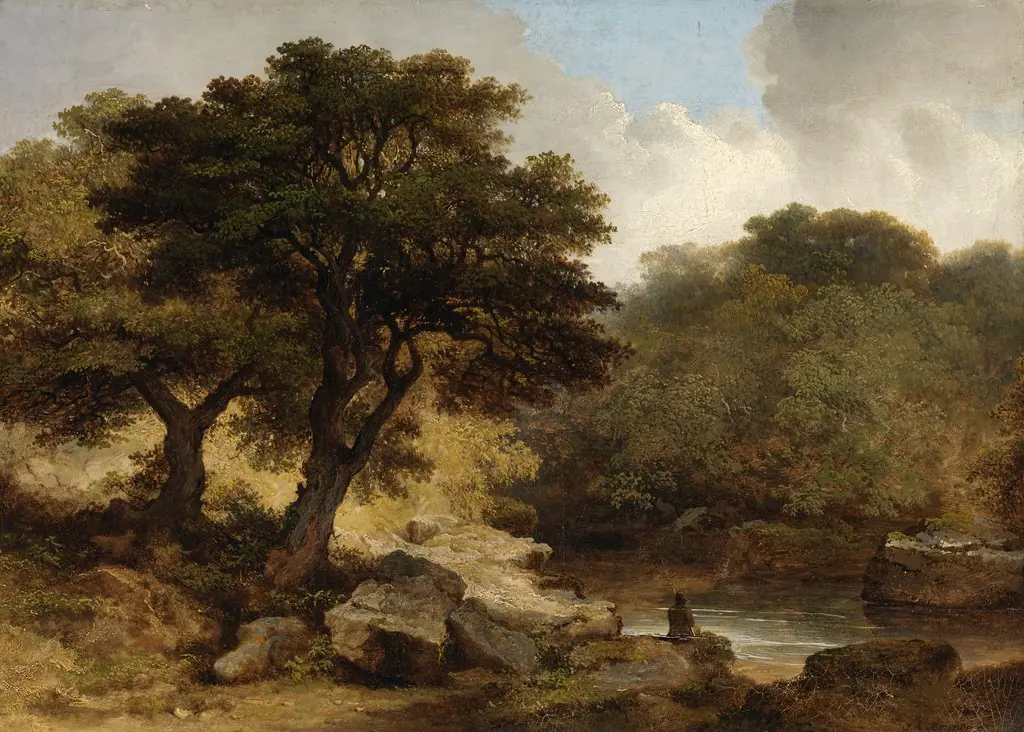
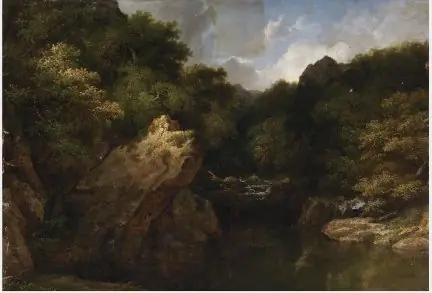
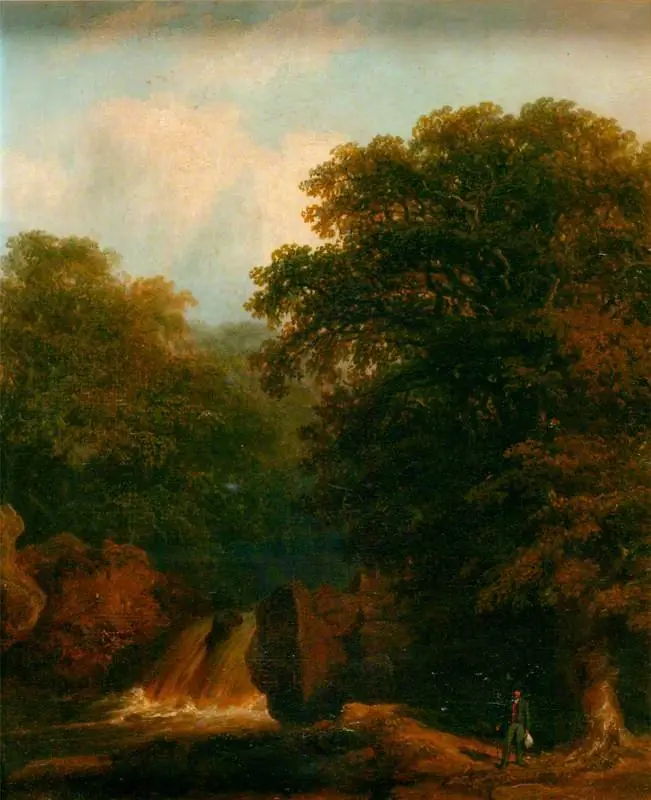
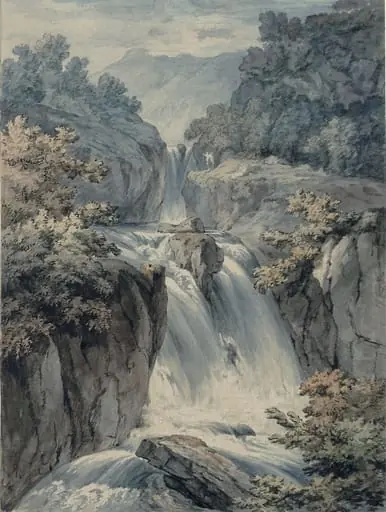
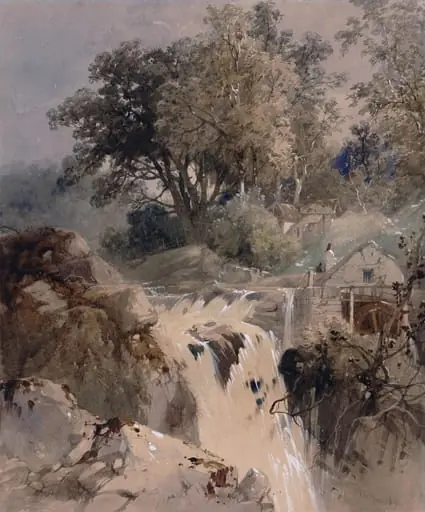
Painted in 1838 by James Arthur O'Connor, A Waterfall is a landscape work that captures a natural cascade amid wooded hills. Executed in oil, the piece is part of the Victoria and Albert Museum’s collection. It reflects the 19th-century European interest in detailed, observational depictions of nature, avoiding idealization in favor of quiet realism.
Subject & Meaning
The central subject is a waterfall descending over moss-covered rocks, framed by dense foliage and distant elevations. No human figures or architectural elements interrupt the scene, emphasizing nature’s autonomy. The composition invites contemplation rather than narrative, aligning with Romantic-era sensibilities that valued solitude and the sublime in ordinary natural forms.
Technique & Style
O'Connor employed fine brushwork to render the texture of wet stone, foliage, and flowing water with precision. The palette is restrained, dominated by earthy greens, browns, and muted grays, enhancing the painting’s atmospheric stillness. Light is diffused, suggesting overcast conditions, and depth is achieved through subtle tonal gradations rather than dramatic contrast.
History & Provenance
The painting was completed during O'Connor’s active period in Ireland and Britain, when he frequently depicted Irish scenery. It entered the Victoria and Albert Museum’s collection in the 19th century, likely through acquisition or donation. Its preservation reflects institutional interest in British and Irish landscape traditions beyond the more celebrated Romantic painters.
Context
Created during a time when landscape painting was gaining academic recognition, A Waterfall aligns with the growing trend of topographical realism. O'Connor’s work contributed to a regional movement that documented Ireland’s natural features, often overlooked by London-centered art circles. His approach contrasted with theatrical Romanticism, favoring quiet observation over emotional grandeur.
Legacy
Though not widely known today, O'Connor’s paintings, including this one, remain important as records of early 19th-century Irish landscape aesthetics. The work exemplifies a modest but persistent strand of British art that prioritized fidelity to place over spectacle. It continues to inform scholarly study of regional art practices outside major metropolitan centers.
Artist & collection