Artwork
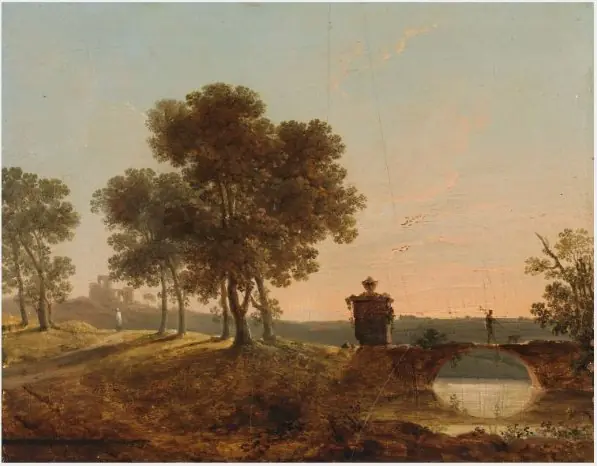
Landscape with Trees in the Foreground and Distant Hills
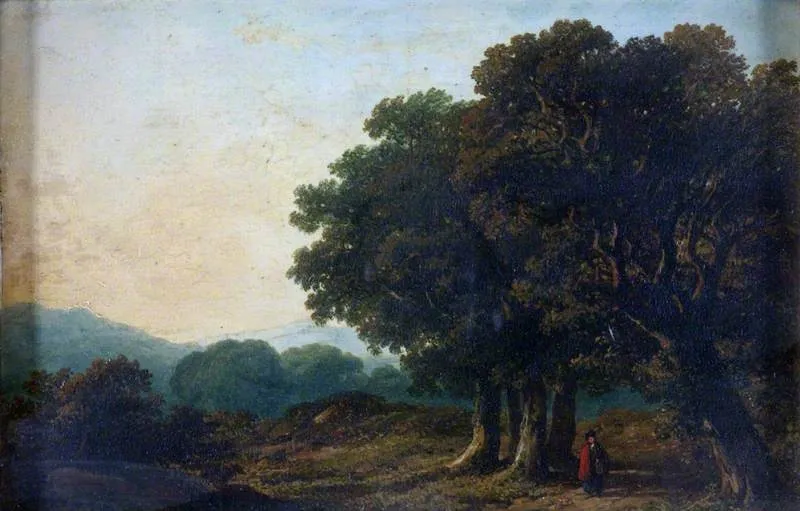
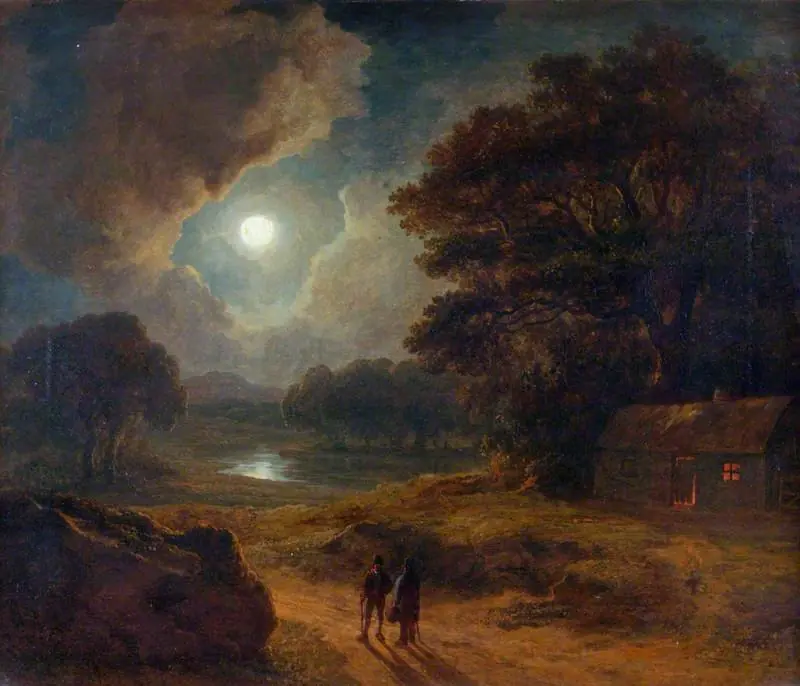
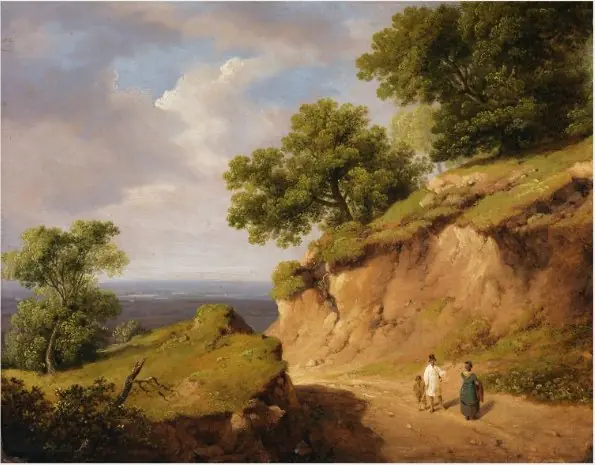
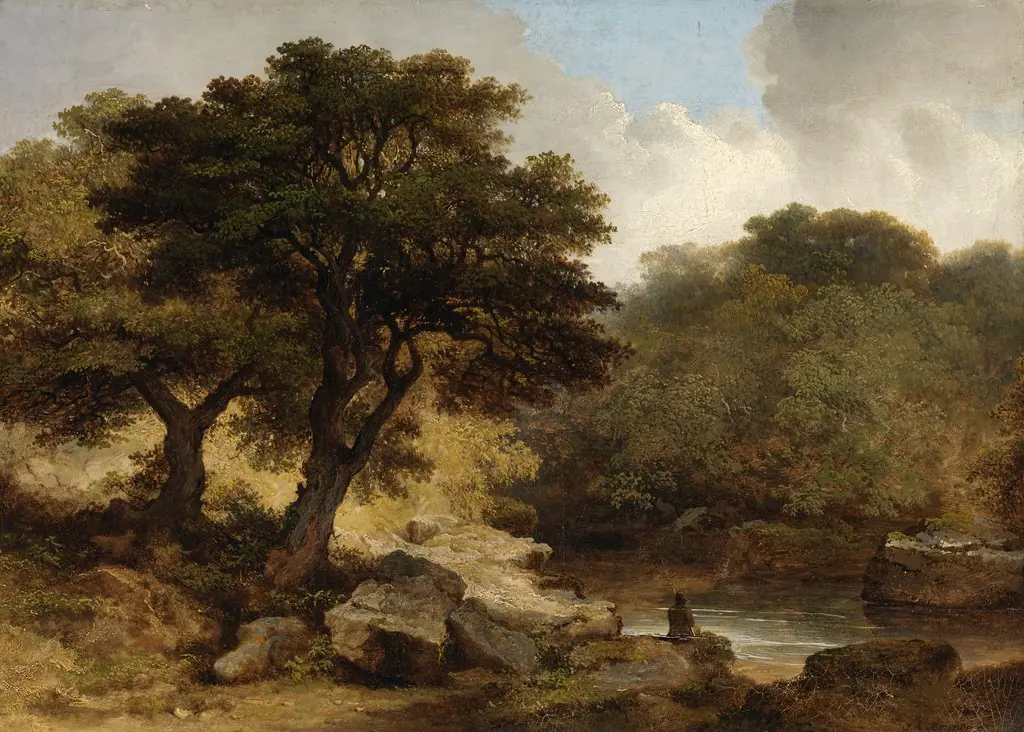
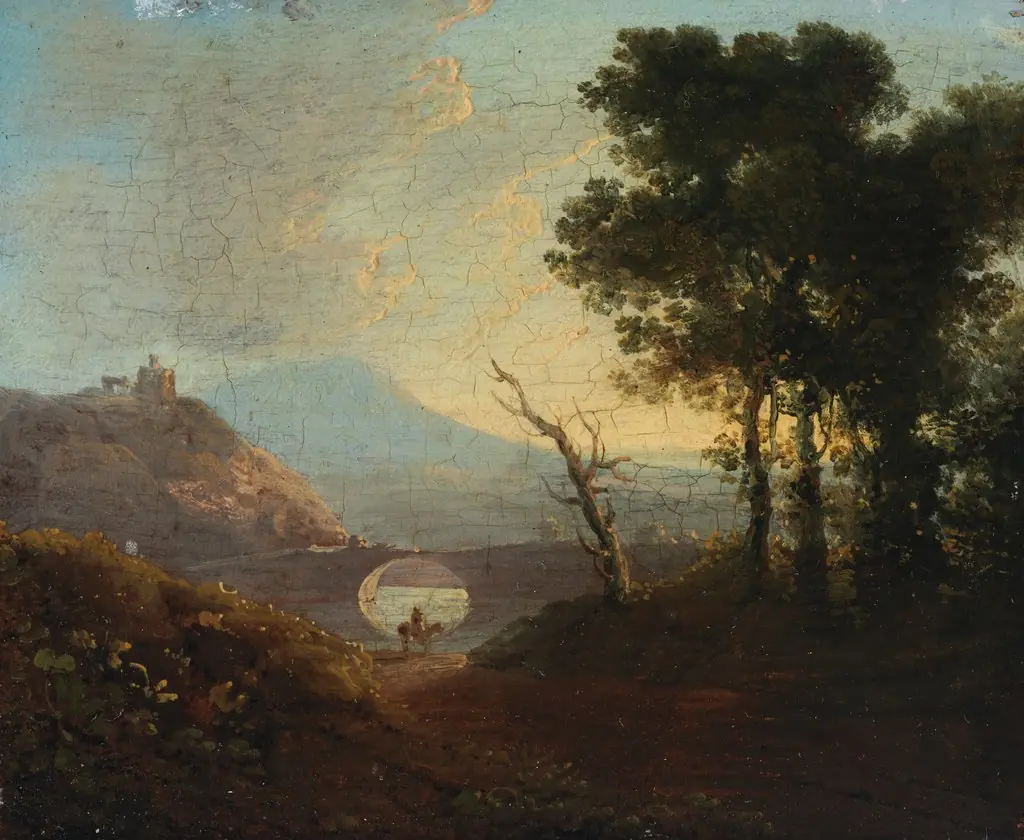
Landscape with Trees in the Foreground and Distant Hills is an oil painting by James Arthur O'Connor. It dates from 1840 and is held in the collection of the Victoria and Albert Museum.
About this work
Overview
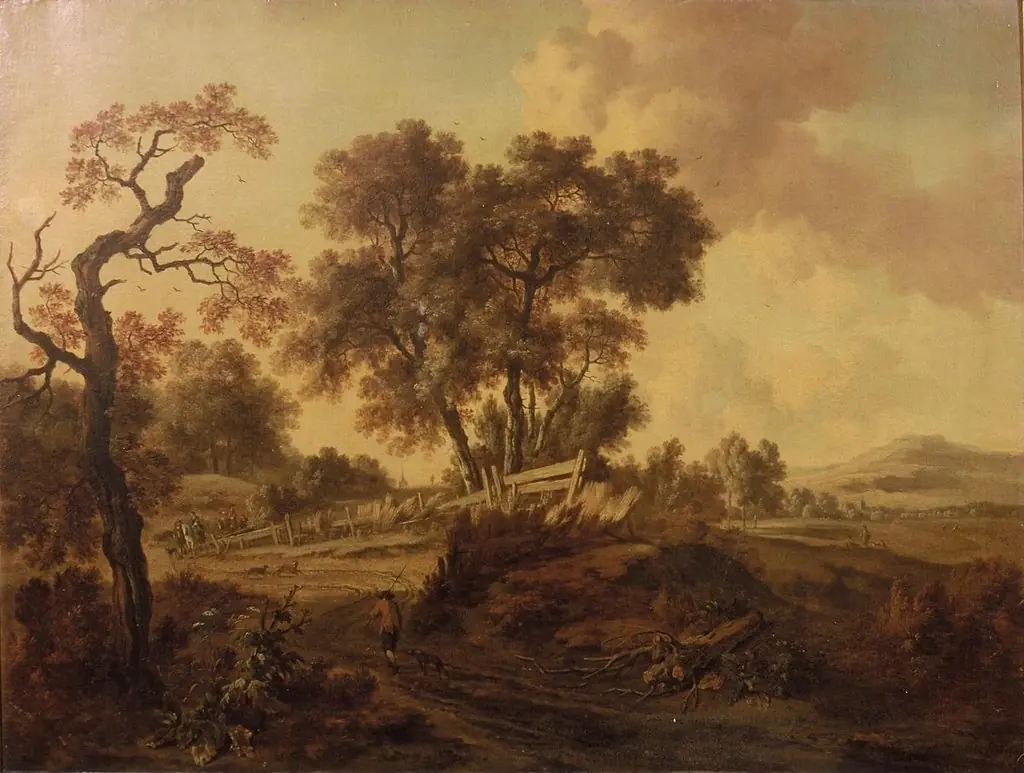
The composition centers on dense, darkly painted trees in the immediate foreground, receding into softly rendered hills and a pale sky.
Painted in 1840, this oil-on-canvas work by James Arthur O'Connor presents a quiet rural scene characterized by layered spatial depth. The composition centers on dense, darkly painted trees in the immediate foreground, receding into softly rendered hills and a pale sky. Its restrained palette and deliberate tonal gradations reflect a sensitivity to natural light and atmospheric perspective, typical of early 19th-century British landscape traditions.
Subject & Meaning
The painting offers no narrative or human presence, focusing instead on the quiet dignity of the natural world. The contrast between the textured, shadowed trees and the hazy, distant hills suggests a contemplative mood, emphasizing solitude and the passage of time. It reflects a Romantic-era appreciation for landscape as a space for quiet reflection rather than dramatic spectacle.
Technique & Style
O'Connor employs subtle tonal transitions to model form and space, using darker pigments for the foreground foliage and lighter, thinner washes for the hills and sky. Brushwork varies from detailed stippling in the leaves to broad, blended strokes in the distance, creating a sense of recession. The absence of sharp outlines and the soft blending of colors enhance the atmospheric cohesion of the scene.
History & Provenance
The painting entered the collection of the Victoria and Albert Museum in the 19th century, likely through acquisition or donation. It remains part of the museum’s holdings of British landscape art from the period. While little is documented about its early ownership, its preservation in a major public institution underscores its recognition within the artistic circles of its time.
Context
Created during a period when British artists were increasingly turning to domestic scenery for inspiration, this work aligns with the growing interest in topographical accuracy and emotional resonance in landscape painting. O'Connor, influenced by both Irish and English traditions, contributed to a movement that valued observation over idealization, distinguishing his work from more theatrical continental styles.
Legacy
Though not widely known today, O'Connor’s landscapes like this one represent a quiet but persistent strand of 19th-century British art that prioritized naturalism and mood over grandeur. His works, preserved in institutions such as the V&A, offer insight into the evolving aesthetic values of landscape painting beyond the more celebrated Romantic figures of the era.
Artist & collection

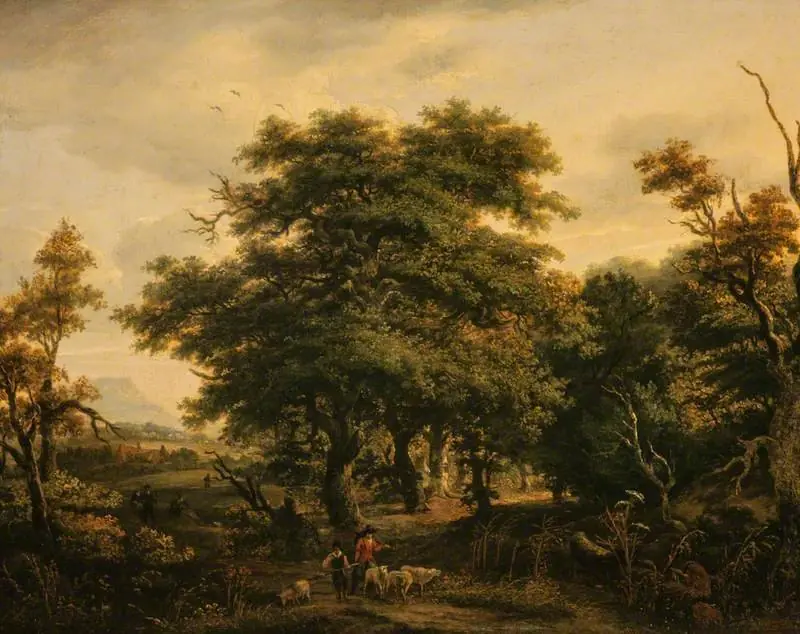 Woody Landscape with Figures and Sheep
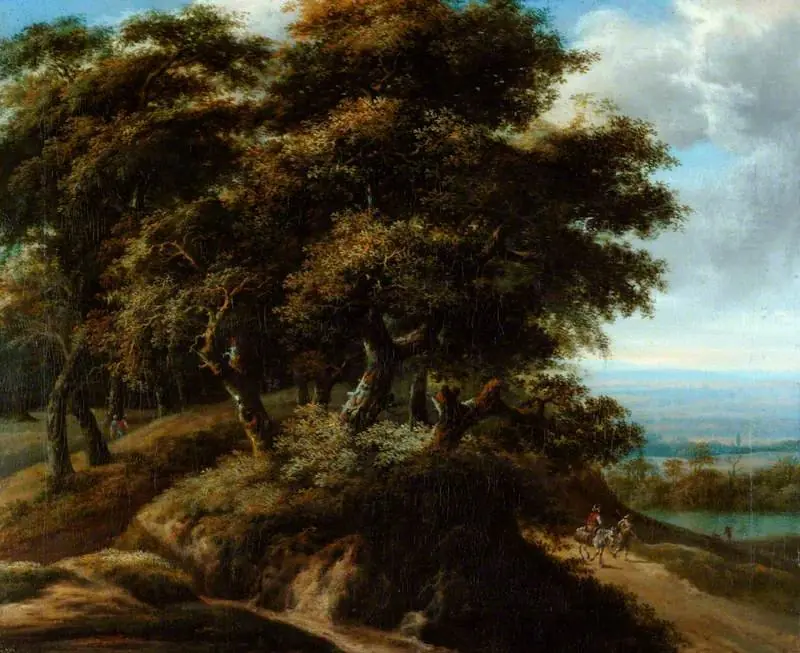 Landscape with a Peasant on a Donkey
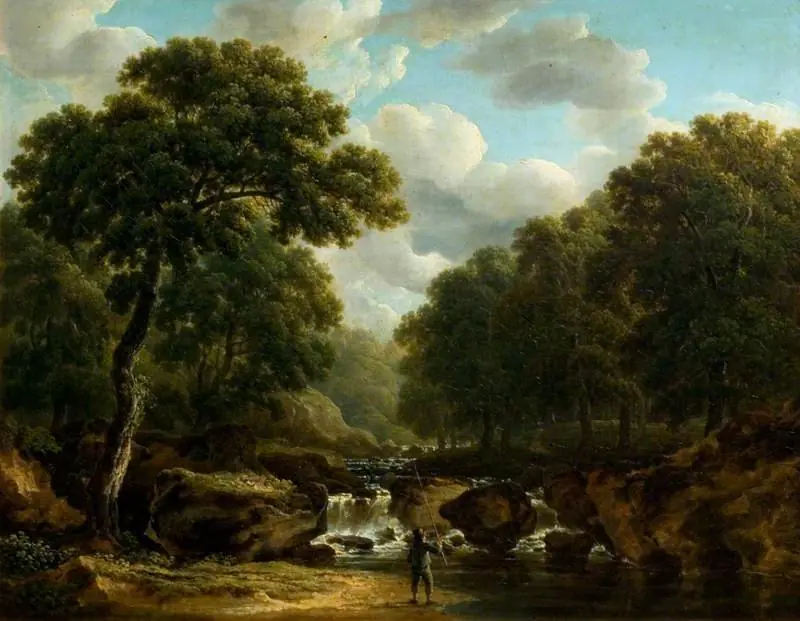 The Devil's Glen, County Wicklow
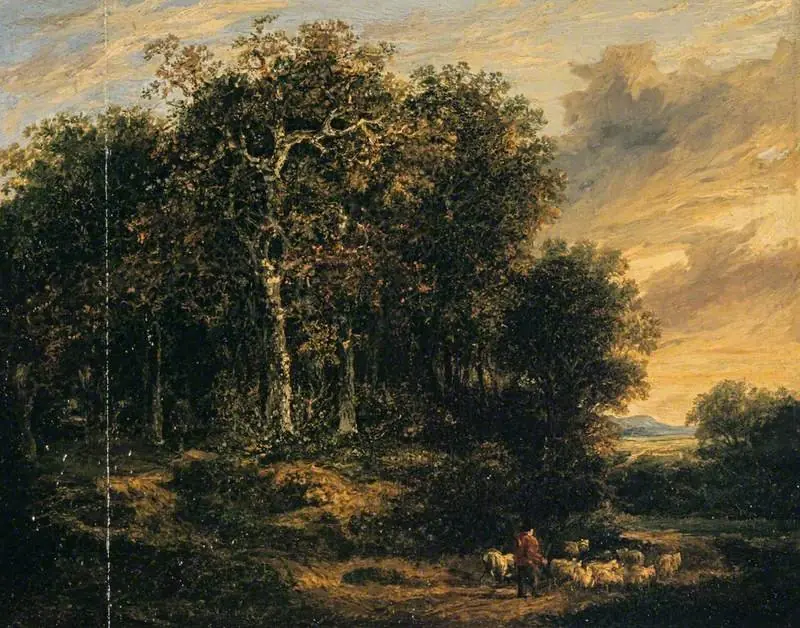 Gowbarrow Park
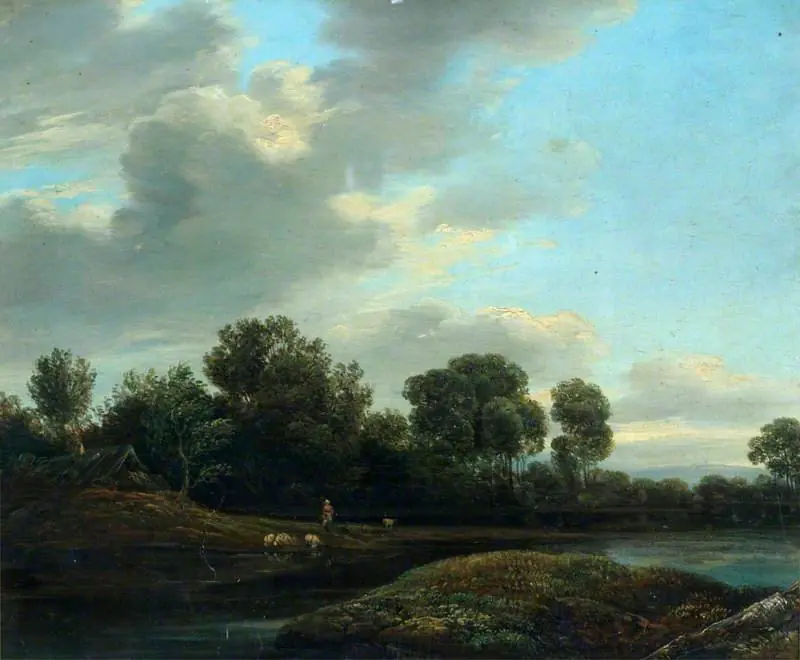 Landscape: The River Bank
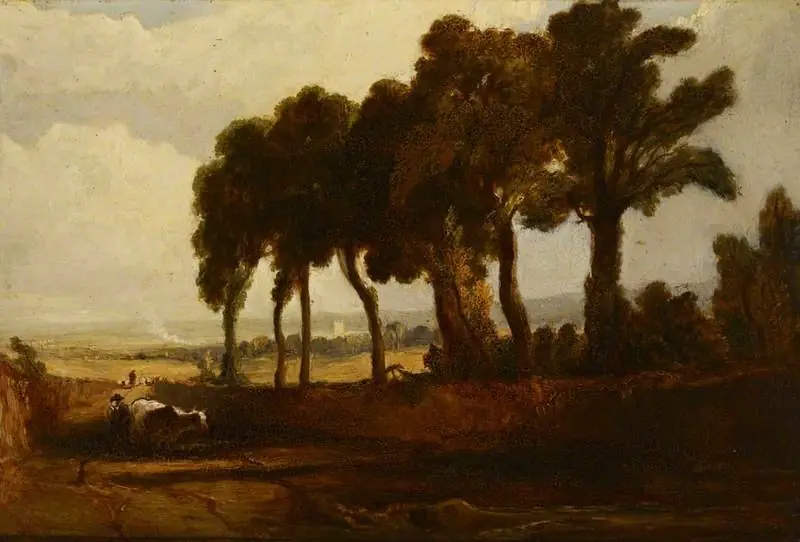 A Group of Trees at Grange
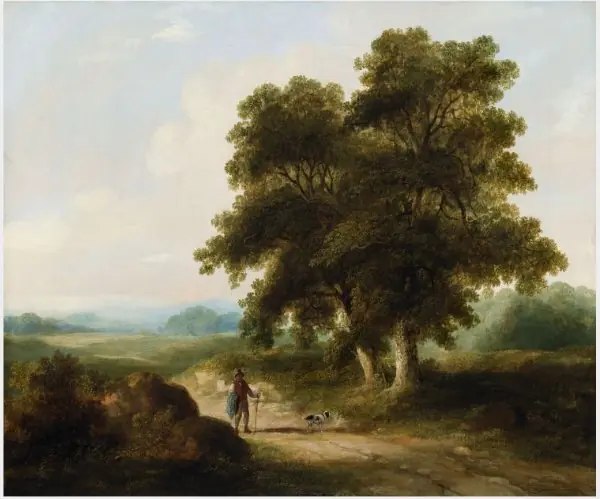 A Landscape, Homeward Bound
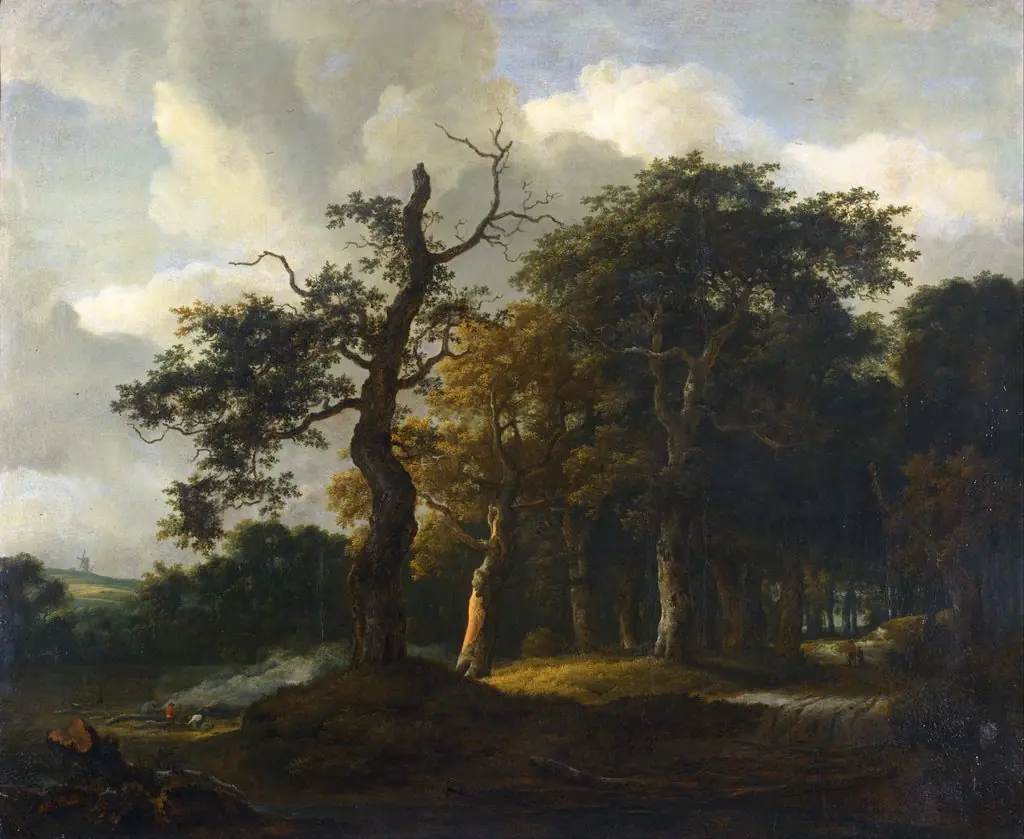 A Road through an Oak Wood
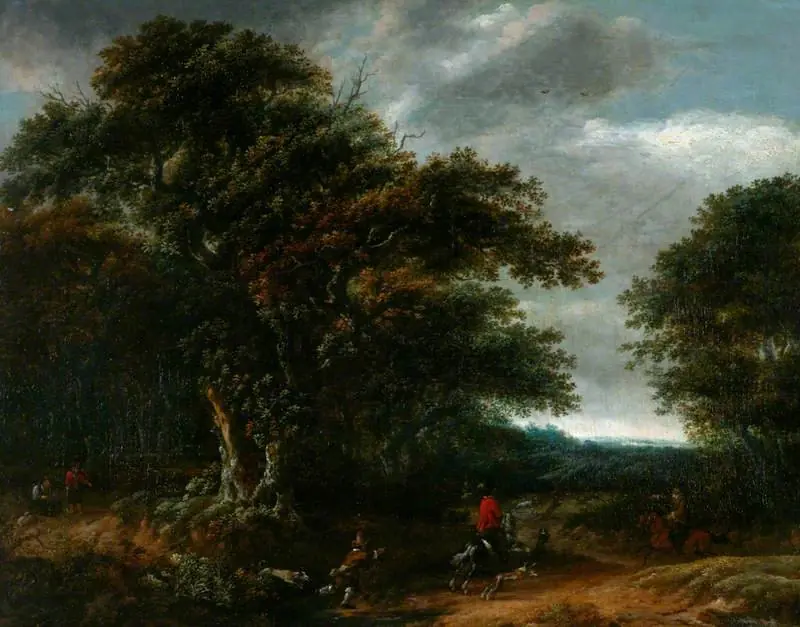 Landscape with a Stag Hunt
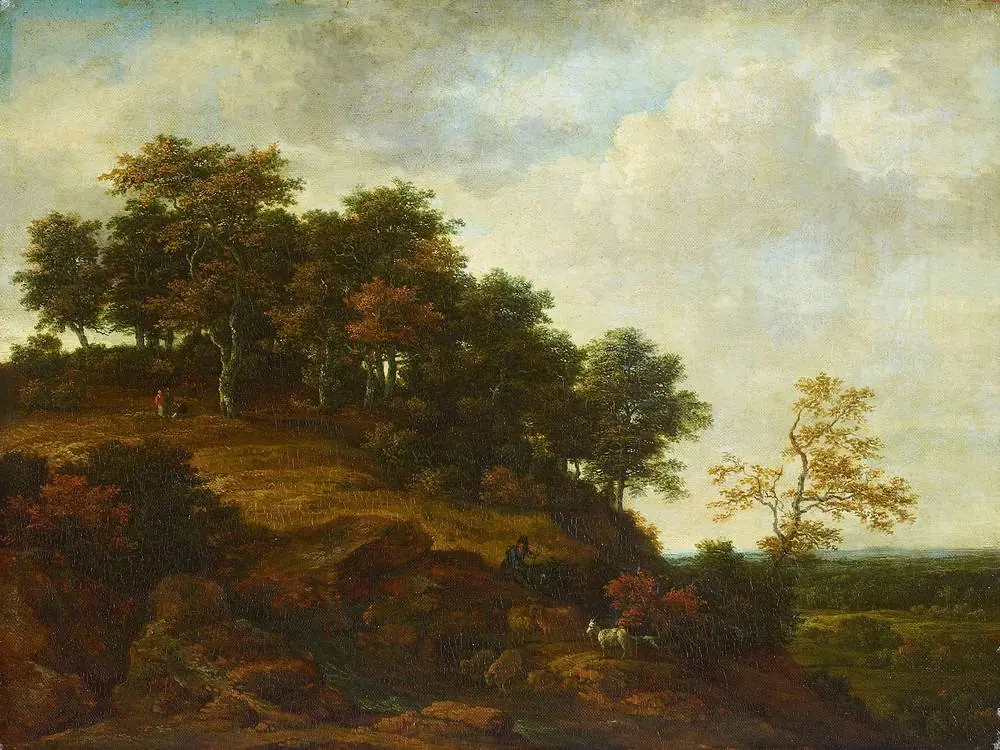 A hill with an oak wood and a little waterfall
 Road in a Dune Landscape
 Landscape with Horses