Artwork
The Pied Piper of Hamelin
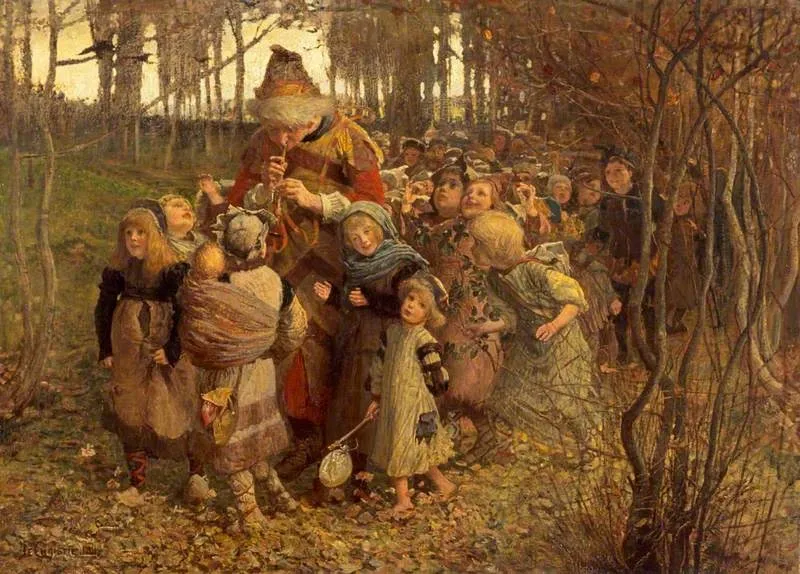
The Pied Piper of Hamelin is an oil painting by the Post-Impressionist artist James Elder Christie. It dates from 1891 and is held in the collection of the National Galleries Scotland.
About this work
Overview
James Elder Christie's 1891 oil painting, The Pied Piper of Hamelin, is a notable work housed at the Scottish National Gallery. The piece captures a pivotal moment from the traditional German folktale.
Subject & Meaning
The painting depicts the Pied Piper enticing children in a forest with his pipe. The scene conveys a sense of enchantment, as the children gaze up at the piper with curiosity and fascination, highlighting the tale's themes of allure and consequence.
Technique & Style
Christie employed vivid colors to detail the piper's attire and the children's expressions, contrasting with the subdued, muted tones of the forest background. Strategic use of light and shadow enhances depth, focusing attention on the central figure.
History & Provenance
Created in 1891, the painting is part of the Scottish National Gallery's collection. Specifics of its commission or initial reception are not highlighted in available information.
Context
The work reflects late 19th-century interests in folklore and narrative painting. Christie's interpretation of the Hamelin legend situates it within a broader Victorian-era fascination with traditional European stories.
Legacy
While not widely discussed in global art historical canons, The Pied Piper of Hamelin remains a cherished piece within the Scottish National Gallery, appreciated for its thematic and technical merits.
Artist & collection

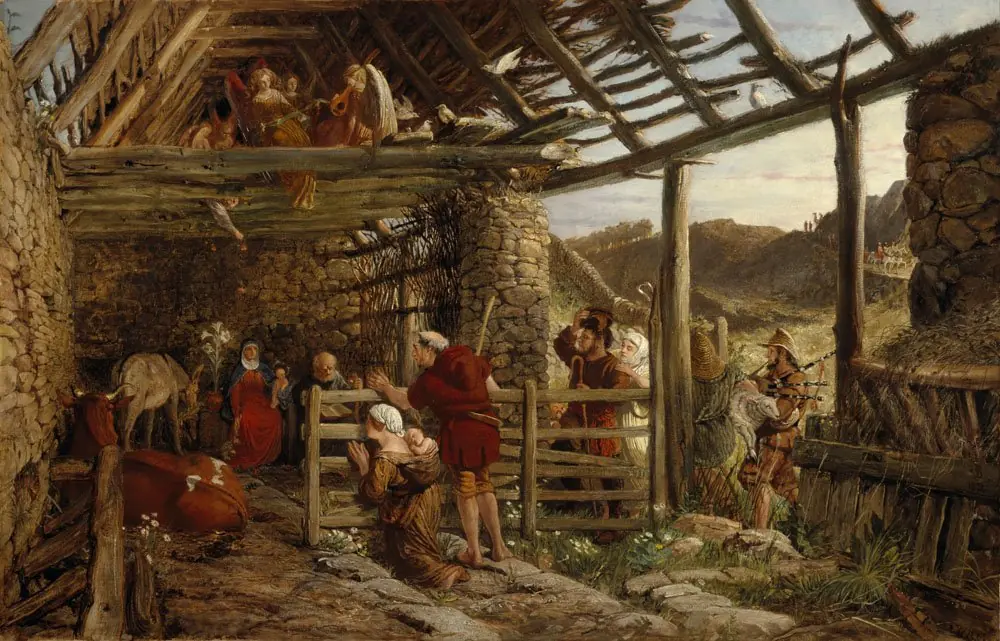 The Nativity
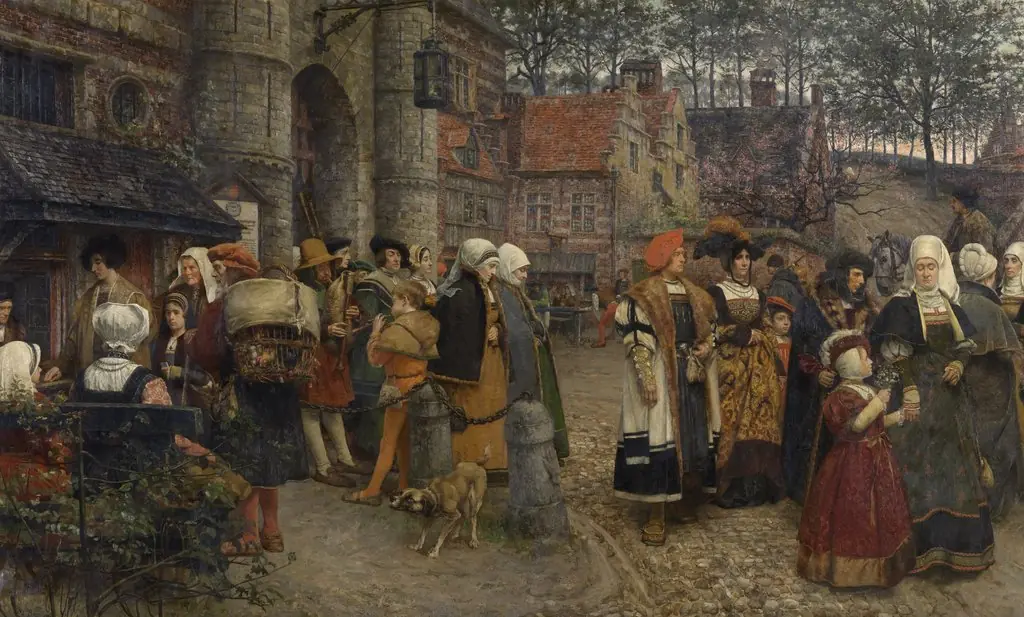 Within the Walls of Antwerp in 1550
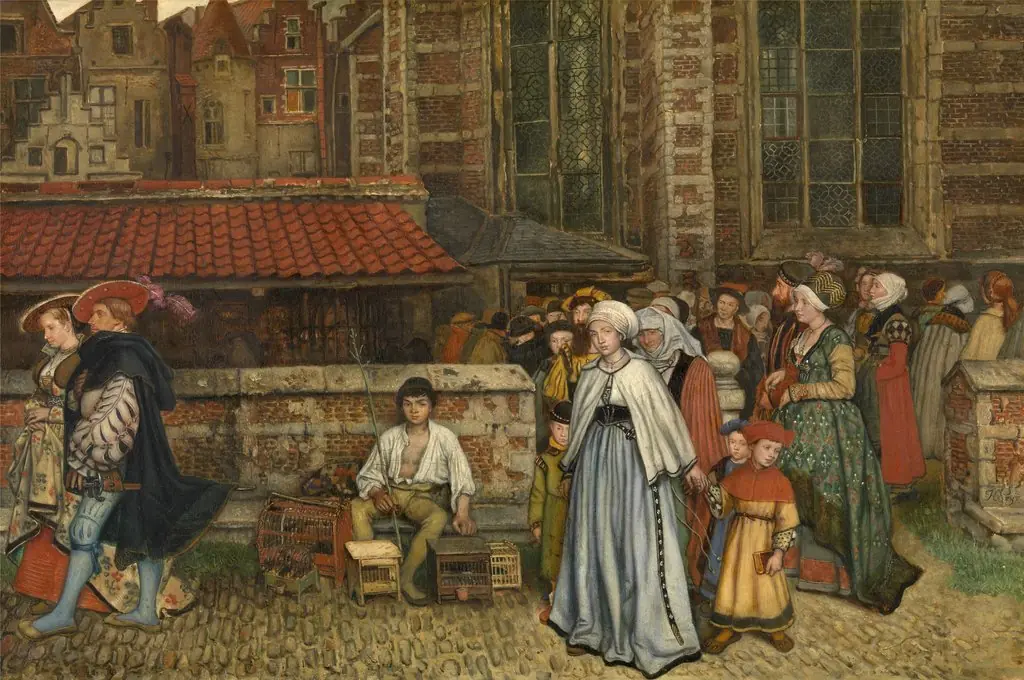 After Mass
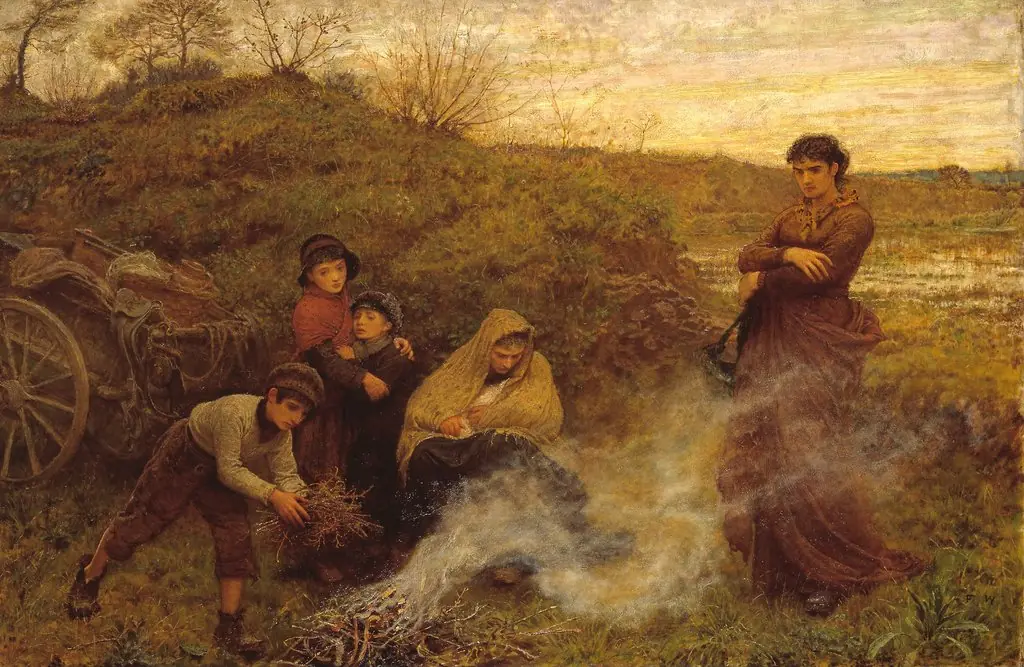 The Vagrants
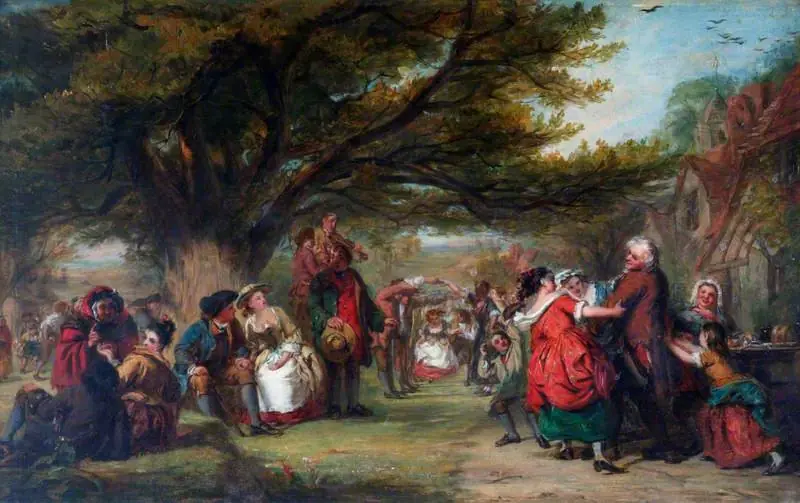 An English Merry-Making, a Hundred Years Ago
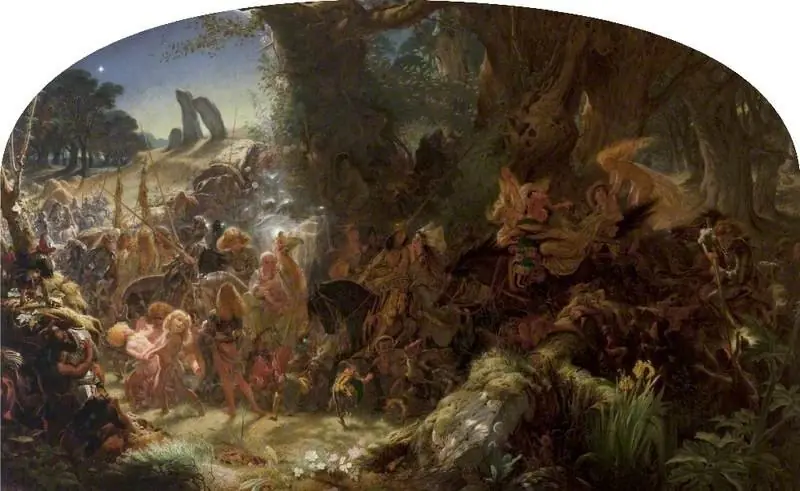 The Fairy Raid: Carrying Off a Changeling, Midsummer Eve
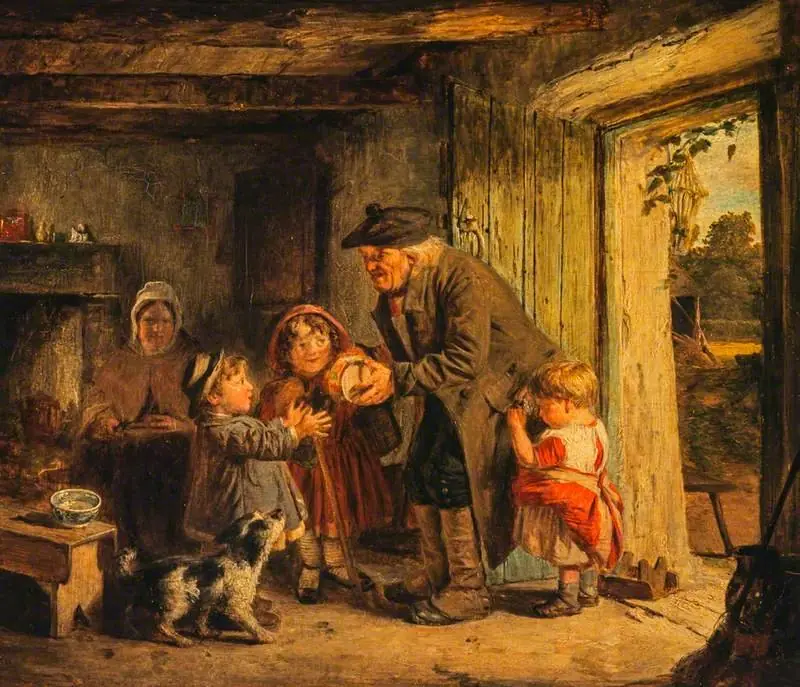 Grandfather's Return
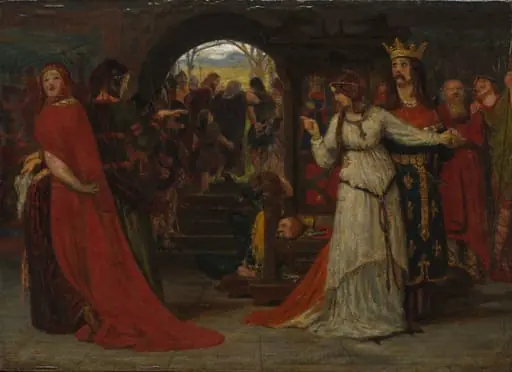 Cordelia Parting from her Sisters
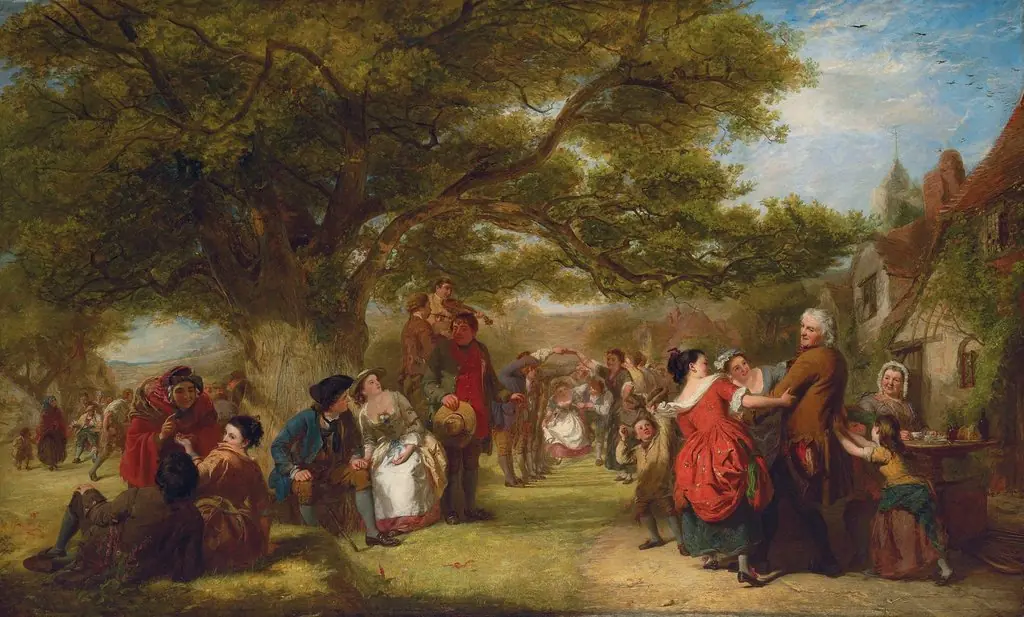 An English Merrymaking a Hundred Years Ago
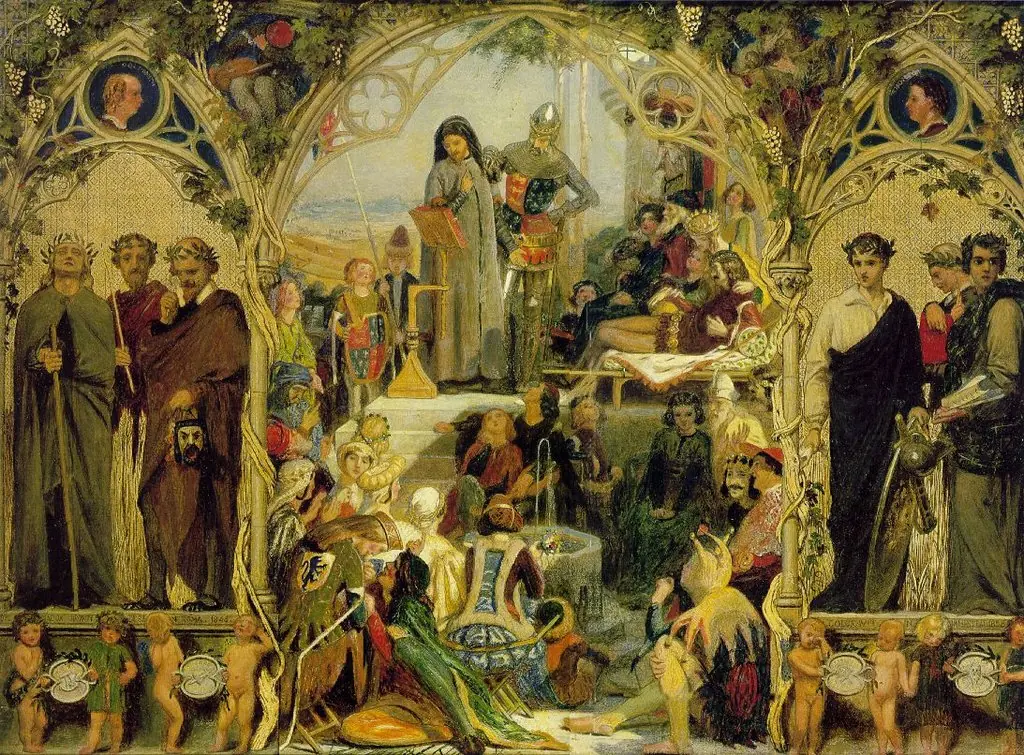 The Seeds and Fruits of English Poetry
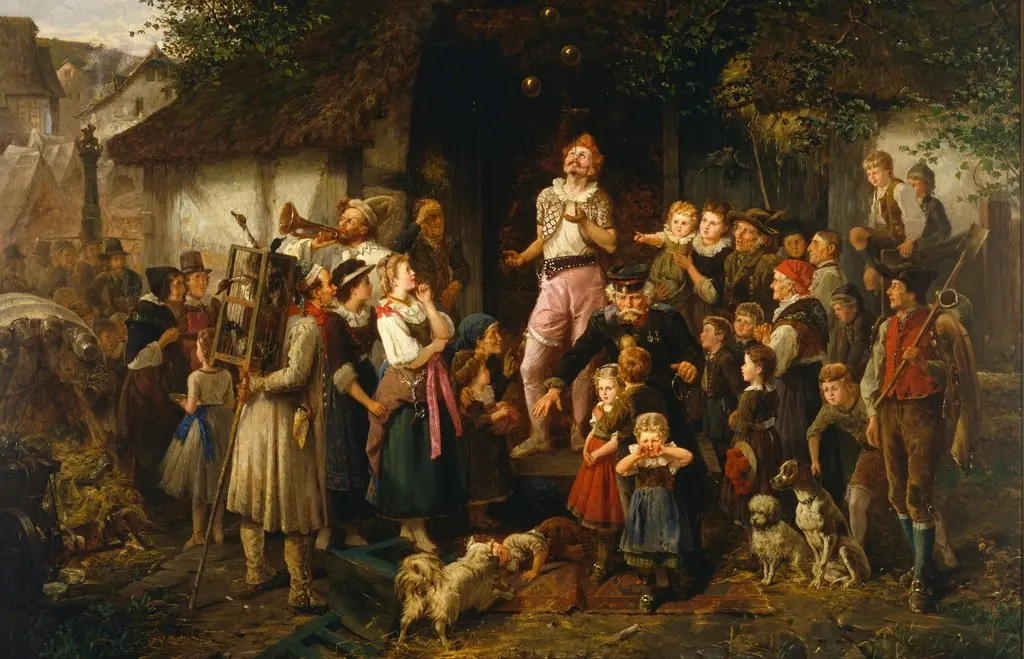 The juggler: a village fair
 The Ruling Passion