Artwork
Margaret Helen Sowerby (known as Helen Sowerby)
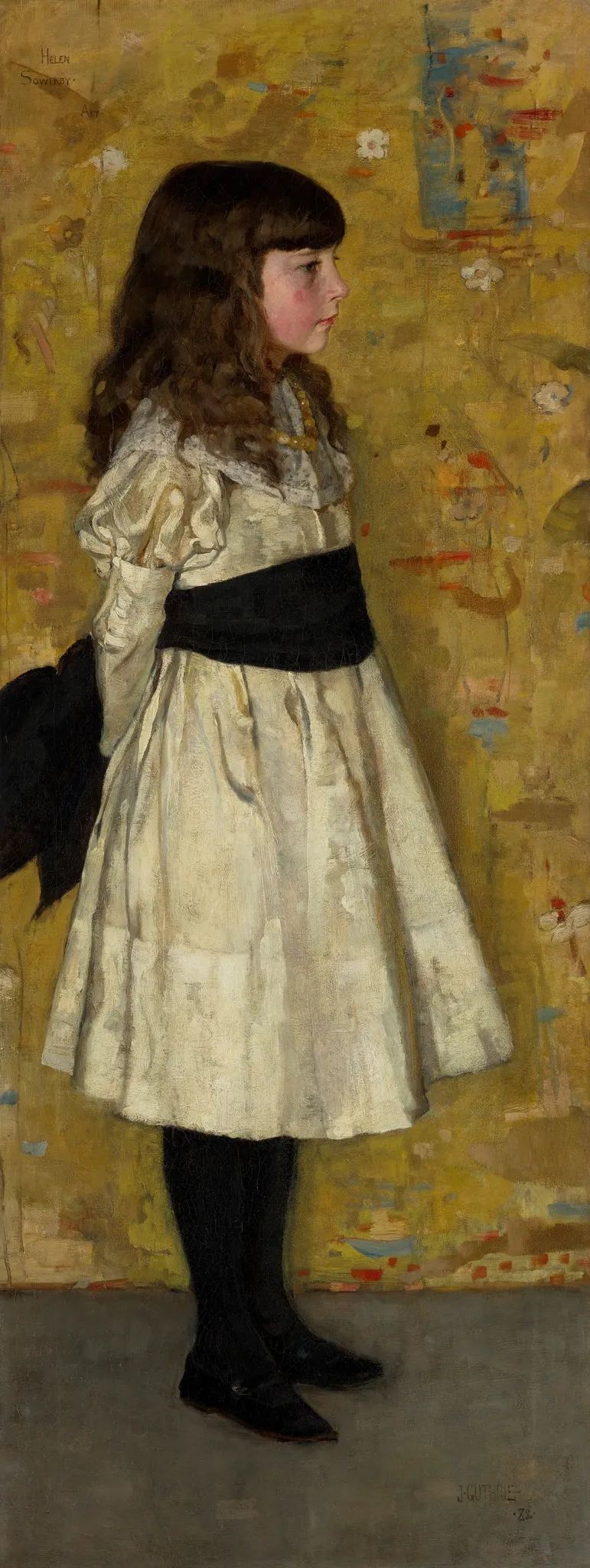
Margaret Helen Sowerby (known as Helen Sowerby) is an oil painting by the Impressionist artist James Guthrie. It dates from 1892 and is held in the collection of the National Galleries Scotland.
About this work
Overview
James Guthrie’s 1892 oil portrait presents Margaret Helen Sowerby, a young woman rendered in a restrained palette. The composition places her before a muted yellow wall, her white dress accented by a dark sash, black stockings, and shoes. Her gaze is turned to the right, and her still stance conveys a quiet, contemplative presence.
Subject & Meaning
The sitter, identified as Margaret Helen Sowerby—commonly known as Helen—appears as a modest figure of late‑Victorian femininity. The simplicity of her attire and the subdued background suggest an emphasis on personal character rather than social status, inviting viewers to consider the interior life of a private individual.
Technique & Style
Guthrie employs a restrained version of Impressionist brushwork, allowing the yellow wall to retain visible strokes and color splotches that hint at surface texture. Subtle chiaroscuro models the figure, creating depth without dramatic contrast, while the overall handling reflects the realist tendencies of the Glasgow Boys, balancing observation with painterly nuance.
History & Provenance
The portrait was executed in 1892 during Guthrie’s mature period as a leading Scottish realist. It entered the collection of the Scottish National Gallery, where it remains on view, representing the artist’s contribution to portraiture within the broader context of late‑19th‑century Scottish art.
Artist & collection
Artist
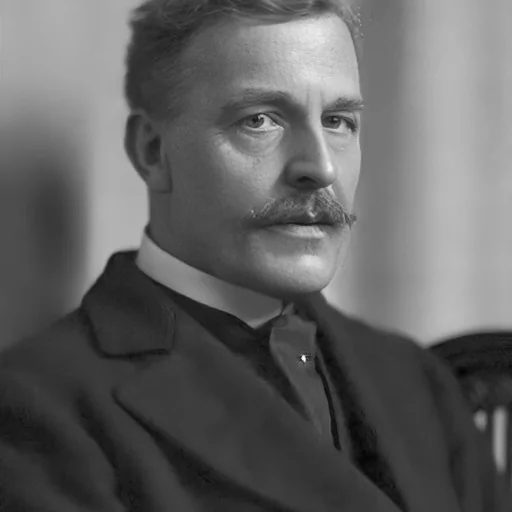
Sir James Guthrie (10 June 1859 – 6 September 1930) was a Scottish painter, associated with the Glasgow Boys. He is best known in his own lifetime for his portraiture, although today more generally regarded as a painter of Scottish Realism.

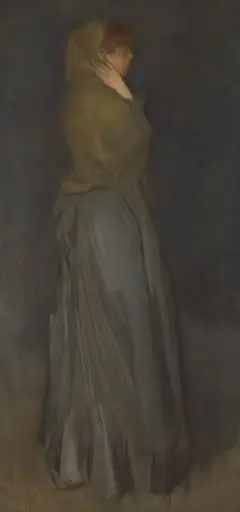 ‘Arrangement in Yellow and Gray’: Effie Deans
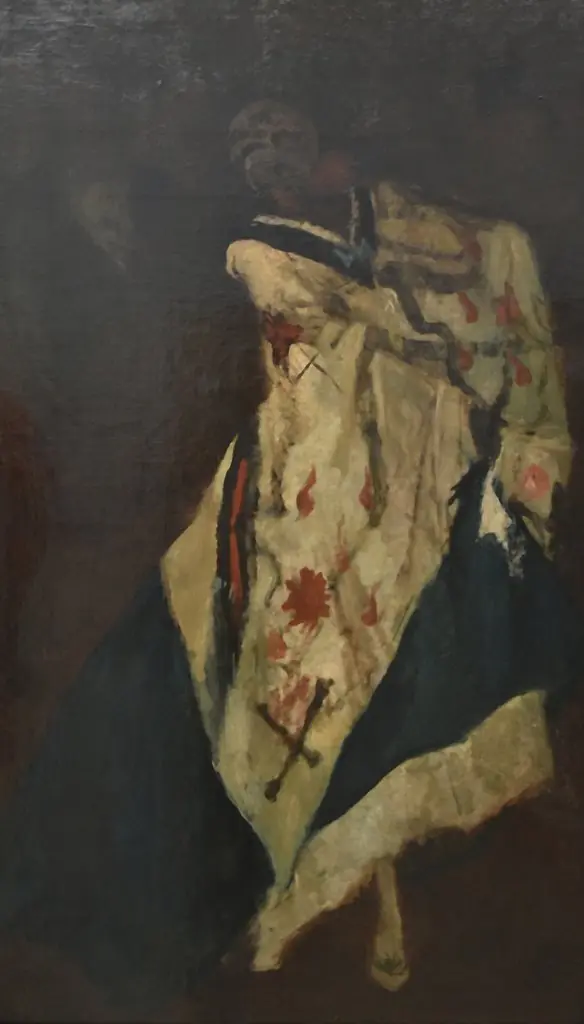 Death at the Ball
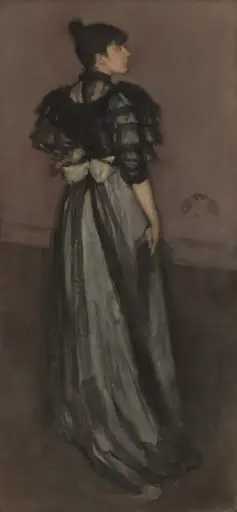 Mother of Pearl and Silver: The Andalusian
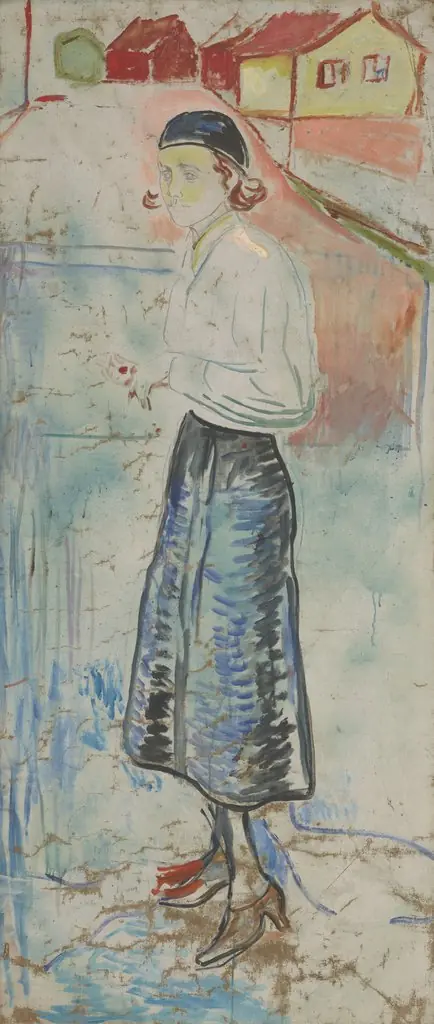 Hanna Brieschke in Åsgårdstrand
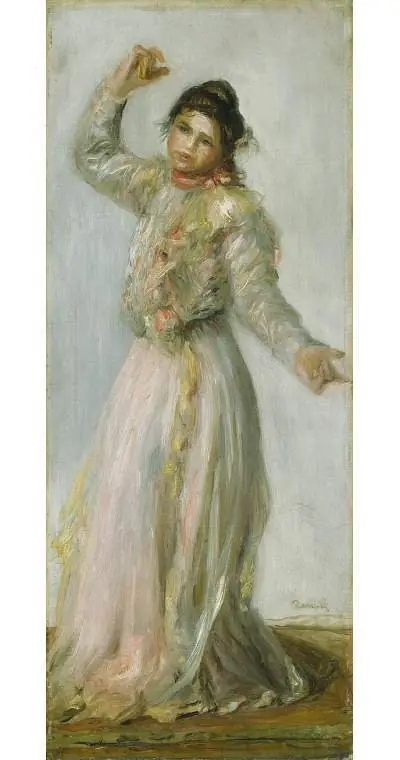 La danse
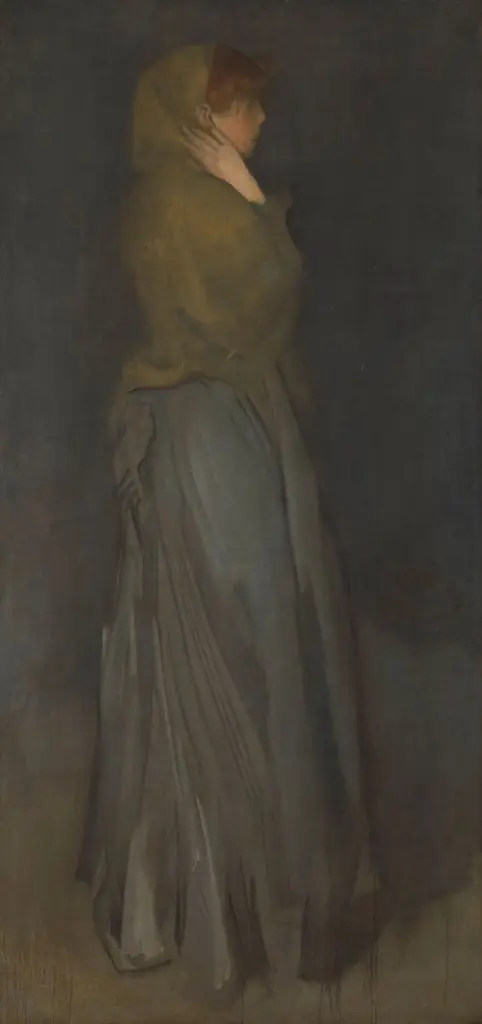 Arrangement in Yellow and Gray: Effie Deans
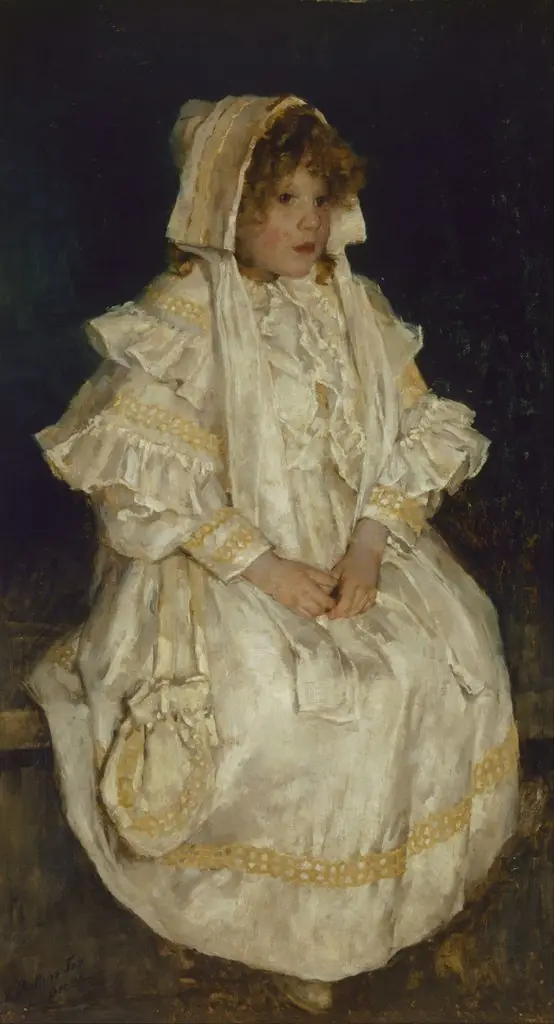 Adelaide
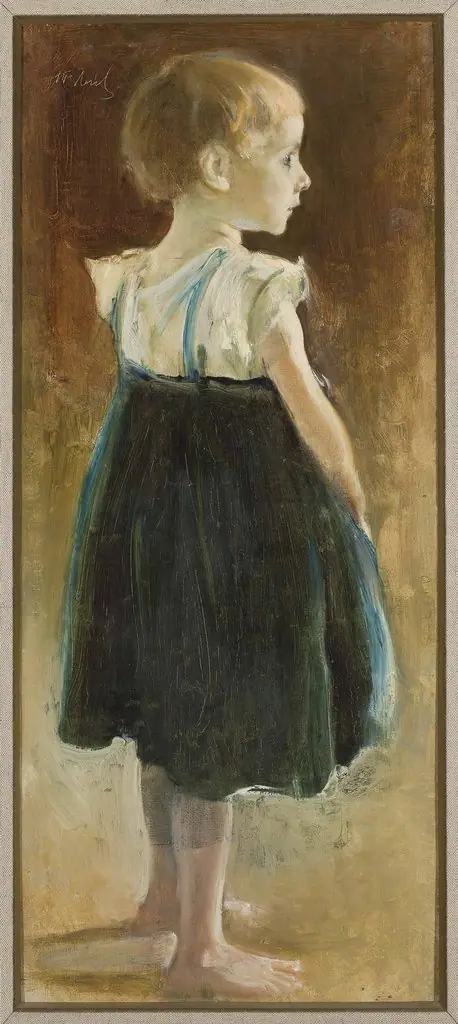 Girl
Girl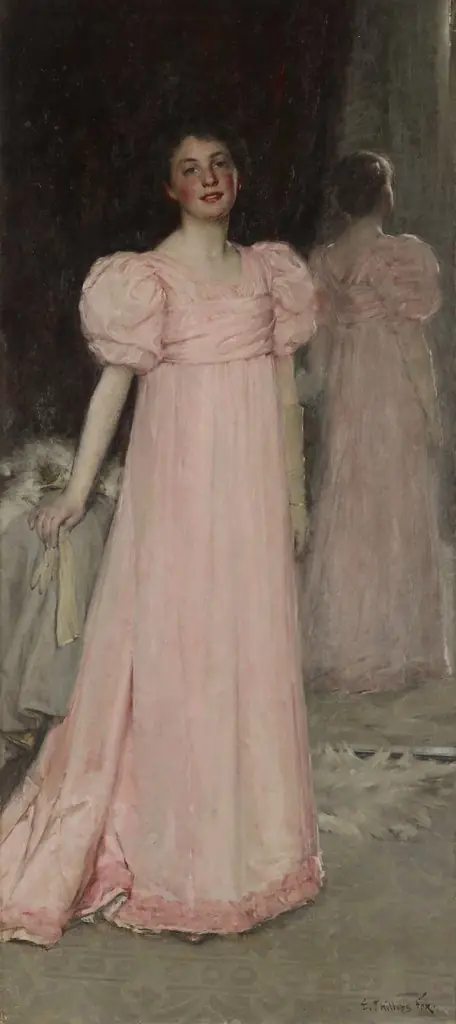 Portrait of My Cousin
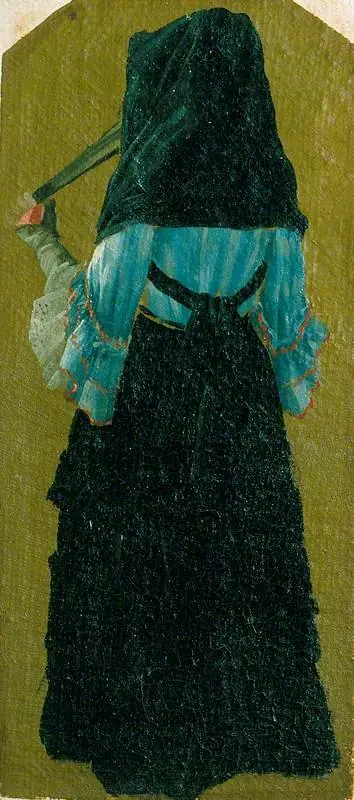 A Lady Seen from Behind, Holding a Fan
 Girl in a pink dress
 Louise in Mourning