Artwork
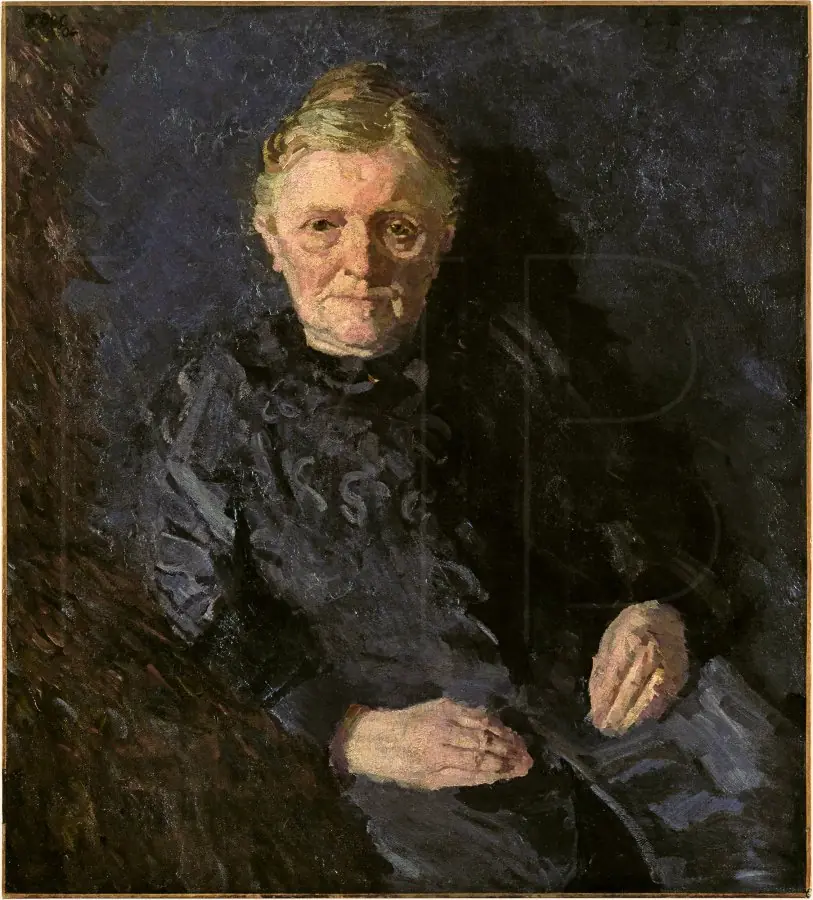
The Artist's Mother (Anne Orr, Mrs John Guthrie, 1817 - 1896)
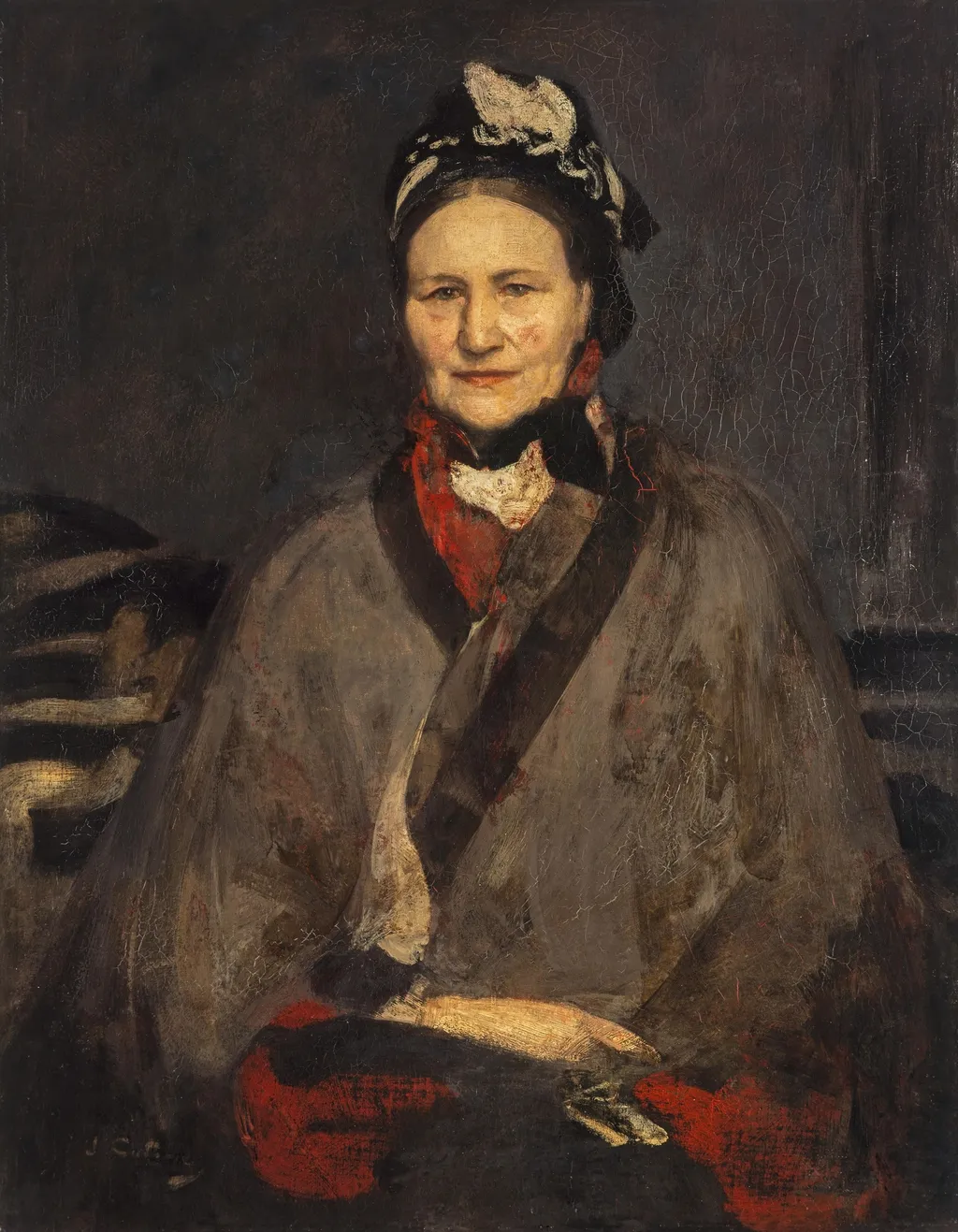
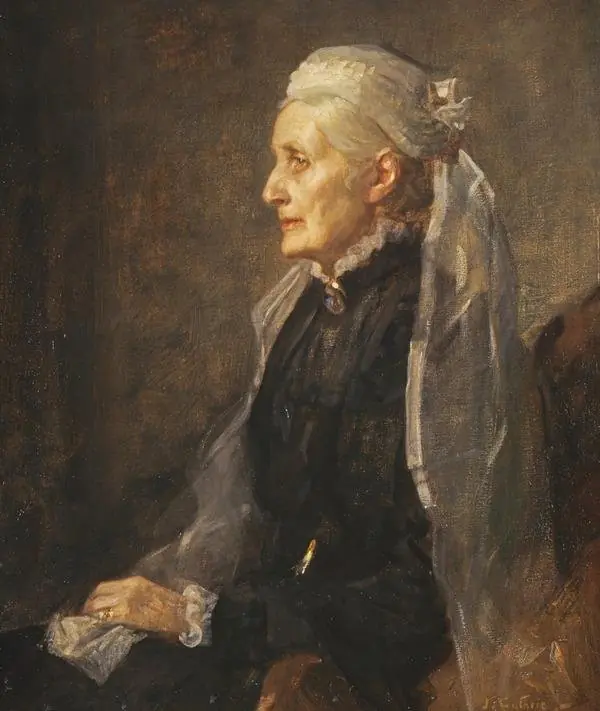
The Artist's Mother (Anne Orr, Mrs John Guthrie, 1817 - 1896) is an oil painting by the Post-Impressionist artist James Guthrie. It dates from 1897 and is held in the collection of the National Galleries Scotland.
About this work
Overview
Executed in oil on canvas, the work reflects Guthrie’s mature style, developed after years of engagement with Scottish domestic life and portraiture.
Painted in 1897, this portrait by James Guthrie depicts his mother, Anne Orr, who was the wife of John Guthrie. Executed in oil on canvas, the work reflects Guthrie’s mature style, developed after years of engagement with Scottish domestic life and portraiture. It resides in the Scottish National Gallery, where it stands as a quiet testament to familial representation in late 19th-century Scottish art.
Subject & Meaning
Anne Orr is portrayed seated in a dim interior, dressed in modest, dark clothing with a subdued headscarf that introduces a muted hue to the composition. Her hands rest gently in her lap, and her gaze meets the viewer directly, conveying a sense of quiet dignity. The absence of decorative elements or narrative context focuses attention on her presence, suggesting a meditation on aging, resilience, and private life.
Technique & Style
Guthrie employs a restrained palette dominated by earth tones and deep shadows, with subtle variations in light to define form. The brushwork is deliberate but not overly refined, avoiding theatricality in favor of observational accuracy. The background remains indistinct, suggesting a domestic space without specifying it, reinforcing the portrait’s introspective tone and emphasis on the sitter’s inner life.
History & Provenance
The painting was completed shortly before Guthrie’s knighthood in 1900 and remained within the family until its acquisition by the Scottish National Gallery. It was not exhibited widely during Guthrie’s lifetime, but its retention in a national collection signals its recognition as a representative work of his later period, distinct from his earlier, more luminous landscapes.
Context
While Guthrie was associated with the Glasgow Boys and their interest in naturalism, this portrait diverges from their typical rural or social scenes. Instead, it aligns with a broader Victorian trend of intimate domestic portraiture, particularly among artists depicting close relatives. The work reflects a shift from public narrative to private contemplation in his oeuvre.
Legacy
Though Guthrie is often remembered for his landscapes and genre scenes, this portrait endures as a compelling example of his skill in capturing psychological depth. It contributes to the understanding of how Scottish artists of the period used portraiture to explore personal and emotional dimensions beyond social commentary.
Own this work as a print
Artist & collection
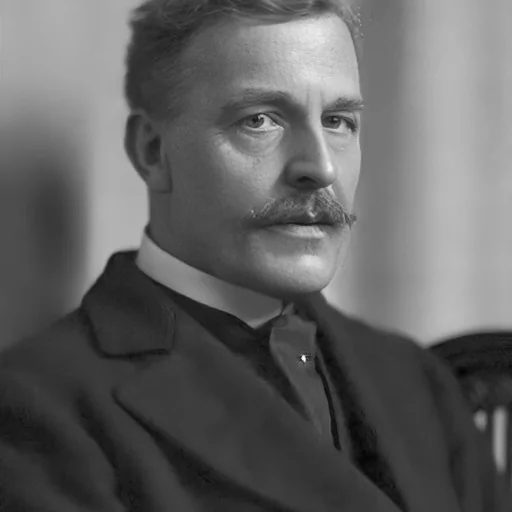
Artist
Sir James Guthrie (10 June 1859 – 6 September 1930) was a Scottish painter, associated with the Glasgow Boys. He is best known in his own lifetime for his portraiture, although today more generally regarded as a painter of Scottish Realism.