Artwork
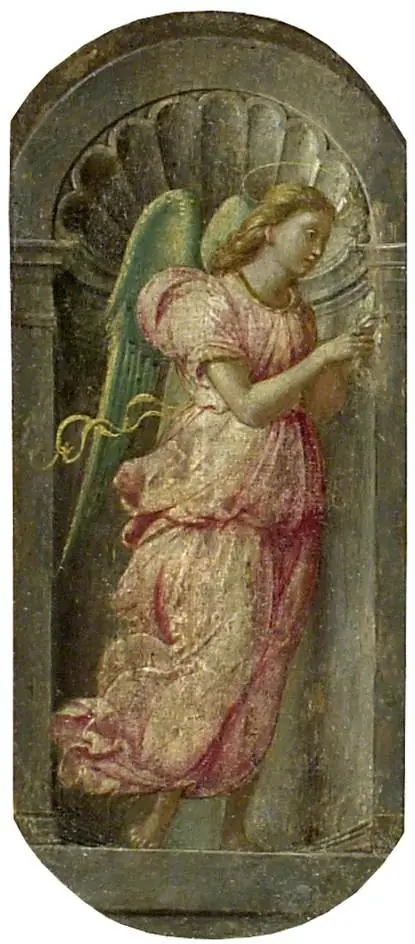
The Angel Proclaiming the End of Time
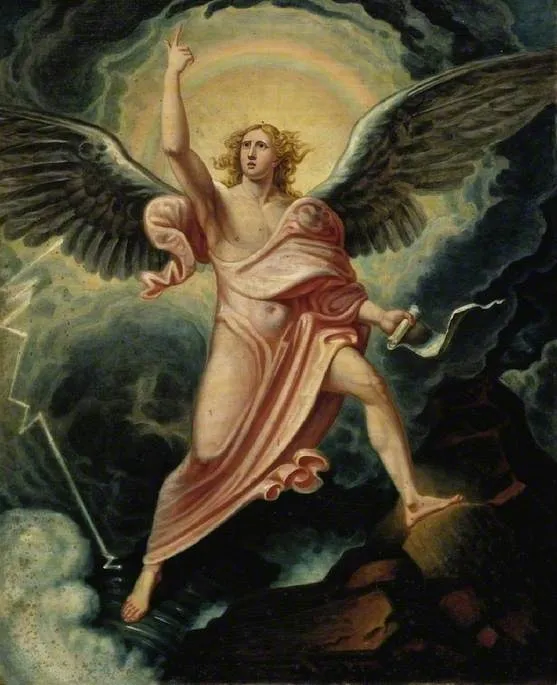
The Angel Proclaiming the End of Time is an oil painting by James Justus Tucker. It is held in the collection of the Fitzwilliam Museum.
About this work
Overview
The Angel Proclaiming the End of Time is an oil painting by James Justus Tucker, currently in the collection of the Fitzwilliam Museum.
The Angel Proclaiming the End of Time is an oil painting by James Justus Tucker, currently in the collection of the Fitzwilliam Museum. It presents a solitary celestial figure in a moment of solemn declaration, set against a turbulent sky. The composition centers on the angel’s elevated posture and expressive gesture, suggesting a pivotal moment in a cosmic narrative. The work’s dramatic lighting and atmospheric depth reflect 19th-century Romantic sensibilities.
Subject & Meaning
The figure is an angel, depicted mid-proclamation, one arm raised and the other holding a scroll—symbols of divine announcement. Its upward gaze and wind-swept hair imply reception of a higher command. The stormy backdrop and sudden lightning evoke apocalyptic tension, aligning the image with religious visions of judgment. The absence of other figures isolates the angel as the sole agent of cosmic change, emphasizing solitude and authority.
Technique & Style
Tucker employs chiaroscuro to heighten emotional intensity, contrasting the angel’s luminous pink robe against the dark, churning sky. The brushwork is fluid, particularly in the rendering of fabric and hair, suggesting movement and ethereality. The storm’s texture is built with layered glazes, enhancing depth. The angel’s form is idealized yet grounded in naturalistic detail, bridging symbolic tradition with Romantic realism.
History & Provenance
Painted in the mid-19th century, the work entered the Fitzwilliam Museum’s collection in the early 20th century. Its provenance traces to private British collections, though little documentation exists prior to its acquisition. Tucker, a lesser-known artist of the period, produced few surviving works, making this painting a rare example of his engagement with apocalyptic themes in Victorian religious art.
Context
Created during a time of religious revival and scientific upheaval, the painting reflects anxieties about divine judgment amid industrialization and biblical criticism. Similar imagery appeared in contemporary sermons and illustrated Bibles, but Tucker’s focus on a solitary angel diverges from narrative scenes common in ecclesiastical art. The work aligns with Romanticism’s fascination with the sublime and the ineffable.
Legacy
Though not widely exhibited beyond institutional holdings, the painting remains a quiet example of Victorian spiritual painting. It contributes to understanding how apocalyptic themes were visualized outside major artistic centers. Its preservation in the Fitzwilliam Museum ensures continued scholarly access, offering insight into the quieter currents of 19th-century religious imagery.
Artist & collection
Artist
James Justus Tucker spent his life chasing the apocalypse, painting it over and over in flickering lamplight.

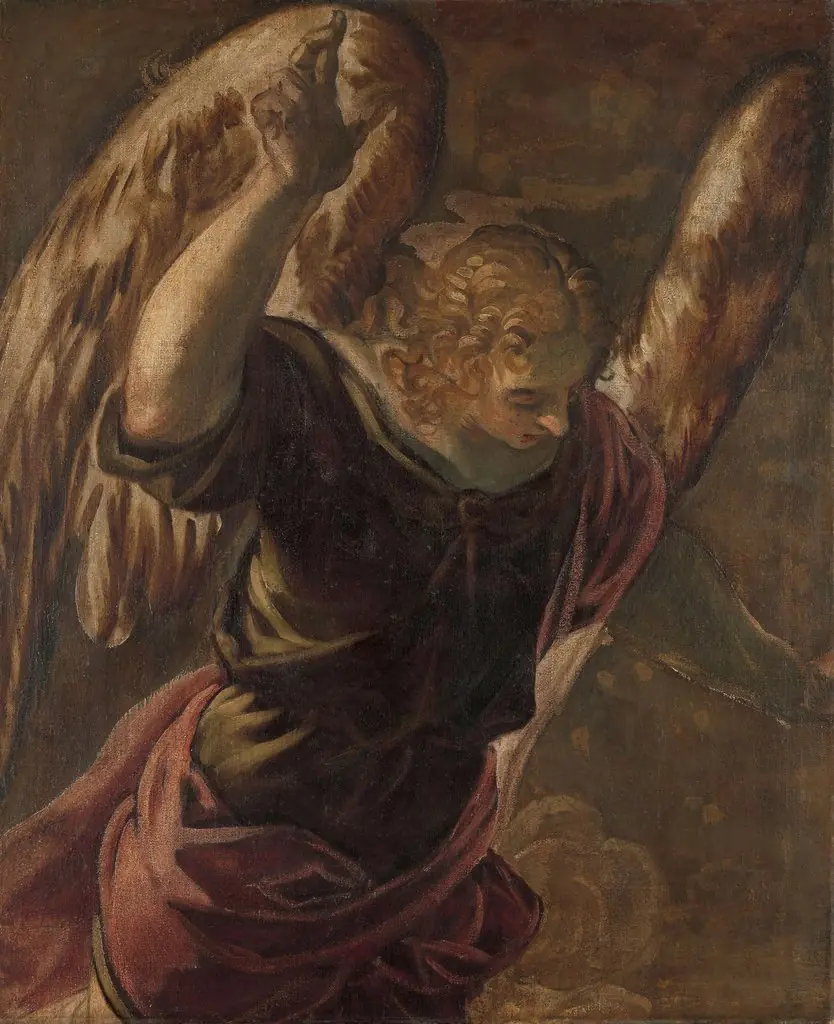 Angel from the Annunciation to the Virgin
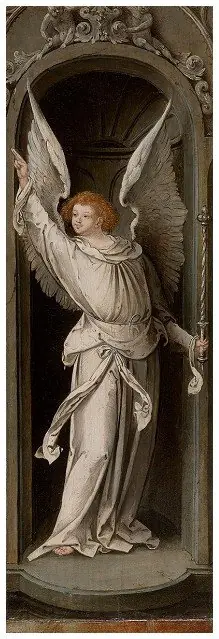 Annunciation (Angel)
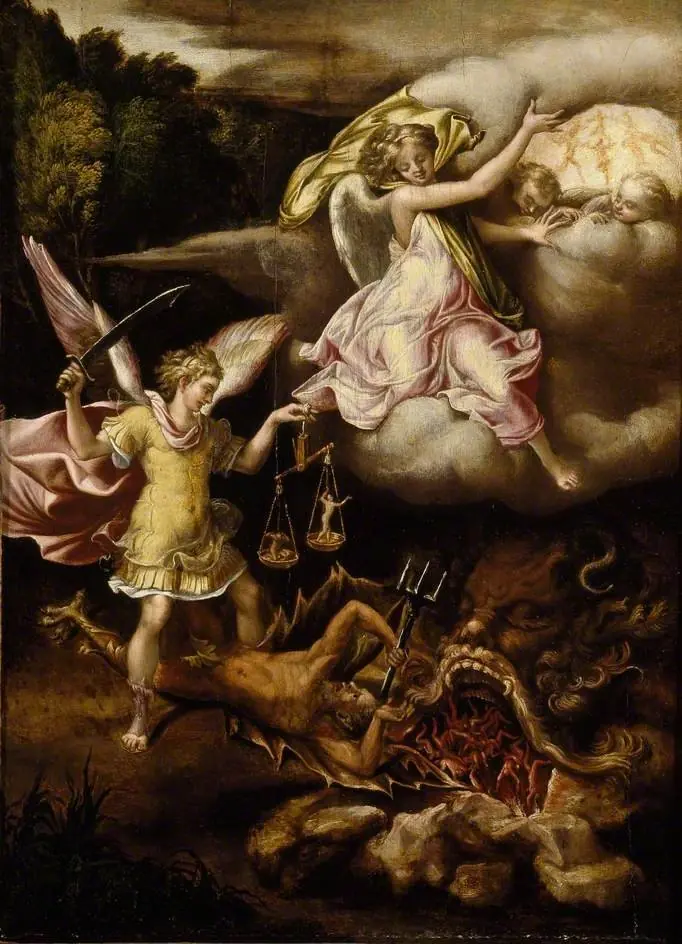 St Michael subduing Satan and weighing the Souls of the Dead
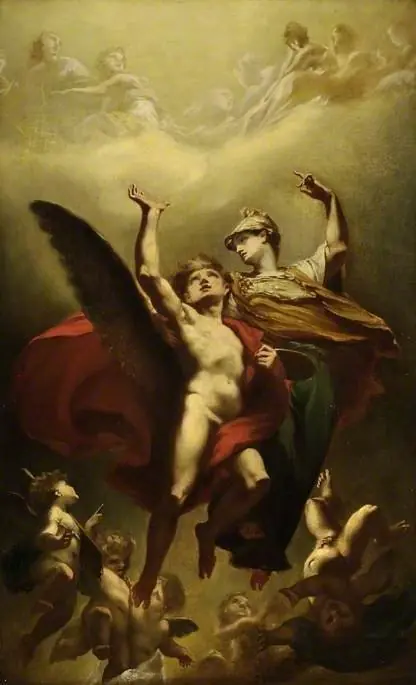 Study for 'Minerva leading the Genius of the Arts into Immortality'
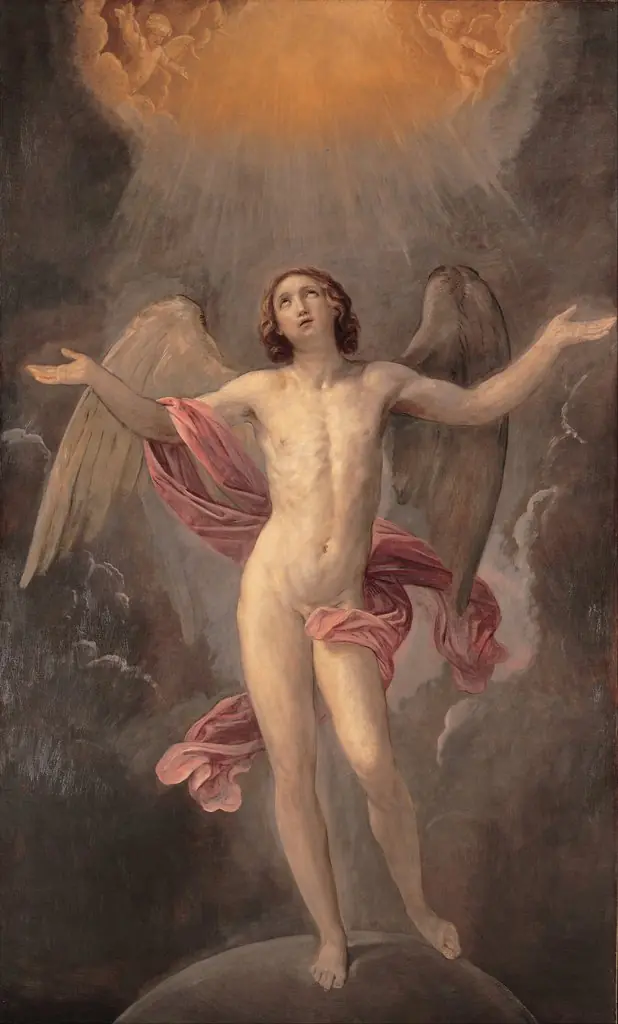 Blessed Soul
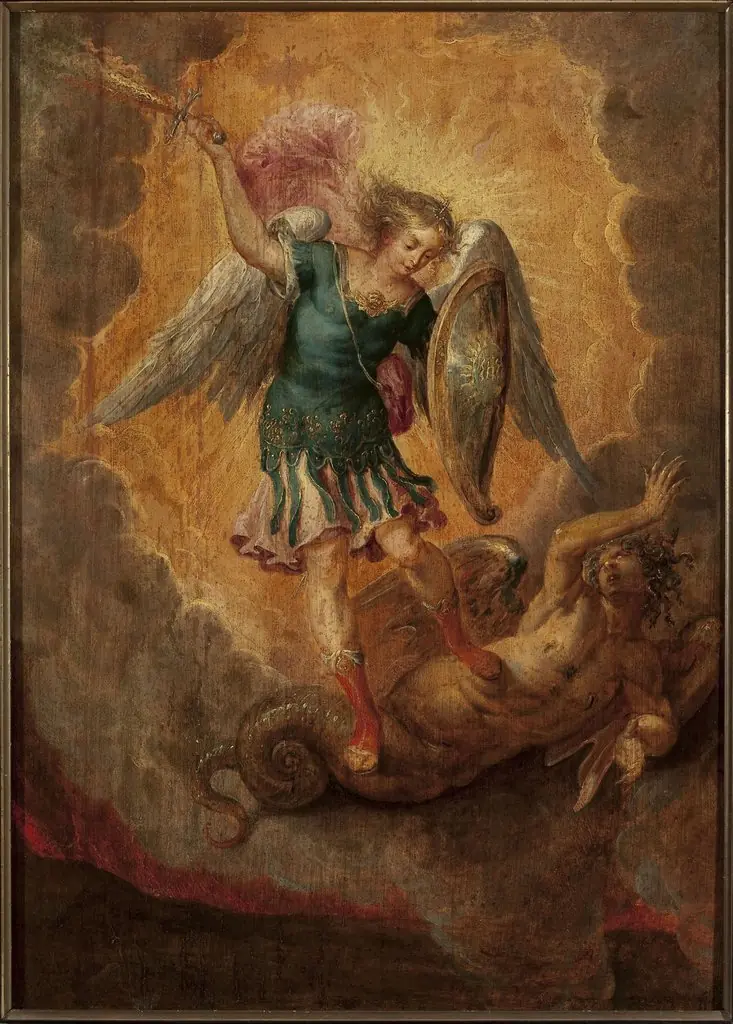 Saint Michael Archangel attacking the dragon
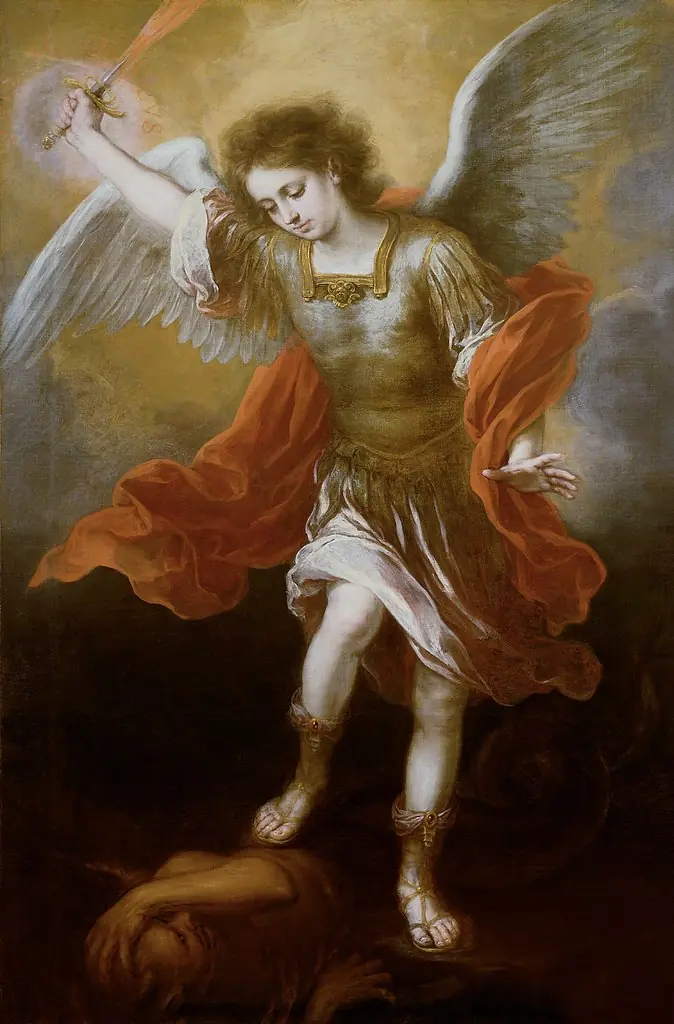 Archangel Michael plunges the devil into the abyss
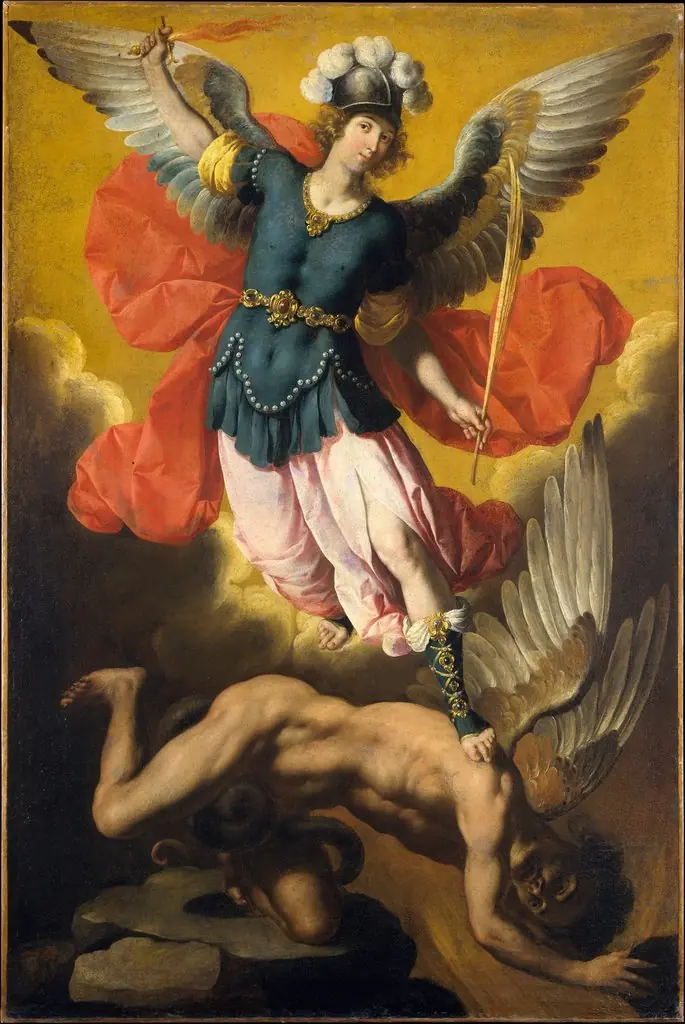 Saint Michael the Archangel
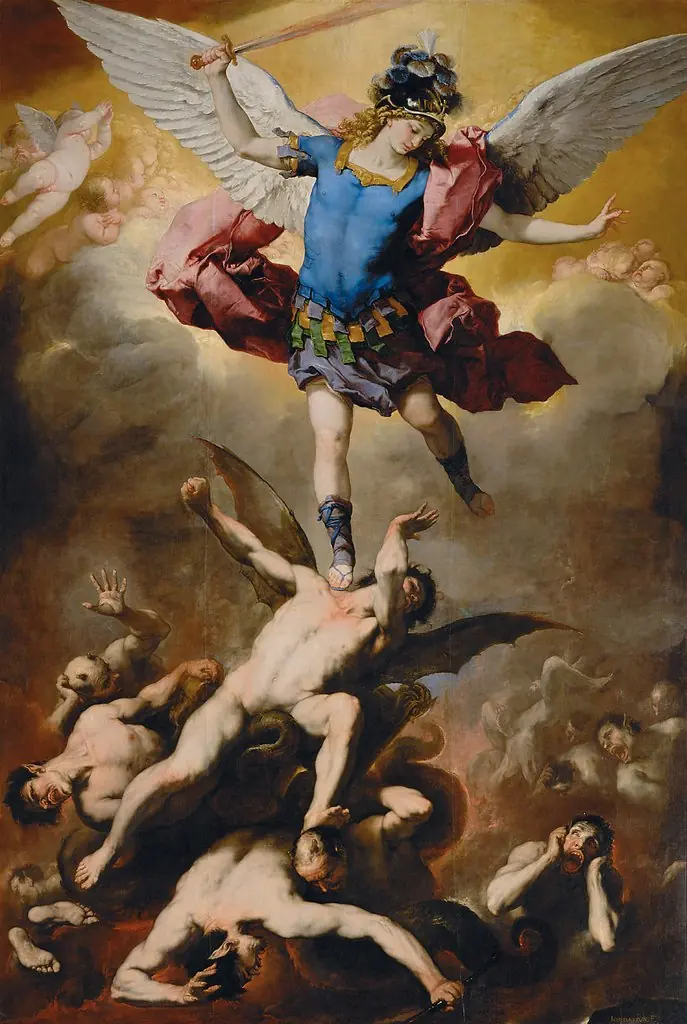 The Fall of the Rebel Angels
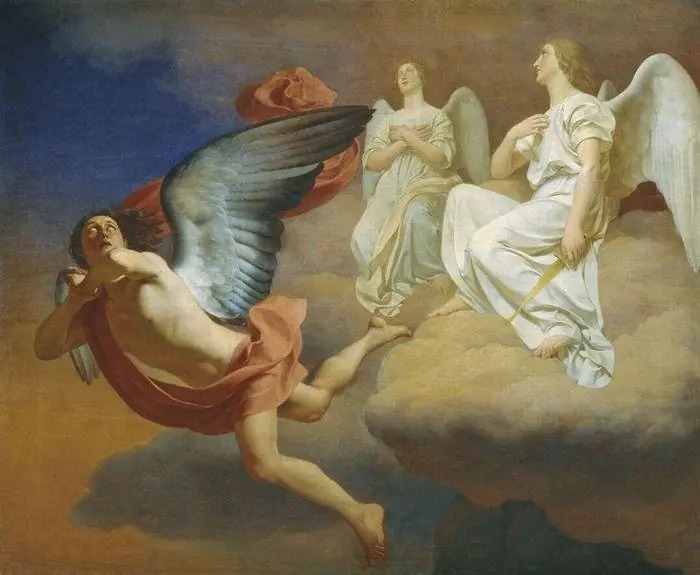 Abaddon and the Angels
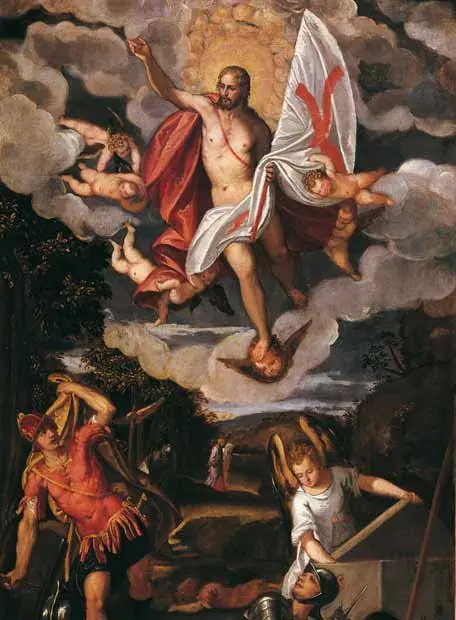 Resurrection of Christ
 An Angel