Artwork
Little Wapping
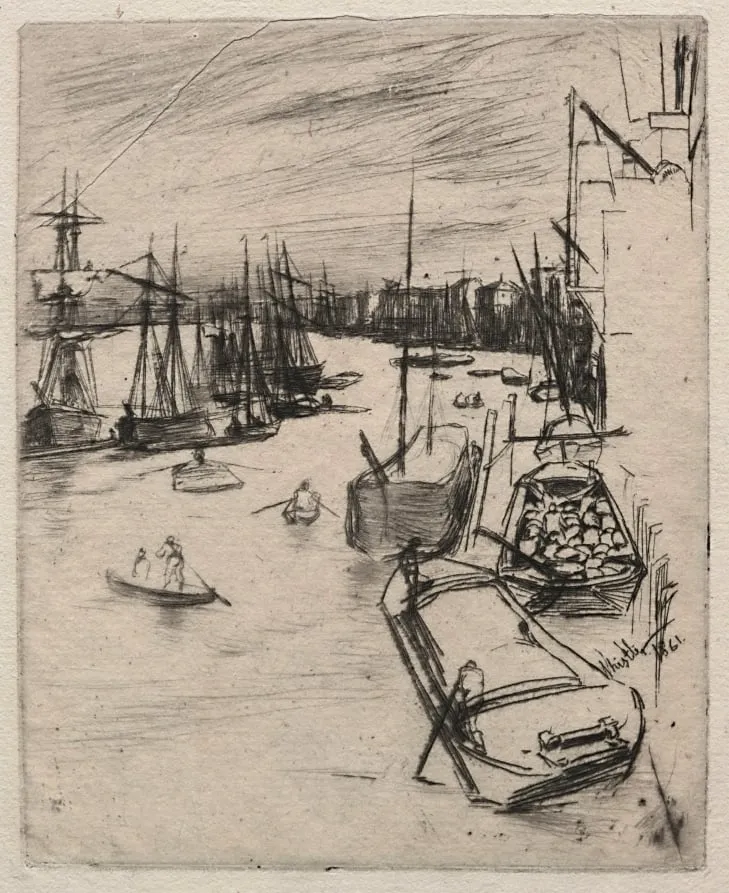
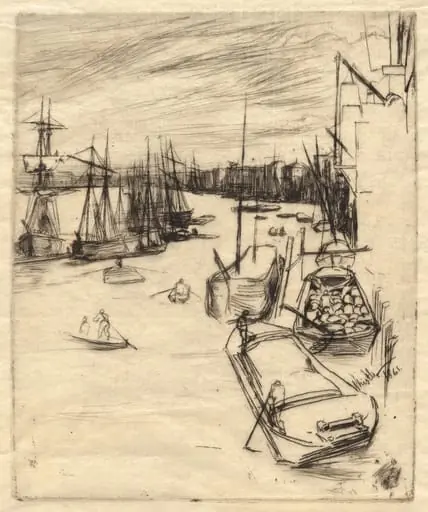
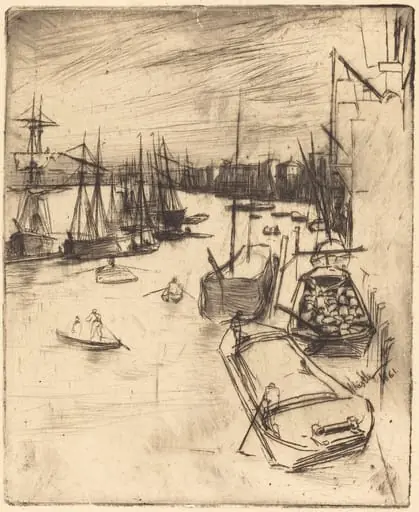
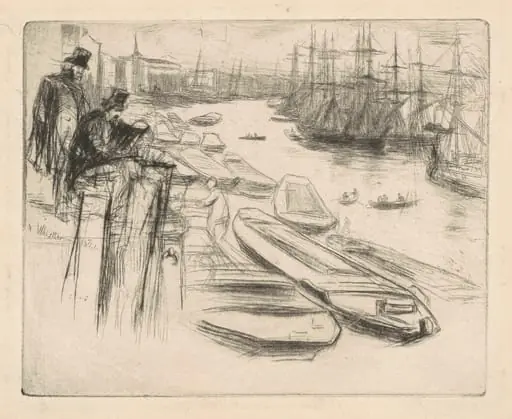
Little Wapping is a print by the Impressionist artist James McNeill Whistler. It dates from 1861 and is held in the collection of the Cleveland Museum of Art.
About this work
If you like this painting, you might also want to explore the work of James McNeill Whistler (American, 1834–1903).
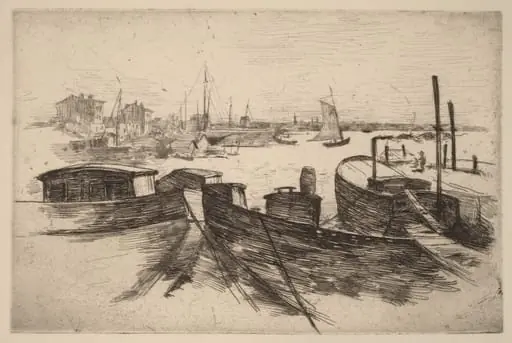
This painting shows a river scene with several boats, some of which have people in them. The boats are all different sizes and shapes. In the background, there are buildings and a cloudy sky.
The painting is done in a style that emphasizes the play of light on the water and the boats. The brushstrokes are loose and expressive, giving the painting a sense of movement and energy.
If you like this painting, you might also want to explore the work of James McNeill Whistler (American, 1834–1903).
Overview
Created in 1861, Little Wapping is a print by James McNeill Whistler that depicts a bustling riverside scene. The composition presents a stretch of water populated by a variety of boats, some occupied by figures, set against a backdrop of modest architecture and a cloud‑filled sky.
Subject & Meaning
The work captures everyday activity along the Thames, focusing on the interplay between human movement and the river’s surface. By portraying ordinary vessels and passers‑by, Whistler emphasizes the rhythm of urban life and the transient qualities of light and atmosphere.
Technique & Style
Whistler employs loose, expressive brushwork that accentuates the shimmering reflections on the water and the texture of the sky. The handling of light and shadow creates a sense of immediacy, while the varied shapes of the boats contribute to a dynamic visual rhythm.
History & Provenance
Little Wapping entered the collection of the Cleveland Museum of Art, where it remains on view. The piece reflects Whistler’s early exploration of atmospheric effects, a concern that would inform his later, more celebrated works.
Artist & collection
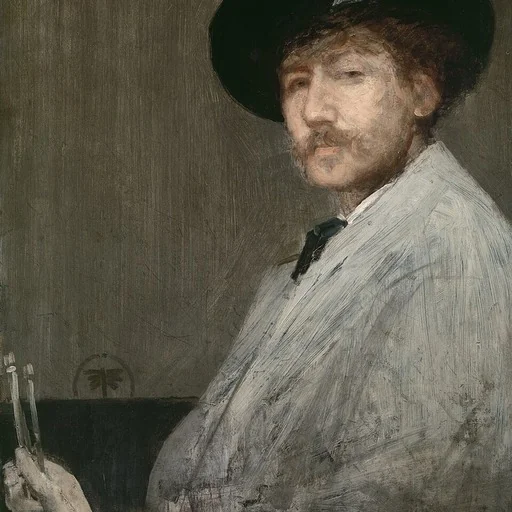
Artist
James Abbott McNeill Whistler was an American painter in oils and watercolor, and printmaker, active during the American Gilded Age and based primarily in the United Kingdom.

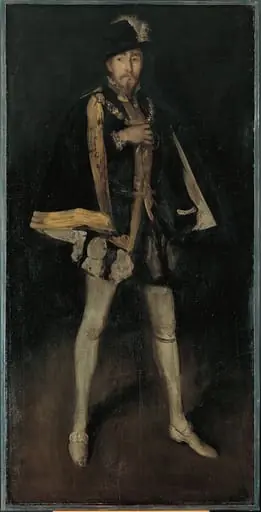 Arrangement in Black, No. 3: Sir Henry Irving as Philip II of Spain
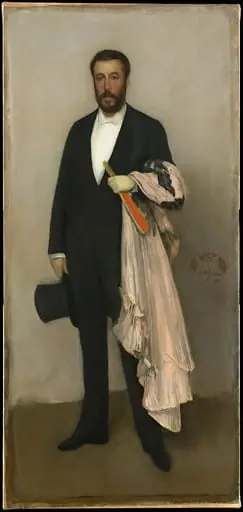 Arrangement in Flesh Colour and Black: Portrait of Theodore Duret
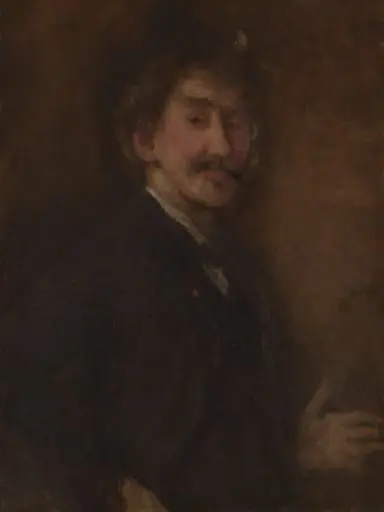 Gold and Brown: Self-Portrait
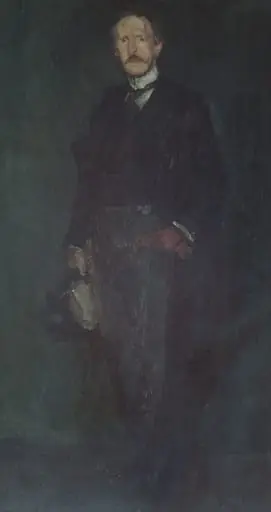 Edward Guthrie Kennedy
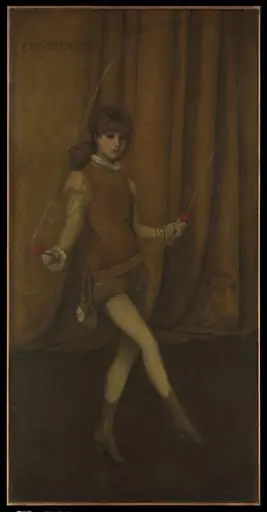 Harmony in Yellow and Gold: The Gold Girl—Connie Gilchrist
 George W. Vanderbilt
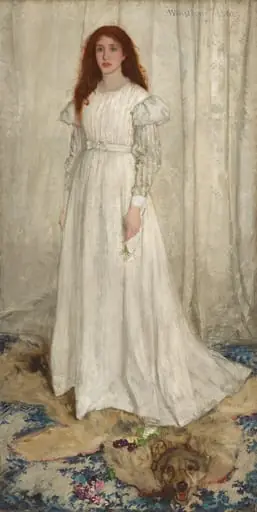 Symphony in White, No. 1: The White Girl
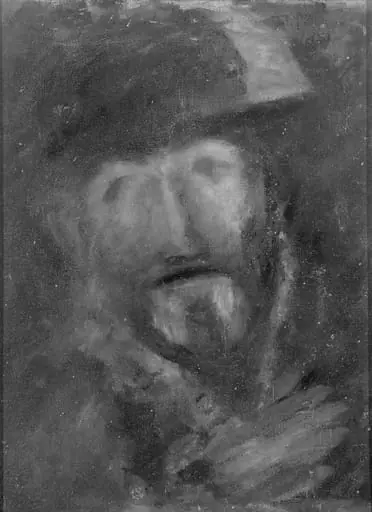 Henry Irving as Philip II of Spain