Artwork
Seymour
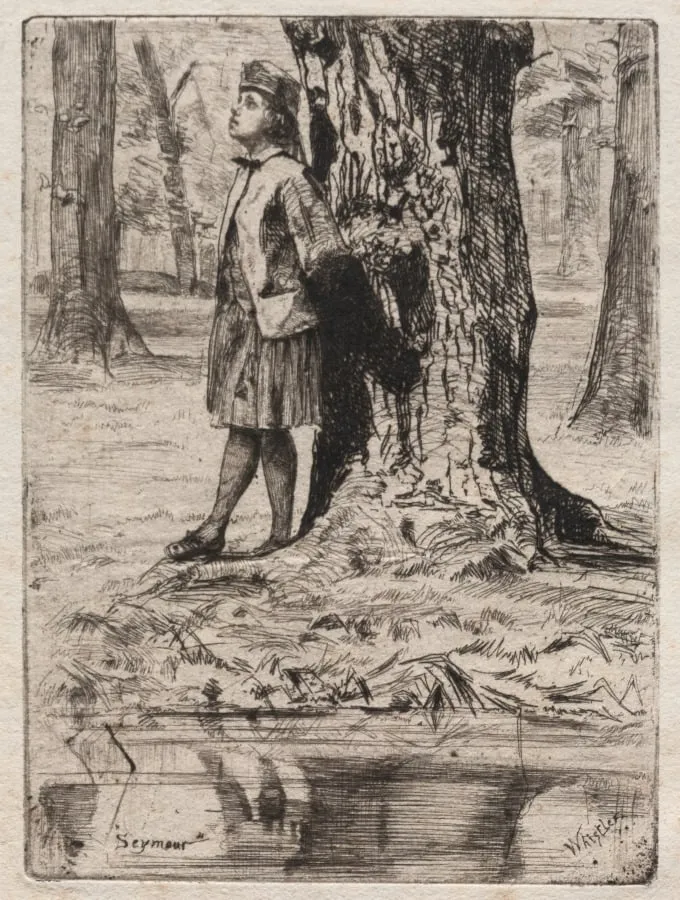
Seymour is a print by the Impressionist artist James McNeill Whistler. It dates from 1858 and is held in the collection of the Cleveland Museum of Art.
About this work
Overview
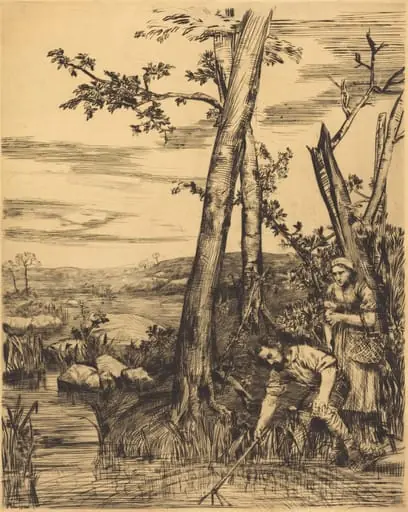
Seymour is an etching by James McNeill Whistler, dated 1858, and part of the collection at The Cleveland Museum of Art. The work captures a solitary figure in a quiet woodland setting, rendered with minimal detail and expressive line work. Whistler prioritized atmosphere over narrative clarity, using the etching medium to evoke a sense of solitude and transient naturalism.
Subject & Meaning
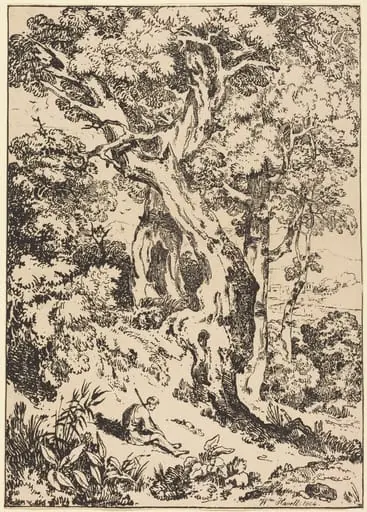
The figure, dressed in a cap, long coat, and skirt-like garment, carries a bundle and stands beside a gnarled tree amid fallen leaves.
The figure, dressed in a cap, long coat, and skirt-like garment, carries a bundle and stands beside a gnarled tree amid fallen leaves. No clear identity or story is given; the ambiguity invites contemplation rather than explanation. The isolation of the figure and the barren setting suggest themes of solitude, transience, or quiet labor, consistent with Whistler’s interest in mood over literal representation.
Technique & Style
Whistler employed rough, gestural etching lines to suggest texture in bark, foliage, and ground. The strokes are loose and uneven, avoiding polished detail in favor of tonal suggestion. This approach reflects his early experimentation with atmospheric effects, where shadow and line convey depth and emotion rather than precise form, aligning with emerging trends in printmaking that valued expression over realism.
History & Provenance
Created during Whistler’s formative years in Europe, Seymour dates from a period when he was refining his printmaking skills and exploring rural and urban scenes across France and England. The work entered The Cleveland Museum of Art’s collection through established acquisition channels, likely as part of a broader effort to document the evolution of 19th-century graphic art in the Western tradition.
Context
In the late 1850s, Whistler was influenced by the Barbizon School’s focus on naturalism and the Japanese prints then gaining attention in Europe. Seymour reflects this dual influence: its intimate woodland scene echoes Barbizon sensibilities, while its simplified forms and emphasis on line anticipate the aesthetic principles he would later develop in his nocturnes and etchings.
Legacy
Seymour represents an early stage in Whistler’s artistic evolution, where he began to prioritize emotional resonance over descriptive accuracy. Though less known than his later works, this etching illustrates his foundational approach to composition and tone, influencing subsequent generations of printmakers who valued suggestion over detail in conveying mood and environment.
Artist & collection
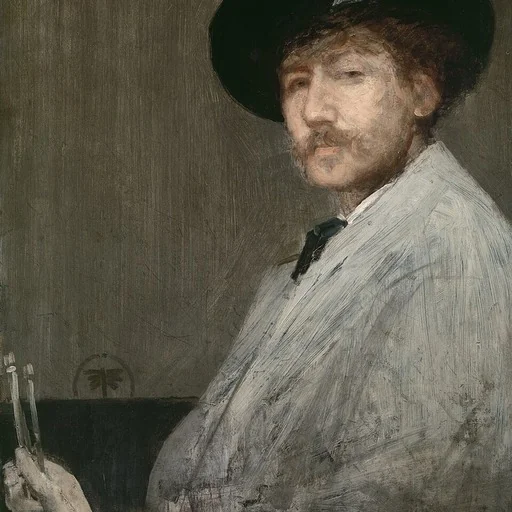
Artist
James Abbott McNeill Whistler was an American painter in oils and watercolor, and printmaker, active during the American Gilded Age and based primarily in the United Kingdom.

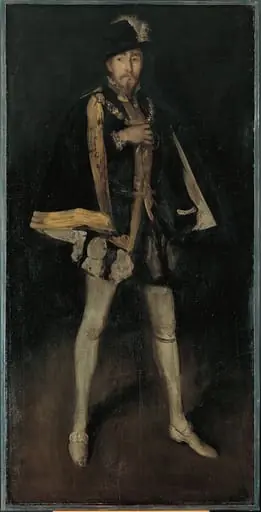 Arrangement in Black, No. 3: Sir Henry Irving as Philip II of Spain
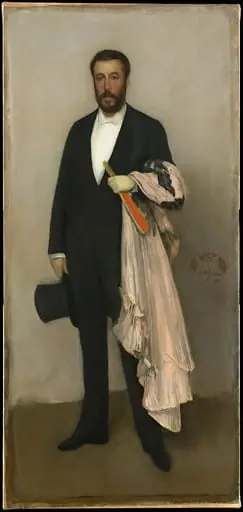 Arrangement in Flesh Colour and Black: Portrait of Theodore Duret
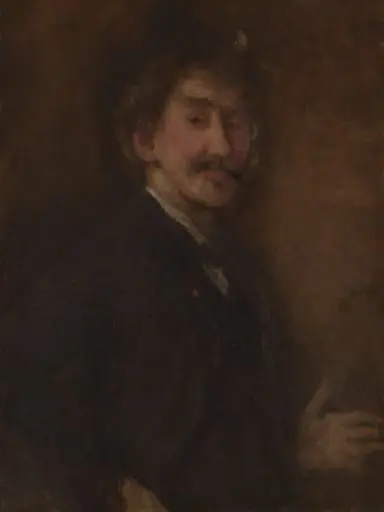 Gold and Brown: Self-Portrait
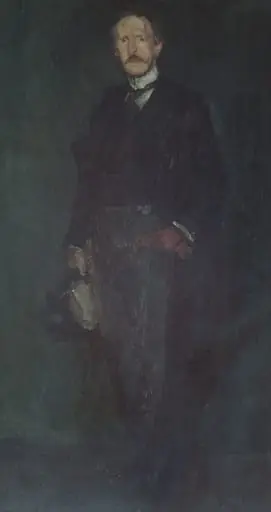 Edward Guthrie Kennedy
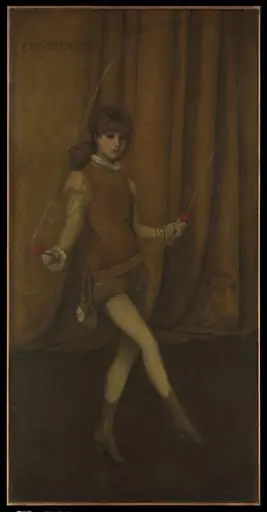 Harmony in Yellow and Gold: The Gold Girl—Connie Gilchrist
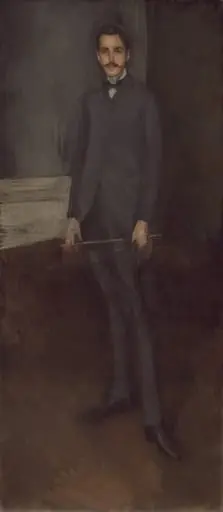 George W. Vanderbilt
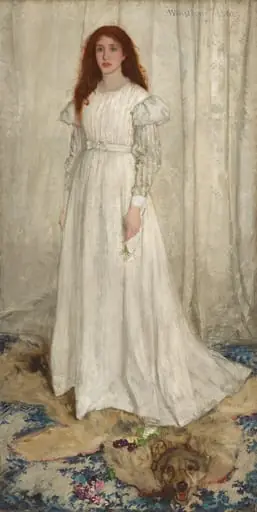 Symphony in White, No. 1: The White Girl
 Henry Irving as Philip II of Spain