Artwork
The Clockmakers, Paimpol
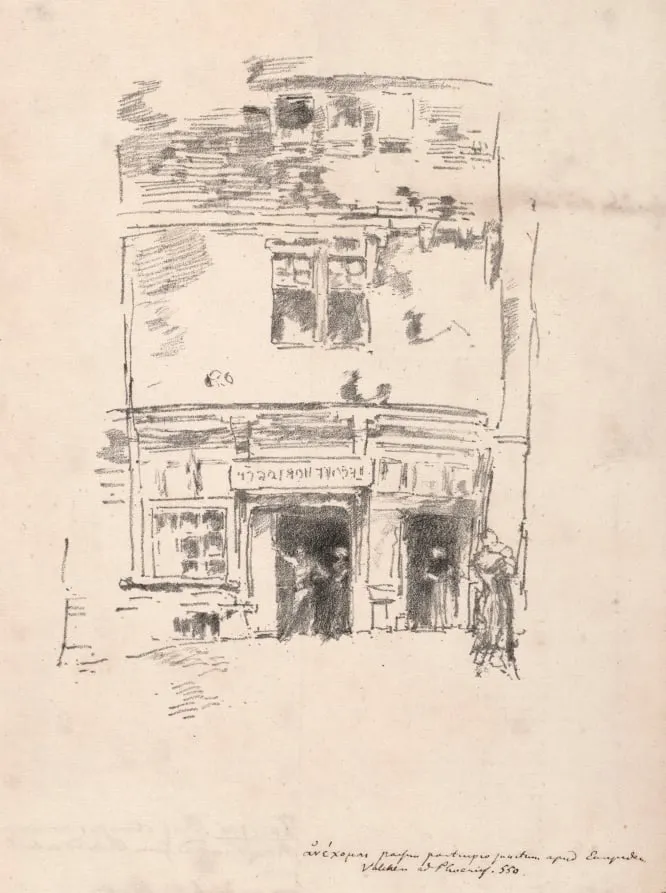
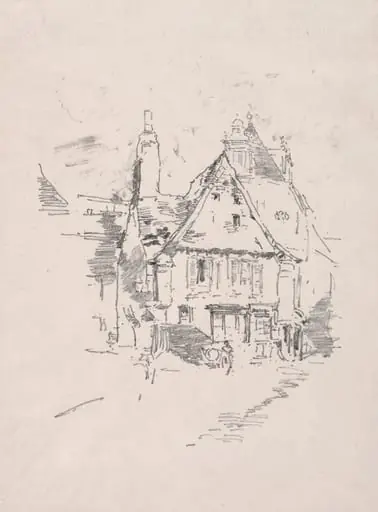
The Clockmakers, Paimpol is a print by the Impressionist artist James McNeill Whistler. It dates from 1893 and is held in the collection of the Cleveland Museum of Art.
About this work
Overview
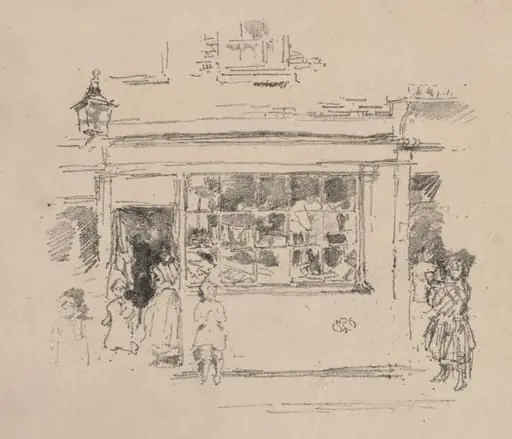
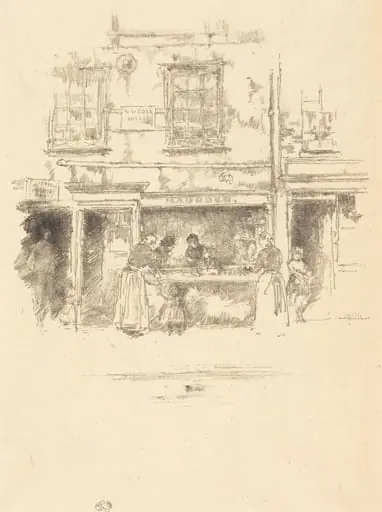
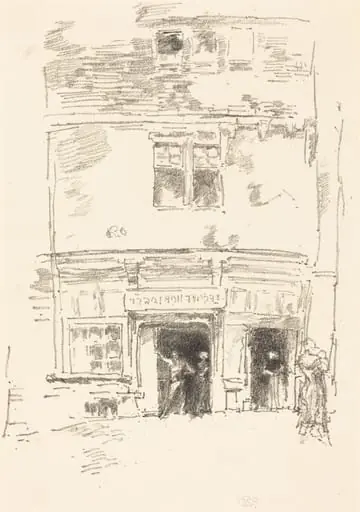
Created in 1893, The Clockmakers, Paimpol is a print by James McNeill Whistler depicting a quiet street in the Breton town of Paimpol.
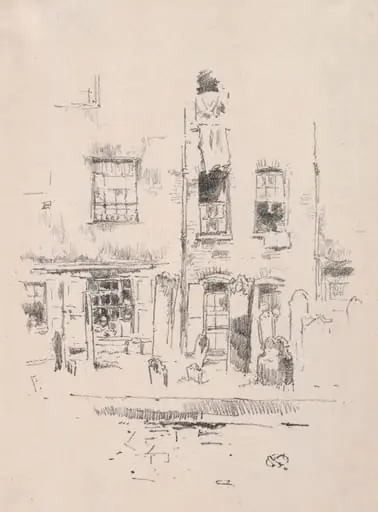
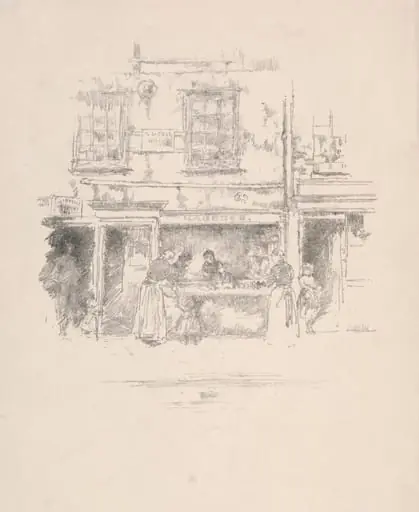
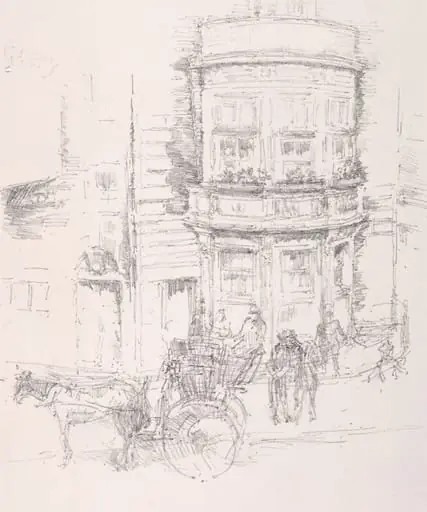
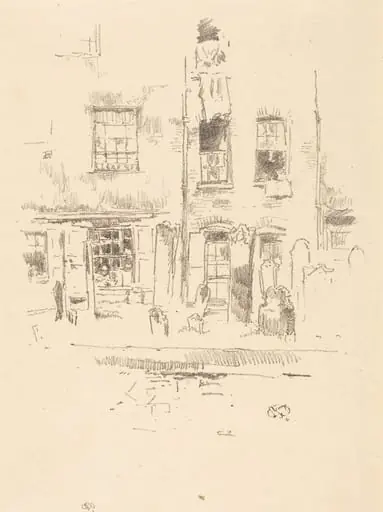
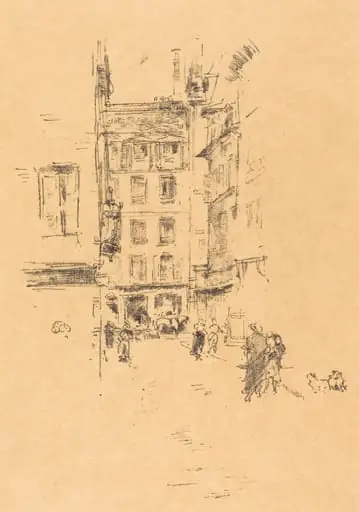
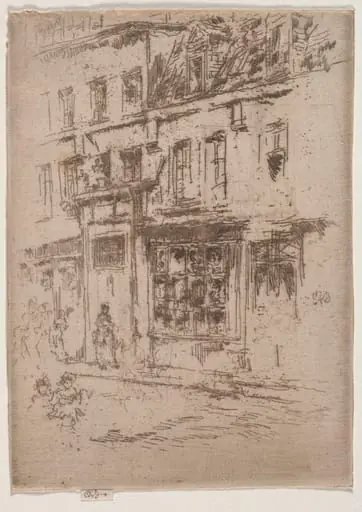
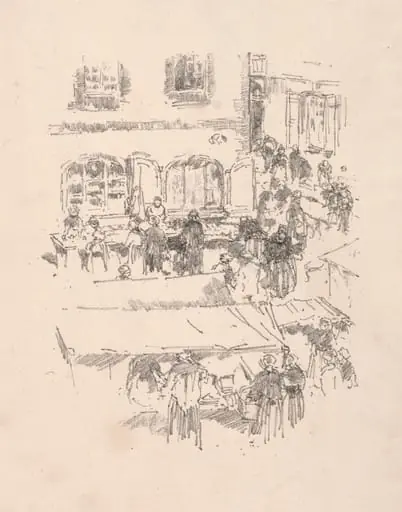
Created in 1893, The Clockmakers, Paimpol is a print by James McNeill Whistler depicting a quiet street in the Breton town of Paimpol. The work captures a modest building with a sign identifying its location, flanked by a few figures near its entrance. Rendered in subtle tones of gray and brown, the composition conveys stillness and ordinary urban life, reflecting Whistler’s interest in atmospheric observation over narrative drama.
Subject & Meaning
The scene centers on a local shop, possibly a clockmaker’s, with minimal human activity—just a handful of figures lingering in the doorway. There is no overt action or symbolism; instead, the work invites contemplation of routine existence. Whistler avoids romanticizing the setting, presenting it as a quiet moment in a provincial French town, emphasizing presence over event.
Technique & Style
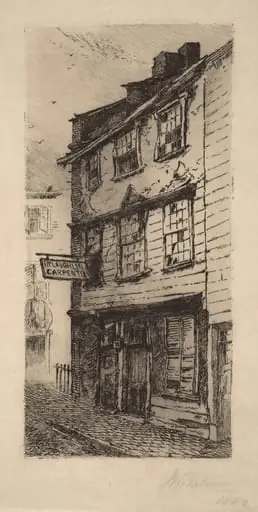
Whistler employed drypoint and etching to achieve fine, delicate lines and soft tonal gradations. The muted palette—dominated by earthy browns and grays—enhances the sense of stillness. Details like brickwork and signage are rendered with precision, yet the overall effect remains understated, aligning with his preference for tonal harmony over bold contrast or dramatic lighting.
History & Provenance
The print was made during Whistler’s travels in Brittany, where he sought quieter subjects away from urban centers. It entered the collection of The Cleveland Museum of Art in the 20th century, following the museum’s broader acquisition of Whistler’s graphic works. Its provenance reflects early 20th-century American interest in his printmaking, particularly his European scenes.
Context
Whistler created this work amid a broader European trend of artists turning to everyday urban and rural life. While often associated with Impressionism, his approach was more restrained, favoring composition and tone over fleeting light effects. The Clockmakers, Paimpol aligns with his late career focus on intimate, unembellished views of ordinary places.
Legacy
The print is recognized as part of Whistler’s significant contribution to printmaking, demonstrating his ability to elevate mundane scenes through careful technique and tonal control. It remains a quiet example of his later work, appreciated for its restraint and sensitivity to atmosphere rather than for dramatic impact or innovation.
Artist & collection
Artist
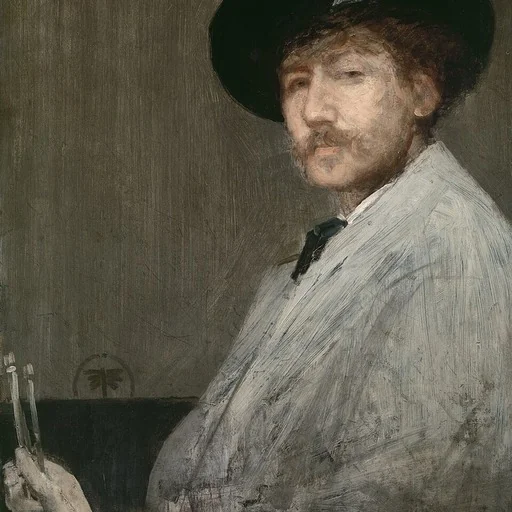
James Abbott McNeill Whistler was an American painter in oils and watercolor, and printmaker, active during the American Gilded Age and based primarily in the United Kingdom.

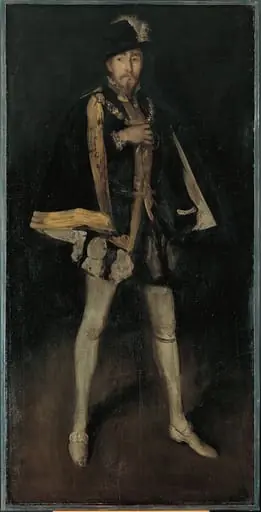 Arrangement in Black, No. 3: Sir Henry Irving as Philip II of Spain
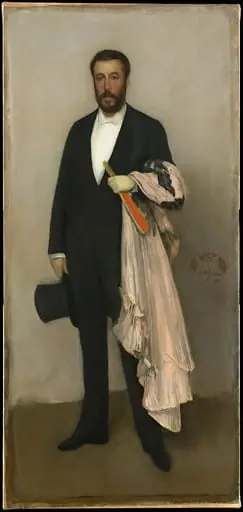 Arrangement in Flesh Colour and Black: Portrait of Theodore Duret
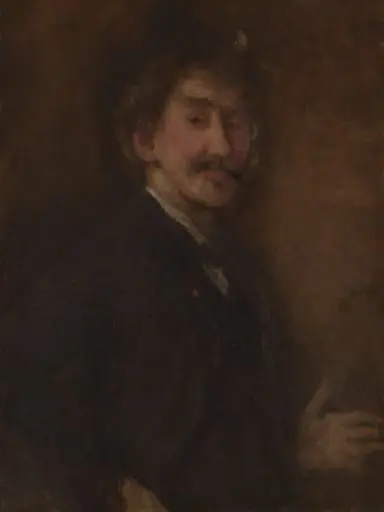 Gold and Brown: Self-Portrait
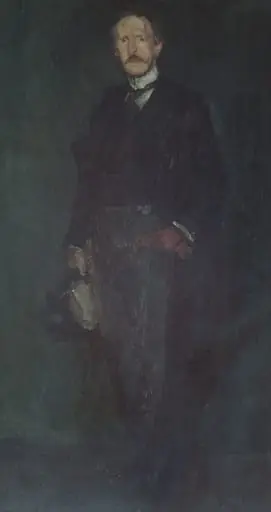 Edward Guthrie Kennedy
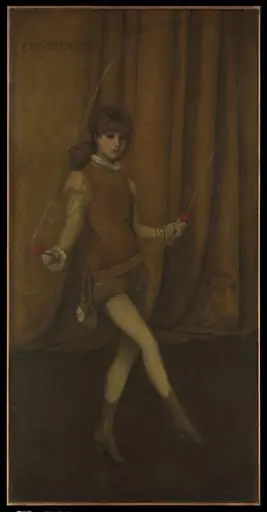 Harmony in Yellow and Gold: The Gold Girl—Connie Gilchrist
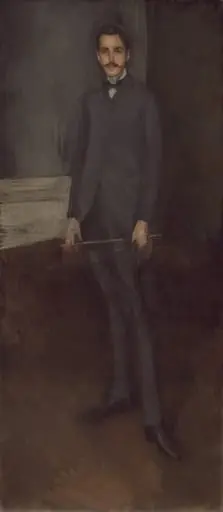 George W. Vanderbilt
 Symphony in White, No. 1: The White Girl
 Henry Irving as Philip II of Spain