Artwork
The Long Balcony
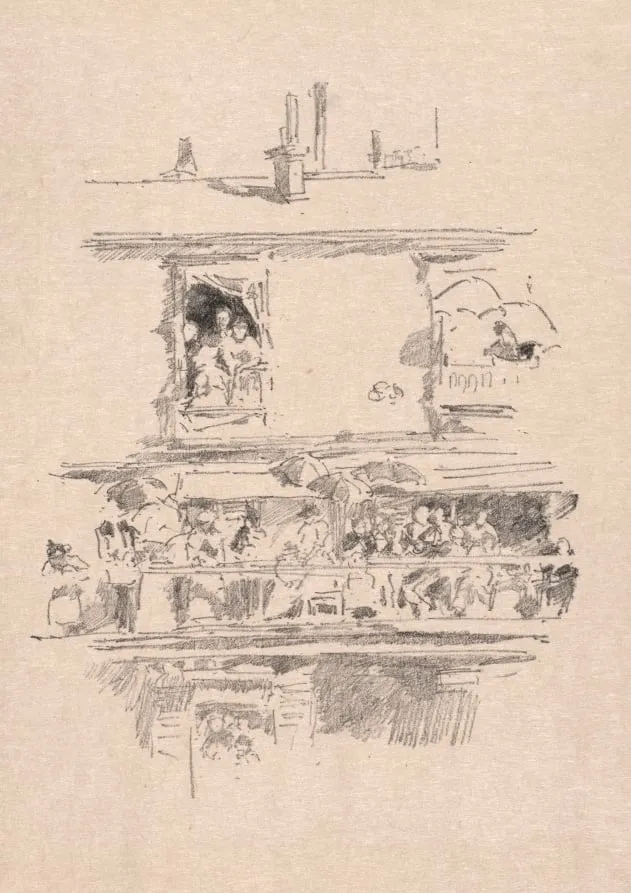
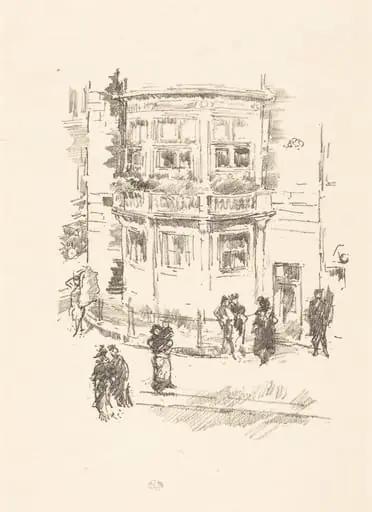
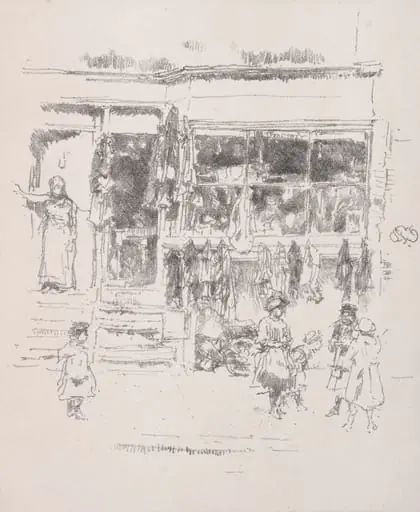
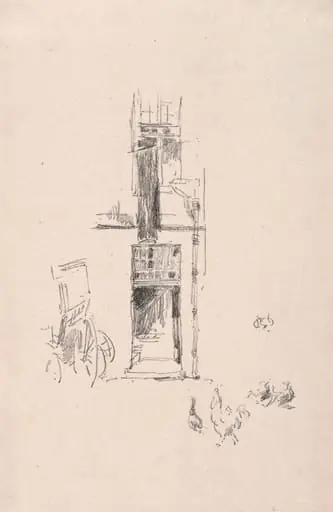
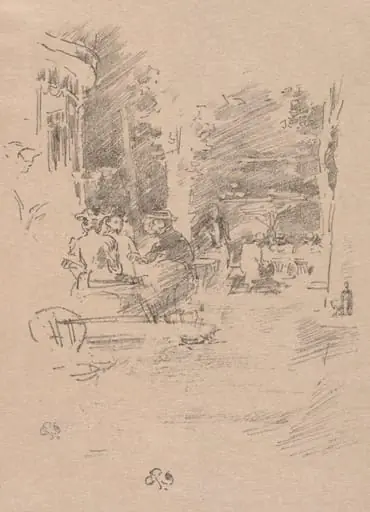
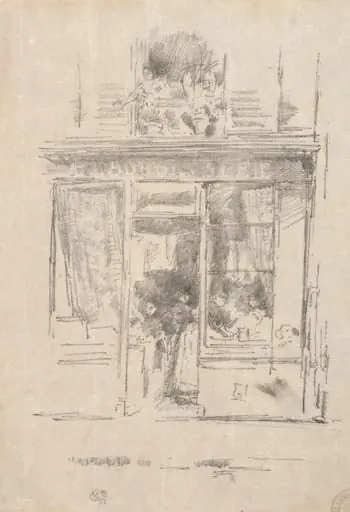
The Long Balcony is a print by the Impressionist artist James McNeill Whistler. It dates from 1894 and is held in the collection of the Cleveland Museum of Art.
About this work
Overview
The Long Balcony is a drypoint etching by James McNeill Whistler, completed in 1894. It depicts a quiet interior space with a long, narrow balcony visible through an open door. The work is part of Whistler’s later series exploring domestic interiors and architectural perspectives, rendered with subtle tonal variations rather than bold lines.
Subject & Meaning
The scene captures a solitary, unoccupied balcony extending into soft light, suggesting stillness and solitude. Whistler avoids narrative detail, focusing instead on spatial rhythm and the interplay of architecture and atmosphere. The absence of figures invites contemplation, aligning with his interest in mood over storytelling.
Technique & Style
Whistler employed drypoint etching, scratching lines directly into a copper plate to create rich, velvety blacks and delicate gray tones. The composition emphasizes horizontal lines and shallow depth, with minimal detail to enhance the sense of quiet. His approach reflects his belief in art as an arrangement of form and tone, akin to musical harmony.
History & Provenance
Created in 1894, the print was produced during Whistler’s later years in London. It entered The Cleveland Museum of Art’s collection in 1916 as part of a significant bequest of works by the artist, reflecting the museum’s early commitment to acquiring his graphic oeuvre.
Context
This work emerged during a period when Whistler was deeply engaged with interior views and architectural fragments, influenced by Japanese prints and his own evolving aesthetic philosophy. He sought to move beyond literal representation, favoring atmospheric suggestion and compositional balance over descriptive detail.
Legacy
The Long Balcony exemplifies Whistler’s mature graphic style, influencing later artists interested in tonal subtlety and spatial ambiguity. Its quiet intensity helped redefine printmaking as a medium for emotional resonance rather than mere illustration, securing its place in the canon of late 19th-century print art.
Artist & collection
Artist
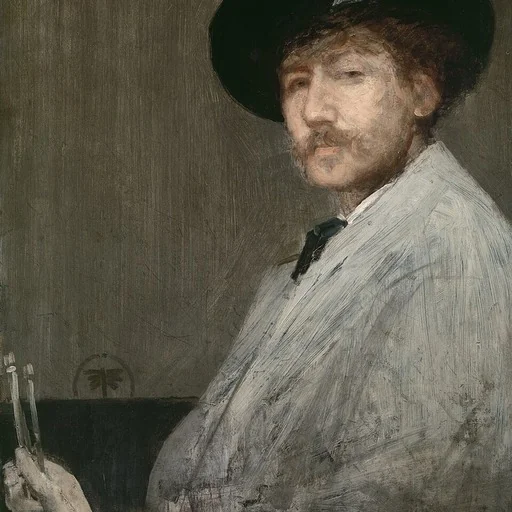
James Abbott McNeill Whistler was an American painter in oils and watercolor, and printmaker, active during the American Gilded Age and based primarily in the United Kingdom.

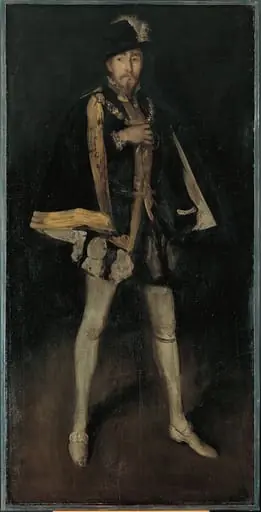 Arrangement in Black, No. 3: Sir Henry Irving as Philip II of Spain
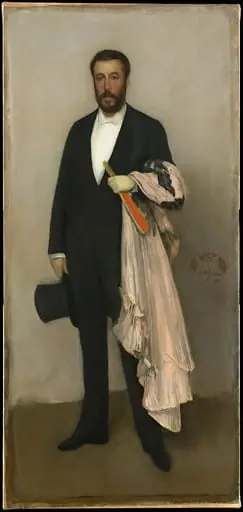 Arrangement in Flesh Colour and Black: Portrait of Theodore Duret
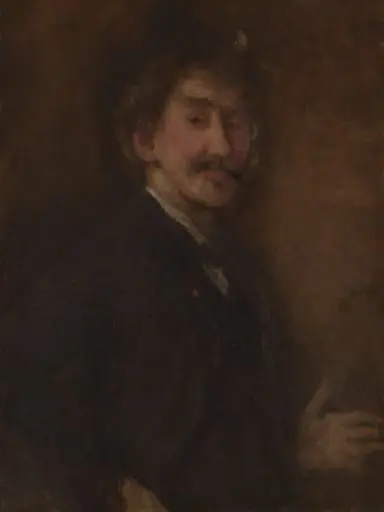 Gold and Brown: Self-Portrait
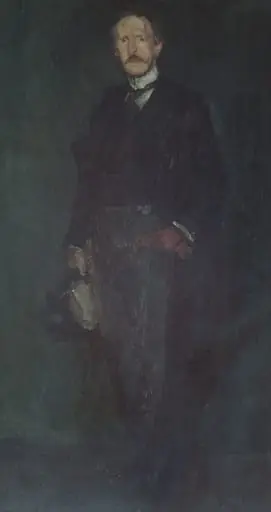 Edward Guthrie Kennedy
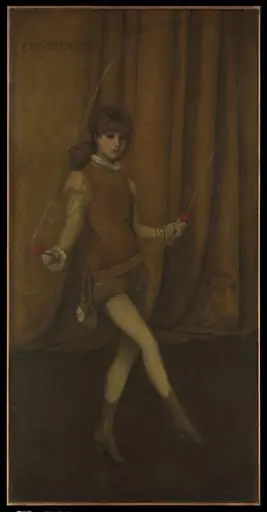 Harmony in Yellow and Gold: The Gold Girl—Connie Gilchrist
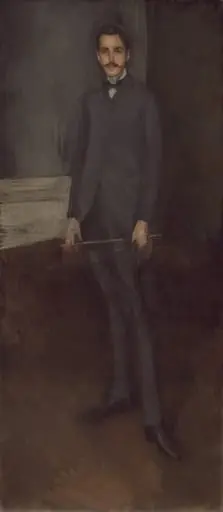 George W. Vanderbilt
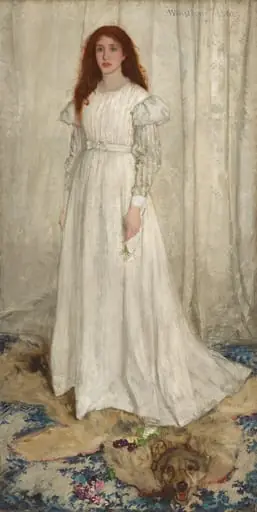 Symphony in White, No. 1: The White Girl
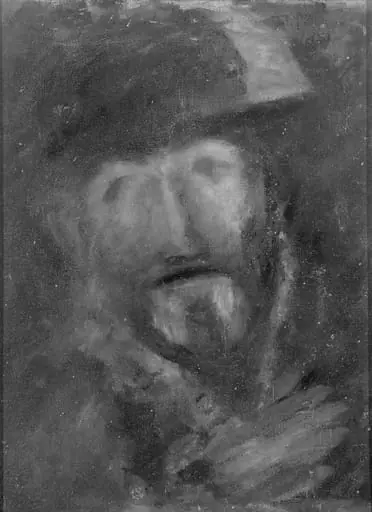 Henry Irving as Philip II of Spain