Artwork
Twelve Etchings from Nature: La Rétameuse
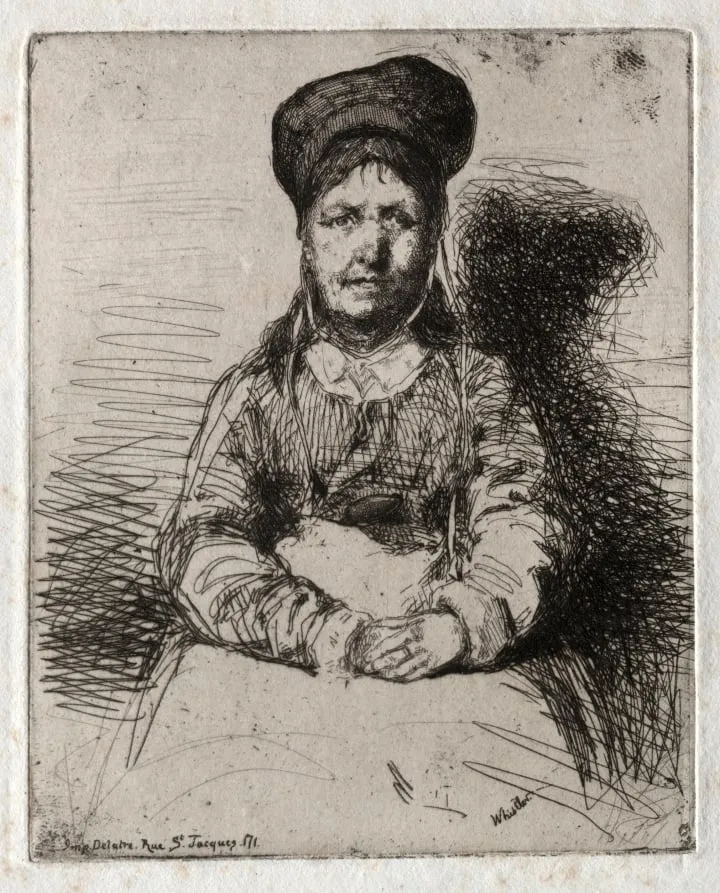
Twelve Etchings from Nature: La Rétameuse is a print by the Impressionist artist James McNeill Whistler. It dates from 1858 and is held in the collection of the Cleveland Museum of Art. Created in 1858, this etching is one of twelve in Whistler’s series titled Twelve Etchings from Nature.
About this work
Overview
Created in 1858, this etching is one of twelve in Whistler’s series titled Twelve Etchings from Nature. Executed during his early years in Europe, the work reflects his interest in capturing everyday scenes with minimal intervention. The print is held in the collection of The Cleveland Museum of Art, where it is valued for its directness and unembellished observation of ordinary life.
Subject & Meaning
The lack of context or background emphasizes the individual’s quiet dignity, aligning with his broader interest in human stillness amid urban environments.
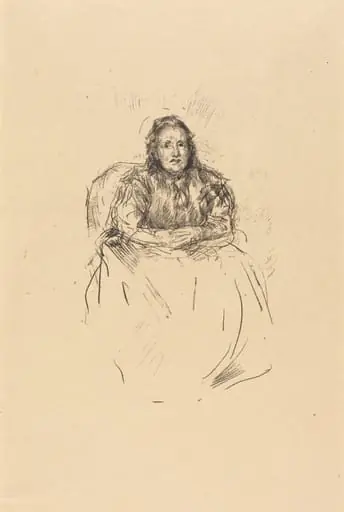
The figure is a woman seated with hands resting in her lap, dressed in a dark hat, striped shirt, and loose jacket. Her posture suggests quiet contemplation or rest. Whistler avoids narrative detail, focusing instead on presence rather than identity. The lack of context or background emphasizes the individual’s quiet dignity, aligning with his broader interest in human stillness amid urban environments.
Technique & Style
Whistler employed etching to create loose, gestural lines that suggest form without definition. The background is rendered with rough, irregular strokes, evoking texture rather than space. Shading is achieved through variable line weight and density, not cross-hatching. The composition favors economy: facial features and fabric folds are implied, not rendered precisely, reflecting a sketch-like immediacy.
History & Provenance
The print was made during Whistler’s formative period in Paris and London, when he was experimenting with printmaking as a means of direct observation. It entered The Cleveland Museum of Art’s collection through documented acquisition, likely in the early 20th century, as part of broader interest in Whistler’s graphic work. Its provenance remains unbroken since then.
Context
This work emerged during a time when artists were turning from grand historical subjects to scenes of daily life. Whistler’s etchings, including this one, aligned with emerging realist tendencies but rejected overt sentimentality. His focus on anonymous figures and atmospheric suggestion distinguished his approach from both academic tradition and the more dramatic social commentary of contemporaries.
Legacy
Whistler’s Twelve Etchings from Nature influenced later generations of printmakers who valued spontaneity and restraint. La Rétameuse exemplifies his belief in art as a record of perception rather than polished finish. Though not widely exhibited, the series remains a touchstone for studies of 19th-century graphic art and the evolution of modernist simplicity in printmaking.
Artist & collection
Artist
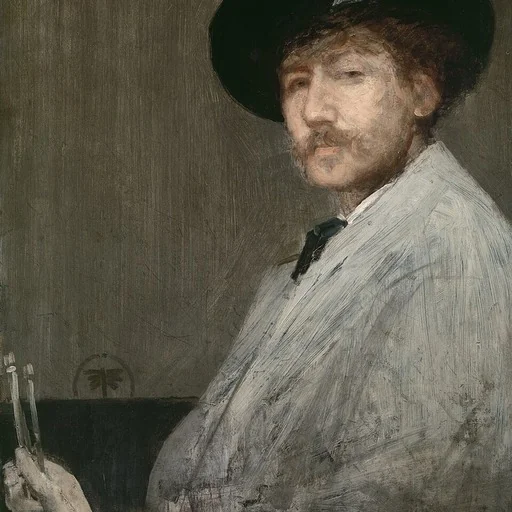
James Abbott McNeill Whistler was an American painter in oils and watercolor, and printmaker, active during the American Gilded Age and based primarily in the United Kingdom.

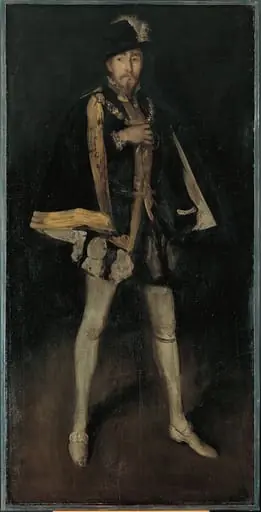 Arrangement in Black, No. 3: Sir Henry Irving as Philip II of Spain
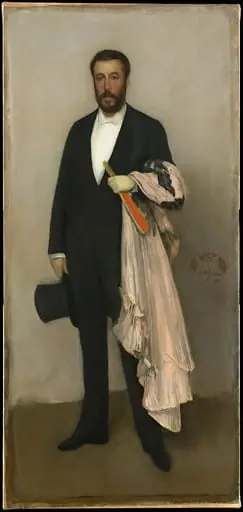 Arrangement in Flesh Colour and Black: Portrait of Theodore Duret
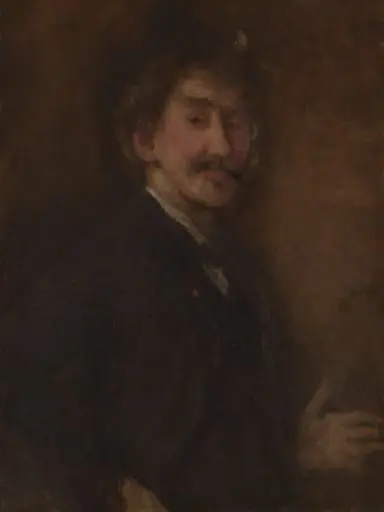 Gold and Brown: Self-Portrait
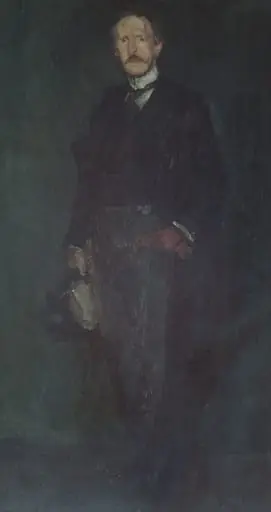 Edward Guthrie Kennedy
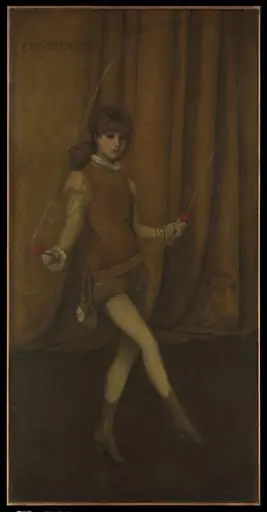 Harmony in Yellow and Gold: The Gold Girl—Connie Gilchrist
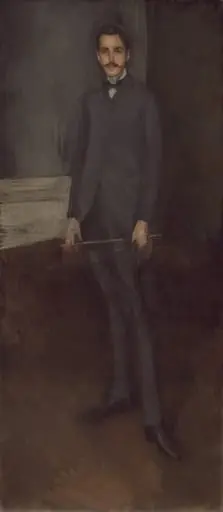 George W. Vanderbilt
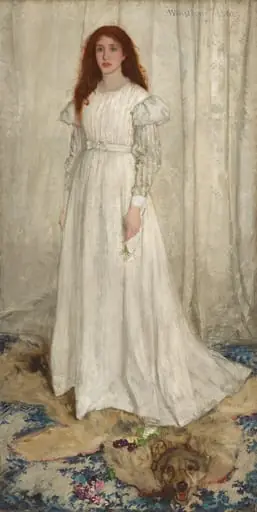 Symphony in White, No. 1: The White Girl
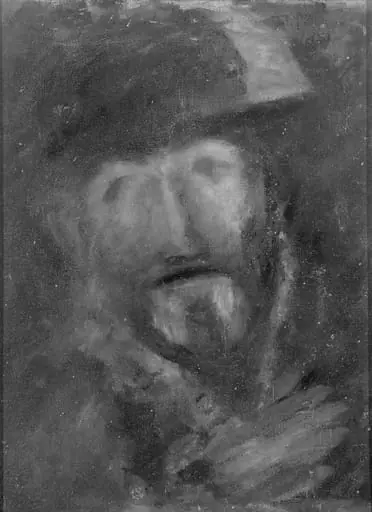 Henry Irving as Philip II of Spain