Artwork
Mona
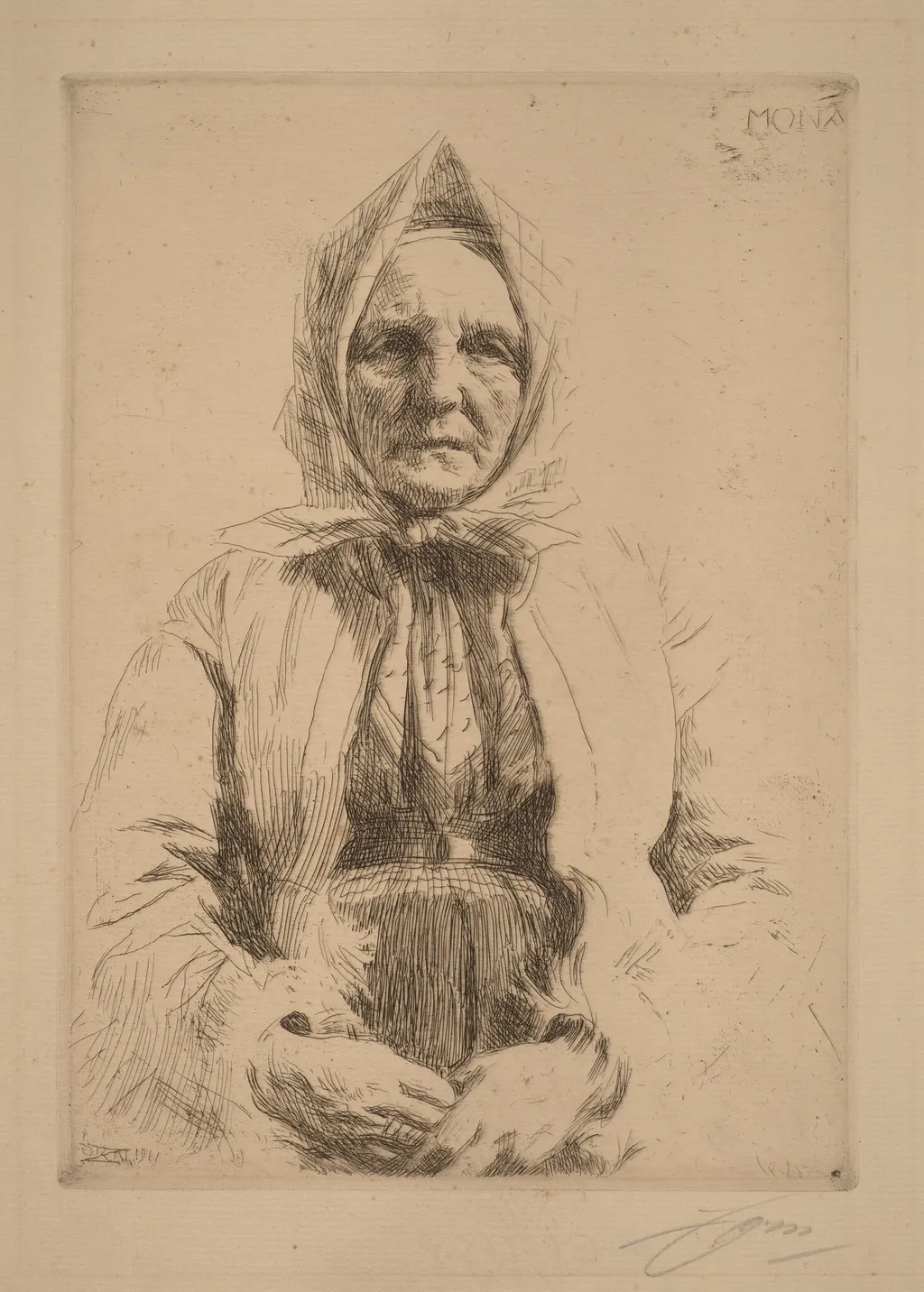
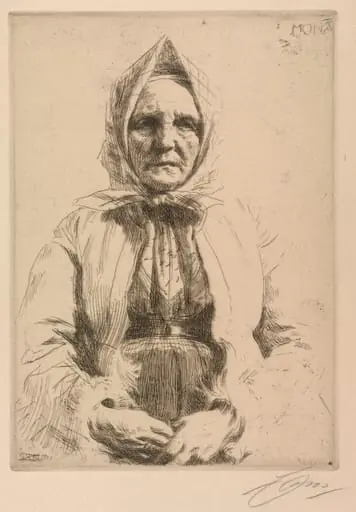
Mona is an ink print by Anders Zorn. It dates from 1911 and is held in the collection of the National Gallery of Art.
About this work
Overview
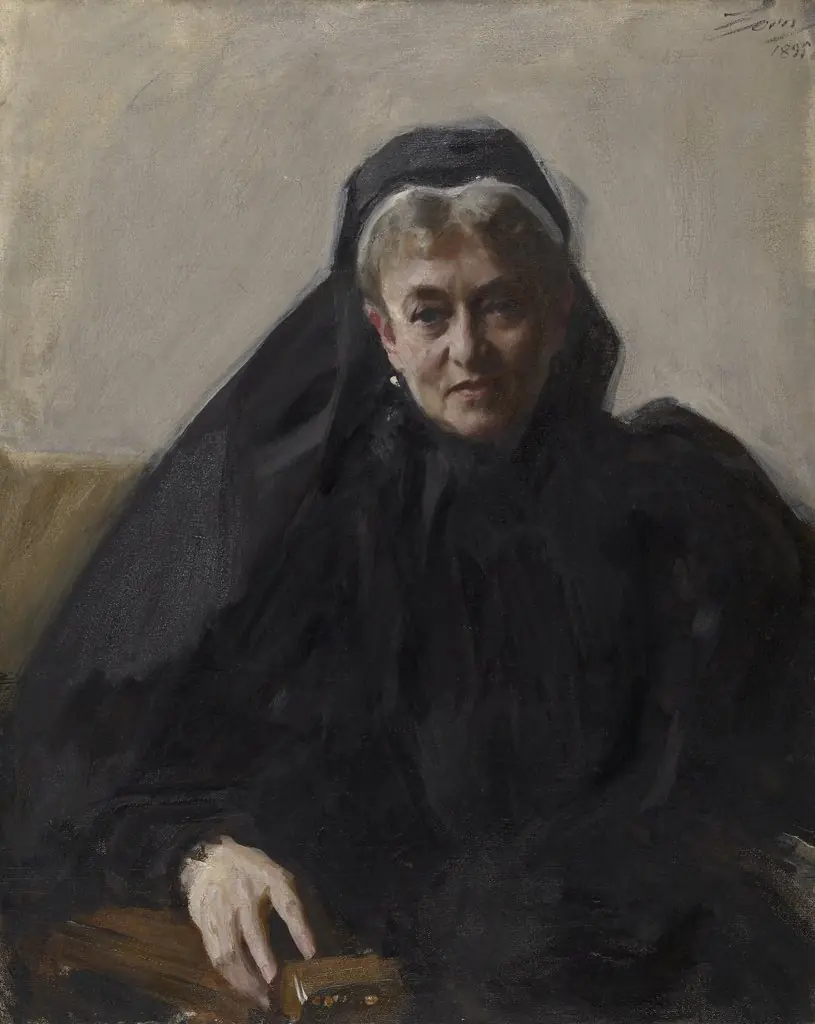
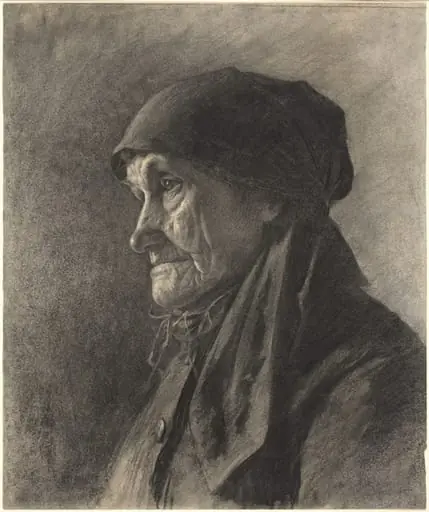
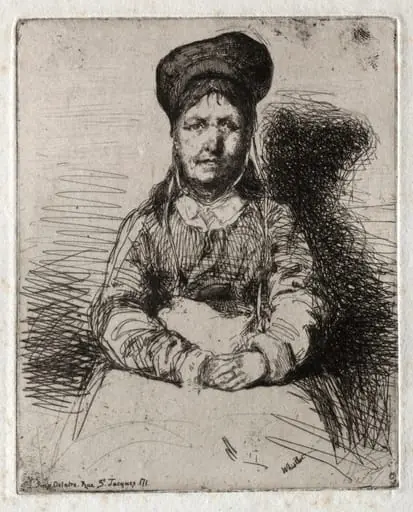
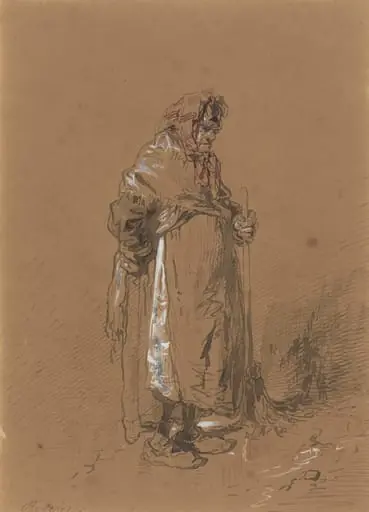
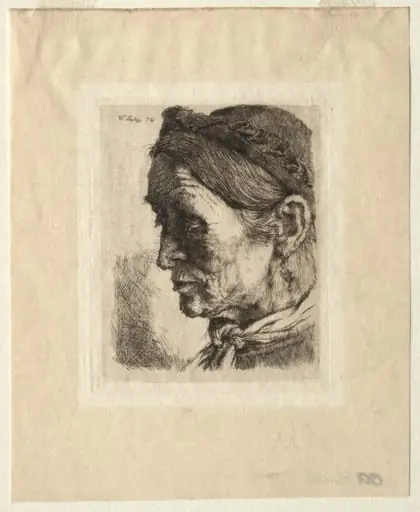
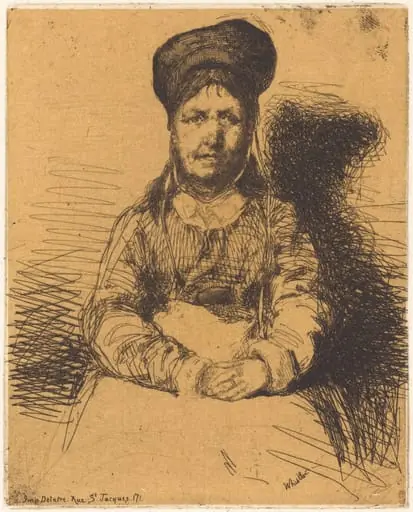
Anders Zorn’s 1911 work titled *Mona* is an etching executed on laid paper. The image presents a solitary figure seated, cloaked in a heavy coat with the hood drawn up, hands resting on the lap. The composition is rendered with swift, dark strokes that convey a solemn demeanor, while the paper’s grain adds a tactile quality to the print.
Subject & Meaning
The central figure appears introspective, the concealed face and enveloping garment suggesting anonymity or concealment. The posture and subdued expression evoke a mood of contemplation or perhaps weariness, inviting viewers to consider themes of solitude and the hidden aspects of identity within an early‑twentieth‑century context.
Technique & Style
Zorn employed traditional etching, incising lines into a metal plate that were then bitten with acid to hold ink. The resulting marks are crisp yet irregular, giving the work a spontaneous, sketch‑like character. The uneven edges of the coat and the grainy texture of the laid paper enhance the raw, immediacy of the image.
History & Provenance
Created in 1911, *Mona* reflects Zorn’s exploration of printmaking during a period when he was expanding beyond his renowned oil portraits. While specific ownership records are limited, the piece is documented within catalogues of Zorn’s graphic oeuvre and has appeared in several exhibitions highlighting his contributions to early modern print techniques.
Artist & collection

Artist
Anders Leonard Zorn was born in February 1860 in Mora, Dalarna, the illegitimate son of a Bavarian brewer and a Swedish farmer's daughter; his mother died shortly after his birth, and his grandparents raised him.