Artwork
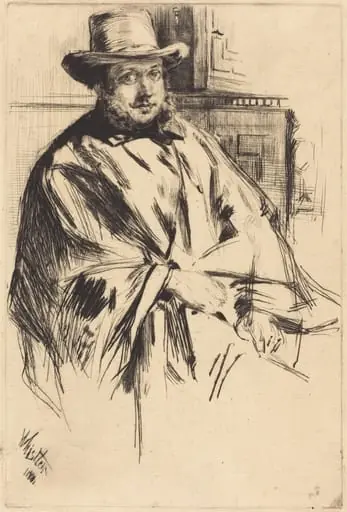
Portrait of Dr. William McNeill Whistler
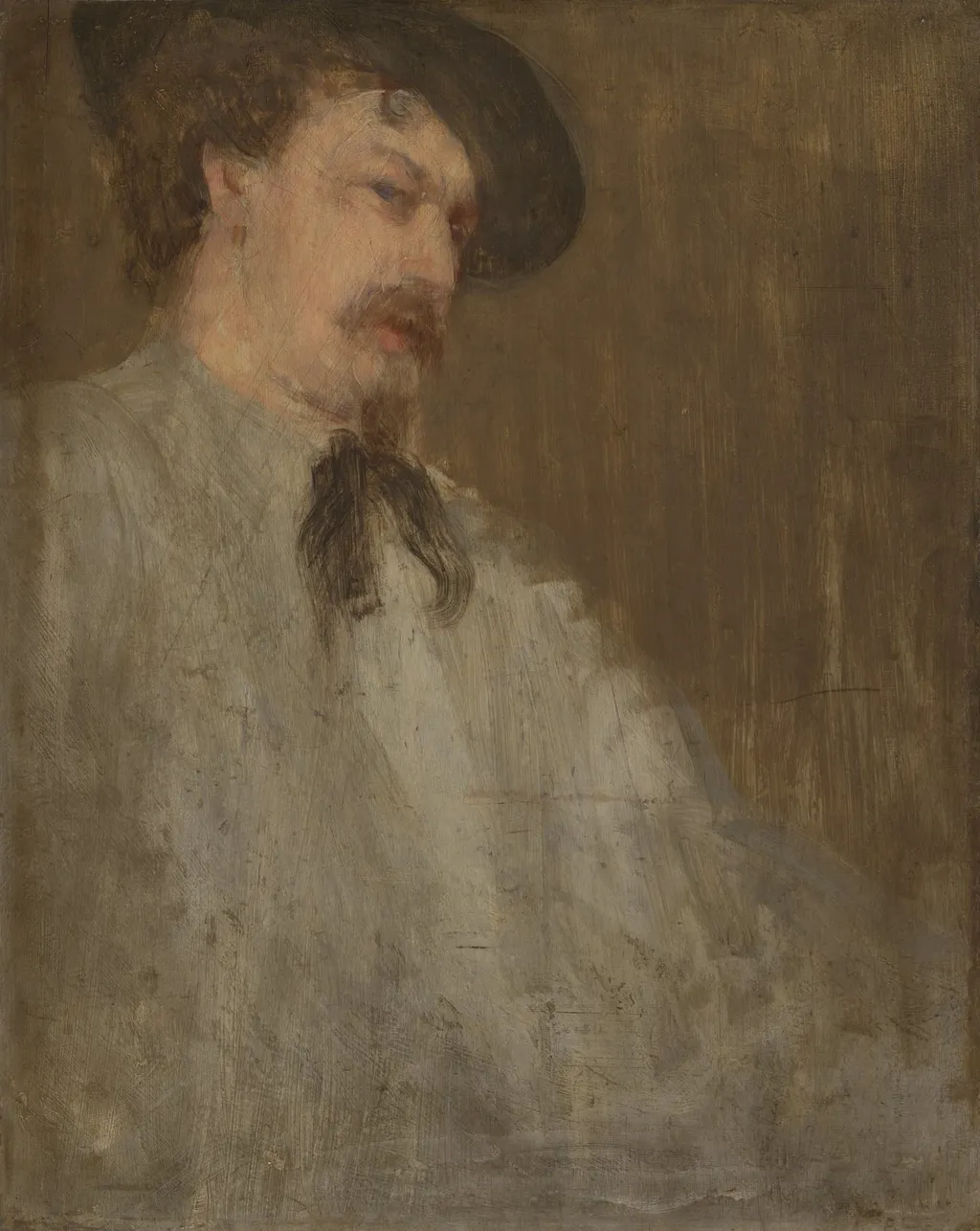
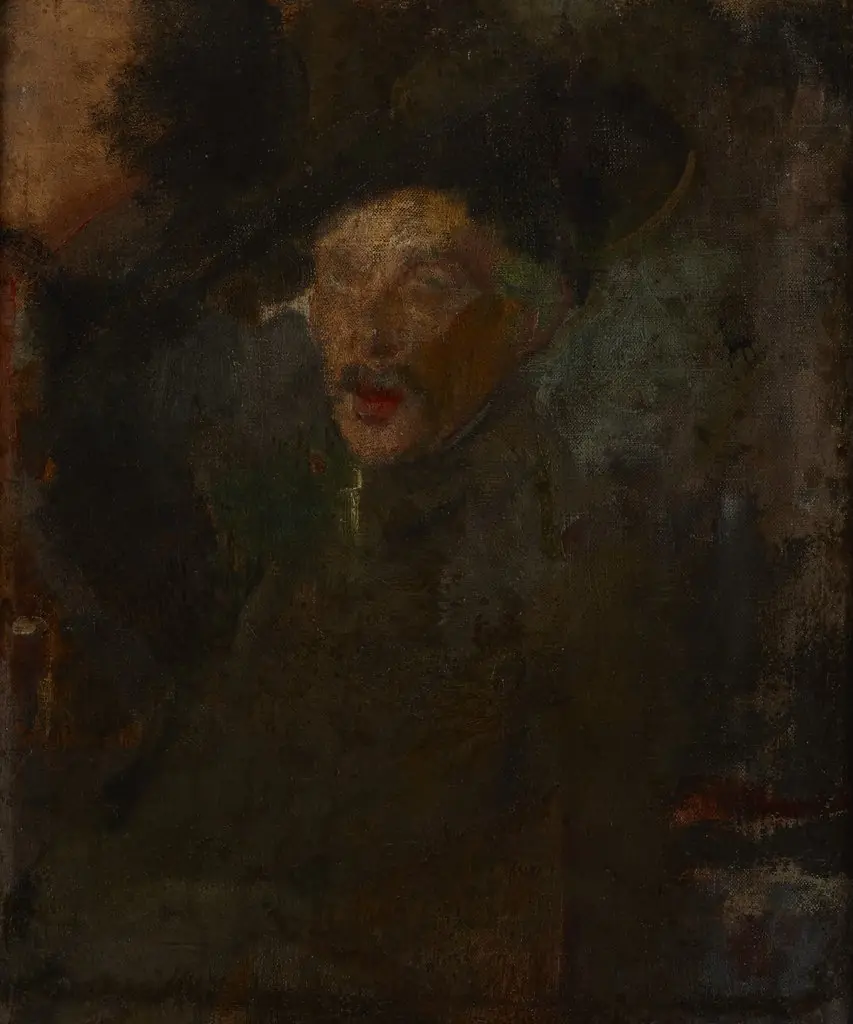
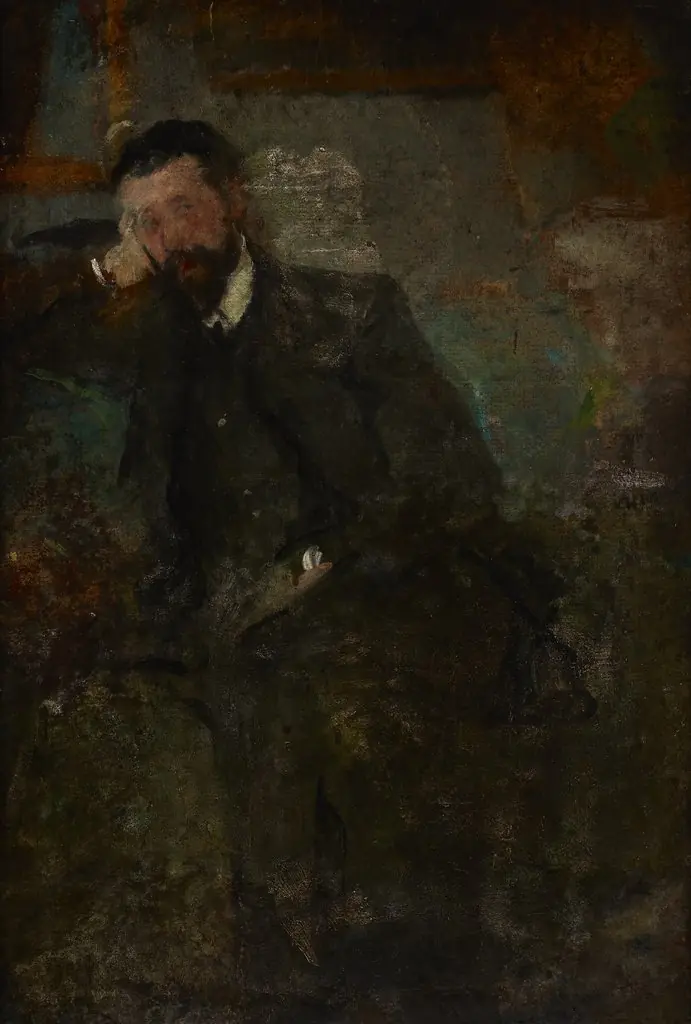
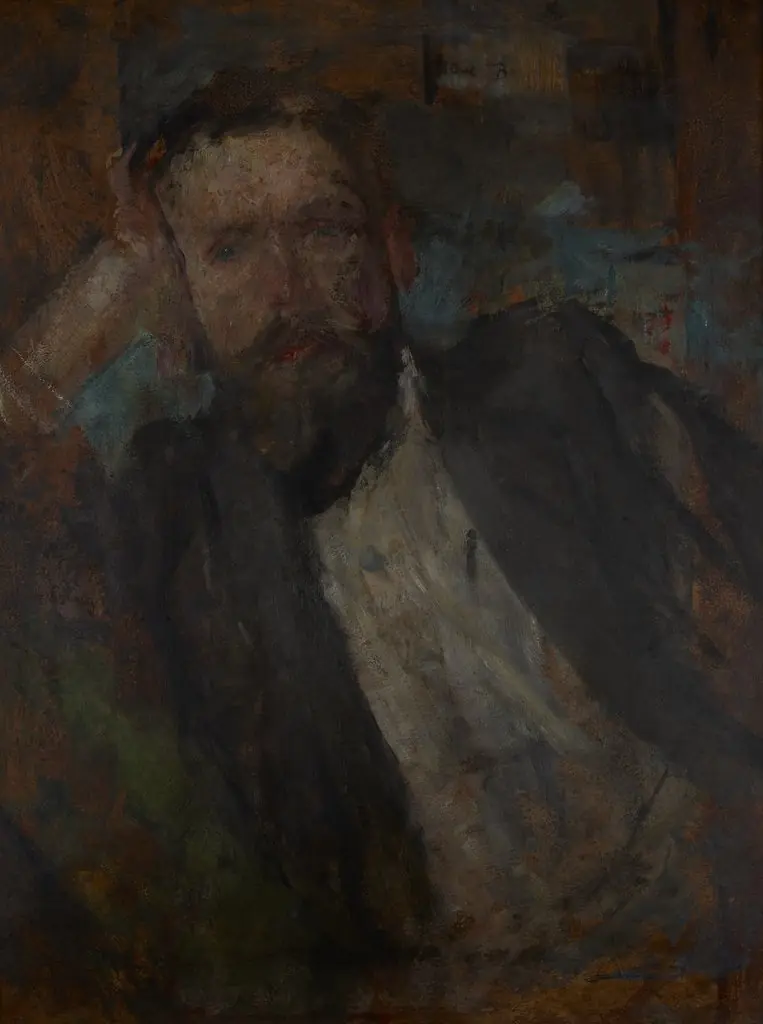
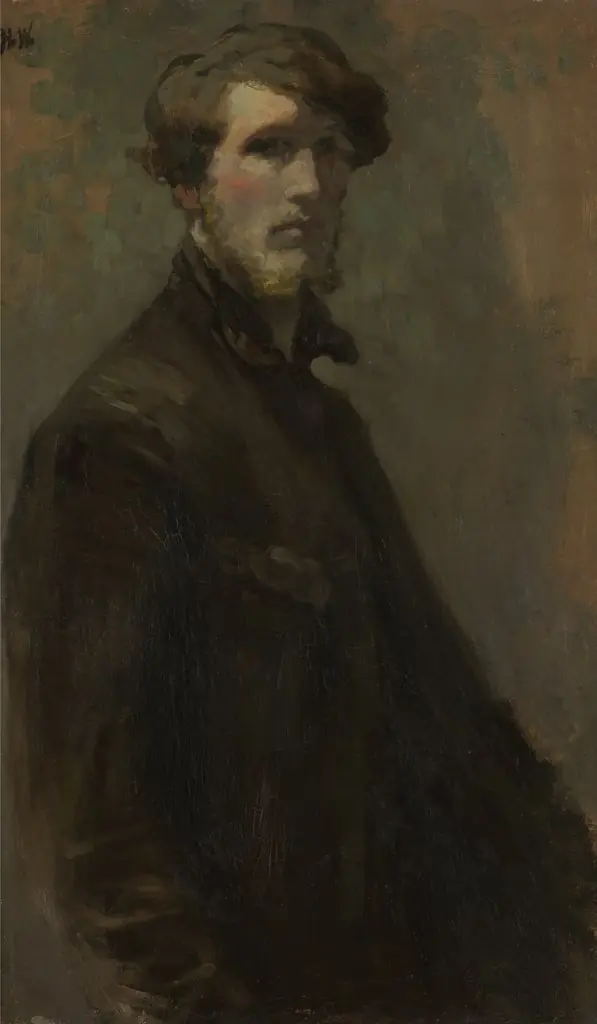
Portrait of Dr. William McNeill Whistler is an oil painting by the American Impressionist artist James McNeill Whistler. It dates from 1872 and is held in the collection of the Art Institute of Chicago.
About this work
Overview
Both brothers resided there after the American Civil War, with James having established his studio in 1859.
James McNeill Whistler painted this oil on panel portrait of his brother, Dr. William McNeill Whistler, in London during the early 1860s. Both brothers resided there after the American Civil War, with James having established his studio in 1859. The work reflects Whistler’s evolving approach to portraiture, emphasizing atmosphere over narrative detail and aligning with his broader interest in tonal harmony and quiet composition.
Subject & Meaning
The subject is Dr. William McNeill Whistler, a physician who served as a medical officer in the Confederate Army before relocating to London. The portrait captures him in a moment of stillness, seated in a dim interior with hands resting on a table. His expression is reserved, and the absence of identifying symbols or context suggests an emphasis on presence rather than profession or biography, reflecting Whistler’s preference for psychological subtlety.
Technique & Style
Whistler rendered the sitter’s face with careful modeling, using layered glazes to achieve nuanced skin tones. In contrast, the clothing and background are treated with loose, thin brushwork, dissolving edges into a muted, near-monochromatic field. This deliberate contrast between detail and suggestion creates a sense of spatial depth through tone rather than line, a hallmark of Whistler’s early tonalist approach and his engagement with chiaroscuro.
History & Provenance
Painted in London shortly after the Civil War, the portrait remained within the Whistler family for decades. It was later acquired by a public collection, where it has been consistently exhibited as an example of the artist’s intimate portraiture. Its survival and preservation reflect its significance as both a personal memento and a key work in Whistler’s transition toward his mature aesthetic.
Context
In post-war London, James Whistler was developing a new visual language that prioritized mood and harmony over conventional storytelling. This portrait emerged amid his experiments with tonal gradations and simplified compositions, influenced by Japanese prints and European realism. The subdued palette and quiet lighting align with broader 19th-century shifts toward introspective portraiture and the rejection of theatricality.
Legacy
The portrait exemplifies Whistler’s early commitment to tonal harmony and psychological restraint, foreshadowing his later works like the Nocturnes. It stands as a quiet testament to sibling connection and the artist’s evolving philosophy: that a portrait’s power lies not in detail, but in the resonance of light, shadow, and stillness. Its influence can be traced in later American and British artists who embraced atmospheric suggestion over narrative clarity.
Own this work as a print
Artist & collection
Artist
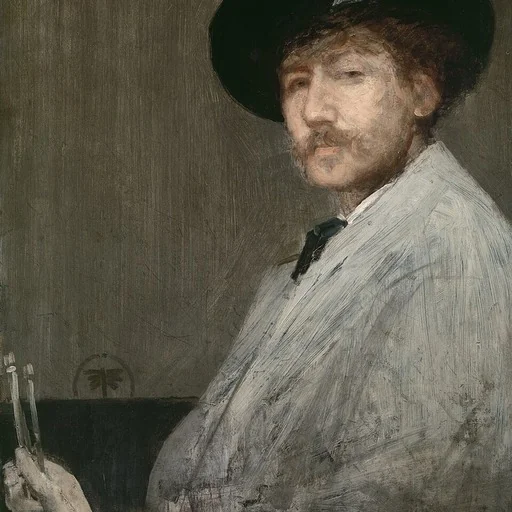
James Abbott McNeill Whistler was an American painter in oils and watercolor, and printmaker, active during the American Gilded Age and based primarily in the United Kingdom.

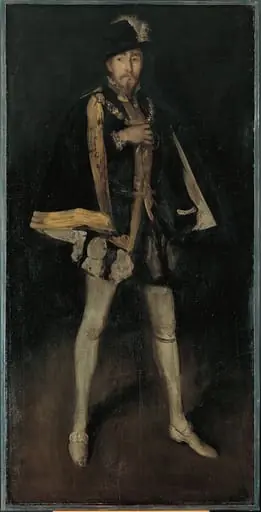 Arrangement in Black, No. 3: Sir Henry Irving as Philip II of Spain
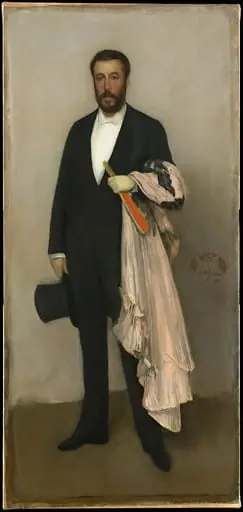 Arrangement in Flesh Colour and Black: Portrait of Theodore Duret
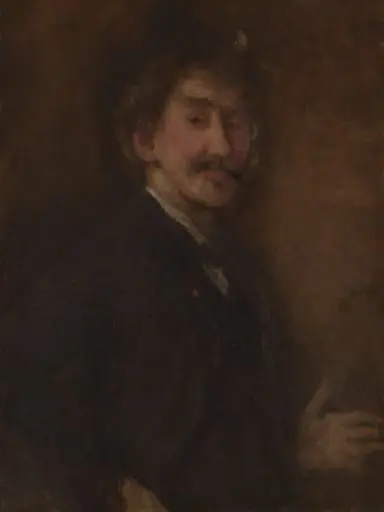 Gold and Brown: Self-Portrait
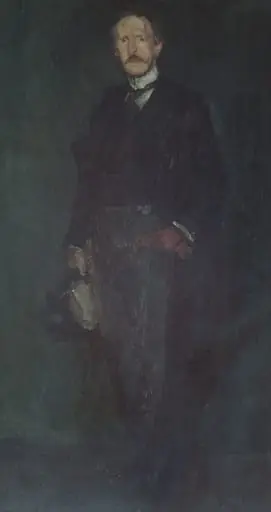 Edward Guthrie Kennedy
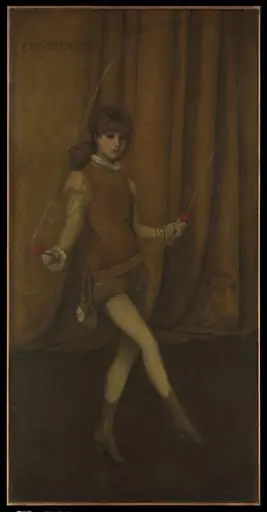 Harmony in Yellow and Gold: The Gold Girl—Connie Gilchrist
 George W. Vanderbilt
 Symphony in White, No. 1: The White Girl
 Henry Irving as Philip II of Spain