Artwork
Caricature of Paul Gauguin
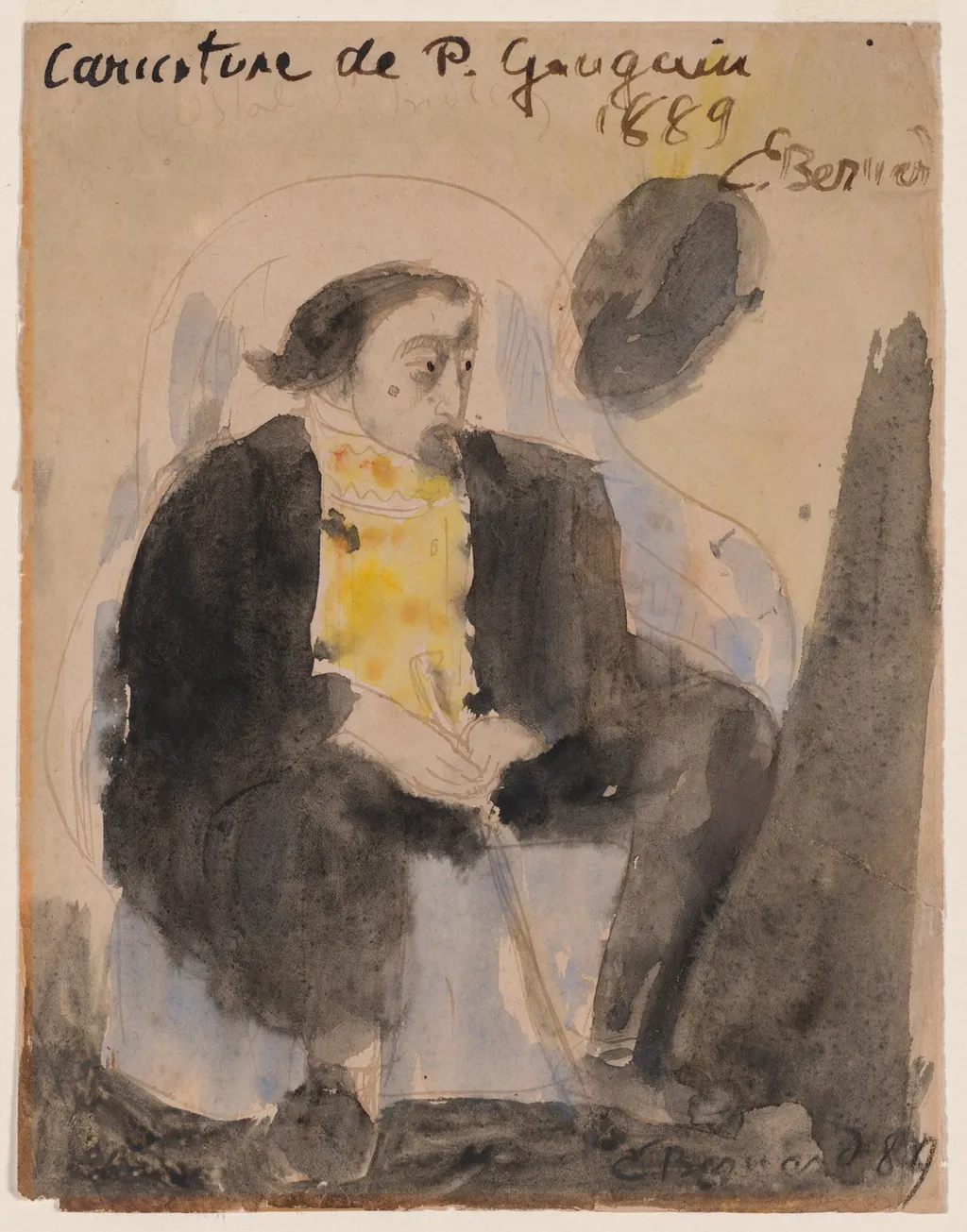
Caricature of Paul Gauguin is a drawing by the Impressionist artist Émile Bernard. It dates from 1889 and is held in the collection of the Cleveland Museum of Art.
About this work
The stick looks like a royal scepter—Bernard is poking fun at Gauguin’s big personality and his role as a leader in their group.
You see a man with a long nose, bushy beard, and a fancy walking stick sitting like a king on a throne.
This is Paul Gauguin, drawn by his friend Émile Bernard in 1889. They worked together in a small French village, trying out bold new ways to paint. The stick looks like a royal scepter—Bernard is poking fun at Gauguin’s big personality and his role as a leader in their group.
To see more of their playful, imaginative work, look up the subject *france, 19th century*.
Overview
This drawing is a caricature of Paul Gauguin created by Émile Bernard in 1889. It depicts Gauguin in a regal pose, highlighting his influential role among their circle of artists.
Subject & Meaning
The caricature portrays Gauguin seated on a throne-like chair, holding a walking stick resembling a scepter, emphasizing his leadership and strong personality within their artistic group.
Technique & Style
The drawing showcases Bernard's adoption of a style that prioritizes imagination over realistic representation, reflecting the innovative approaches the two artists explored during their collaboration in Pont-Aven.
History & Provenance
Bernard and Gauguin worked together in Pont-Aven in the late 1880s, a period marked by intense creative exchange and the development of new artistic ideas.
Artist & collection
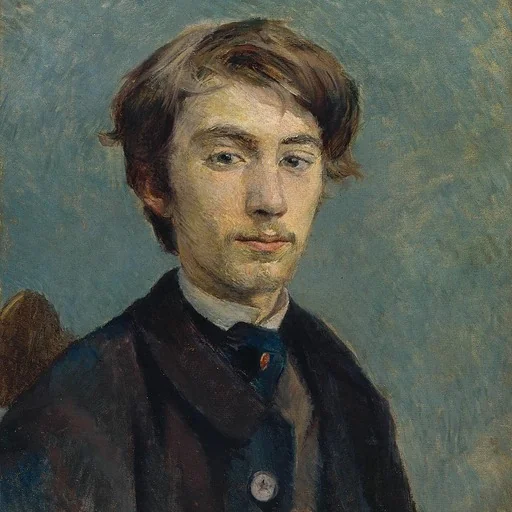
Artist
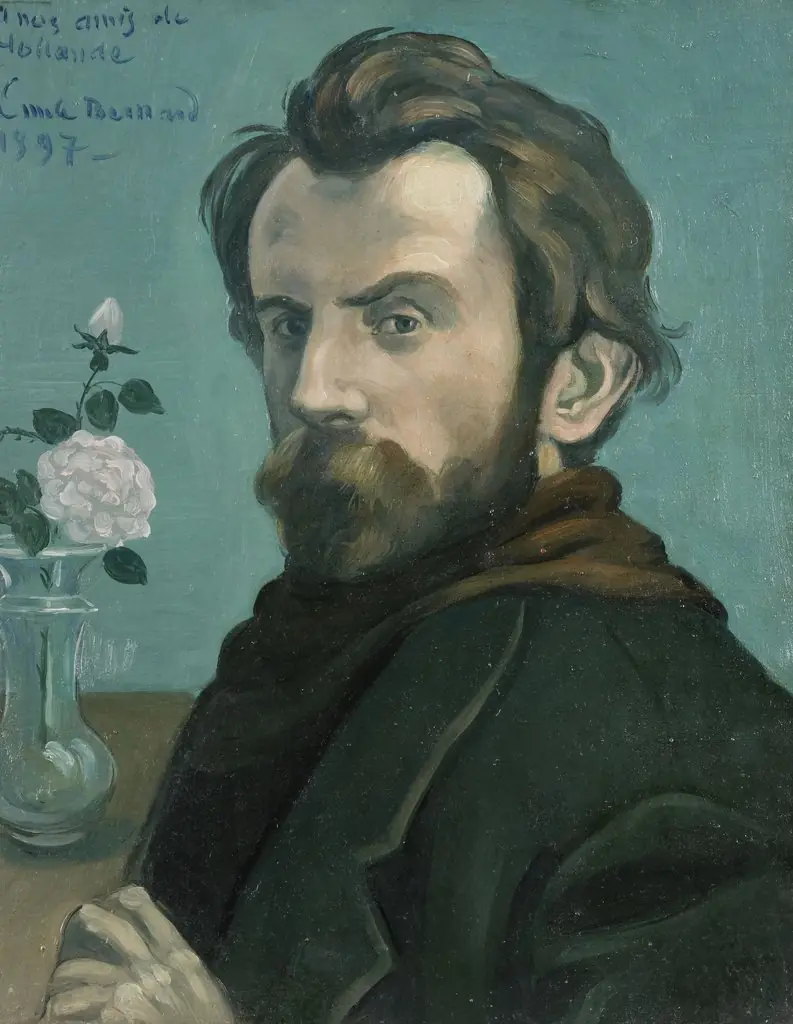
Émile Henri Bernard (French pronunciation: ; 28 April 1868 – 16 April 1941) was a French Post-Impressionist painter and writer, who had artistic friendships with Vincent van Gogh, Paul Gauguin and Eugène Boch, and at a later time, Paul…

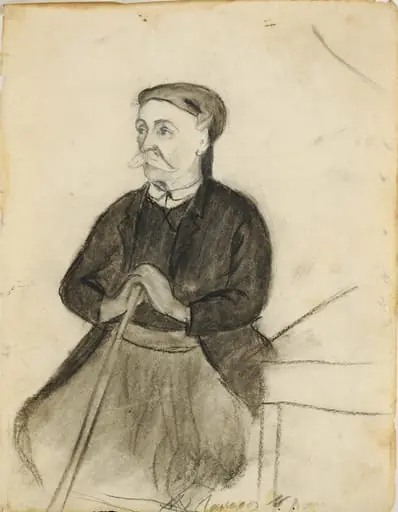 Προσωπογραφία ηλικιωμένου άνδρα με βράκα
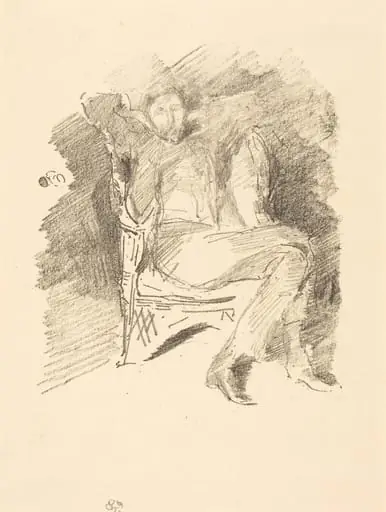 Firelight: Joseph Pennell, No. 1
 Joseph Pennell, No. 2
 Portrait of Dr. William McNeill Whistler
 Portrait of Dr. William McNeill Whistler
 African-American Figure
 Stéphane Mallarmé, No. 2
 Untitled
 Coquelin the Elder (Coquelin aine)
 Man in Cap and Coat
 Consul Christen Sandberg
 Te burao (The Hibiscus Tree)