Artwork
Fish Ponds, Hastings
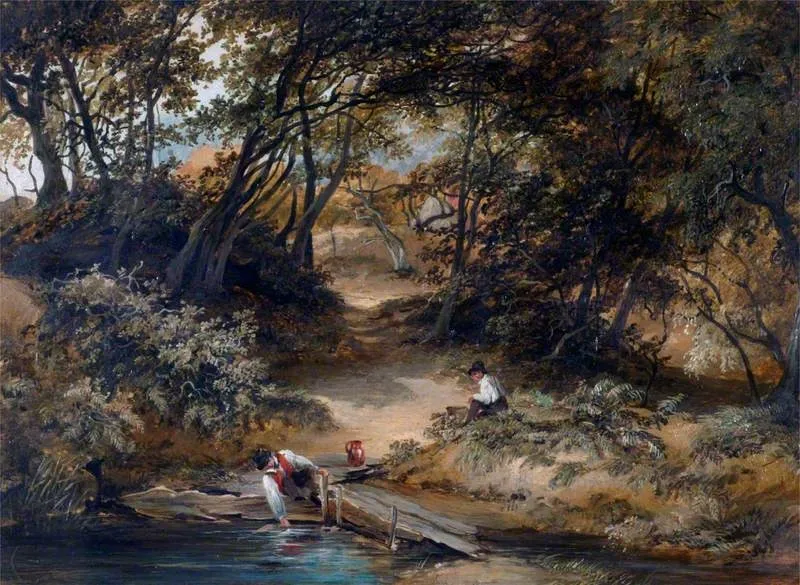
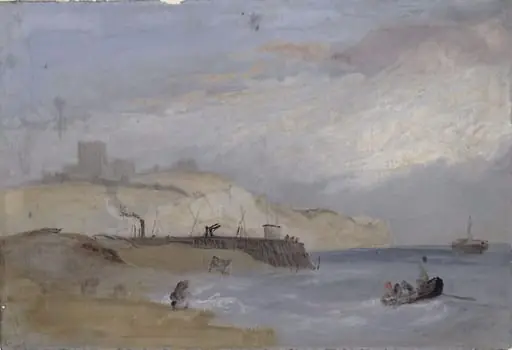
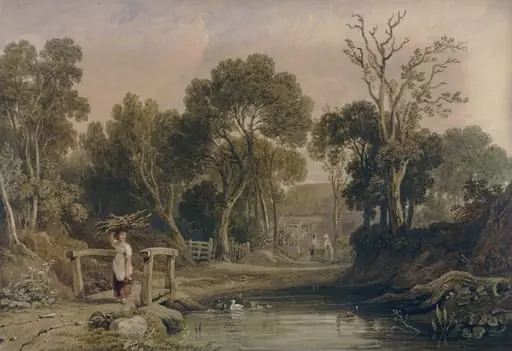
Fish Ponds, Hastings is an unspecified painting by James Stark. It dates from 1836 and is held in the collection of the Victoria and Albert Museum.
About this work
Overview
Painted around 1836 by James Stark, *Fish Ponds, Hastings* is a landscape work that captures a quiet coastal scene in southern England.
Painted around 1836 by James Stark, *Fish Ponds, Hastings* is a landscape work that captures a quiet coastal scene in southern England. Stark, a central figure in the Norwich School, was known for his attentive rendering of natural environments. The painting reflects his lifelong dedication to depicting rural and semi-rural settings with quiet precision, avoiding dramatic flair in favor of observed tranquility.
Subject & Meaning
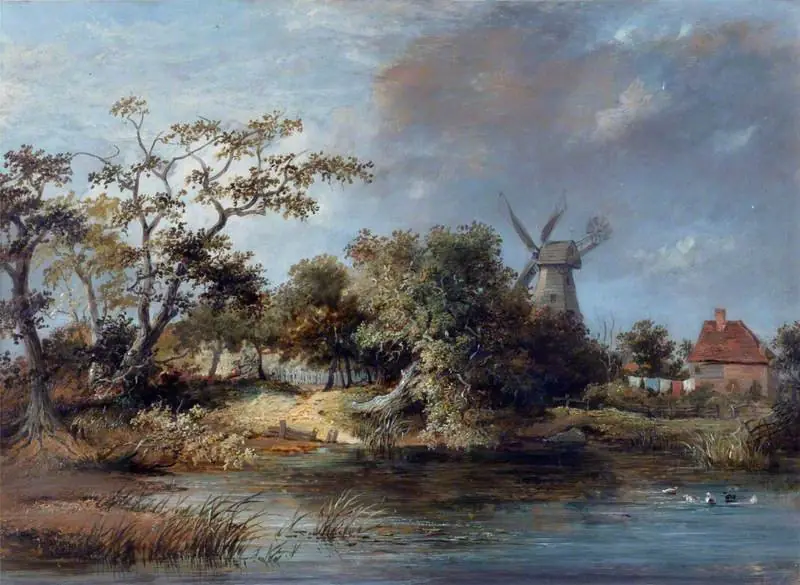
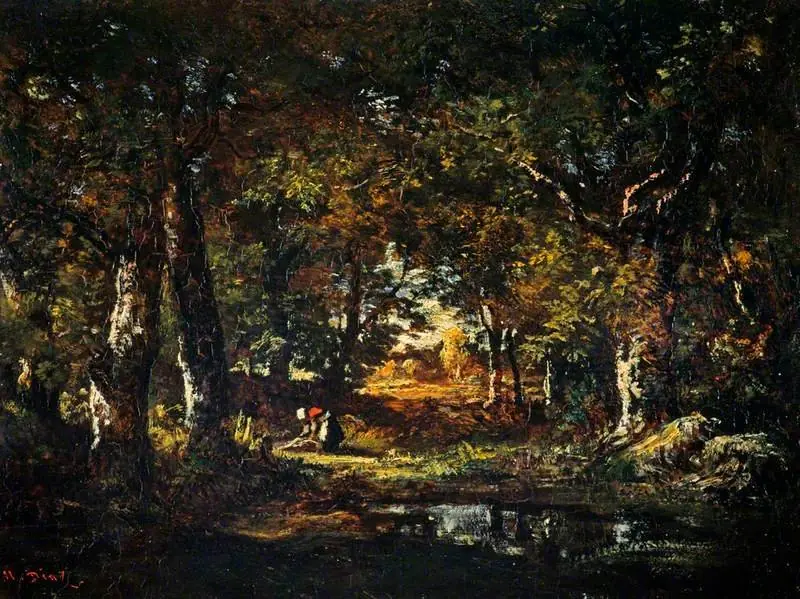
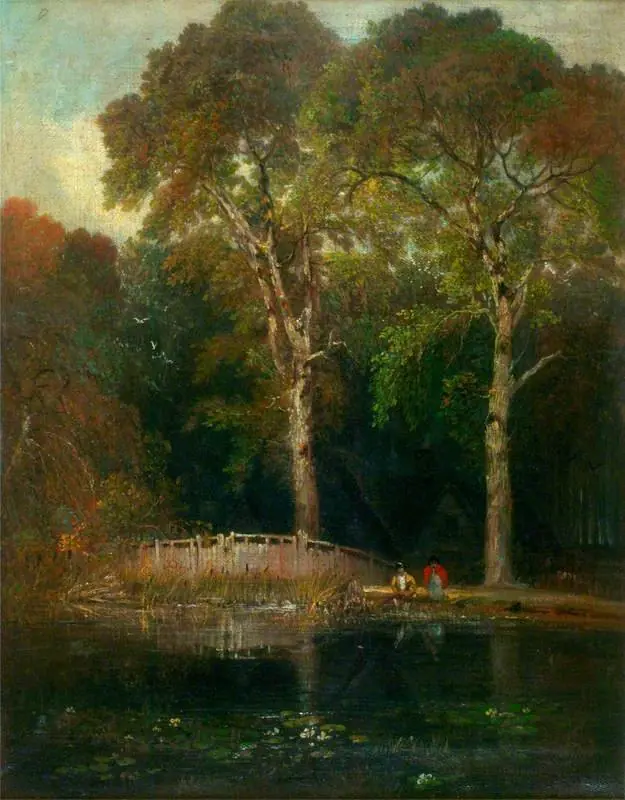
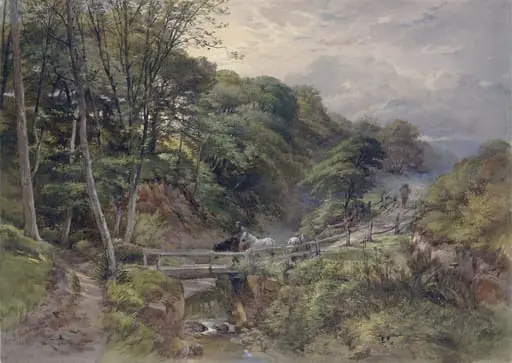
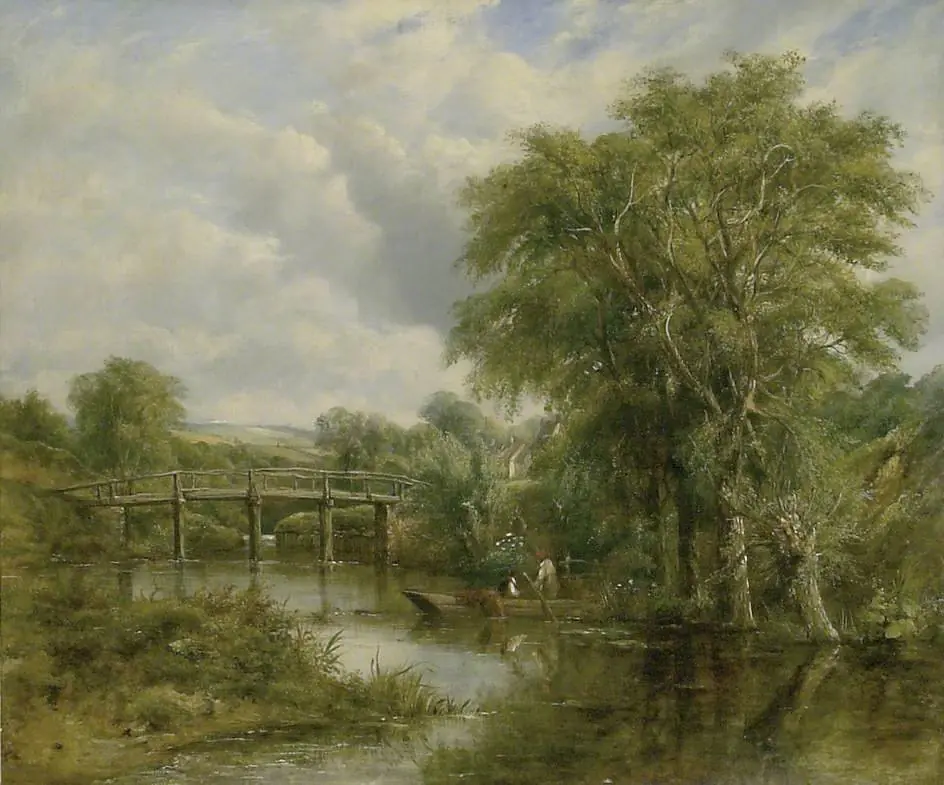
The scene centers on a modest fish pond framed by dense vegetation and crossed by a simple wooden bridge. A winding path leads upward toward a gently rising hill, suggesting quiet human presence without figures. The composition conveys a sense of secluded harmony, emphasizing the relationship between cultivated land and wild growth. It reflects a 19th-century English appreciation for unassuming, everyday natural spaces.
Technique & Style
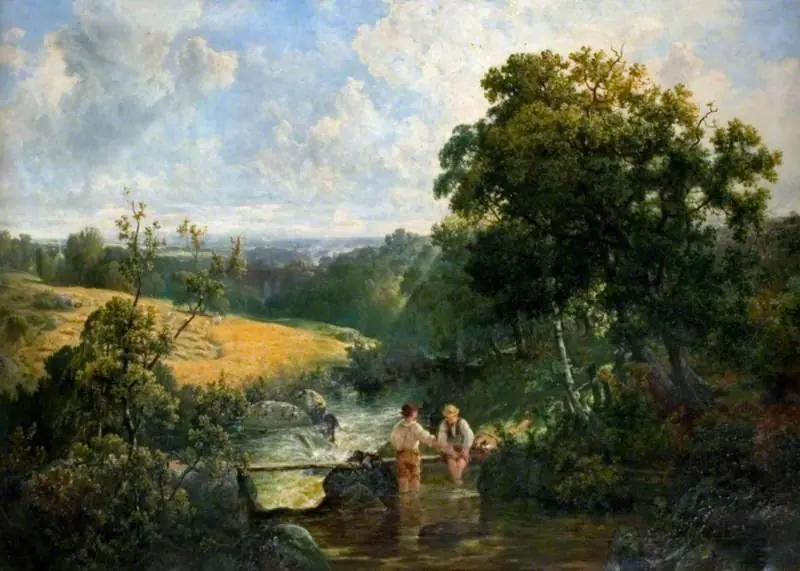
Stark employed a detailed, observational approach, rendering foliage and terrain with careful brushwork that emphasizes texture over idealization. The palette is dominated by muted greens and earthy browns, creating a subdued, atmospheric tone. Light is handled naturally, without pronounced chiaroscuro; instead, subtle gradations suggest diffuse daylight filtering through trees, reinforcing the scene’s calm realism.
History & Provenance
Created during Stark’s mature period, the painting was likely made after his years as president of the Norwich Society of Artists. It remained in private hands until entering the Victoria and Albert Museum’s collection, where it is preserved as part of a broader effort to document British landscape traditions. Its provenance reflects the growing institutional interest in regional art movements during the late 19th century.
Context
Stark’s work emerged alongside the Norwich School’s broader project: elevating local English landscapes as worthy subjects for serious art. Unlike Romanticized vistas, these paintings valued intimate, familiar settings. *Fish Ponds, Hastings* aligns with this ethos, capturing a modest coastal site not for its grandeur but for its quiet, lived-in character, resonating with contemporary shifts toward naturalism in British art.
Legacy
Though less widely known than contemporaries like Constable, Stark’s consistent focus on understated landscapes contributed to the legitimacy of regional British painting. *Fish Ponds, Hastings* remains a representative example of the Norwich School’s quiet realism, preserved in a major national collection as evidence of a movement that valued observation over spectacle.
Artist & collection
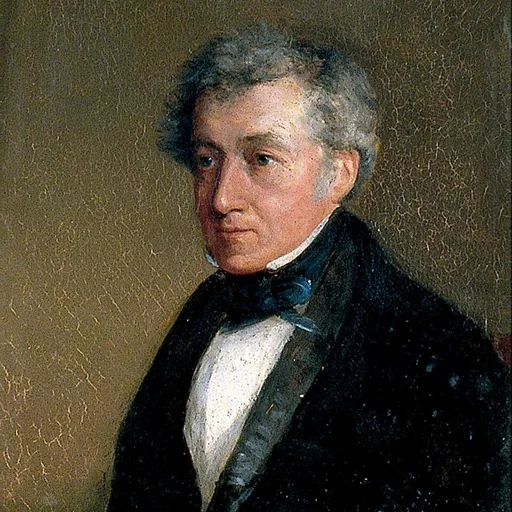
Artist
James Stark (19 November 1794 – 24 March 1859) was an English landscape painter. A leading member of the Norwich School of painters, he was elected vice-president of the Norwich Society of Artists in 1828 and became…