Artwork
The Royal Stag
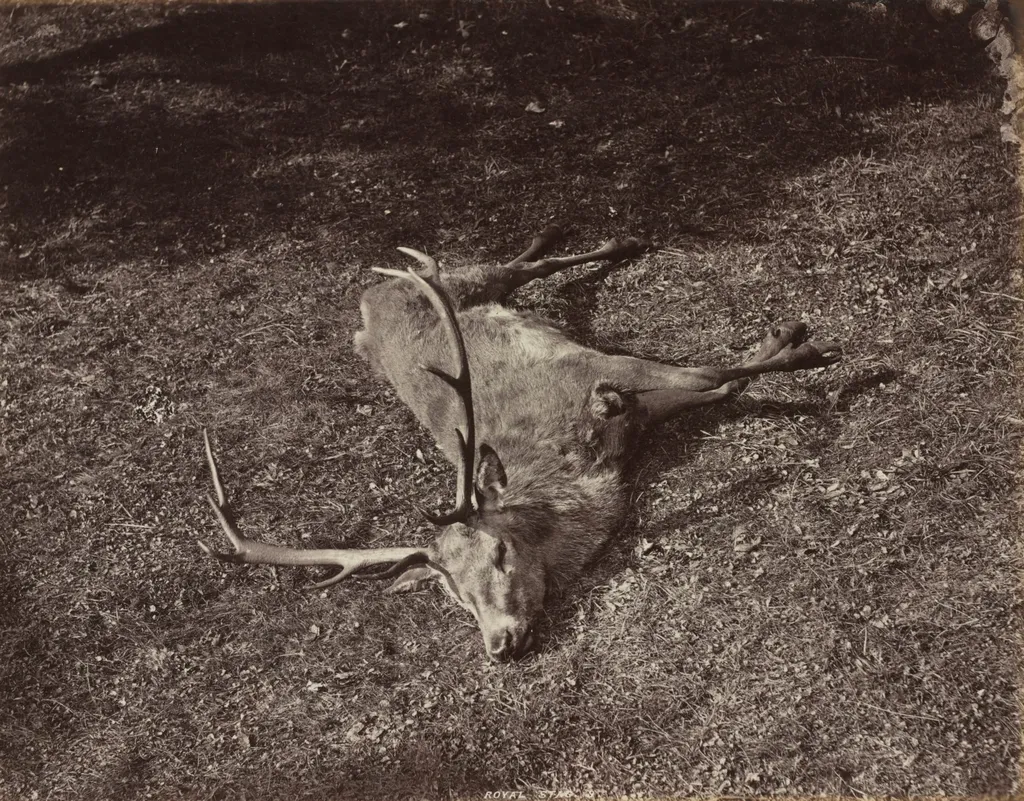
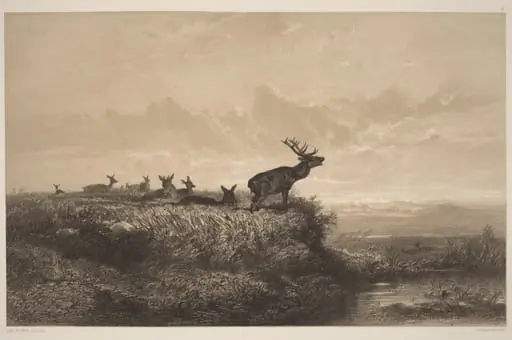
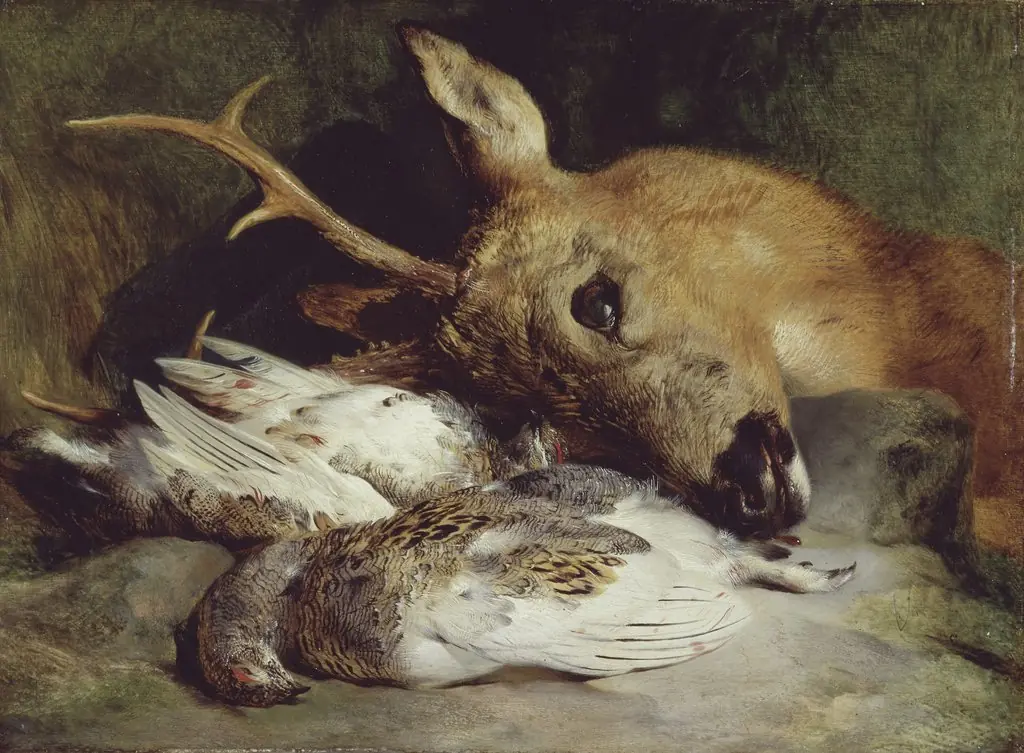
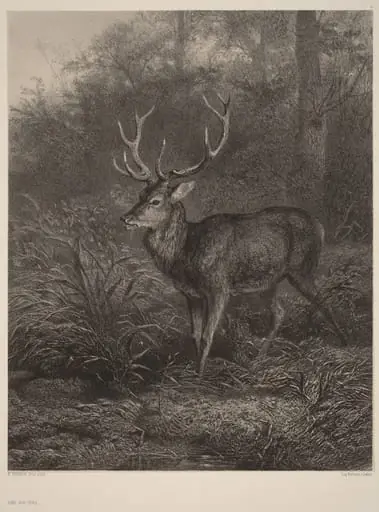
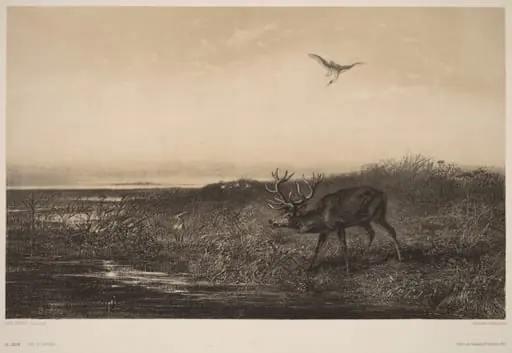
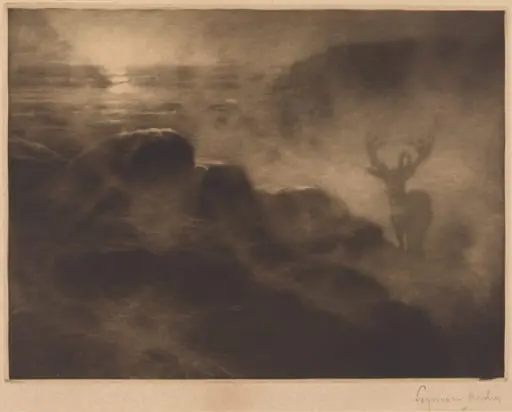
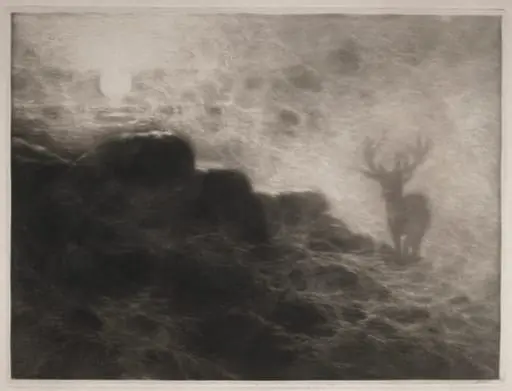
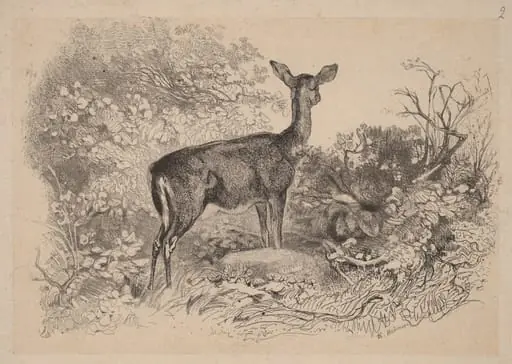
The Royal Stag is a photography by the Impressionist artist James Valentine. It dates from 1870 and is held in the collection of the Cleveland Museum of Art.
About this work
Overview
Taken in the mid-19th century, James Valentine’s photograph of a royal stag is among the earliest examples of a staged still-life in photographic practice.
Taken in the mid-19th century, James Valentine’s photograph of a royal stag is among the earliest examples of a staged still-life in photographic practice. Unlike typical landscape or topographical work, this image presents a hunted animal in a carefully composed pose, capturing a moment that appears immediate despite the technical constraints of the era. The photograph reflects both documentary intent and artistic arrangement.
Subject & Meaning
The royal stag, defined by its twelve or more antler branches, symbolized status and the aristocratic tradition of hunting. By presenting the animal as if freshly fallen under midday sun, Valentine evokes the transient nature of life and the precision of the hunt. The image does not glorify the kill but instead frames it with quiet solemnity, aligning with Victorian sensibilities toward nature and mortality.
Technique & Style
The photograph employs strong contrasts of light and shadow, suggesting chiaroscuro effects common in painting. To achieve this, the stag was likely arranged on-site after being killed, as wet-plate collodion required immediate development in a portable darkroom. The sharp detail and dramatic illumination reveal technical mastery, transforming a logistical necessity into a visually compelling composition.
History & Provenance
James Valentine operated a prominent photographic firm in Dundee, the largest in the UK at the time, known for high-quality prints and topographical documentation. His reputation led to his 1868 appointment as Photographer to the Queen. This image, likely produced in the 1850s or 1860s, exemplifies his ability to merge commercial precision with aesthetic ambition, bridging scientific photography and artistic expression.
Context
During this period, photography was still bound by long exposures and chemical immediacy, making spontaneous compositions rare. Still-life subjects, especially those involving dead animals, were uncommon in early photography. Valentine’s work stood apart by treating such subjects with compositional care, reflecting broader cultural interests in natural history and the moral dimensions of sport hunting.
Legacy
Valentine’s Royal Stag remains a significant example of how early photographers navigated technical limitations to create emotionally resonant images. It influenced later practitioners who sought to elevate photography beyond mere documentation, demonstrating that staged scenes could convey narrative and atmosphere. The photograph endures as a quiet testament to the intersection of science, art, and tradition in Victorian visual culture.
Artist & collection