Artwork
Still Life with Pumpkins
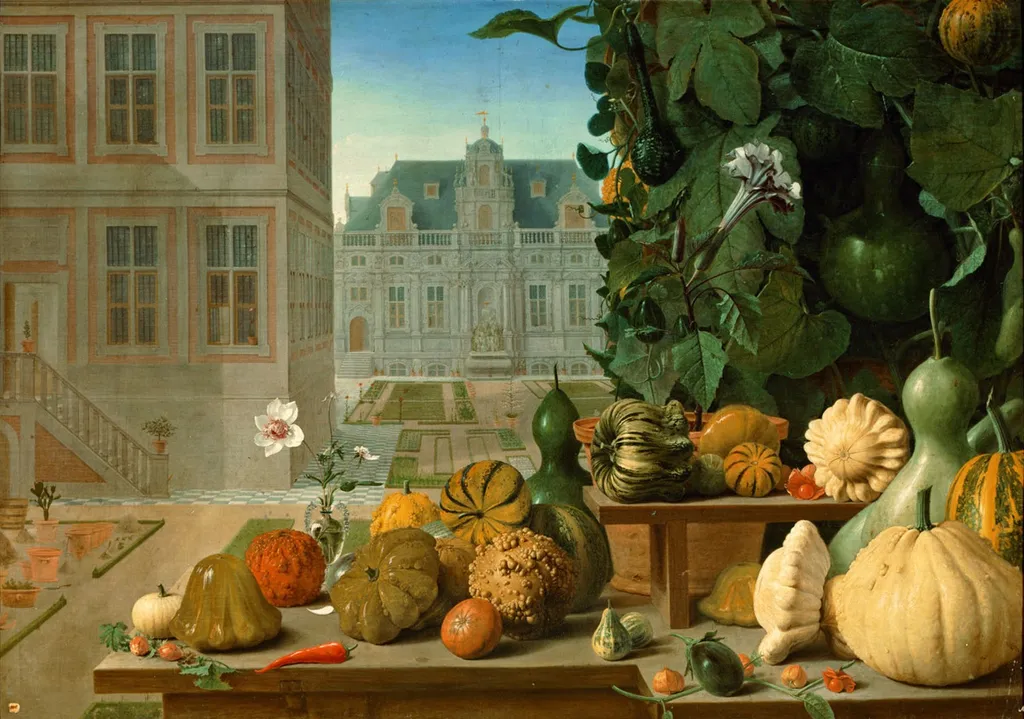
Still Life with Pumpkins is an oil painting by the Dutch Golden Age artist Jan Anton van der Baren. It dates from 1657 and is held in the collection of the Kunsthistorisches Museum.
About this work
Overview
Painted in 1657 by Jan Anton van der Baren, this oil on panel work belongs to the Flemish still life tradition of the Dutch Golden Age.
Painted in 1657 by Jan Anton van der Baren, this oil on panel work belongs to the Flemish still life tradition of the Dutch Golden Age. Though primarily known for floral arrangements, van der Baren expanded his subject matter to include seasonal produce, often situating it within carefully rendered architectural settings. The painting is held in the Kunsthistorisches Museum, Vienna, reflecting its connection to Habsburg imperial collections.
Subject & Meaning
The composition centers on a heap of pumpkins, gourds, and squash in varied forms and hues, their irregular shapes and textures suggesting abundance and the passage of time. A climbing vine with delicate white blossoms adds a note of natural growth, while the distant palace and staircase imply a cultivated, ordered world beyond the table. The arrangement evokes quiet contemplation rather than overt symbolism, aligning with the era’s interest in the material world as a reflection of divine order.
Technique & Style
Van der Baren employed precise brushwork to capture the subtle variations in surface texture—glossy rinds, matte skin, and the faint fuzz of stems. Light falls with clear directionality, creating strong contrasts between illuminated and shadowed areas, a hallmark of chiaroscuro. The background architecture is rendered with architectural clarity, its stone surfaces and columns contrasting with the organic forms of the fruit, enhancing spatial depth and visual tension.
History & Provenance
Created during van der Baren’s tenure as court chaplain and picture gallery director for Archduke Leopold Wilhelm and later Emperor Leopold I, the painting likely originated in the imperial collection in Brussels or Vienna. Its inclusion in the Kunsthistorisches Museum confirms its early association with Habsburg patronage, where such still lifes were valued for their technical refinement and quiet elegance.
Context
In mid-17th century Flanders, still life painting flourished as a genre that balanced naturalism with moral undertones. Van der Baren’s integration of architectural elements distinguished his work from purely botanical compositions, linking domestic abundance to the grandeur of imperial spaces. His dual role as cleric and art administrator positioned him uniquely to bridge devotional and secular visual culture.
Legacy
Though less widely known than contemporaries like Willem Kalf, van der Baren’s careful attention to material detail and spatial harmony influenced later Flemish still life painters. His fusion of natural observation with architectural framing became a subtle but recognizable signature, contributing to the genre’s evolution beyond mere display toward nuanced visual storytelling.
Artist & collection
Artist
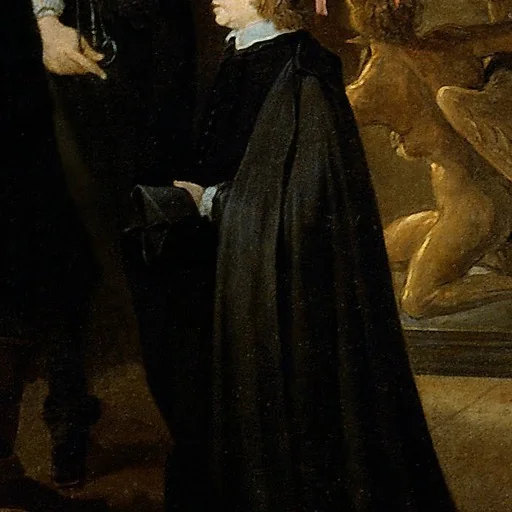
Jan Anton van der Baren (1615 – 30 or 31 December 1686) was a Flemish painter, draughtsman, priest and museum curator active in Brussels and Vienna.

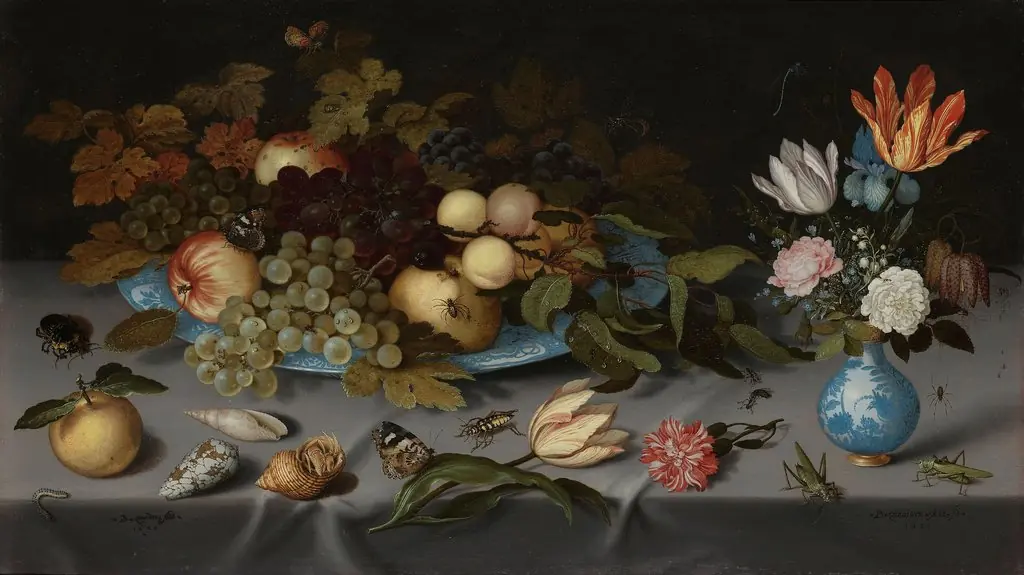 Still Life with Fruits and Flowers
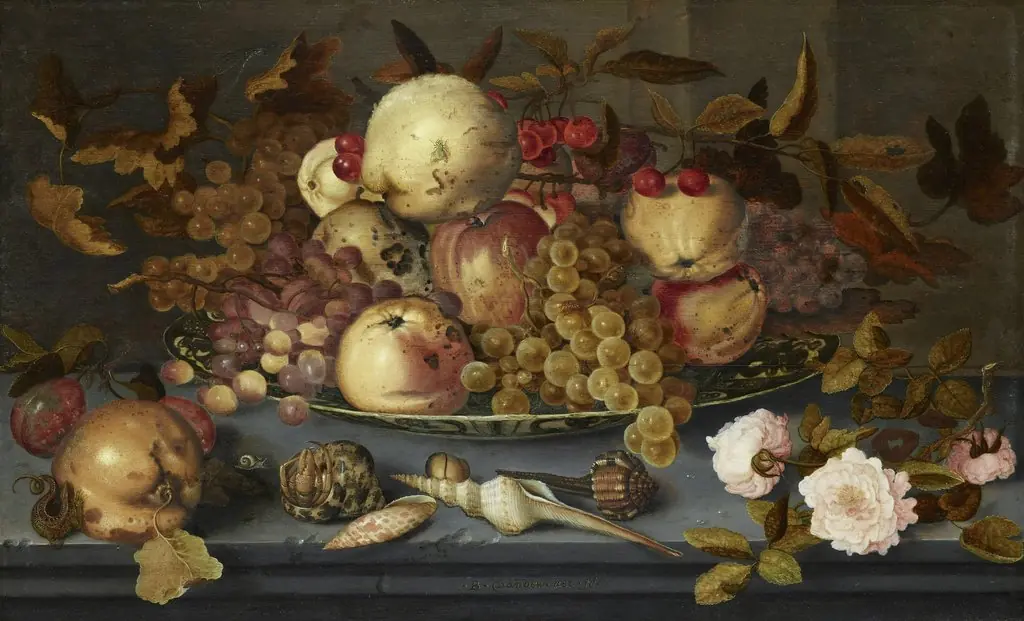 Still-life with Dish of Fruit
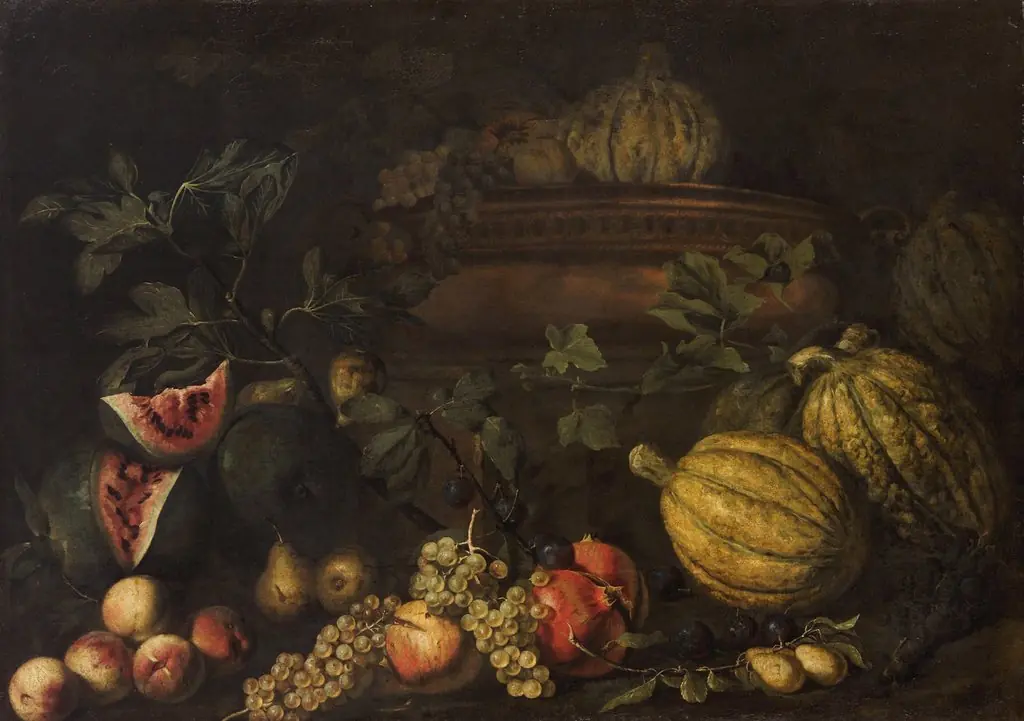 Früchtestilleben
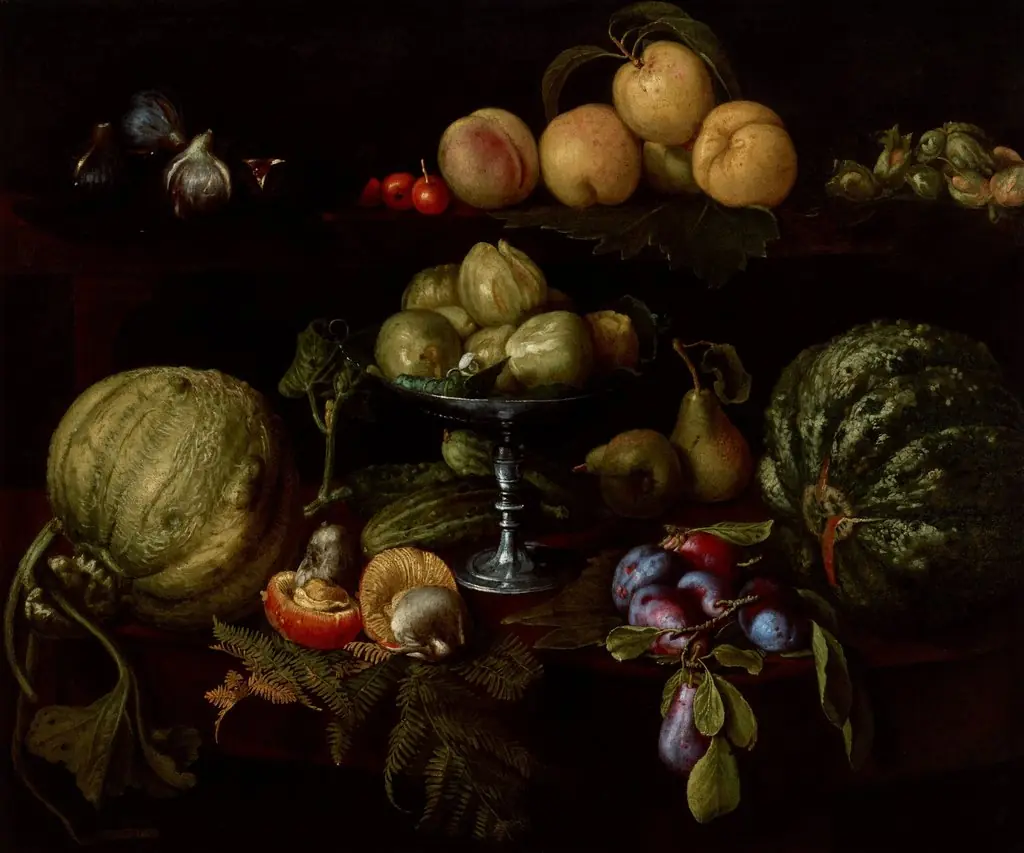 Figs on a Tazza with Pears, Quinces, Melons, Plums, Mushrooms on a Table, with Figs, Cherries, Peaches, and Acorns on a Ledge Above
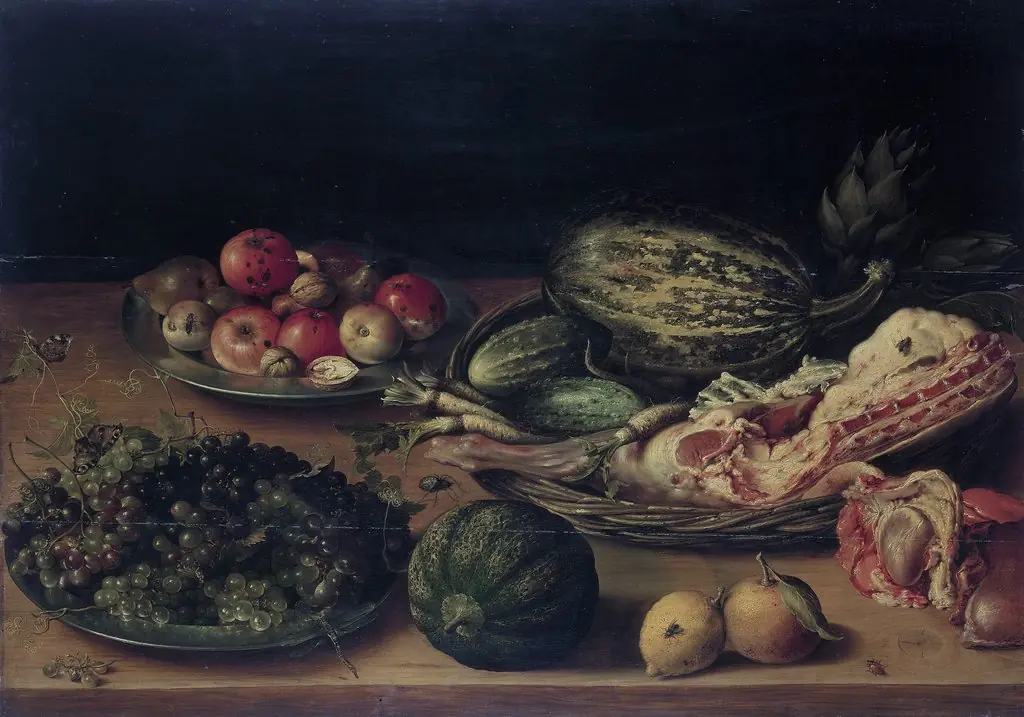 Still life with fruit, vegetables and joint of veal
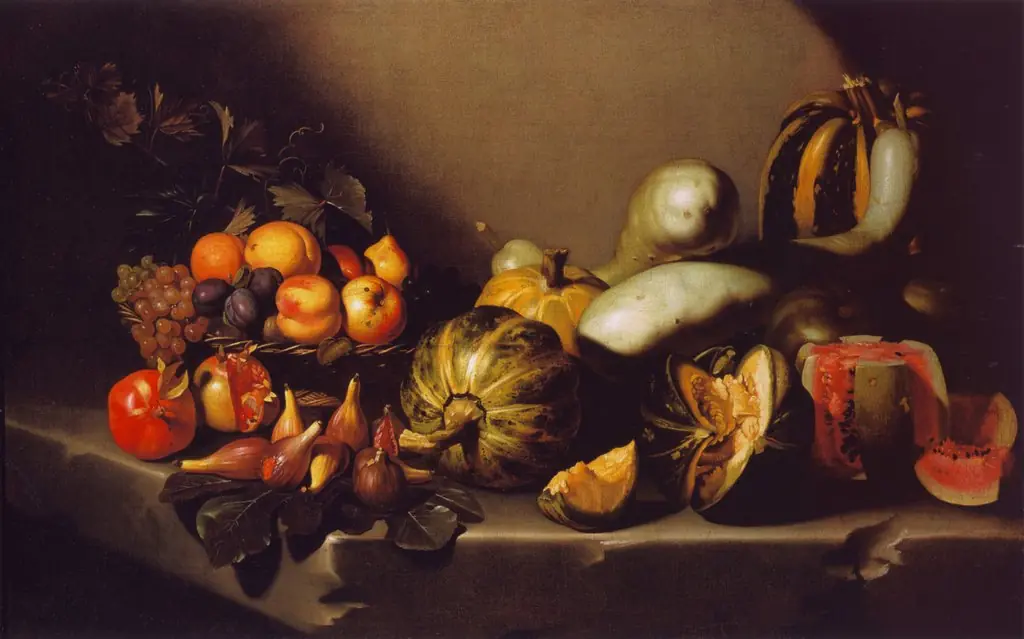 Still Life with Fruit
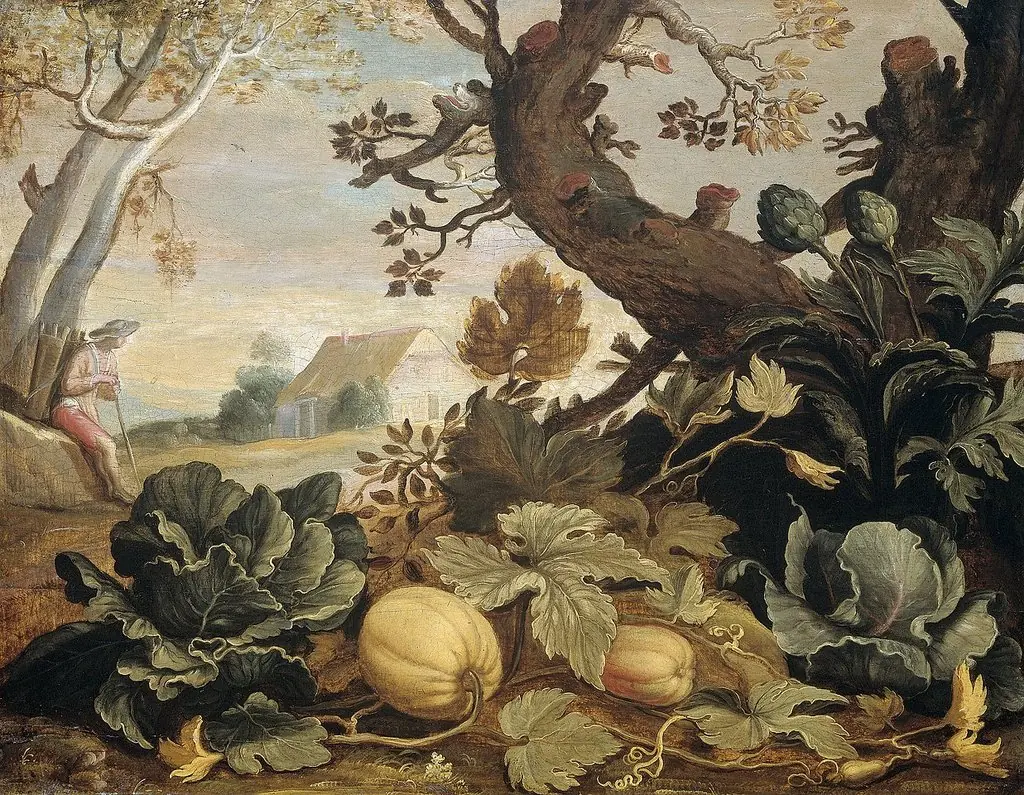 Landscape with Fruits and Vegetables in the foreground
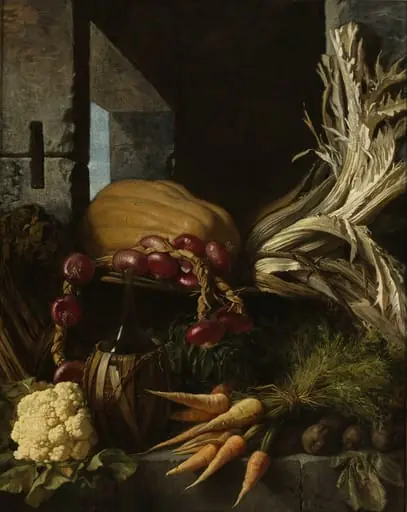 Juureksia ja vihanneksia kellarissa
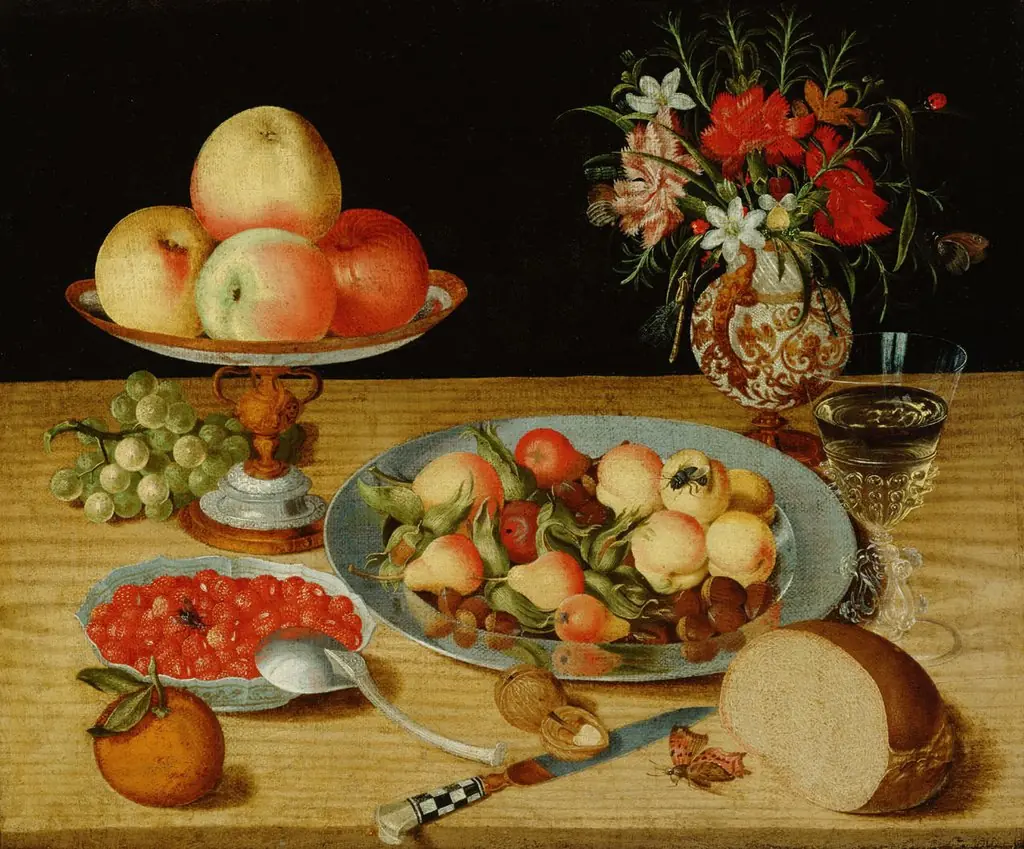 Still life with fruit, wine glass and vase of flowers