Artwork
Tempelruine an Meeresbucht
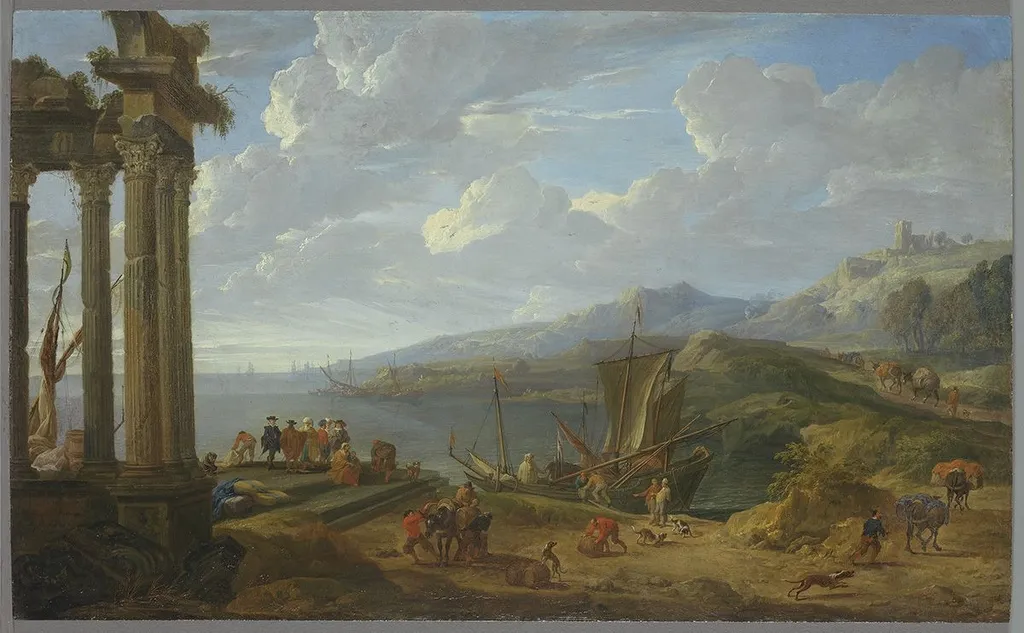
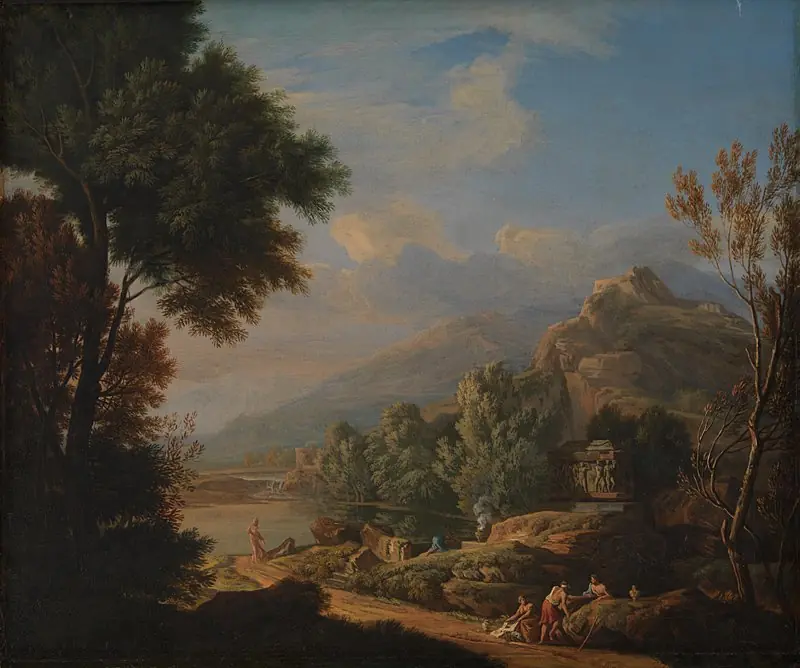
Tempelruine an Meeresbucht is an unspecified painting by the Flemish Baroque painting artist Jan Baptist Huysmans. It dates from 1698 and is held in the collection of the Bavarian State Painting Collections.
About this work
Overview
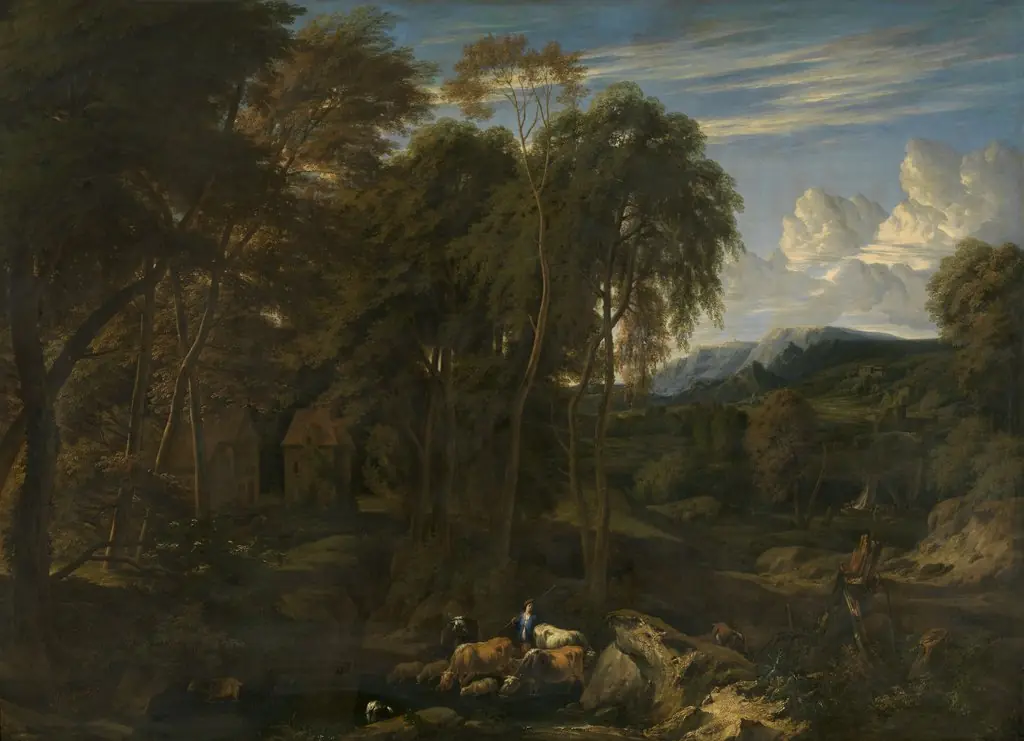
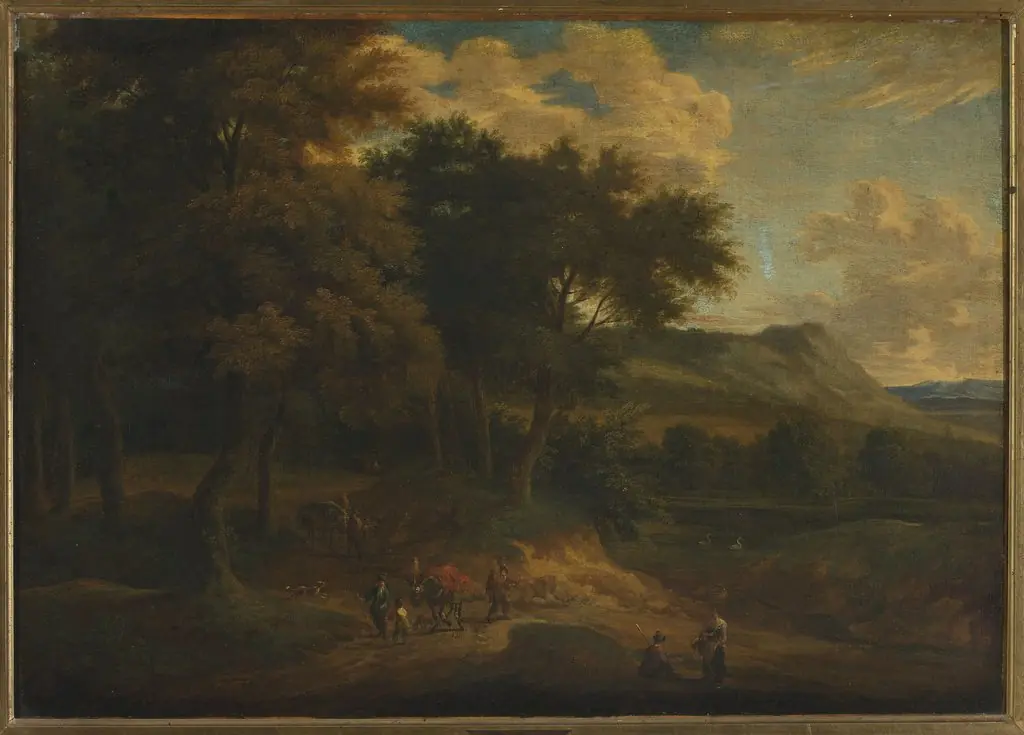
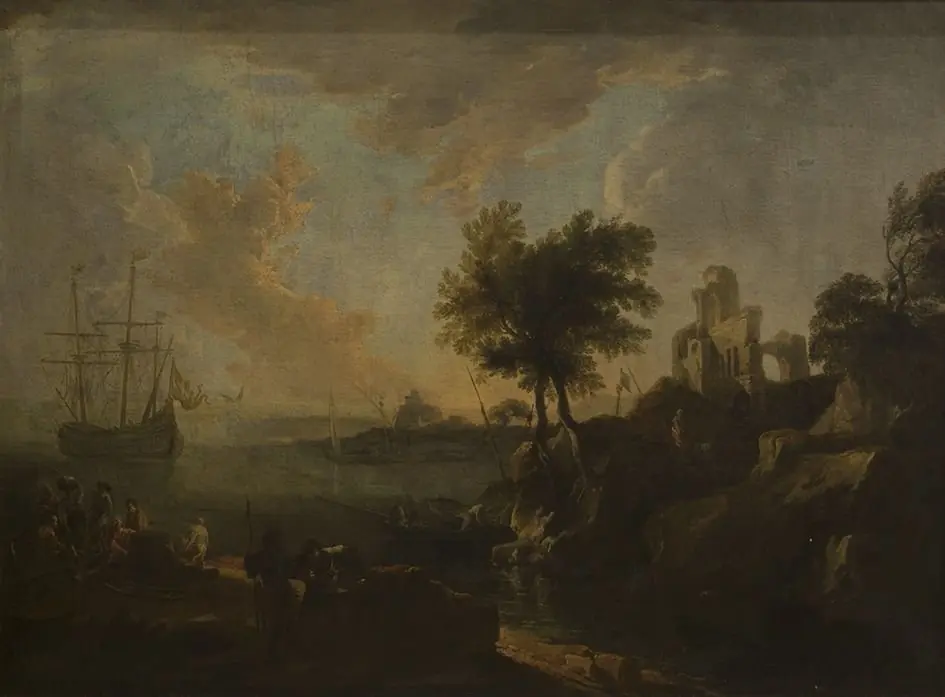
Jan Baptist Huysmans, a Flemish painter active in Antwerp, completed the oil painting *Tempelruine an Meeresbucht* in 1698. The work belongs to the late Baroque period and illustrates his preference for imagined landscapes that blend classical ruins with natural settings.
Subject & Meaning
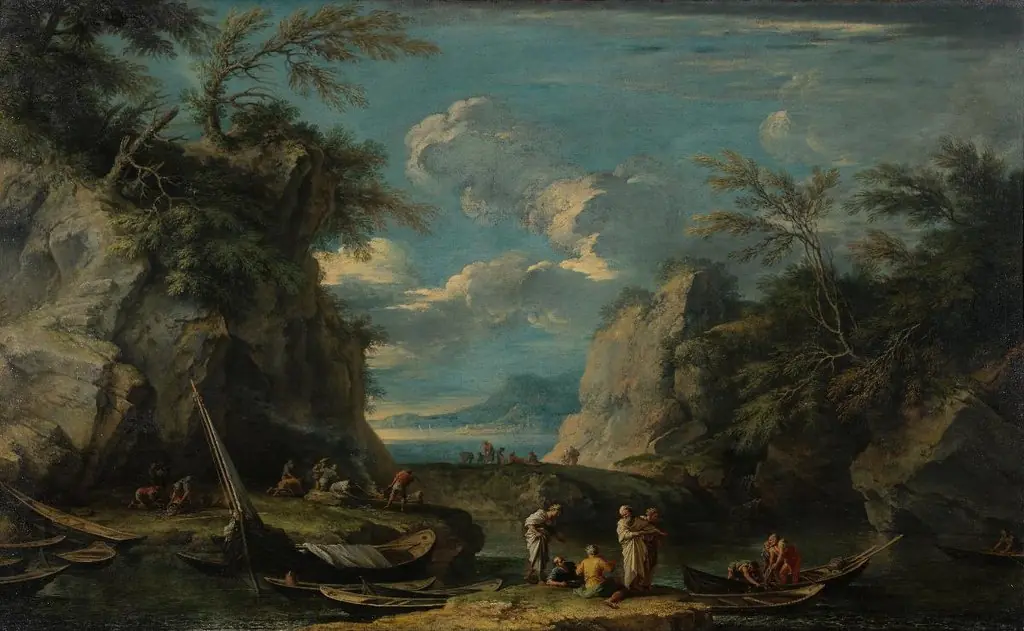
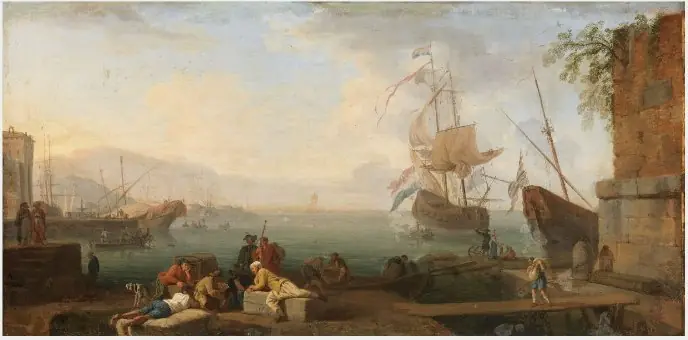
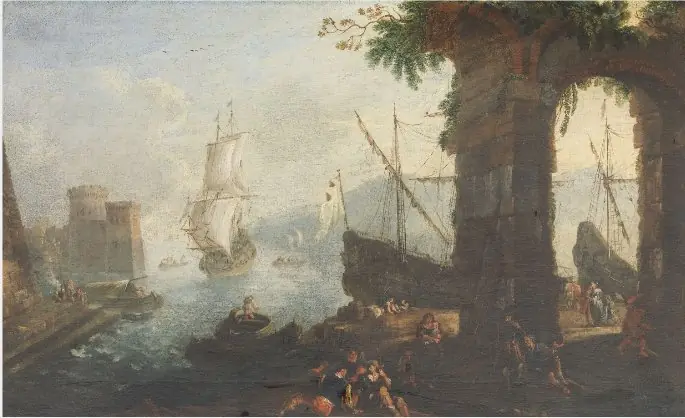
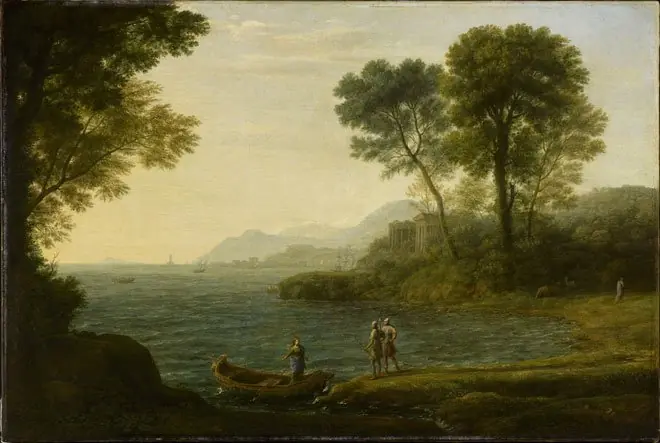
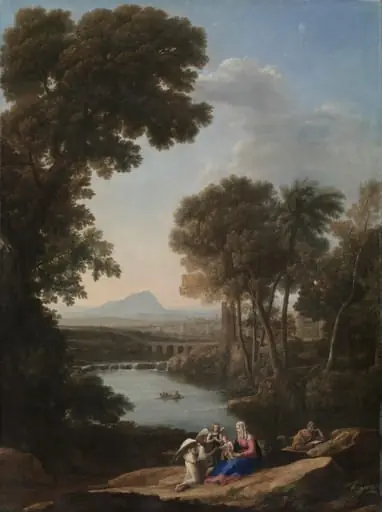
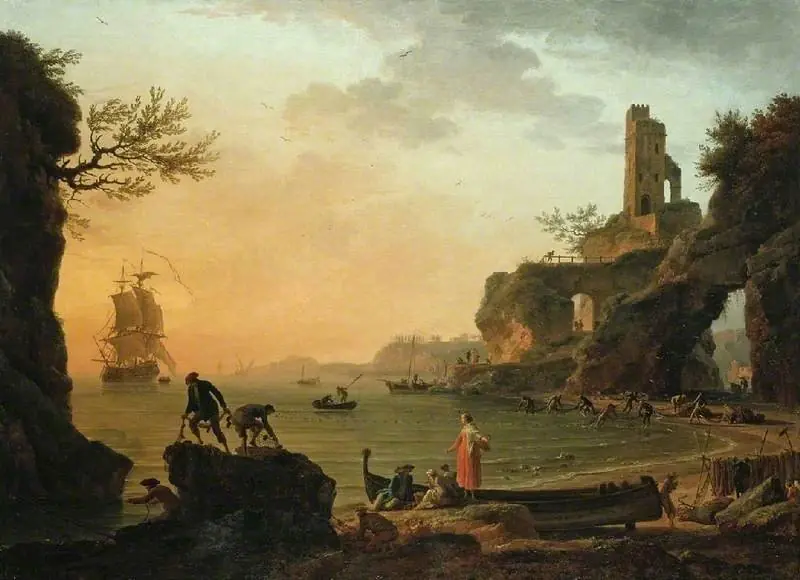
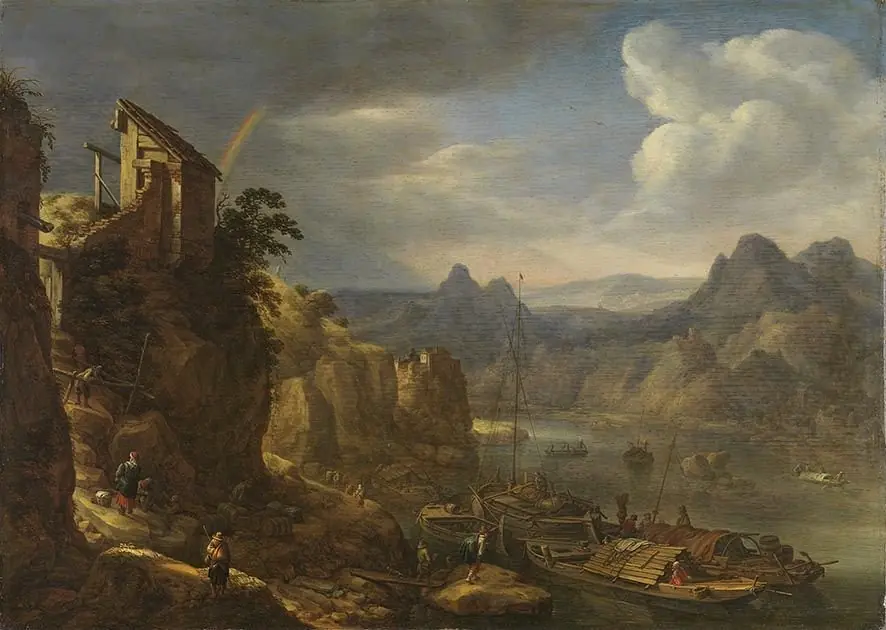
The composition centers on a partially collapsed temple, its columns and broken wall standing beside a tranquil expanse of water. Figures gather near the ruin, suggesting a contemplative encounter with the past amid a serene coastal bay framed by distant hills and a cloudy sky.
Technique & Style
Huysmans employs a muted palette and careful modulation of light to convey depth, using subtle chiaroscuro to model the architectural forms and the rolling terrain. The scene reflects his Italianate sensibility, merging idealized classical architecture with a Flemish attention to atmospheric detail.
History & Provenance
Created toward the end of Huysmans’ career, the painting was likely produced for a private collector interested in the popular capriccio genre. It has remained in European collections, passing through several hands before entering its present museum inventory.
Context
During the late 17th century, Flemish artists often incorporated imagined ruins into landscapes, a trend inspired by the Grand Tour and the renewed fascination with antiquity. Huysmans’ work exemplifies this synthesis, aligning with contemporaries who blended Baroque dynamism with Arcadian calm.
Artist & collection
Artist
Jan Baptist Huysmans (born 1654 in Antwerp; died 1716 in Antwerp) was a Flemish painter active in Antwerp who is known for his Italianate and arcadian landscapes and architectural capricci.