Artwork
First Bricklaying of the Kattendijkdok in Antwerp
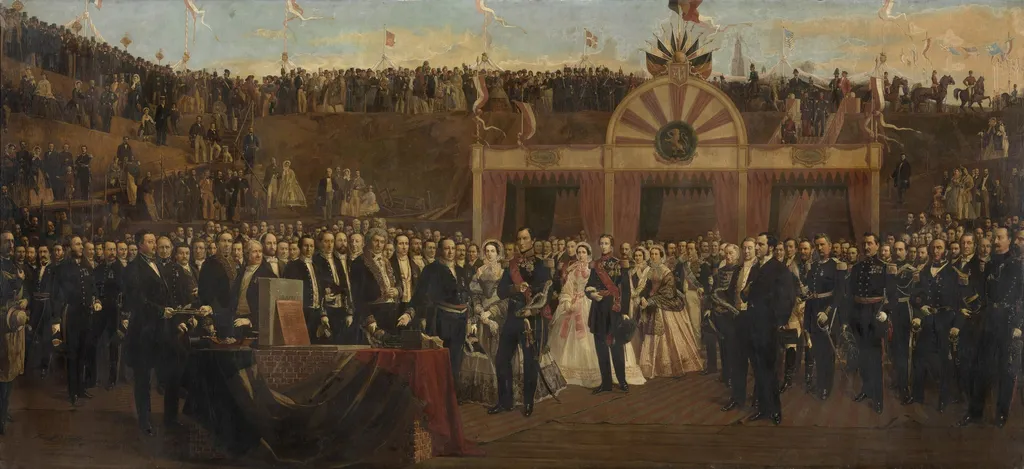
First Bricklaying of the Kattendijkdok in Antwerp is an oil painting by the Realist artist Jan Baptist Huysmans. It is held in the collection of the Royal Museum of Fine Arts Antwerp.
About this work
Overview
Painted in 1866 by Jan Baptist Huysmans, this oil work records the ceremonial start of construction for the Kattendijkdok, a major dock in Antwerp.
Painted in 1866 by Jan Baptist Huysmans, this oil work records the ceremonial start of construction for the Kattendijkdok, a major dock in Antwerp. Though Huysmans was primarily known for Italianate landscapes, this piece diverges into civic documentation, capturing a public event with attention to architectural detail and social hierarchy. It resides in the Royal Museum of Fine Arts Antwerp as part of its 19th-century Flemish collection.
Subject & Meaning
The scene depicts the formal laying of the first brick at the dock’s construction site, framed as a civic milestone. A woman in white and a man in dark attire with a red sash likely represent dignitaries or patrons of the project. The ornate stage, red cloth, and prominent document suggest ritual significance, transforming labor into a public ceremony. The gathering crowd underscores community investment in Antwerp’s commercial infrastructure.
Technique & Style
Huysmans employs chiaroscuro to direct focus toward the central figures and ceremonial table, enhancing the gravity of the moment. The composition organizes figures in layered groups, guiding the eye from foreground details—like the book and draped cloth—to the open sky beyond. While rooted in realism, the painting retains a formal, staged quality, reflecting the period’s preference for orderly, symbolic representation over spontaneous observation.
History & Provenance
Commissioned to commemorate the dock’s inception, the painting entered the Royal Museum of Fine Arts Antwerp’s collection shortly after its completion. Its survival through the 19th and 20th centuries reflects its status as a record of urban development. No significant alterations or reattributions are documented; it has remained in institutional custody since its creation.
Context
The Kattendijkdok was part of Antwerp’s broader 19th-century efforts to modernize its port and compete with other European shipping hubs. This painting coincides with a wave of civic projects funded by municipal and private interests. Huysmans’ shift from idealized landscapes to contemporary urban scenes mirrors a broader trend in Flemish art toward documenting industrial progress and public life.
Legacy
The painting serves as a visual archive of Antwerp’s maritime expansion, preserving details of dress, architecture, and ceremonial practice from the mid-1800s. Though not widely exhibited outside Belgium, it remains a key reference for historians studying the intersection of art, urban planning, and public ritual in industrializing Europe.
Artist & collection
Artist
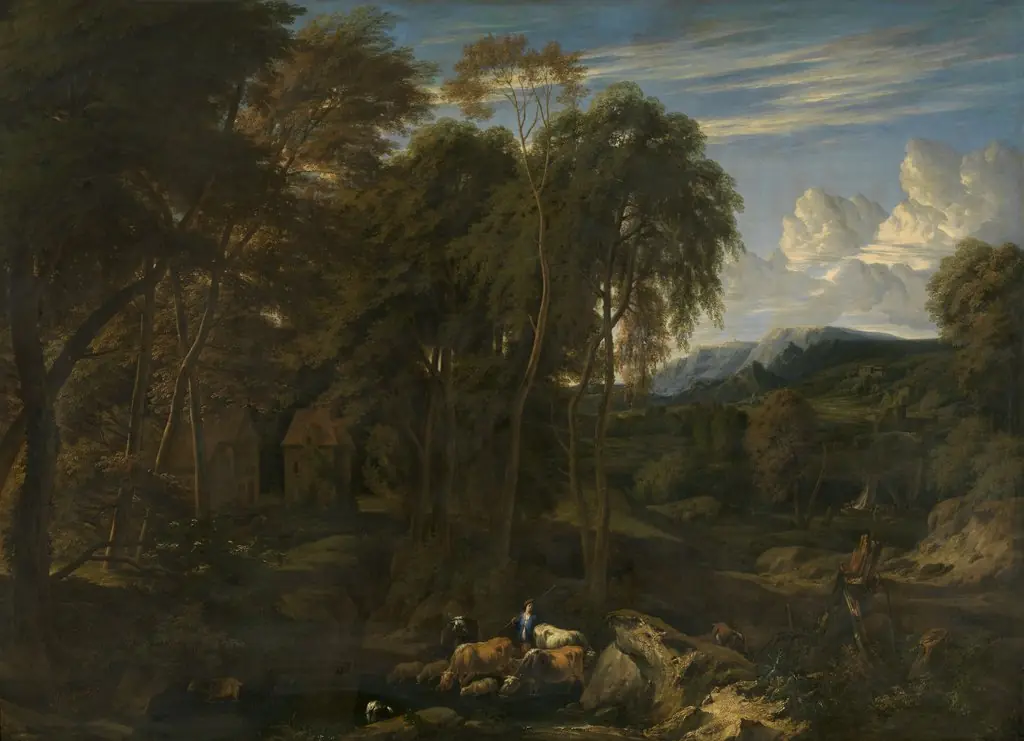
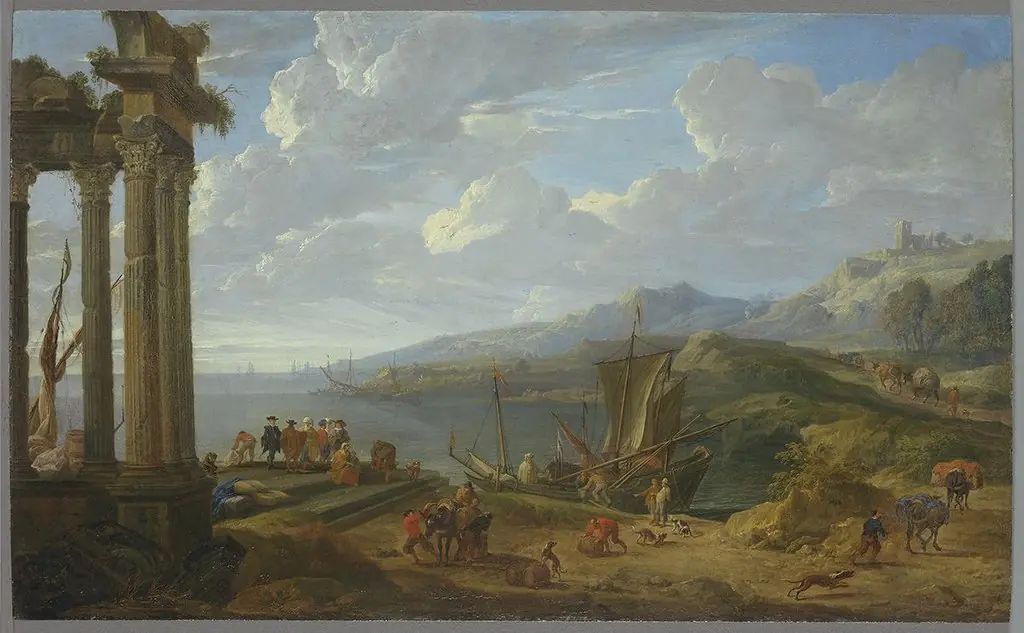
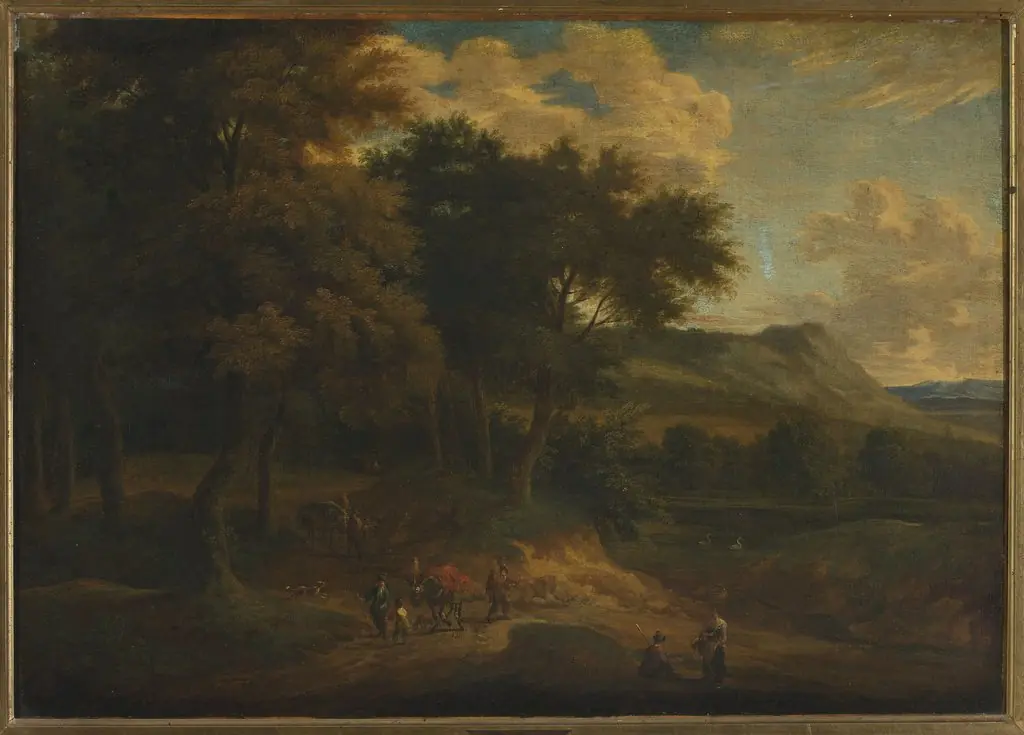
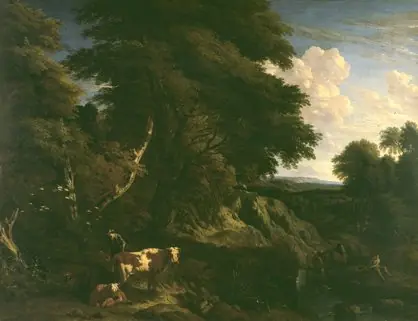
Jan Baptist Huysmans (born 1654 in Antwerp; died 1716 in Antwerp) was a Flemish painter active in Antwerp who is known for his Italianate and arcadian landscapes and architectural capricci.

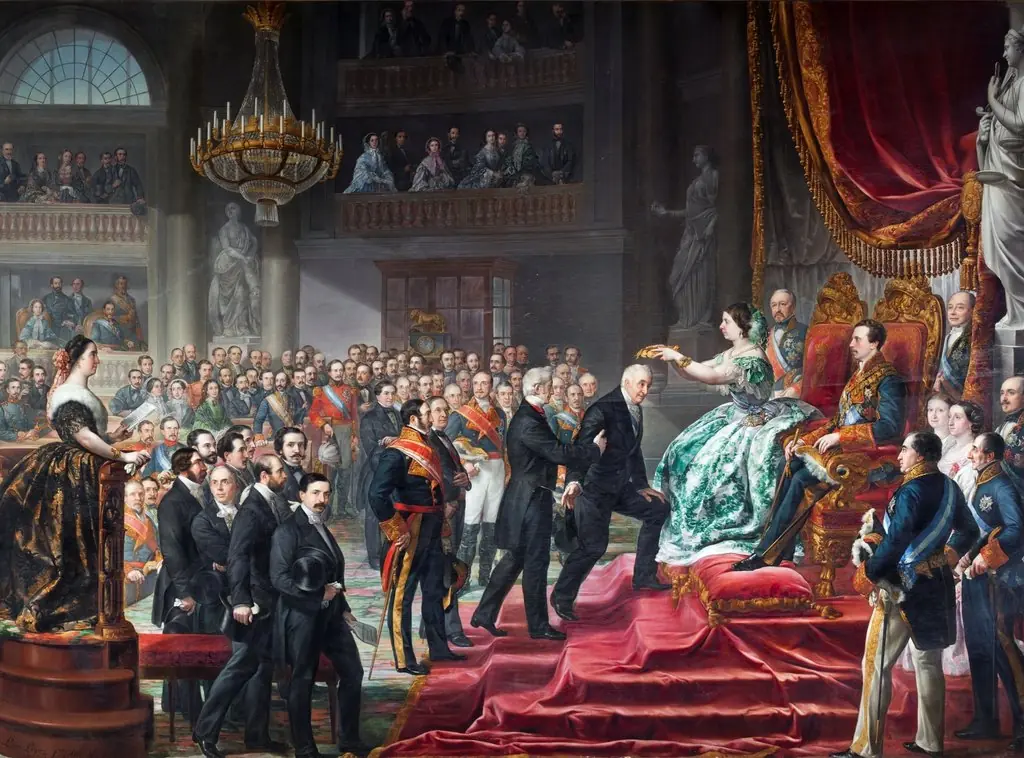 The Coronation of the Quintana
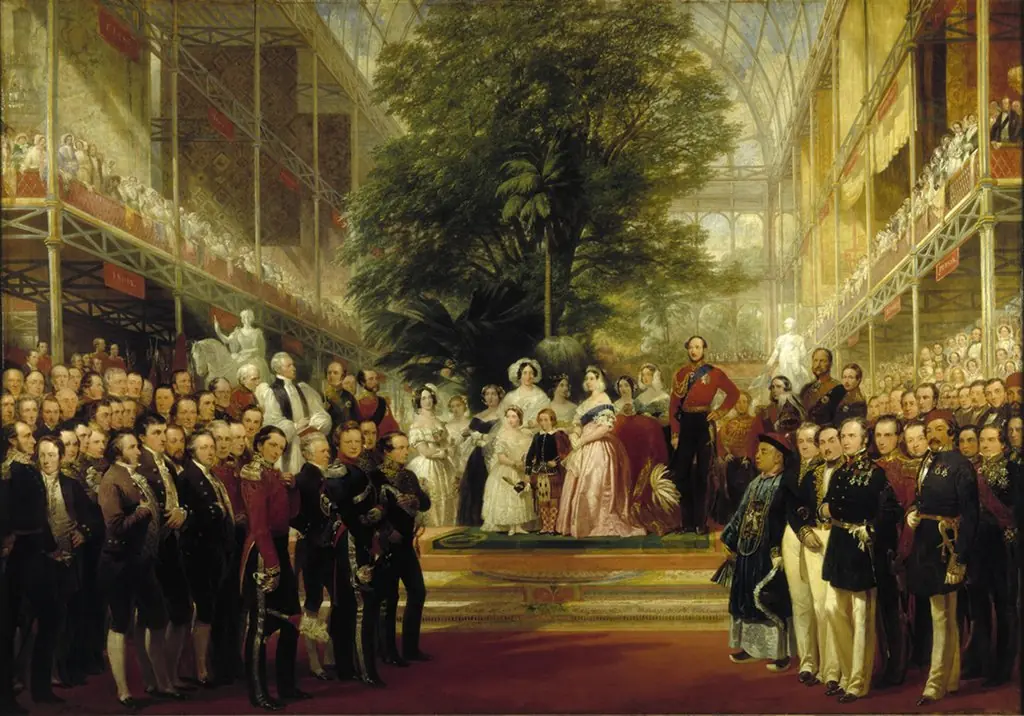 The Opening of the Great Exhibition by Queen Victoria on 1 May 1851
 The Opening of the Great Exhibition by Queen Victoria on 1 May 1851
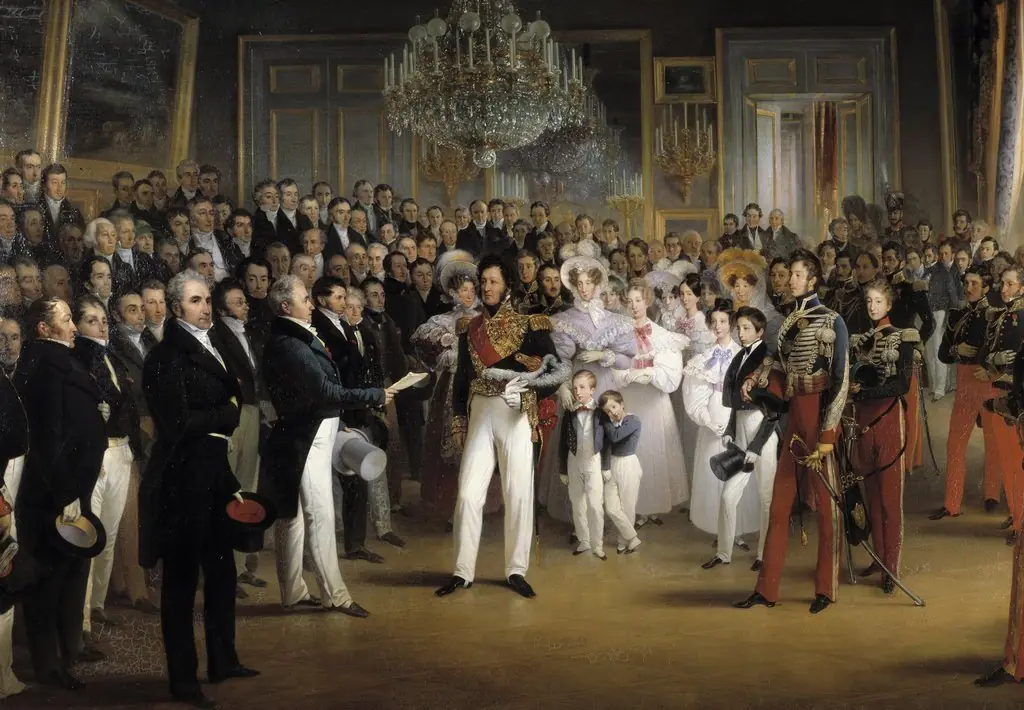 The Chamber of Deputies Received at the Palais-Royal by the Duke of Orleans
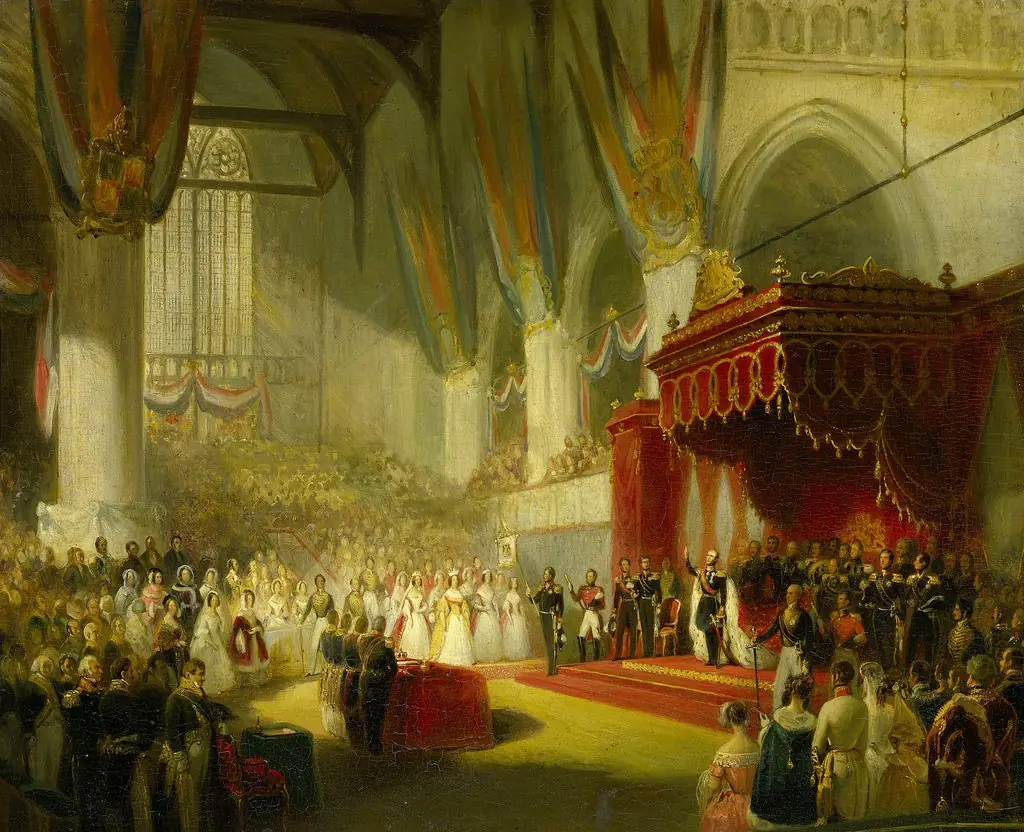 The Inauguration of King William II in the Nieuwe Kerk in Amsterdam on 28 November 1840
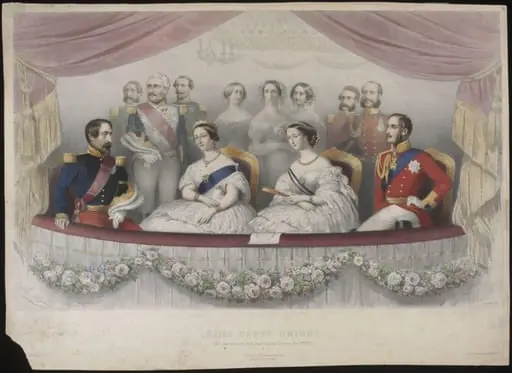 H Beard Print Collection
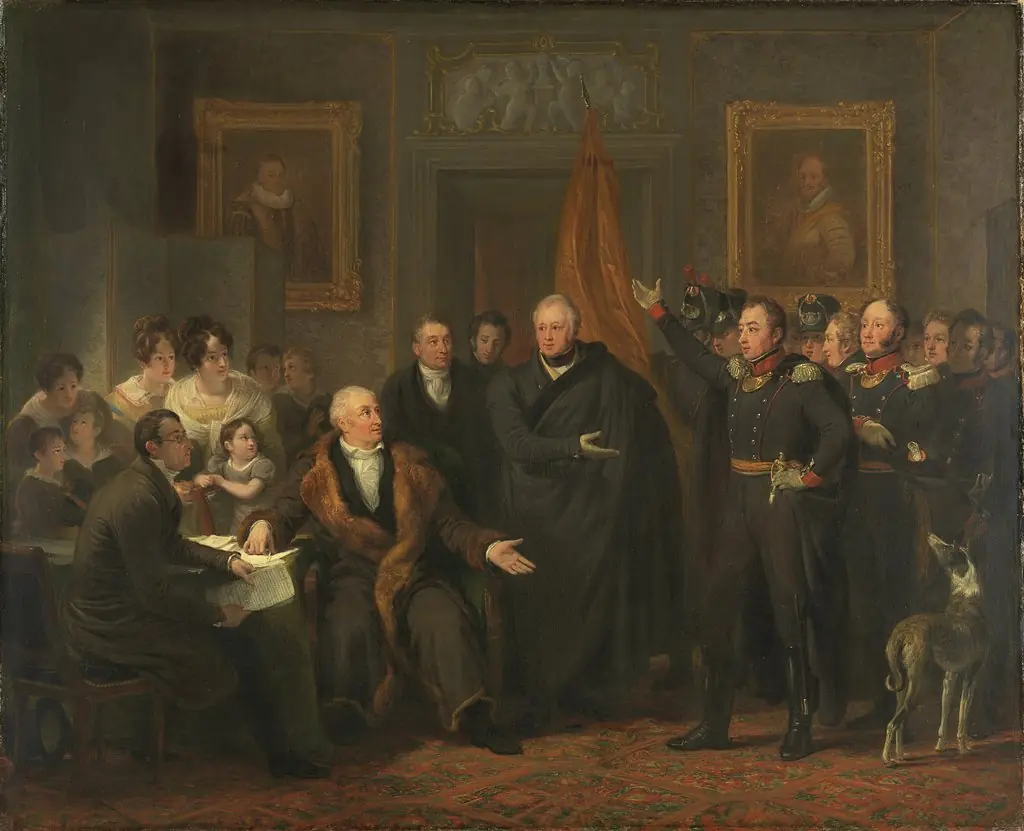 Triumvirate Assuming Power in the Name of the Prince of Orange, 21 November 1813
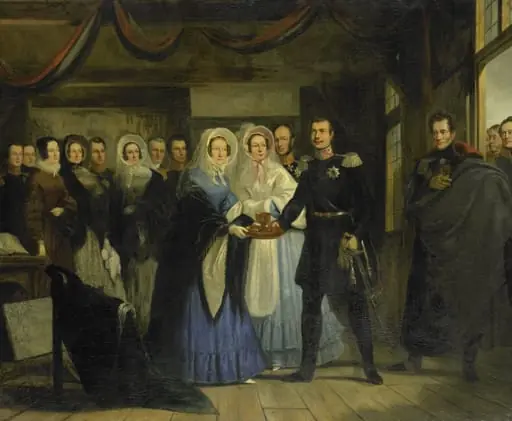 The Princess of Orange Receiving Alexander II (1818-1881), Grand Duke and Heir to the Throne of Russia, in the Czar Peter's House in Zaandam, 17 April 1839
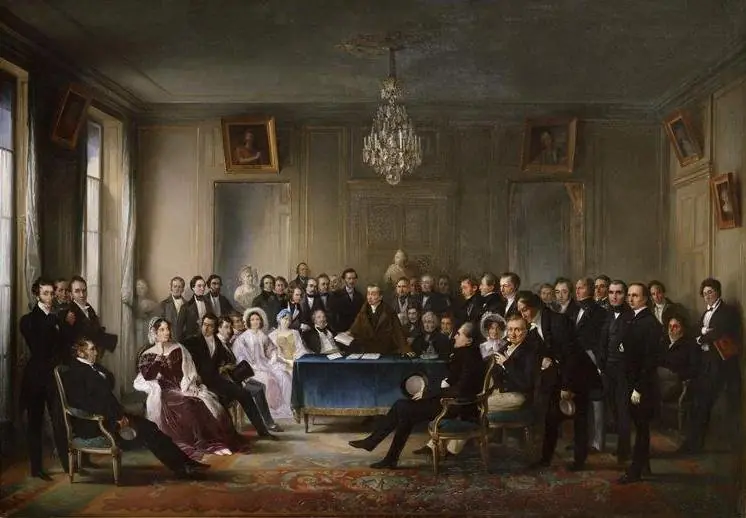 Andrieux faisant une lecture dans le foyer de la Comédie Française
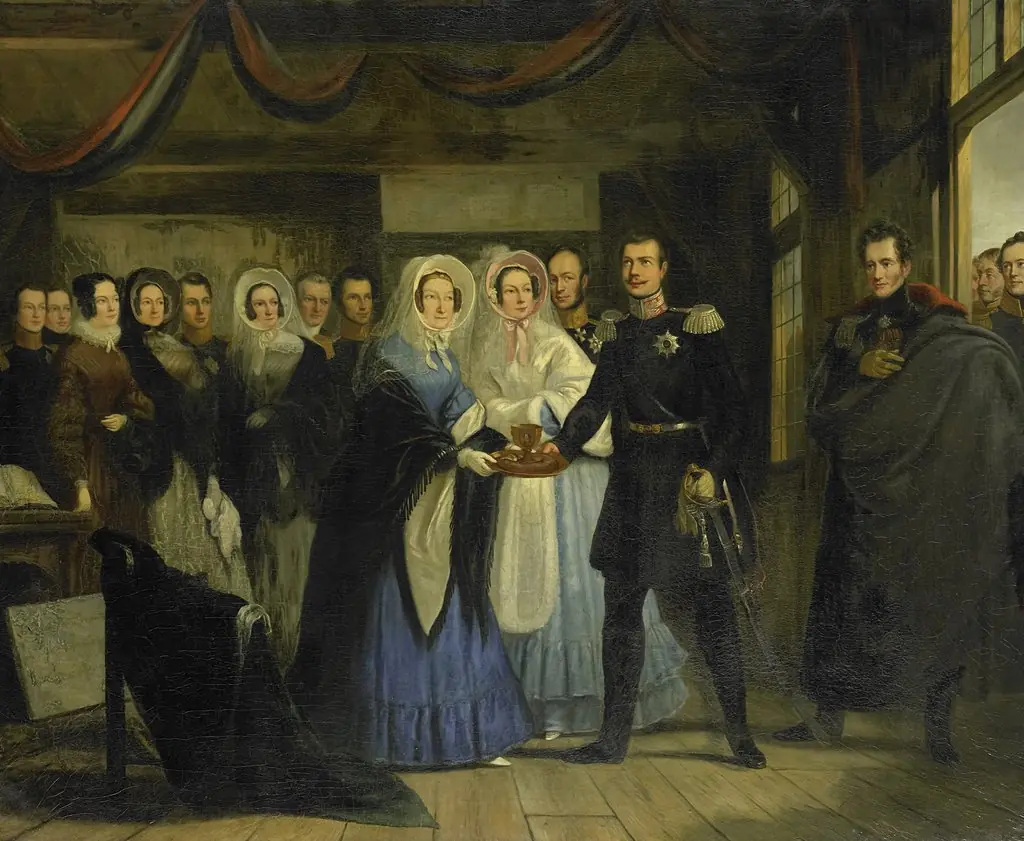 The Princess of Orange Receiving Alexander II (1818-1881), Grand Duke and Heir to the Throne of Russia, in the Czar Peter's House in Zaandam, 17 April 1839
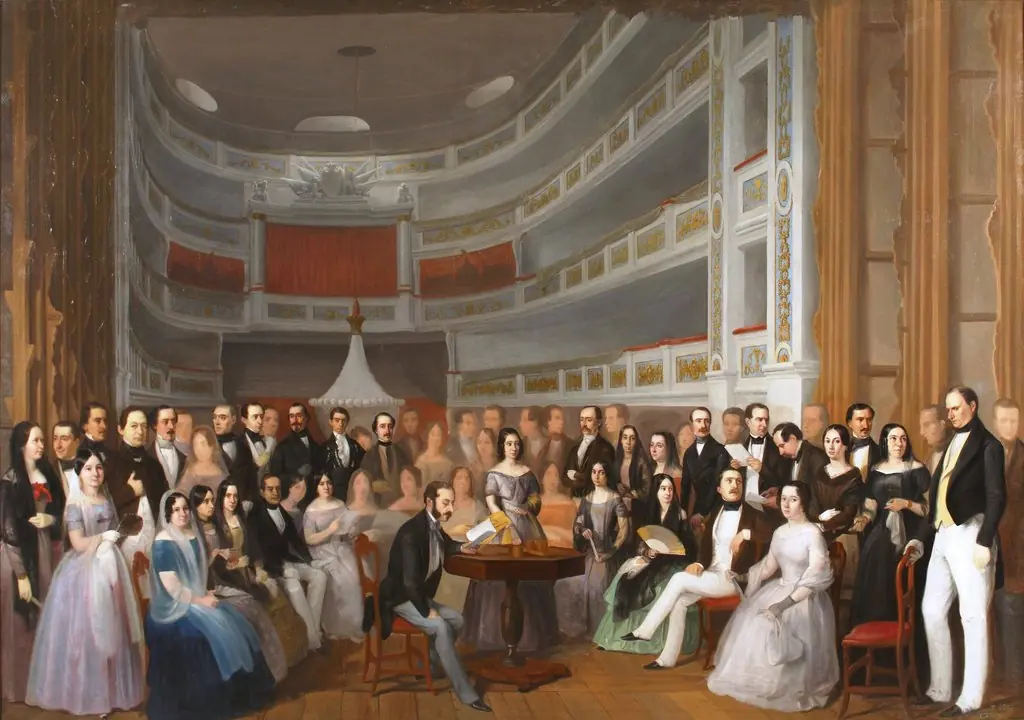 Ventura de la Vega reading a play at the Teatro del Príncipe
 Alexander I Crowned King of Poland