Artwork
Circumcision of Moses' son
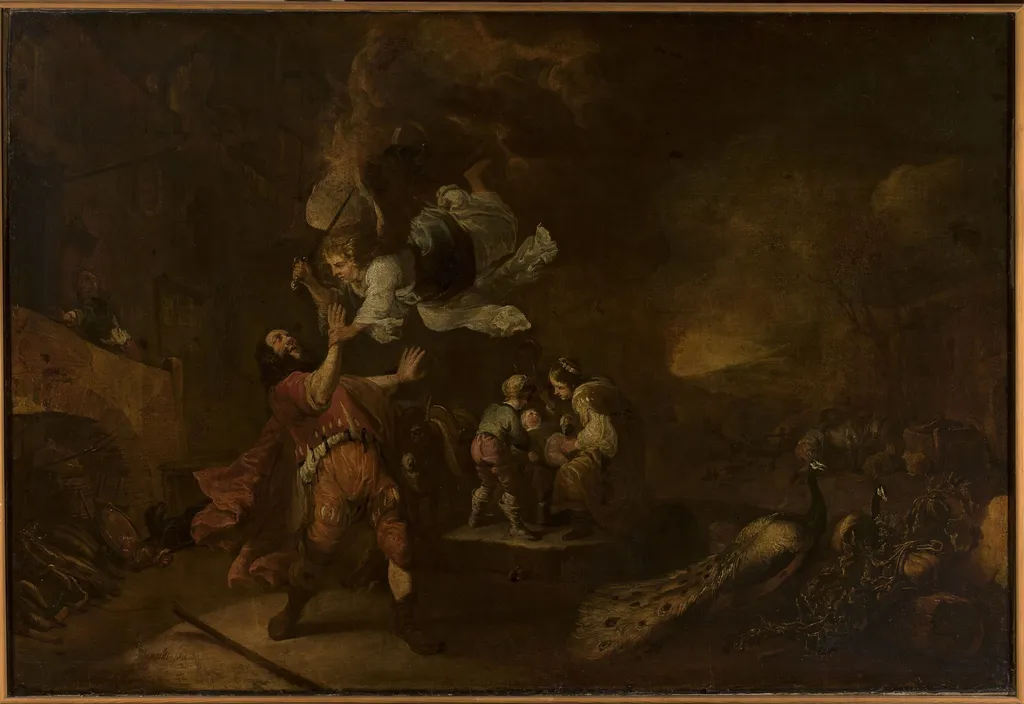
Circumcision of Moses' son is an oil painting by the Dutch Golden Age artist Jan Baptist Weenix. It dates from 1640 and is held in the collection of the National Museum in Warsaw.
About this work
Overview
Painted in 1640 by Jan Baptist Weenix, this oil-on-canvas work depicts a moment from the Book of Exodus: Zipporah circumcising her son to avert divine wrath.
Painted in 1640 by Jan Baptist Weenix, this oil-on-canvas work depicts a moment from the Book of Exodus: Zipporah circumcising her son to avert divine wrath. Though Weenix is better known for Italianate landscapes, this piece reflects his engagement with biblical narratives during the Dutch Golden Age. It is now part of the National Museum in Warsaw’s collection, representing a lesser-known facet of his oeuvre.
Subject & Meaning
The scene captures Zipporah performing the ritual circumcision of her son, as commanded by God after Moses failed to fulfill the covenant. The man holding the child is Moses, while Zipporah, in white, reaches toward him with the blade. The act symbolizes obedience to divine law amid personal tension. The inclusion of onlookers and symbolic elements like the peacock underscores the sacred gravity of the moment within a domestic setting.
Technique & Style
Weenix employs chiaroscuro to heighten emotional intensity, contrasting the illuminated figures against a deep, shadowed background. The red robe of Moses and the white garment of Zipporah create visual anchors, drawing attention to the central action. Brushwork is precise yet expressive, with textures in fabric and skin rendered to enhance realism. The composition directs the viewer’s gaze toward the child and the blade, emphasizing the ritual’s urgency.
History & Provenance
The painting entered the National Museum in Warsaw’s collection in the 19th century, likely through acquisitions of Dutch and Flemish works during a period of renewed interest in Northern European art. Its provenance prior to that remains unclear, though its style and date align with Weenix’s early career in the Netherlands. It has been consistently cataloged as an authentic work since its inclusion in the museum’s holdings.
Context
During the Dutch Golden Age, biblical scenes were frequently depicted for private devotion and civic identity, even as landscape and genre painting dominated public taste. Weenix’s choice to portray this obscure Exodus episode reflects a broader trend of theological engagement among artists. The painting’s dramatic lighting and intimate scale suggest it was intended for a collector’s cabinet rather than public display.
Legacy
Though not among Weenix’s most widely studied works, the painting offers insight into his range beyond landscapes. It illustrates how Dutch artists adapted biblical narratives with psychological nuance and theatrical lighting. Its presence in Warsaw’s collection ensures continued scholarly attention, particularly in studies of religious imagery in Northern European art beyond mainstream subjects.
Artist & collection
Artist
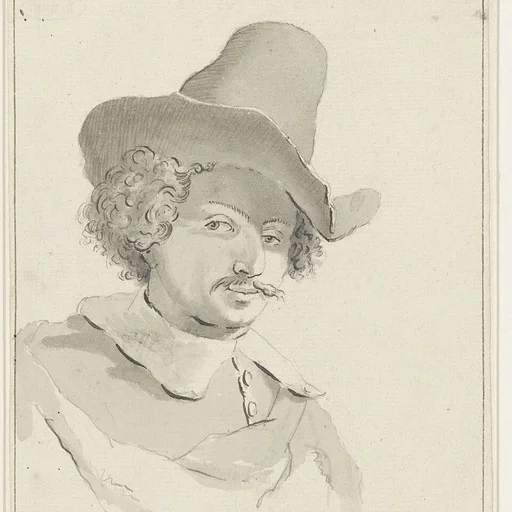
Jan Baptist Weenix, also spelled Jan Baptiste Weeninx (1621–1659), was a painter of the Dutch Golden Age.

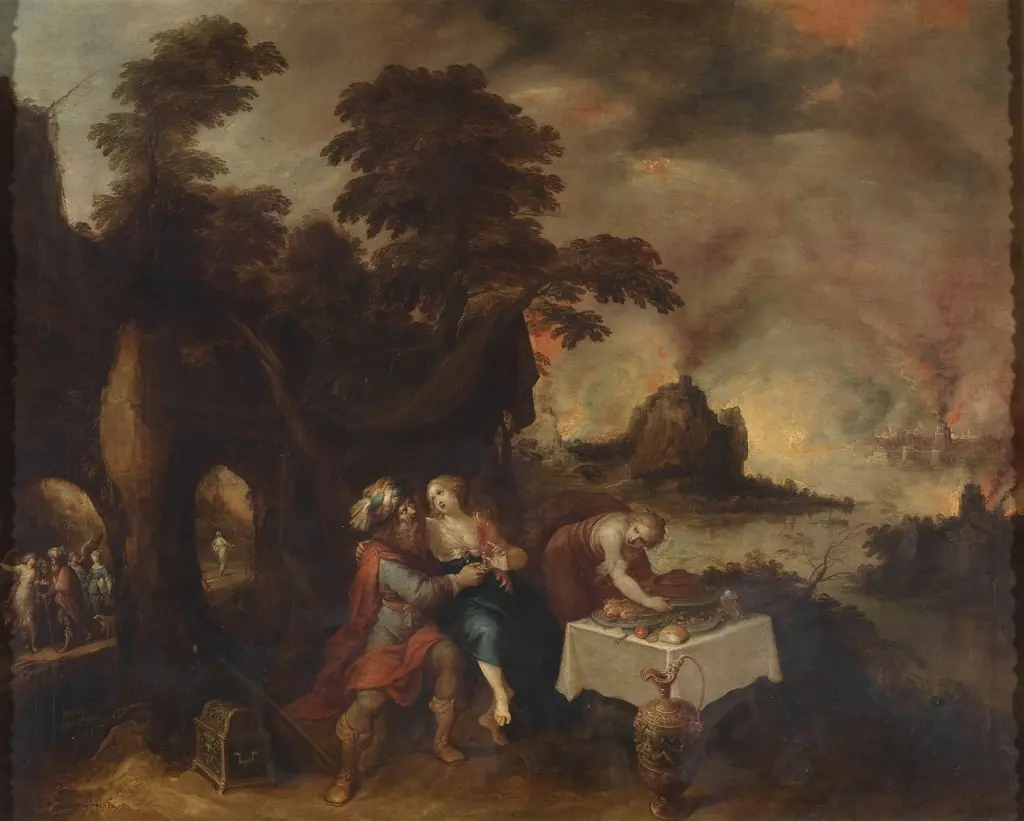 Lot and his daughters (Genesis 19:30-38)
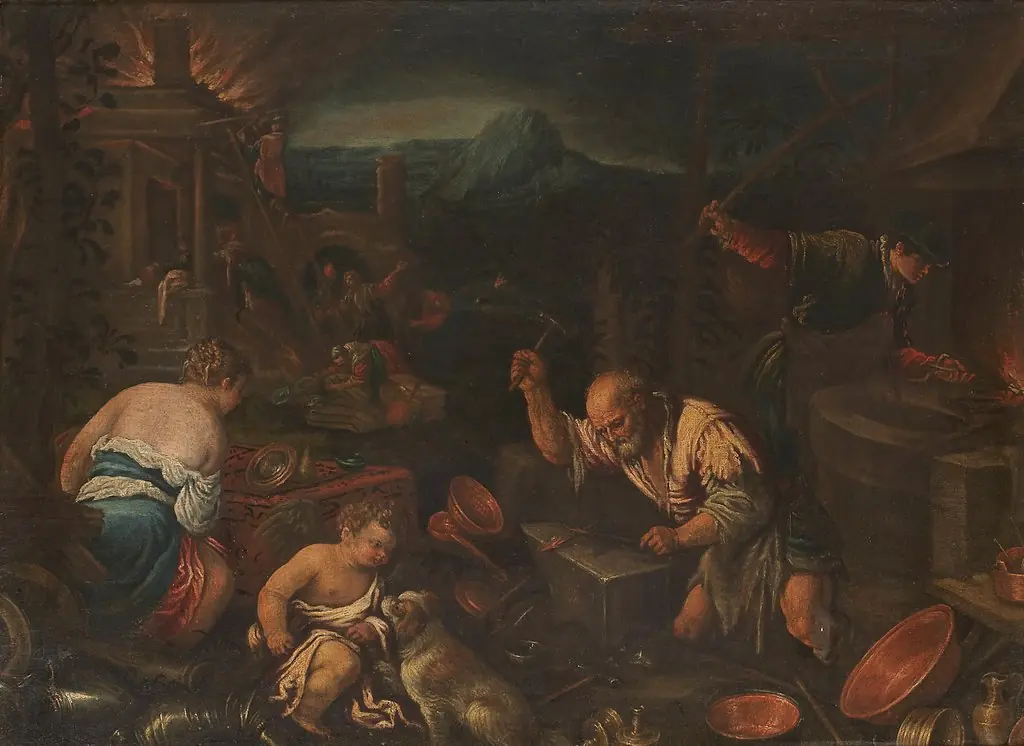 Venus in der Schmiede des Vulkan
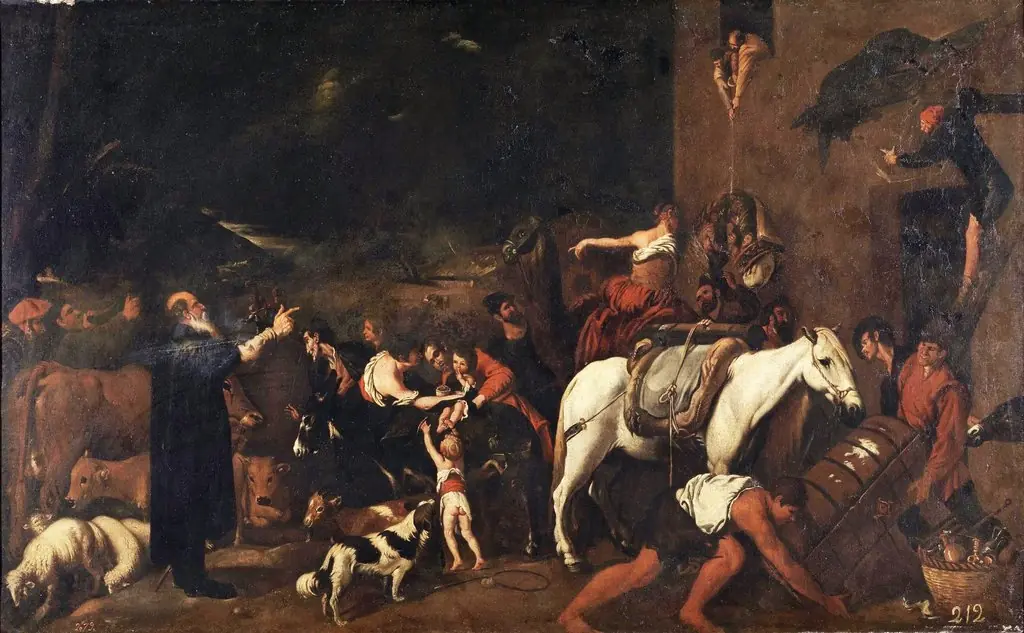 Partida de Jacob con sus rebaños
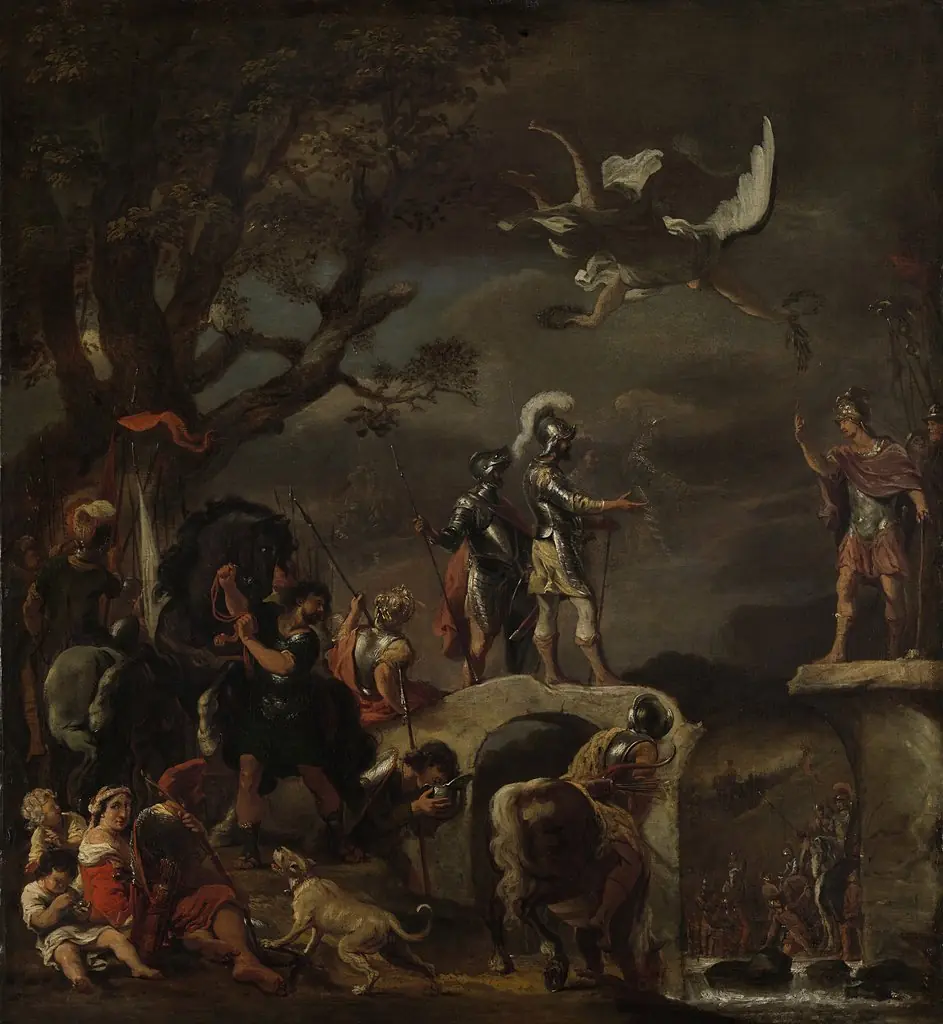 The peace negotiation between Claudius Civilis and Quintus Petillius Cerealis on the demolished bridge
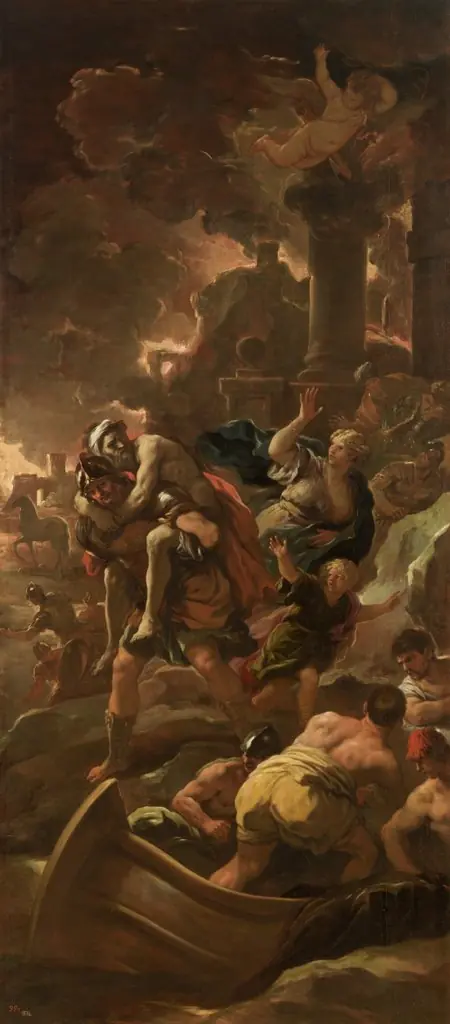 Eneas, fugitivo con su familia
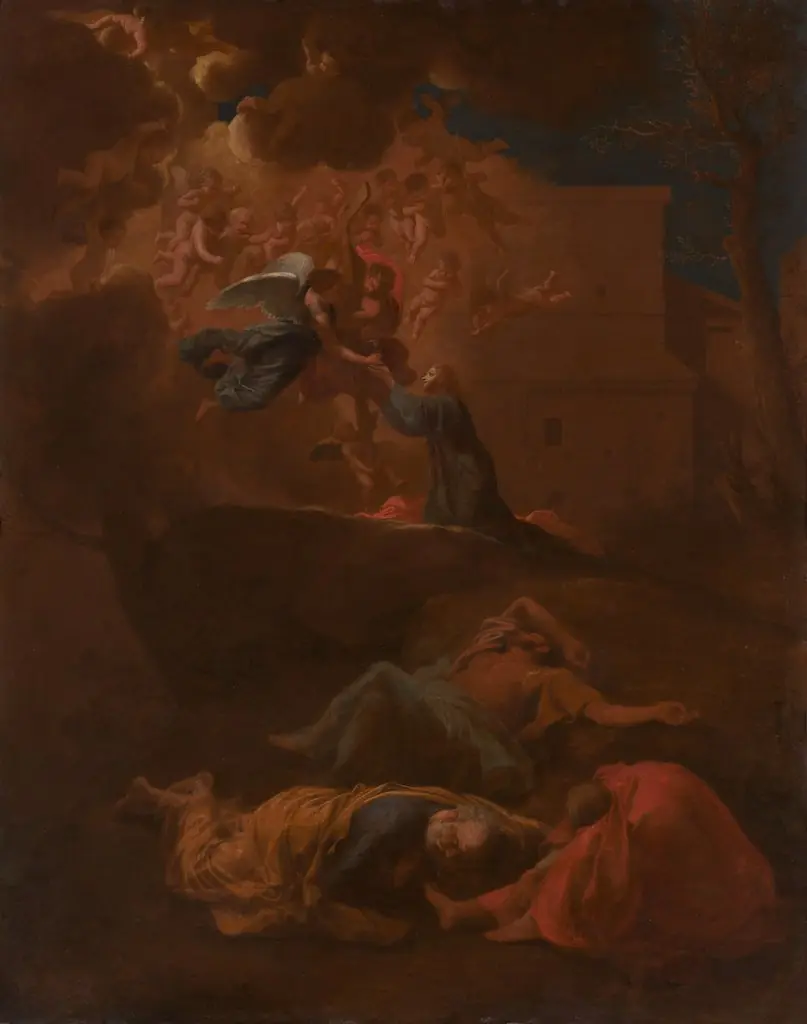 The Agony in the Garden
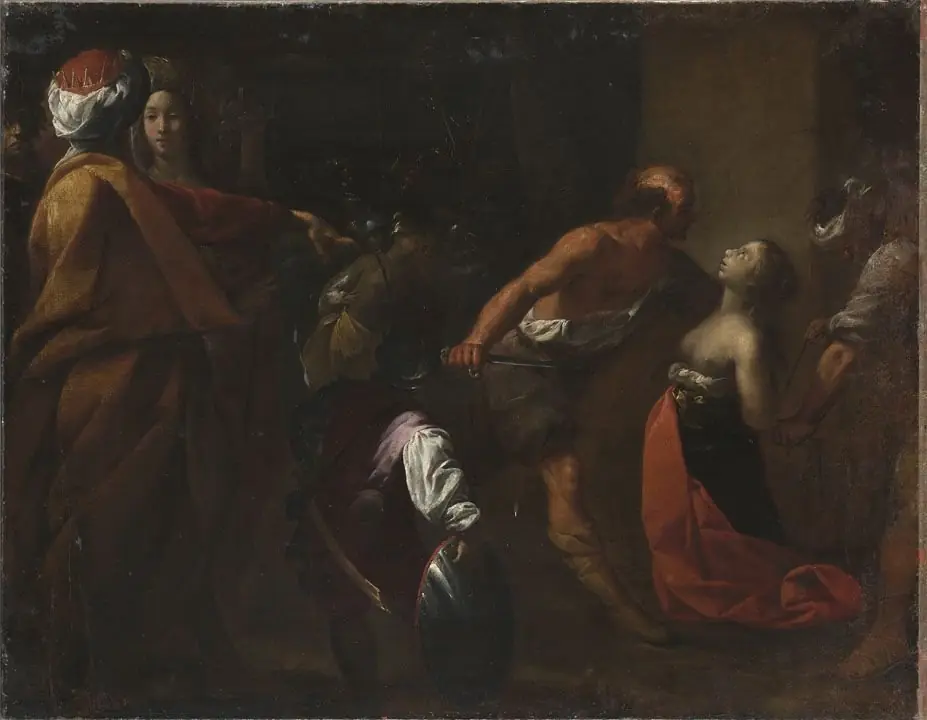 Martyrium der hl. Justina
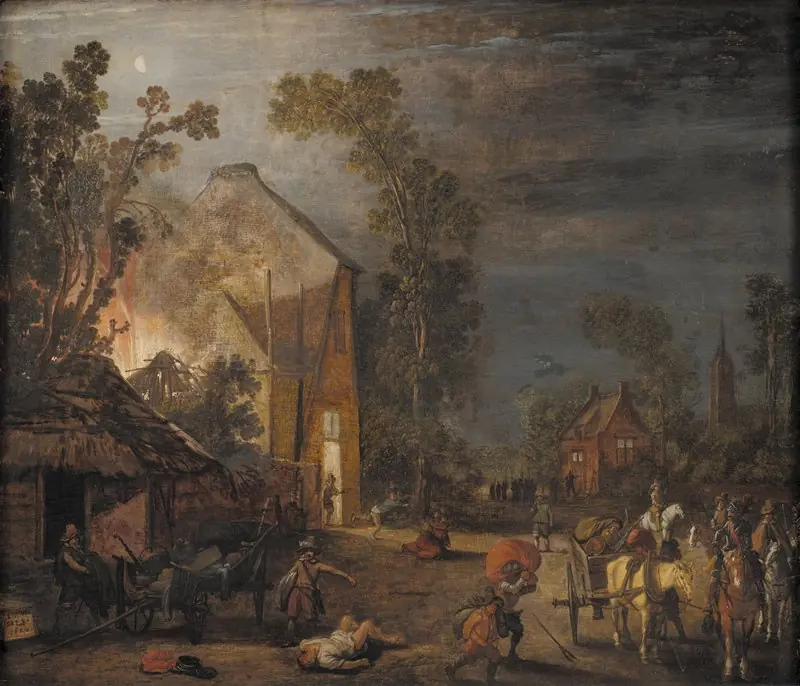 A Village Looted at Night
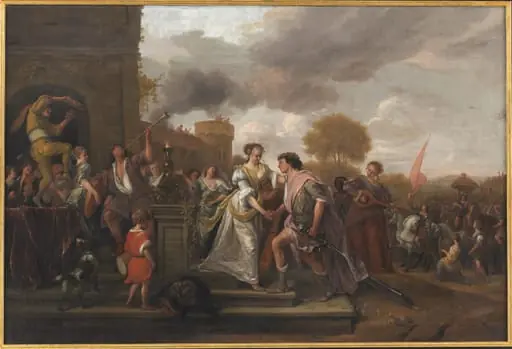 David Returning Victorious after Defeating Goliath and the Philistines
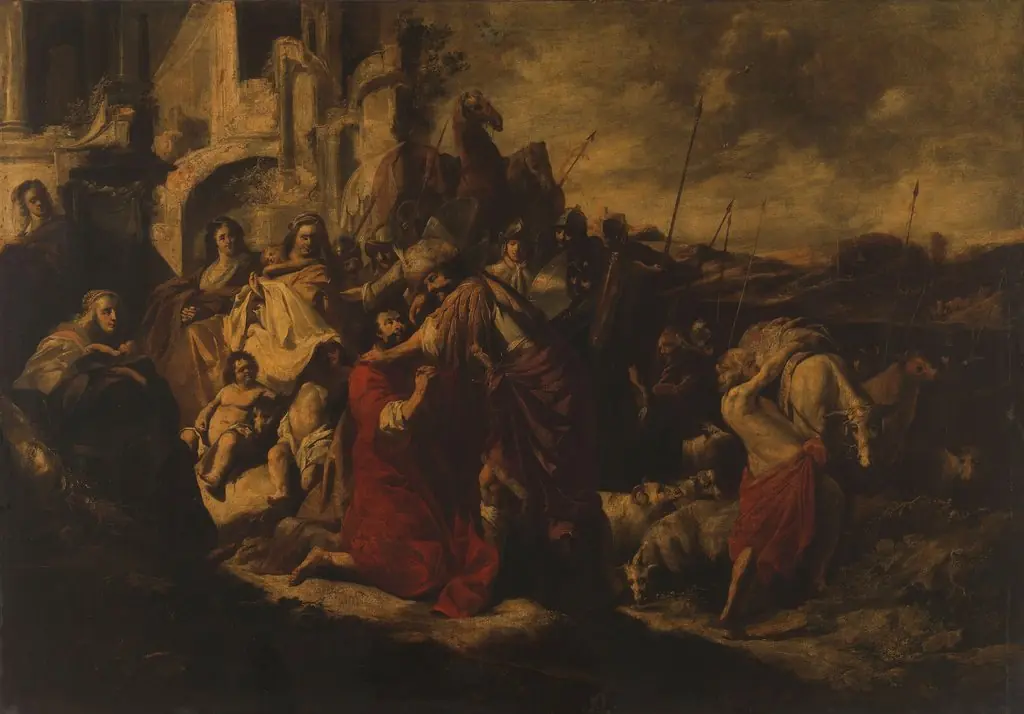 The meeting of Jacob and Esau
 The ascension of Elijah
 A Village Looted at Night