Artwork
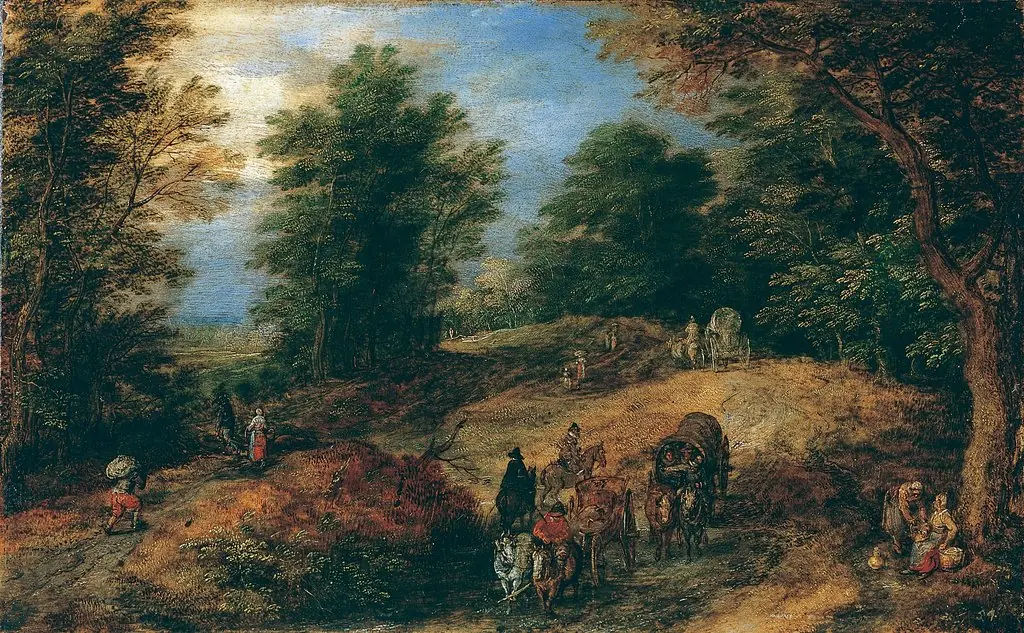
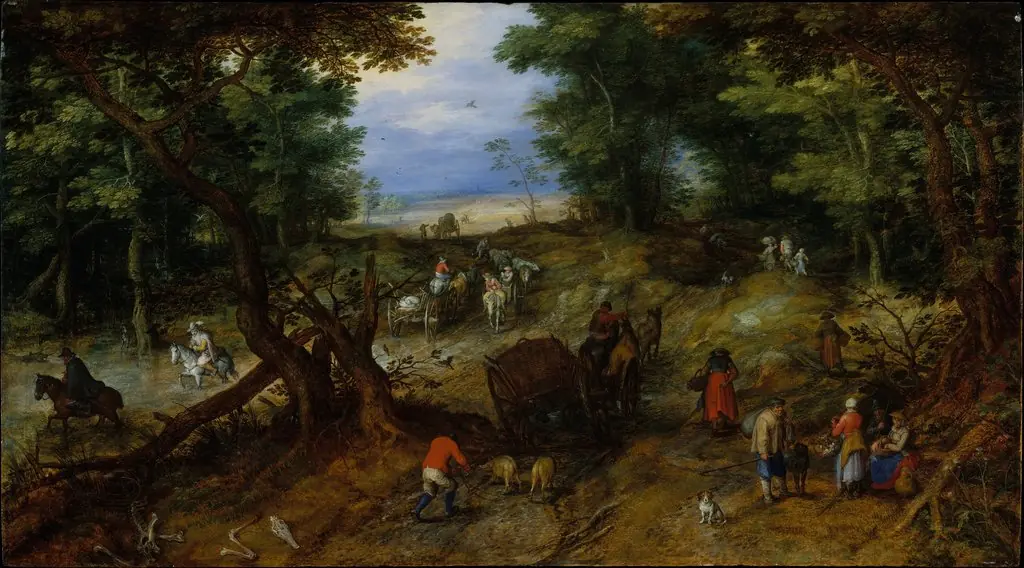
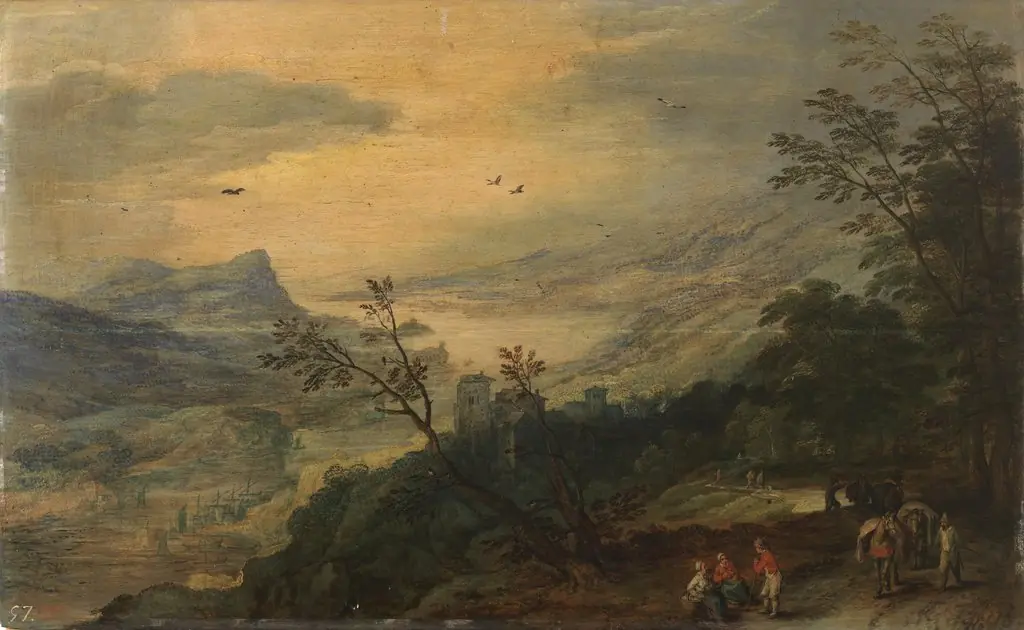
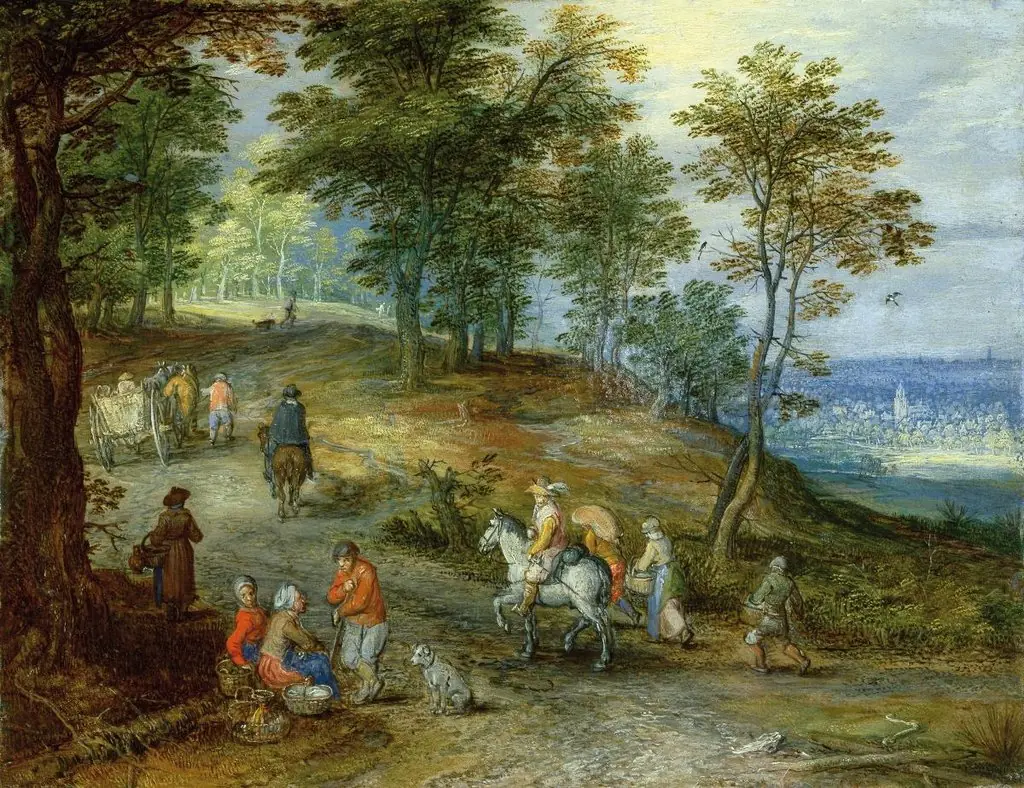
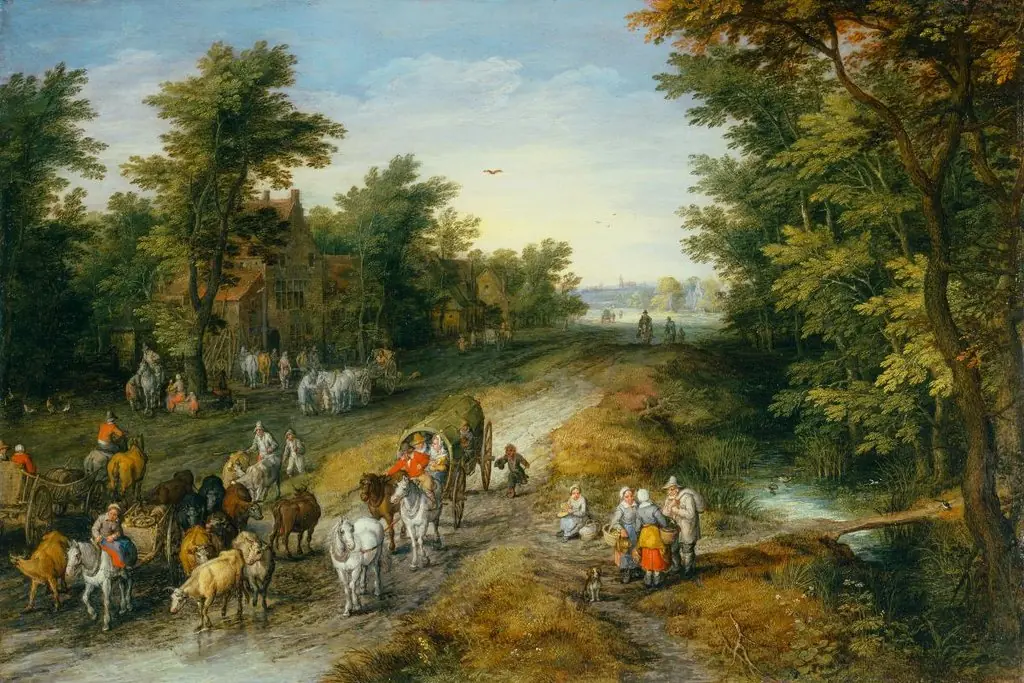
Forestroad next to a fordable pond wiht travelers
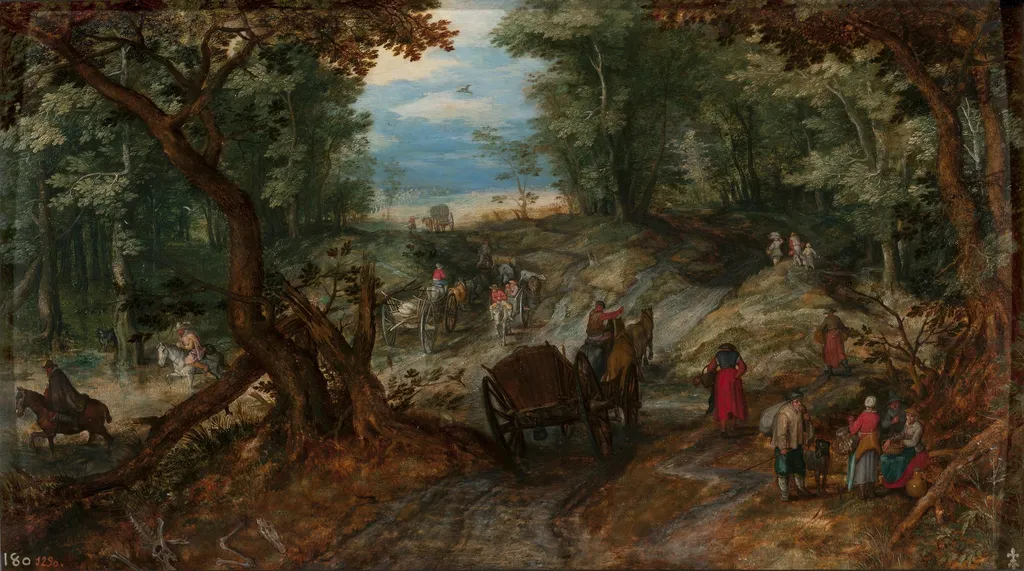
Forestroad next to a fordable pond wiht travelers is an oil painting by the Flemish Baroque painting artist Jan Brueghel, the elder. It dates from 1607 and is held in the collection of the Museo del Prado.
About this work
Overview
The scene reflects his precision in rendering nature and daily life, now part of the Museo del Prado’s permanent collection in Madrid.
Painted in 1607 by Jan Brueghel the Elder, this oil-on-panel work captures a quiet woodland path beside a shallow pond, where a small group of travelers pause mid-journey. Brueghel, a central figure in early 17th-century Flemish art, specialized in landscapes rich with subtle human activity. The scene reflects his precision in rendering nature and daily life, now part of the Museo del Prado’s permanent collection in Madrid.
Subject & Meaning
The painting portrays travelers—on foot, horseback, and in carts—gathering near a fordable stream, suggesting a moment of rest or transition. No grand narrative is present; instead, the focus lies in the ordinary rhythms of rural travel. The figures interact calmly with their environment, conveying a sense of quiet coexistence between people and the natural world, without overt symbolism or moralizing.
Technique & Style
Brueghel employed fine brushwork to render foliage, water, and atmospheric perspective with remarkable clarity. Light filters through the canopy, creating soft contrasts that define volume without harsh shadows. The palette is restrained, dominated by greens and earth tones, with delicate highlights on clothing and horsehide. His attention to botanical detail and spatial depth reflects a commitment to observed reality over idealization.
History & Provenance
Commissioned or acquired shortly after its completion, the painting entered Spanish royal collections in the 17th century, likely through diplomatic or artistic exchange. It remained in royal holdings until the Prado’s founding in 1819, after which it was formally cataloged. Its continuous presence in Spain underscores its early recognition as a significant example of Flemish landscape art.
Context
In the early 1600s, Flemish artists increasingly turned to landscape as an independent genre, moving beyond religious or mythological themes. Brueghel’s work aligned with this shift, influenced by both northern European traditions and Italian compositional principles. His collaborations with Rubens helped elevate landscape painting’s status, embedding it within broader artistic discourse of the period.
Legacy
This painting exemplifies Brueghel’s role in shaping the Flemish landscape tradition, emphasizing observation over fantasy. While less celebrated than his allegorical works, it influenced later generations of Dutch and Flemish painters who sought to capture nature with quiet authenticity. Its preservation in the Prado ensures its continued study as a benchmark in early modern landscape representation.
Artist & collection
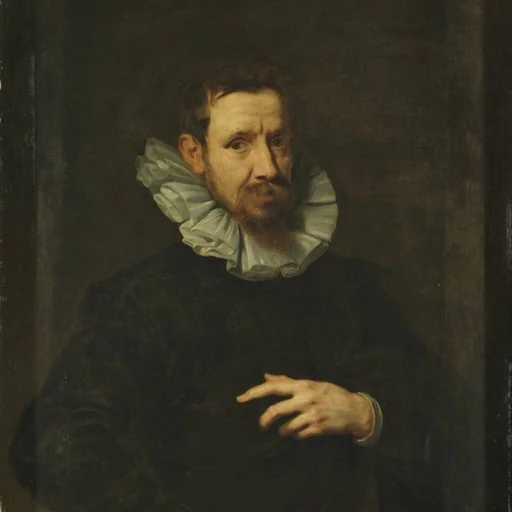
Artist
Jan Brueghel the Elder ( BROY-gəl, US also BROO-gəl; Dutch: ; 1568 – 13 January 1625) was a Flemish painter and draughtsman.