Artwork
Juno in the Underworld
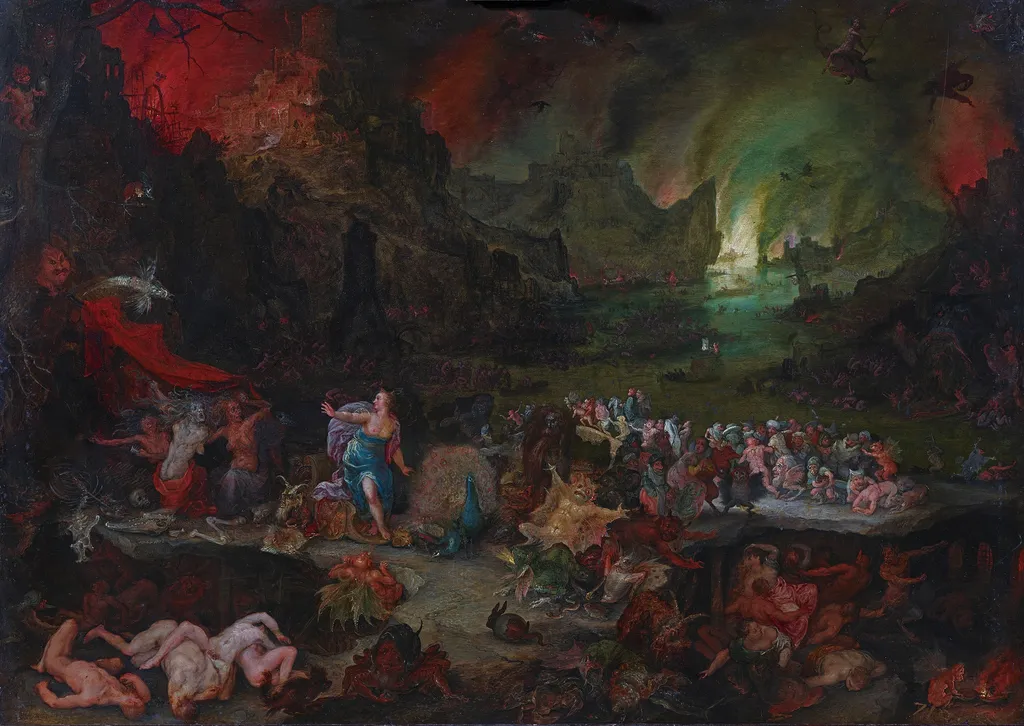
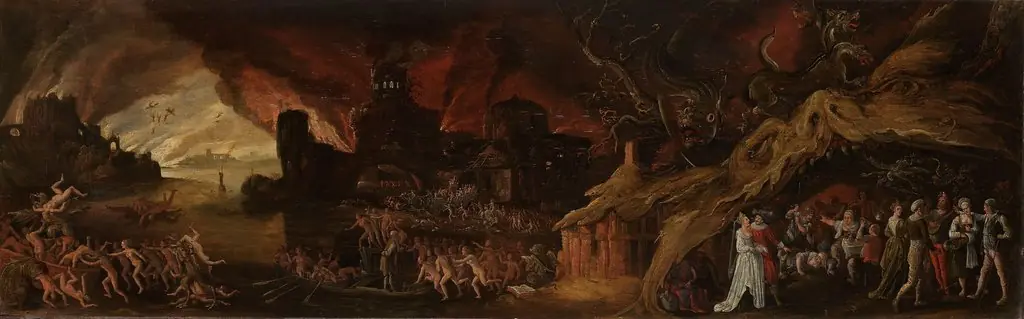
Juno in the Underworld is an unspecified painting by the Flemish Baroque painting artist Jan Brueghel, the elder. It dates from 1598 and is held in the collection of the Staatliche Kunstsammlungen Dresden. Painted in 1598 by Jan Brueghel the Elder, this work depicts a mythological scene set in the underworld.
About this work
Overview
It is held in the Gemäldegalerie Alte Meister in Dresden, part of a broader body of work that bridges Flemish tradition and emerging Baroque sensibilities.
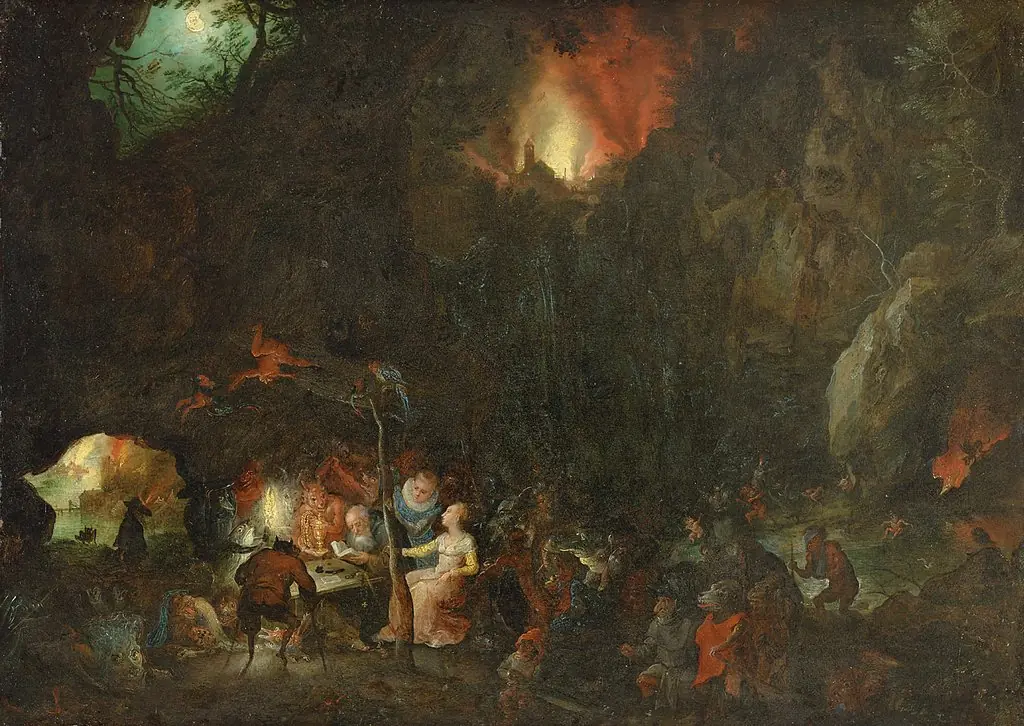
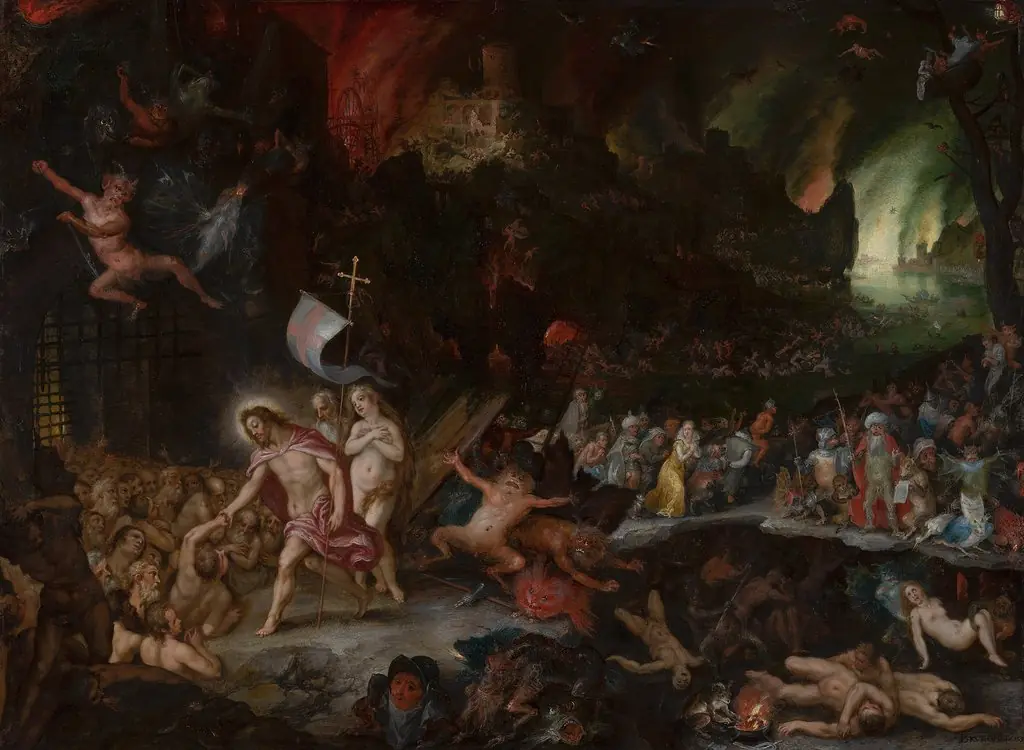
Painted in 1598 by Jan Brueghel the Elder, this work depicts a mythological scene set in the underworld. A central female figure, identified as Juno, stands amid a tumultuous crowd of figures and creatures. The composition reflects Brueghel’s engagement with classical themes and his skill in rendering complex, crowded narratives. It is held in the Gemäldegalerie Alte Meister in Dresden, part of a broader body of work that bridges Flemish tradition and emerging Baroque sensibilities.
Subject & Meaning
The painting illustrates Juno, queen of the gods, in the realm of the dead, likely referencing her descent into Hades in mythological lore. The chaotic gathering of figures—some in distress, others in motion—suggests divine intervention or punishment. The burning city in the distance may symbolize the fall of a realm or the consequences of divine wrath. The scene merges classical narrative with moral undertones common in late Renaissance allegory.
Technique & Style
Brueghel employs chiaroscuro to heighten the drama of the underworld, contrasting deep shadows with flickering light sources. His brushwork is precise, especially in rendering textures of fabric, skin, and flame. The composition is densely packed, with figures arranged in layered groups that guide the eye through the scene. The palette leans toward muted earth tones, punctuated by the blue of Juno’s garment, anchoring the viewer’s focus.
History & Provenance
Created during Brueghel’s early career, the painting reflects his time in Italy and exposure to classical antiquity. It entered the collection of the Gemäldegalerie Alte Meister in the 18th century, likely through the Saxon royal holdings. Its attribution has remained consistent, with no significant disputes over authorship. The work’s survival through centuries underscores its status as a documented example of late 16th-century Flemish mythological painting.
Context
Painted amid the religious and political tensions of the Low Countries, the work aligns with a broader European interest in classical mythology as a vehicle for moral and political commentary. Brueghel’s approach, blending detailed naturalism with symbolic content, reflects the influence of both Northern European traditions and Italian Renaissance ideals. His collaboration with artists like Rubens would later expand this synthesis, but this early work remains a personal exploration of mythic drama.
Legacy
Though less widely known than his later landscapes or floral still lifes, this painting demonstrates Brueghel’s early command of narrative complexity and emotional atmosphere. It contributes to understanding the evolution of Flemish painting toward the Baroque, particularly in its handling of movement and psychological intensity. The work remains a reference point for scholars studying the transition from Mannerist to Baroque mythological representation in Northern Europe.
Own this work as a print
Artist & collection
Artist
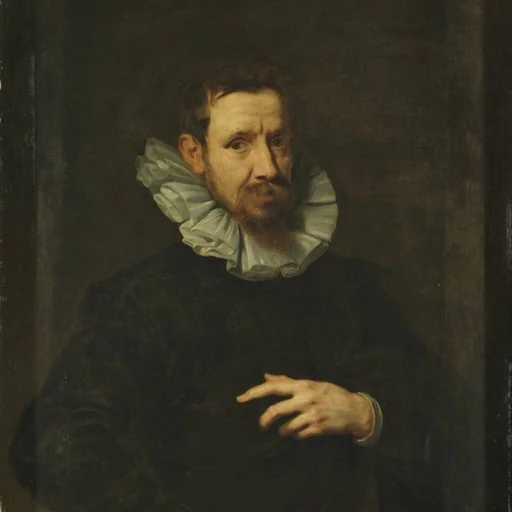
Jan Brueghel the Elder ( BROY-gəl, US also BROO-gəl; Dutch: ; 1568 – 13 January 1625) was a Flemish painter and draughtsman.