Artwork
Der Weg zum Kalvarienberg
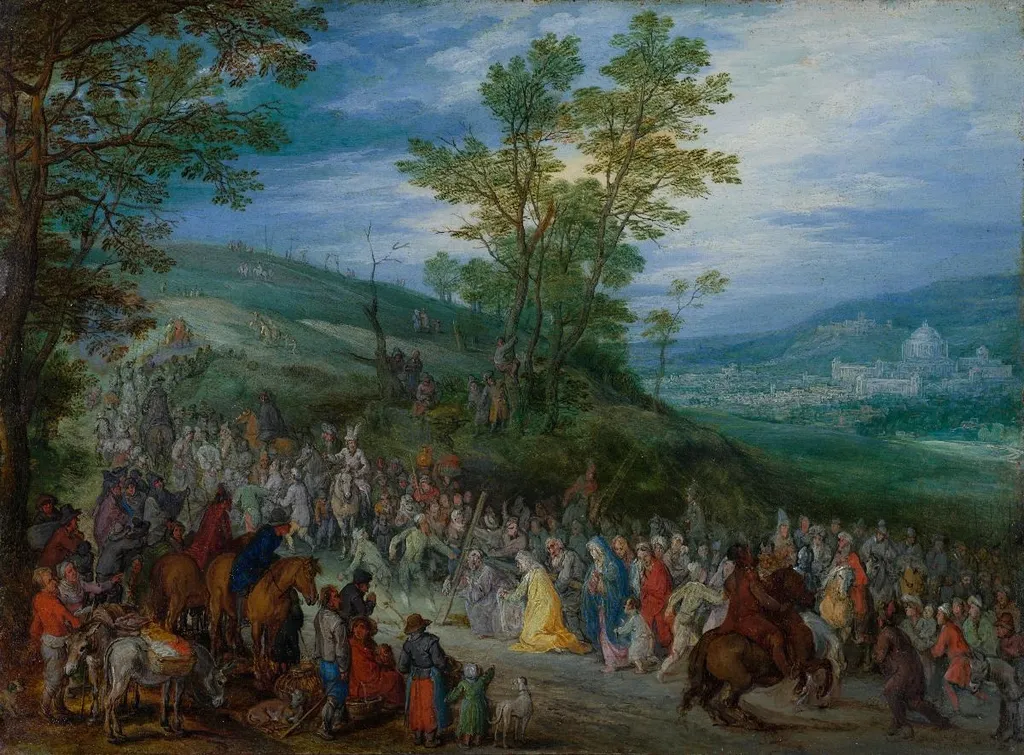
Der Weg zum Kalvarienberg is an oil painting by the Flemish Baroque painting artist Jan Brueghel, the elder. It dates from 1607 and is held in the collection of the Kunsthaus Zürich.
About this work
Overview
Der Weg zum Kalvarienberg, a copper painting from 1607, exemplifies the Flemish Baroque style. Created by Jan Brueghel the Elder, it showcases his meticulous and detailed artistic approach.
Subject & Meaning
The painting depicts a religious procession en route to Calvary, set amidst a vibrant outdoor scene. Figures on horseback, pedestrians, and bystanders are captured in colorful attire, against a backdrop of trees, hills, a distant cityscape, and a sky with white clouds.
Technique & Style
Brueghel's characteristic miniature-like detail is evident, with an emphasis on rich, vibrant colors—particularly greens, blues, and earth tones—contributing to an overall atmosphere of energy and activity.
History & Provenance
As a prominent Flemish painter and son of Pieter Bruegel the Elder, Jan Brueghel the Elder often collaborated with Peter Paul Rubens, a leading figure in early 17th-century Flemish Baroque. The specific provenance of *Der Weg zum Kalvarienberg* is not detailed here.
Context
This work reflects Brueghel's versatility in subjects, from landscapes to historical and religious themes, aligning with the artistic innovations of the Flemish Baroque movement.
Legacy
While the painting's direct impact is not specified, it contributes to the broader legacy of Jan Brueghel the Elder's detailed, vibrant style within Flemish Baroque, influencing subsequent artistic generations.
Artist & collection
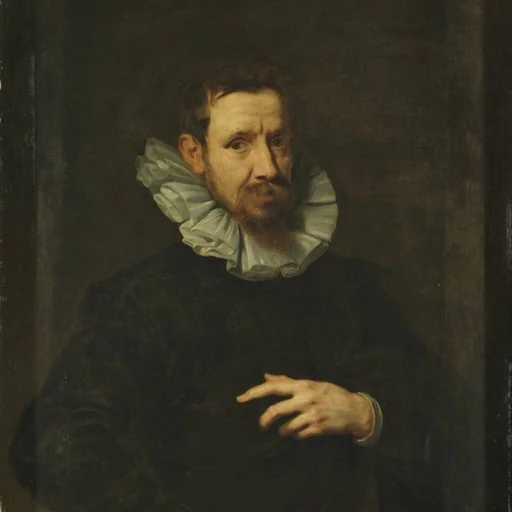
Artist
Jan Brueghel the Elder ( BROY-gəl, US also BROO-gəl; Dutch: ; 1568 – 13 January 1625) was a Flemish painter and draughtsman.

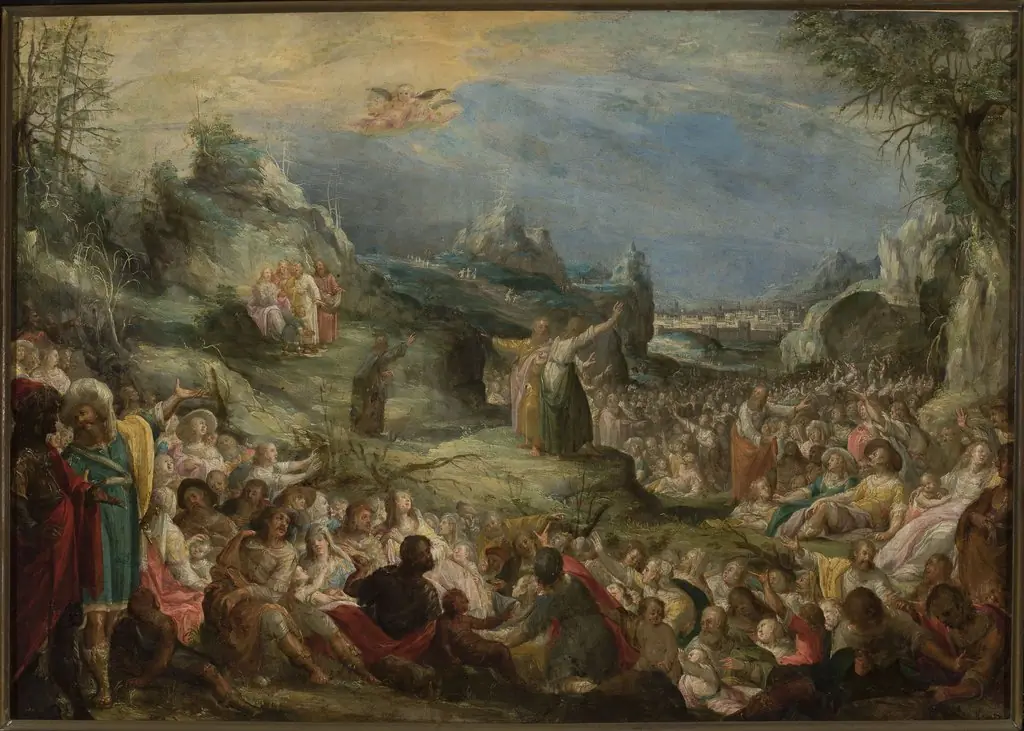 Miracle of the multiplication of bread
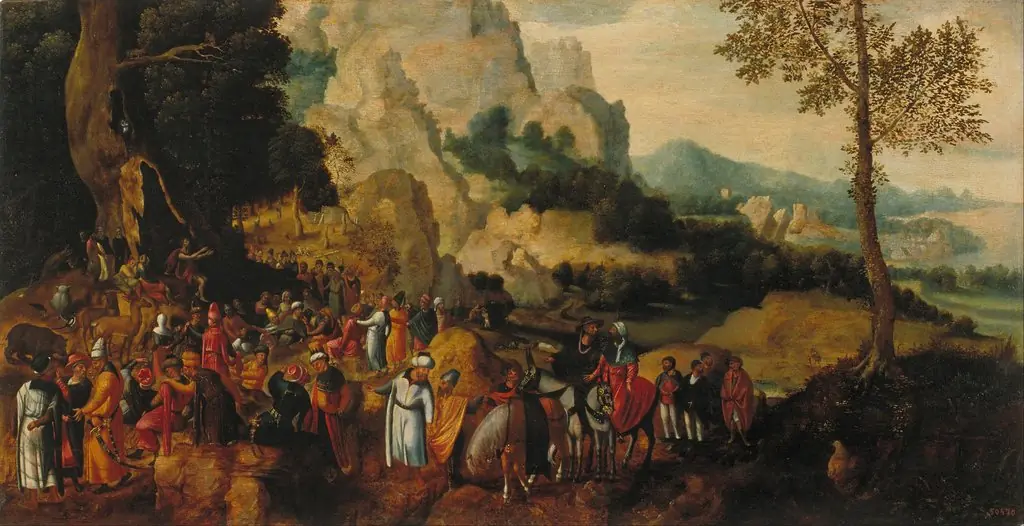 Landscape with Saint John the Baptist Preaching
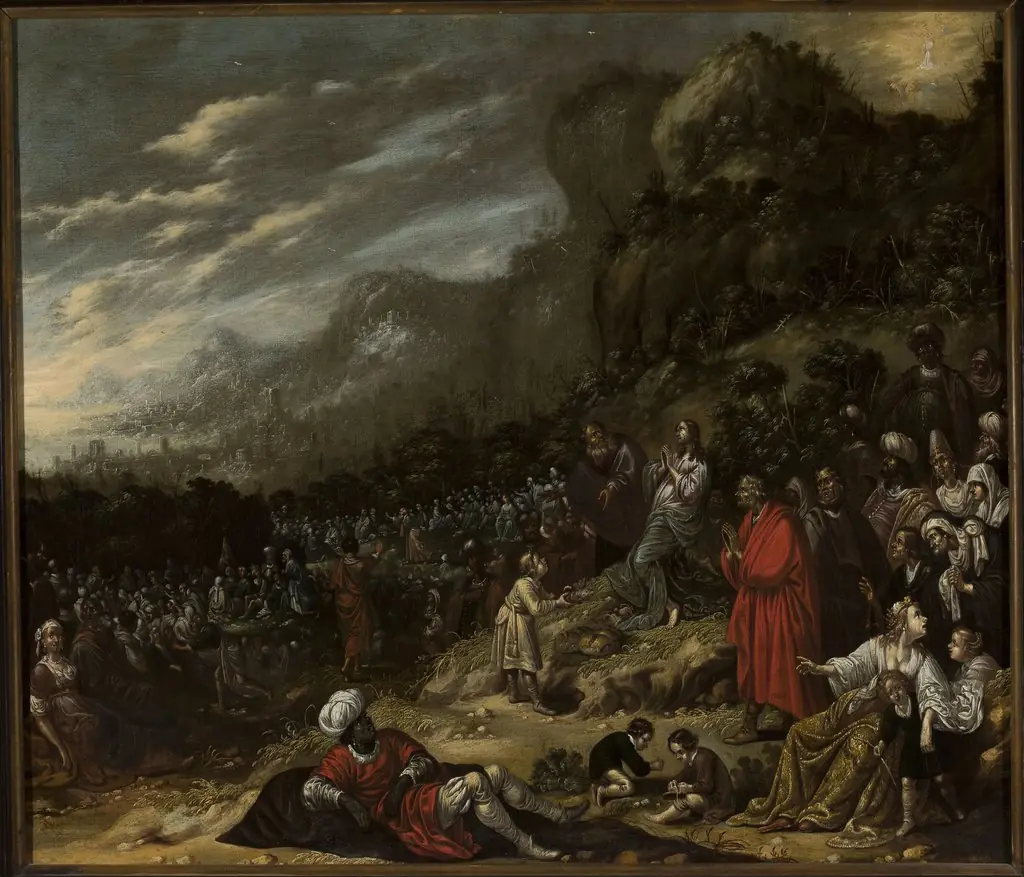 Miracle of the multiplication of bread (John 6:1-13)
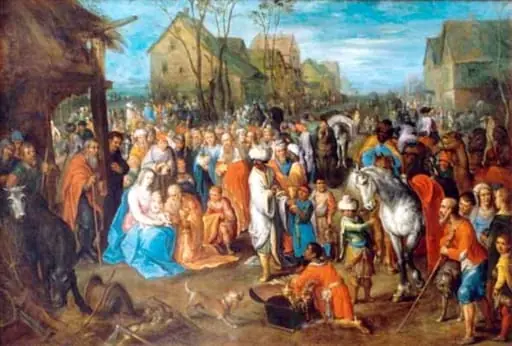 Închinarea magilor
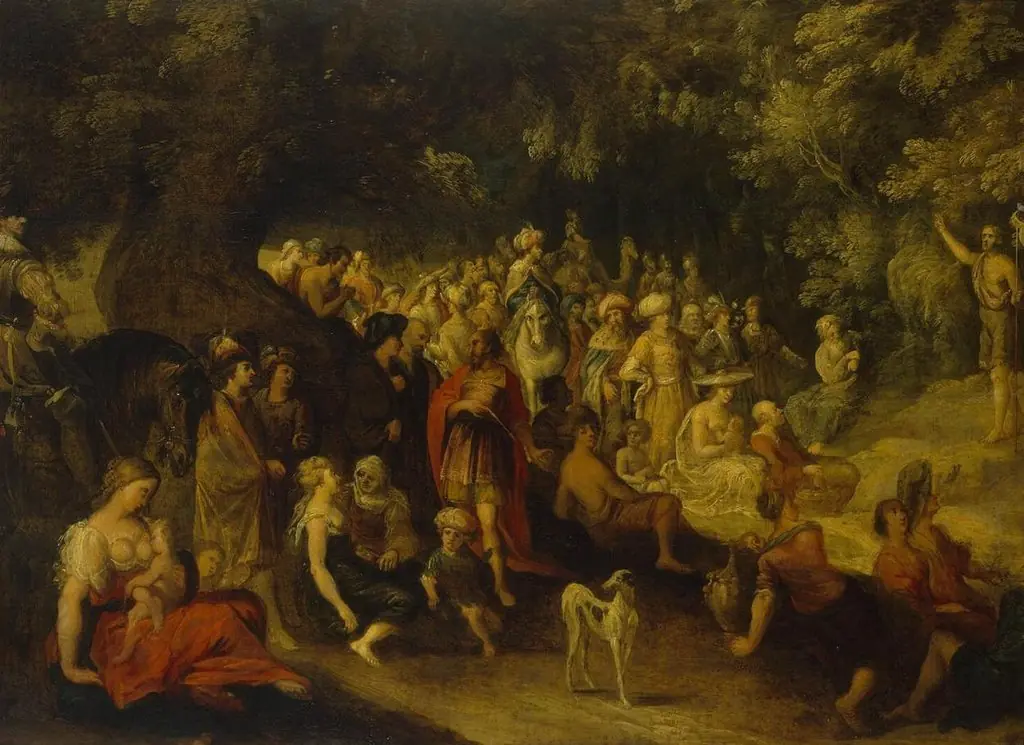 Sermon of St John the Baptist
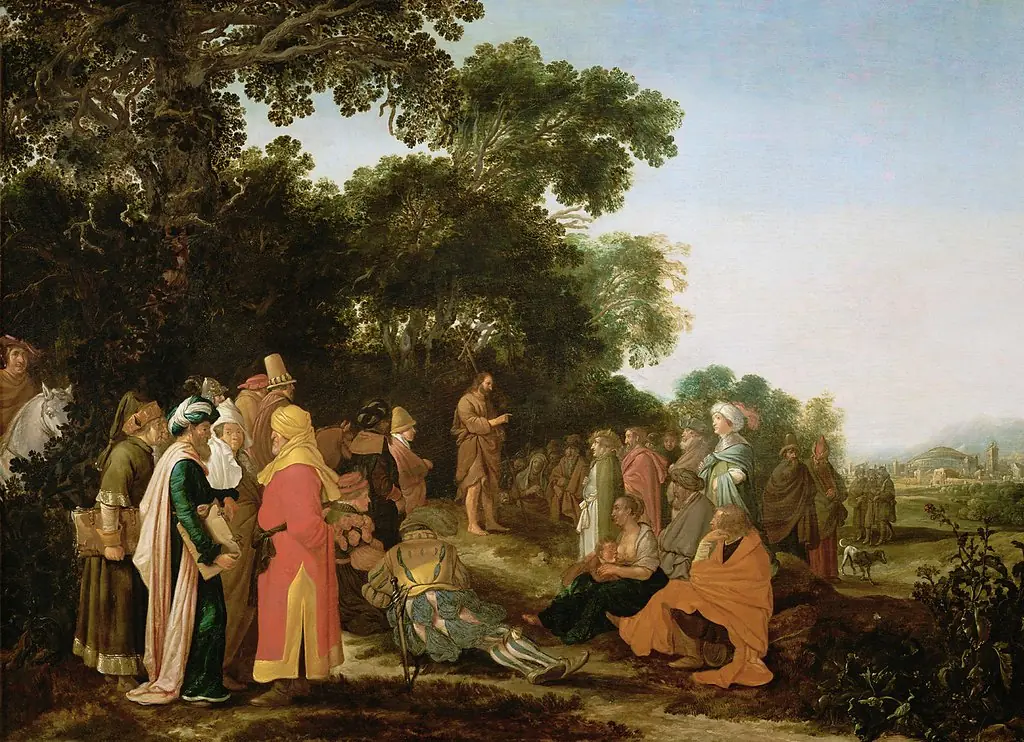 Predigt Johannes des Täufers
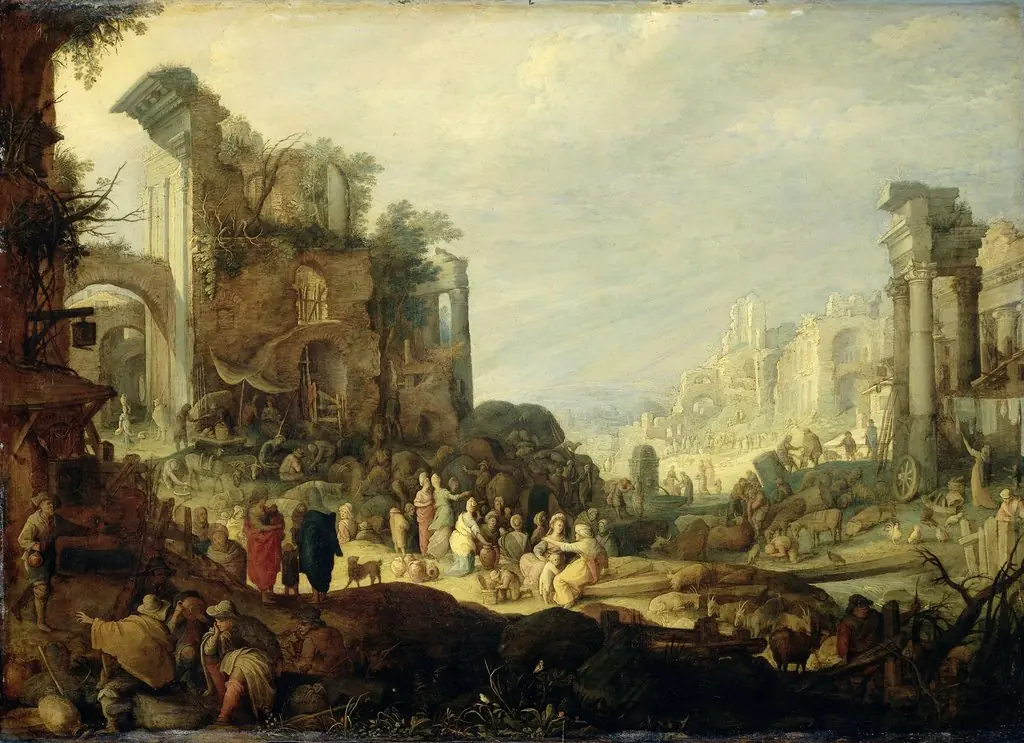 Landscape with Roman Ruins and the Meeting of Rebecca and Eliezer
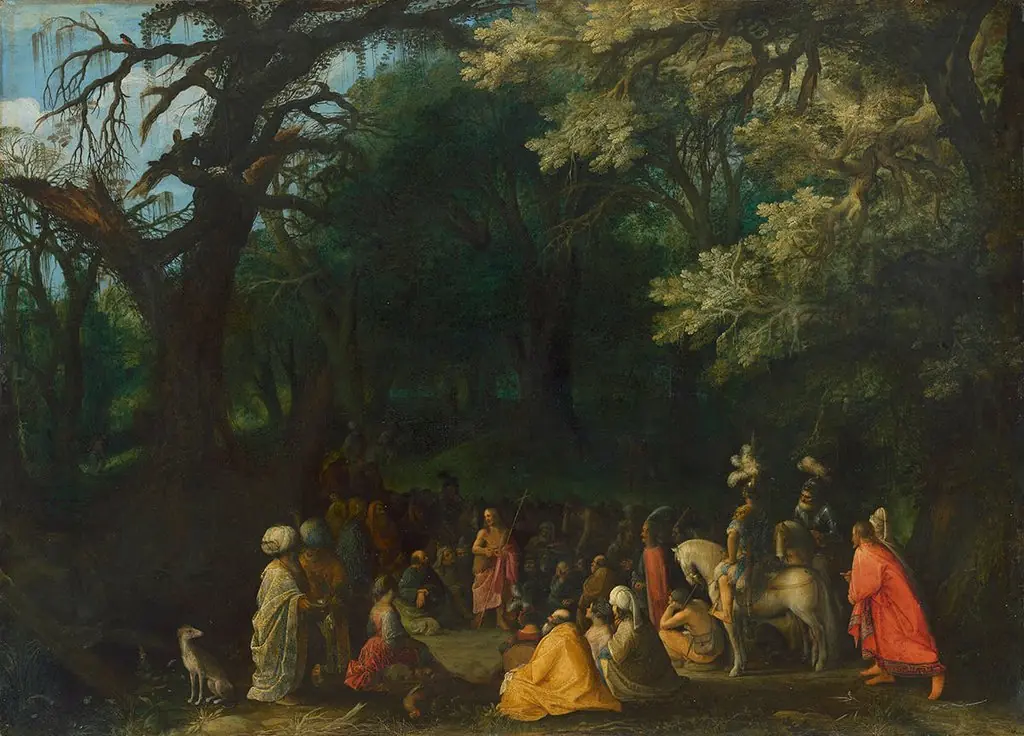 Preaching of John the Baptist
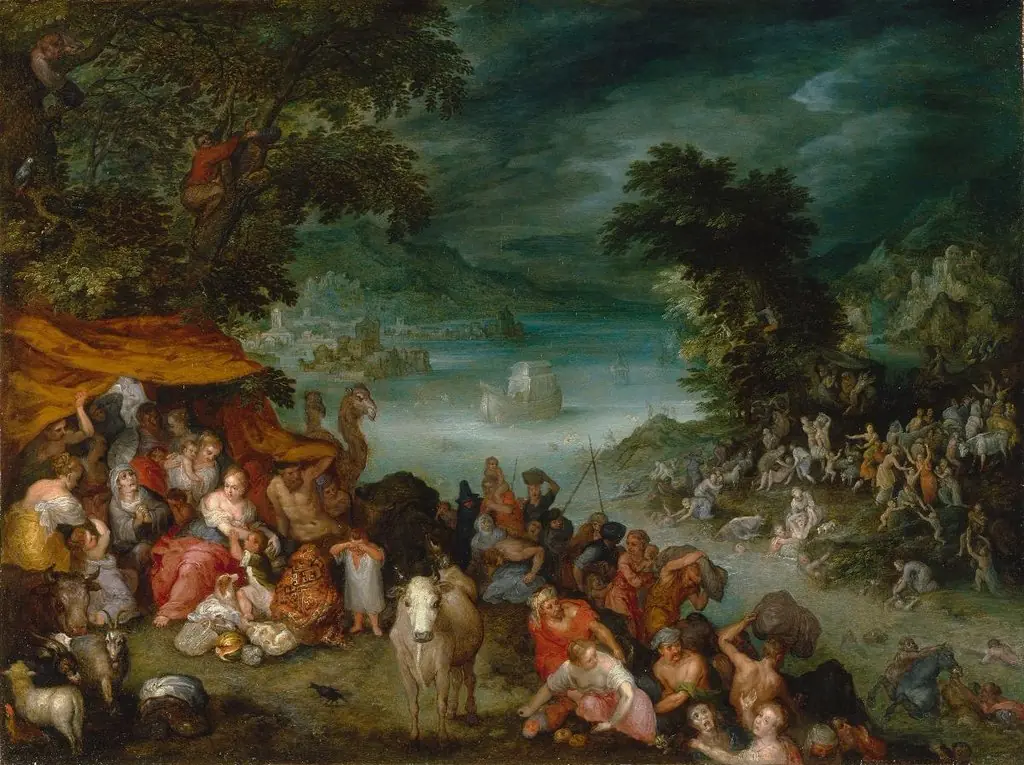 Die Sintflut mit der Arche Noah
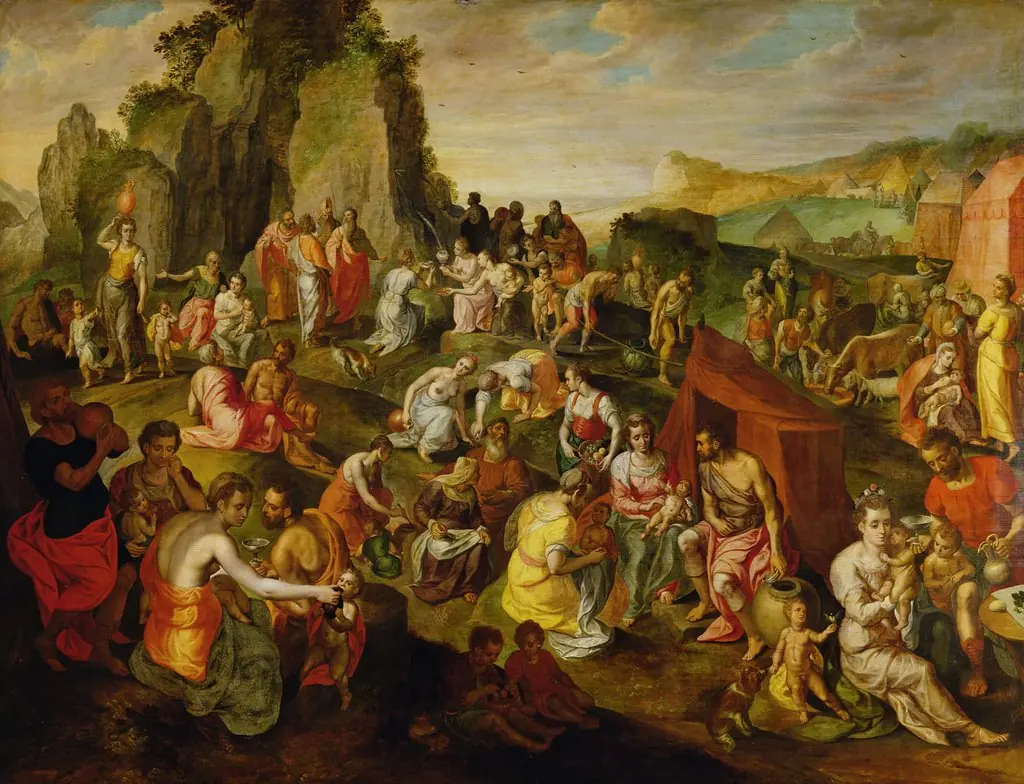 Moses strikes water from the rock
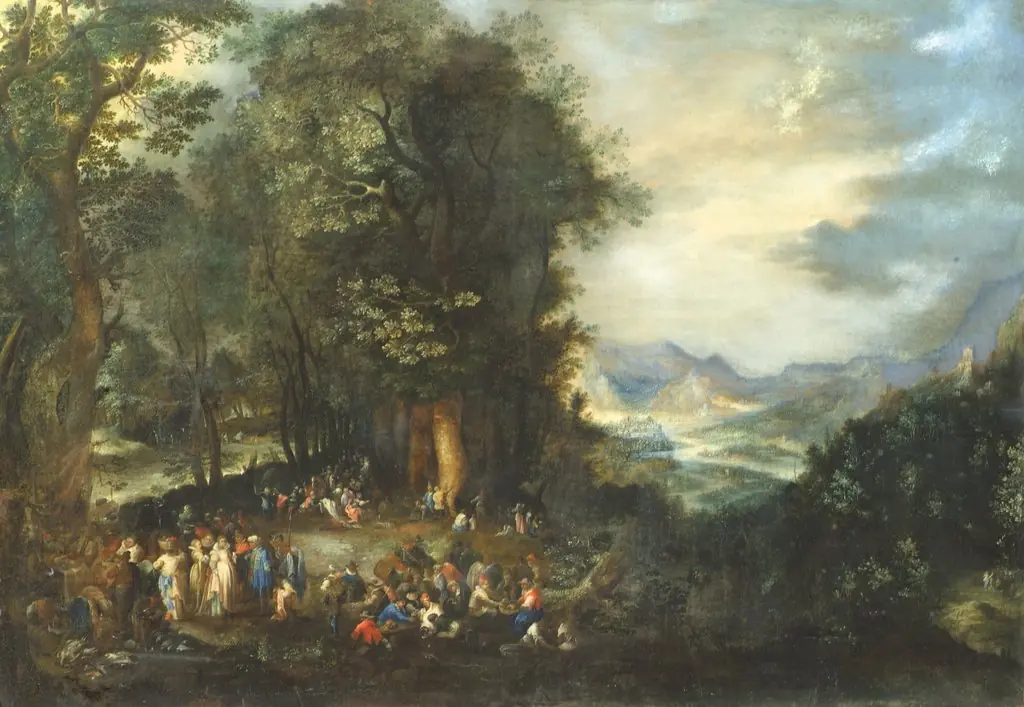 Sutler Camp at the Edge of the Forest
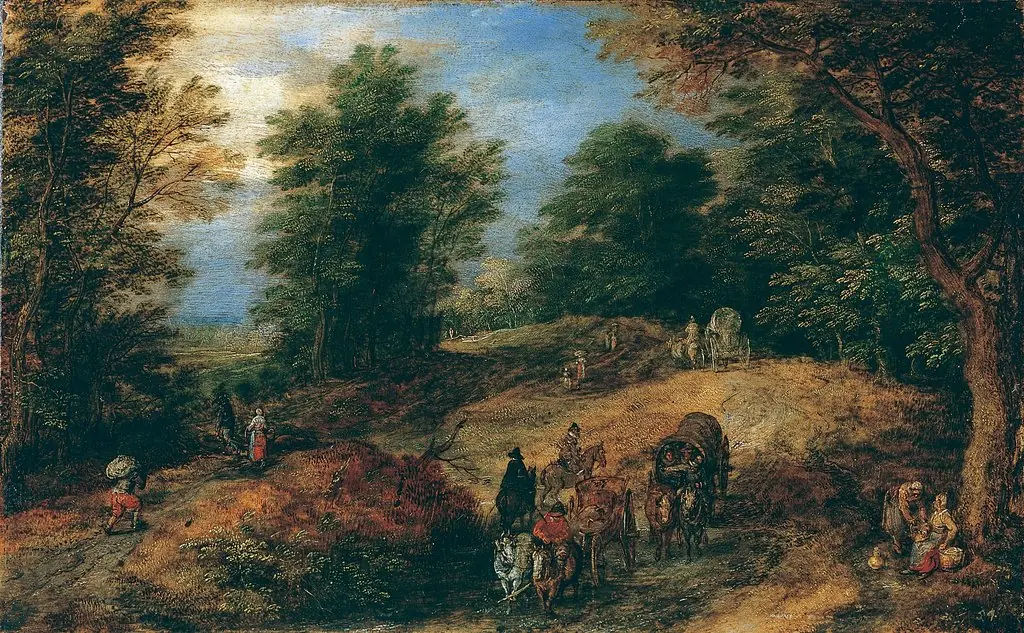
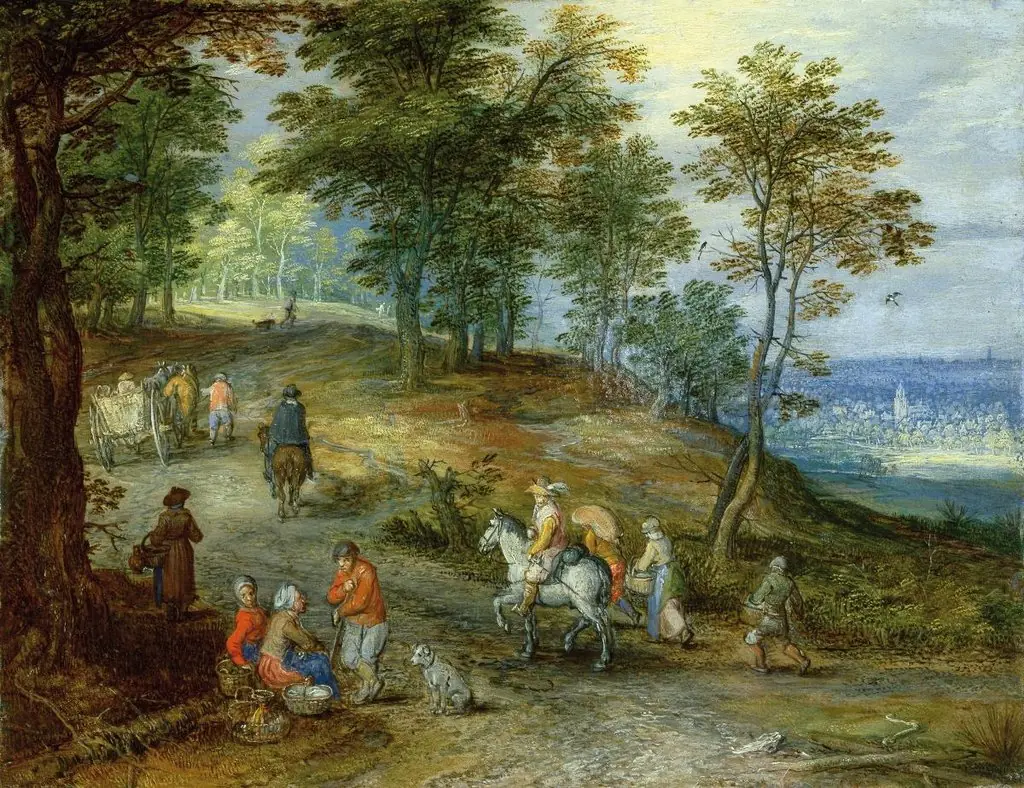 Waldige Landschaft mit Fahrweg