Artwork
The Archdukes hunting in Mariemont
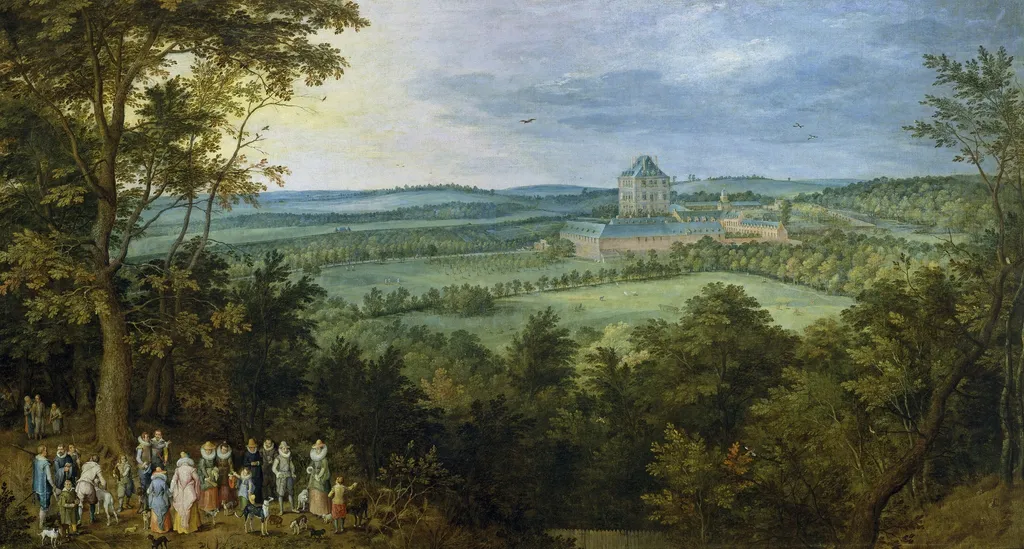
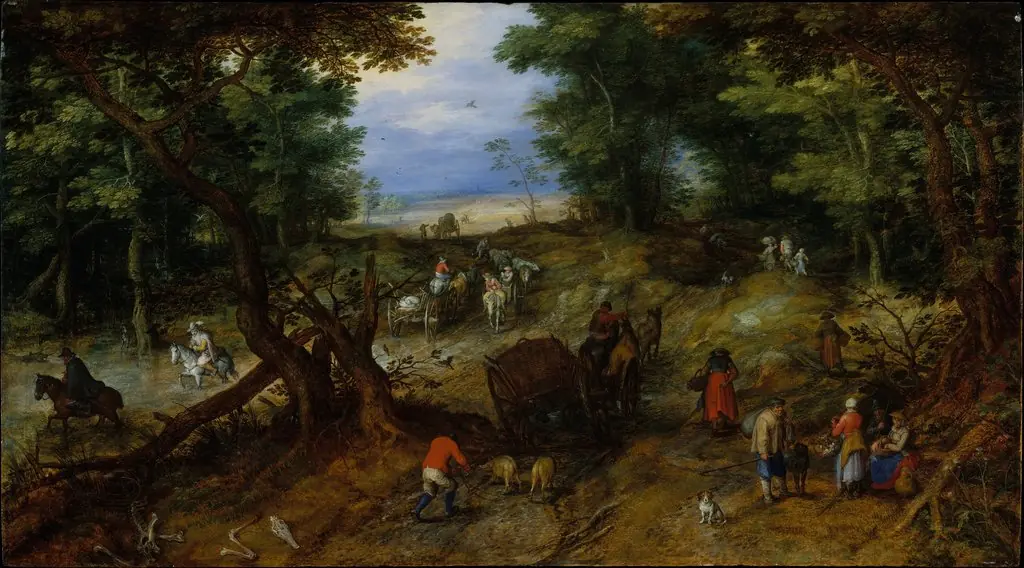
The Archdukes hunting in Mariemont is an oil painting by the Flemish Baroque painting artist Jan Brueghel, the elder. It dates from 1611 and is held in the collection of the Museo del Prado. Painted in 1611 by Jan Brueghel the Elder, this oil-on-panel work captures a hunting expedition at the Mariemont estate.
About this work
Overview
Painted in 1611 by Jan Brueghel the Elder, this oil-on-panel work captures a hunting expedition at the Mariemont estate.
Painted in 1611 by Jan Brueghel the Elder, this oil-on-panel work captures a hunting expedition at the Mariemont estate. A prominent Flemish artist of the early Baroque period, Brueghel specialized in detailed natural landscapes and often collaborated with contemporaries like Rubens. The painting belongs to the Museo del Prado’s collection and exemplifies his refined approach to depicting outdoor aristocratic life with meticulous attention to environment and attire.
Subject & Meaning
The scene portrays Archduke Albert and Archduchess Isabella, rulers of the Spanish Netherlands, engaged in a leisurely hunt near their residence at Mariemont. Their presence underscores the painting’s function as both a record of courtly activity and a symbol of noble authority in harmony with nature. The formal dress of the attendees and the controlled setting suggest ritual rather than chaos, reinforcing the aristocratic ideal of ordered recreation.
Technique & Style
Brueghel employed fine brushwork to render textures with precision: the bark of trees, the sheen of silk garments, and the foliage of the forest are rendered with delicate clarity. His use of color is restrained yet vibrant, with greens and blues dominating the palette to evoke a serene, sunlit woodland. The composition balances human figures within a vast natural setting, emphasizing spatial depth without sacrificing detail.
History & Provenance
Commissioned during the reign of Archdukes Albert and Isabella, the painting was likely created to commemorate their residence at Mariemont, a favored retreat. It remained in Habsburg collections before entering the Spanish royal holdings, eventually finding its place in the Museo del Prado. Its survival through centuries reflects its status as a valued court document rather than a mere decorative piece.
Context
In early 17th-century Flanders, landscape painting evolved beyond mere backdrop to become a vehicle for political and social expression. Brueghel’s work aligned with a broader trend among elite patrons to commission scenes that linked their identity with cultivated nature. His detailed style contrasted with the dramatic intensity of contemporaries like Rubens, offering instead a quiet, observant realism.
Legacy
The painting stands as a testament to Brueghel’s influence on Flemish landscape tradition. His ability to merge topographical accuracy with aesthetic harmony set a standard for later generations of Northern European painters. Though less theatrical than Baroque peers, his works continue to be studied for their nuanced portrayal of environment and social ritual.
Artist & collection
Artist
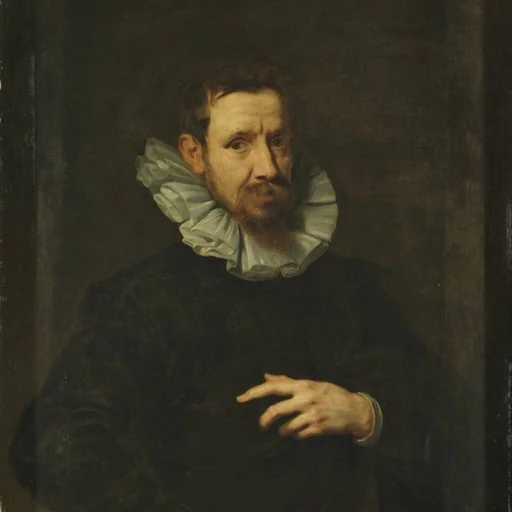
Jan Brueghel the Elder ( BROY-gəl, US also BROO-gəl; Dutch: ; 1568 – 13 January 1625) was a Flemish painter and draughtsman.

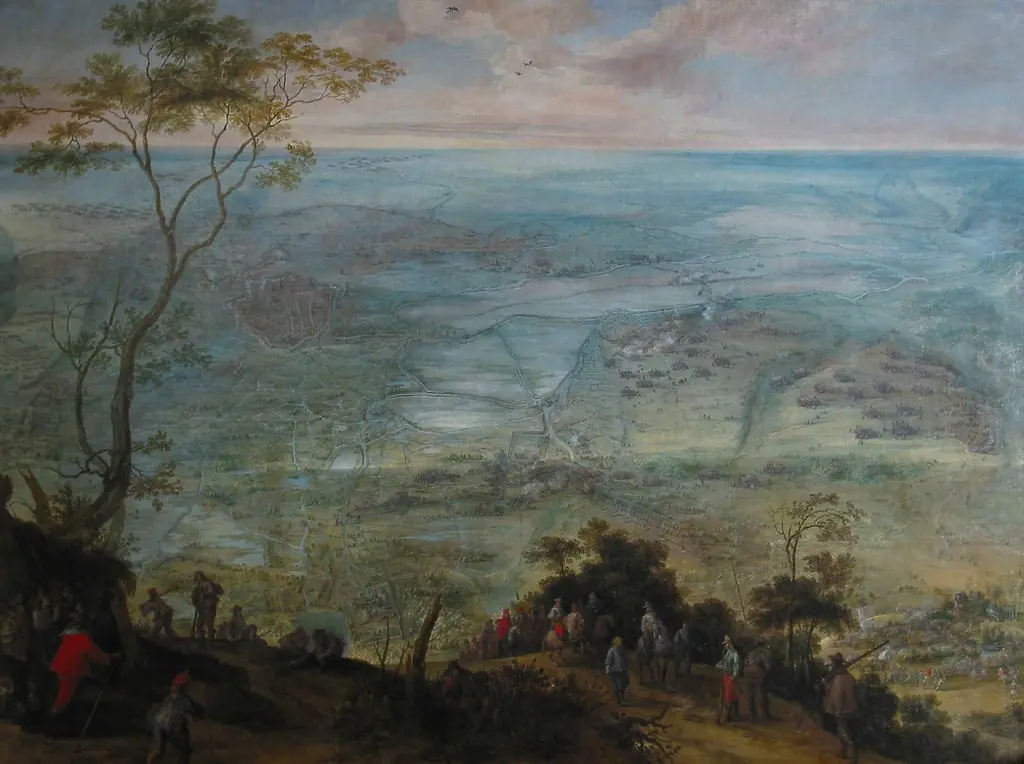 Relief from Saint-Omer, 12 July 1638
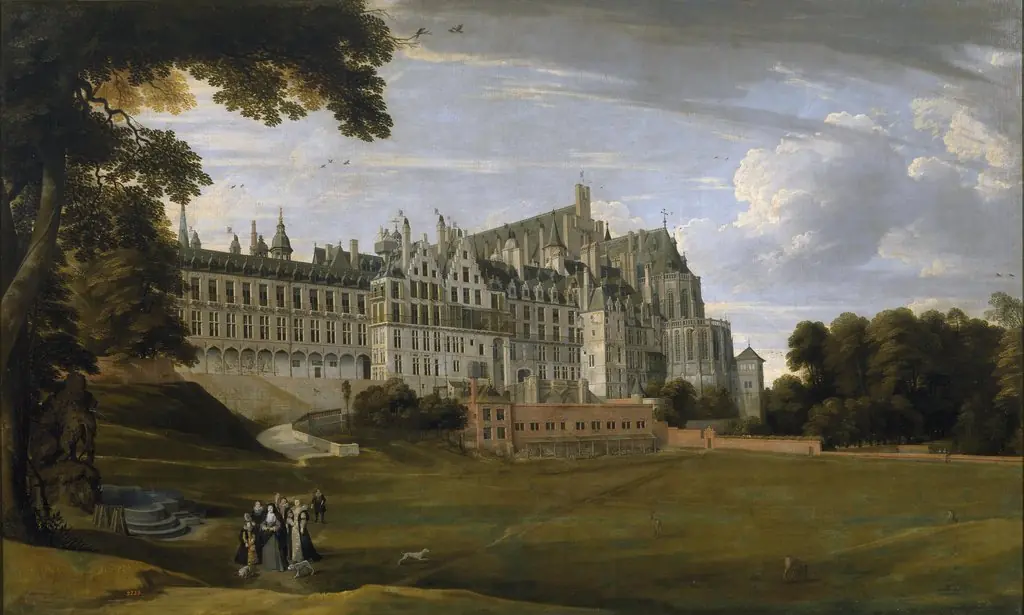 The Royal Palace in Brussels (The Palace of Coudenberg)
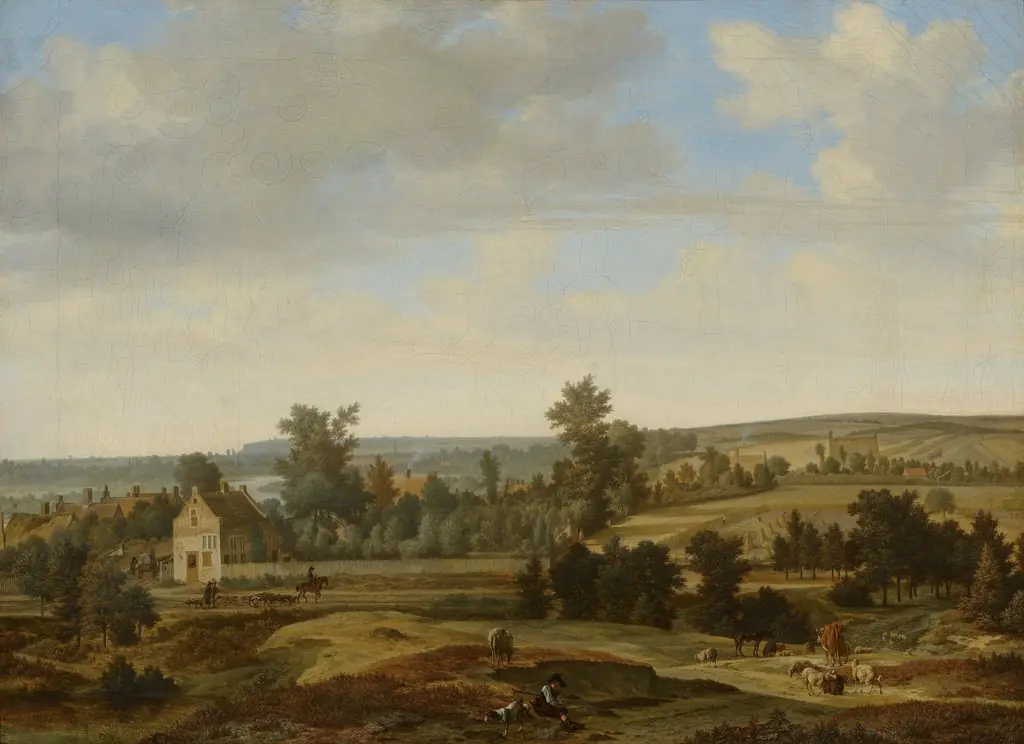 Panorama near Arnhem
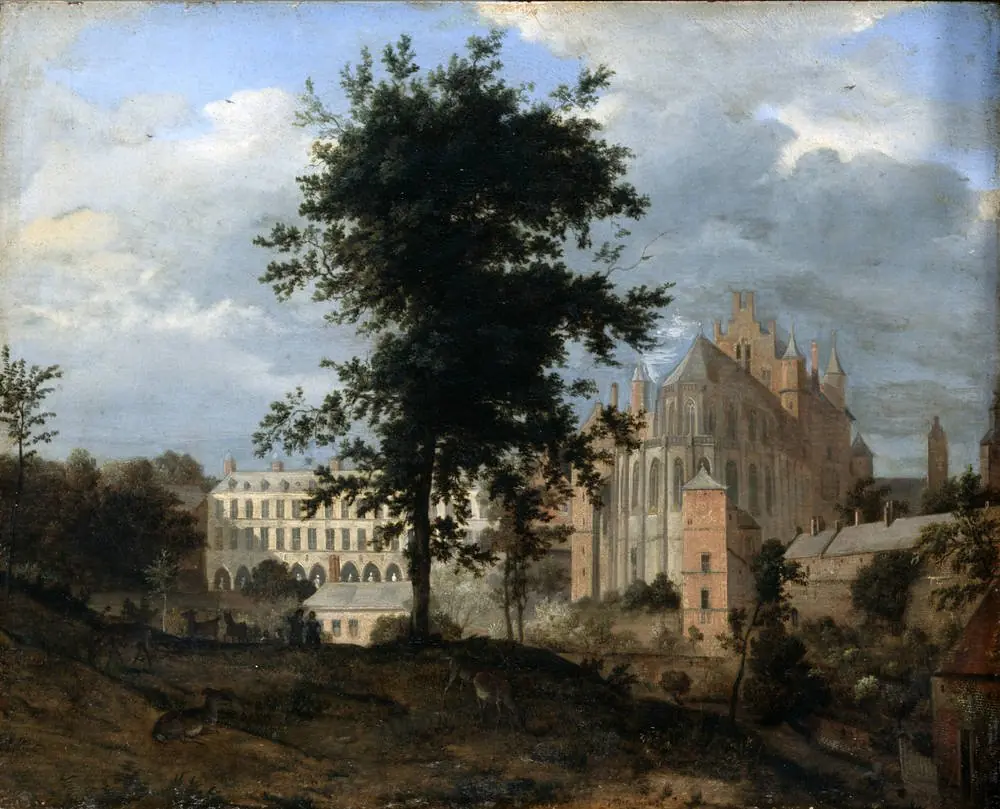 The Old Palace in Brussels
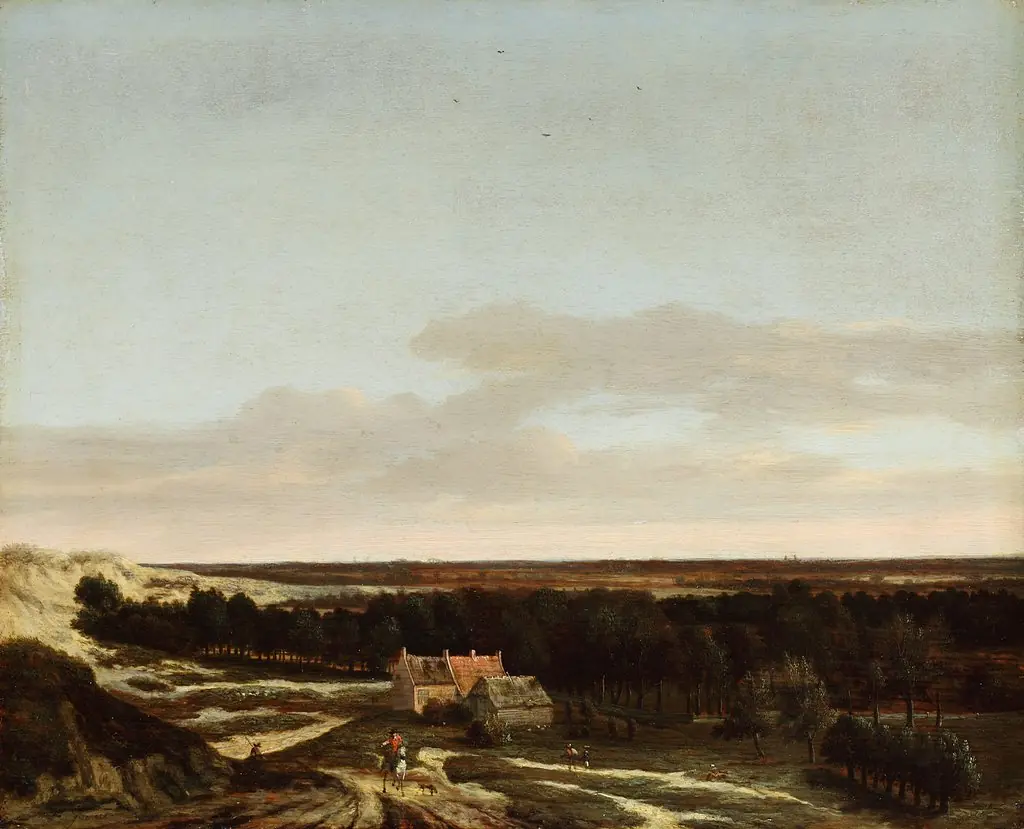 Dune Landscape with a Farmstead
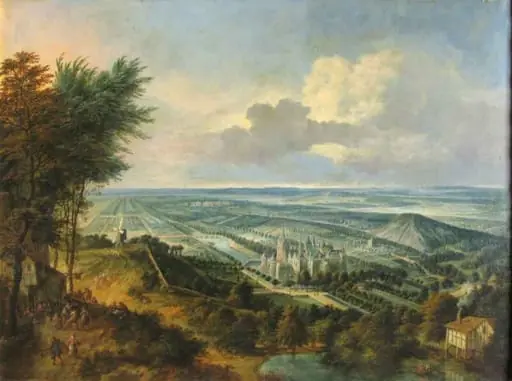 Peisaj englez cu castel
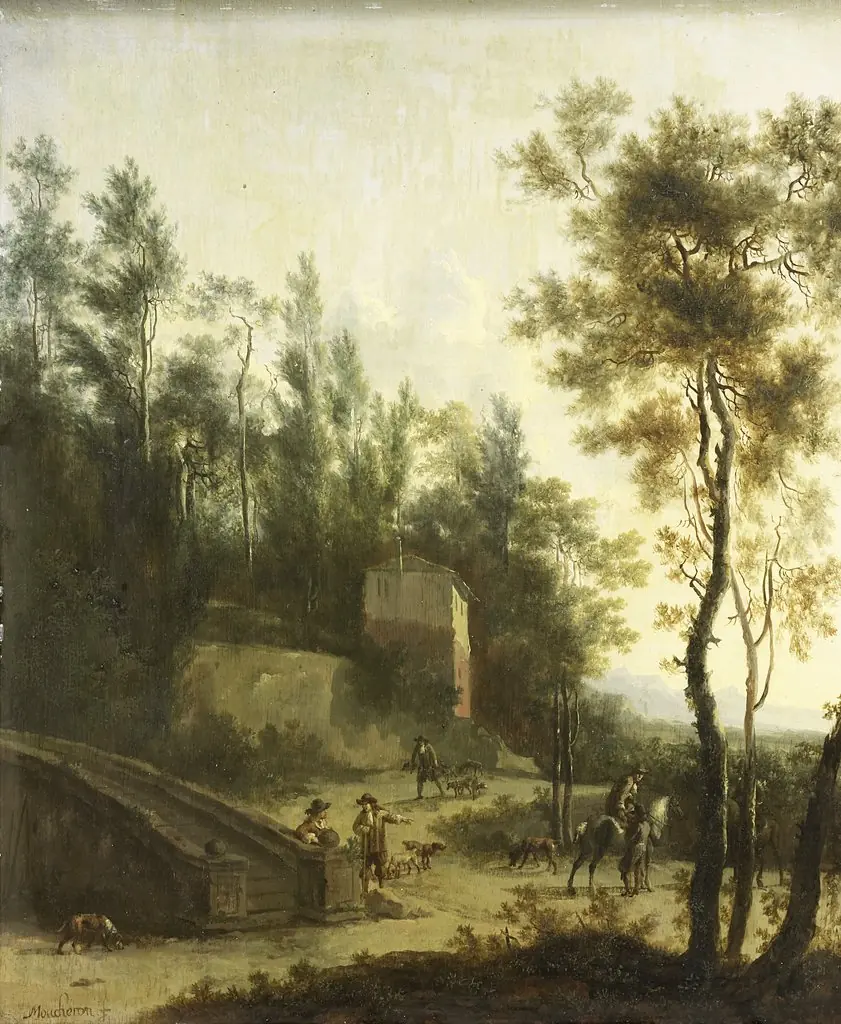 Italian landscape with hunters
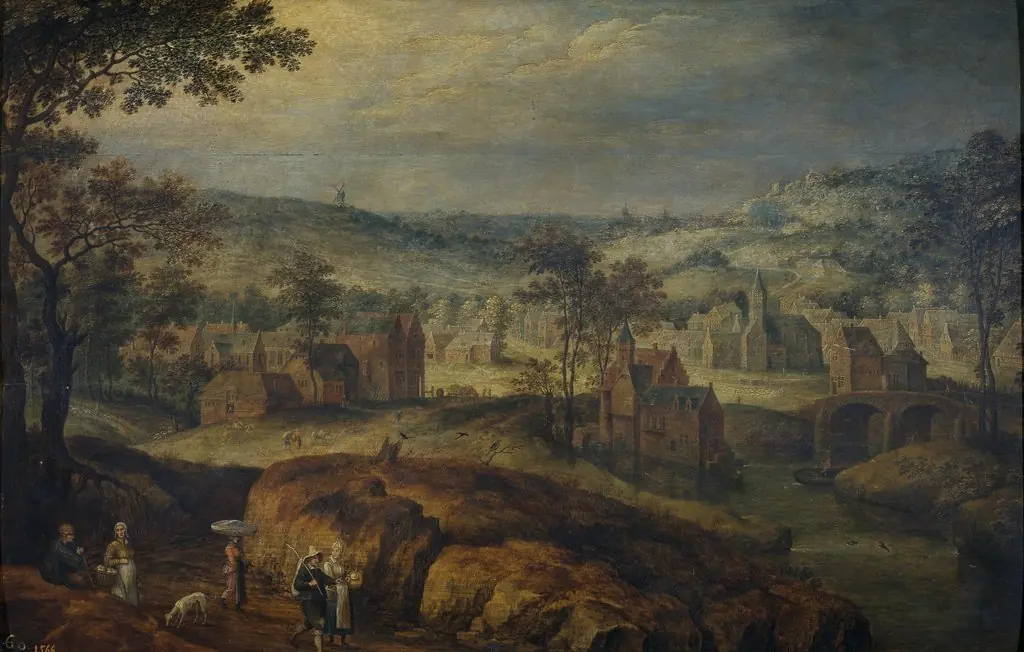 Landscape with village
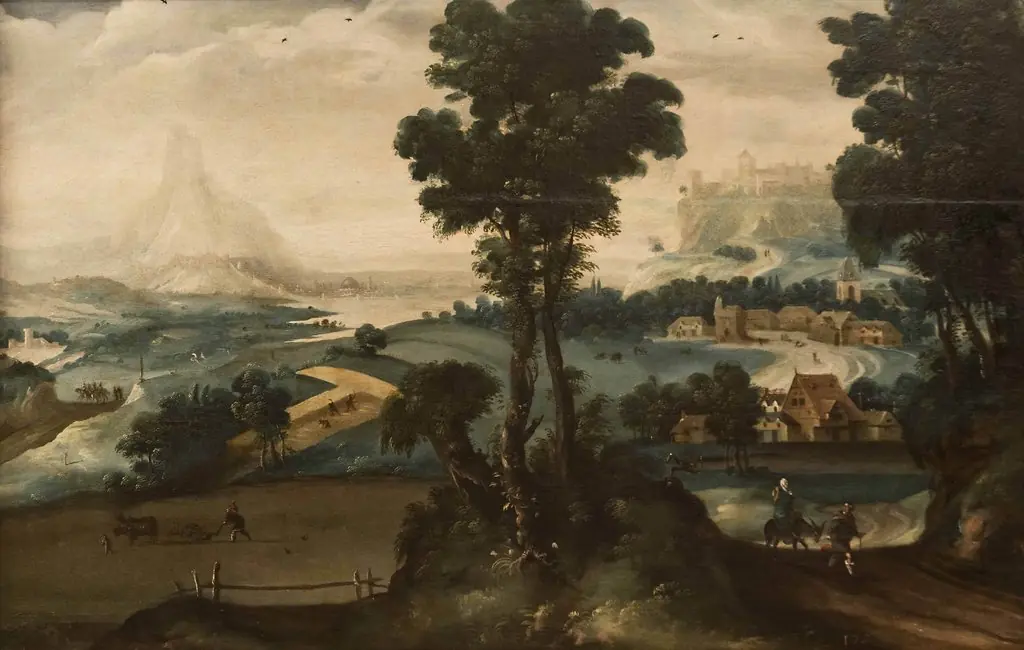 Landscape with The Flight into Egypt
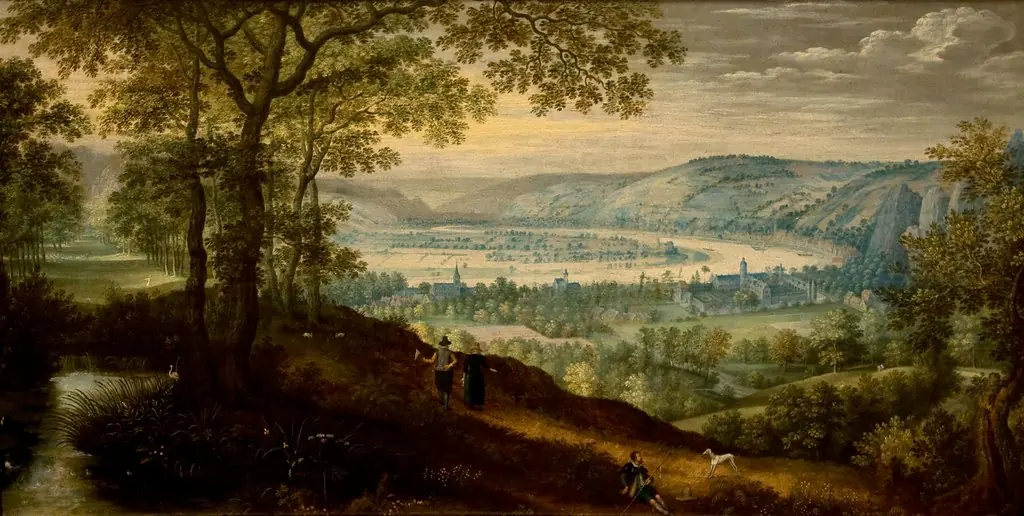 Landscape near Dinant
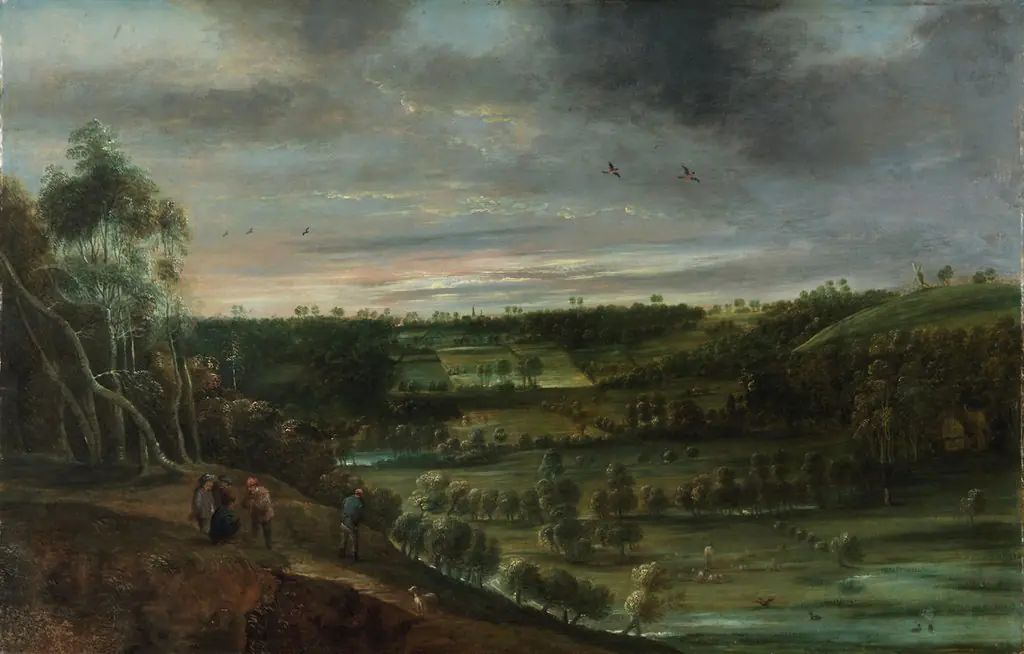 Evening Landscape
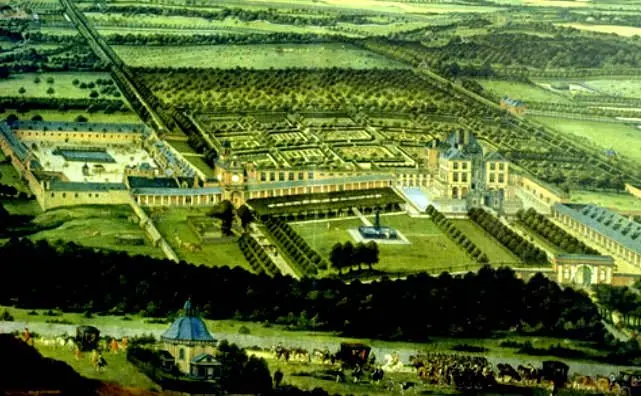 Chateau de Mariemont