Artwork
The penitent Mary Madeleine
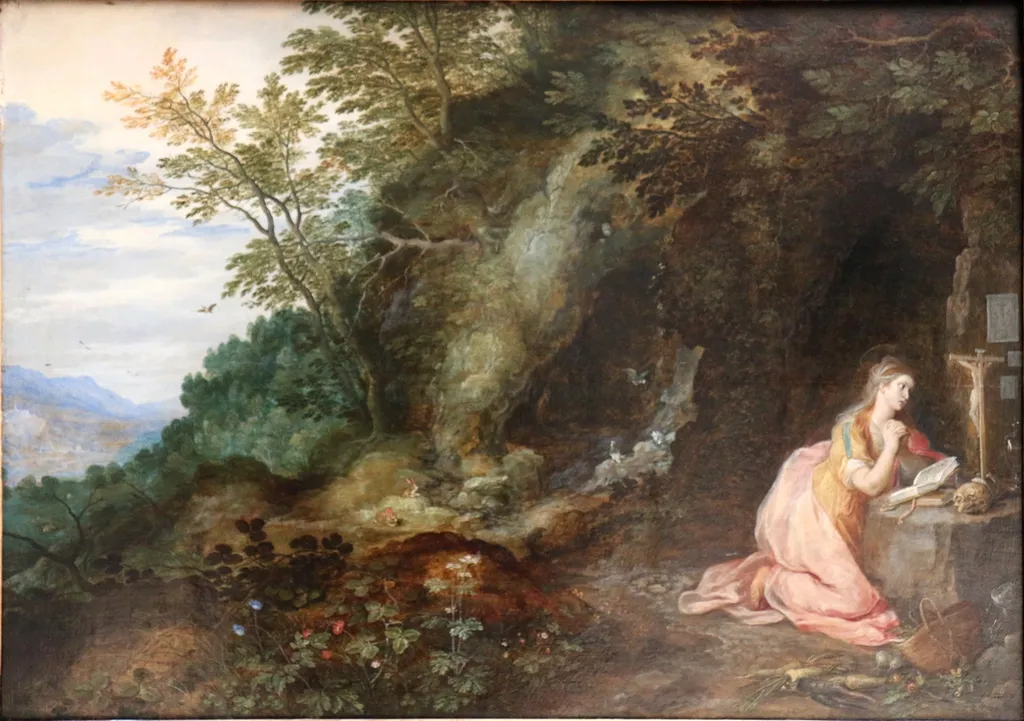
The penitent Mary Madeleine is an unspecified painting by the Flemish Baroque painting artist Jan Brueghel, the elder. It dates from 1606 and is held in the collection of the Royal Museums of Fine Arts of Belgium. Painted around 1606 by Jan Brueghel the Elder, this work belongs to the early Flemish Baroque tradition.
About this work
Overview
A prominent figure in Antwerp’s artistic circles, Brueghel was known for his meticulous detail and collaboration with contemporaries like Rubens.
Painted around 1606 by Jan Brueghel the Elder, this work belongs to the early Flemish Baroque tradition. A prominent figure in Antwerp’s artistic circles, Brueghel was known for his meticulous detail and collaboration with contemporaries like Rubens. The painting presents a quiet, introspective religious scene, characteristic of devotional imagery favored in Counter-Reformation Flanders. It remains part of the Royal Museums of Fine Arts of Belgium’s collection.
Subject & Meaning
The figure is Mary Magdalene, depicted not in grandeur but in solitude, embodying penitence. She sits on the earth, dressed in a soft pink robe, her gaze lowered as she holds a book—likely the Bible—suggesting contemplation and spiritual reflection. A basket of vegetables nearby hints at her renunciation of worldly luxury, while the distant cross reinforces the theme of redemption through Christ.
Technique & Style
Brueghel employs fine brushwork to render textures: the fabric of her dress, the roughness of the cliff, the softness of foliage. Light falls gently across her form, creating subtle chiaroscuro that draws attention without dramatic contrast. The sky, rendered in pale blues and whites, recedes with atmospheric precision, enhancing the painting’s quiet intimacy and spatial depth.
History & Provenance
Created during Brueghel’s mature period, the painting reflects his established reputation in Antwerp. It entered the Royal Museums of Fine Arts of Belgium’s holdings through institutional acquisitions, likely from private collections that preserved Flemish religious art through the 18th and 19th centuries. No significant alterations or reattributions are recorded in its documented history.
Context
In early 17th-century Flanders, religious imagery emphasized personal devotion amid Counter-Reformation pressures. Mary Magdalene, as a reformed sinner, was a popular subject for encouraging spiritual renewal. Brueghel’s approach—calm, detailed, and untheatrical—aligns with a broader trend among Flemish artists who favored introspection over spectacle in sacred scenes.
Legacy
Though less celebrated than his mythological or floral works, this painting exemplifies Brueghel’s skill in conveying quiet religious emotion. It influenced later Flemish painters who favored intimate devotional compositions. Its preservation in a major public collection ensures continued study of how early Baroque artists balanced naturalism with spiritual symbolism.
Artist & collection
Artist
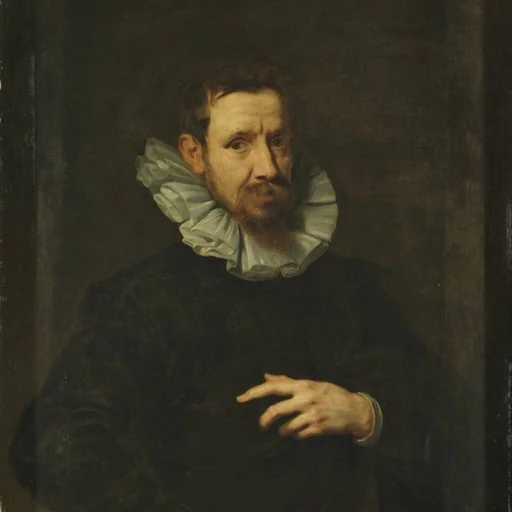
Jan Brueghel the Elder ( BROY-gəl, US also BROO-gəl; Dutch: ; 1568 – 13 January 1625) was a Flemish painter and draughtsman.

Museum
Royal Museums of Fine Arts of Belgium
Continue through works from the same source collection.
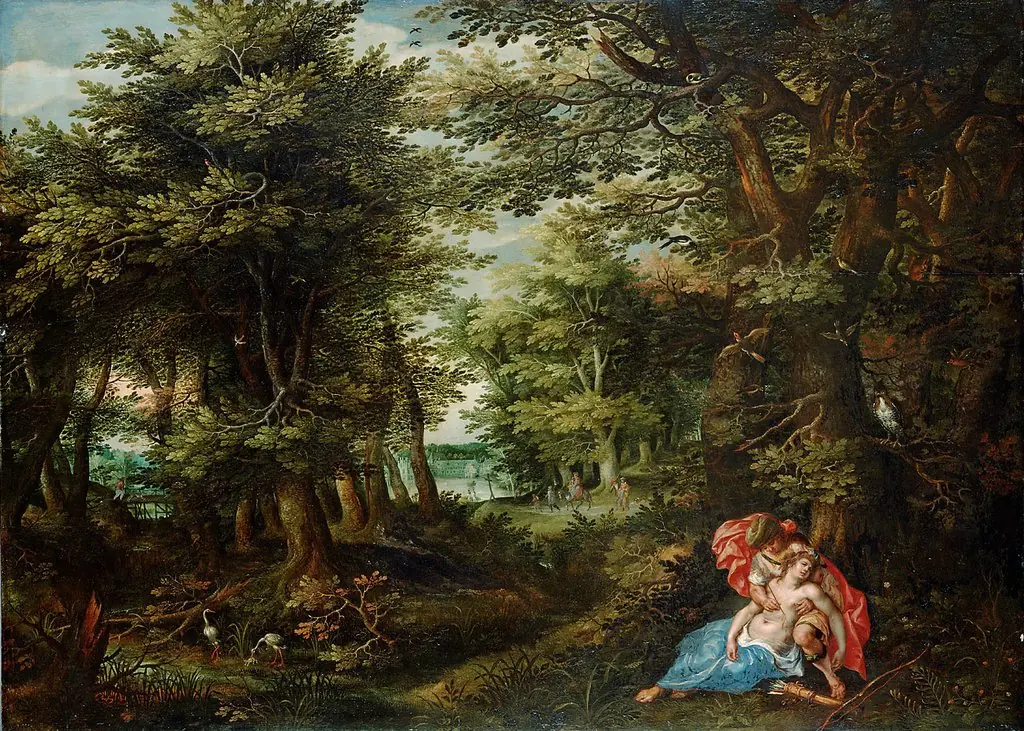 Landscape with Cephalus and Procris
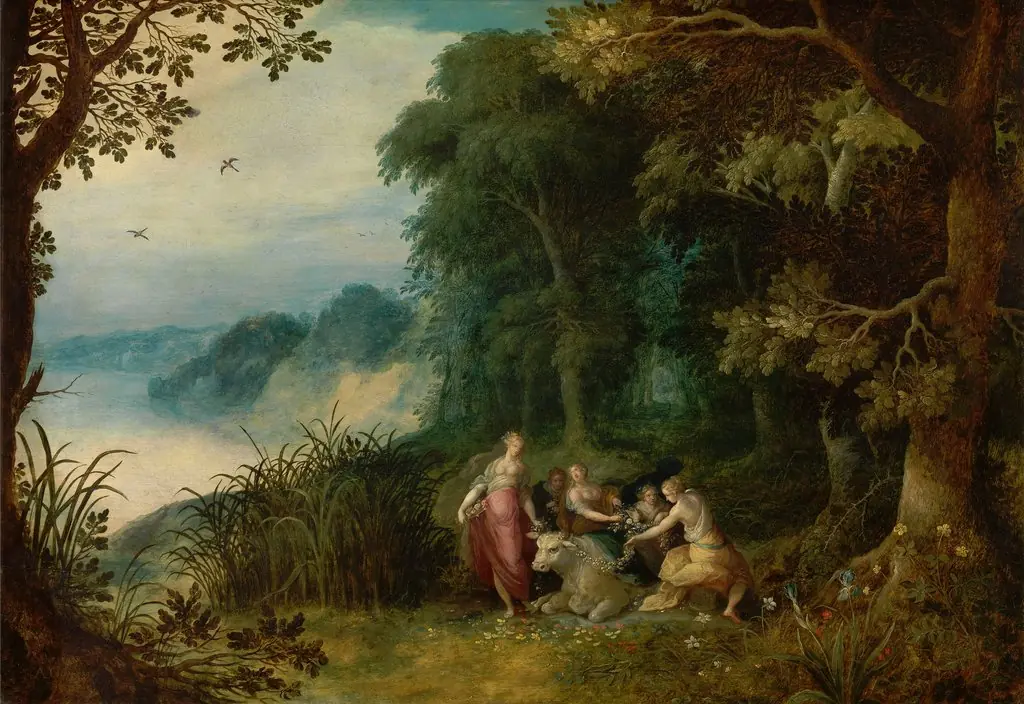 The rape of Europa
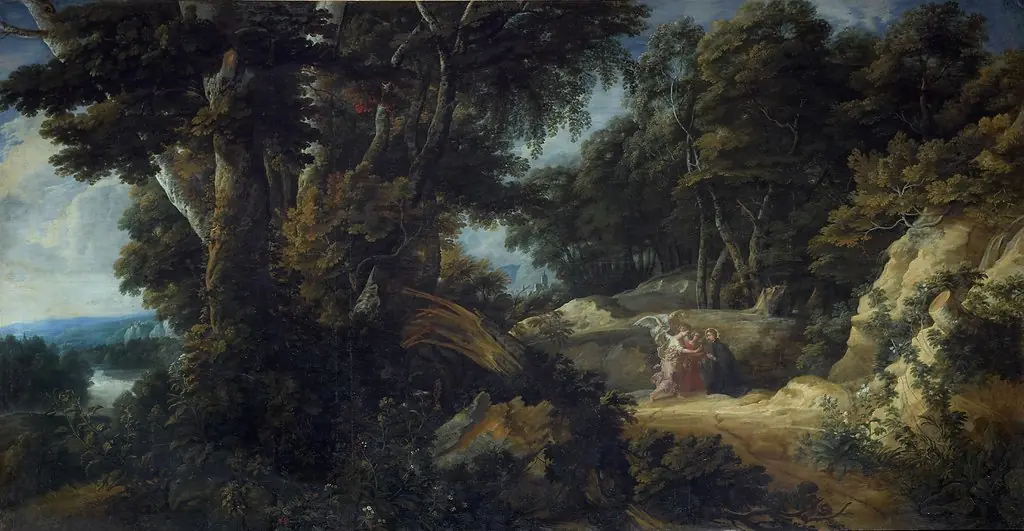 Extensive forest landscape with St. Stanisław Kostka
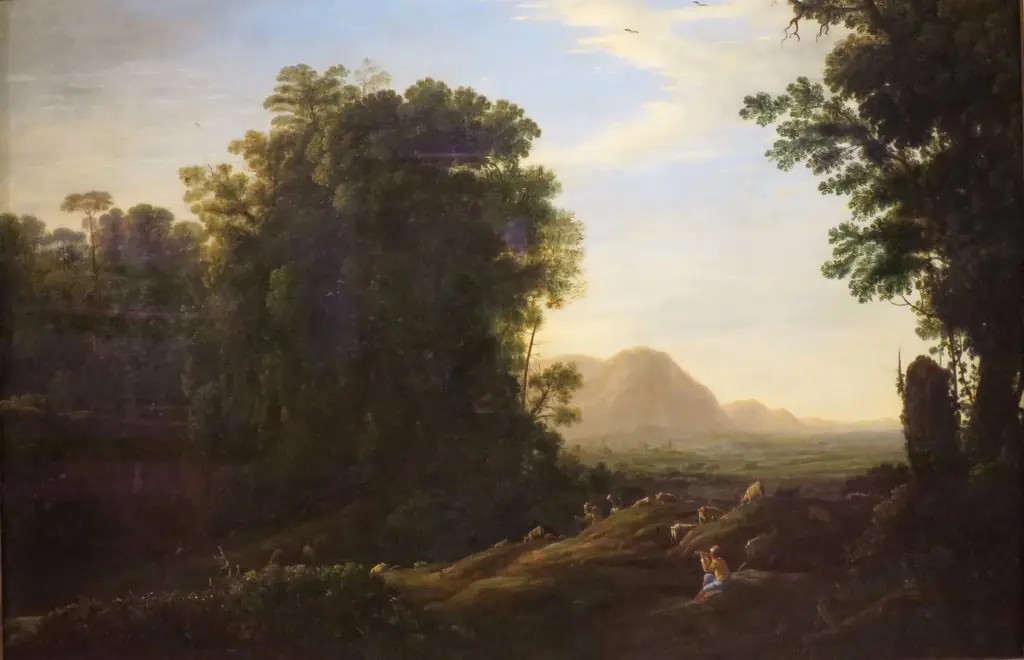 Landscape with a Piping Shepherd
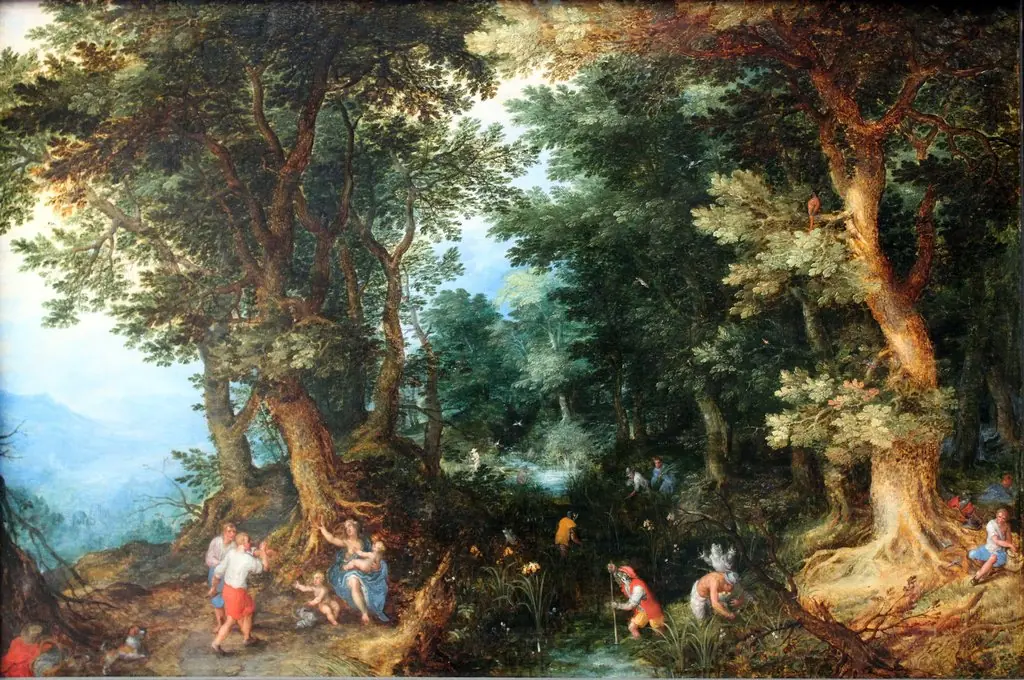 The Mocking of Latona
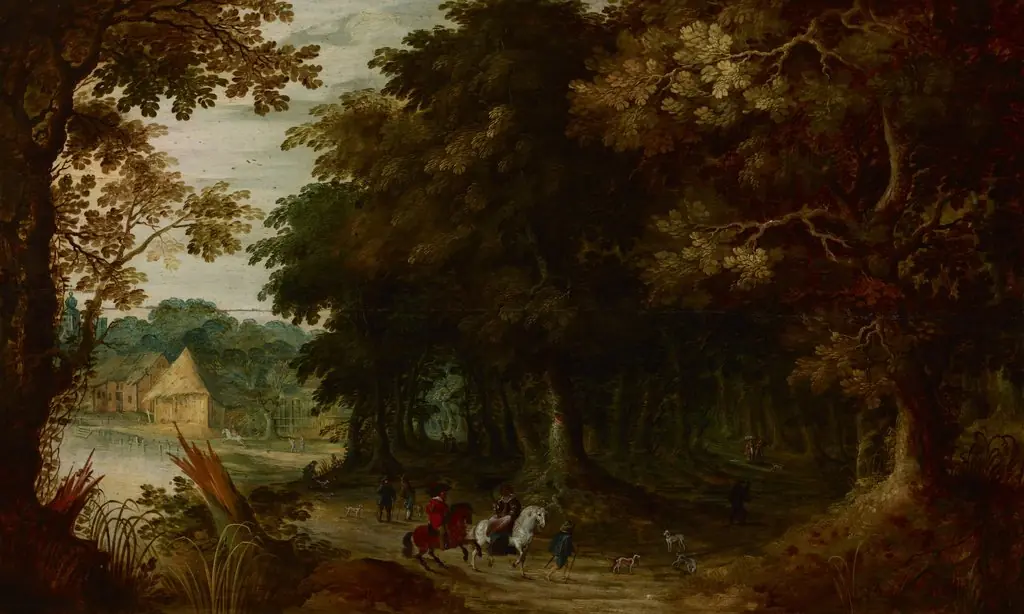 Landscape – Walk through a Forest
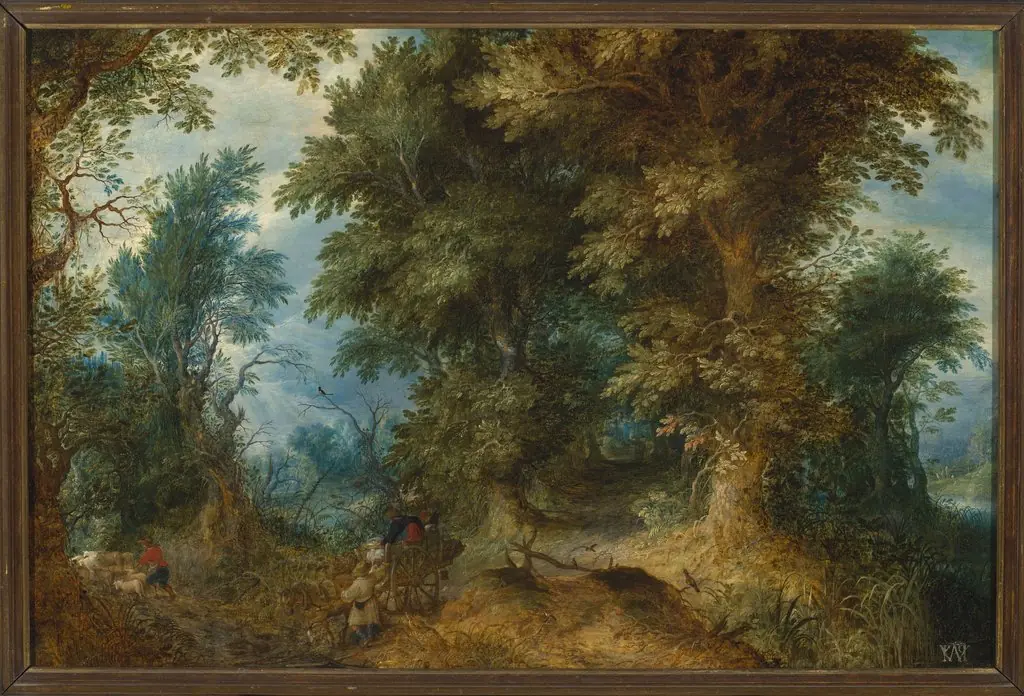 Forest landscape
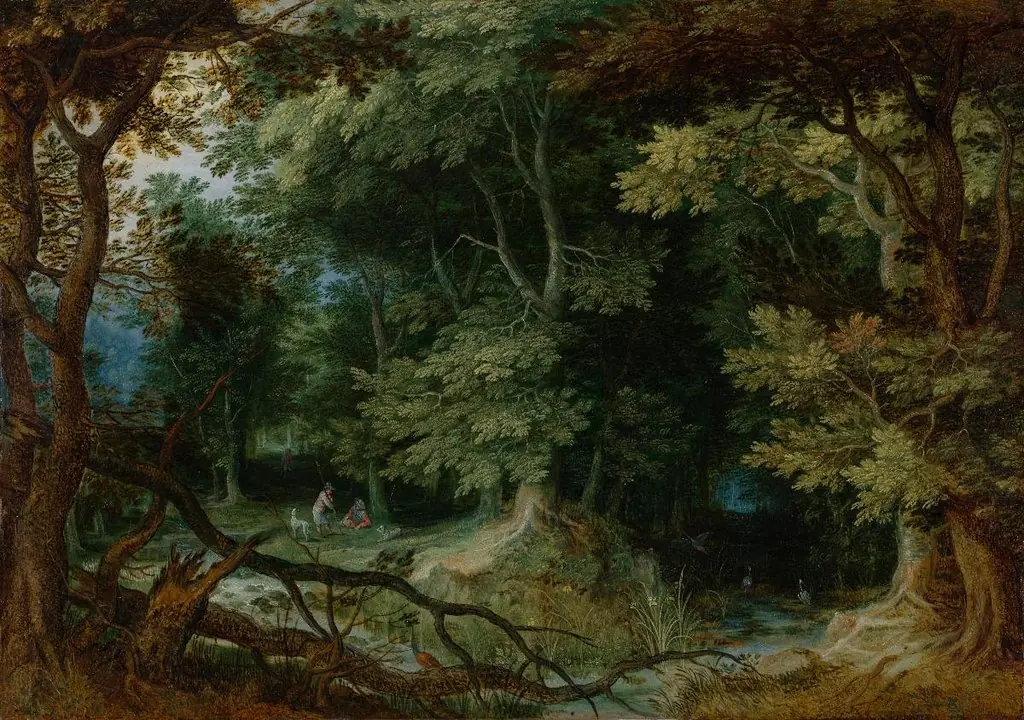 Waldinneres
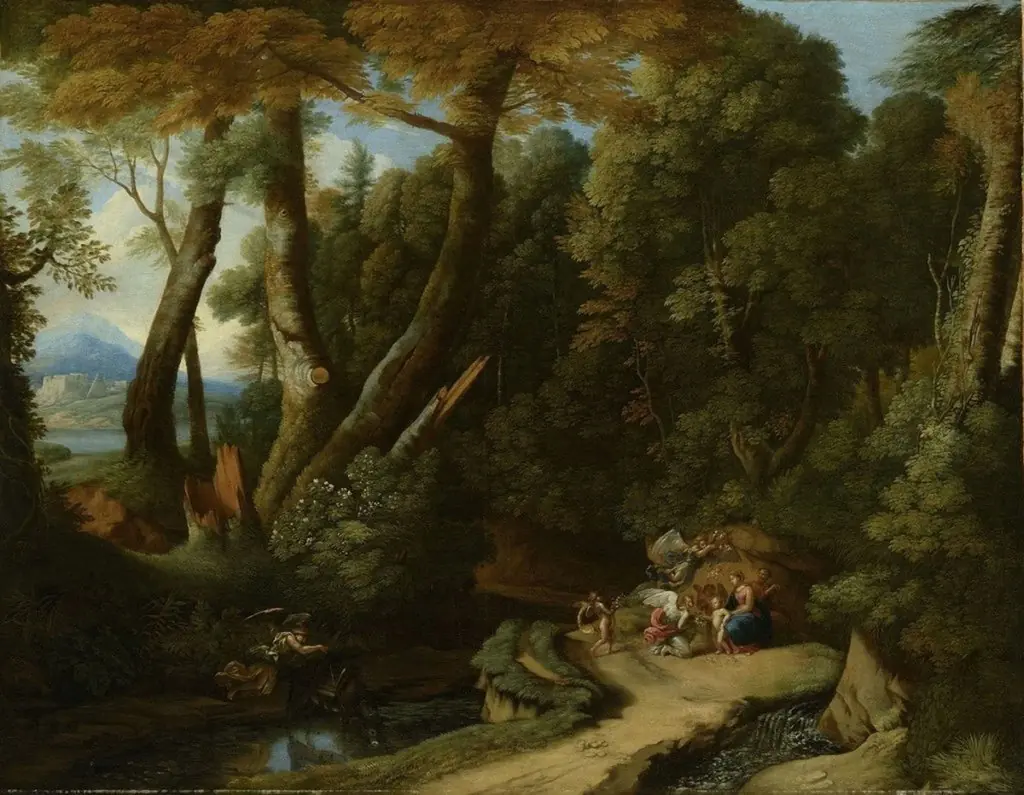 Landscape with the Flight into Egypt
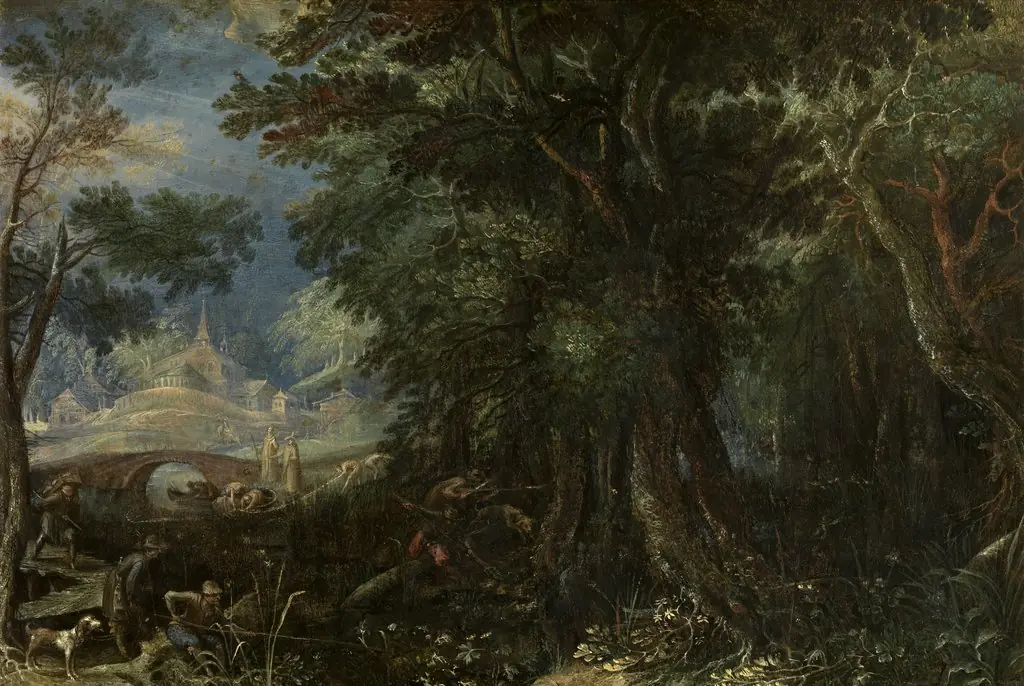 Landscape
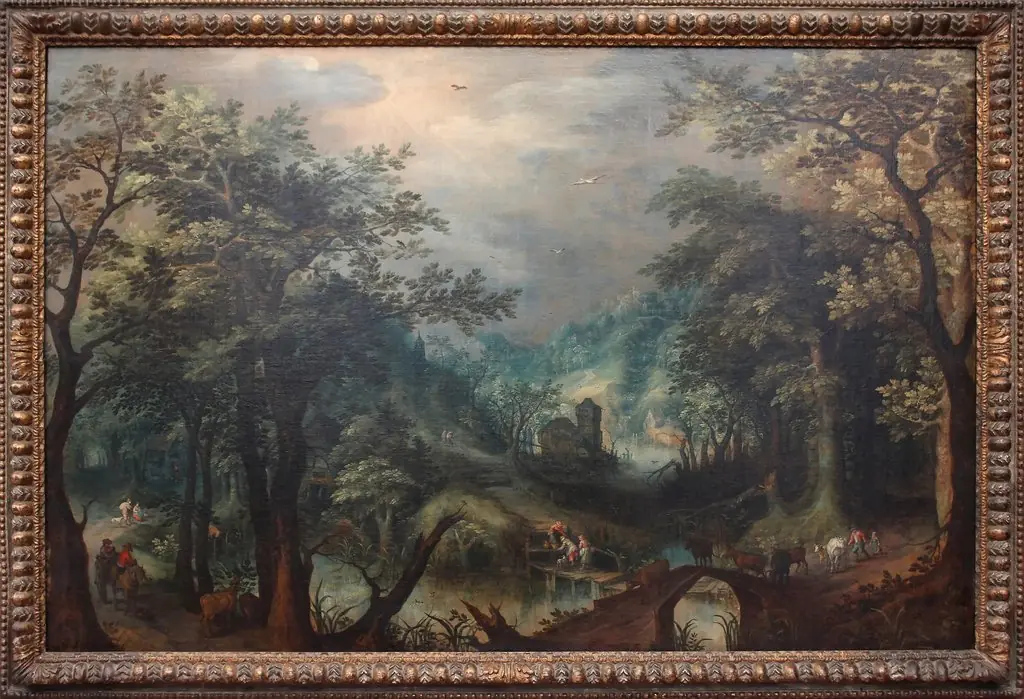 Wooded landscape with a river and cows on a bridge
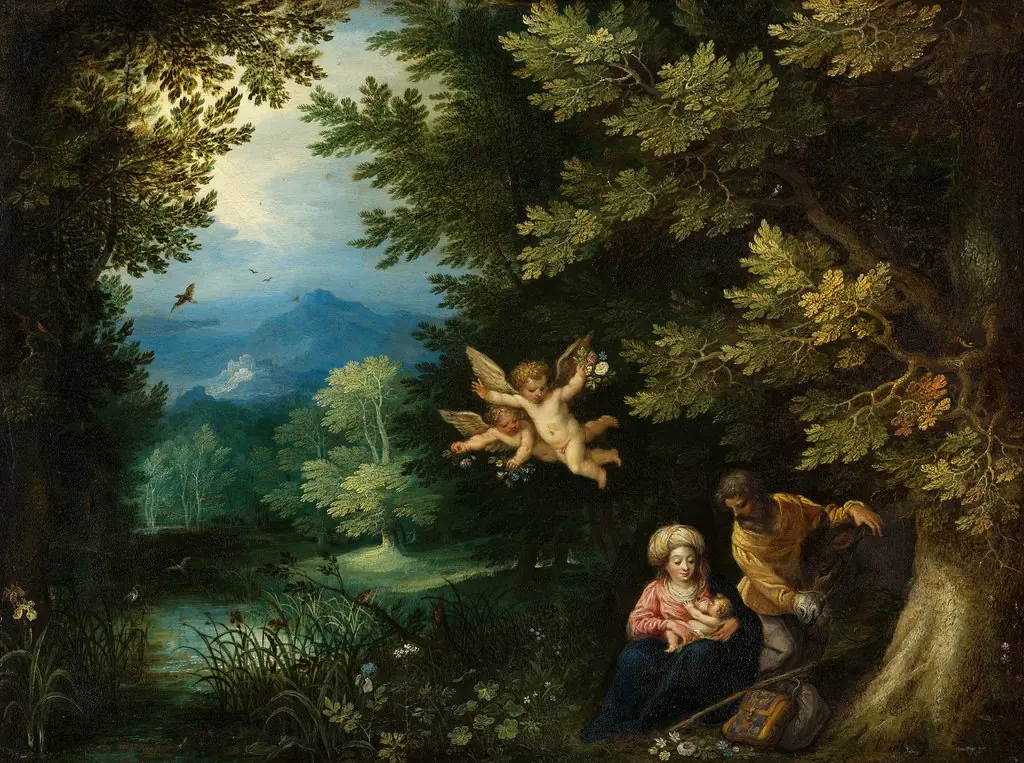 Rest on the Flight into Egypt