Artwork
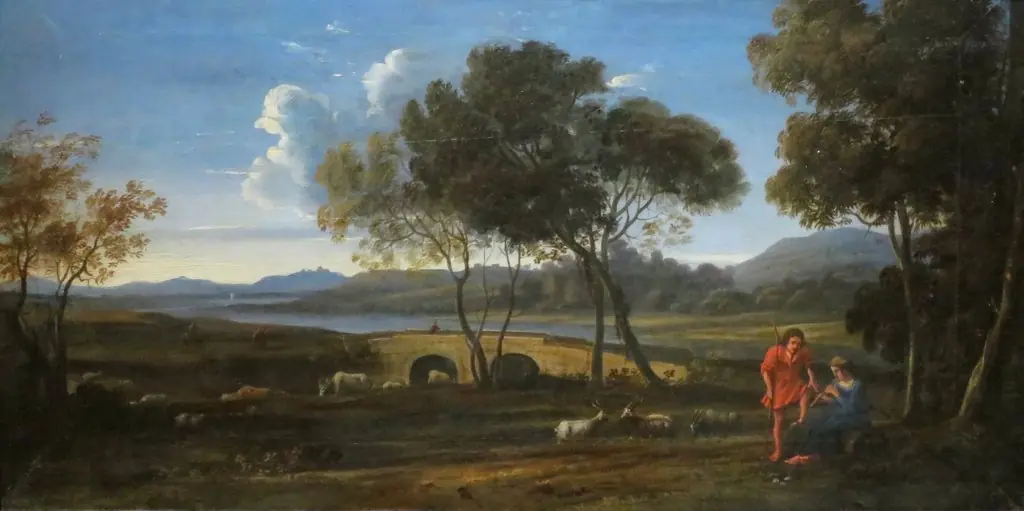
Landscape with a Piping Shepherd
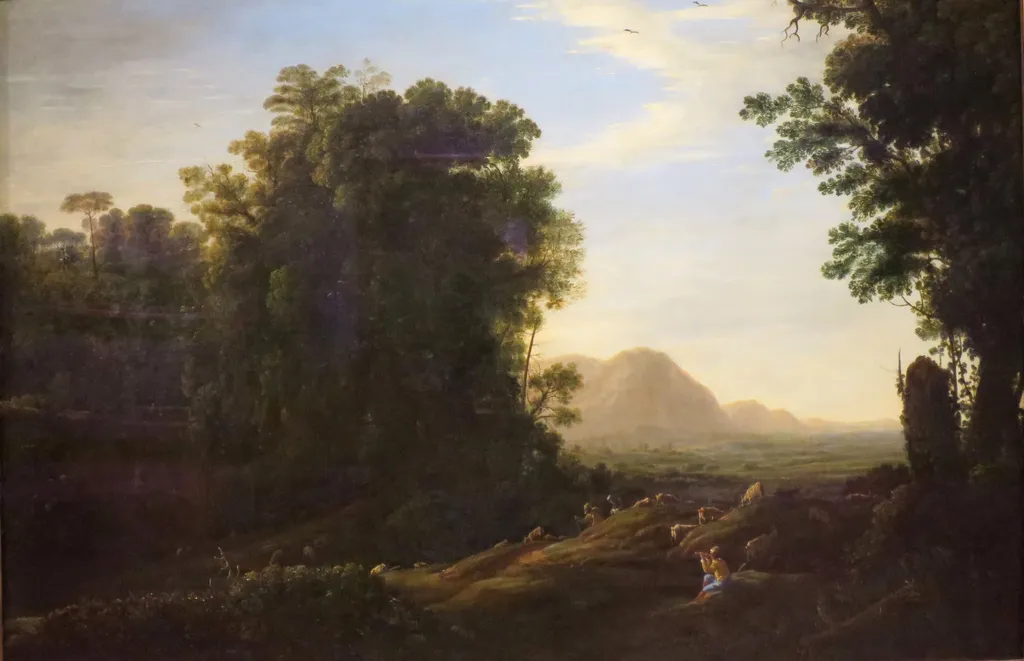
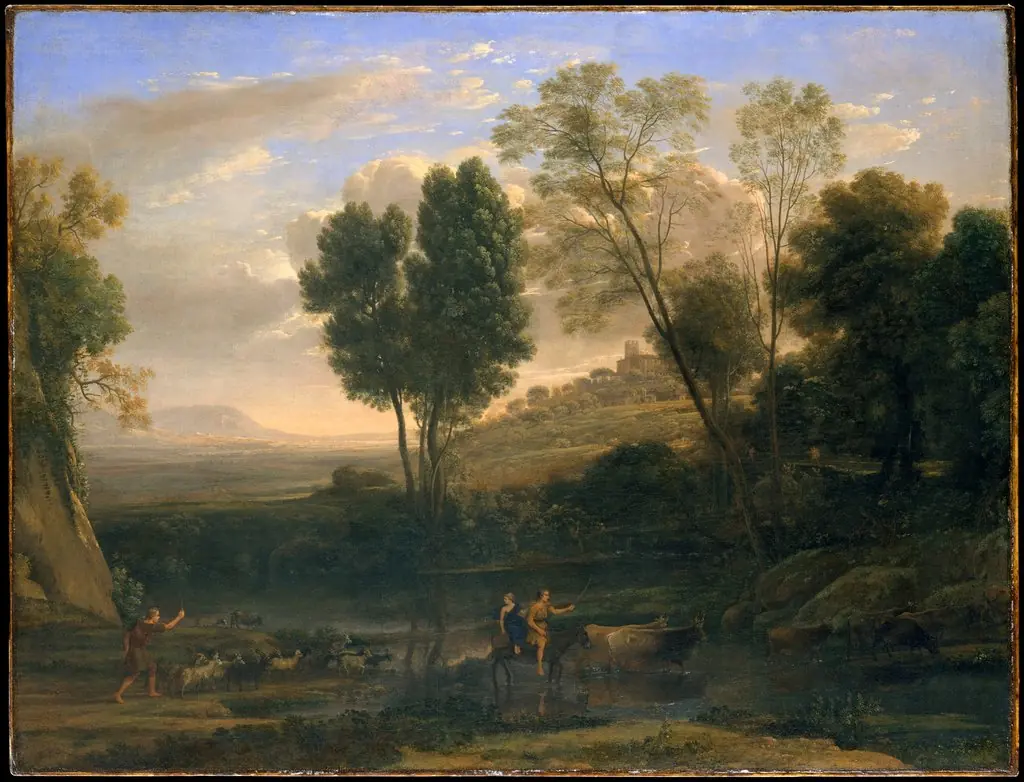
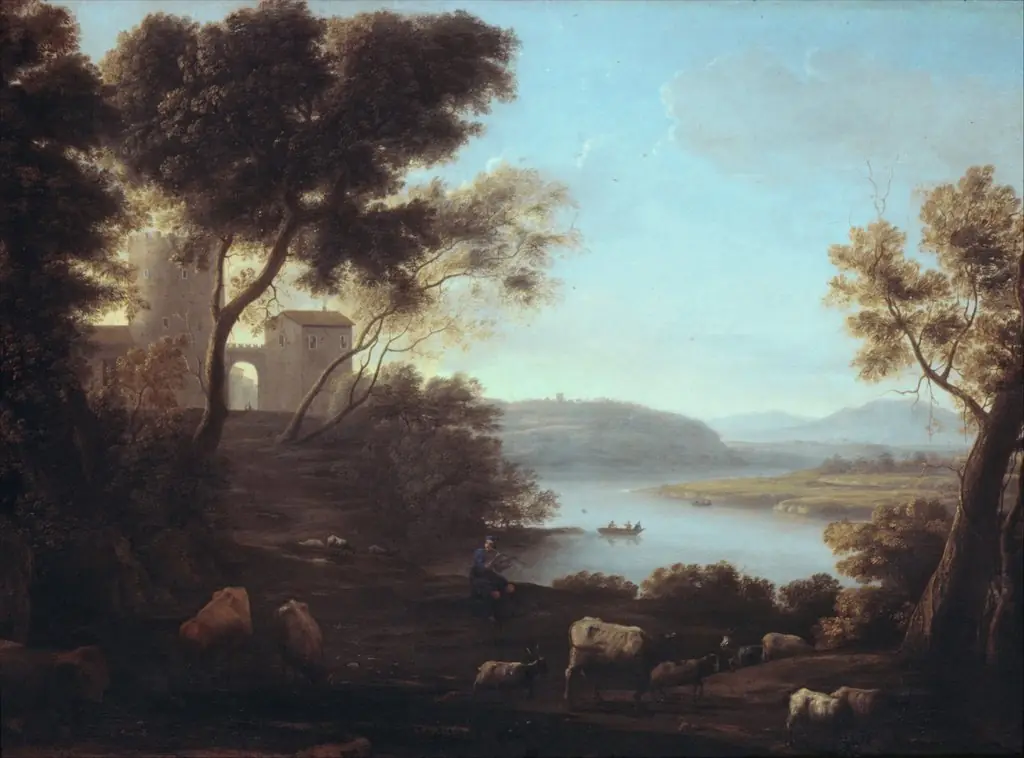
Landscape with a Piping Shepherd is an oil painting by the French Classical Baroque artist Claude Lorrain. It dates from 1629 and is held in the collection of the Norton Simon Museum.
About this work
Overview
Painted in 1629, this oil on canvas work by Claude Lorrain presents a quiet rural scene dominated by natural elements.
Painted in 1629, this oil on canvas work by Claude Lorrain presents a quiet rural scene dominated by natural elements. The artist, born in the Duchy of Lorraine, developed his style during extended stays in Italy, where he refined his approach to landscape as a subject worthy of focused artistic attention. The painting reflects his early commitment to harmonizing figures within expansive, atmospheric environments.
Subject & Meaning
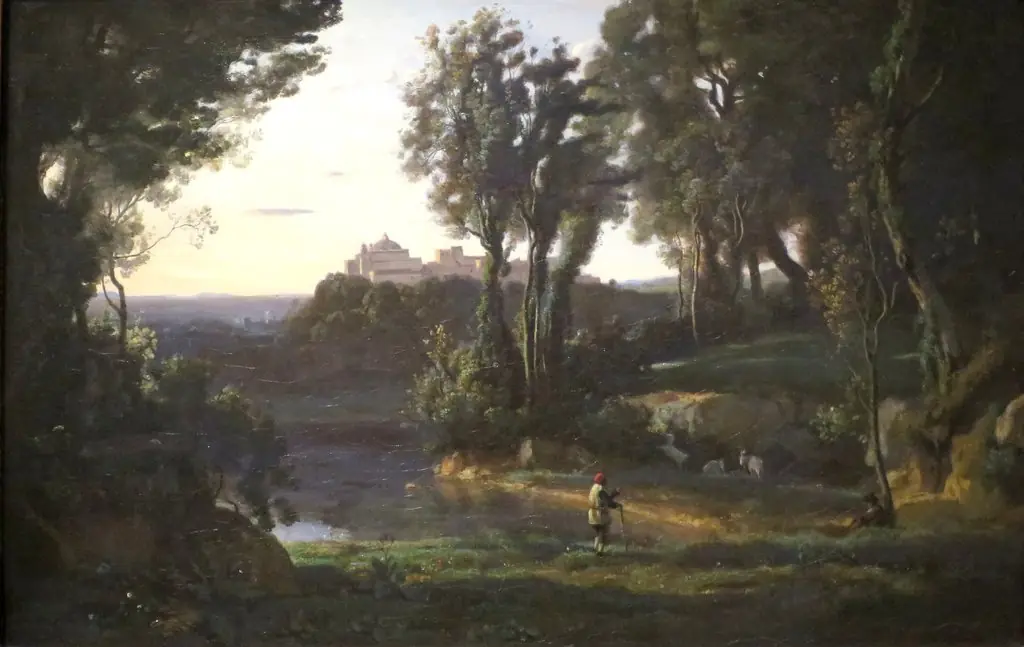
A solitary shepherd, dressed in a yellow tunic and blue trousers, plays a pipe in the foreground, his presence gentle and unobtrusive. The scene evokes an idealized pastoral world, free from human strife, where nature and simple rural life coexist in balance. The figure, though small, anchors the composition and suggests themes of solitude, music, and harmony with the land, common in classical pastoral tradition.
Technique & Style
Lorrain employs a delicate gradation of light and color to create depth and atmosphere. Warm tones in the shepherd’s clothing contrast subtly with the cool greens and blues of the landscape, guiding the eye through layered planes of hills, trees, and sky. His brushwork is soft and blended, avoiding sharp edges to enhance the sense of serene, diffused daylight—a hallmark of his emerging classical style.
History & Provenance
Created during Lorrain’s formative years in Rome, the painting belongs to a series of early landscapes that established his reputation. It entered the Norton Simon Museum’s collection through established acquisitions of European Old Master works, reflecting the museum’s focus on significant 17th-century landscape painting. Its documented history traces back to private European collections of the 18th and 19th centuries.
Context
In early 17th-century Italy, landscape painting was gaining legitimacy as an independent genre, moving beyond mere background for religious or mythological scenes. Lorrain’s work contributed to this shift by emphasizing natural beauty and atmospheric effects. His compositions, often infused with classical allusions, appealed to collectors seeking refined, contemplative imagery aligned with humanist ideals.
Legacy
Lorrain’s approach influenced generations of landscape painters across Europe, particularly in England and France, where his tonal harmony and compositional balance became models for academic training. Though not widely celebrated in his lifetime as a revolutionary, his systematic treatment of light and space laid groundwork for later developments in landscape art, including the Romantic tradition.
Artist & collection
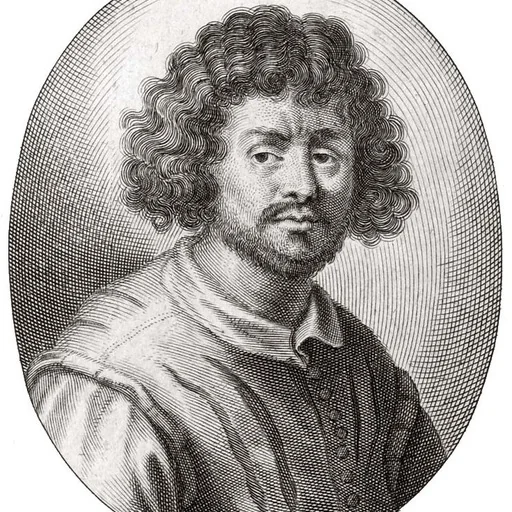
Artist
Claude Lorrain (French: ; born Claude Gellée , called le Lorrain in French; traditionally just Claude in English; c.