Artwork
Beirut. From the journey to Palestine
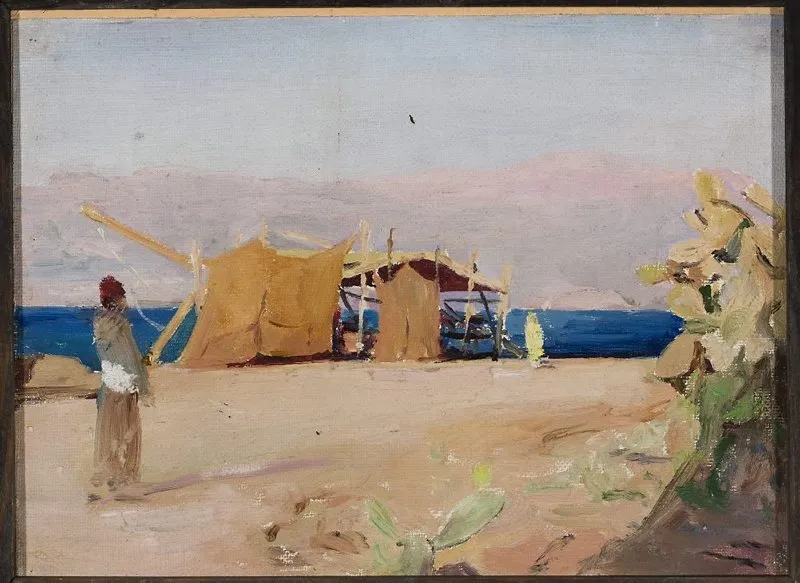
Beirut. From the journey to Palestine is an unspecified painting by the Impressionist artist Jan Ciągliński. It dates from 1901 and is held in the collection of the National Museum in Warsaw.
About this work
Overview
Painted in 1901 by Polish artist Jan Ciągliński, this work is part of a series documenting his travels through the Levant.
Painted in 1901 by Polish artist Jan Ciągliński, this work is part of a series documenting his travels through the Levant. Executed during his time in St. Petersburg, the painting captures a quiet coastal scene in Beirut, reflecting his interest in landscape and light. It is now held in the National Museum in Warsaw, where it represents a lesser-known strand of Polish Impressionism shaped by travel and observation beyond Europe.
Subject & Meaning
The scene presents a tranquil stretch of beach with a solitary tent and a figure in traditional attire, suggesting local presence without narrative detail. The absence of bustling activity and the muted palette convey stillness rather than exoticism. The figure and structure are framed by open space, inviting contemplation rather than storytelling. The work avoids romanticized depictions of the East, instead favoring quiet observation.
Technique & Style
Ciągliński employed loose brushwork and a restrained color palette to evoke atmosphere over detail. The sky blends soft pinks and blues, while the sea and shadows are rendered in deeper tones, creating subtle contrast. The tent and figure are simplified forms, defined more by tone than outline. The composition’s emptiness emphasizes spatial depth and light, aligning with Impressionist concerns for transient effects and sensory immediacy.
History & Provenance
Created during Ciągliński’s travels to Palestine and surrounding regions, the painting was likely made en plein air or based on on-site sketches. It entered the collection of the National Museum in Warsaw in the early 20th century, where it has remained since. Its preservation reflects institutional interest in Polish artists engaged with non-European landscapes during the late Tsarist period.
Context
Ciągliński worked within a broader European trend of artists traveling to the Middle East, yet his approach diverged from Orientalist spectacle. His focus on quiet, unpopulated landscapes aligned more with Russian and Polish Impressionist tendencies than with colonial imagery. The painting reflects a moment when Polish artists, often under foreign rule, sought identity through personal, observational art rather than political or national themes.
Legacy
Though not widely exhibited, the painting contributes to understanding the scope of Polish Impressionism beyond domestic scenes. Ciągliński’s travel works, including this one, demonstrate how artists from Eastern Europe engaged with global landscapes without adopting dominant Western narratives. His restrained style remains a quiet counterpoint to more dramatic Orientalist works of the era.
Artist & collection
Artist
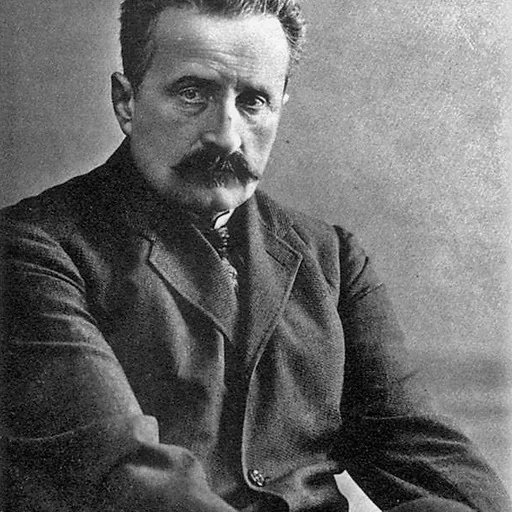
Jan Ciągliński (Polish: ; Russian: Ян/Иван Францевич Ционглинский, romanized: Yan/Ivan Frantsevich Tsionglinskiy; 20 February 1858 – 6 January 1913) was a Polish painter, active in St.

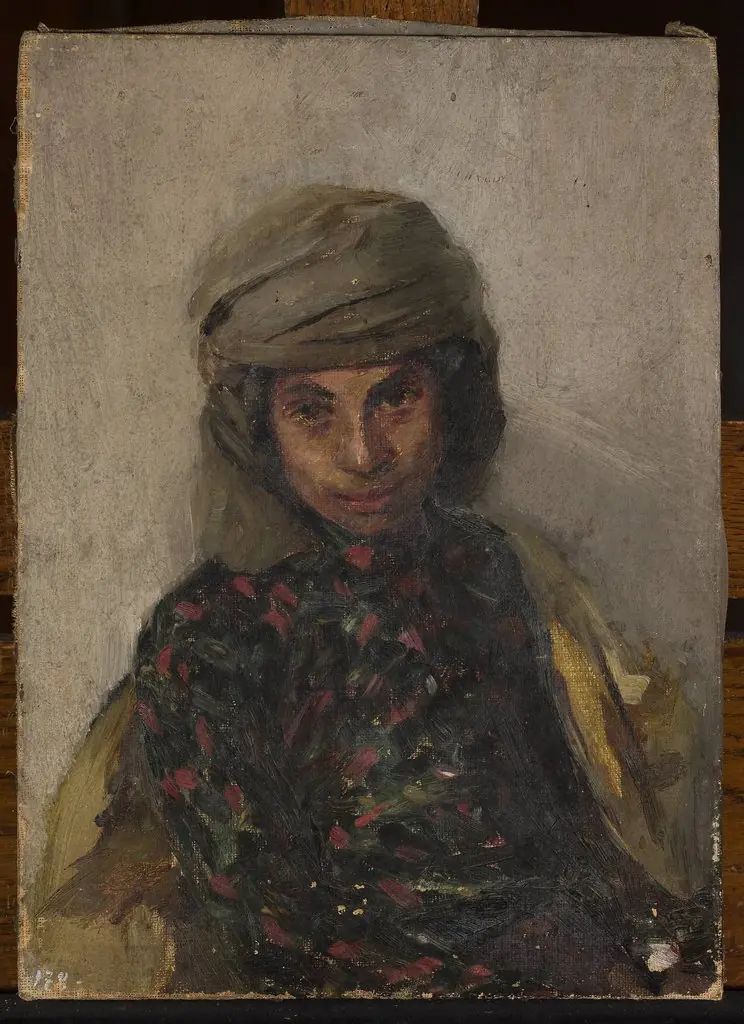
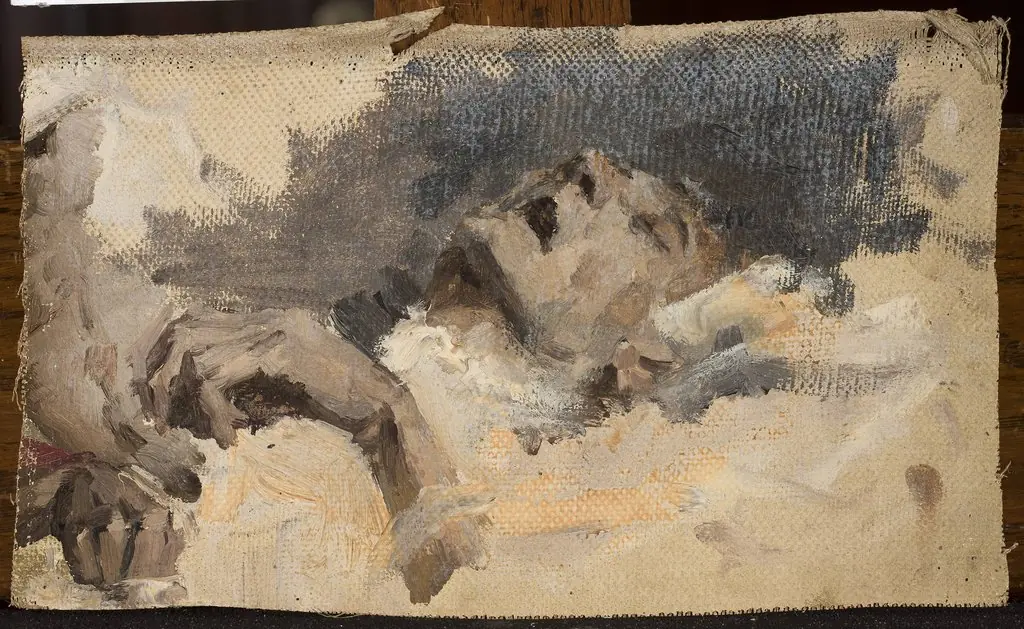
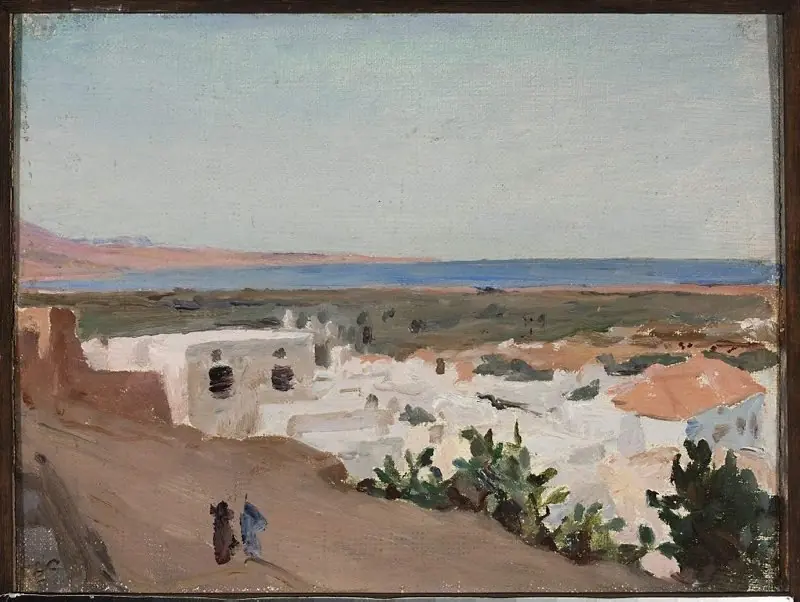 Tripoli in Syria. From the journey to Palestine
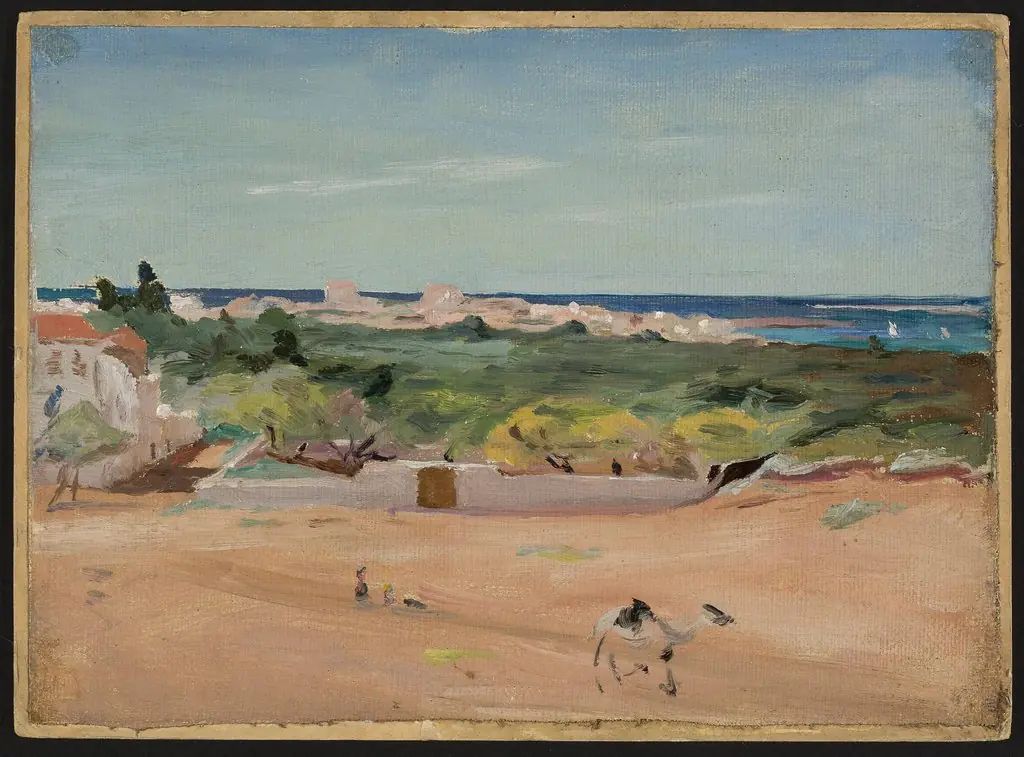 Tripoli in Syria. From the journey to Palestine
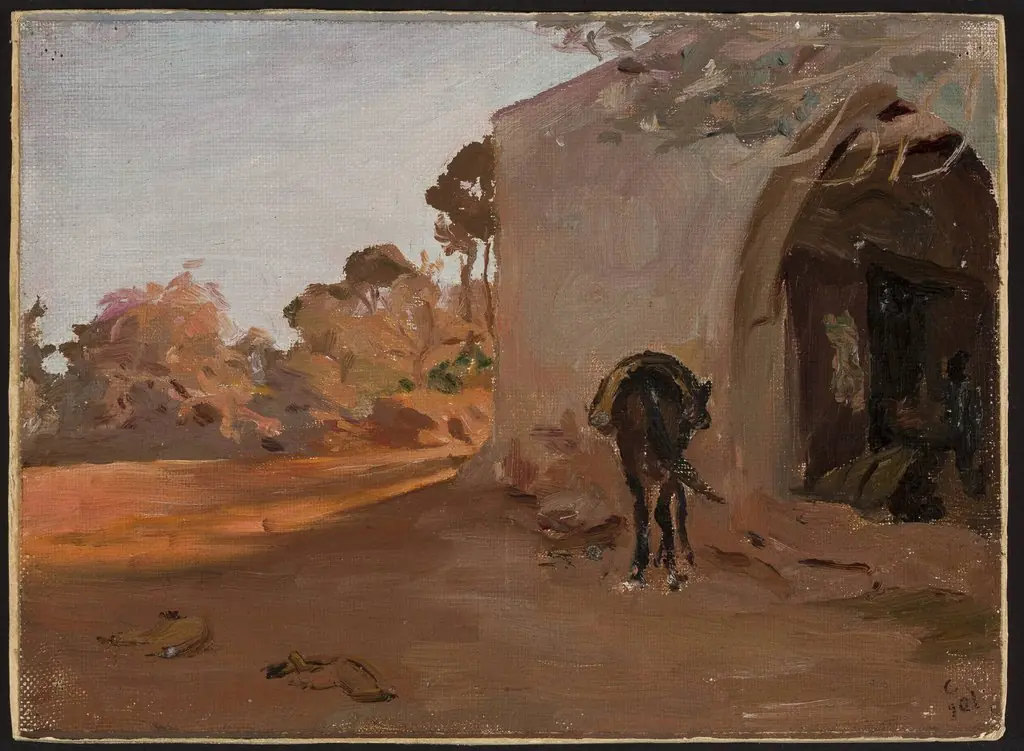 Beirut. From the journey to Palestine
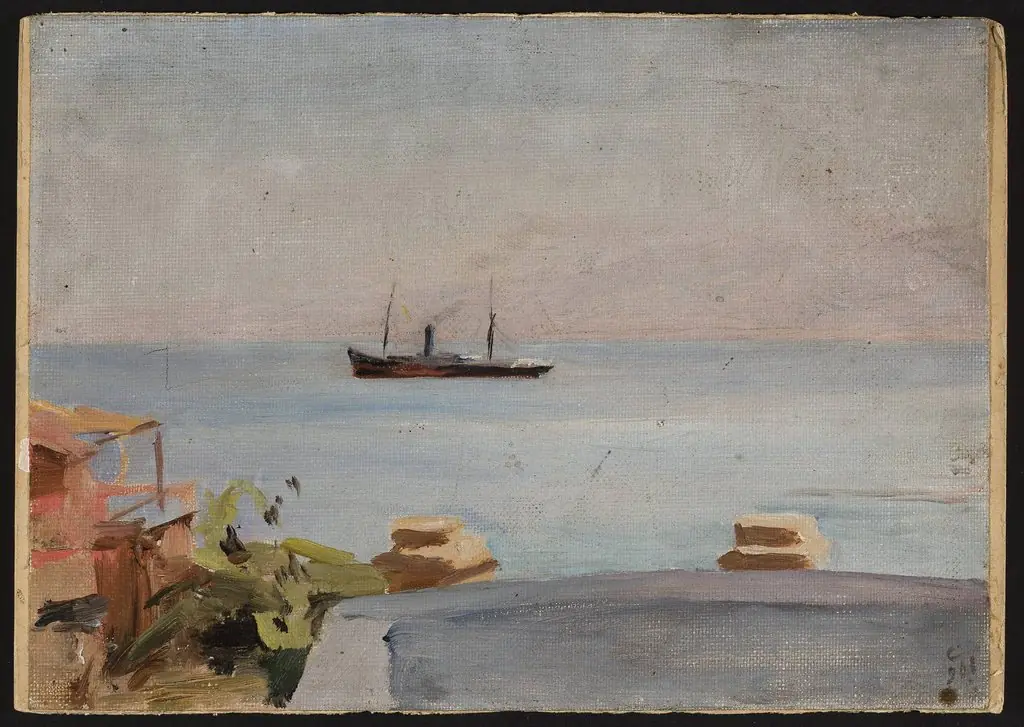 Beirut – Mount Lebanon. From the journey to Palestine
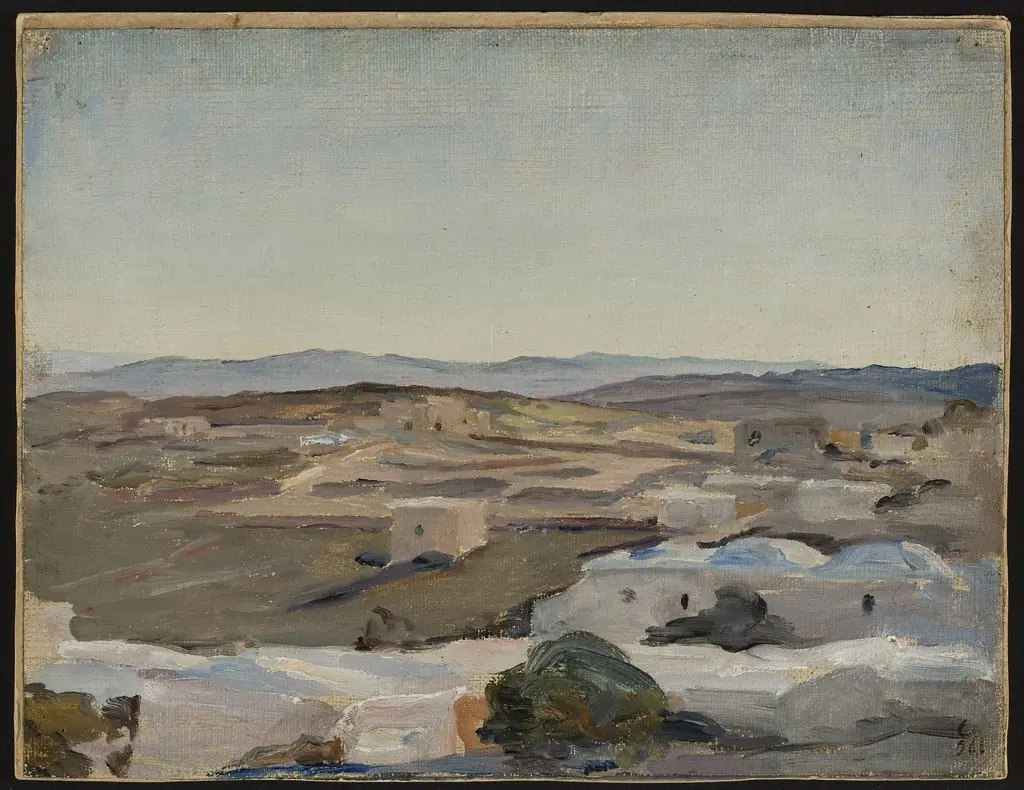 Ramallah near Jerusalem. From the journey to Palestine
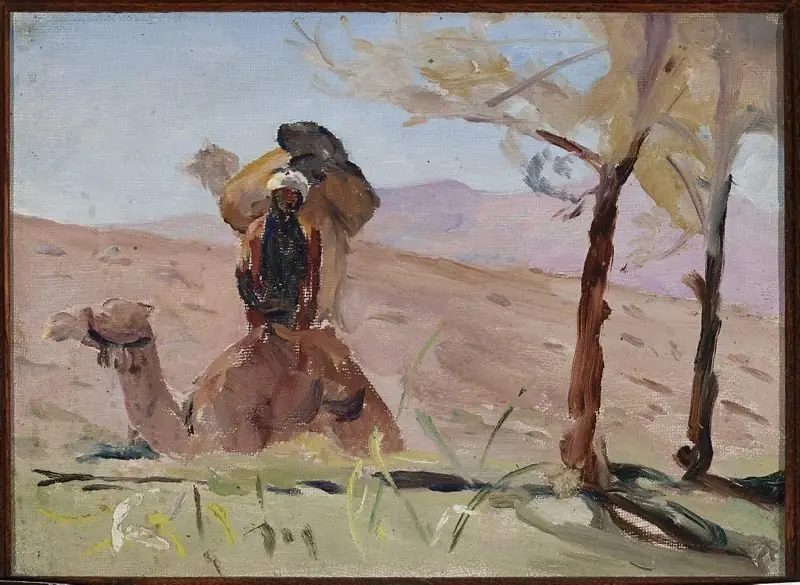 Desert. Resting in Mount Lebanon. From the journey to Palestine
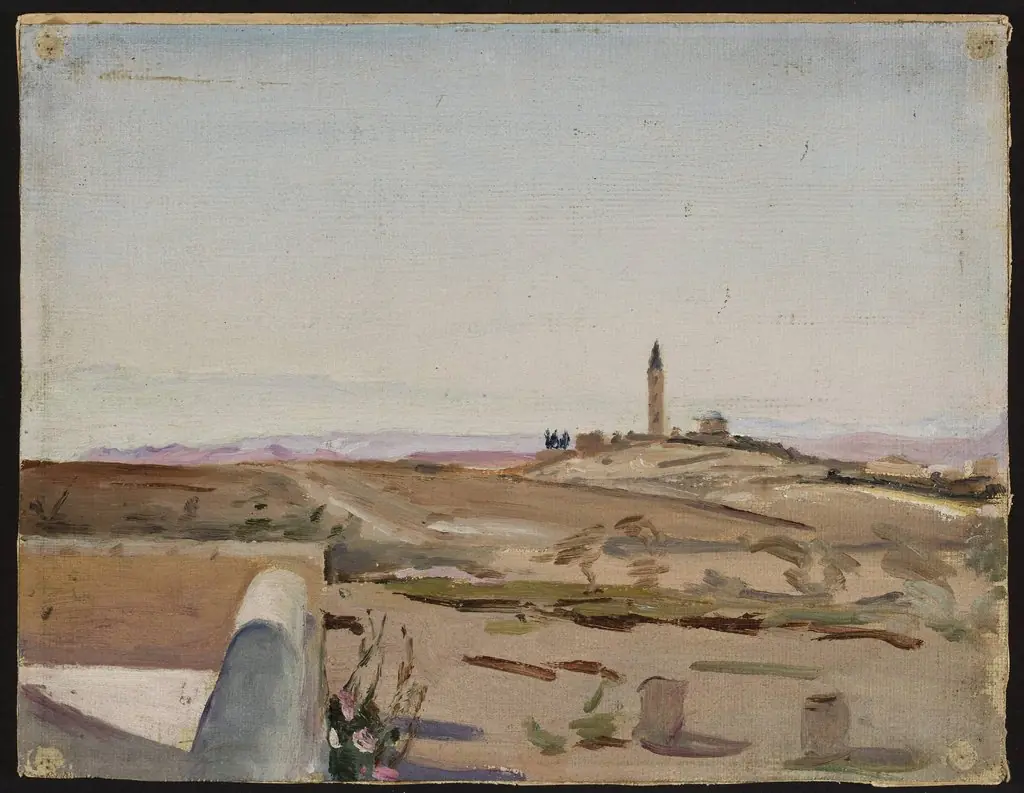 At the edge of the city and the desert. From the journey to Palestine
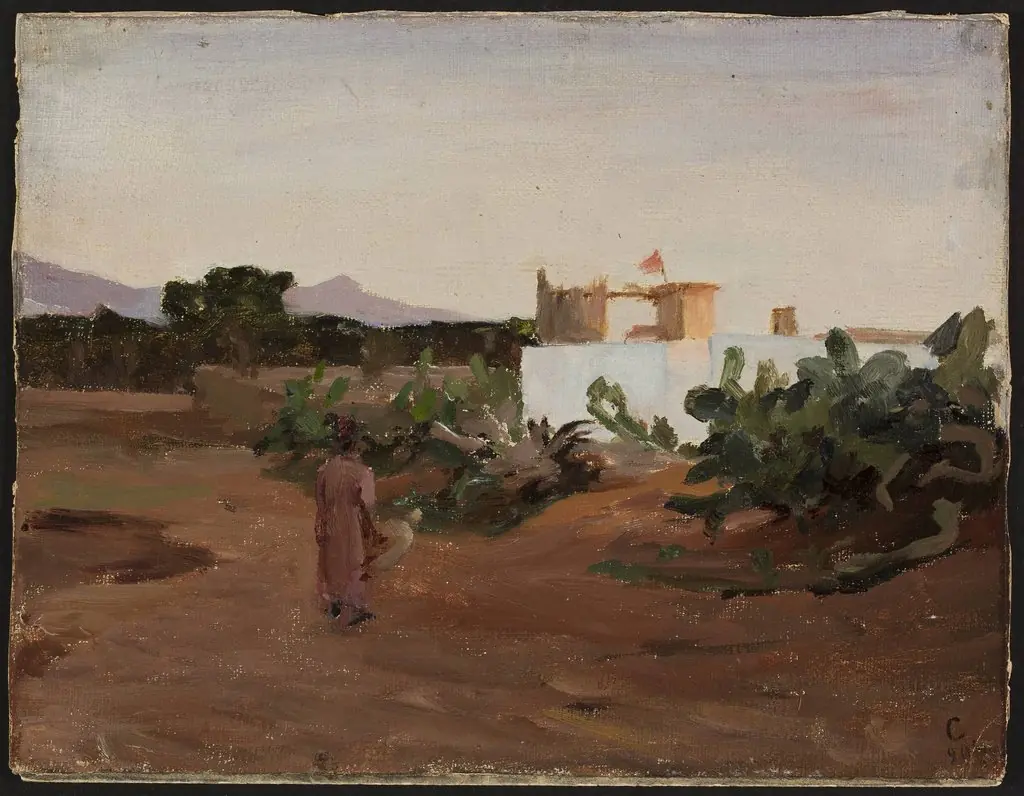 Beirut – Evening. From the journey to Palestine
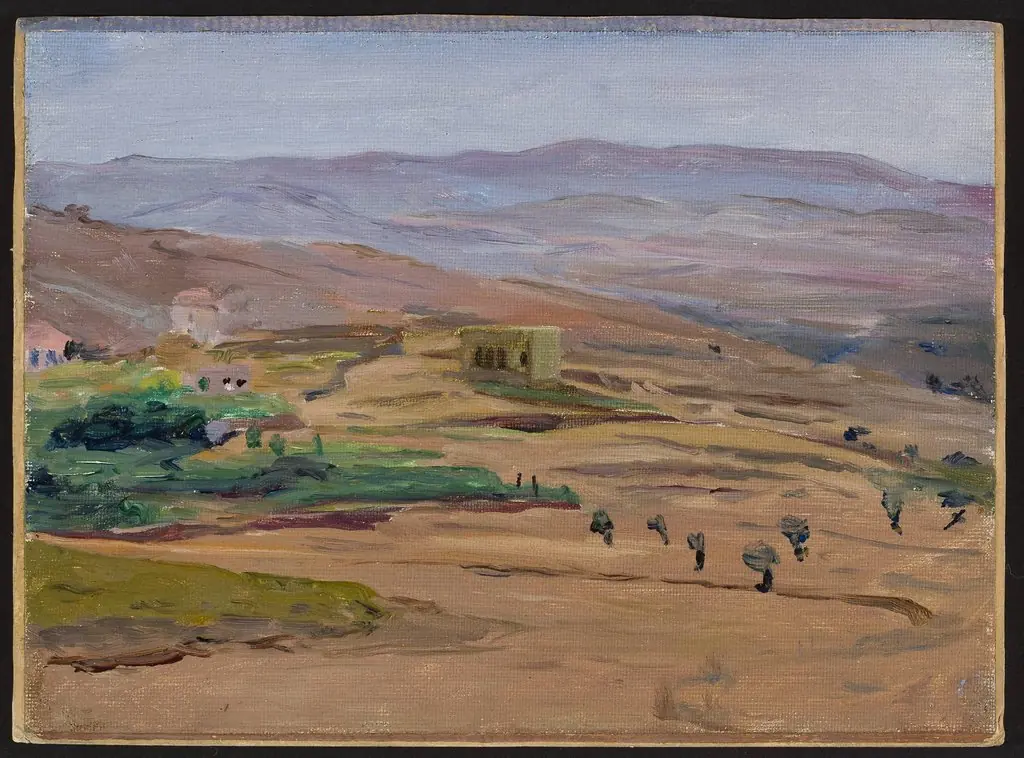 Desert near Damascus. From the journey to Palestine
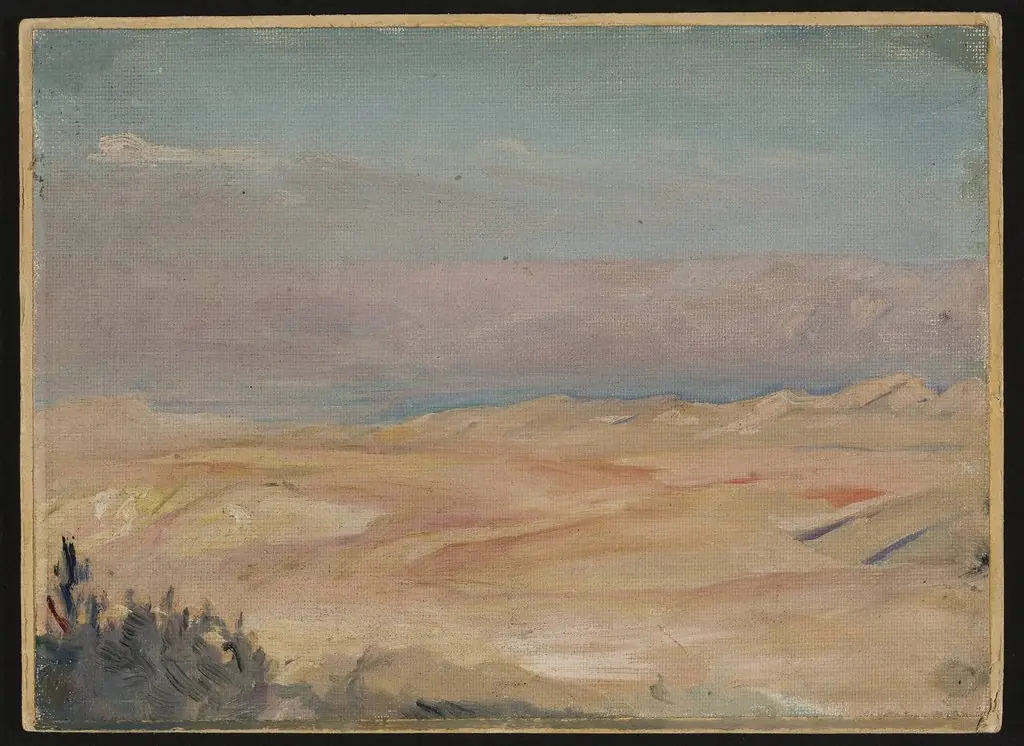 View from the Mount of Olives. From the journey to Palestine