Artwork
Kairouan (At a Bazaar)
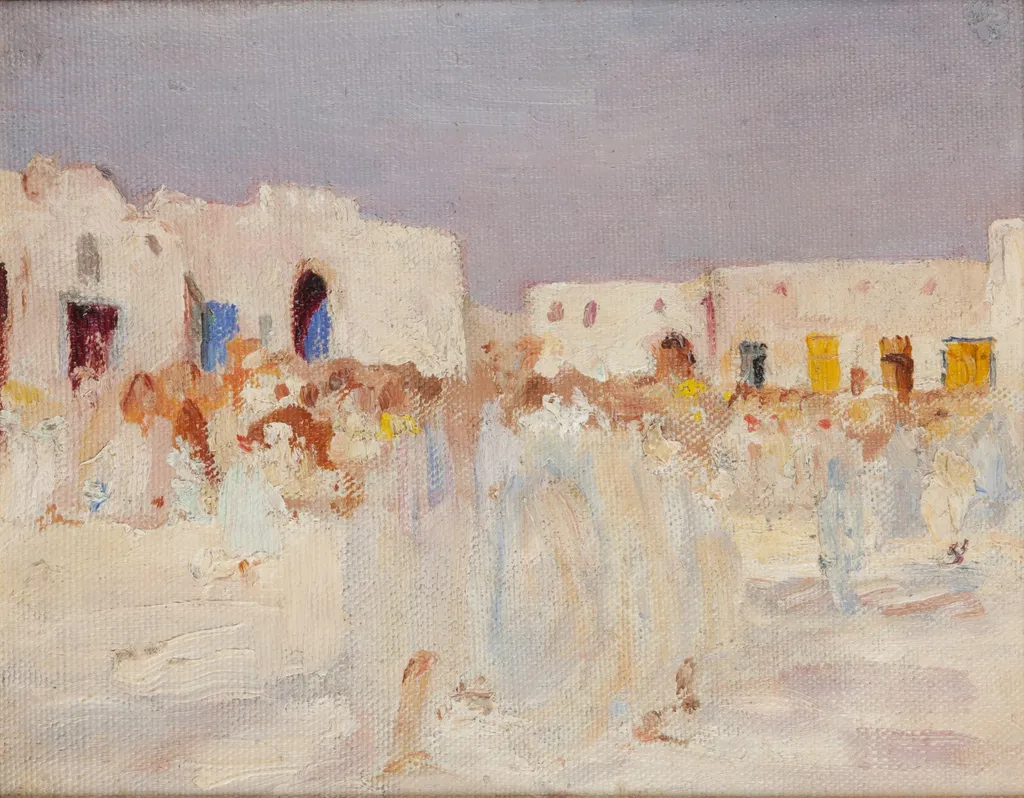
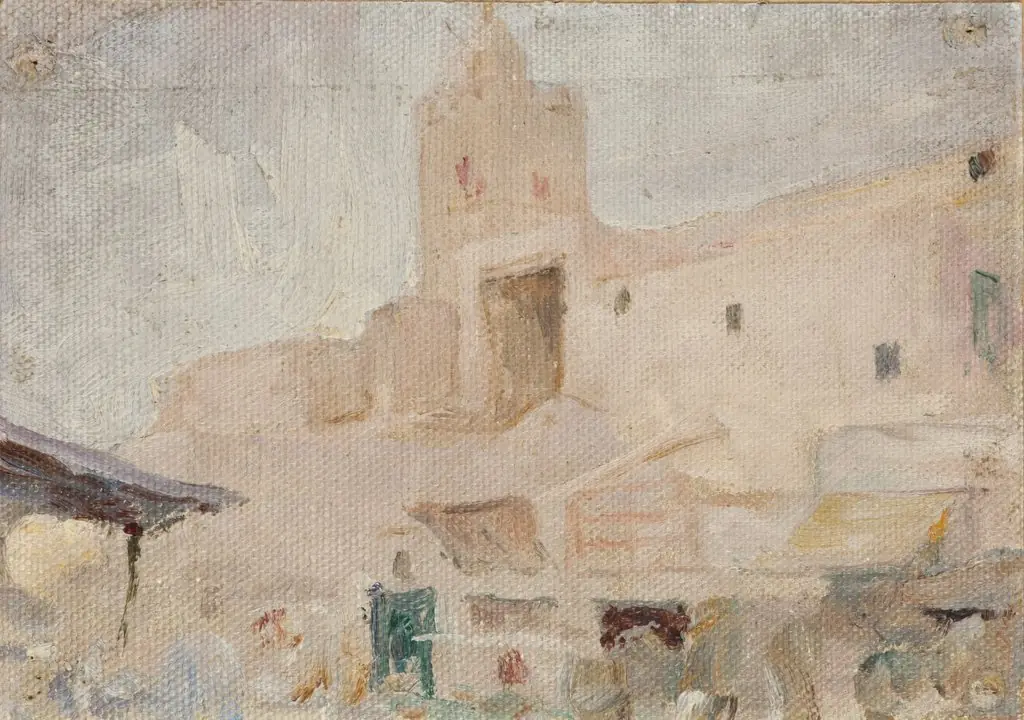
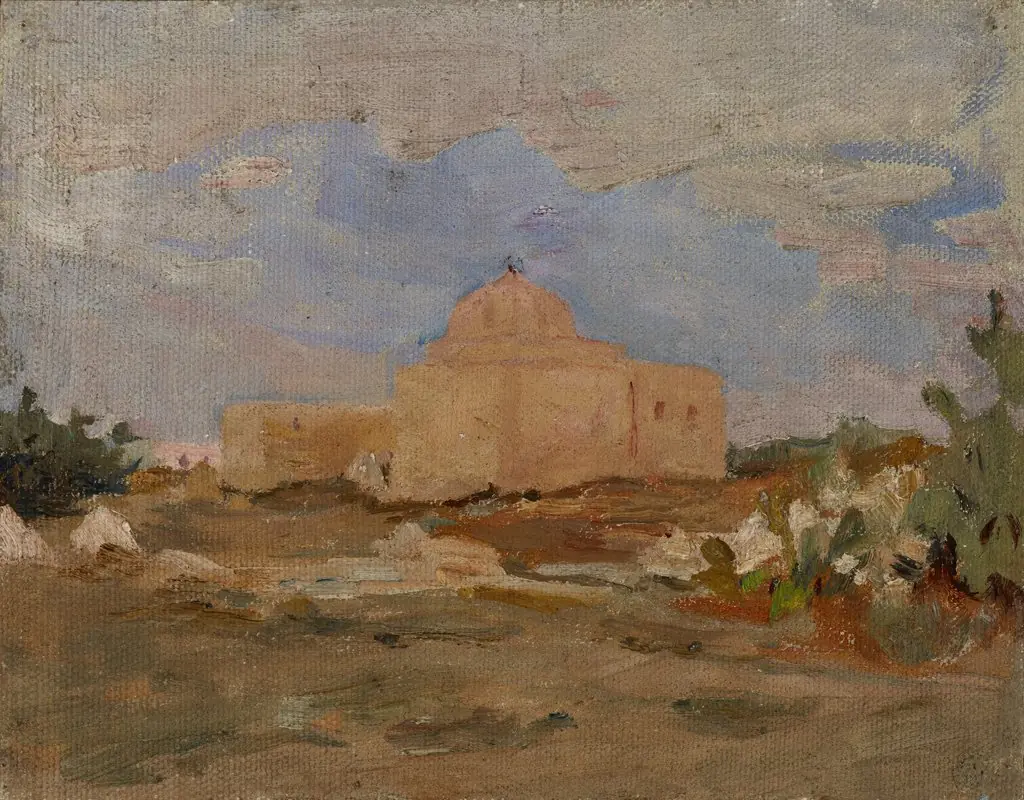
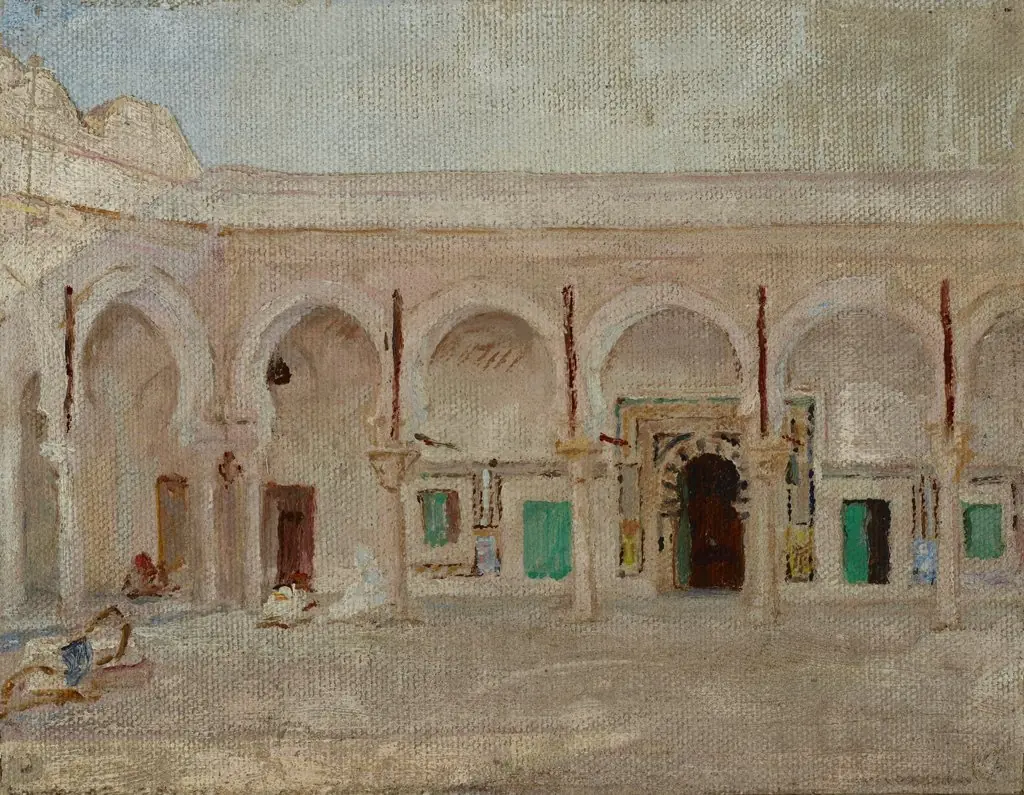
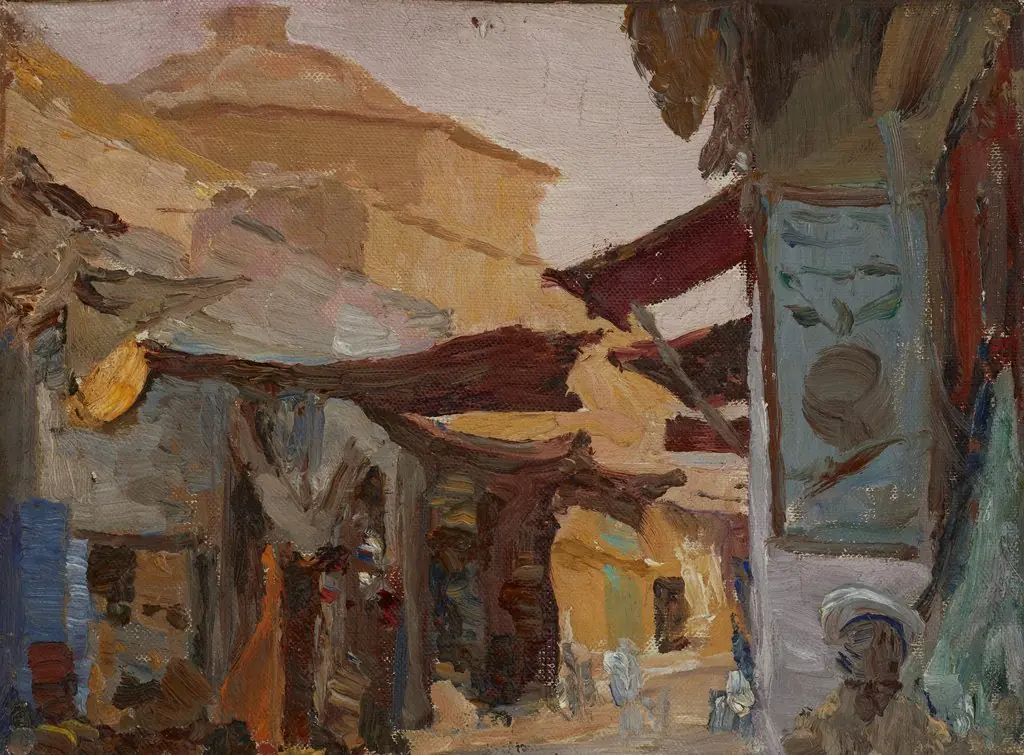
Kairouan (At a Bazaar) is an unspecified painting by Jan Ciągliński. It dates from 1911 and is held in the collection of the National Museum in Kraków.
About this work
Overview
The work reflects his engagement with plein air painting and the influence of French Impressionism.
Jan Ciągliński, a Polish artist working in St. Petersburg during the late Russian Empire, produced *Kairouan (At a Bazaar)* in 1911. The work reflects his engagement with plein air painting and the influence of French Impressionism. Though not Russian by birth, his approach aligned with emerging trends among artists in the empire who sought to capture everyday life with fresh, observational techniques. The painting is now part of the National Museum in Kraków’s collection.
Subject & Meaning
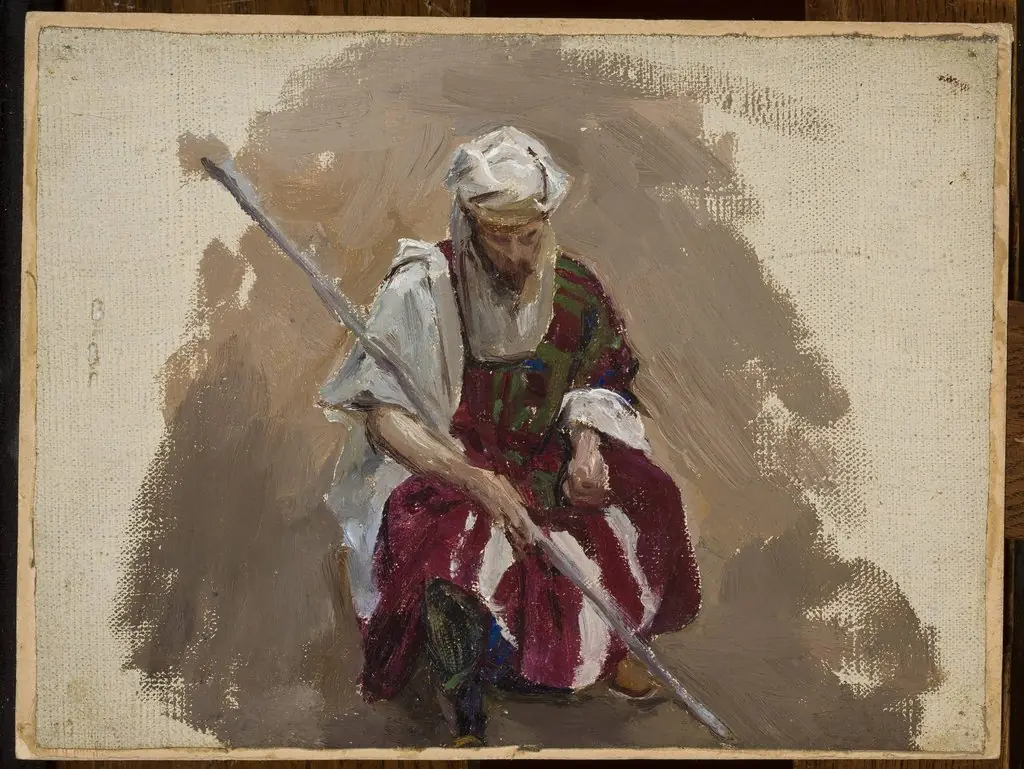
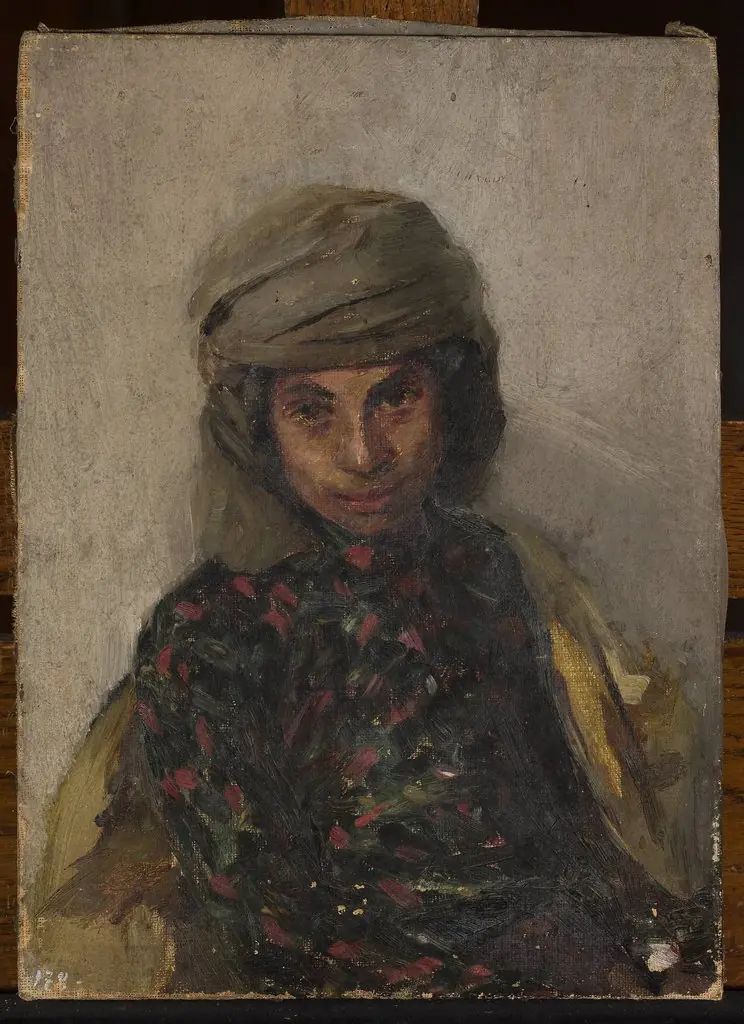
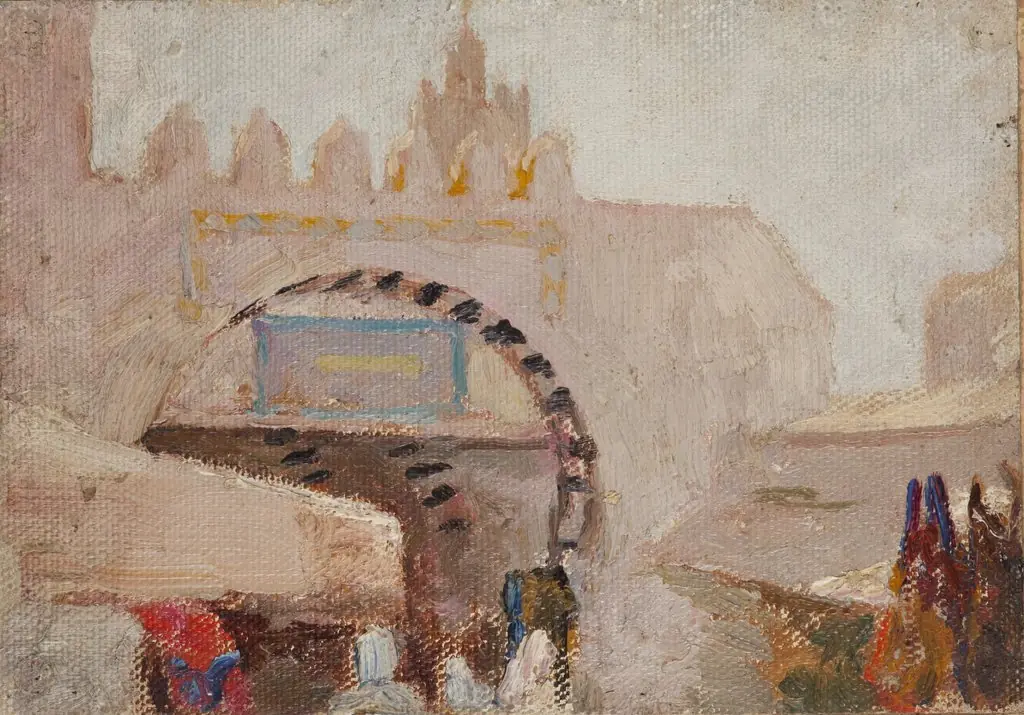
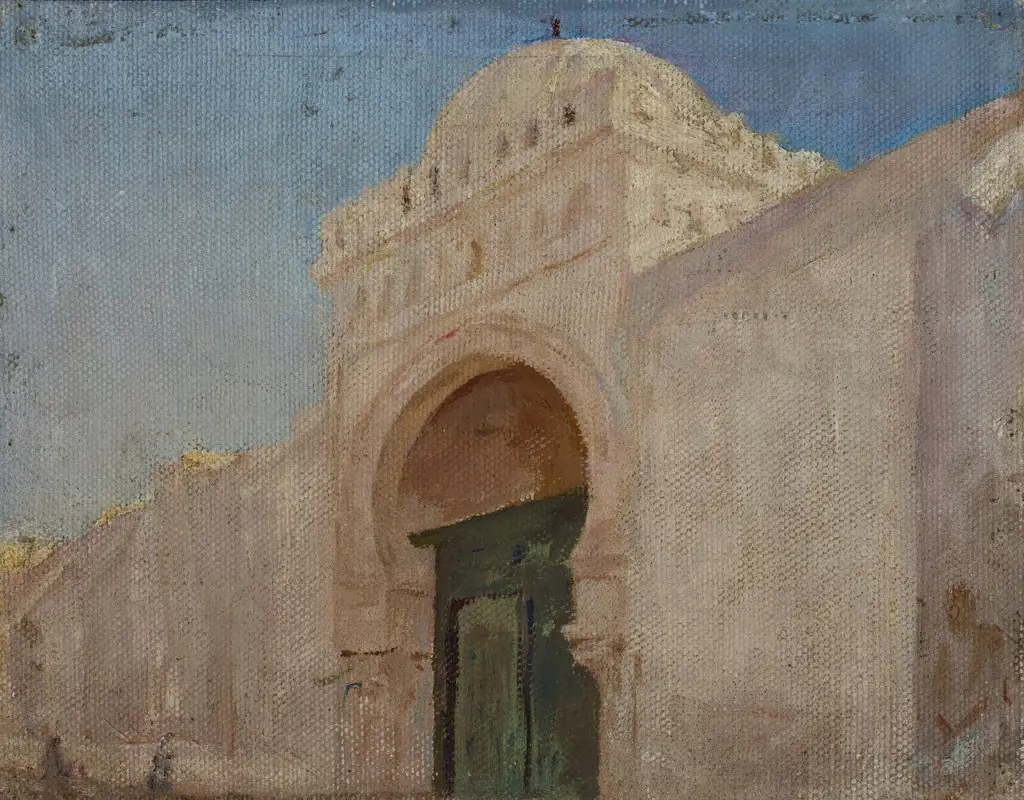
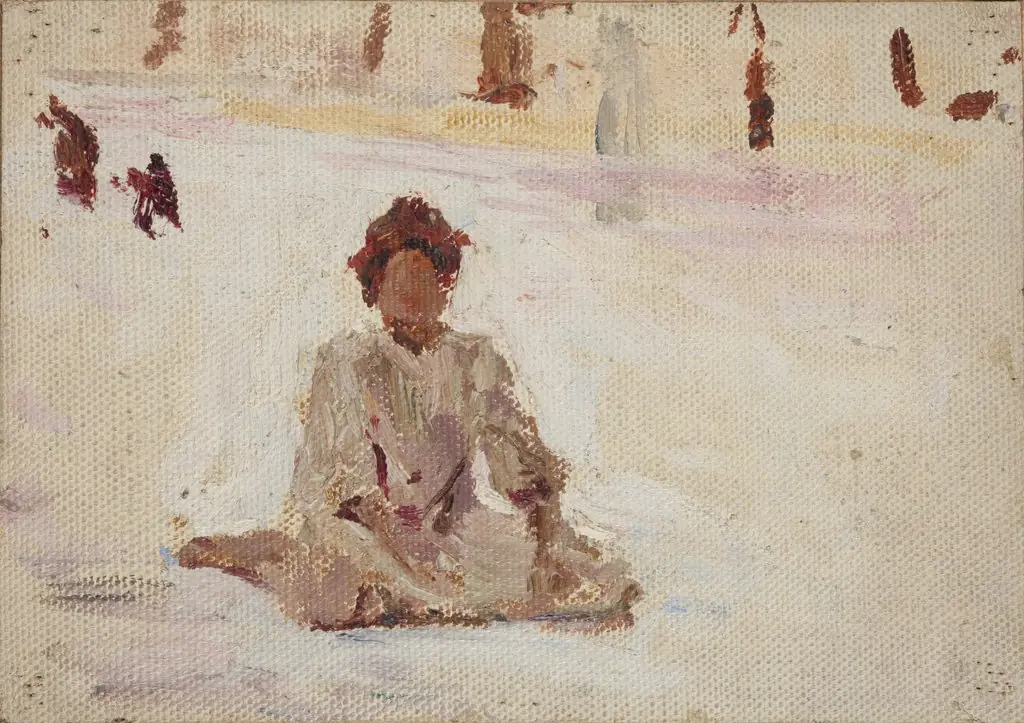
The painting portrays a lively outdoor market in Kairouan, Tunisia, a city known for its historic Islamic architecture and trade networks. Figures move among stalls and shaded walkways, engaged in routine commerce and conversation. Ciągliński avoids narrative drama, instead focusing on the rhythm of daily life. The scene conveys cultural specificity without exoticism, presenting the bazaar as a lived-in space rather than a spectacle.
Technique & Style
Ciągliński employed loose, visible brushwork and a warm, sunlit palette to evoke the intensity of North African light. Colors are applied in quick, layered strokes that suggest movement and texture without precise definition. Shadows are rendered with muted tones, enhancing the sense of heat and spatial depth. The composition avoids rigid perspective, favoring an impressionistic immediacy that draws the viewer into the scene’s ambient energy.
History & Provenance
Created during Ciągliński’s travels in North Africa, the painting was completed in 1911 and later entered the collection of the National Museum in Kraków. Its journey from the artist’s studio to a Polish national institution reflects broader post-war efforts to preserve works by artists of Polish origin, regardless of where they lived or worked. The painting’s presence in Kraków underscores its significance within the context of Central European art history.
Context
At the time of its creation, European artists increasingly traveled beyond their borders, drawn to the light and culture of the Mediterranean and North Africa. Ciągliński’s work fits within this trend, paralleling French and Russian Orientalist interests but avoiding stereotypical depictions. His focus on ordinary activity, rather than grandeur or exoticism, aligns him with the broader Impressionist project of observing modern life with sincerity and immediacy.
Legacy
Though not widely known outside Poland, *Kairouan (At a Bazaar)* remains a key example of early Russian Impressionism as practiced by non-Russian artists within the empire. It demonstrates how regional identities and artistic movements intersected in the late 19th and early 20th centuries. The painting contributes to a more nuanced understanding of Impressionism’s reach beyond France and its adaptation in diverse cultural settings.
Artist & collection
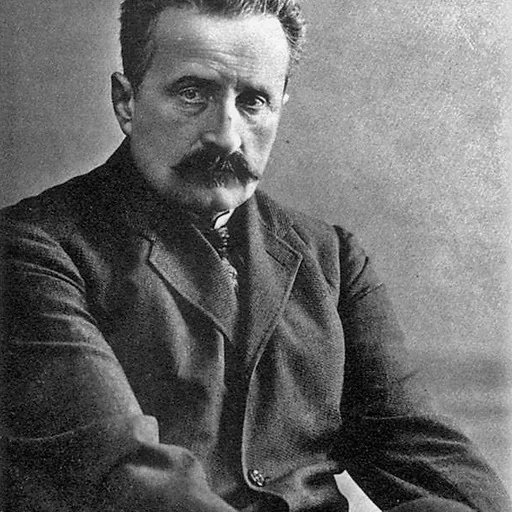
Artist
Jan Ciągliński (Polish: ; Russian: Ян/Иван Францевич Ционглинский, romanized: Yan/Ivan Frantsevich Tsionglinskiy; 20 February 1858 – 6 January 1913) was a Polish painter, active in St.