Artwork
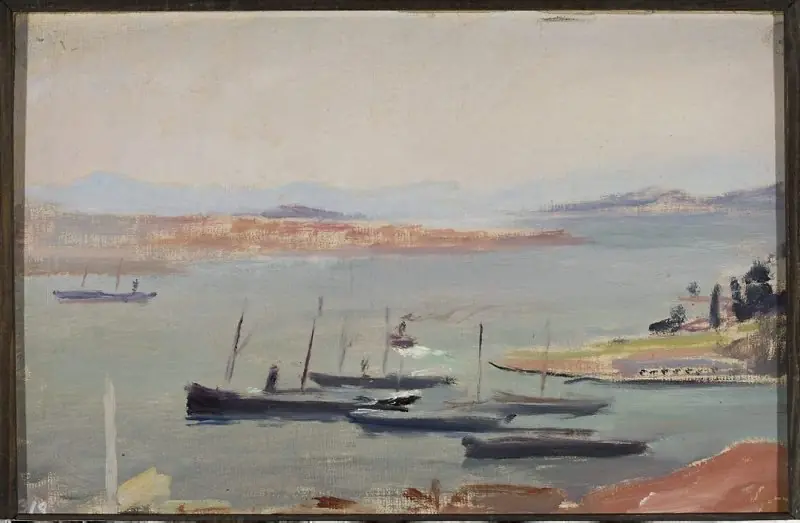
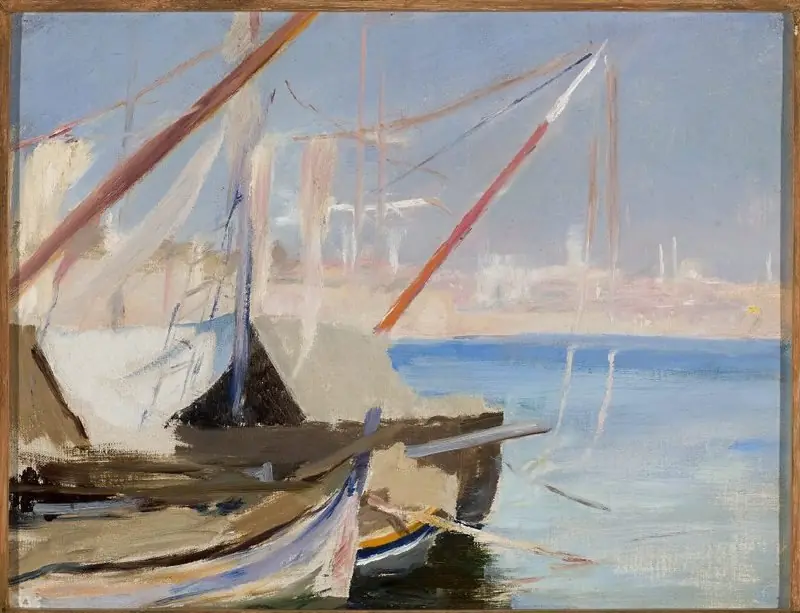
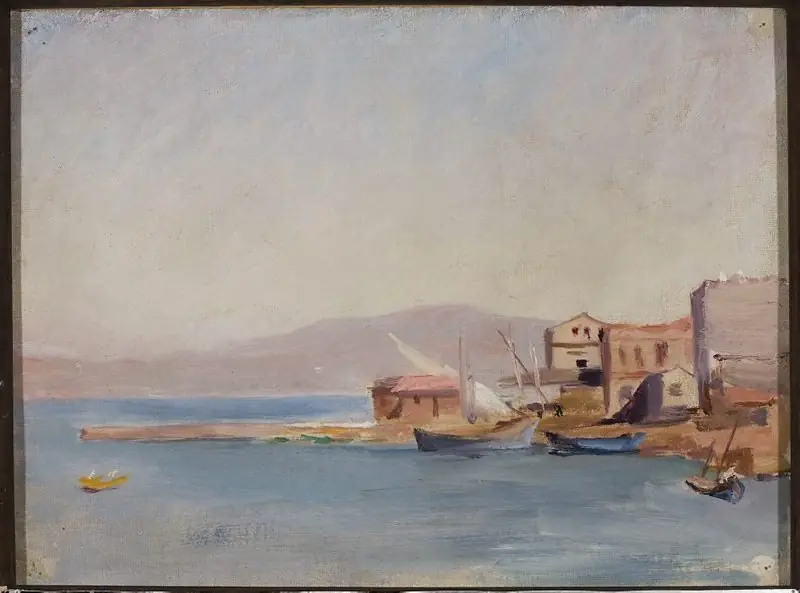
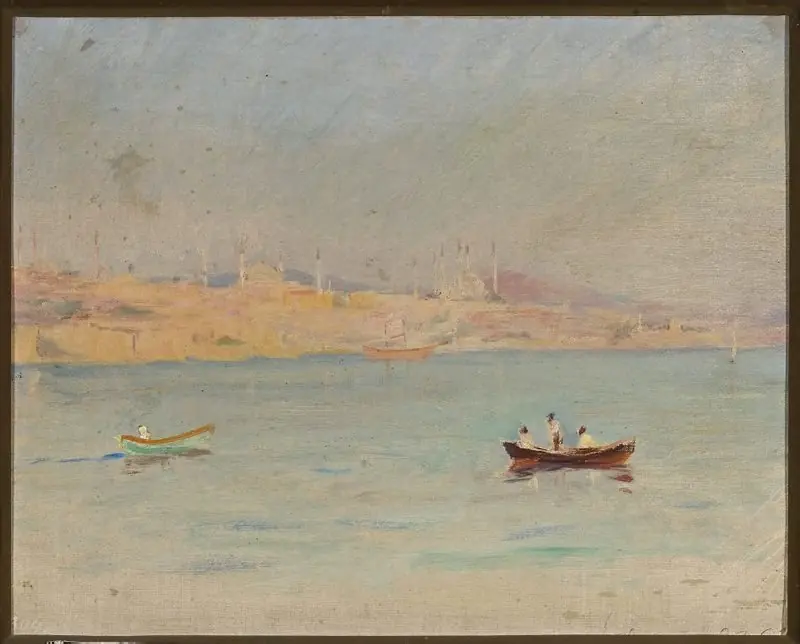
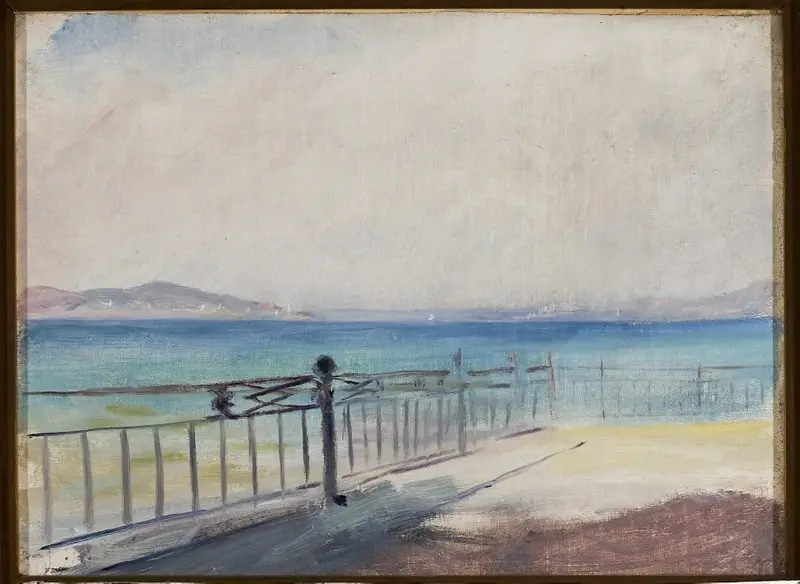
Sea with a ship at the coast. From the journey to Constantinople
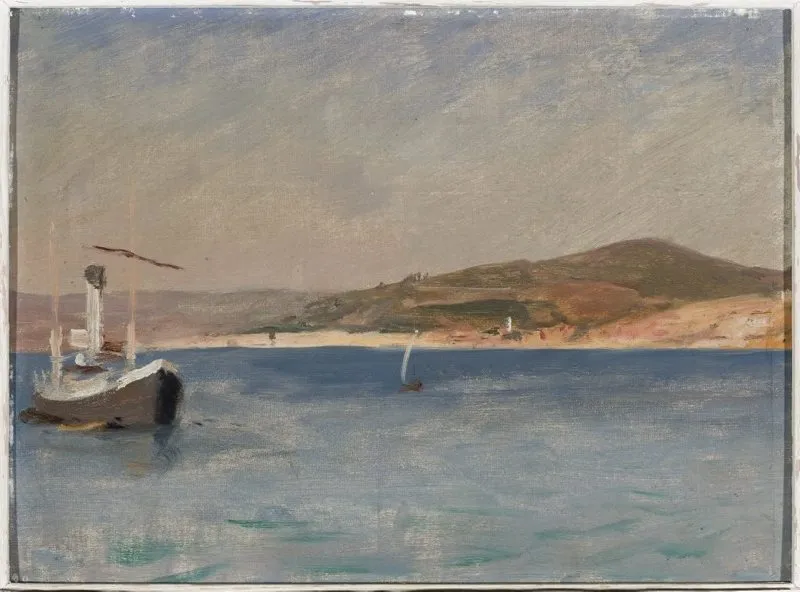
Sea with a ship at the coast. From the journey to Constantinople is an unspecified painting by the Post-Impressionist artist Jan Ciągliński. It dates from 1897 and is held in the collection of the National Museum in Warsaw.
About this work
Overview
Executed in the Post-Impressionist idiom, the work reflects the artist’s personal travel experiences and his interest in atmospheric effects.
Painted in 1897, this seascape by Jan Ciągliński captures a quiet moment during his voyage to Constantinople. Executed in the Post-Impressionist idiom, the work reflects the artist’s personal travel experiences and his interest in atmospheric effects. It is part of the National Museum in Warsaw’s collection, representing a lesser-known strand of Polish painting that engaged with broader European trends of the late 19th century.
Subject & Meaning
The painting portrays a ship at rest near a modest coastal settlement, its sails furled and hull softly mirrored in the water. The absence of motion and the sparse human presence suggest contemplation rather than narrative. The landscape—gently rolling hills meeting the sky—evokes a sense of pause, as if the journey has momentarily suspended, inviting reflection on transit, solitude, and the stillness between destinations.
Technique & Style
Ciągliński employed a restrained palette of blue-gray and muted earth tones to convey the quietude of the scene. Brushwork is loose yet deliberate, emphasizing the play of light across water without overt detail. The composition avoids dramatic contrast, favoring tonal harmony to suggest depth and atmosphere. This approach aligns with Post-Impressionist concerns for emotional resonance over literal representation.
History & Provenance
Created during Ciągliński’s time in St. Petersburg under the Russian imperial court, the painting emerged from his travels in the Eastern Mediterranean. It remained in private hands until entering the National Museum in Warsaw’s collection, where it is now preserved as part of Poland’s artistic heritage. Its provenance reflects the transnational movements of artists in the late Russian Empire and the post-independence consolidation of national collections.
Context
In the 1890s, Polish artists often worked across imperial borders, absorbing influences from French and Russian art while maintaining distinct regional identities. Ciągliński’s focus on light and landscape aligned with broader European trends, yet his subject matter—personal travel—offered a quiet alternative to nationalist or historical themes dominant in Polish art at the time.
Legacy
Though not widely exhibited, this painting exemplifies how Polish painters engaged with international styles without adopting their ideological frameworks. Its understated tone and focus on personal experience contribute to a nuanced understanding of late 19th-century Eastern European art, where quiet observation often held more weight than grand narrative.
Artist & collection
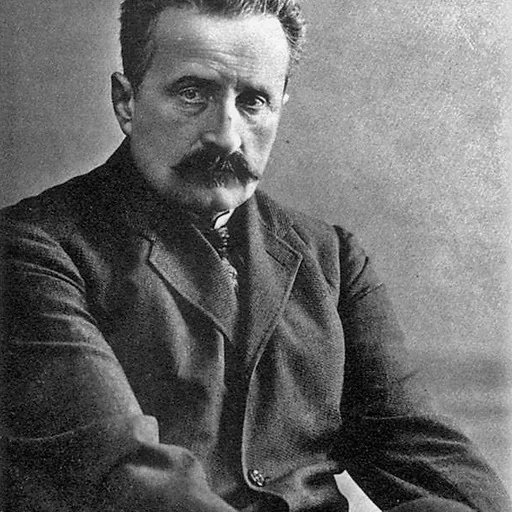
Artist
Jan Ciągliński (Polish: ; Russian: Ян/Иван Францевич Ционглинский, romanized: Yan/Ivan Frantsevich Tsionglinskiy; 20 February 1858 – 6 January 1913) was a Polish painter, active in St.

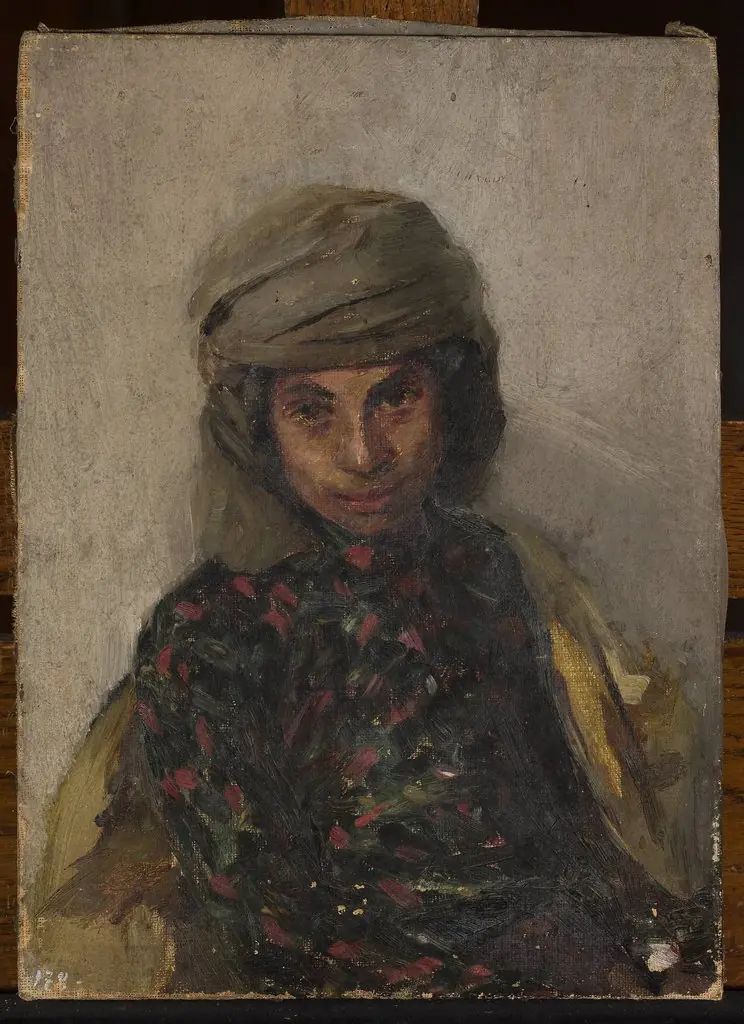
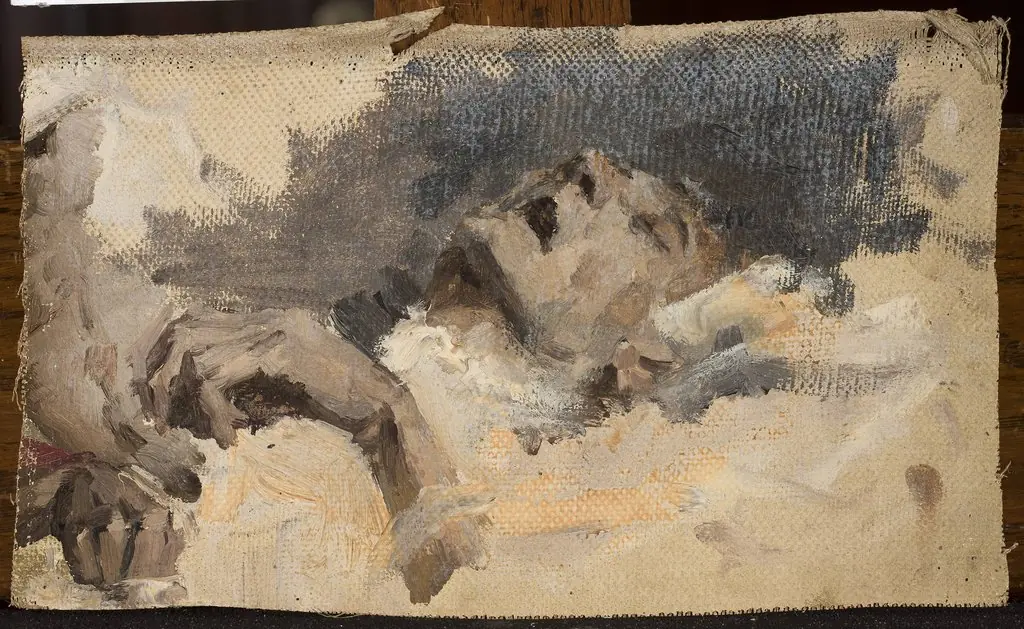
 On a ship, at the entry to Bosporus. From the journey to Constantinople
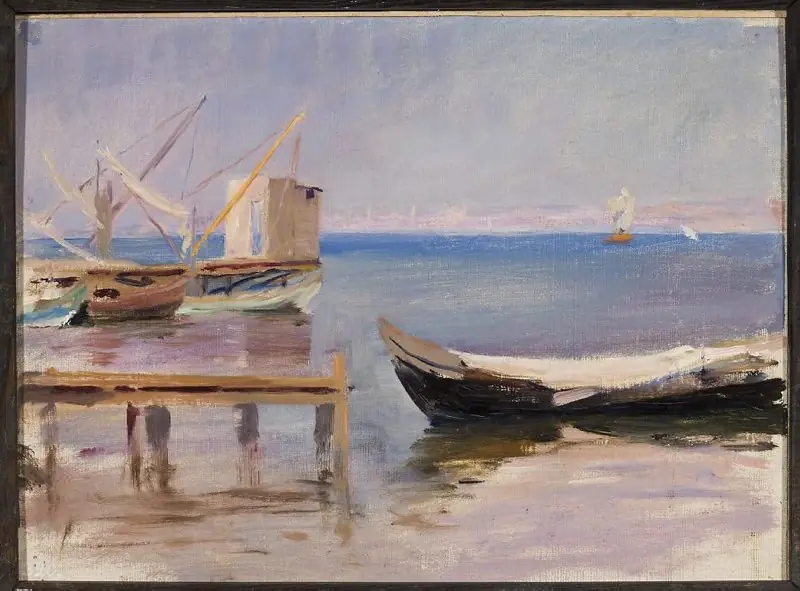 Boats at the coast. From the journey to Constantinople
 View of Constantinople. From the journey to Constantinople
 Harbour – study. From the journey to Constantinople
 Marine landscape. From the journey to Constantinople
 Terrace on the seaside. From the journey to Constantinople
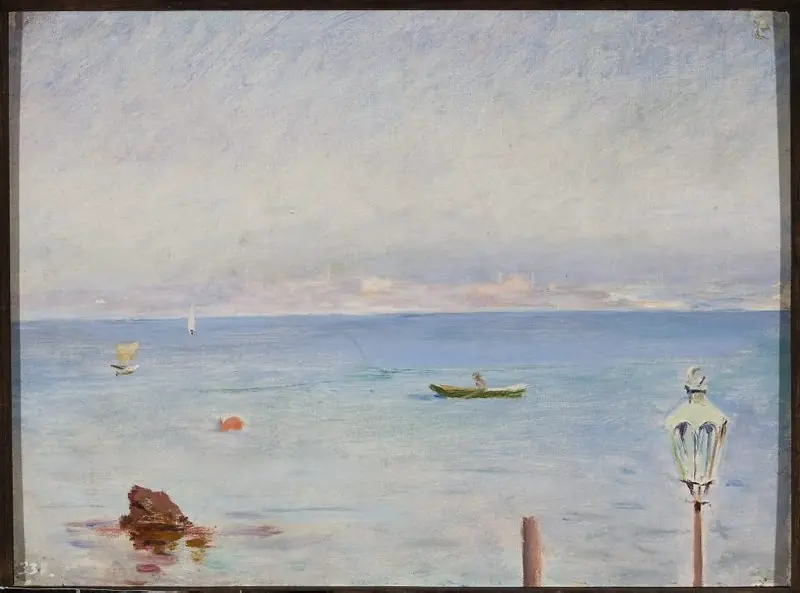 At Bosporus. From the journey to Constantinople
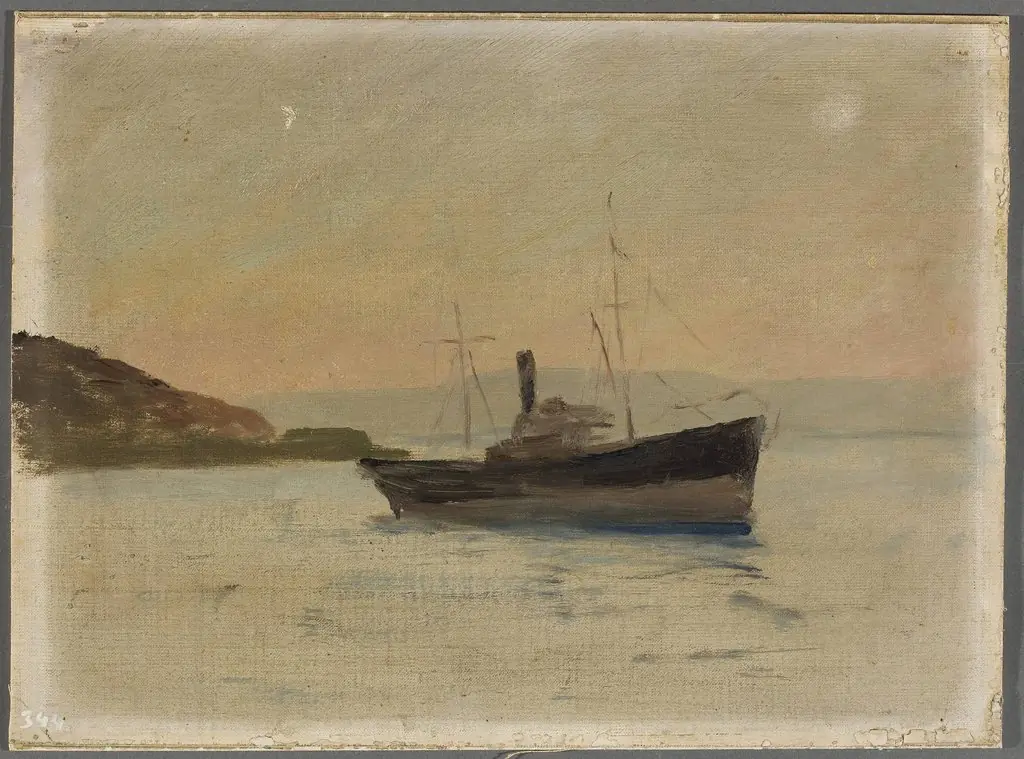 Ship on the Black Sea. From the journey to Constantinople
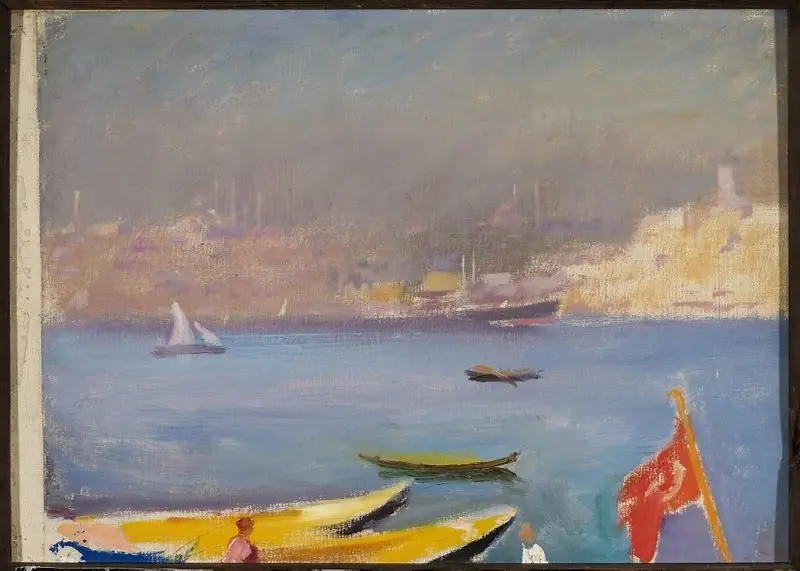 View of Constantinople. From the journey to Constantinople
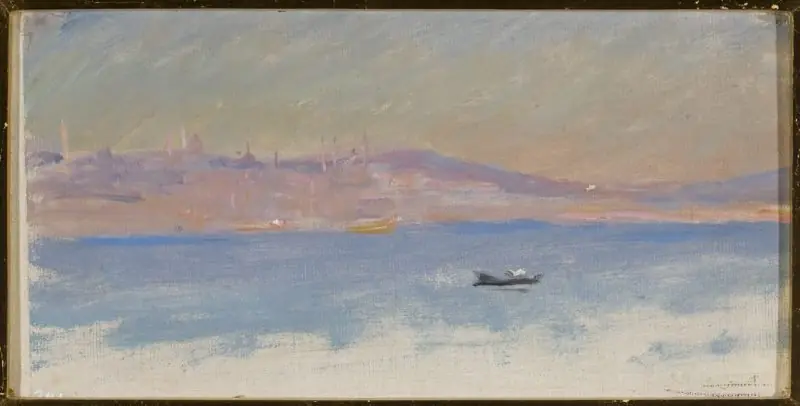 View of Constantinople. From the journey to Constantinople
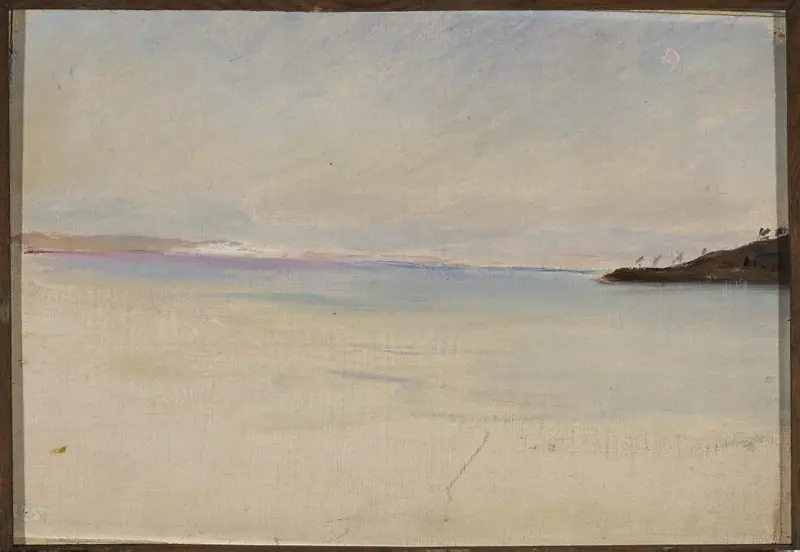 Sea. From the journey to Constantinople
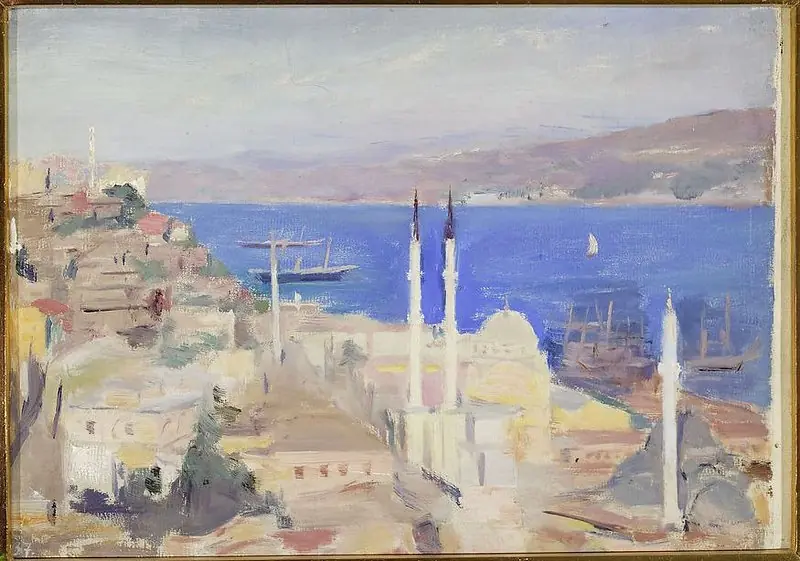 View of the port in Constantinople. From the journey to Constantinople