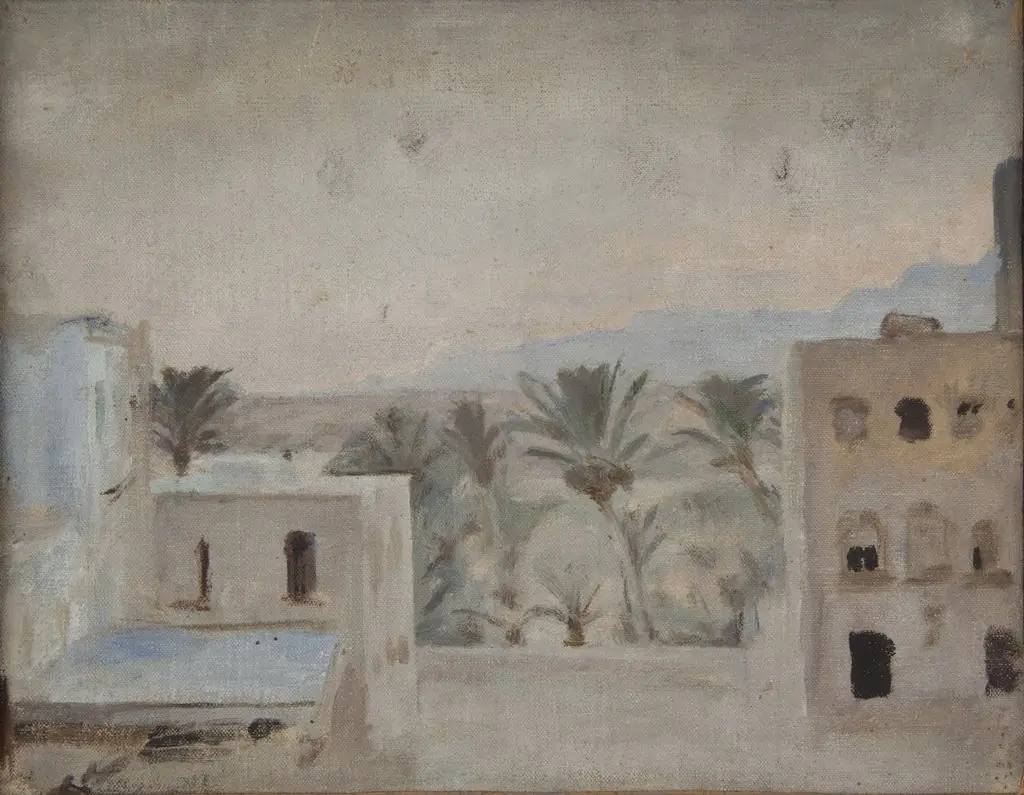
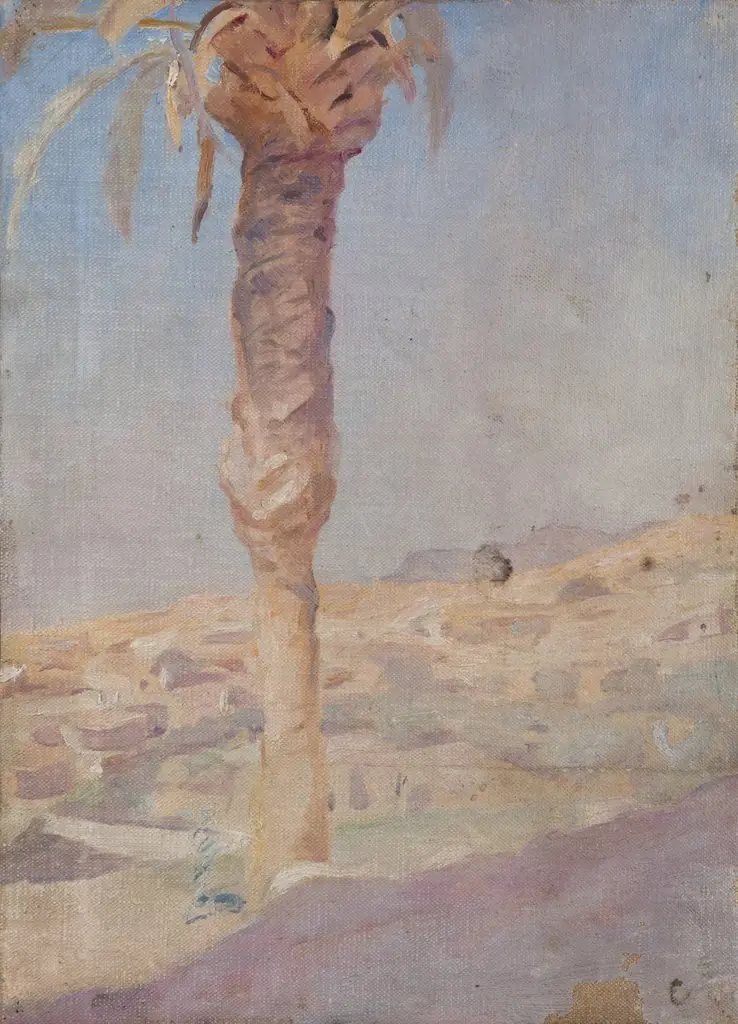
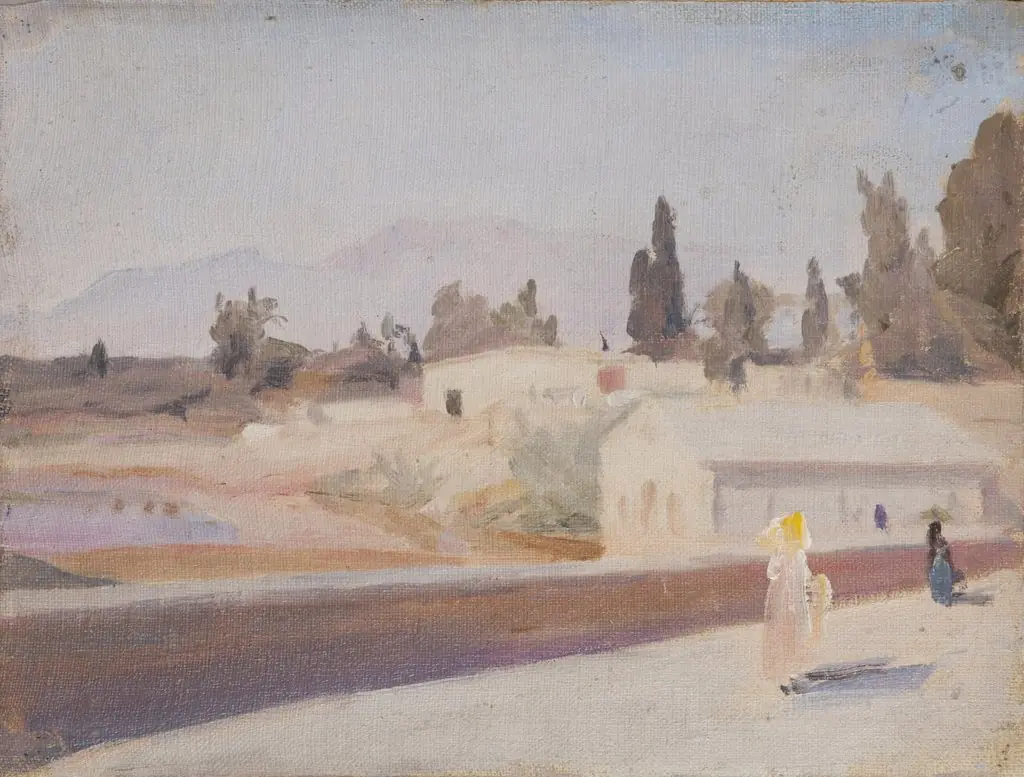
Artwork
Spain (Elche)
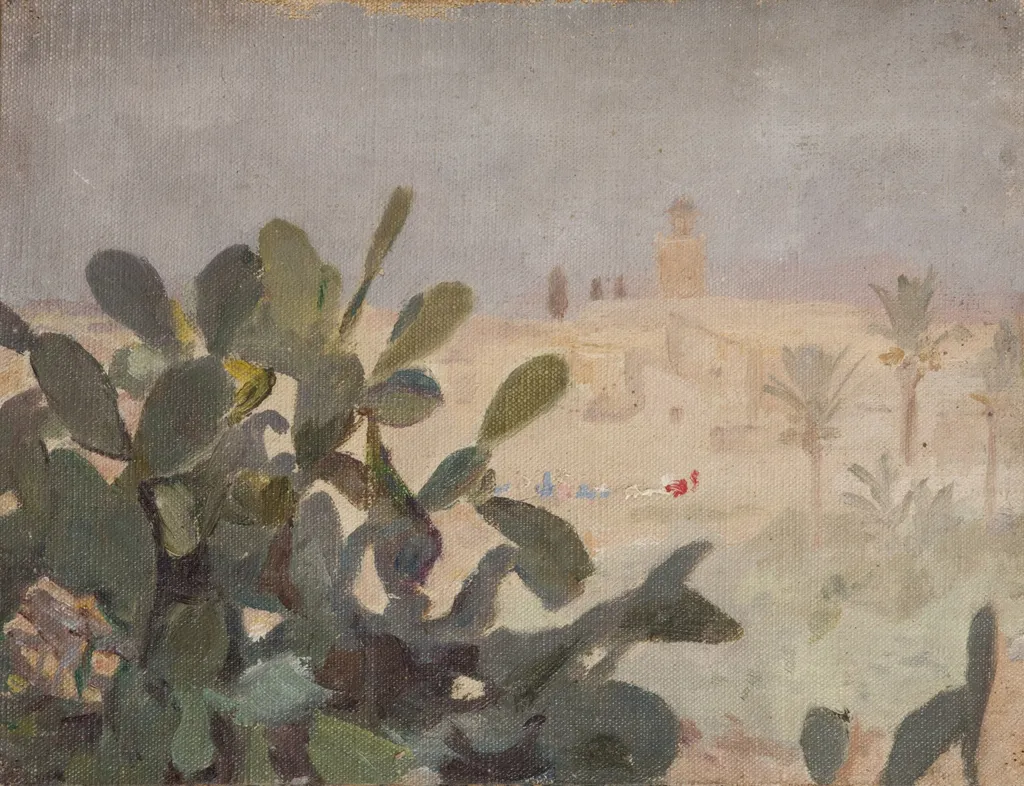
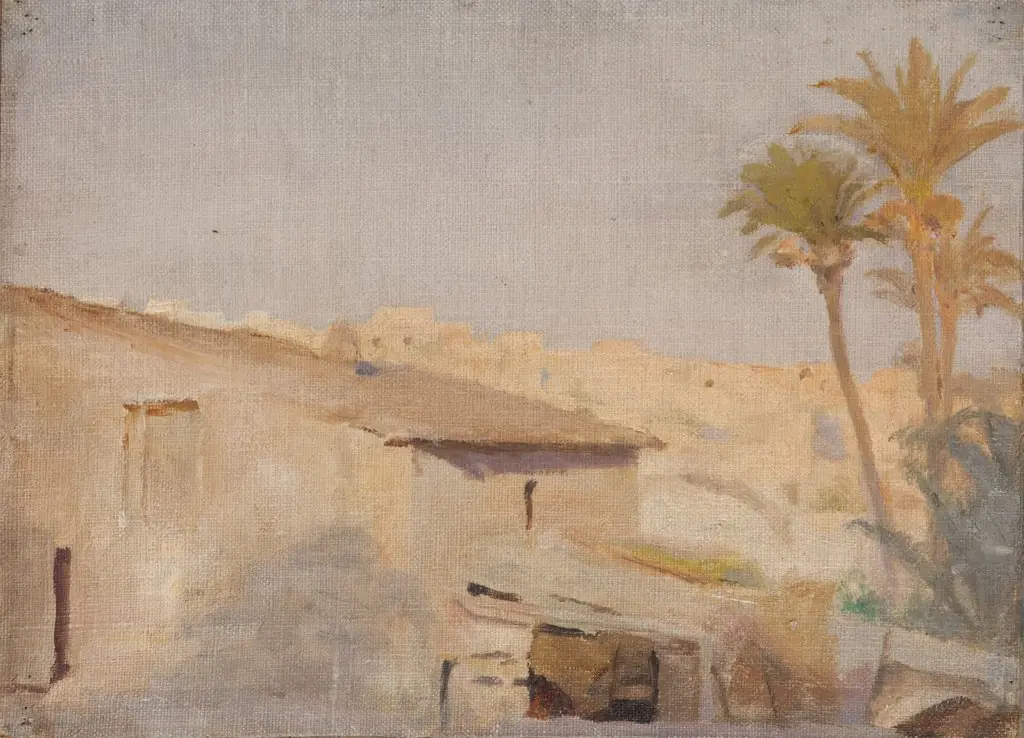
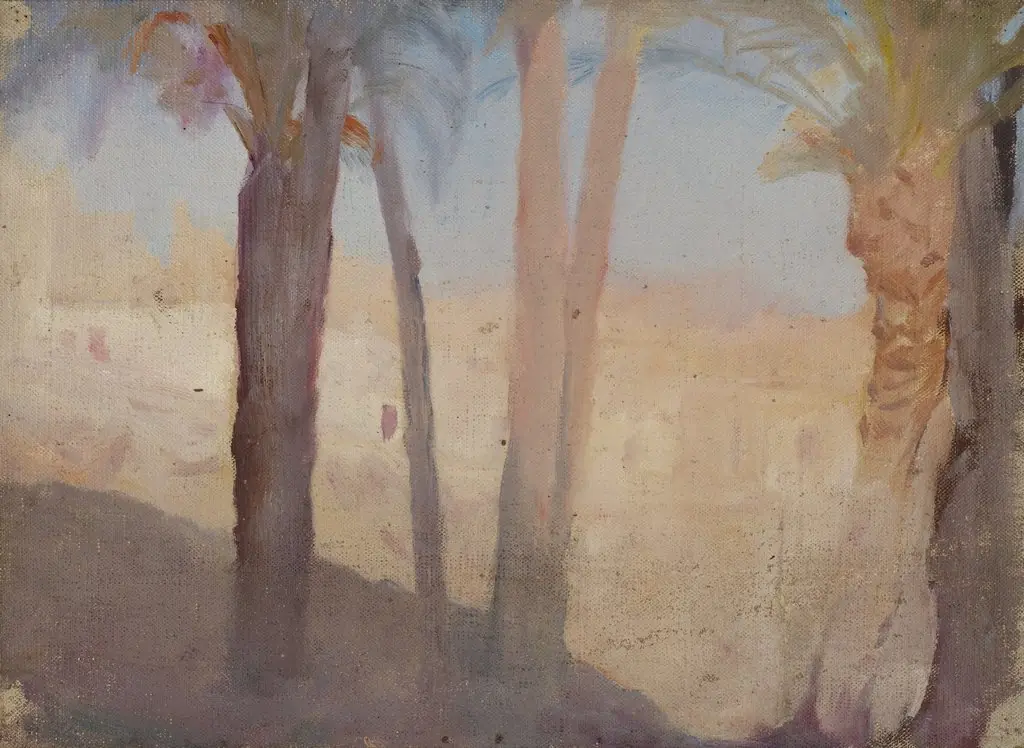
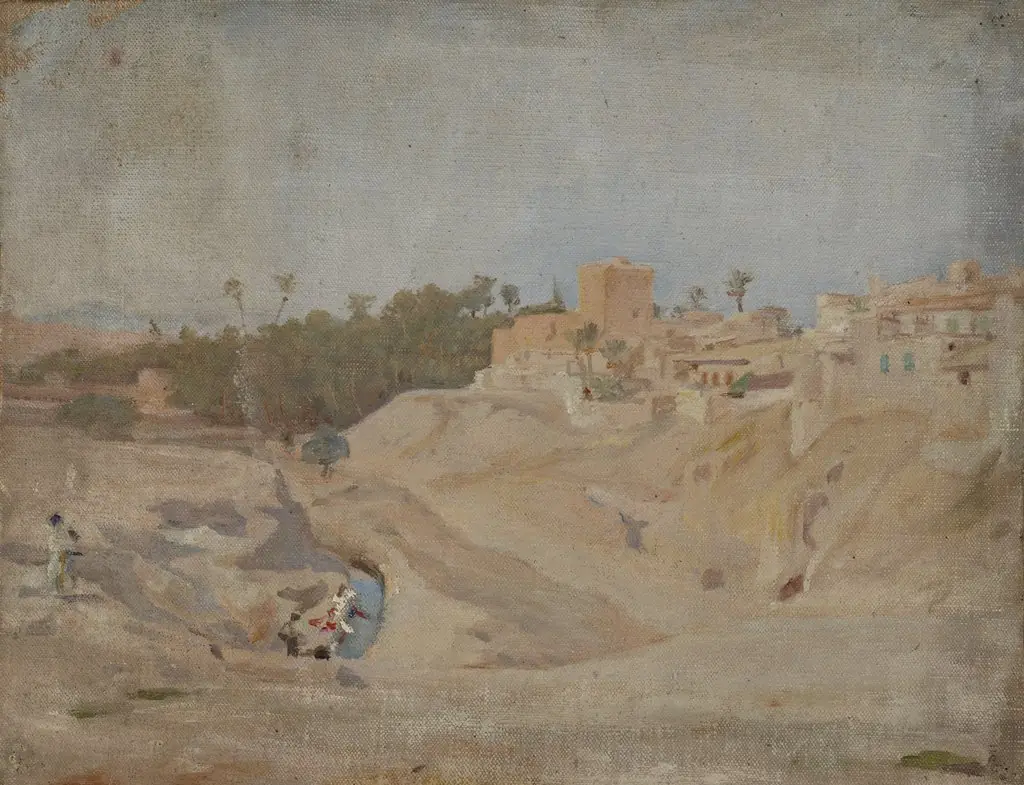
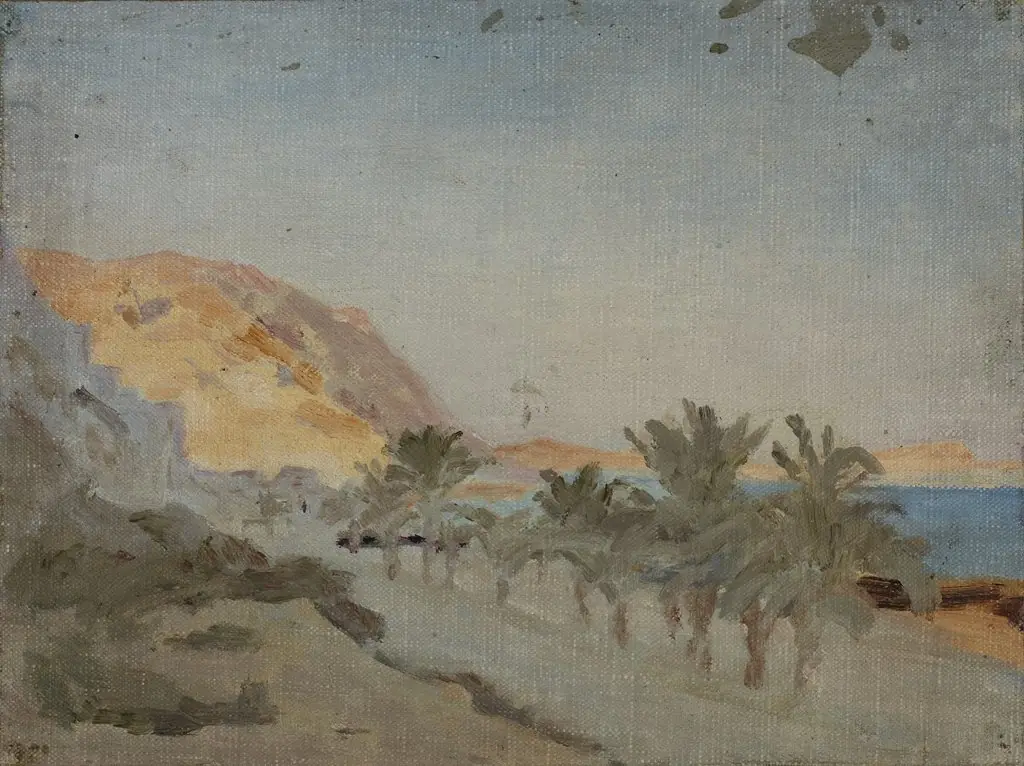
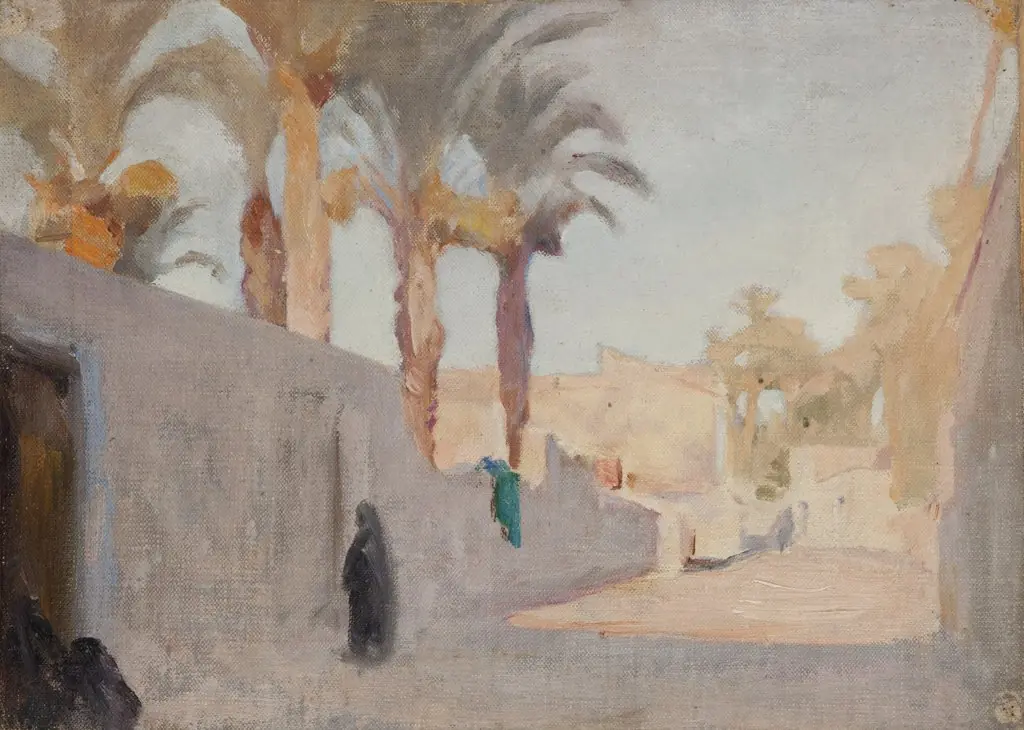
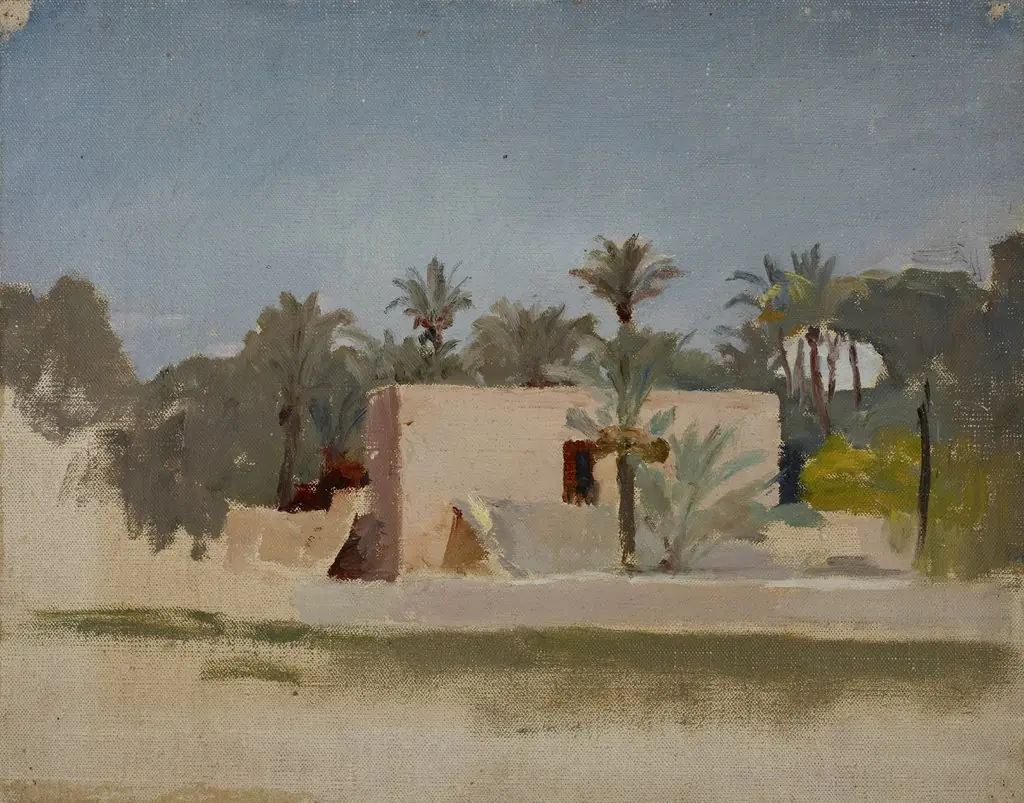
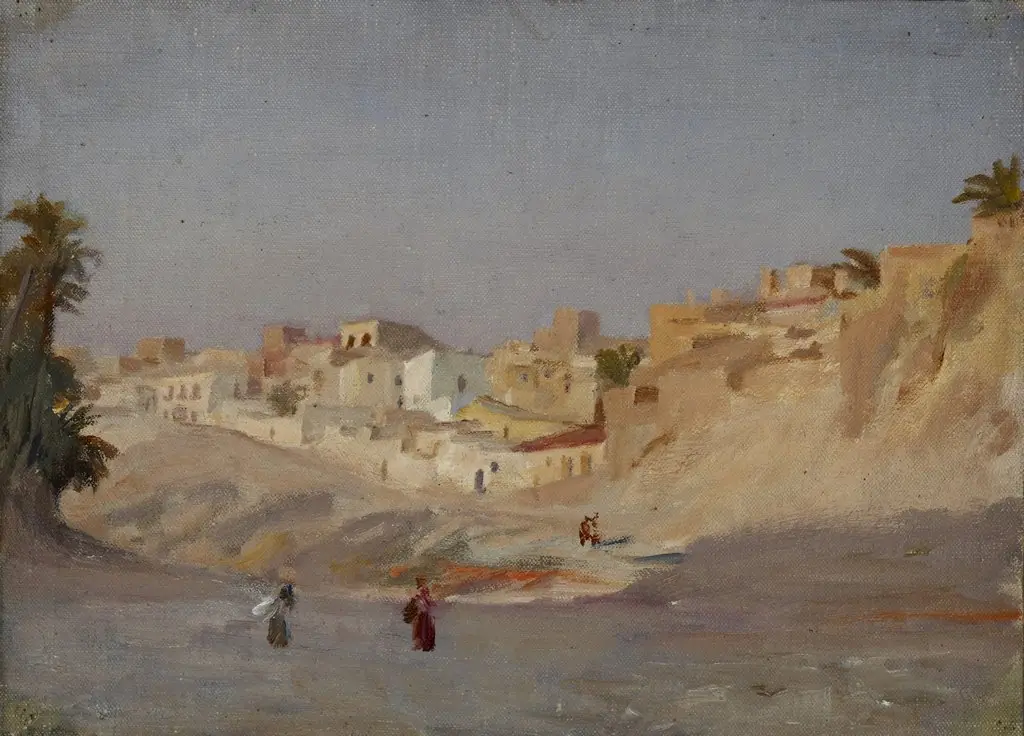
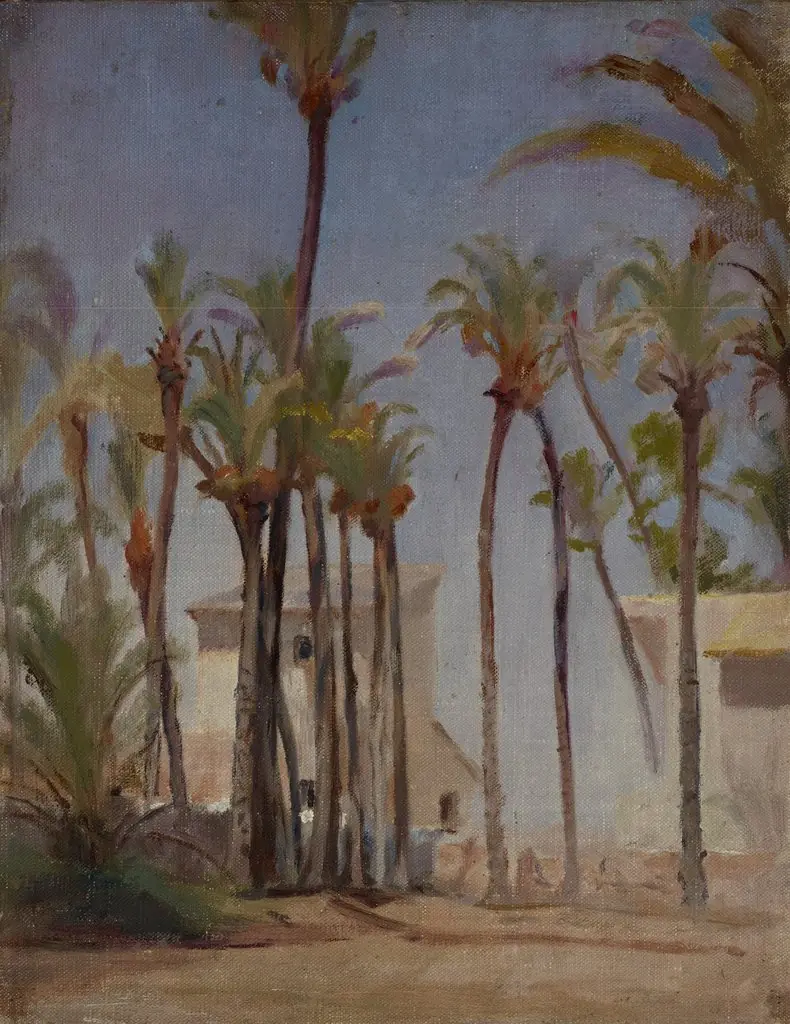
Spain (Elche) is an unspecified painting by the Impressionist artist Jan Ciągliński. It dates from 1900 and is held in the collection of the National Museum in Kraków.
About this work
Overview
The work belongs to the National Museum in Kraków and reflects his engagement with Impressionist methods.
Jan Ciągliński, a Polish artist working in St. Petersburg around the turn of the 20th century, painted *Spain (Elche)* in 1900. The work belongs to the National Museum in Kraków and reflects his engagement with Impressionist methods. Though not Spanish, Ciągliński captured a Spanish landscape during a period when Eastern European artists were increasingly absorbing Western European stylistic trends, particularly those emerging from France.
Subject & Meaning
The painting portrays a quiet scene in Elche, Spain, featuring dense, broad-leafed vegetation in the foreground, pale architecture with a slender tower in the middle ground, and slender palm trees rising against a hazy horizon. The muted gray sky and dry earth suggest a still, arid environment. Rather than depicting activity or narrative, the work emphasizes atmosphere and place, inviting contemplation of light and land over human presence.
Technique & Style
Ciągliński employed soft, blended brushwork and a restrained palette of earth tones and cool grays to evoke a tranquil, diffused light. Shadows are subtle, not sharply defined, contributing to a sense of quiet realism. The technique avoids bold contrasts or vivid hues, aligning with Impressionist concerns for optical perception and atmospheric effect, while retaining a restrained, almost meditative quality uncommon in more vibrant French examples.
History & Provenance
Created in 1900, the painting entered the collection of the National Museum in Kraków, where it remains today. Ciągliński’s travels in southern Europe, including Spain, informed his subject matter during this phase of his career. His works were exhibited in Russian imperial circles, and *Spain (Elche)* is among the few surviving examples that document his engagement with non-Russian landscapes during a time when his artistic identity was shaped by both Polish heritage and Russian institutional contexts.
Context
During the late 19th and early 20th centuries, artists from the Russian Empire, including Poles like Ciągliński, began adopting Impressionist approaches as alternatives to academic traditions. While French Impressionism emphasized fleeting moments and urban life, Ciągliński’s focus on rural Spanish scenery reflects a broader trend of Eastern European painters seeking inspiration beyond their borders, blending local sensibilities with international styles.
Legacy
Ciągliński’s *Spain (Elche)* is recognized as one of the early instances of Impressionist practice in the Russian Empire’s artistic periphery. Though not widely known outside Poland and Russia, his work contributes to the understanding of how Impressionism was adapted in non-Western contexts. His restrained, atmospheric approach distinguishes him from his French contemporaries and highlights the diversity of Impressionist expression across Europe.
Artist & collection
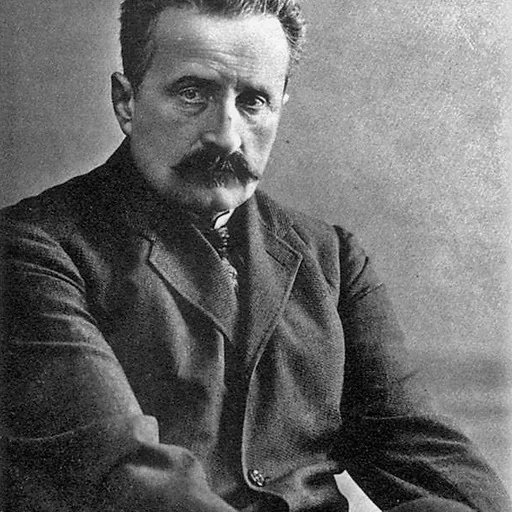
Artist
Jan Ciągliński (Polish: ; Russian: Ян/Иван Францевич Ционглинский, romanized: Yan/Ivan Frantsevich Tsionglinskiy; 20 February 1858 – 6 January 1913) was a Polish painter, active in St.