Artwork
Flusslandschaft
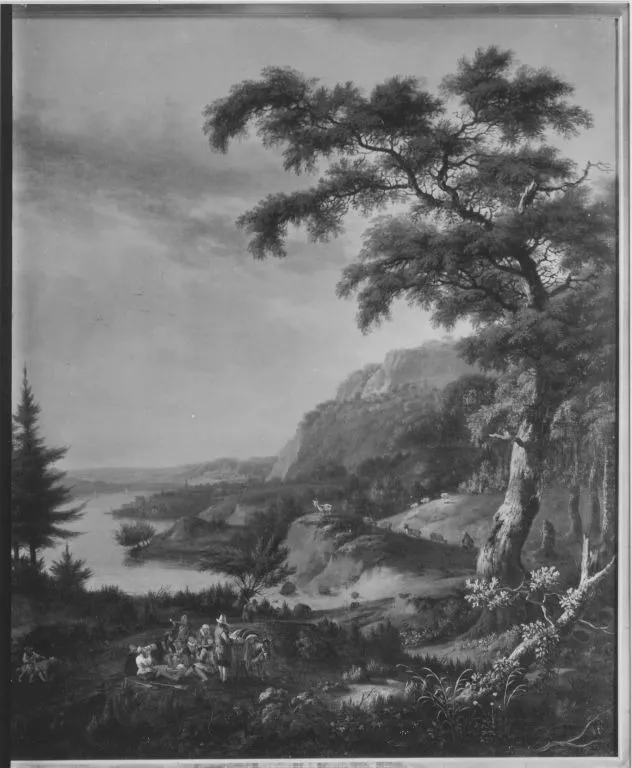
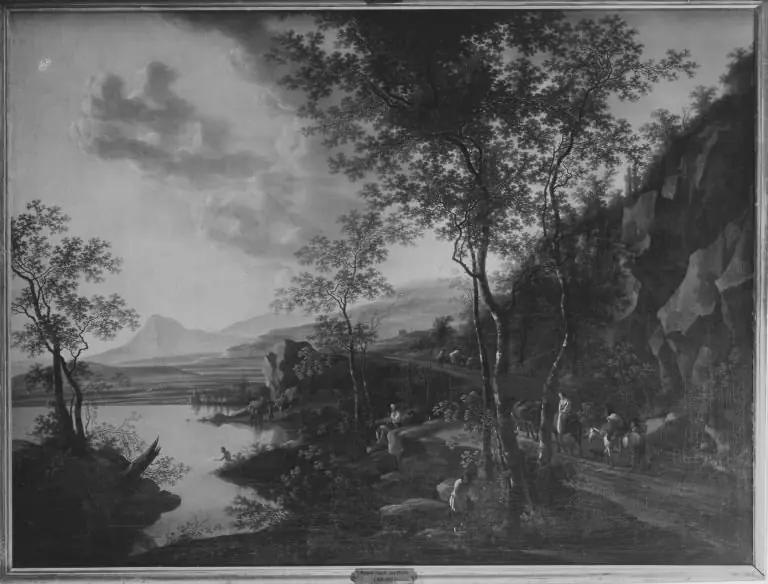
Flusslandschaft is an unspecified painting by the Dutch Golden Age artist Jan Gabrielsz Sonjé. It dates from 1696 and is held in the collection of the Bavarian State Painting Collections.
About this work
Overview
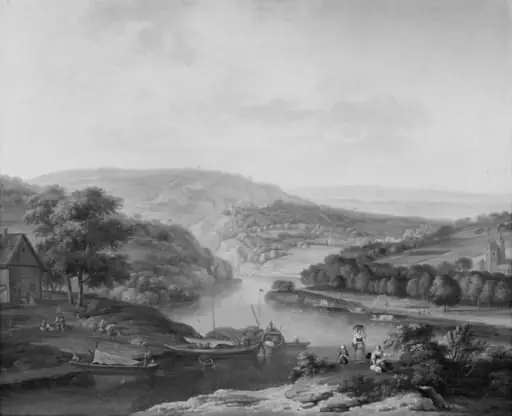
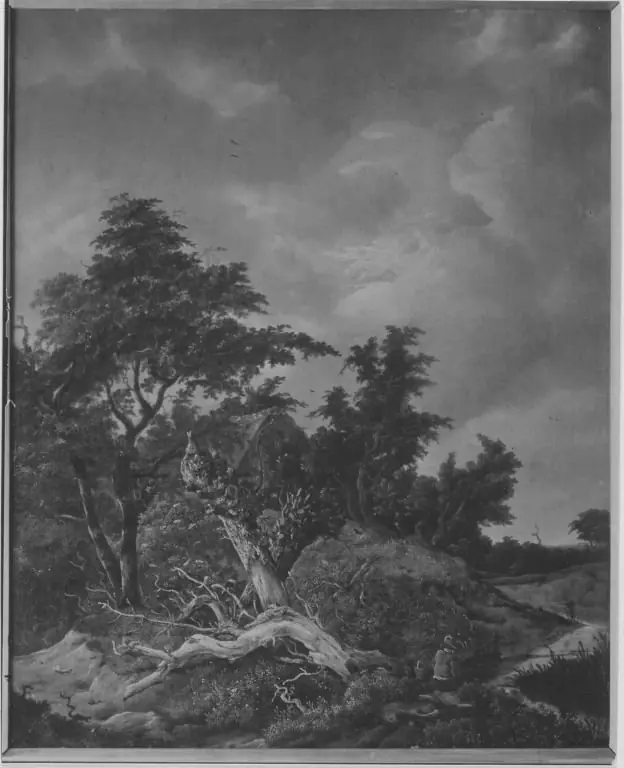
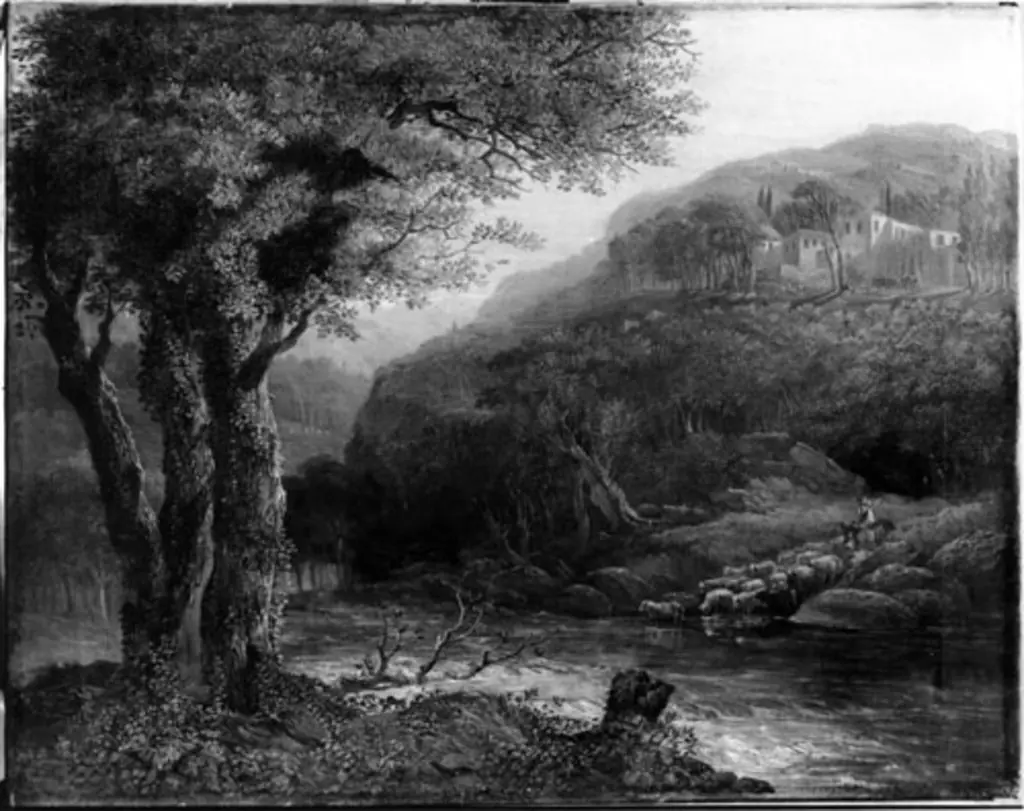
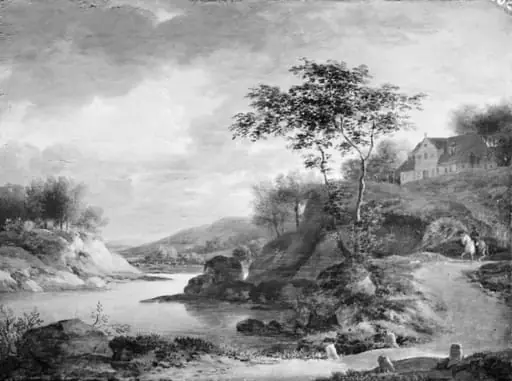
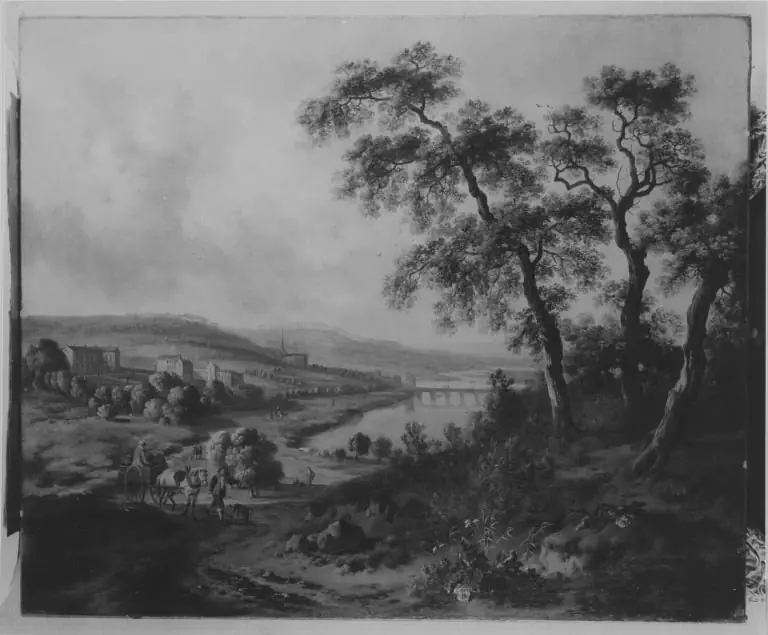
A solitary tree crowns the composition, while figures and a grazing horse occupy the riverbank.
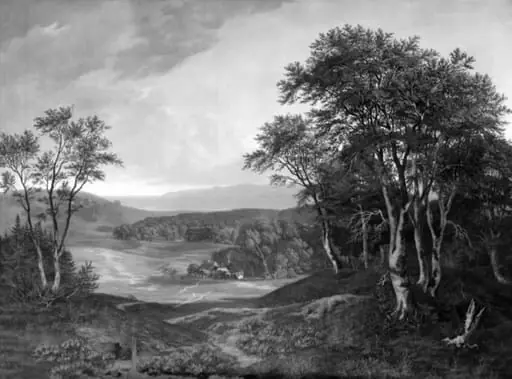
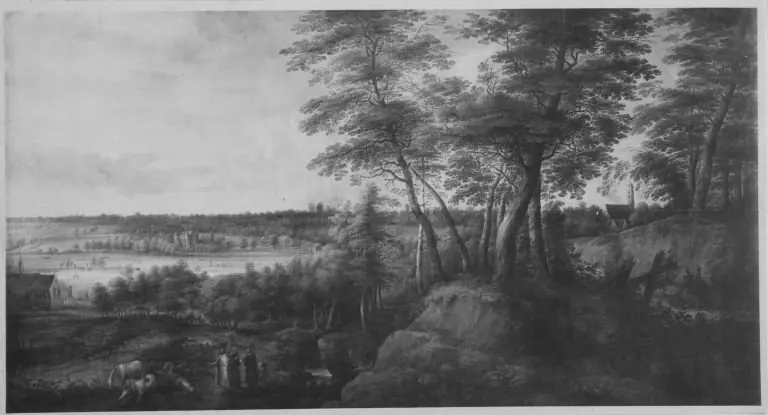
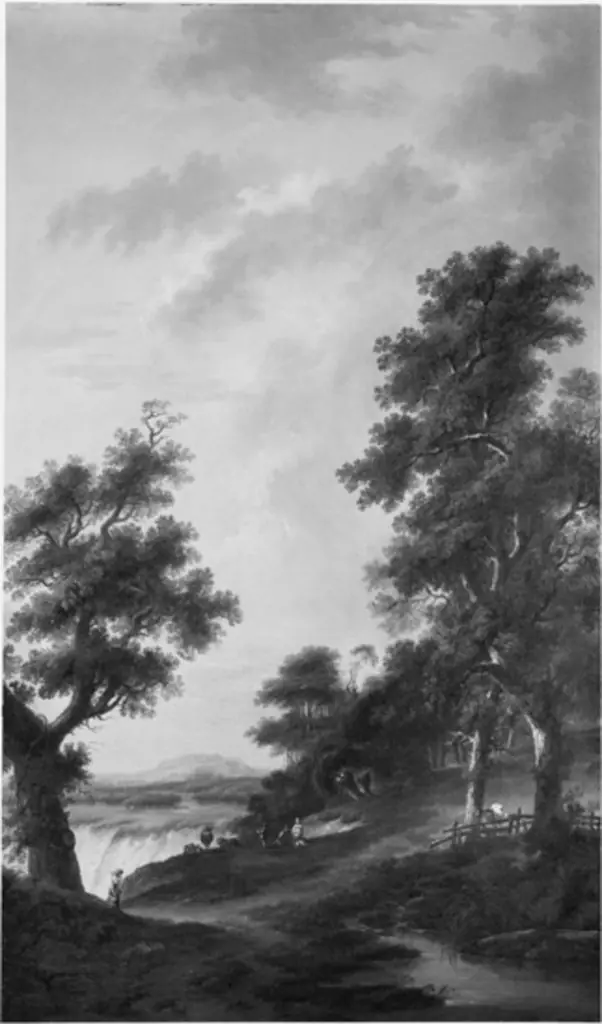
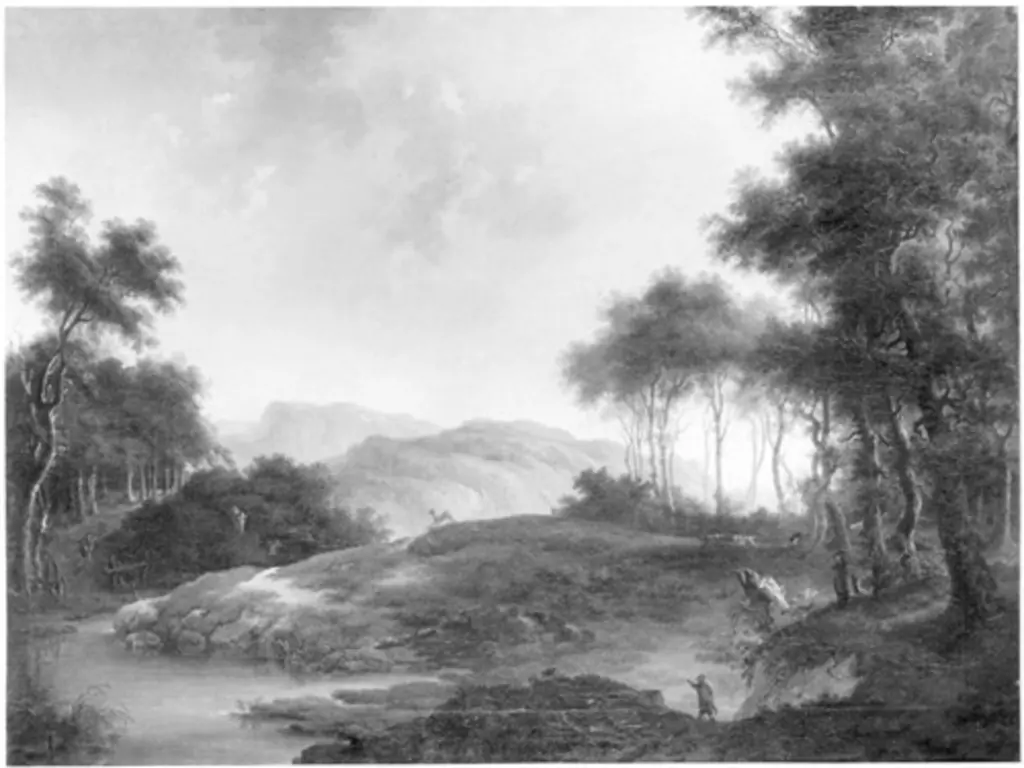
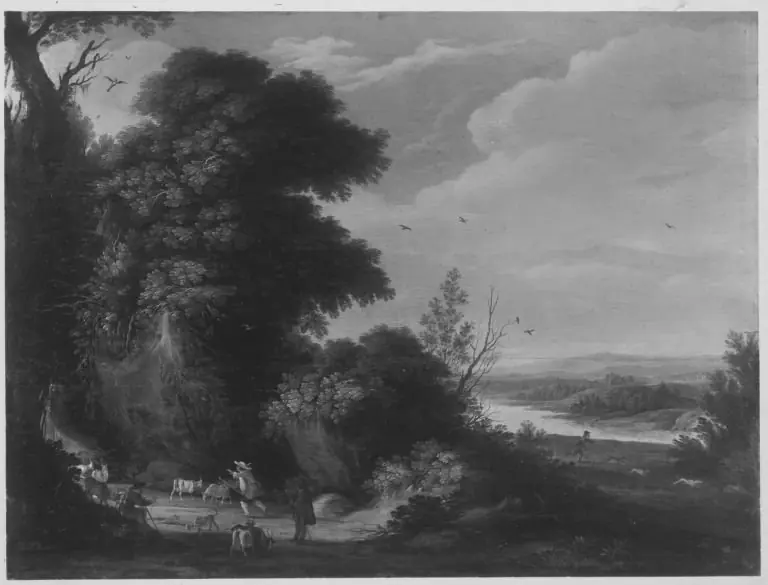
Flusslandschaft is a 1696 oil painting by Dutch artist Jan Gabrielsz Sonjé. The work portrays a tranquil river valley framed by rolling hills and a meandering path. A solitary tree crowns the composition, while figures and a grazing horse occupy the riverbank. Soft, cloud‑filled skies and mist‑shrouded distant hills complete the scene. The painting is part of the collection of the Alte Pinakothek in Munich.
Subject & Meaning
The composition presents a peaceful countryside, emphasizing the harmony between humans, animals, and the natural environment. The lone tree and winding path suggest a journey through an idyllic landscape, while the seated figures convey a moment of repose beside the water. The misty horizon and gentle clouds contribute to a contemplative atmosphere, inviting viewers to reflect on the serenity of rural life.
Technique & Style
Sonjé employs a subtle gradation of tones to render a soft, almost reverie‑like quality. Light is rendered with a delicate diffusion that caresses the foliage, figures, and the horse, producing a faint luminescence across the surface. This nuanced handling of chiaroscuro creates depth without harsh contrasts, allowing the landscape to unfold in a calm, unified visual field.
History & Provenance
Created at the close of the 17th century, Flusslandschaft entered the holdings of the Alte Pinakothek, where it remains on display. The painting’s provenance traces back to the artist’s Dutch workshop, reflecting the period’s interest in bucolic scenes that combined genre elements with idealized nature. Its presence in a major German museum underscores its relevance to the broader European landscape tradition.
Artist & collection