Artwork
Afflicta Virgo
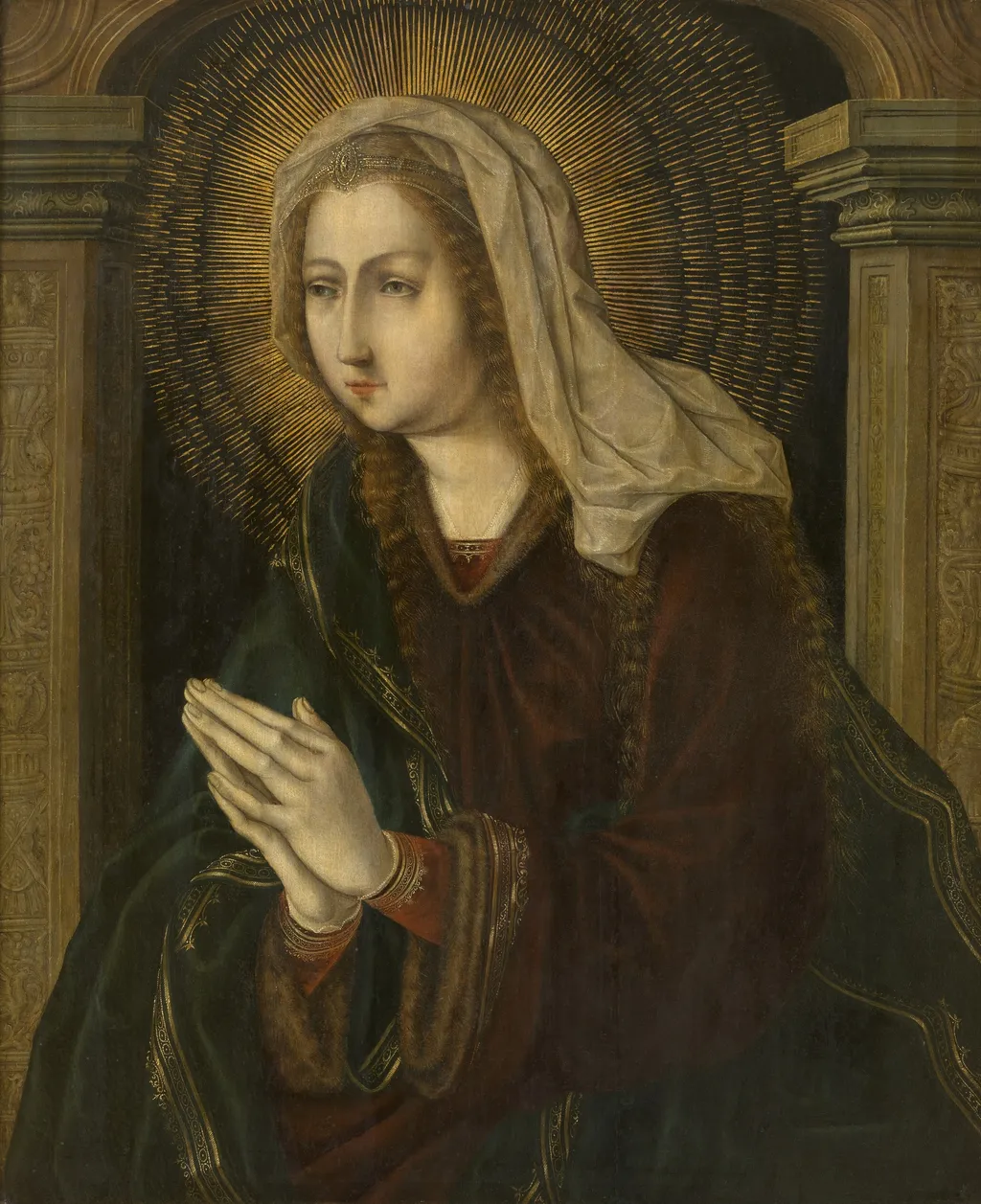
Afflicta Virgo is an oil painting by the Mannerist artist Jan Gossaert. It is held in the collection of the Royal Museum of Fine Arts Antwerp.
About this work
Overview
Afflicta Virgo is a religious oil painting created by Jan Gossaert (also known as Jan Mabuse) in 1575. It is part of the Royal Museum of Fine Arts Antwerp's collection and exemplifies the Mannerist movement.
Subject & Meaning
The painting portrays a devout woman in prayer, identifiable by her clasped hands, dark robe, and white head covering. A golden halo surrounds her head, signifying her saintly or virtuous nature. Her serene face, cast downward eyes, and gentle expression convey quiet contemplation and devotion.
Technique & Style
Gossaert, influenced by his exposure to Italian Renaissance during a 1508-09 trip, combined Northern European detail with Romanism. The work features intricate robe folds, chiaroscuro for depth, and glazing to achieve luminosity, particularly evident in the subtle, radiating lines behind the halo.
History & Provenance
Created in 1575 by Jan Gossaert, a leading figure in the Romanism style after his Italian visit. The painting is currently held in the Royal Museum of Fine Arts Antwerp.
Context
Afflicta Virgo reflects Gossaert's synthesis of Northern European attention to detail and Italian Renaissance techniques, characteristic of the transitional period between Renaissance and Mannerist styles in Northern Europe.
Legacy
As a work by a prominent Northern European Mannerist, Afflicta Virgo contributes to the understanding of the period's artistic evolution, though its specific impact or notable exhibitions are not highlighted in available information.
Artist & collection
Artist
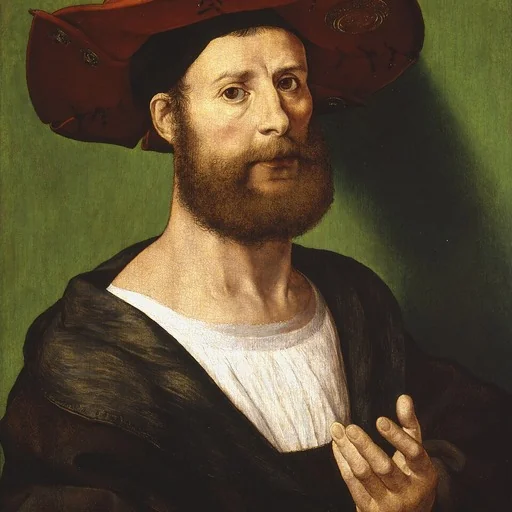
Jan Gossaert (c. 1478 – 1 October 1532) was a French-speaking painter from the Low Countries also known as Jan Mabuse (the name he adopted from his birthplace, Maubeuge) or Jennyn van Hennegouwe (Hainaut), as he called…

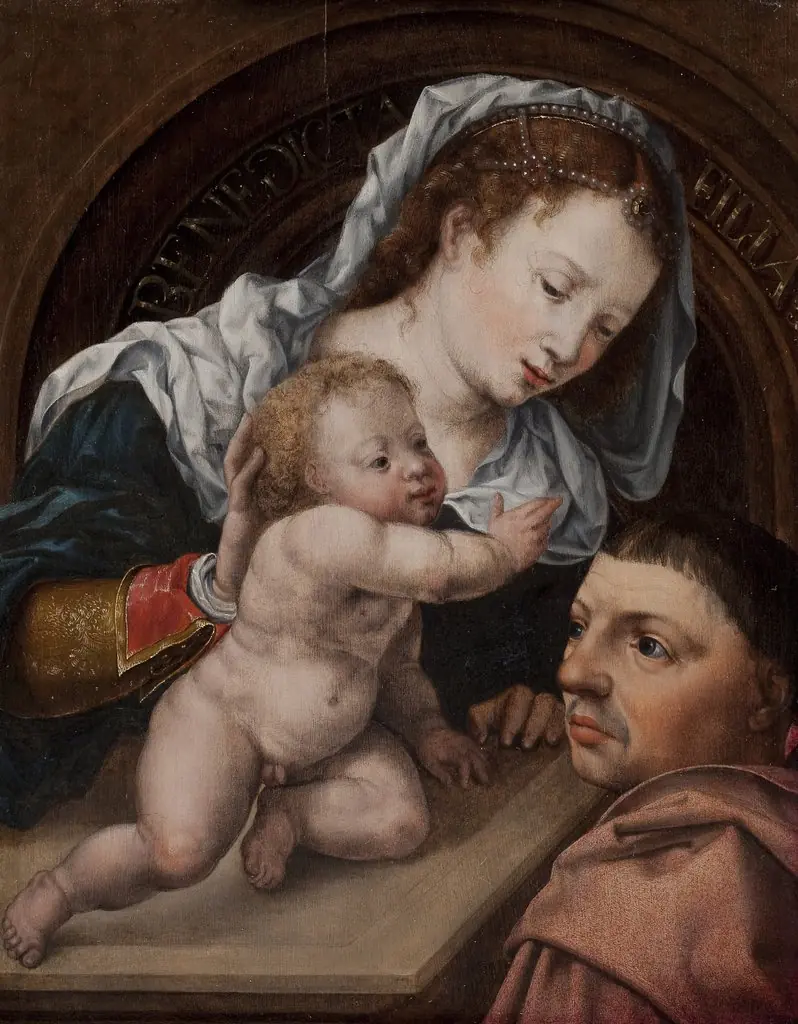
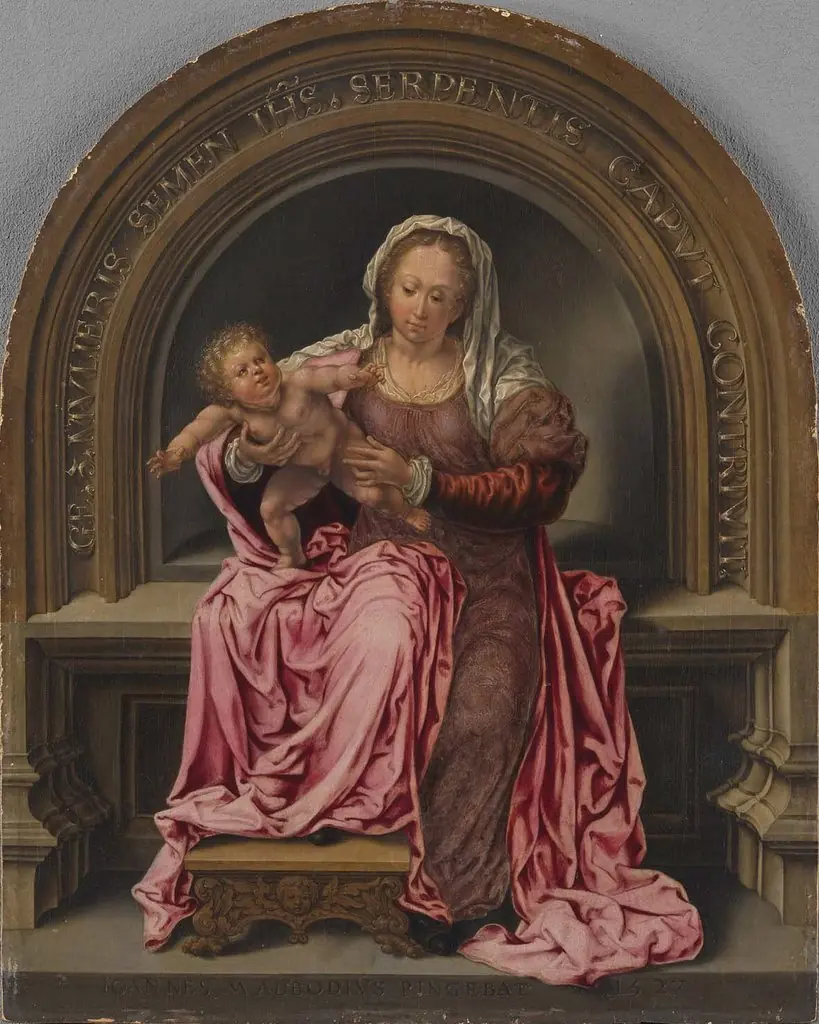
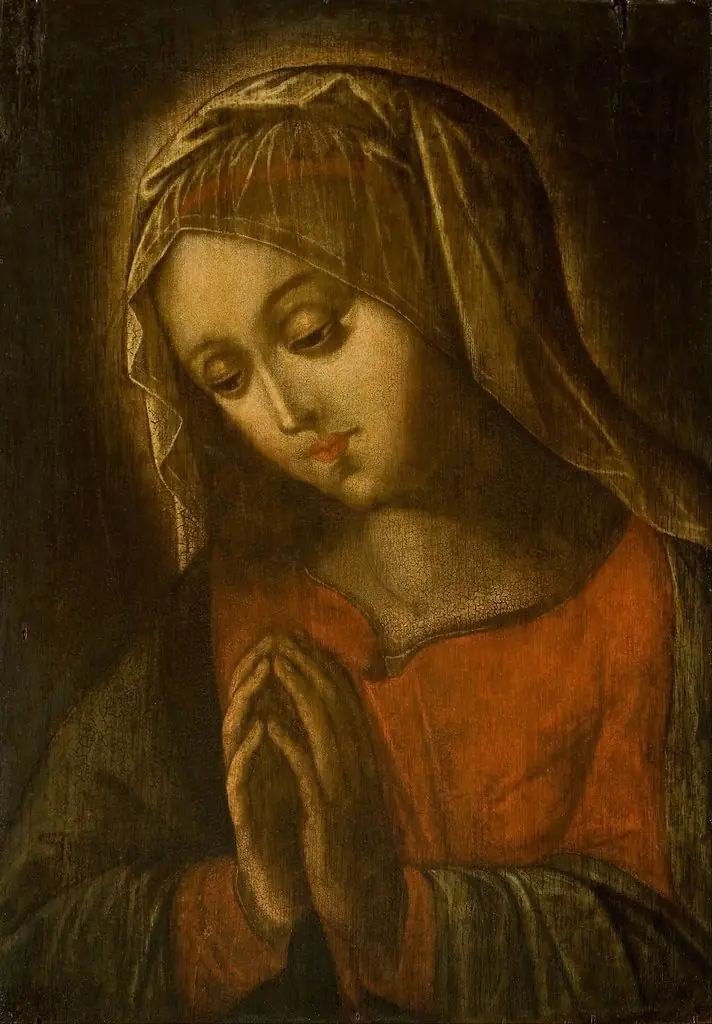 Virgin in Prayer
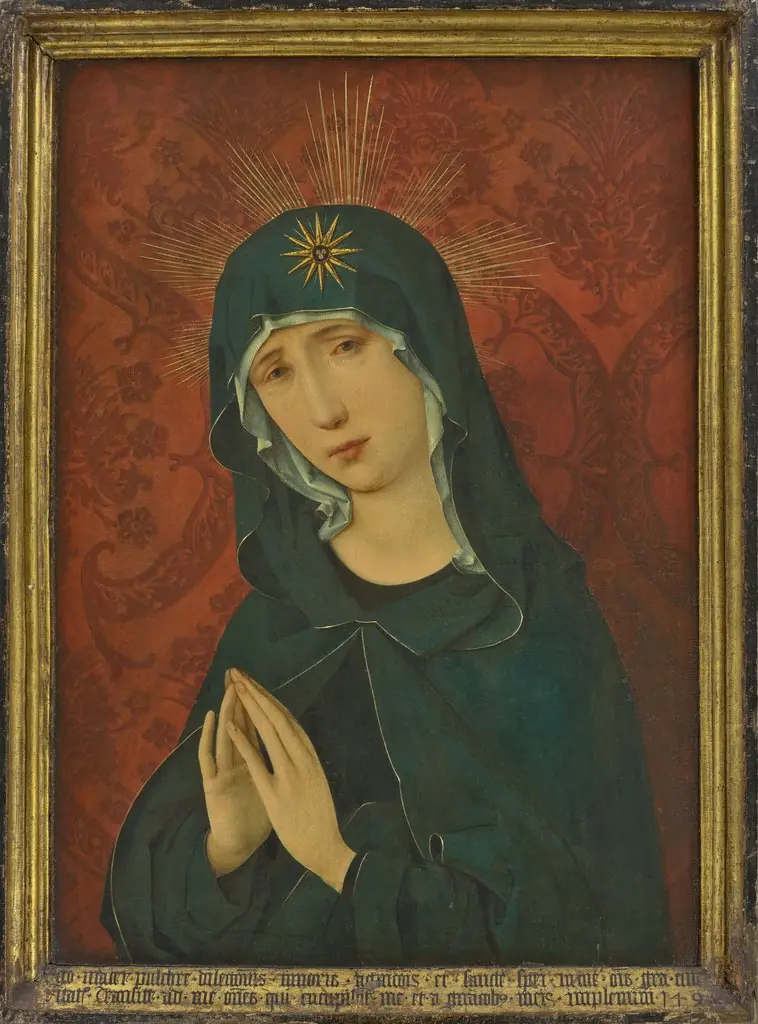 The Virgin Mary as the Mother of Sorrows
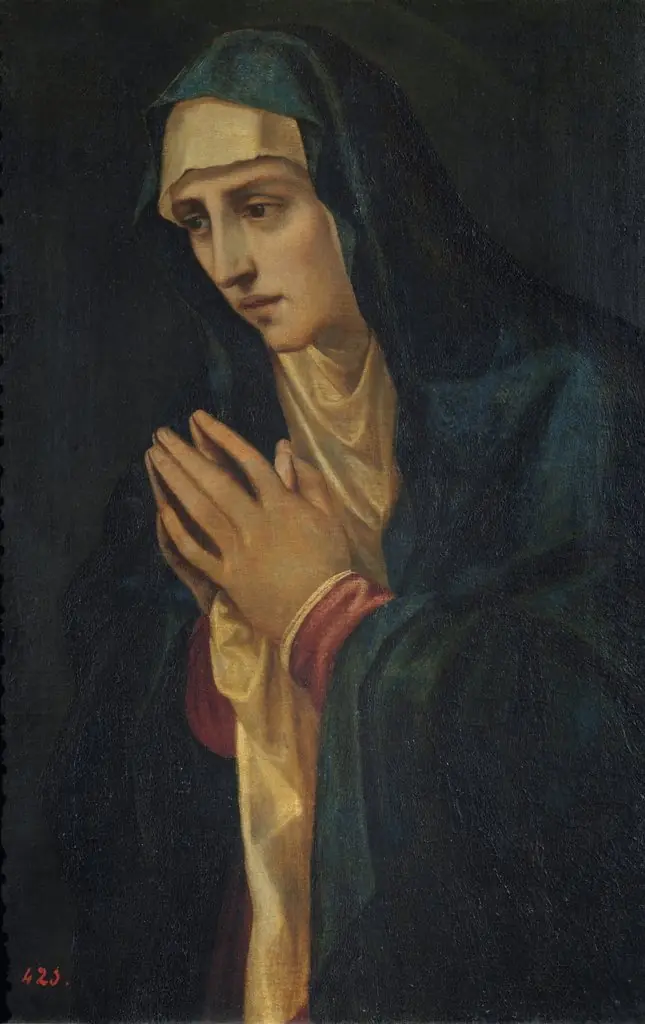 The Virgin in Contemplation
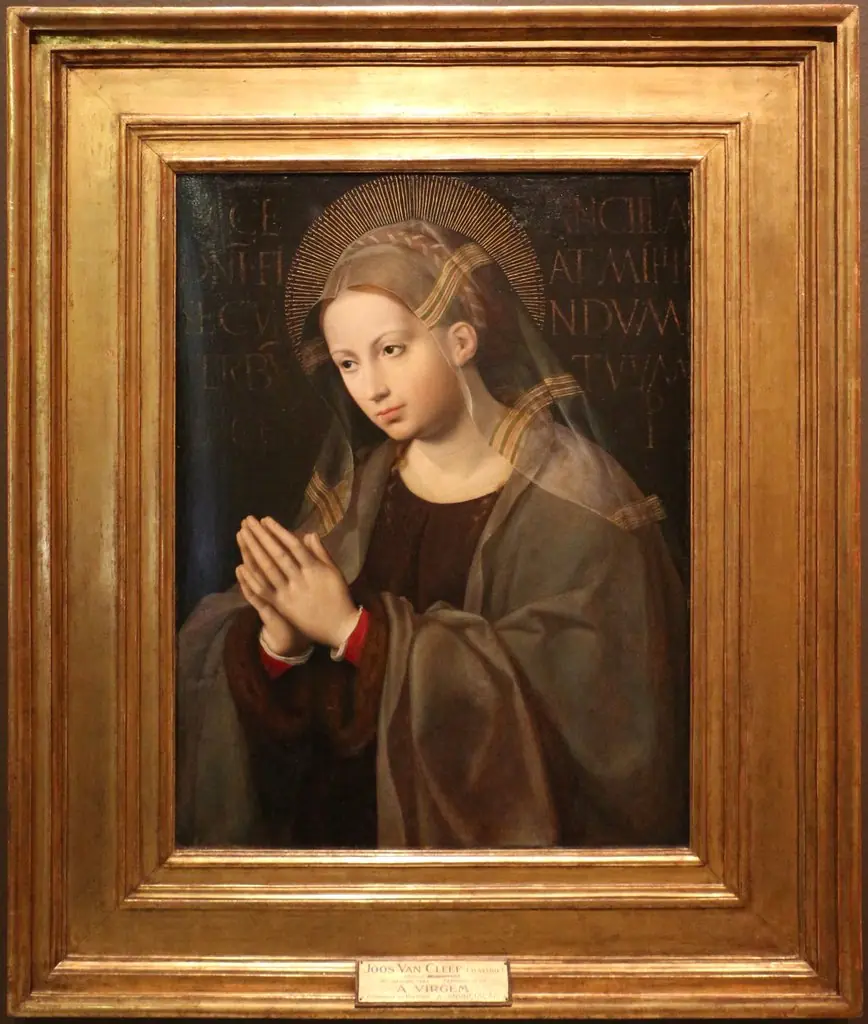 Madonna
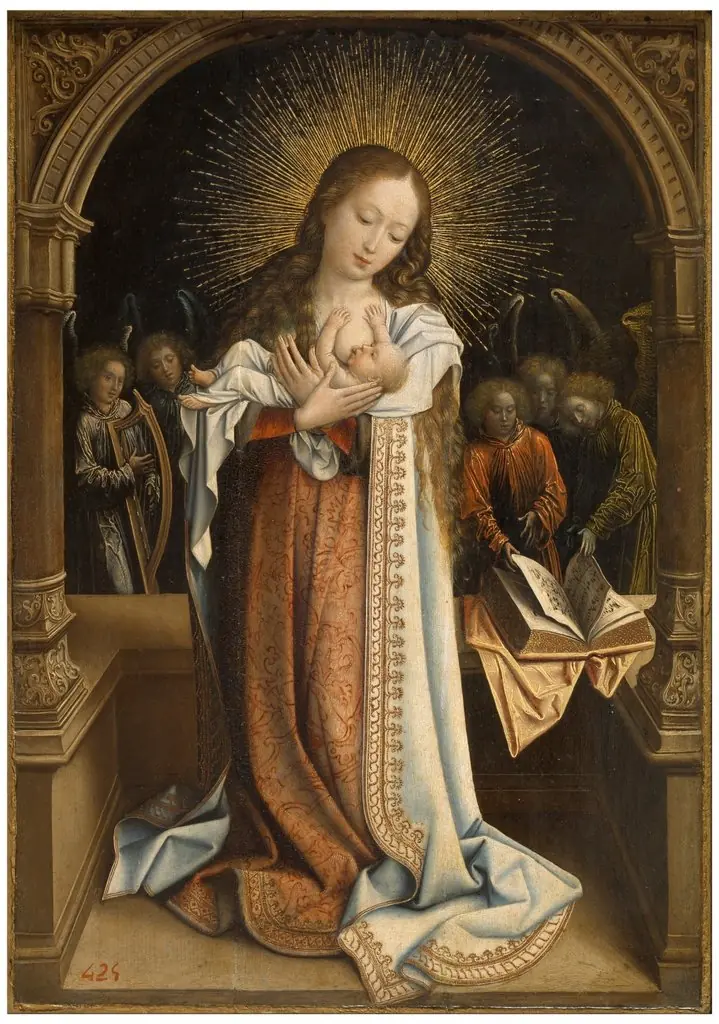 The Virgin Nursing the Child
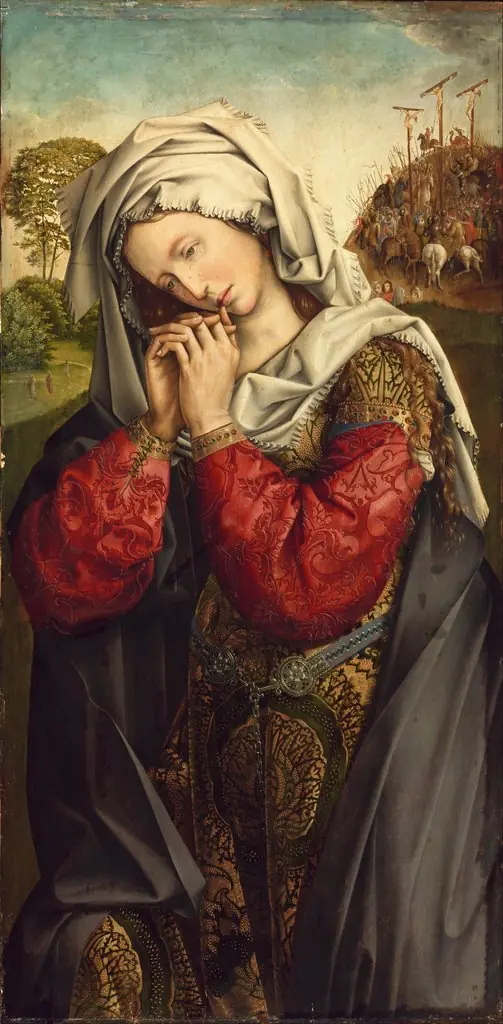 The Mourning Mary Magdalene
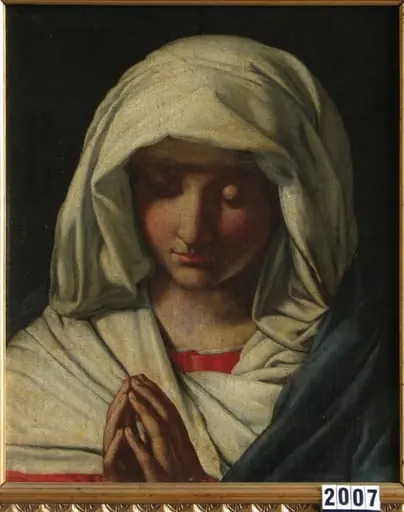 Madona orantă
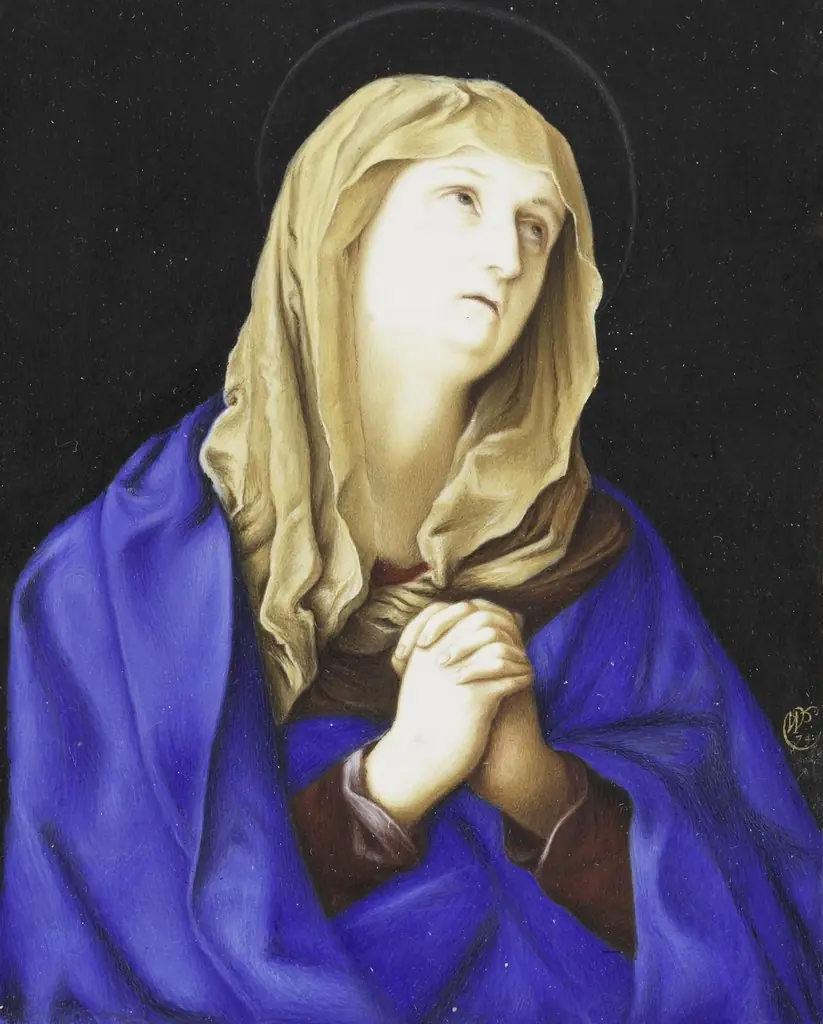 Madonna
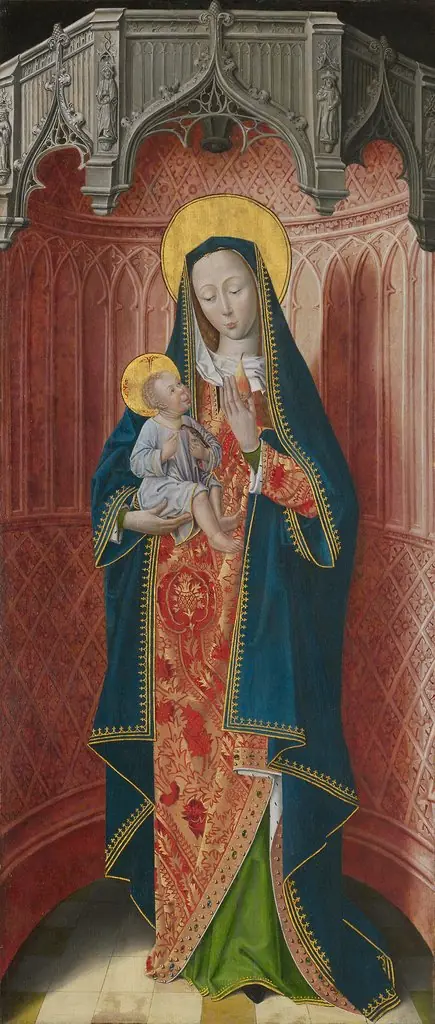 Panels from the High Altar of the Charterhouse of Saint-Honoré, Thuison-les-Abbeville: Virgin and Child
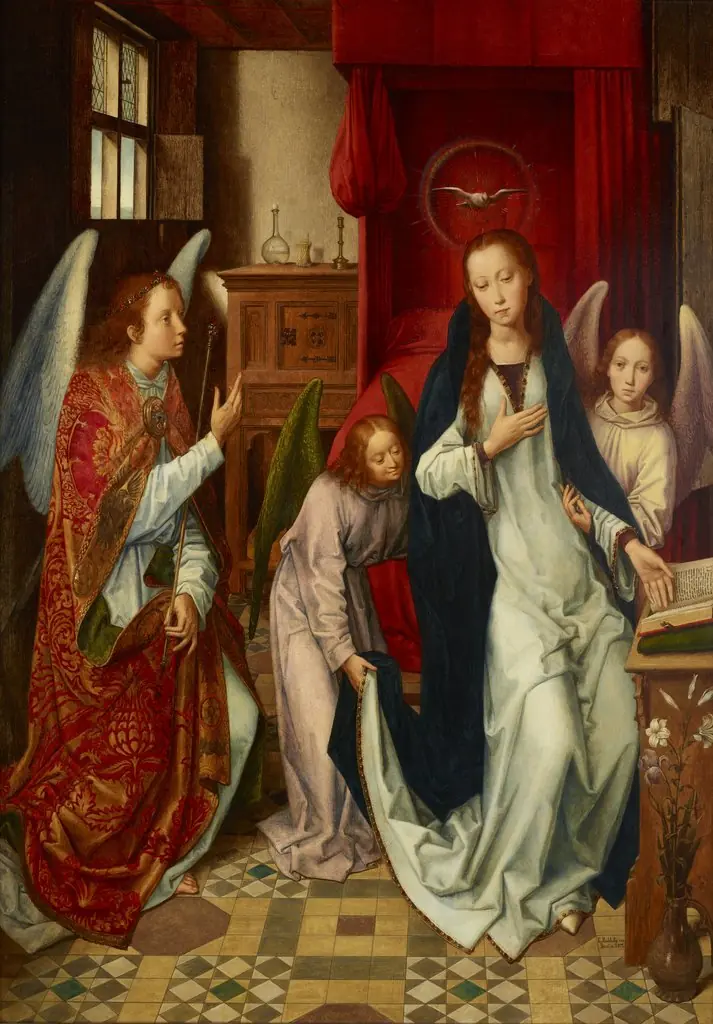 Christ's Bath
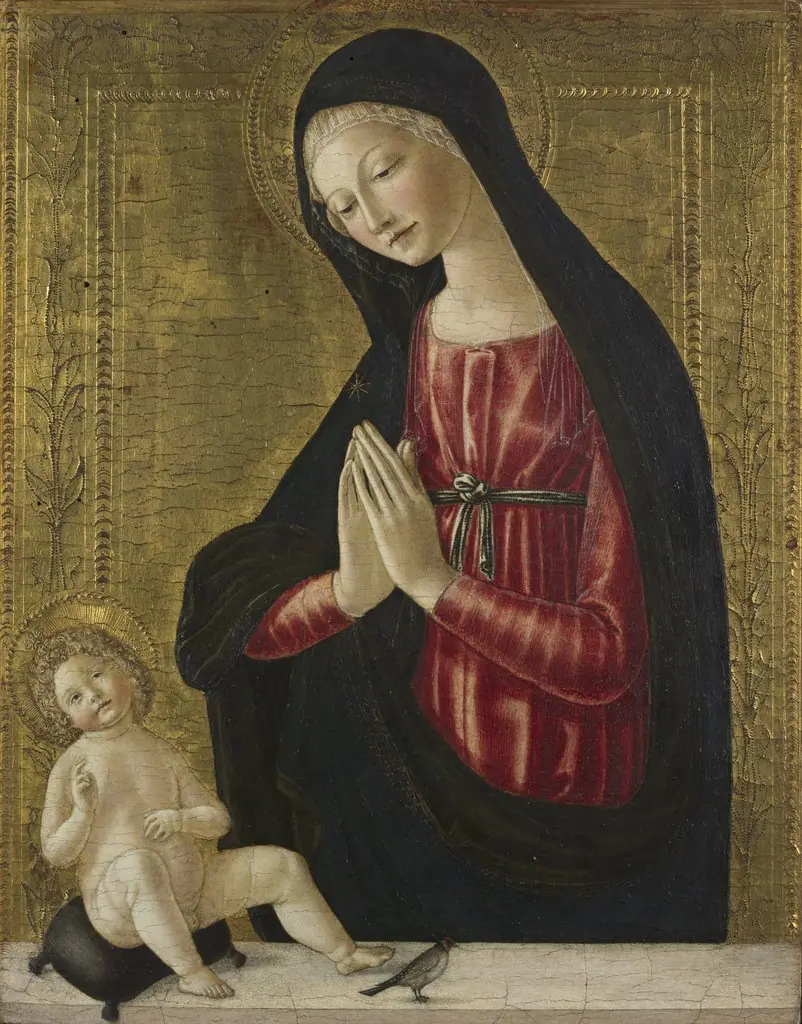 Virgin and Child with a Goldfinch
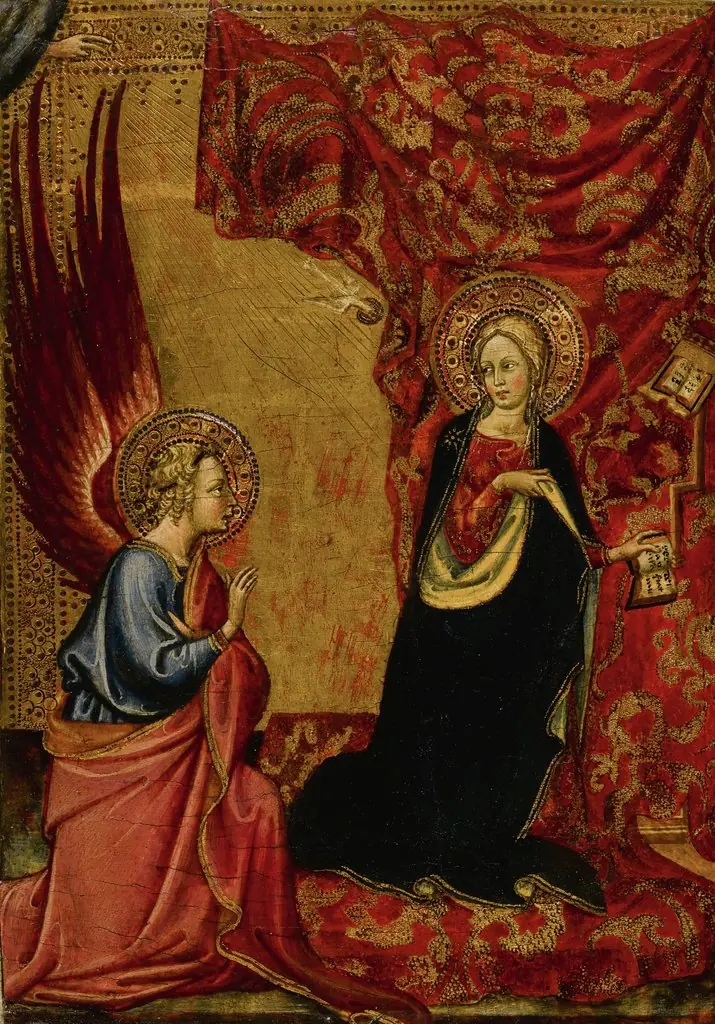 The Annunciation