Artwork
Panels from the High Altar of the Charterhouse of Saint-Honoré, Thuison-les-Abbeville: Virgin and Child
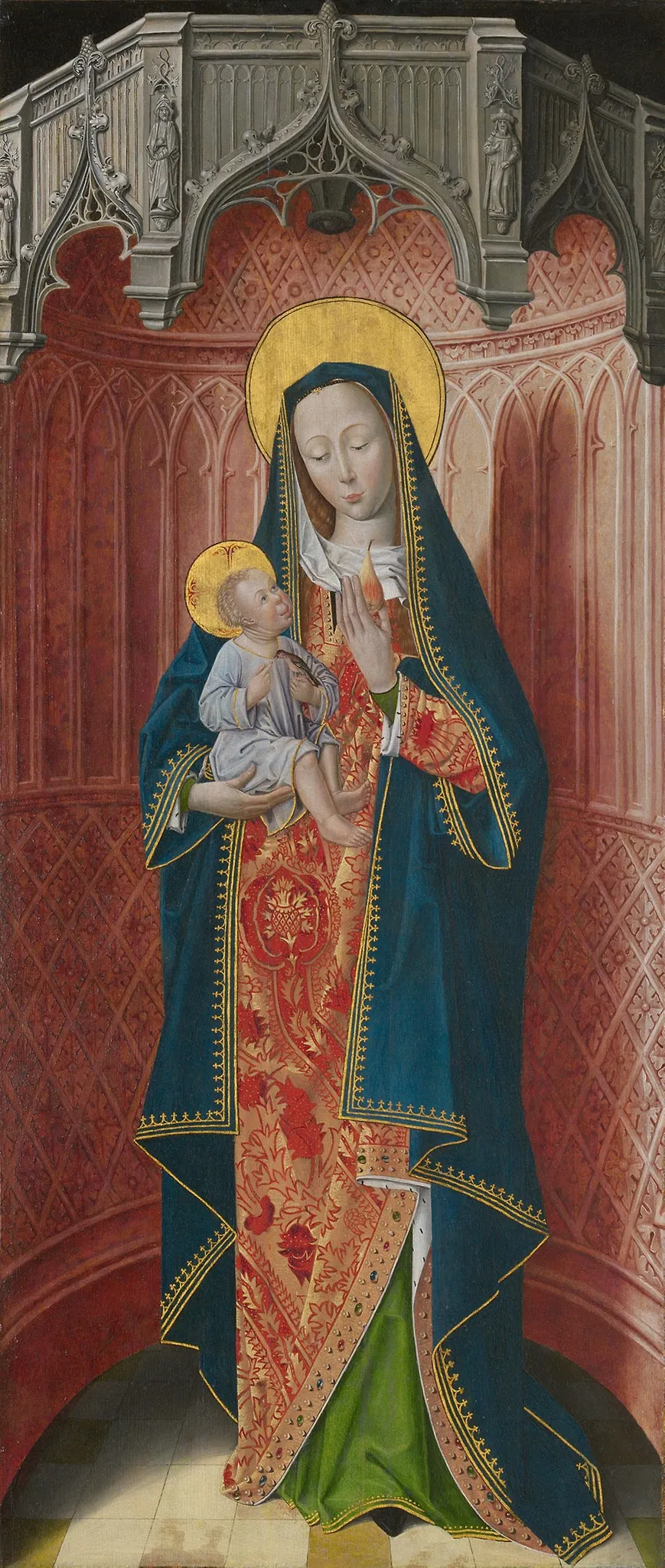
Panels from the High Altar of the Charterhouse of Saint-Honoré, Thuison-les-Abbeville: Virgin and Child is an unspecified painting by the Northern Renaissance artist Unknown. It dates from 1496 and is held in the collection of the Art Institute of Chicago.
About this work
Overview
The panel depicts a seated Virgin Mary in a vivid blue mantle adorned with red and gold motifs, holding the infant Christ who reaches toward her face. Both figures are crowned with golden halos, set against a richly patterned red backdrop that suggests an ornate ecclesiastical interior.
Subject & Meaning
The intimate gesture between mother and child emphasizes the tenderness of the Incarnation, a common devotional theme in late medieval altar commissions. The halos identify the holy status of the figures, while the serene expressions invite contemplation of divine love.
Technique & Style
Executed in tempera on panel, the work employs bright, saturated pigments and intricate decorative patterns typical of the period’s religious art. The handling of light creates subtle modeling of forms, while the detailed carving-like background evokes the architecture of a Gothic church.
History & Provenance
Originally part of the high altar ensemble at the Charterhouse of Saint‑Honoré in Thuison‑les‑Abbeville, the panel was removed during later alterations of the monastic complex. It now resides in the museum collection, preserving its original devotional function as a component of a larger altarpiece.
Context
Created in a time when monastic communities commissioned elaborate altarpieces to enhance liturgical spaces, the panel reflects the visual language of the late medieval French Gothic tradition. Its vivid coloration and ornamental detail align with contemporary expectations for sacred imagery meant to inspire the faithful.
Artist & collection

 Domestic Scene
 Giacomo and Cardinal Marco, investing Andrea, Abbot of San Zeno, with his Benefice
 The Nymph of Fontainebleau
 Portrait of a Woman
 Madonna and Child with Saints in the Enclosed Garden
 Venus and Minerva
 Family Group of Four on Sofa
 Wall painting from Room H of the Villa of P. Fannius Synistor at Boscoreale
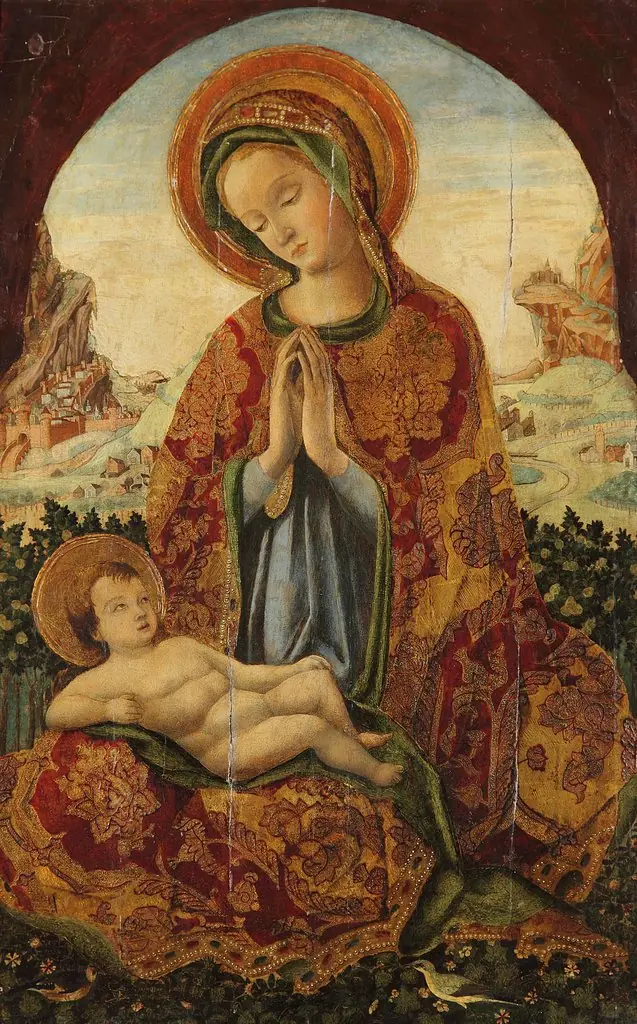 The Virgin and Child
 Madonna and Child
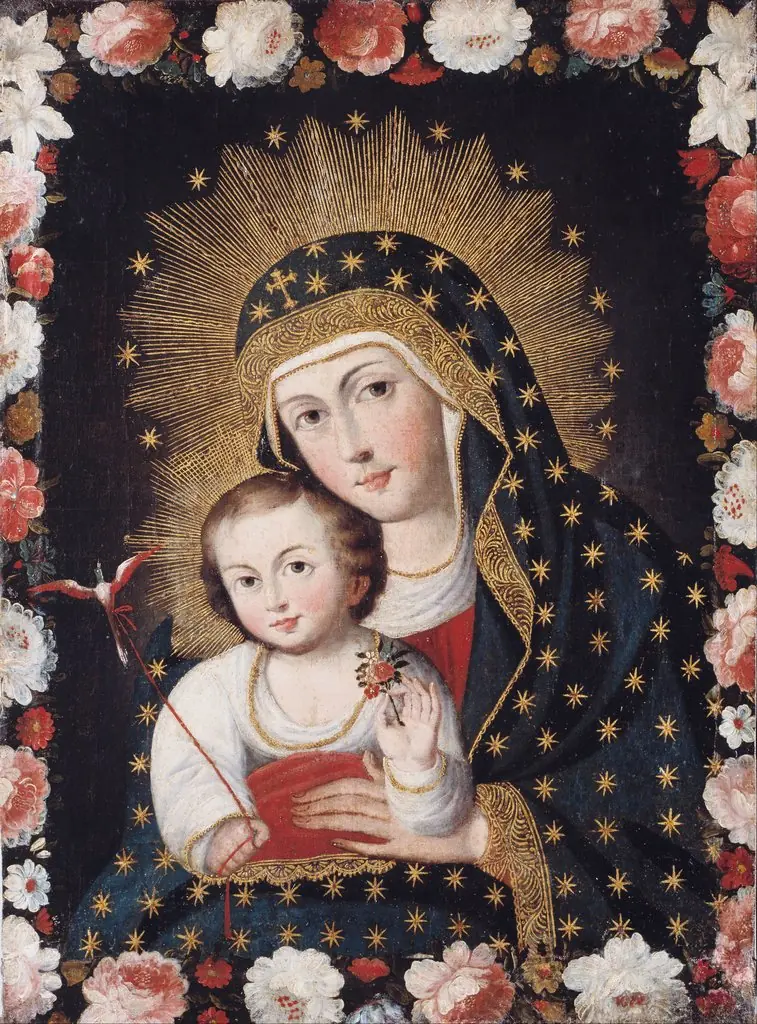 Madonna and Child with Bird
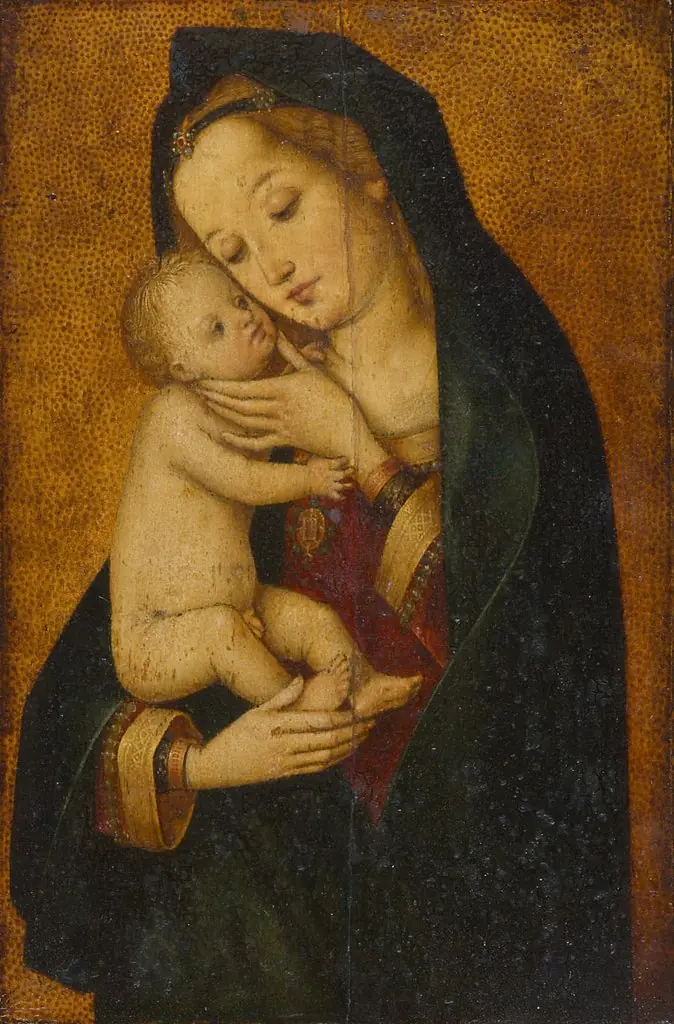 Maria, das Kind liebkosend
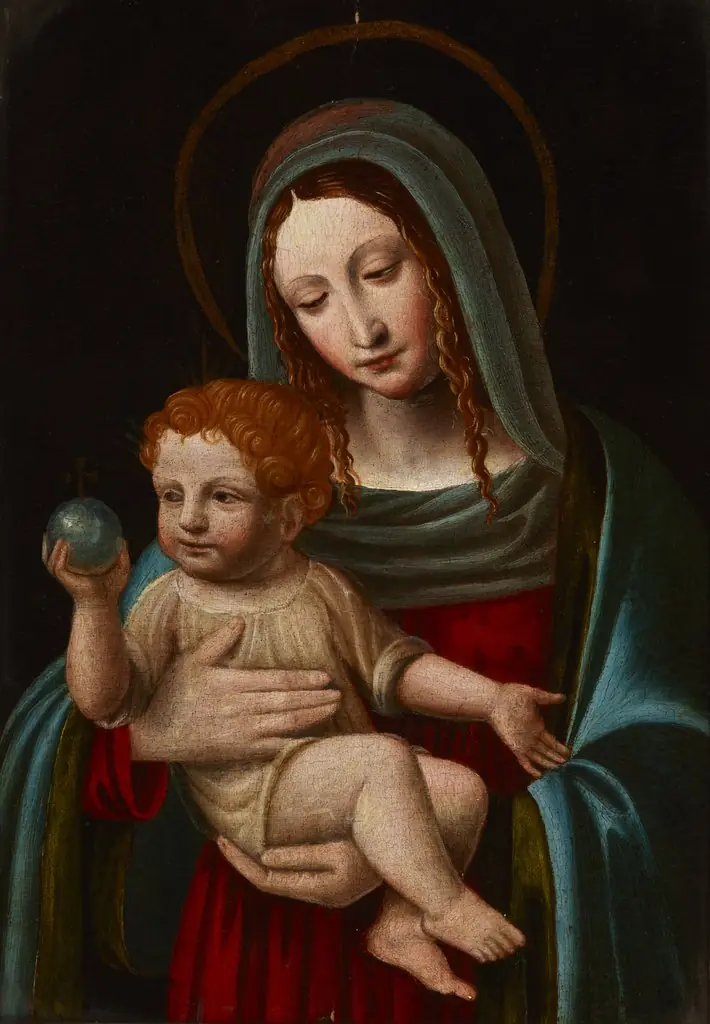 Madonna and Child
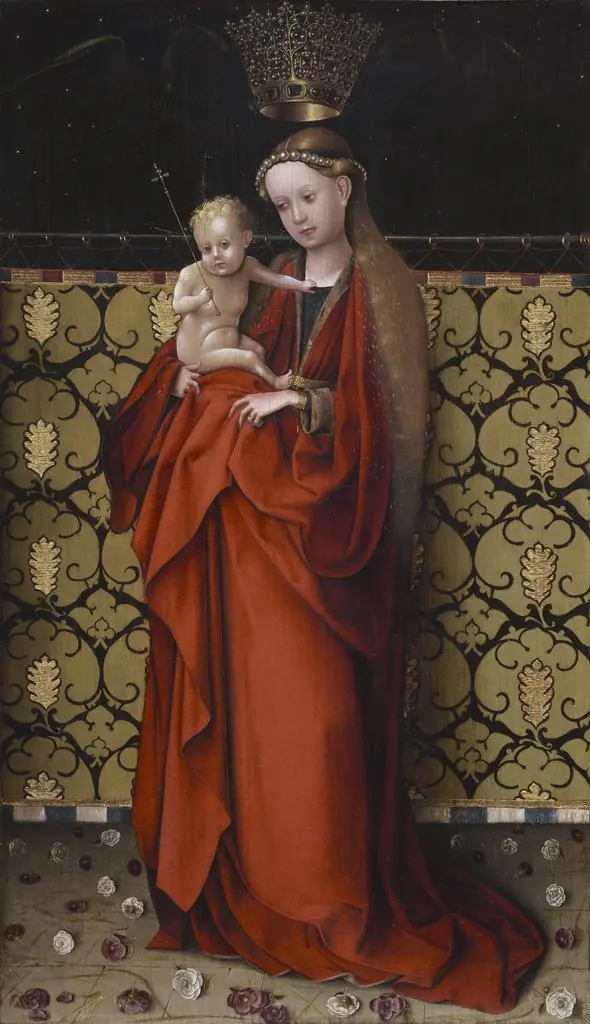 The Virgin Crowned by Angels
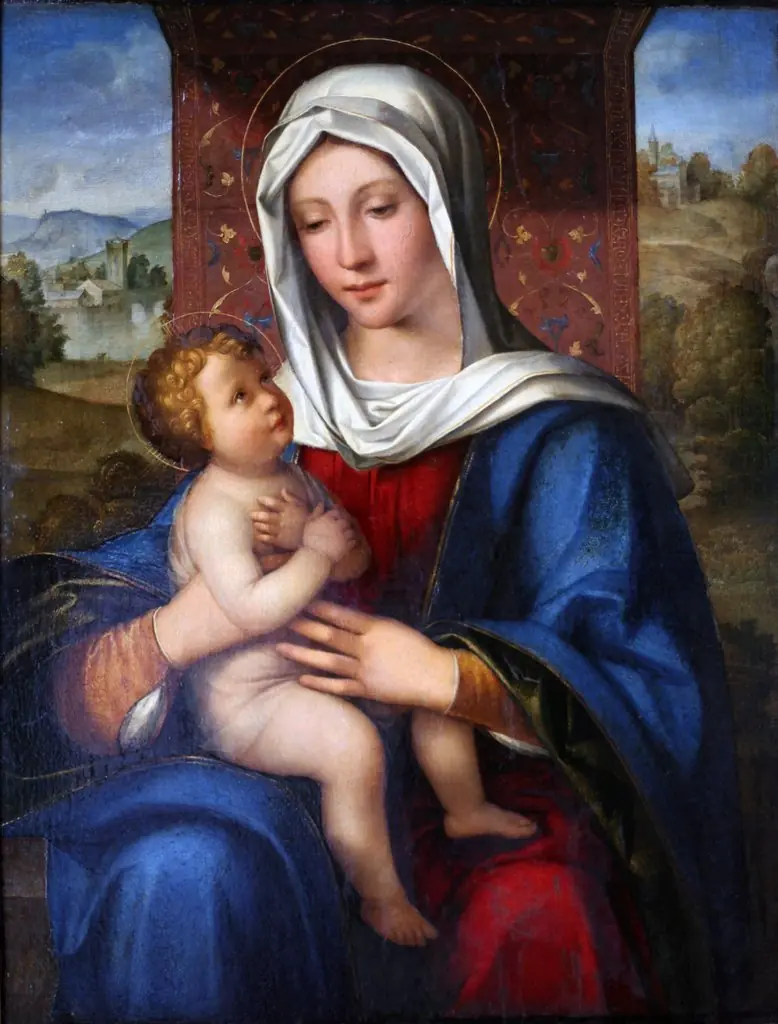 Virgin and Child
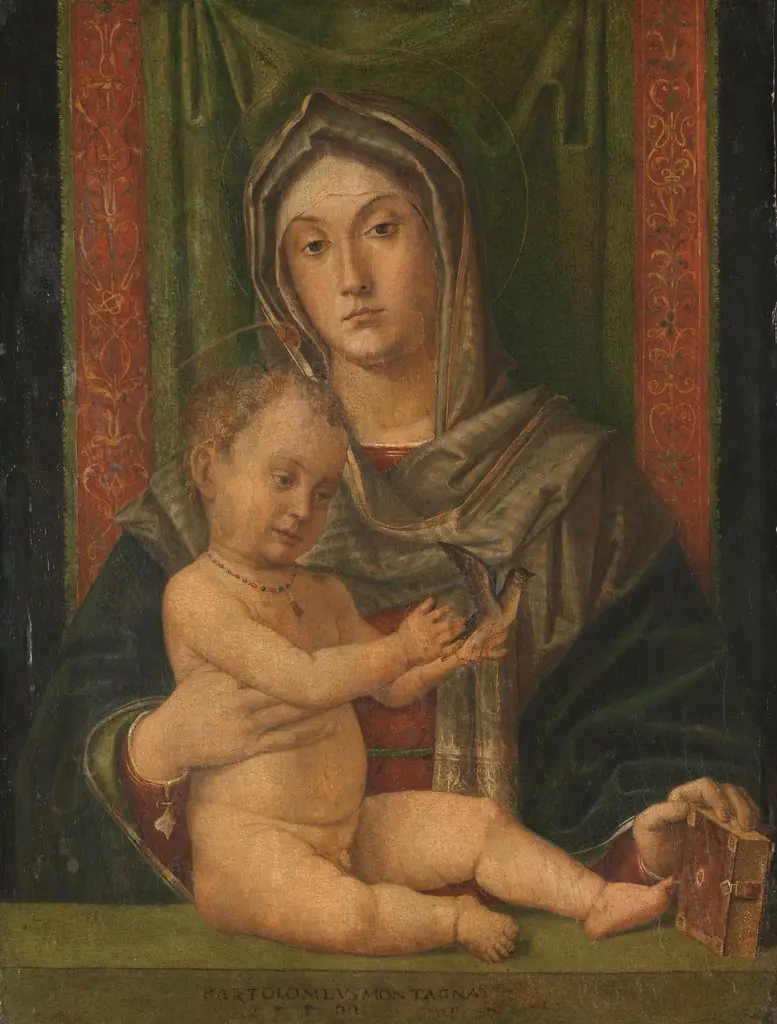 Virgin and Child
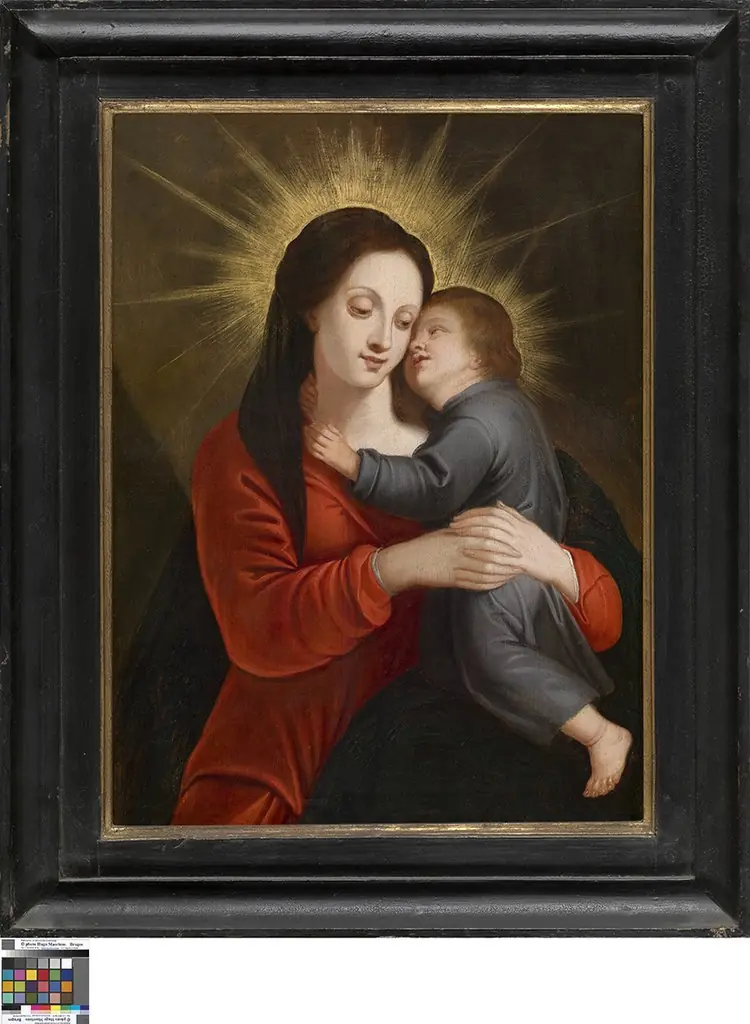 Madonna and Child
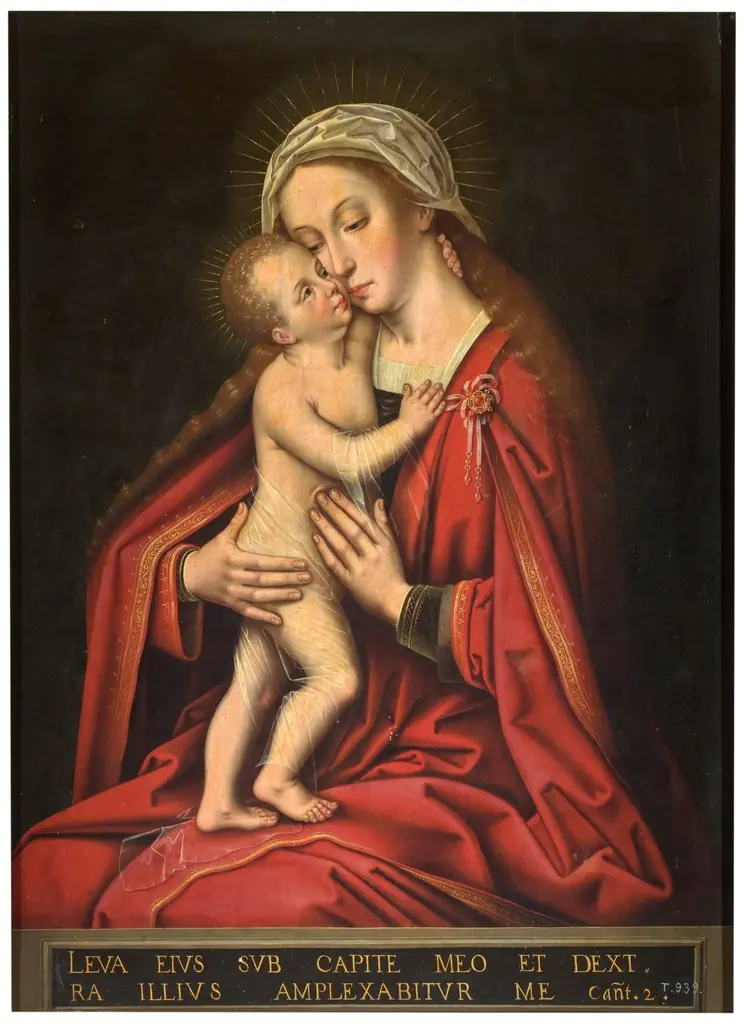 Madonna and Child
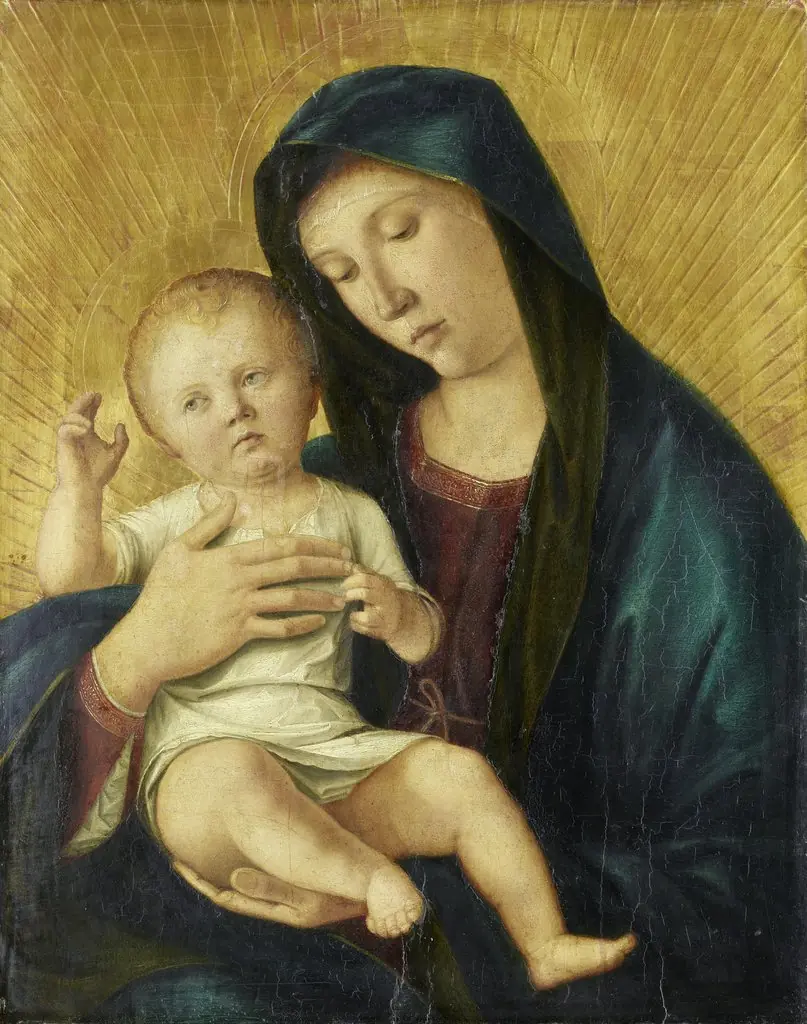 The Virgin with the Blessing Child
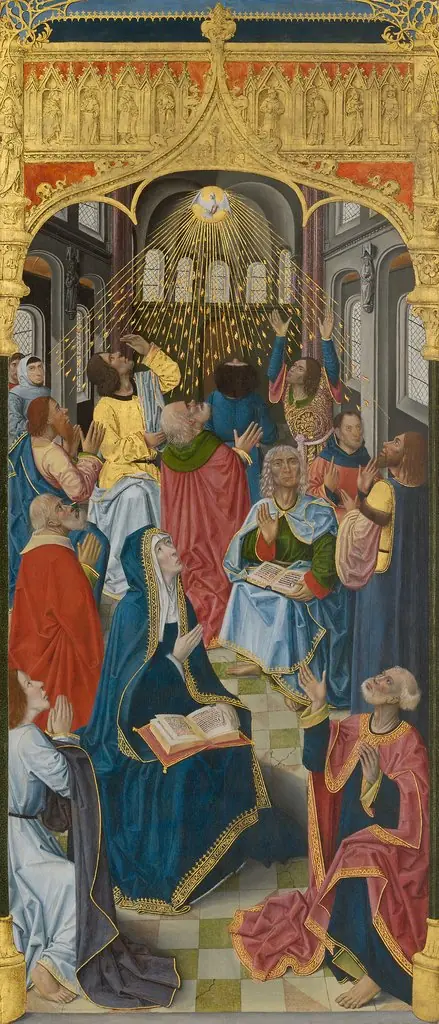 Panels from the High Altar of the Charterhouse of Saint-Honoré, Thuison-les-Abbeville: Pentecost