Artwork
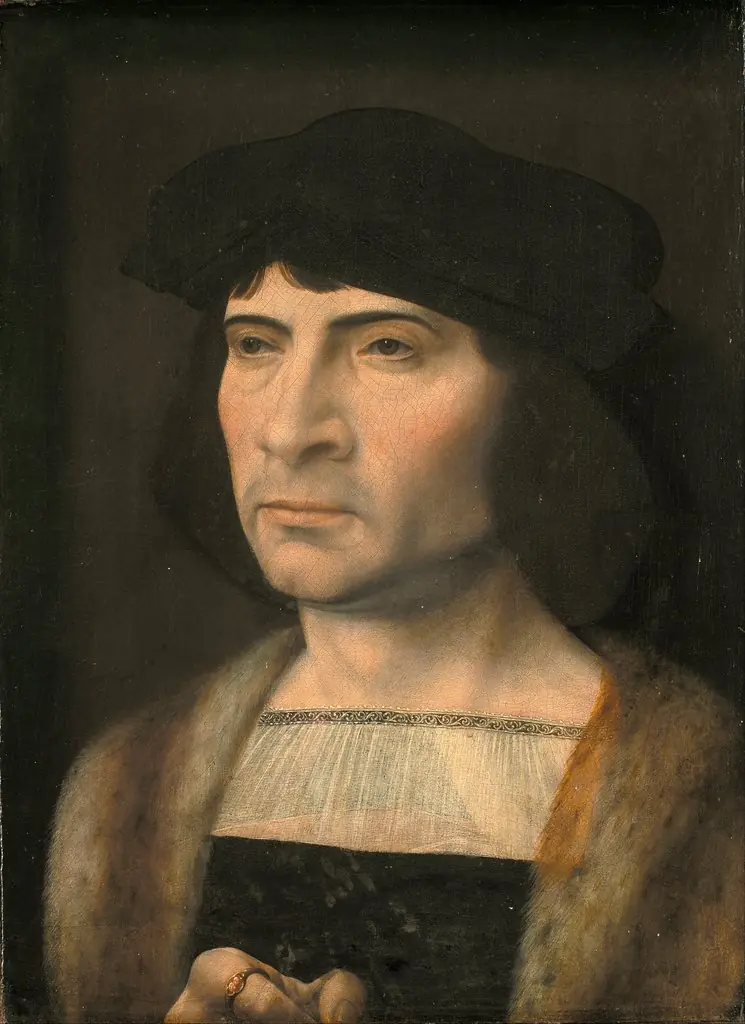
Portrait of a Gentleman, Possibly Baudoin of Burgundy
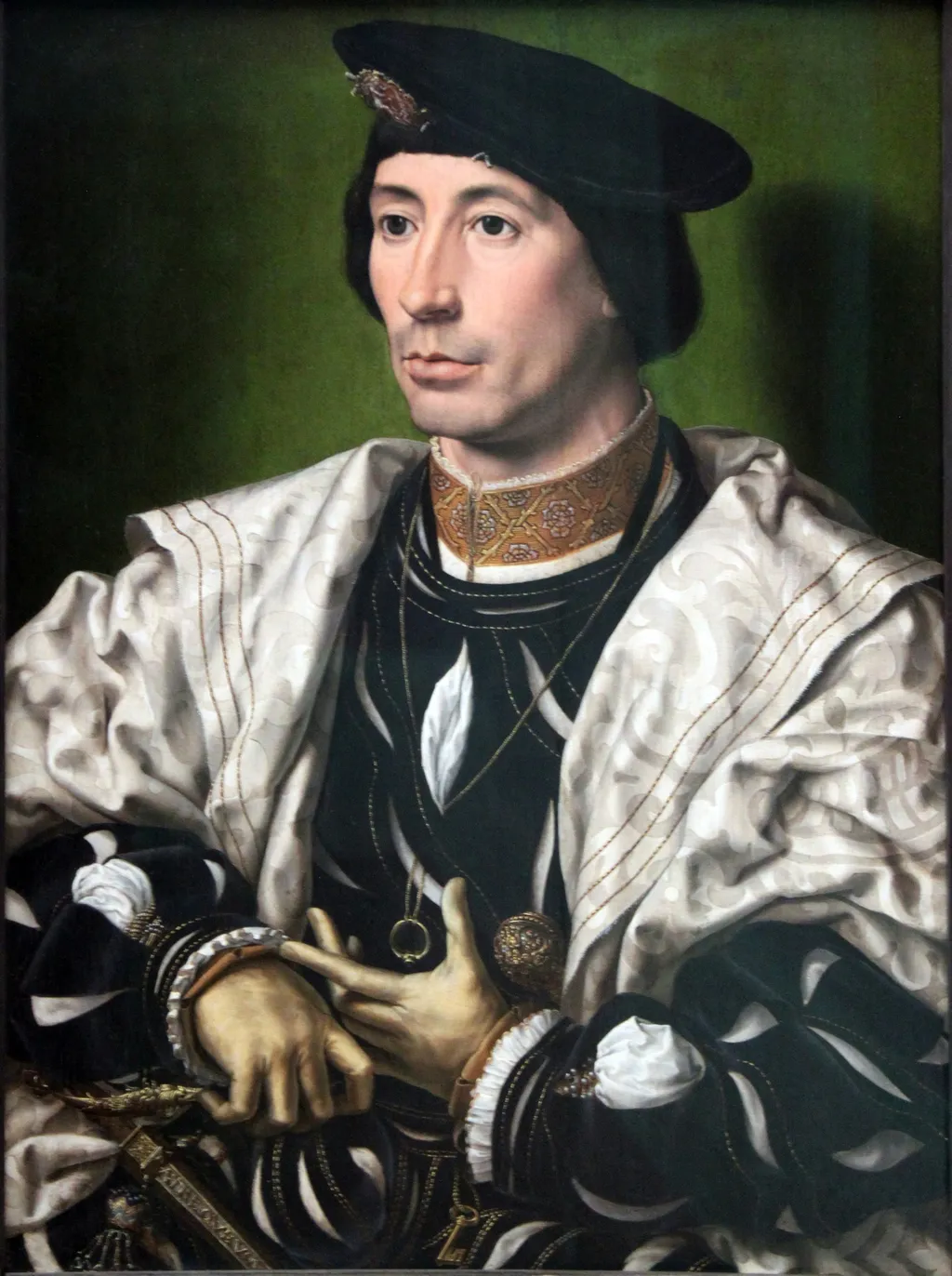
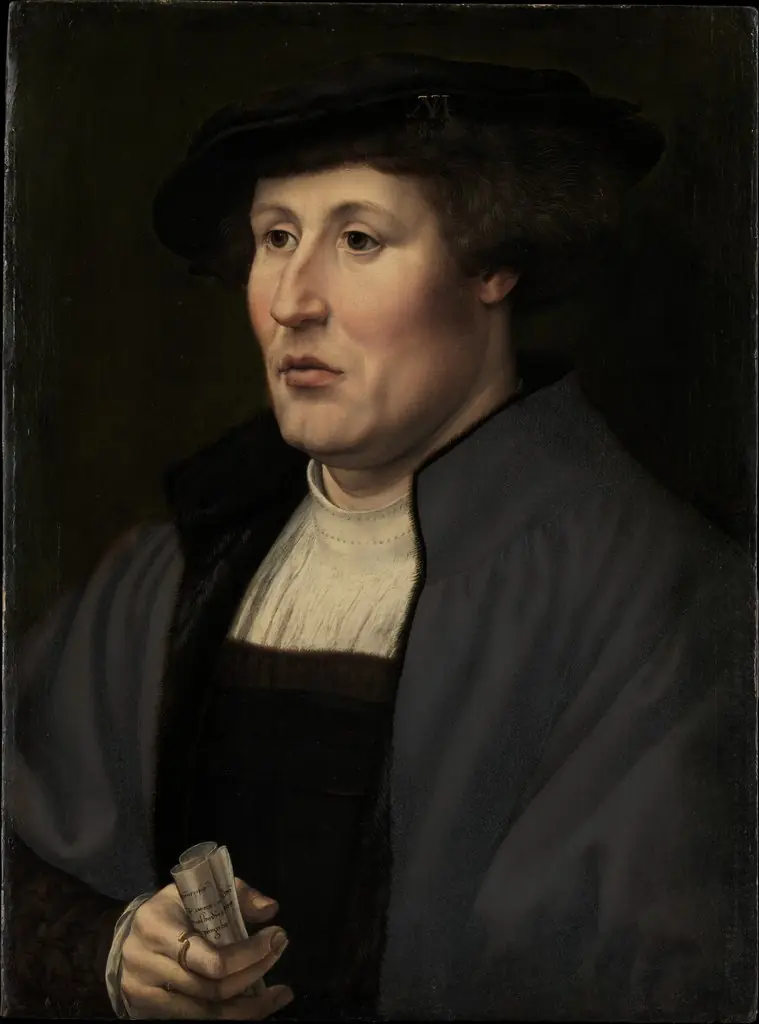
Portrait of a Gentleman, Possibly Baudoin of Burgundy is an oil painting by the Mannerist artist Jan Gossaert. It dates from 1530 and is held in the collection of the Gemäldegalerie Berlin.
About this work
Overview
Portrait of a Gentleman, Possibly Baudoin of Burgundy is an oil painting created by Jan Gossaert (also known as Jan Mabuse) in 1530. The work is attributed to the mannerist movement and is housed in the Gemäldegalerie Berlin.
Subject & Meaning
The portrait depicts a nobleman, potentially Baudouin de Bourgogne, dressed in attire indicative of his high social status, including black and white clothing, gold jewelry, and a sword with an ornate hilt. His dignified pose and accessories emphasize his noble rank.
Technique & Style
Gossaert employed chiaroscuro, a technique emphasizing strong light-dark contrasts, to add depth and realism. This approach, combined with meticulous attention to detail, directs the viewer's focus to the subject's face and hands, exemplifying Gossaert's integration of Italian Renaissance influences into Northern European art.
History & Provenance
Jan Gossaert, a prominent Romanist painter, created this work after studying in Antwerp and visiting Italy (1508-09), which influenced his style. The painting is now part of the Gemäldegalerie Berlin's collection.
Context
This portrait reflects the cultural exchange between Northern Europe and Italy during the Renaissance, with Gossaert's unique blend of Romanism and Northern European traditions.
Legacy
As a leading Romanist, Gossaert's work, including this portrait, contributed significantly to the evolution of Northern European art by incorporating Italian Renaissance elements, leaving a lasting impact on the development of portrait painting in the region.
Own this work as a print
Artist & collection
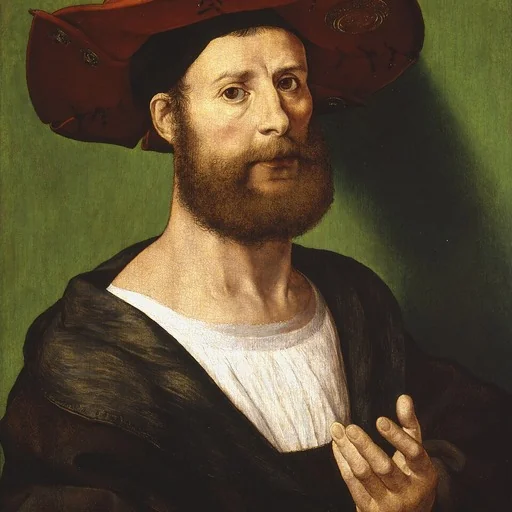
Artist
Jan Gossaert (c. 1478 – 1 October 1532) was a French-speaking painter from the Low Countries also known as Jan Mabuse (the name he adopted from his birthplace, Maubeuge) or Jennyn van Hennegouwe (Hainaut), as he called…

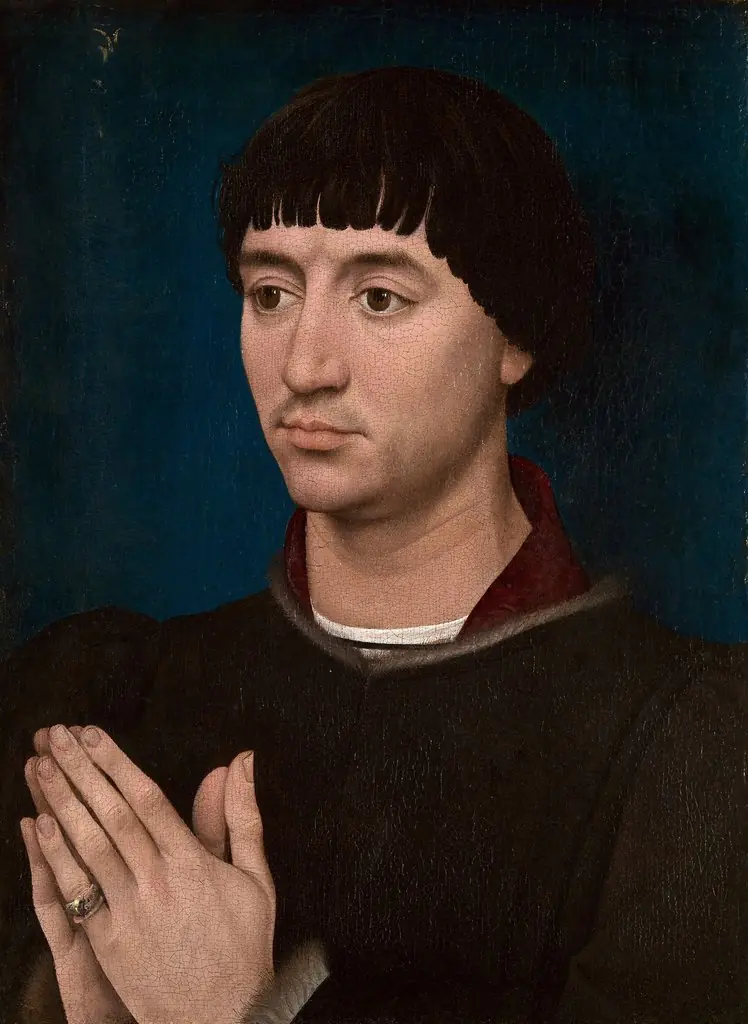 Portrait of Jean Gros
 Portrait of Jean Gros (recto); Coat of Arms of Jean Gros (verso)
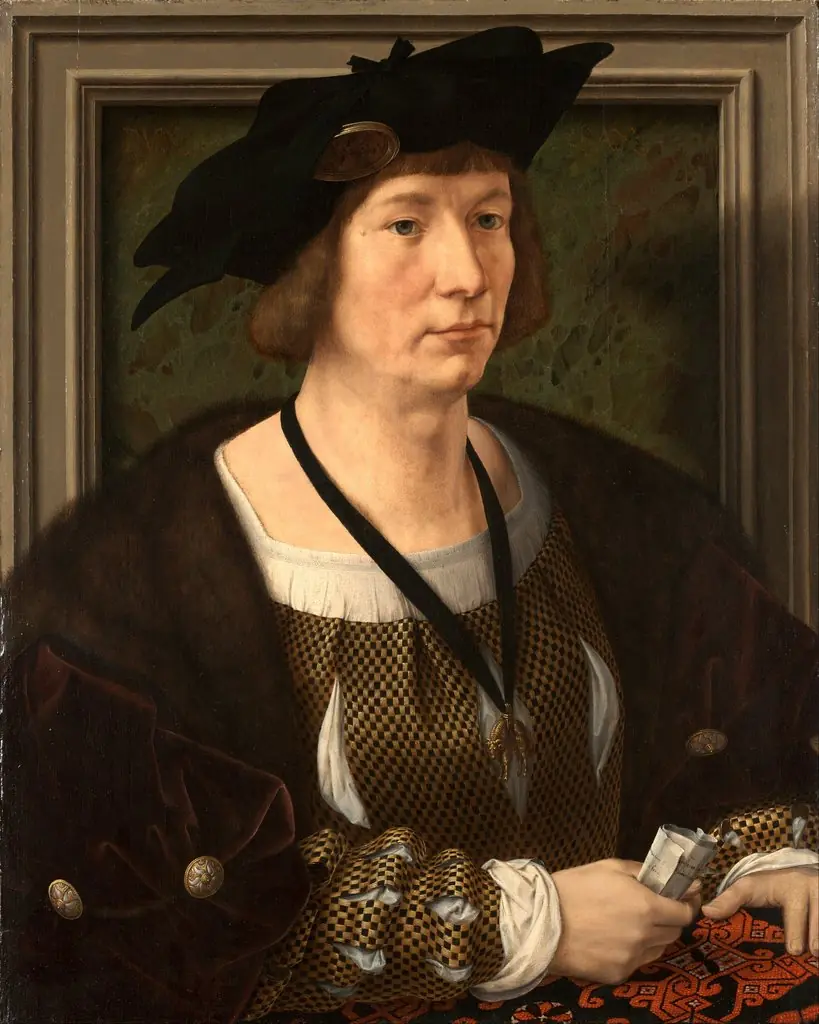 Portrait of Hendrik III, Count of Nassau-Breda
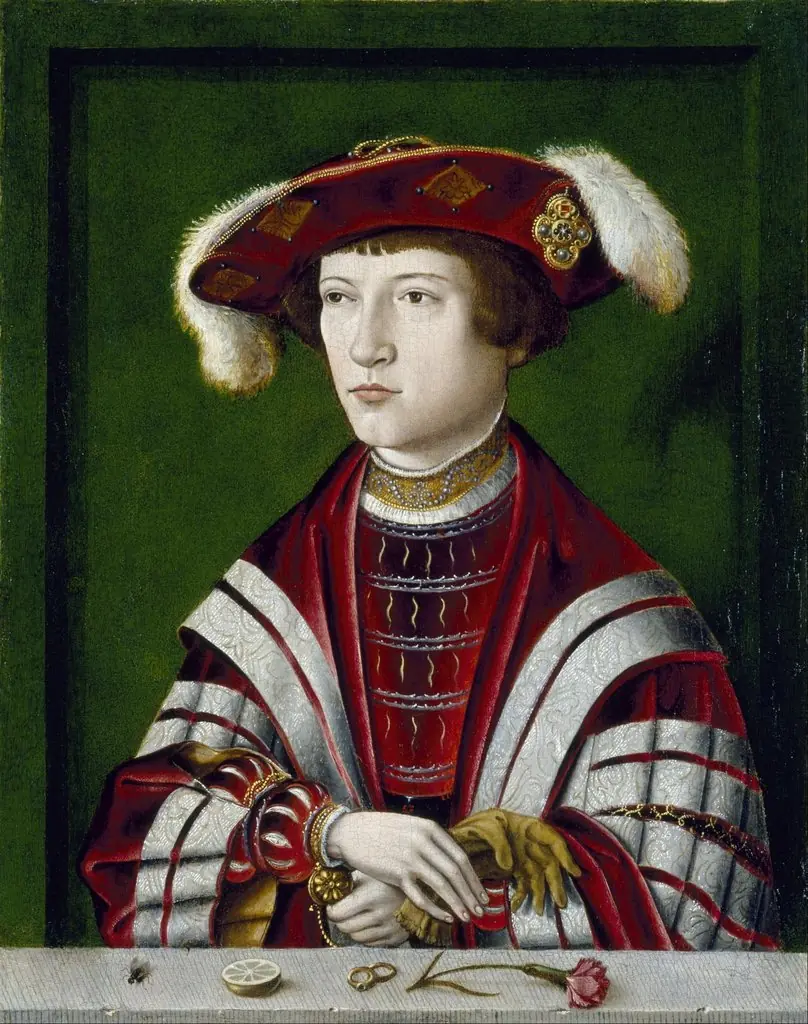 Portrait of a Nobleman
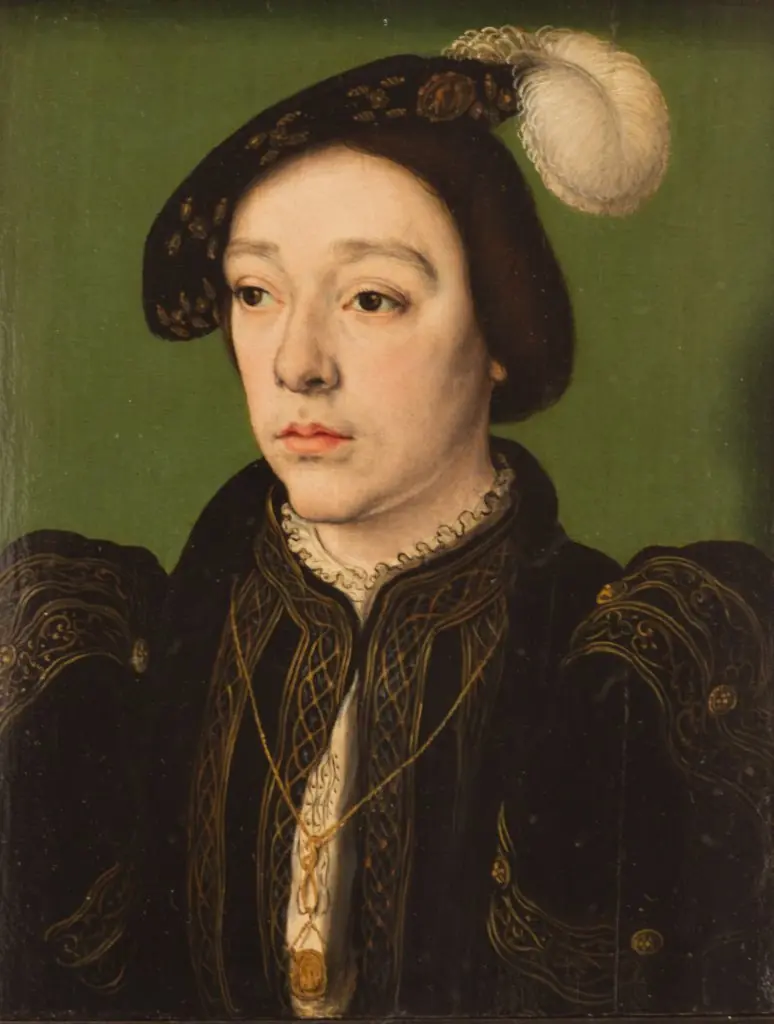 Portrait of Duke Charles of Angoulême
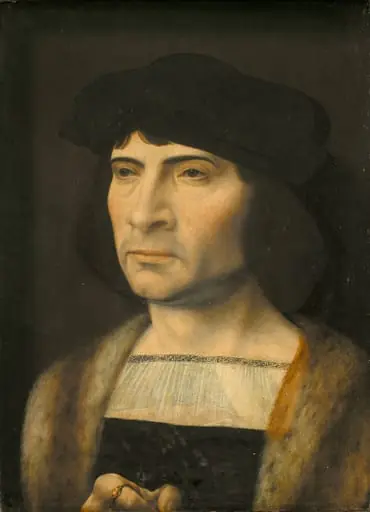 Portrait of a Man
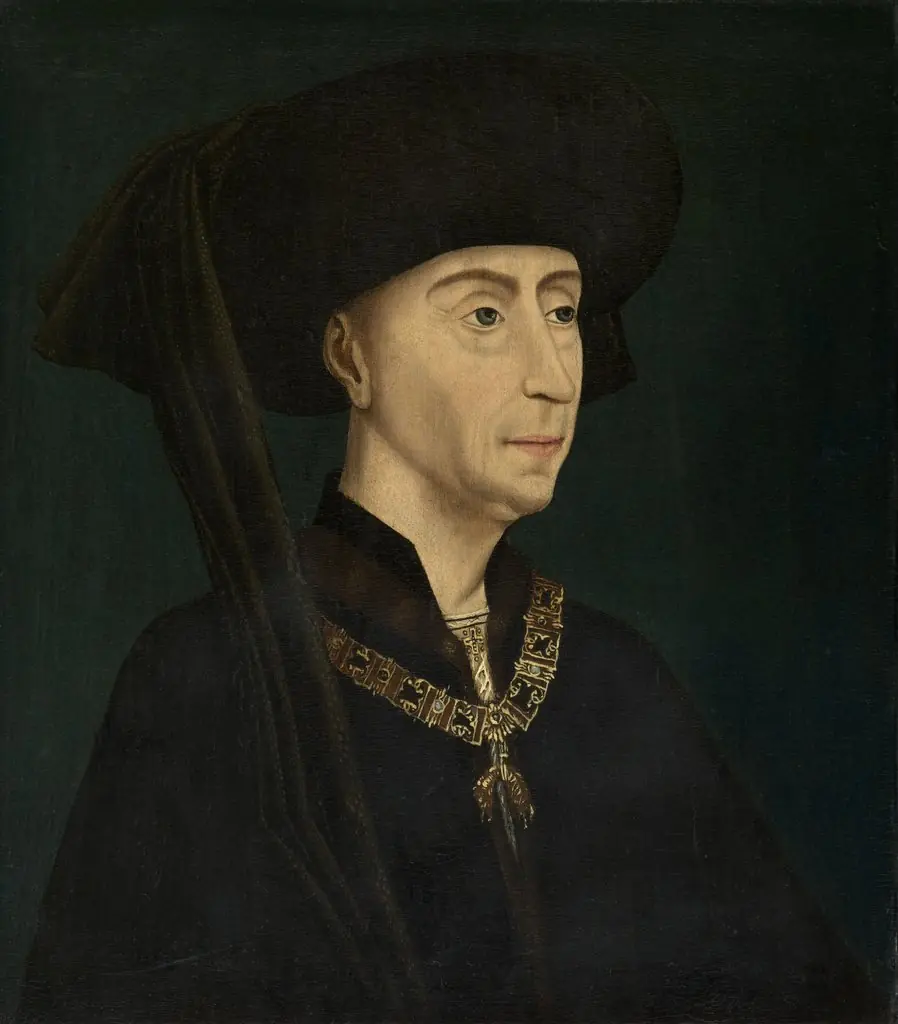 Philip the Good
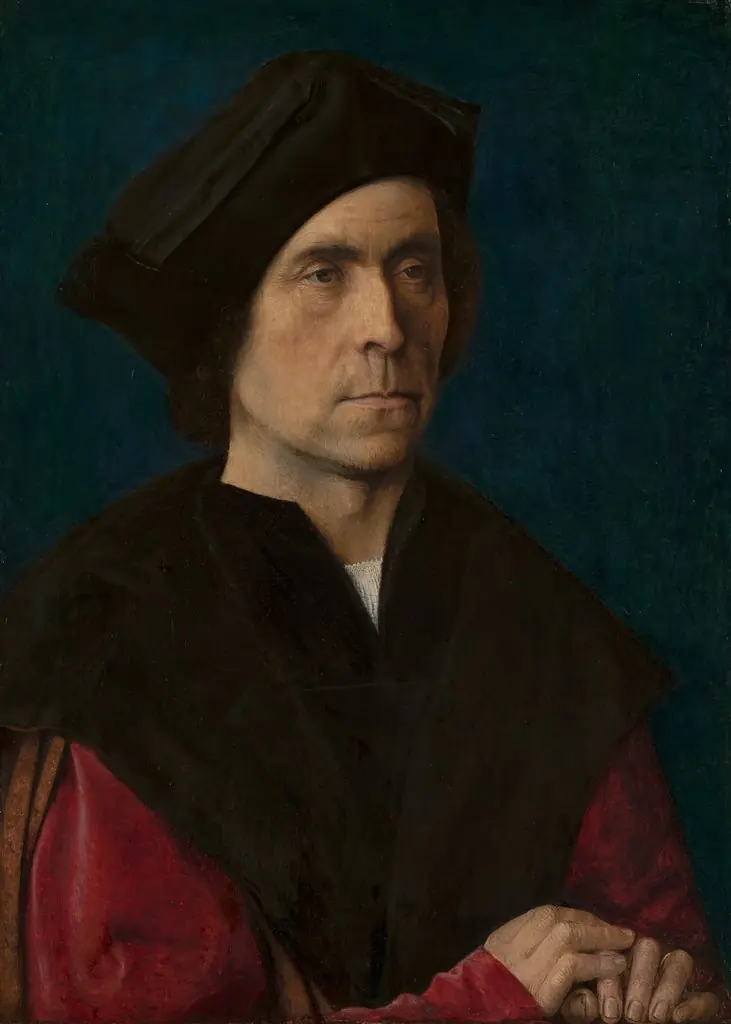 Portrait of a man
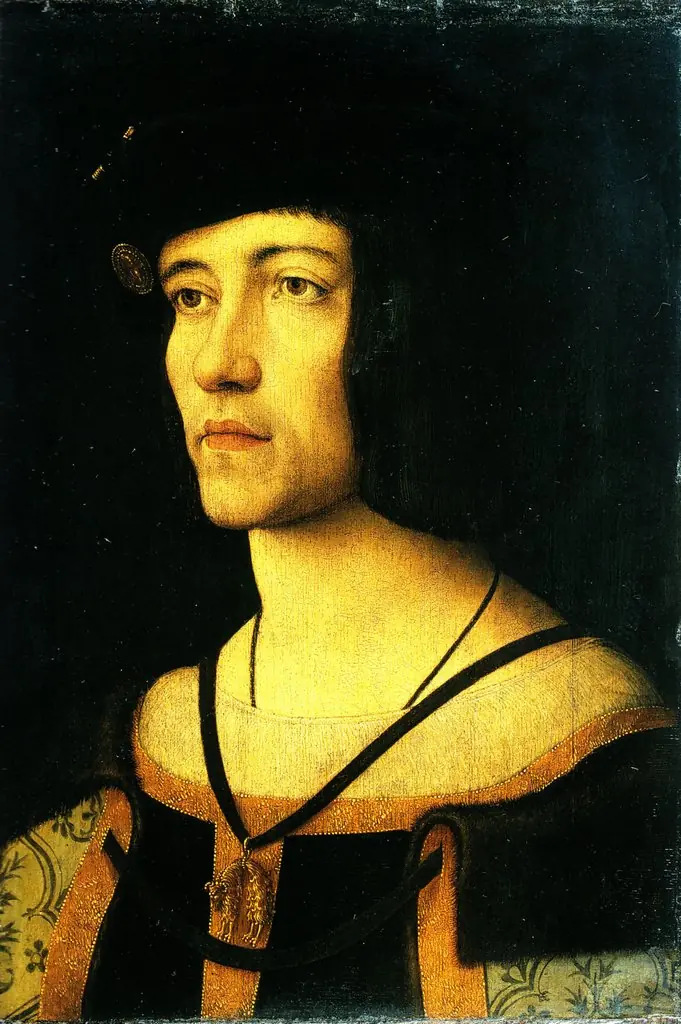 Portrait of a man, possibly Jan van Luxemburg, lord of Ville
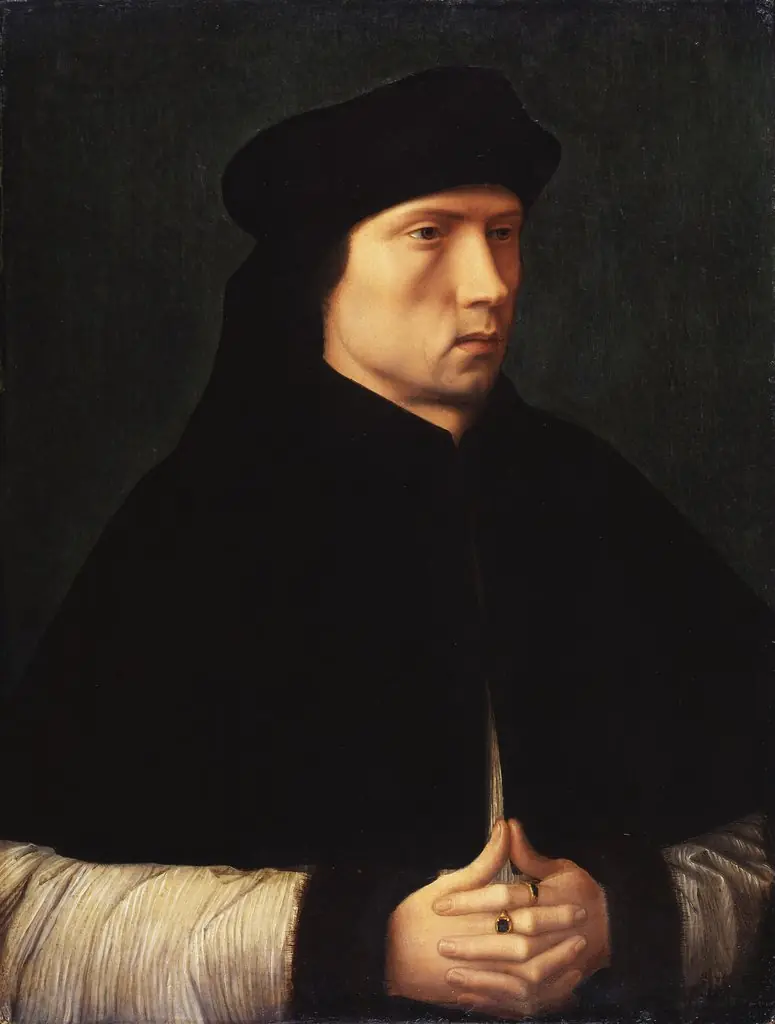 Portrait of a Theologian
 Portrait of a Man
 Herzog Philipp der Kühne (1342-1404) von Burgund im Profil