Artwork
Untitled
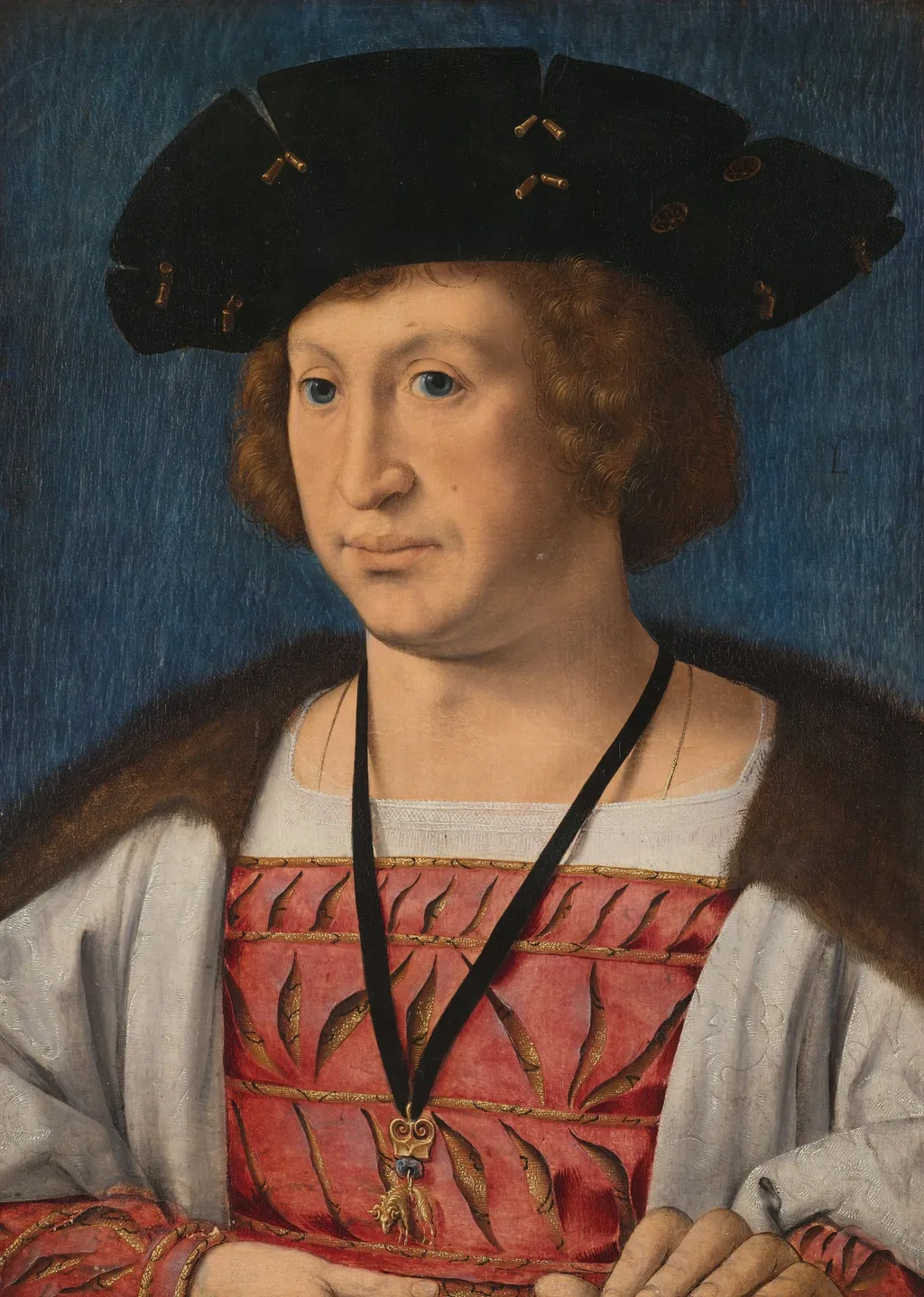
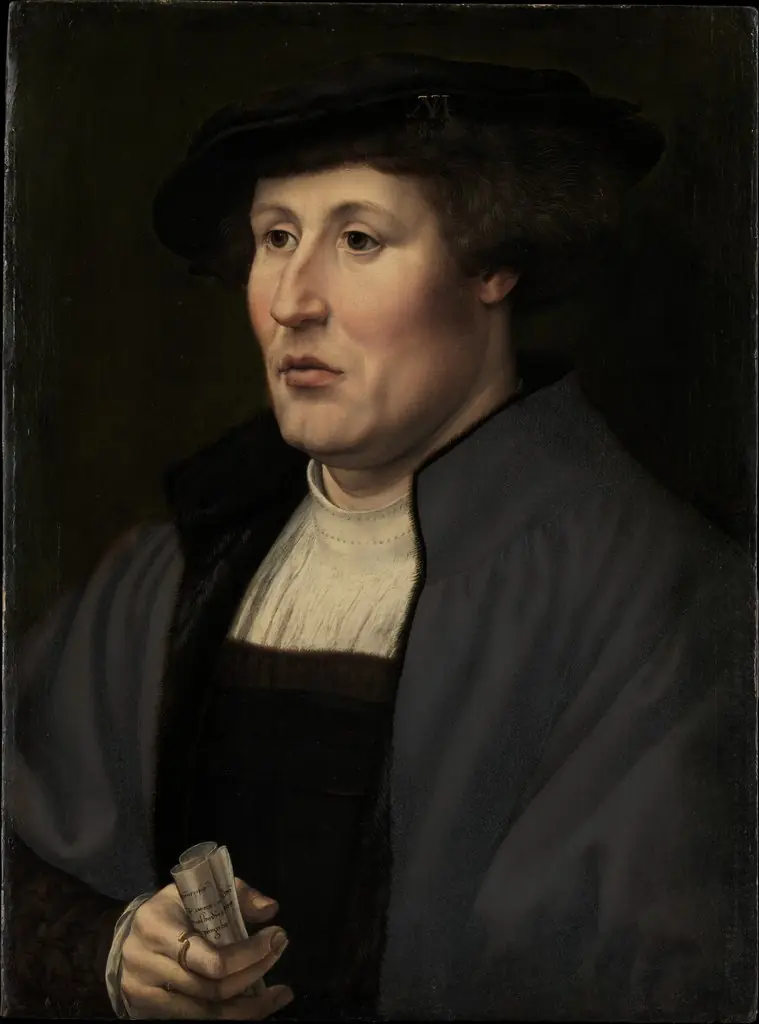
Untitled is an unspecified painting by the Northern Renaissance artist Jan Gossaert. It dates from 1519 and is held in the collection of the Rijksmuseum.
About this work
Overview
Created around 1519 by Jan Gossaert (also known as Jan Mabuse), a Flemish-trained painter who pioneered the integration of Italian Renaissance styles into Northern European art, *Untitled* is a portrait painting characteristic of the Northern Renaissance.
Subject & Meaning
The subject, a man of apparent importance (suggested by his attire, including a distinctive wide-brimmed black hat and a gold-trimmed, patterned red doublet), is depicted with a calm, serious demeanor. Adornments such as a gold medallion with a blue stone and a suggestive gold chain imply his elevated status.
Technique & Style
Reflecting Gossaert's fusion of Flemish attention to detail with Italian Renaissance influences, the painting showcases meticulous rendering of textures (e.g., the doublet's stitching) and a composed, naturalistic portrayal of the subject.
History & Provenance
Following Gossaert's pivotal trip to Italy (1508–09), which influenced his adoption of Romanist styles, *Untitled* became part of the Rijksmuseum's collection, where it remains as a testament to the artist's transitional role in Northern Renaissance art.
Context
This work embodies the early 16th-century artistic shift in the Northern Renaissance, where artists like Gossaert began incorporating Italian Renaissance elements into traditional Flemish practices, leading the Romanist movement.
Own this work as a print
Artist & collection
Artist
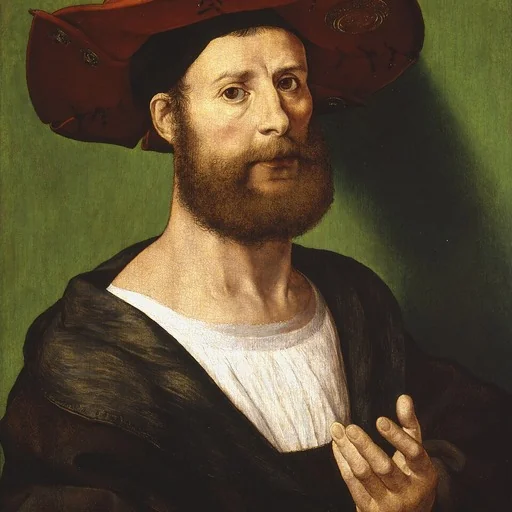
Jan Gossaert (c. 1478 – 1 October 1532) was a French-speaking painter from the Low Countries also known as Jan Mabuse (the name he adopted from his birthplace, Maubeuge) or Jennyn van Hennegouwe (Hainaut), as he called…

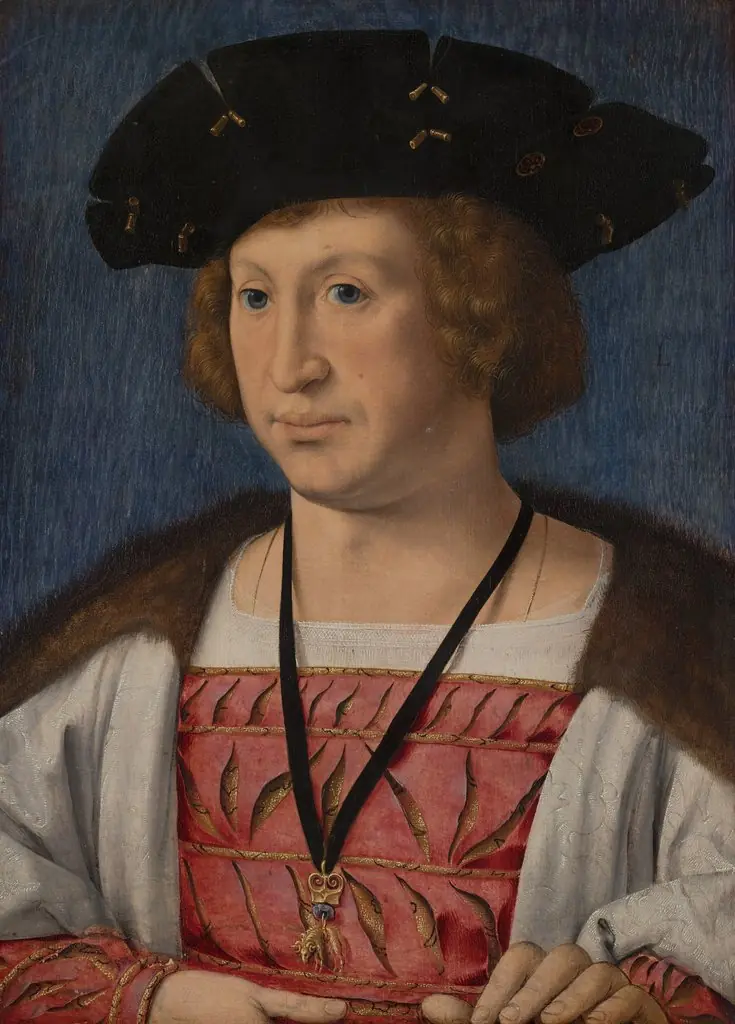 Portrait of Floris van Egmond (1469-1539), Count of Buren and Leerdam
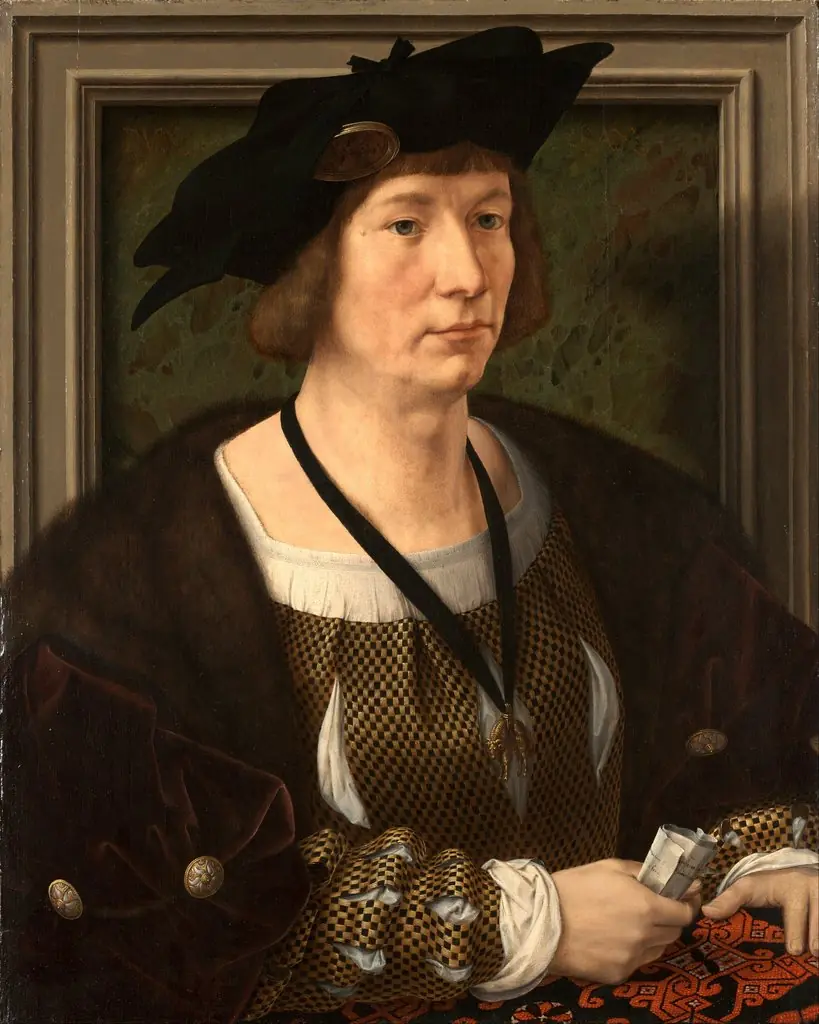 Portrait of Hendrik III, Count of Nassau-Breda
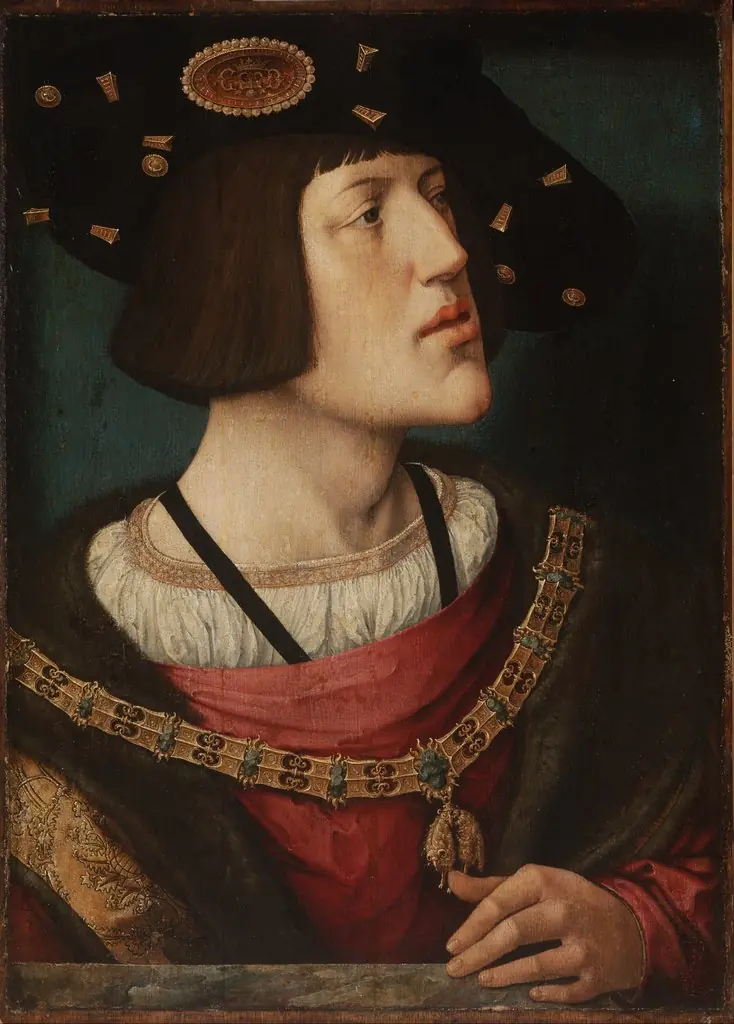 Portrait of Charles V, Holy Roman Emperor
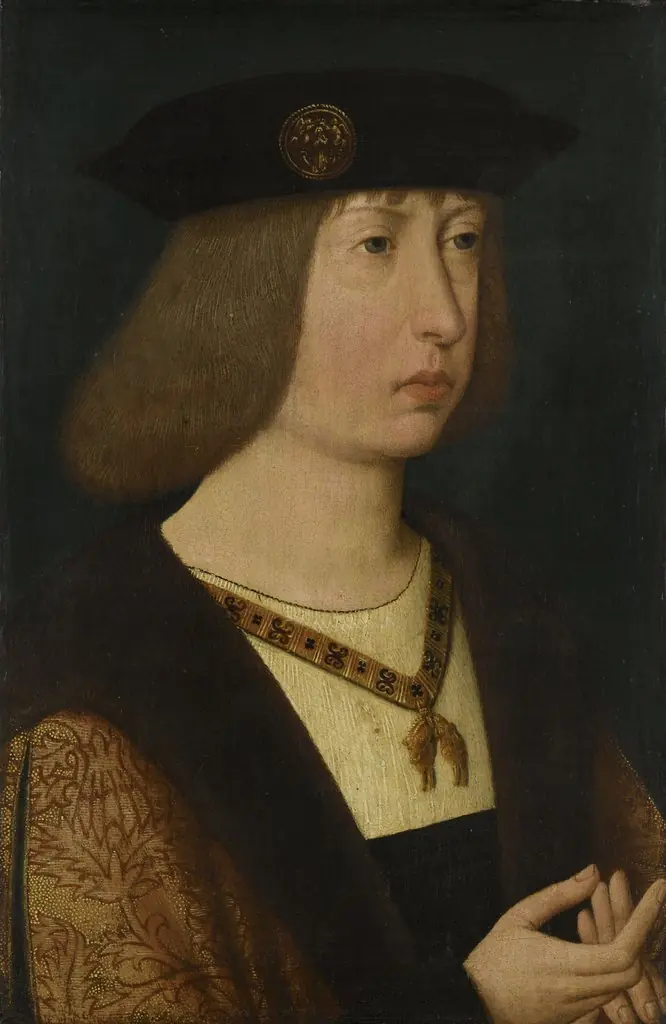 Portrait of Philipp I
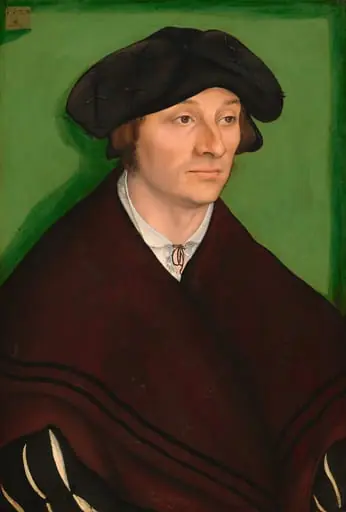 Portrait of a Man
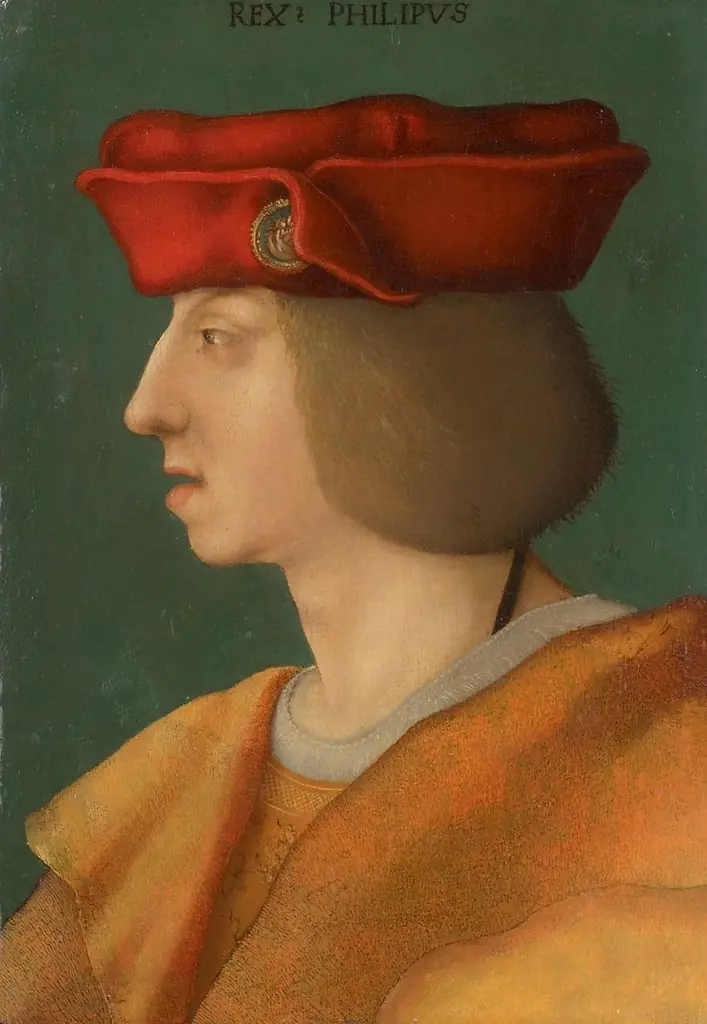 Kaiser Ferdinand I. (1503-1564), Profilbildnis
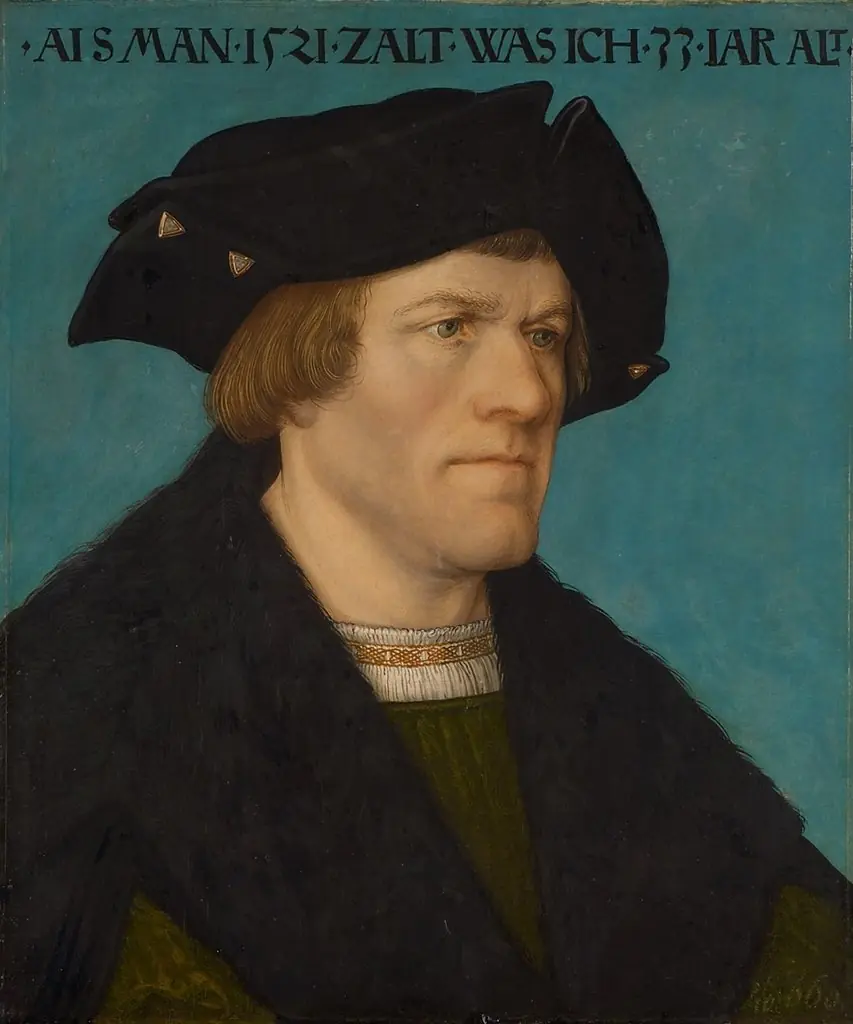 Portrait of a beardless man
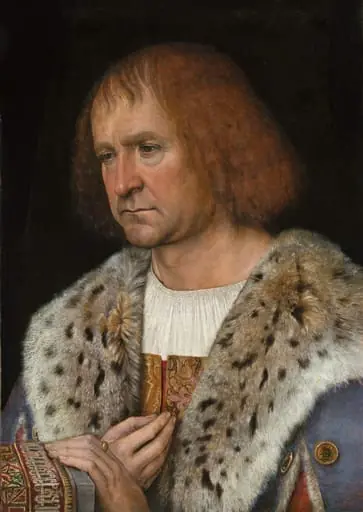 Portrait of Diego de Guevara (?)
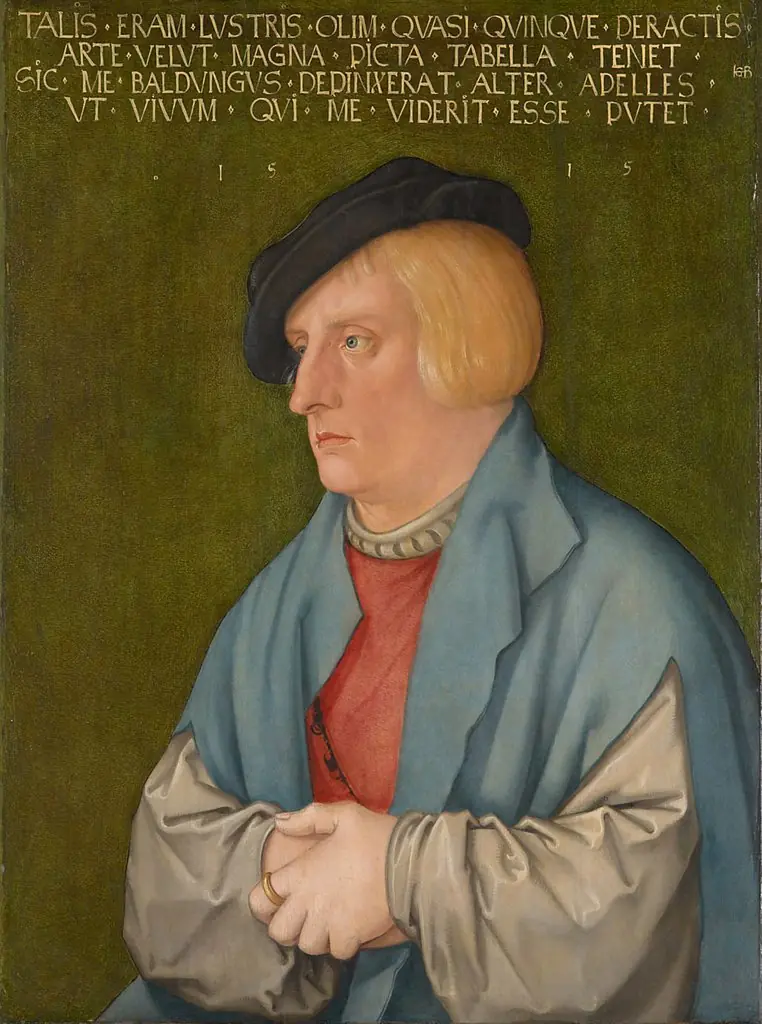 Portrait of a young man
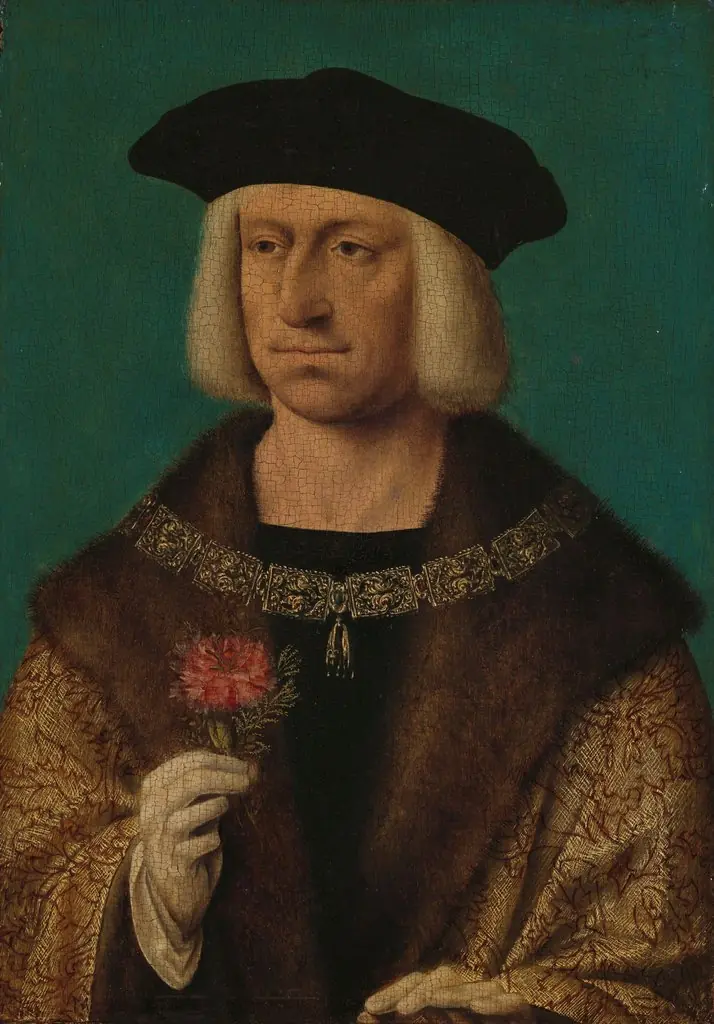 Portrait of Maximilian I (1459-1519)
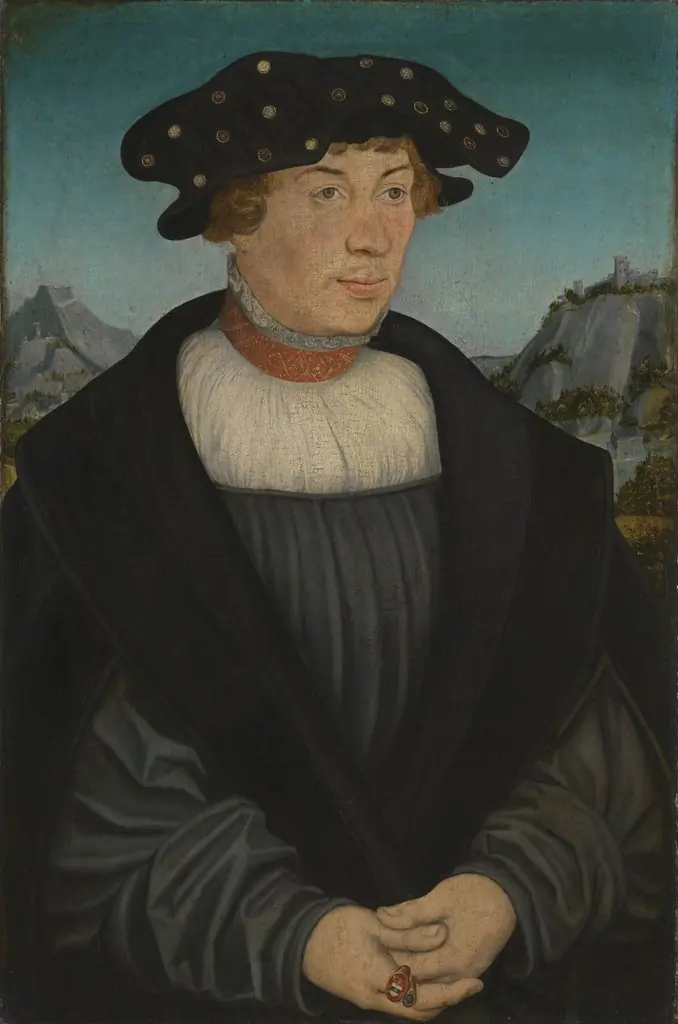 Hans Melber
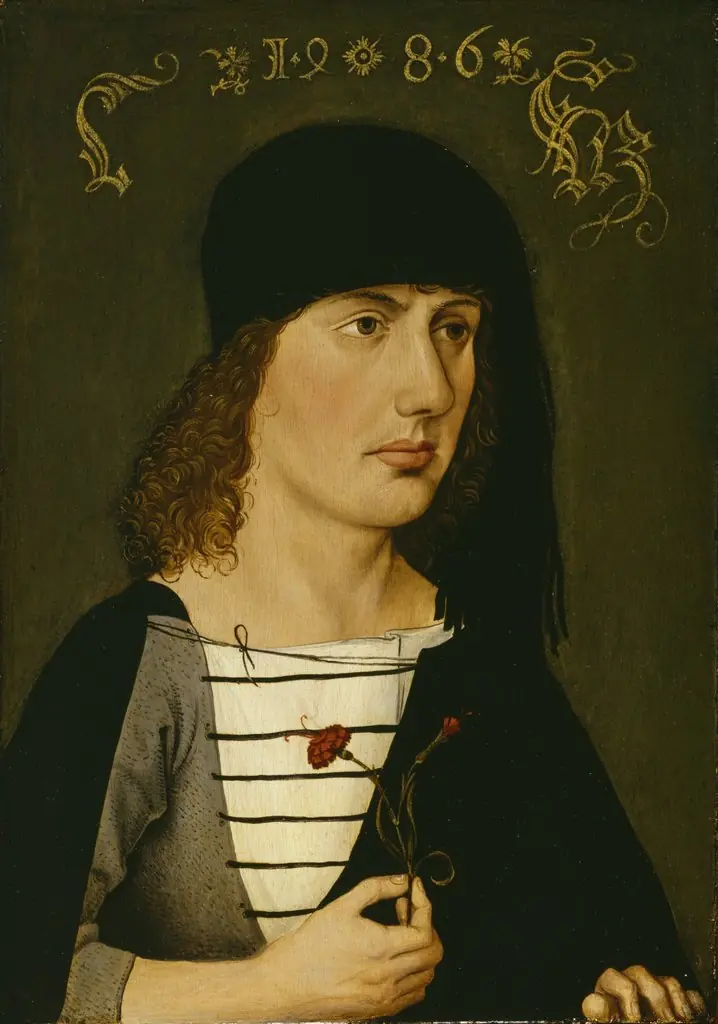 A Young Man