Artwork
Untitled
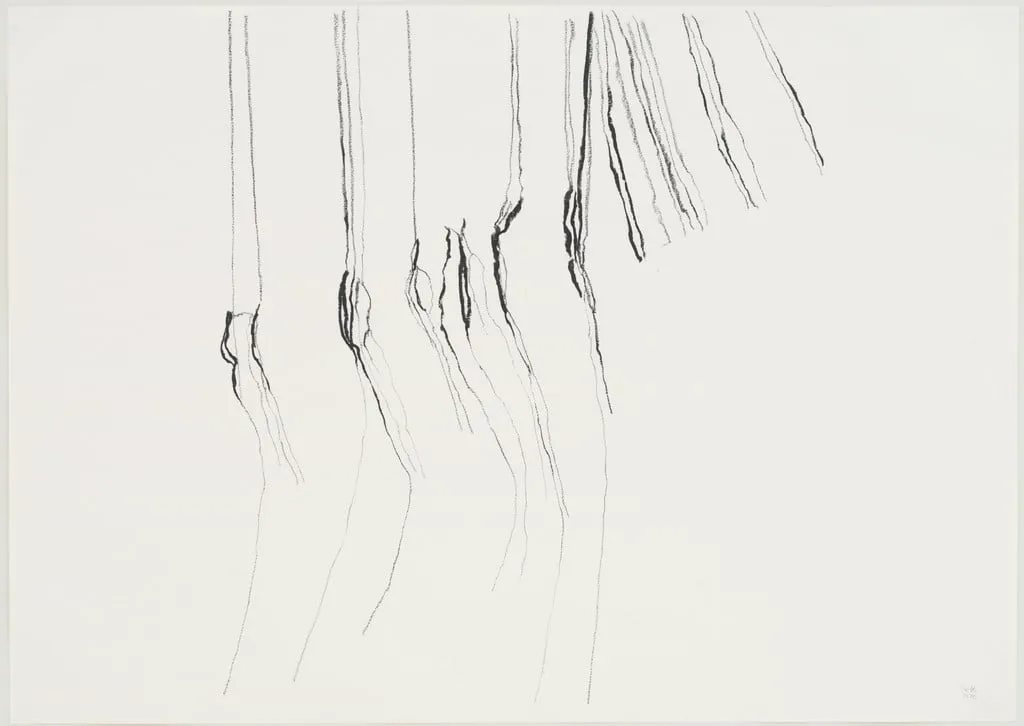
Untitled is a crayon drawing by Jan Groth. It dates from 1970 and is held in the collection of the Museum of Modern Art.
About this work
Overview
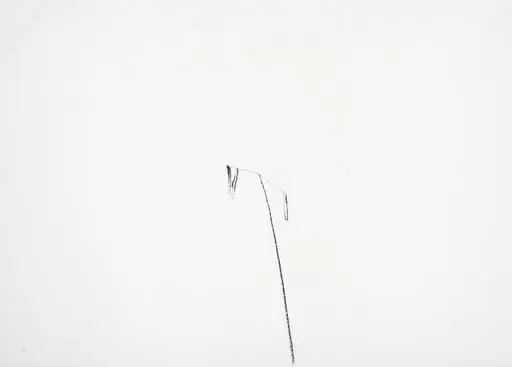
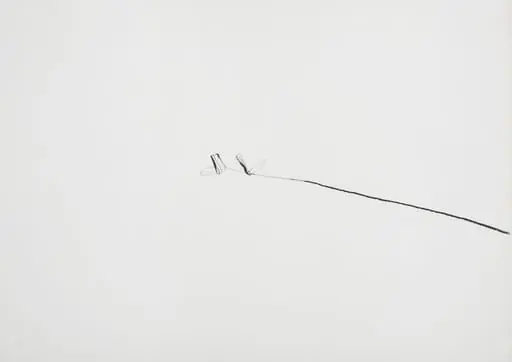
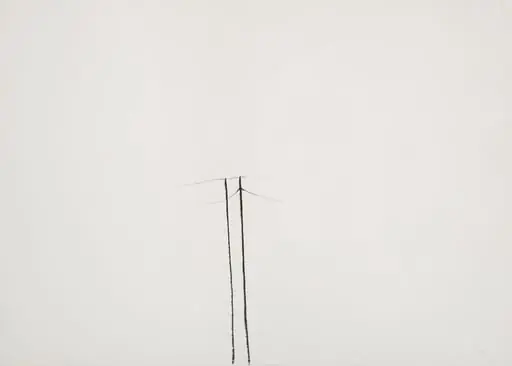
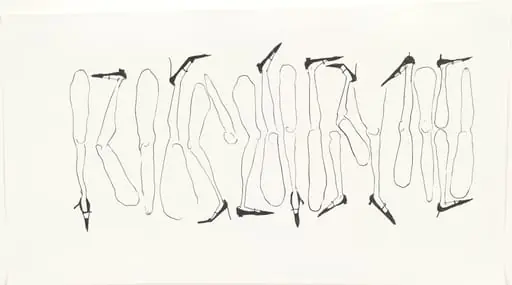
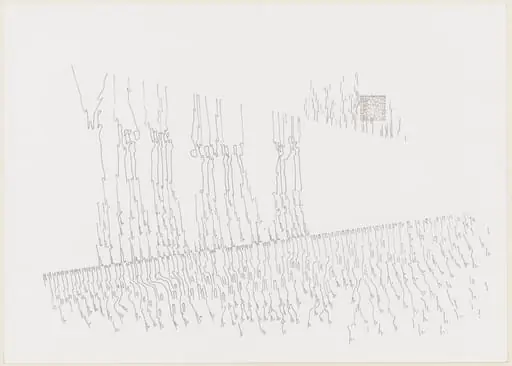
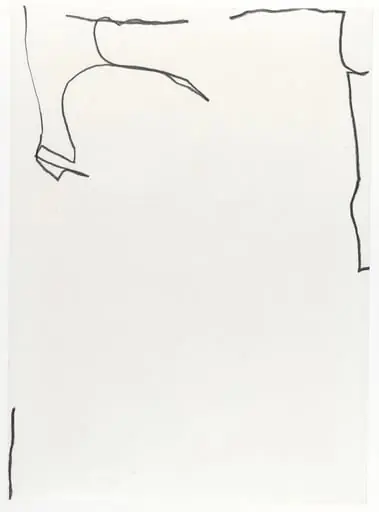
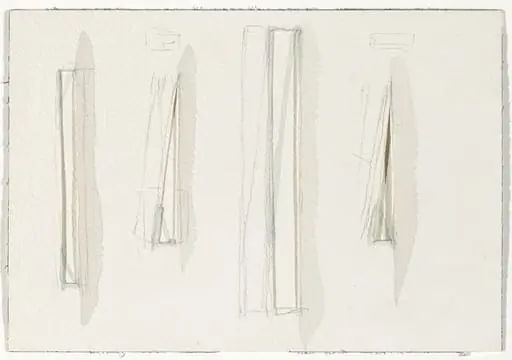
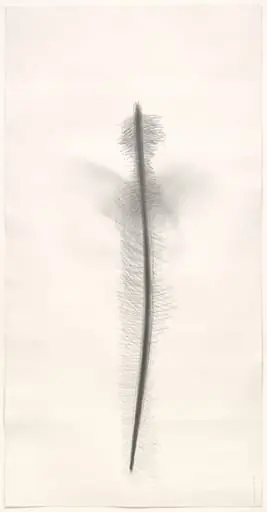
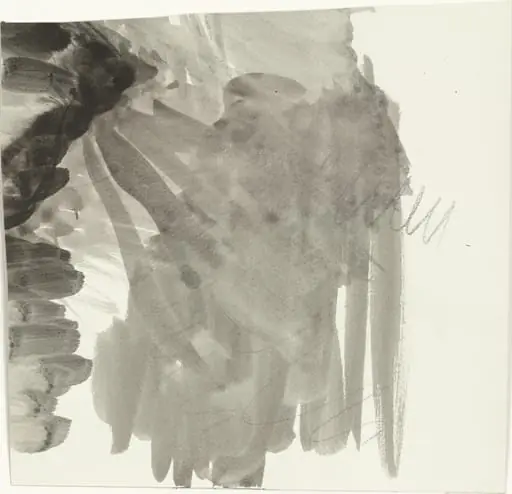
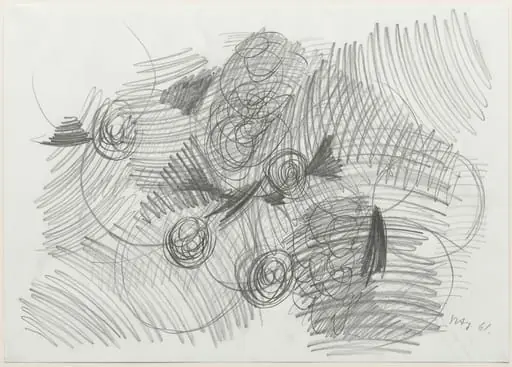
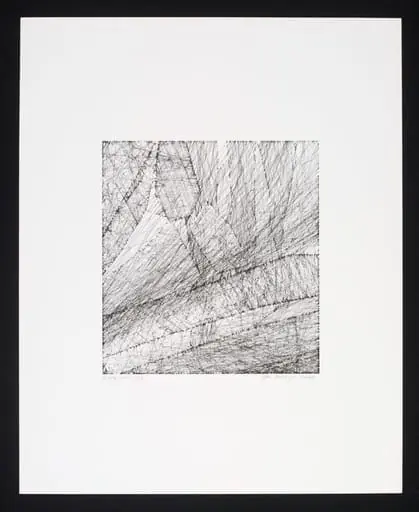
Created in 1970, this untitled drawing by Jan Groth is executed in crayon on paper and resides in The Museum of Modern Art’s collection. It presents no representational forms, instead offering a field of unstructured marks that suggest movement without defining a subject. The work’s simplicity and lack of finish align with experimental practices of its time, prioritizing gesture over composition.
Subject & Meaning
The drawing avoids recognizable imagery, focusing instead on the physical act of mark-making. The irregular, overlapping lines convey a sense of urgency or instability, as if capturing a fleeting impulse rather than a deliberate image. Its meaning emerges from the energy of its execution, inviting observation of process rather than narrative.
Technique & Style
Groth employed crayon with minimal control, allowing pressure and texture to vary across the surface. Thick, dark strokes contrast with faint, eroded lines, creating a dynamic range of density. The medium’s inherent grit and the paper’s absorbency enhance the raw, unrefined quality, reinforcing the work’s immediacy and rejection of polish.
History & Provenance
The work entered The Museum of Modern Art’s collection as part of its broader engagement with postwar drawing practices. Its acquisition reflects institutional interest in non-traditional, process-driven works from the late 1960s and early 1970s. No prior ownership history beyond the artist is documented in public records.
Context
Made during a period when many artists moved away from formalism toward spontaneous expression, this drawing aligns with trends in European and American experimental art. It shares affinities with Informel and Action Drawing, where materiality and gesture replaced conventional composition, challenging notions of artistic finish and intent.
Legacy
Though not widely exhibited, the work contributes to the documented shift in drawing’s role during the 1970s—from preparatory sketch to autonomous expression. It remains a quiet example of how minimal means could convey psychological or physical tension, influencing later generations interested in the limits of mark-making.
Artist & collection