Artwork
Untitled
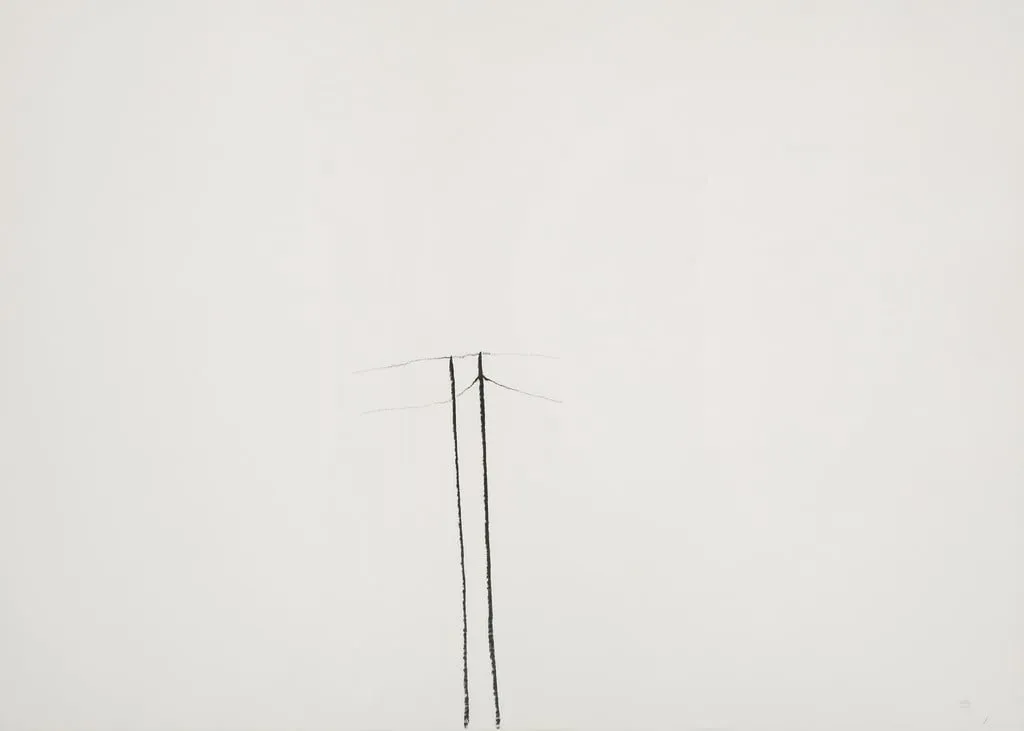
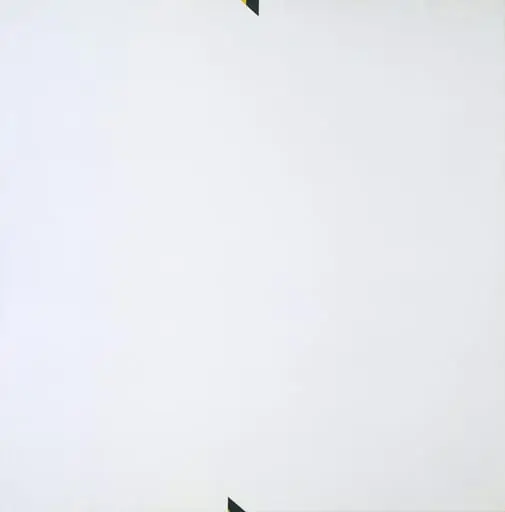
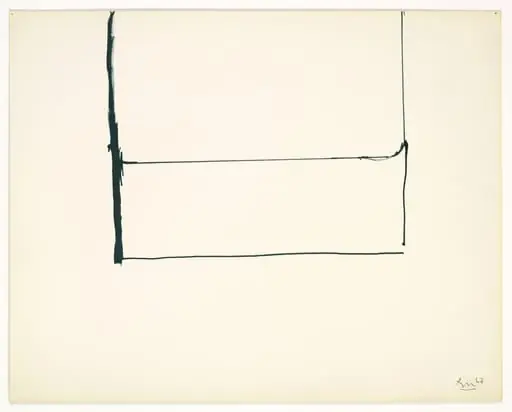
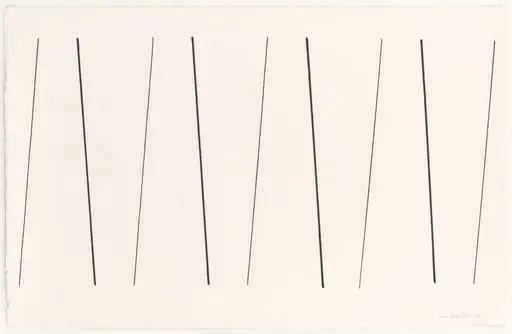
Untitled is a crayon drawing by Jan Groth. It dates from 1979 and is held in the collection of the Museum of Modern Art.
About this work
Overview
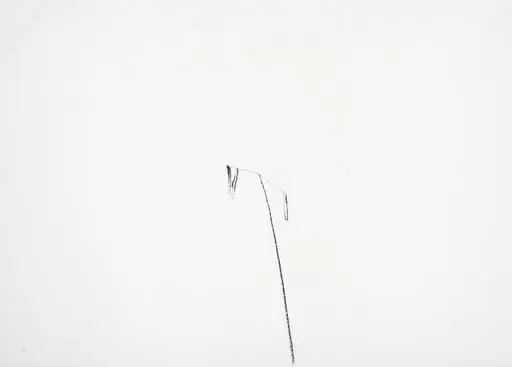
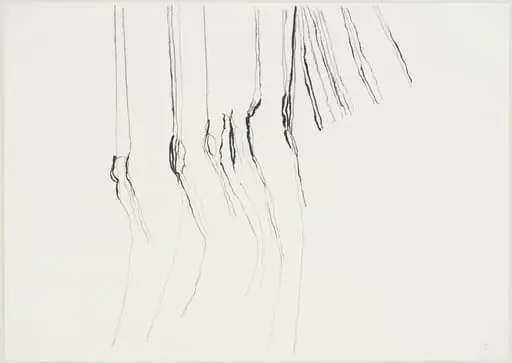
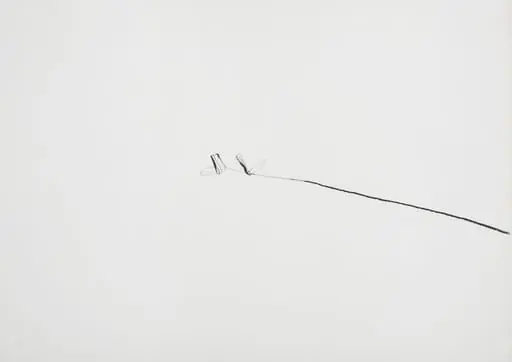
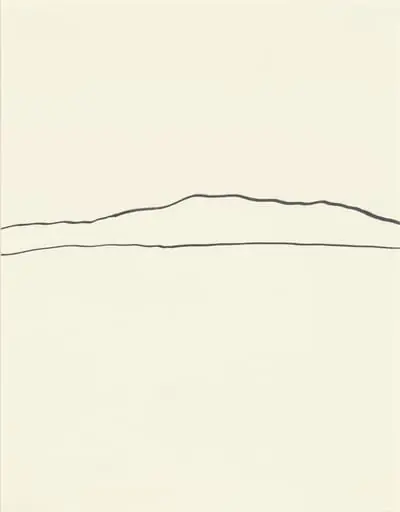
Created in 1979, this crayon drawing by Jan Groth is part of The Museum of Modern Art’s collection. Executed on paper with minimal means, it presents a solitary human form rendered in faint, precise lines. The absence of detail or color emphasizes simplicity, inviting focus on the figure’s posture and spatial presence rather than narrative or context.
Subject & Meaning
The drawing depicts a single, upright figure with arms extended horizontally, forming a neutral cross. The legs are straight, vertical lines, suggesting stillness or suspension. Without facial features or clothing, the figure resists individual identity, instead evoking a universal or symbolic presence—perhaps of contemplation, surrender, or silent endurance.
Technique & Style
Groth used crayon lightly, applying thin, controlled strokes that barely register on the paper’s surface. The lines are deliberate yet unembellished, avoiding shading or texture. The stark white background enhances the figure’s isolation, reinforcing a reductive aesthetic that prioritizes economy of form over expressive flourish.
History & Provenance
The work entered The Museum of Modern Art’s collection following its creation in 1979. No public record details its prior ownership or exhibition history prior to acquisition. Its inclusion in the museum’s holdings suggests recognition of its conceptual clarity within the broader context of late 20th-century drawing practices.
Context
Emerging from a period when many artists explored minimalism and conceptual art, Groth’s drawing aligns with tendencies to strip imagery to its essential elements. It reflects a broader interest in the body as a site of abstraction, resonating with contemporaneous work that favored silence, restraint, and ambiguity over overt expression.
Legacy
Though not widely reproduced, the drawing contributes to an understated lineage of minimalist figure studies in postwar drawing. Its quiet presence in MoMA’s collection affirms its role as an example of how reduced form can carry psychological weight, influencing later artists who prioritize subtlety over spectacle.
Artist & collection