Artwork
The New Song
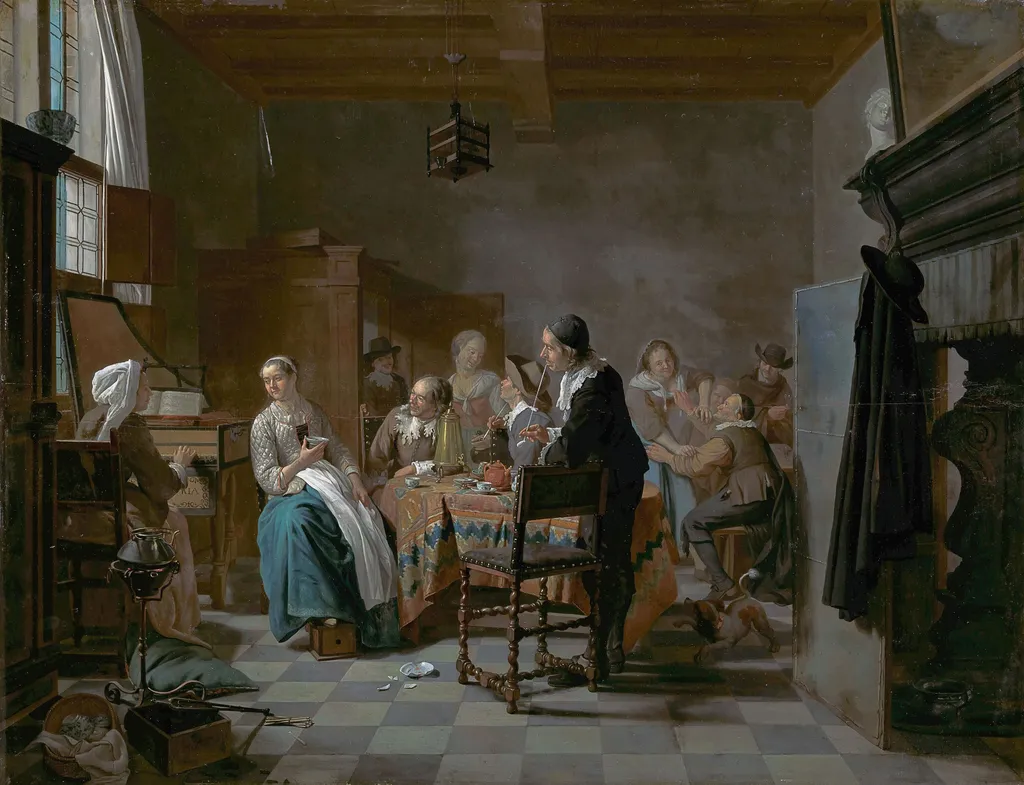
The New Song is an oil painting by the Rococo painting artist Jan Josef Horemans the Younger. It dates from 1750 and is held in the collection of the Rijksmuseum.
About this work
Overview
The New Song is an 18th-century oil painting created by Flemish artist Jan Josef Horemans the Younger around 1750, associated with the Rococo movement.
Subject & Meaning
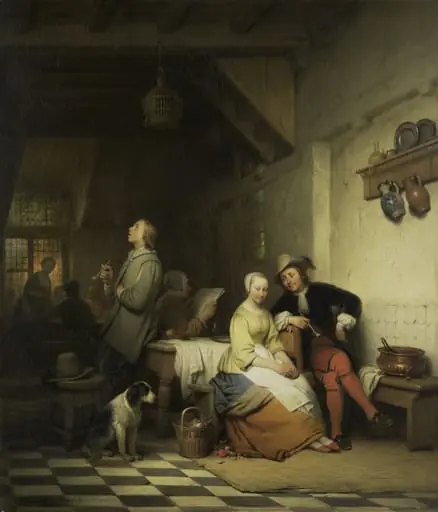
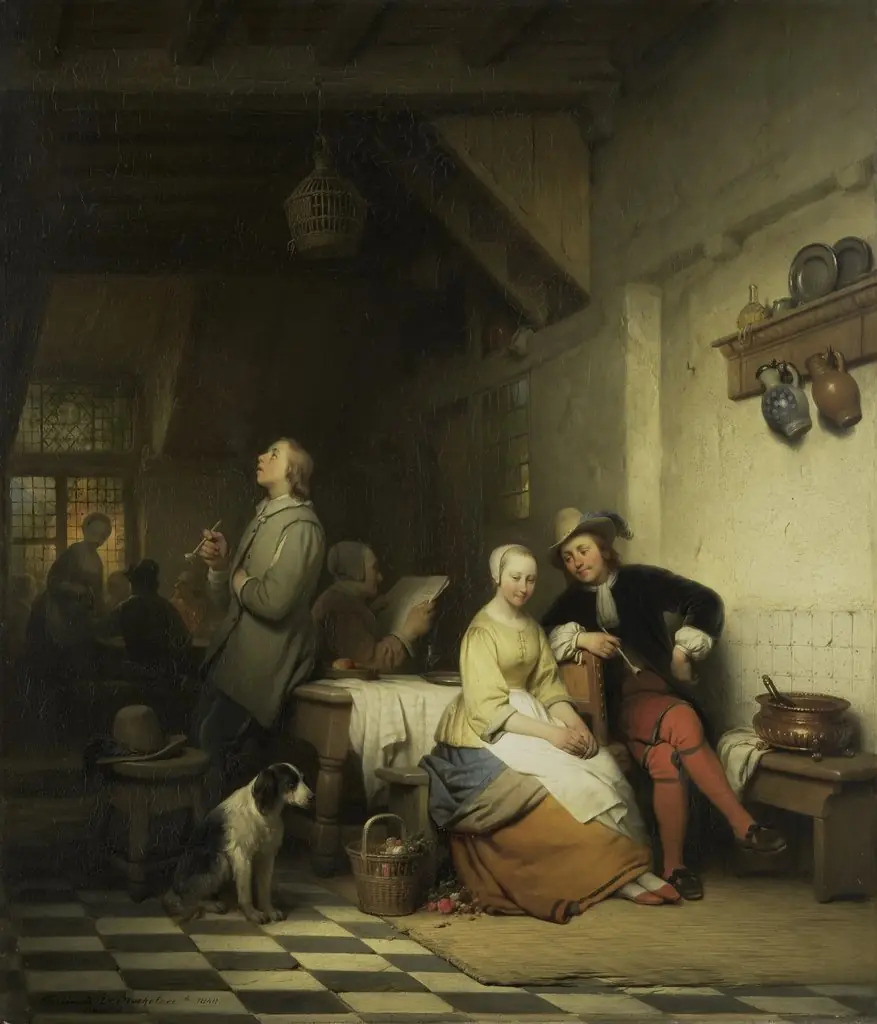
The painting depicts a lively indoor scene of everyday life, with a central figure standing at a table, engaged in writing, accompanied by a seated woman with a book, surrounded by others in a state of relaxed engagement.
Technique & Style
Characterized by the Rococo emphasis on natural light and intimate settings, the work features a checkered floor and a large window, typical of the period's genre scenes, with a warm and engaging atmosphere.
History & Provenance
The New Song is part of the Rijksmuseum's collection, reflecting Horemans' versatility beyond his known genre of harbor views and portraits.
Context
Created within the Rococo movement, the painting aligns with the era's focus on capturing the beauty of mundane life with elegance and warmth.
Legacy
While not explicitly revolutionary, The New Song contributes to the enduring appeal of Rococo genre scenes, offering a glimpse into 18th-century daily life and social interactions.
Own this work as a print
Artist & collection
Artist
Jan Josef Horemans the Younger
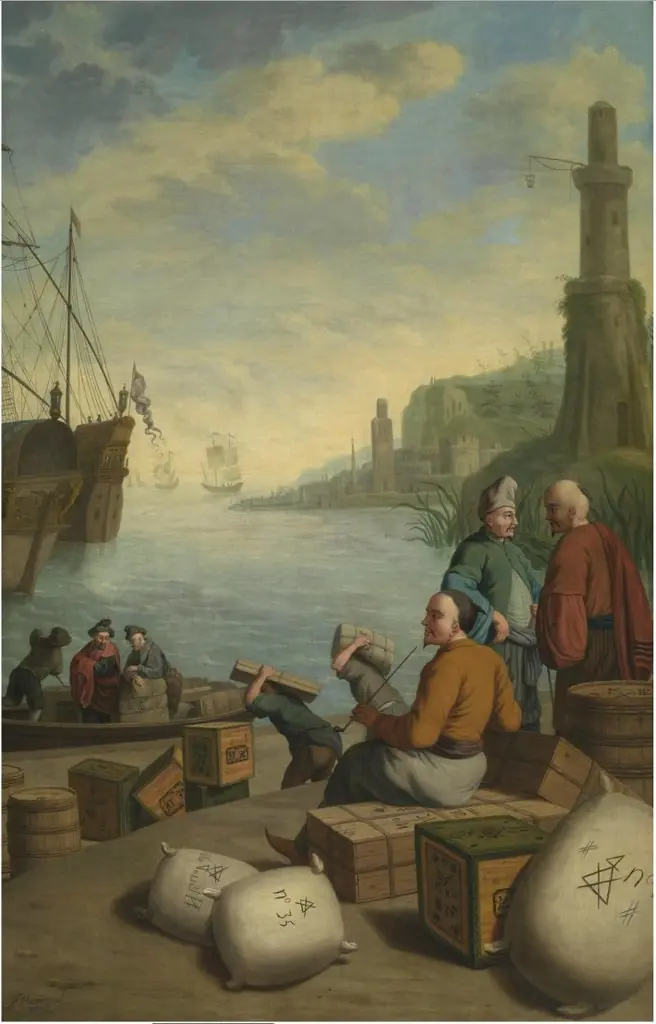
Jan Josef Horemans the Younger (baptised 15 January 1714 – 9 February 1792) was an 18th-century Flemish painter. He is mainly known for his genre scenes but also painted harbor views, equestrian paintings, portraits and still lifes.

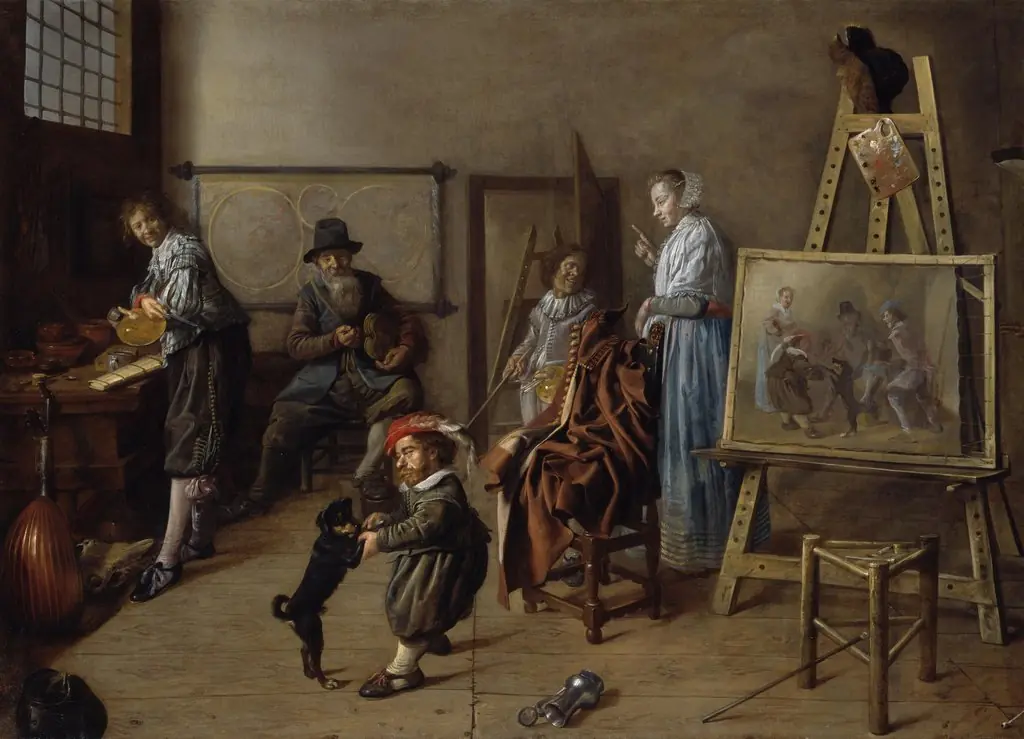 The Artist's Studio
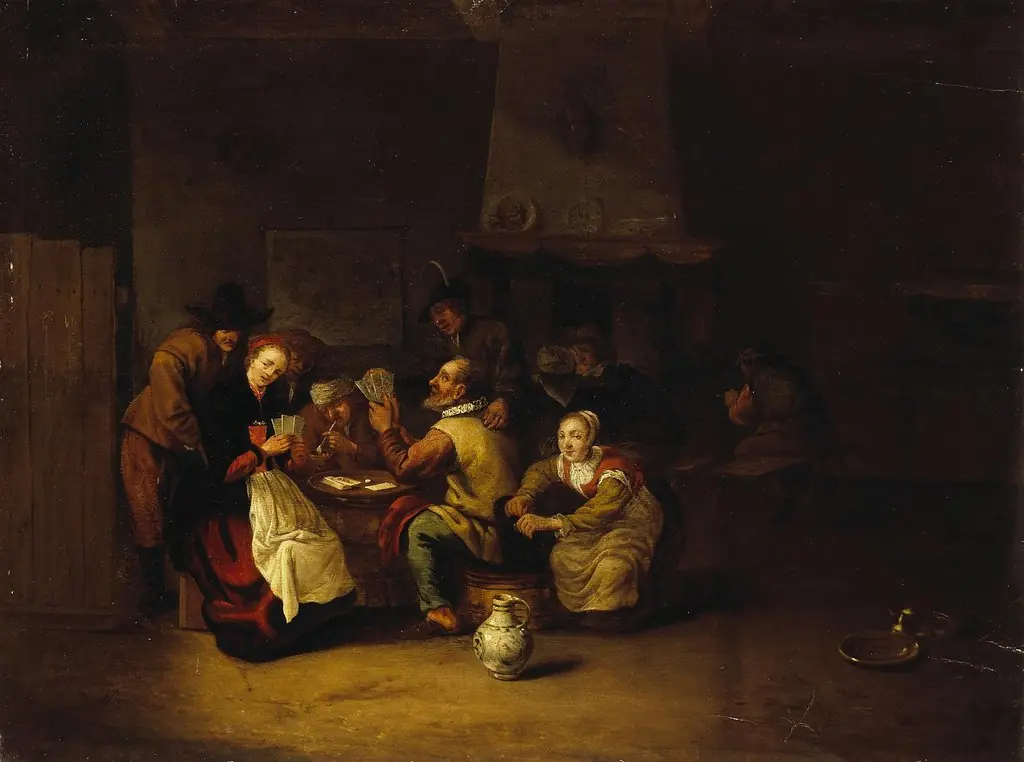 Card-Playing
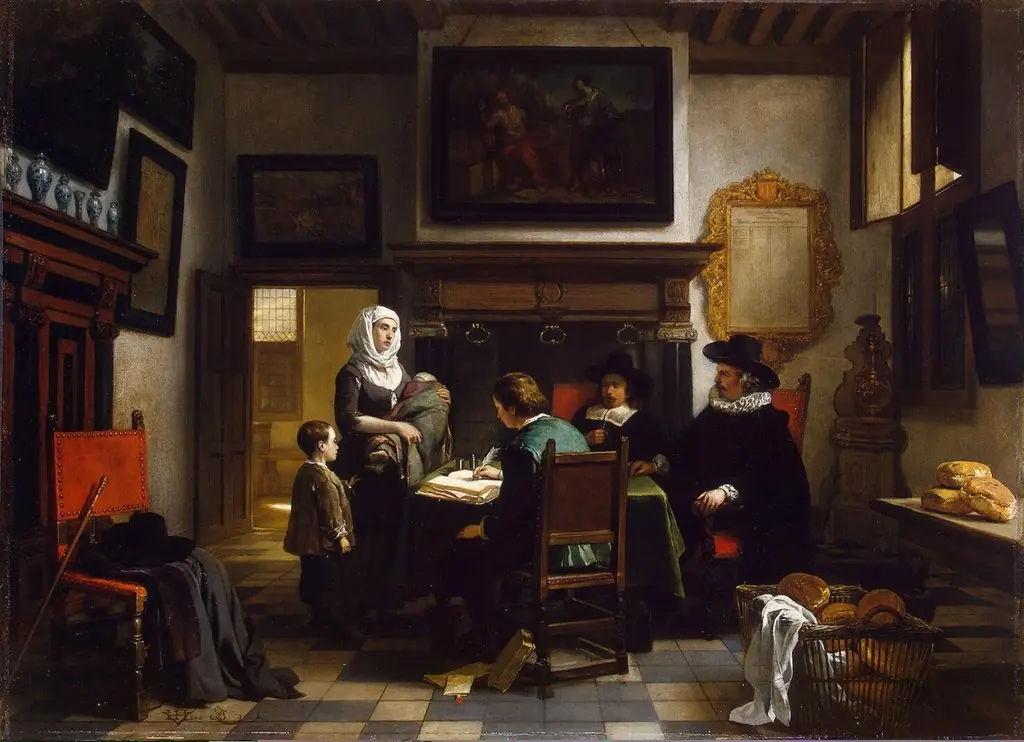 Distribution of Charity in the Alms-House
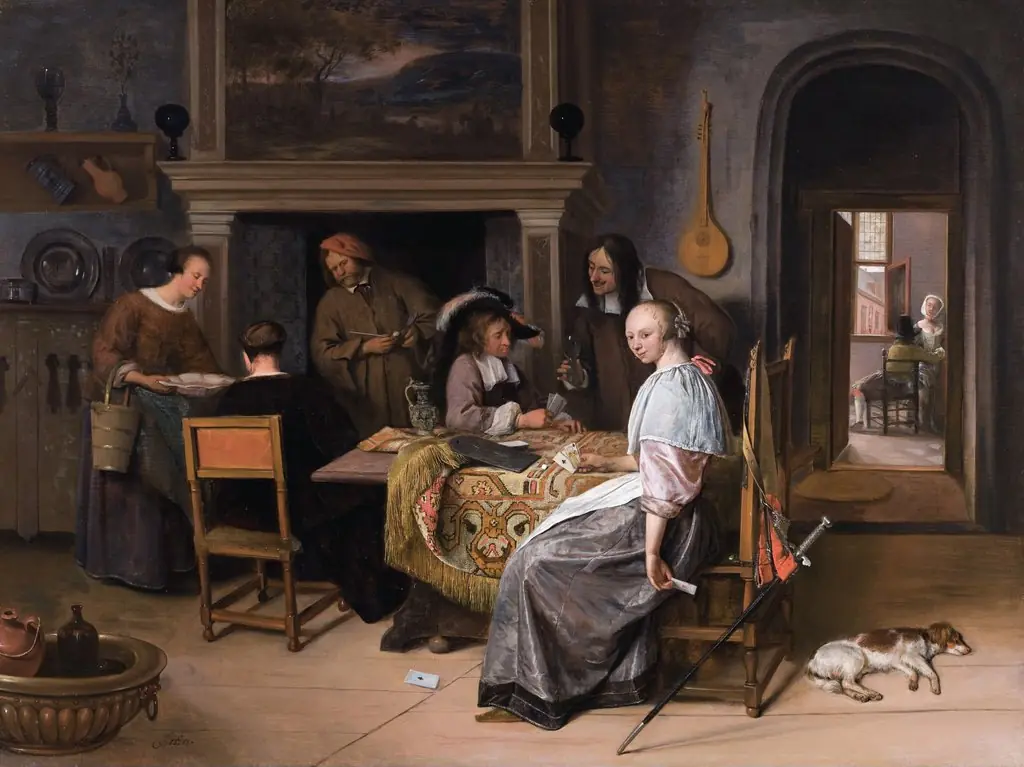 The Card Players in an Interior
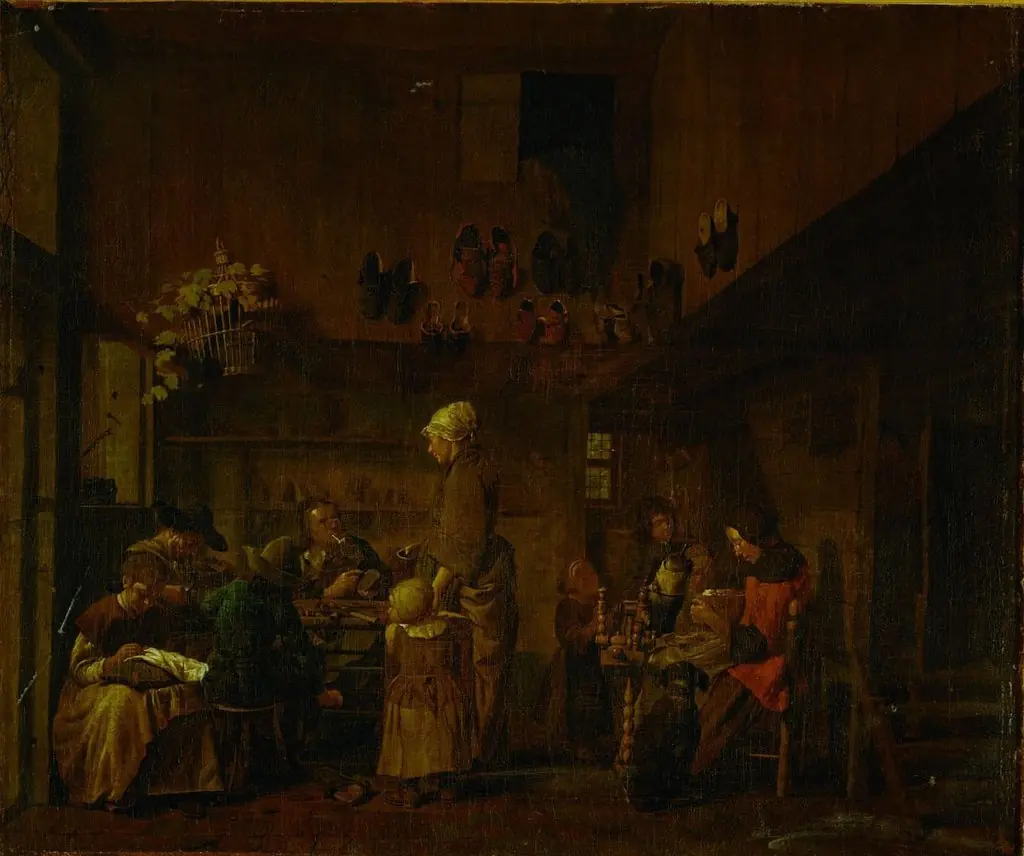 Shoemaker workshop
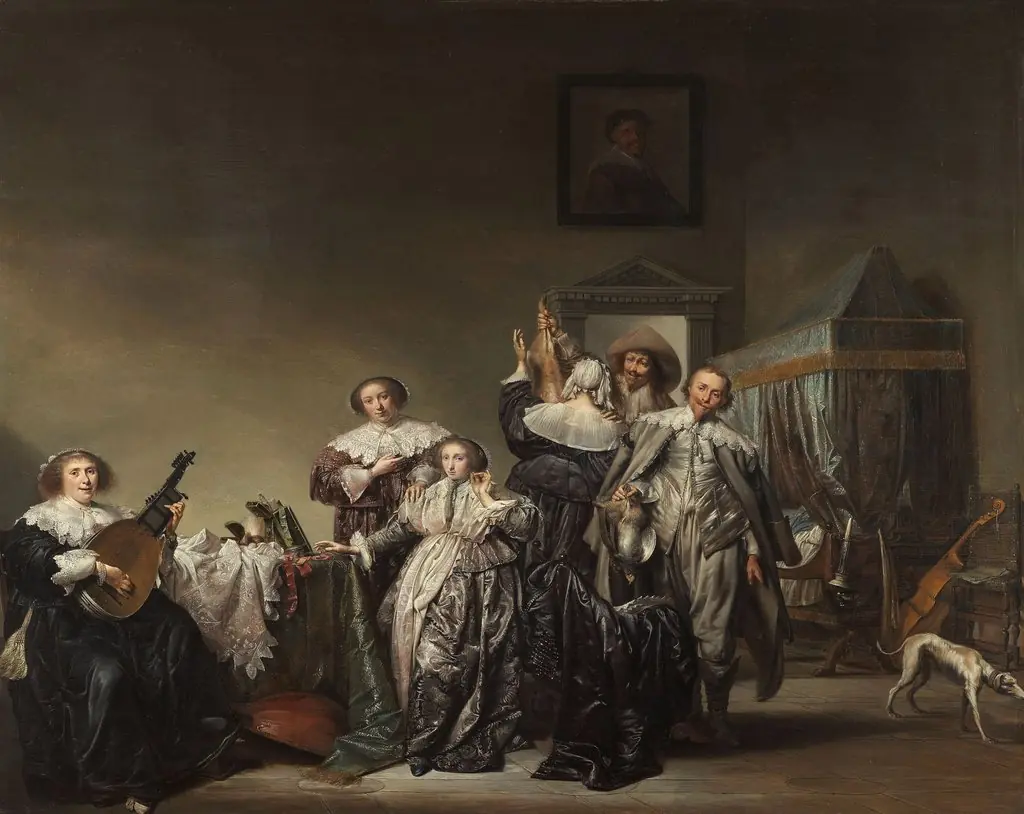 Gallant Company
 Interior of an Inn, with Figures in Seventeenth-Century Costume
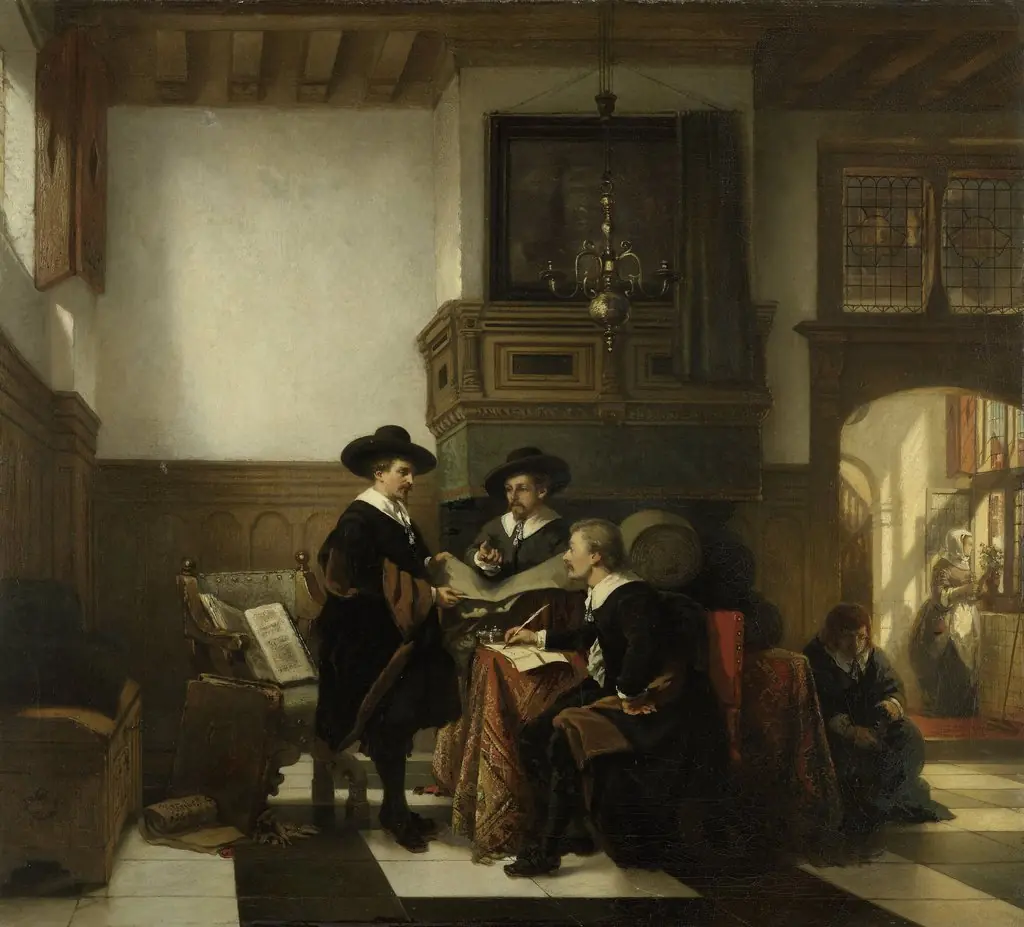 Syndics of the Leiden
 Interior of an Inn, with Figures in Seventeenth-Century Costume
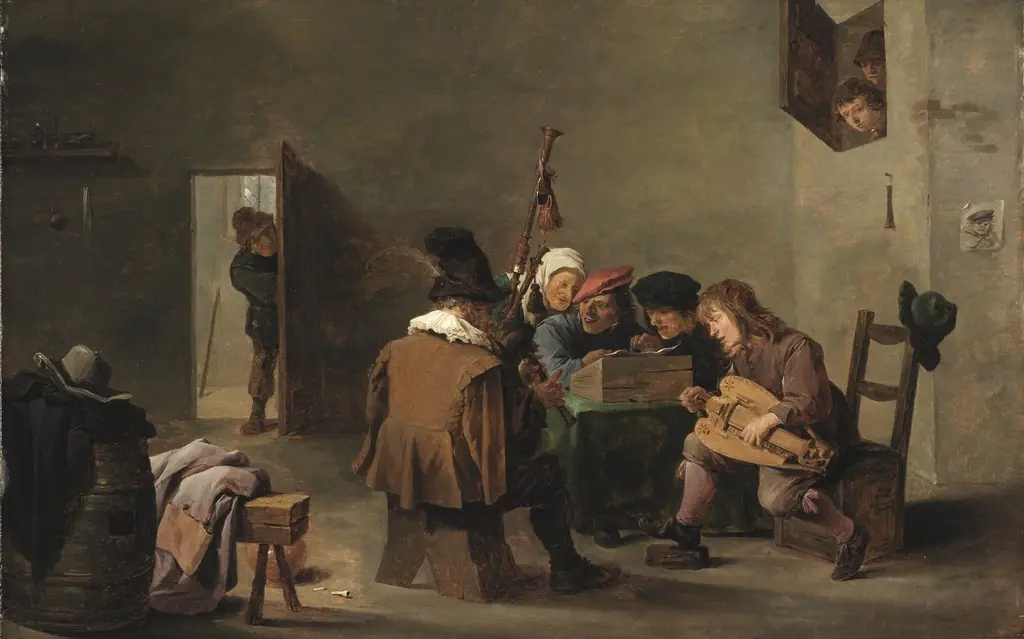 The Boors' Concert
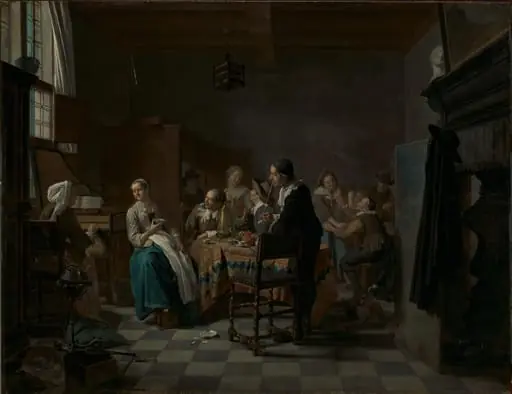 'The New Song'