Artwork
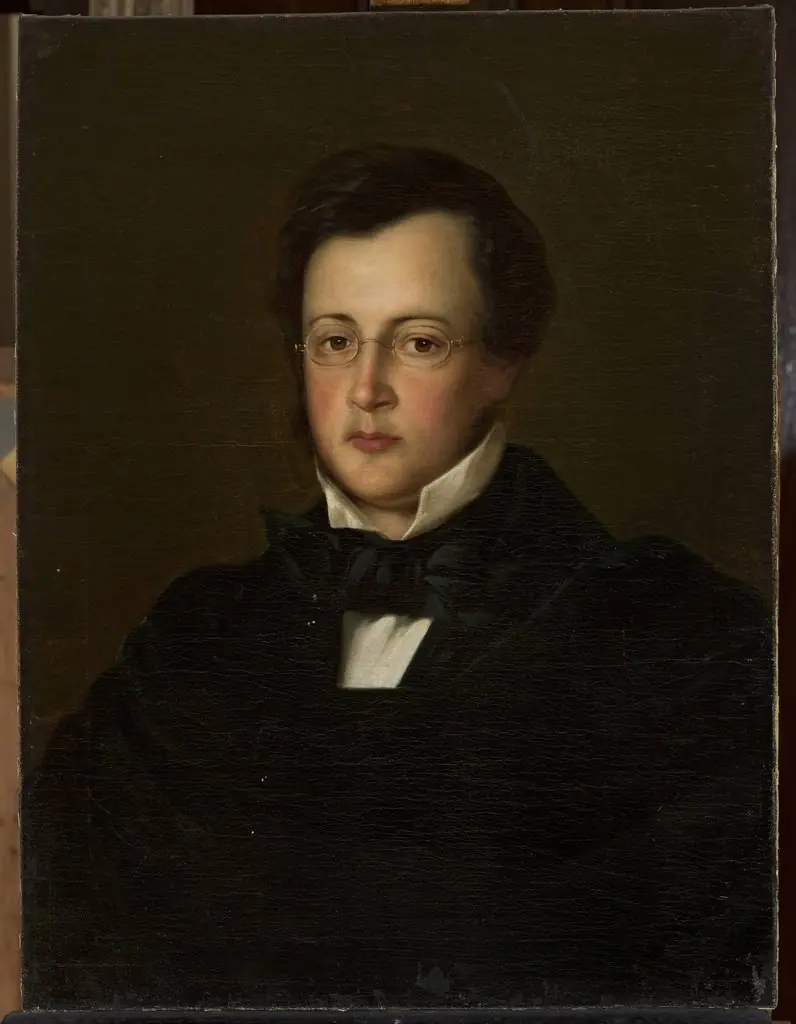
Portrait of Antoni Paszyc, colonel
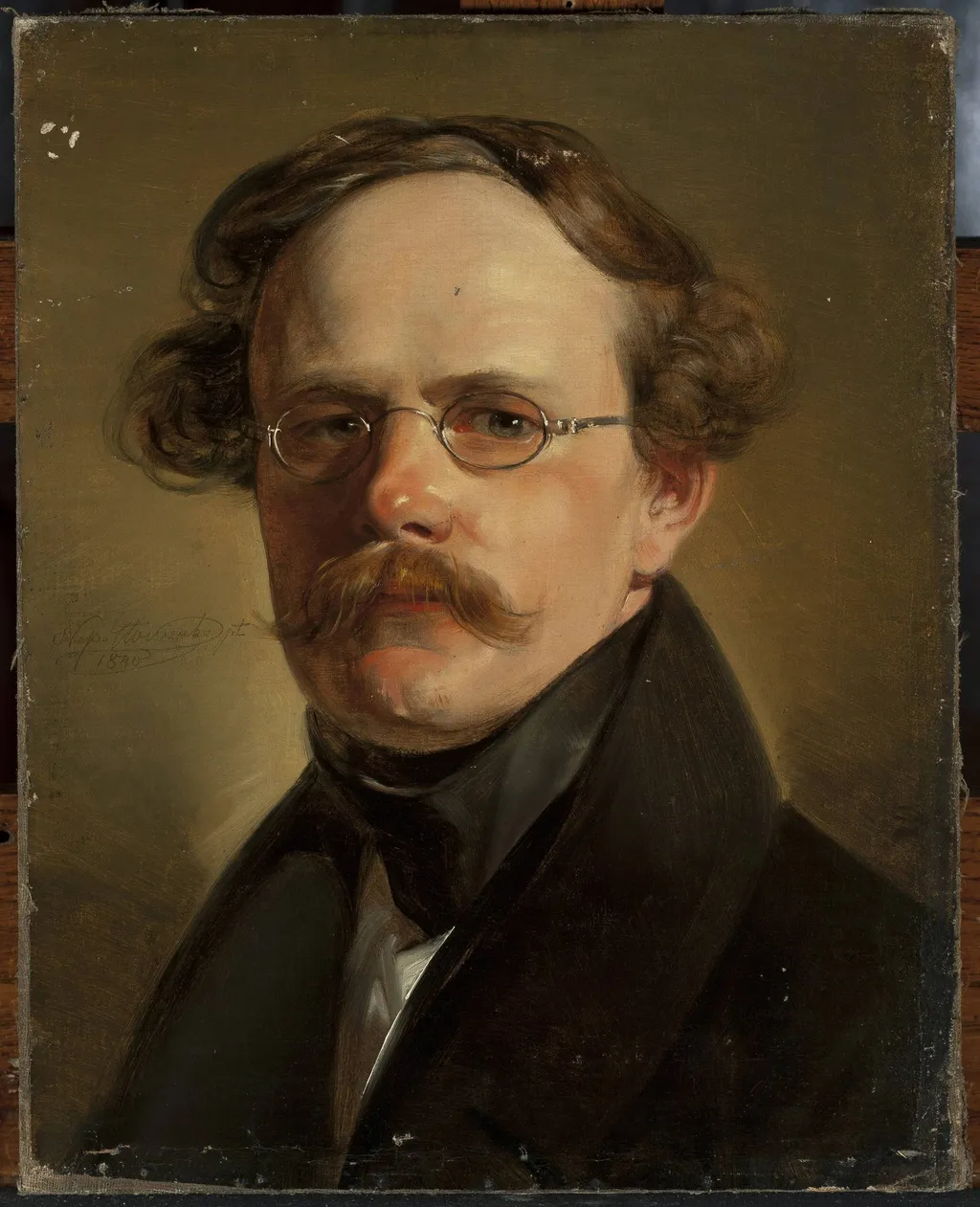
Portrait of Antoni Paszyc, colonel is an oil painting by the Realist artist Jan Nepomucen Głowacki. It dates from 1840 and is held in the collection of the National Museum in Warsaw.
About this work
The level of detail in the painting, particularly in the subject's facial features and clothing, indicates a high level of skill on the part of the artist.
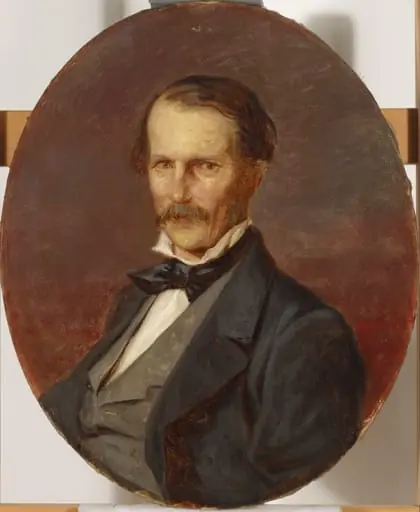
This portrait depicts a man with a distinctive mustache and glasses, wearing a dark jacket and a white shirt. His hair is styled in a side part, and he has a serious expression. The background of the painting is a muted brown color.
The man's attire and hairstyle suggest that the painting is from the 19th century. The level of detail in the painting, particularly in the subject's facial features and clothing, indicates a high level of skill on the part of the artist.
If you're interested in learning more about the artist behind this portrait, you might want to look up Jan Nepomucen Głowacki.
Overview
Painted in 1840 by Jan Nepomucen Głowacki, this oil portrait depicts Colonel Antoni Paszyc, a Polish military officer. Though Głowacki is better known for landscapes, this work reflects his engagement with portraiture during his early career. Executed with precise observation, the painting belongs to the National Museum in Warsaw and exemplifies the quiet dignity characteristic of mid-19th-century Polish elite portraiture.
Subject & Meaning
Colonel Antoni Paszyc is portrayed with composure and restraint, his serious gaze and formal attire conveying military bearing and personal resolve. The absence of symbolic props or grand settings shifts focus to his individual presence. His glasses and neatly parted hair suggest intellectualism and discipline, aligning with the values of the Polish officer class during a period of national upheaval following the partitions.
Technique & Style
Głowacki employs a restrained palette dominated by muted browns and neutral tones, emphasizing texture over color. The rendering of fabric, facial features, and eyeglasses demonstrates careful attention to detail, rooted in academic training. The background is softly blended, avoiding distraction and anchoring the figure in a quiet, intimate space. The style leans toward Realism, prioritizing truthful representation over Romantic idealization.
History & Provenance
The portrait entered the collection of the National Museum in Warsaw, where it remains today. Its provenance traces back to the artist’s circle in Kraków, likely acquired shortly after completion. Głowacki’s growing reputation as a teacher and painter in the 1840s helped secure such commissions among the Polish intelligentsia, ensuring the work’s preservation through subsequent political changes.
Context
Created during a time when Poland was partitioned and lacked statehood, portraits like this served as quiet assertions of identity and continuity. Officers such as Paszyc embodied national pride through personal conduct. Głowacki, educated across Central Europe, synthesized academic techniques with local sensibilities, contributing to a distinctly Polish visual culture despite foreign political dominance.
Legacy
While Głowacki’s landscapes later defined his public legacy, this portrait remains a significant example of his early figurative work. It reflects the transition in Polish art from Romanticism toward Realism and offers insight into the visual language of the Polish officer class. The painting continues to be studied as a representative artifact of 19th-century Polish civic portraiture.
Artist & collection
Artist
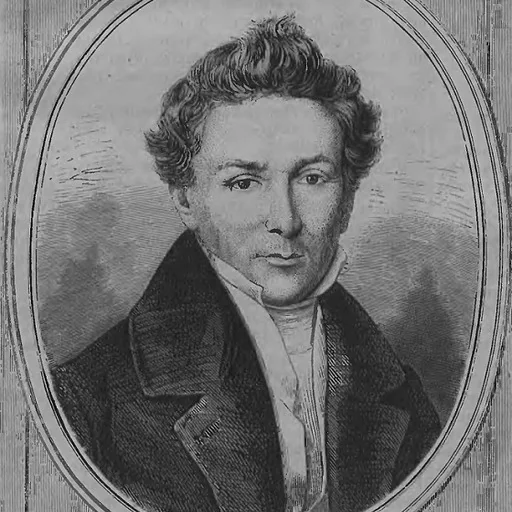
Jan Nepomucen Głowacki (1802 – July 28, 1847) was a Polish realist painter of the Romantic era, regarded as the most outstanding landscape painter of the early 19th century in Poland under the foreign partitions.

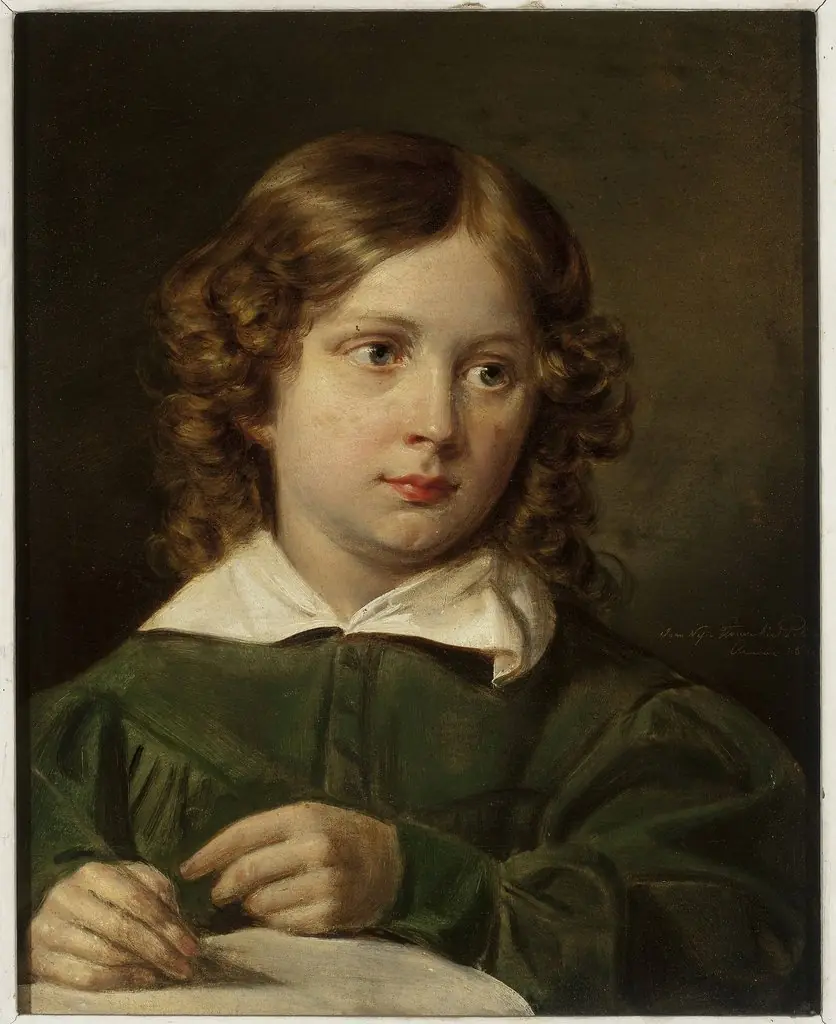 Portrait of a writing child
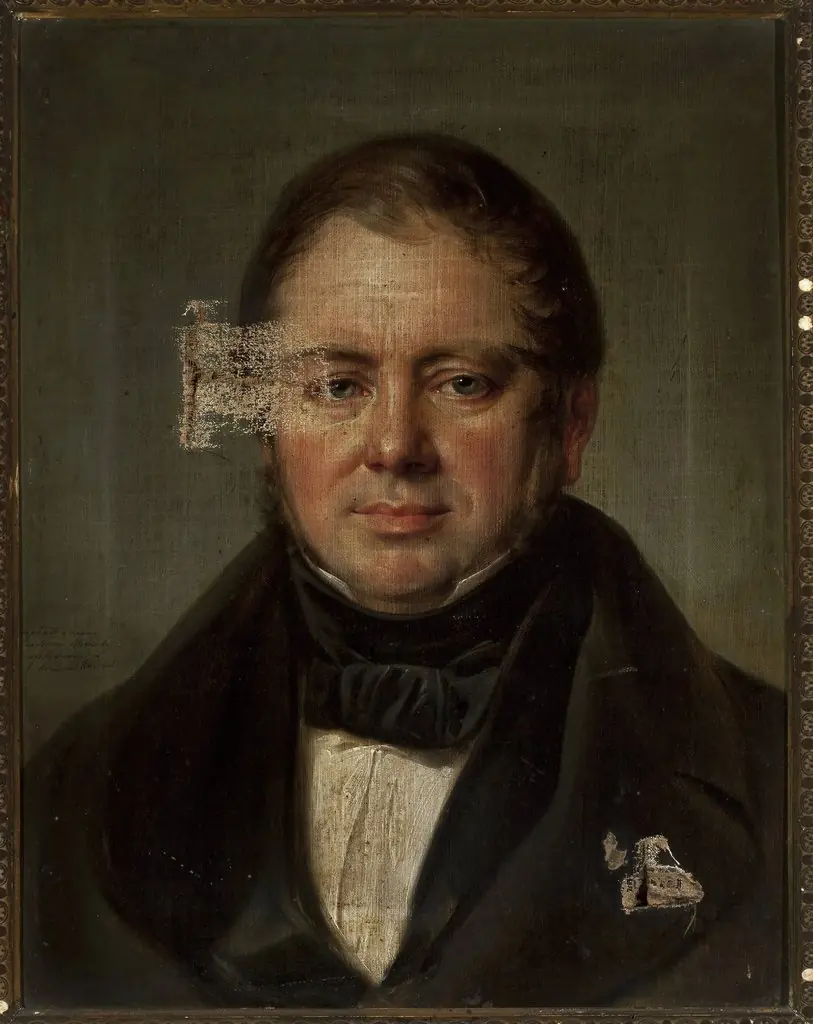 Portrait of Mikołaj Tyrchowski, rector at St. Anne's Secondary School in Kraków
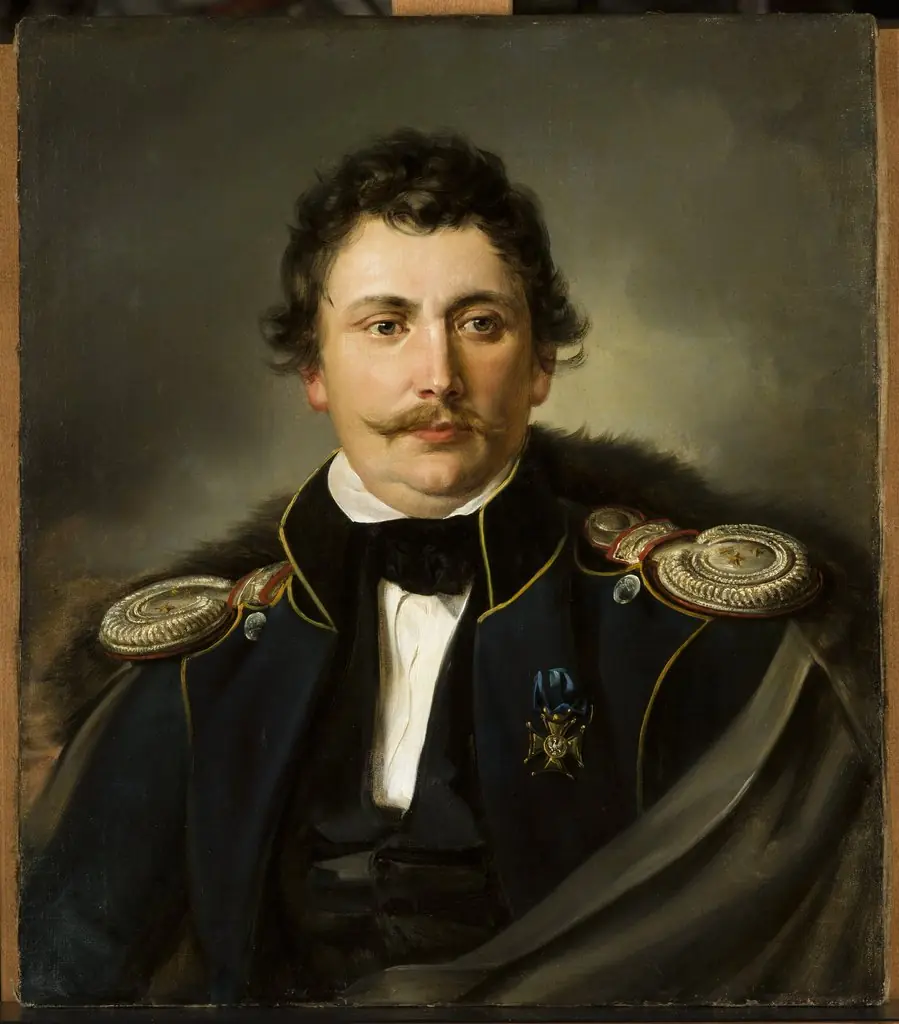 Portrait of Józef Patelski
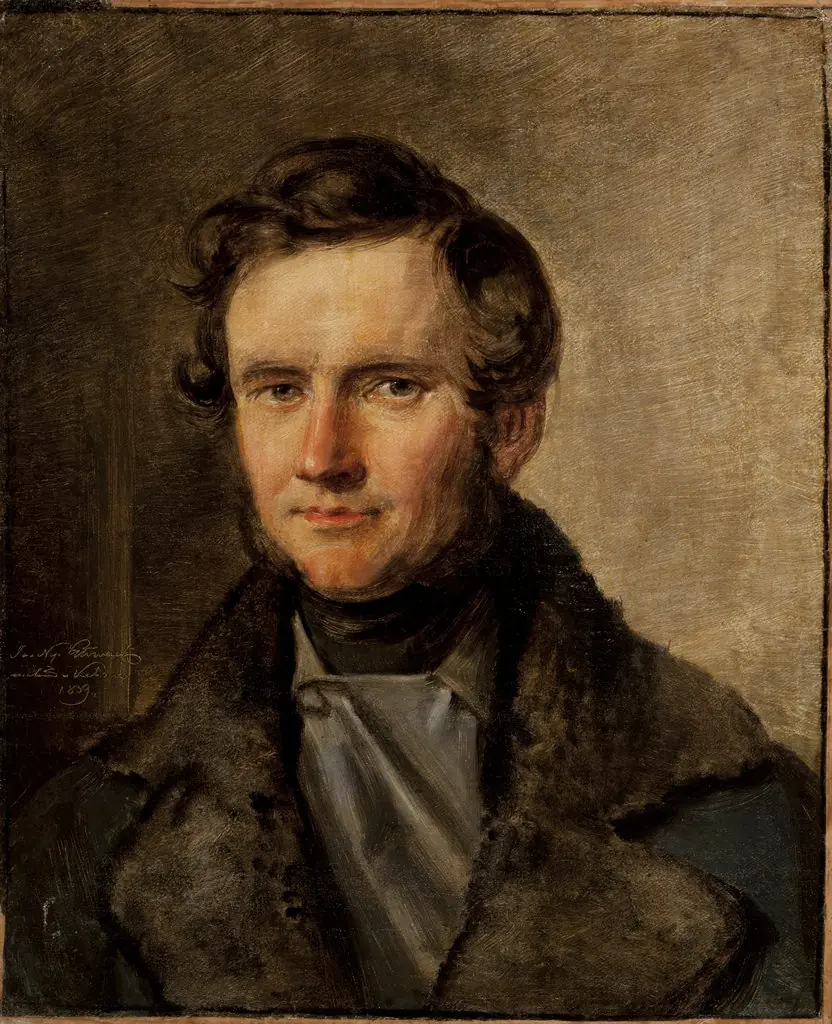 Portrait of Eng. Maciej Bajer
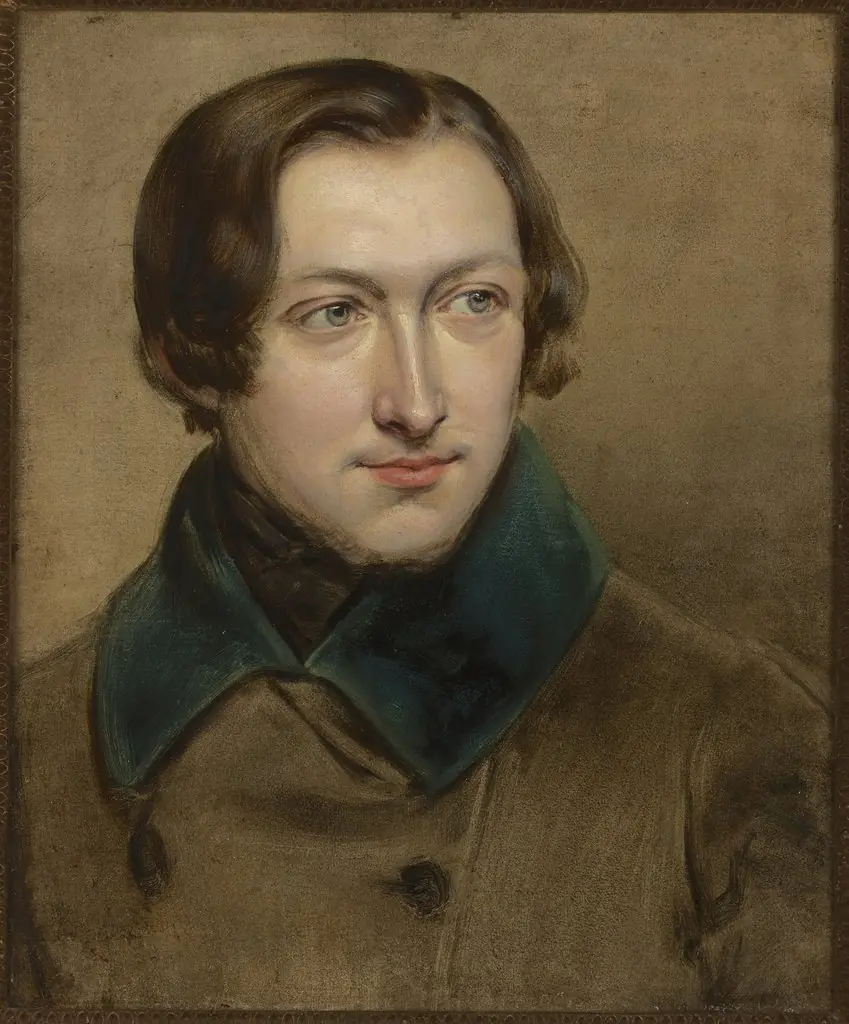 Portrait of Aleksander Płonczyński
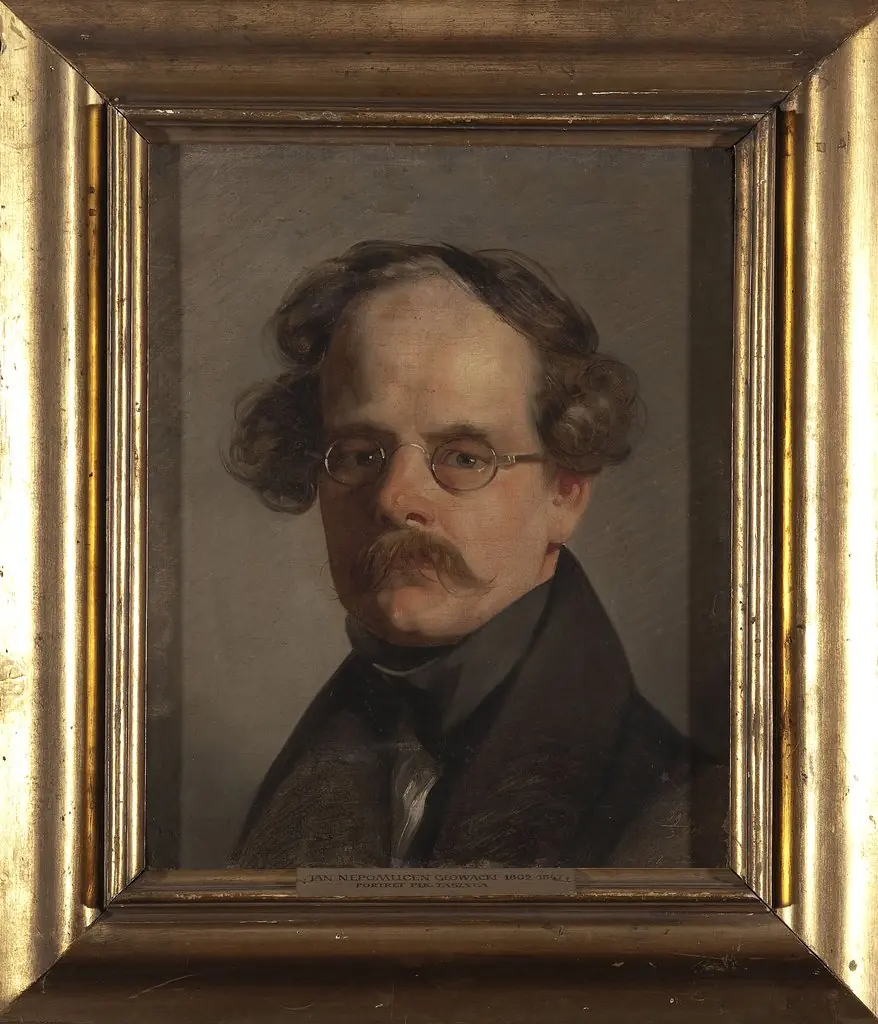 Portrait of Antoni Paszyc, colonel
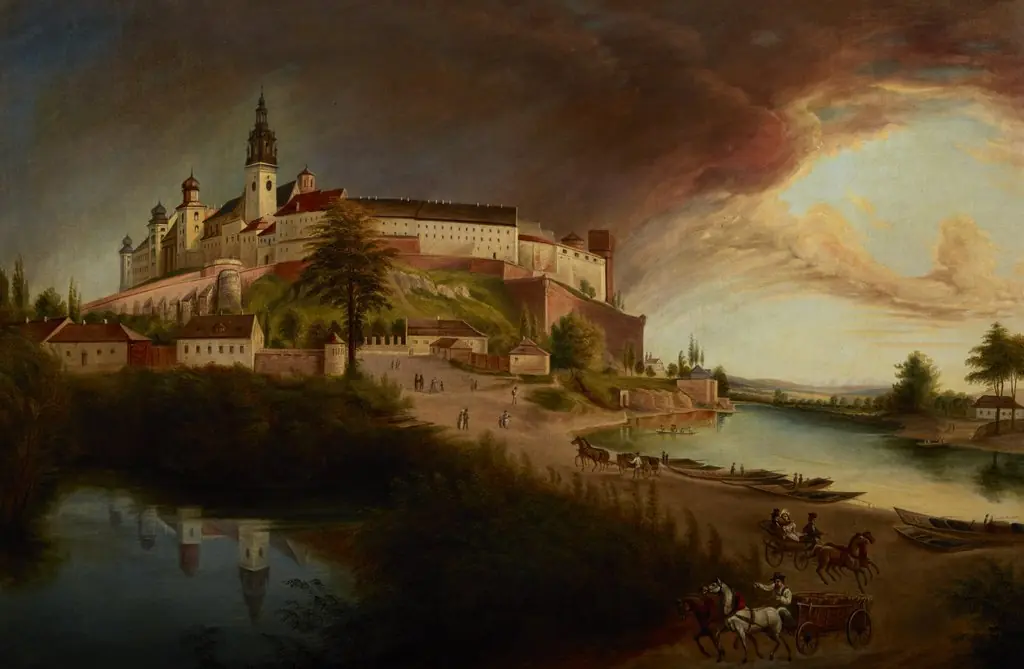 "View of Wawel" by Jan Nepomucen Głowacki
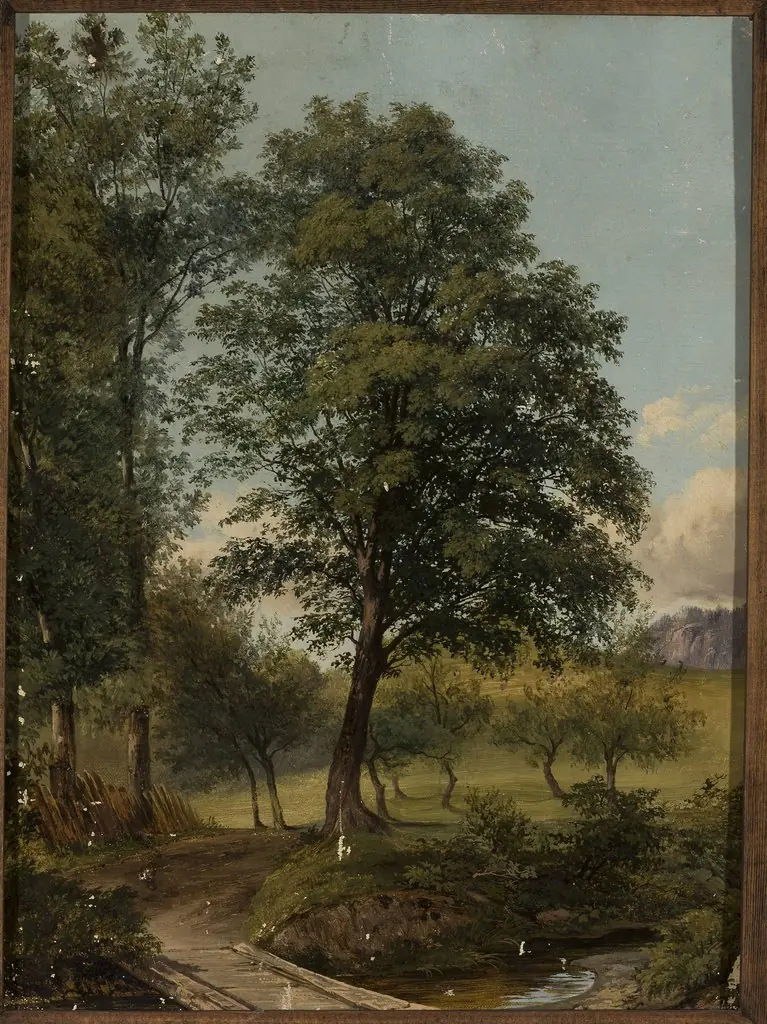 View with a bridge over a creek
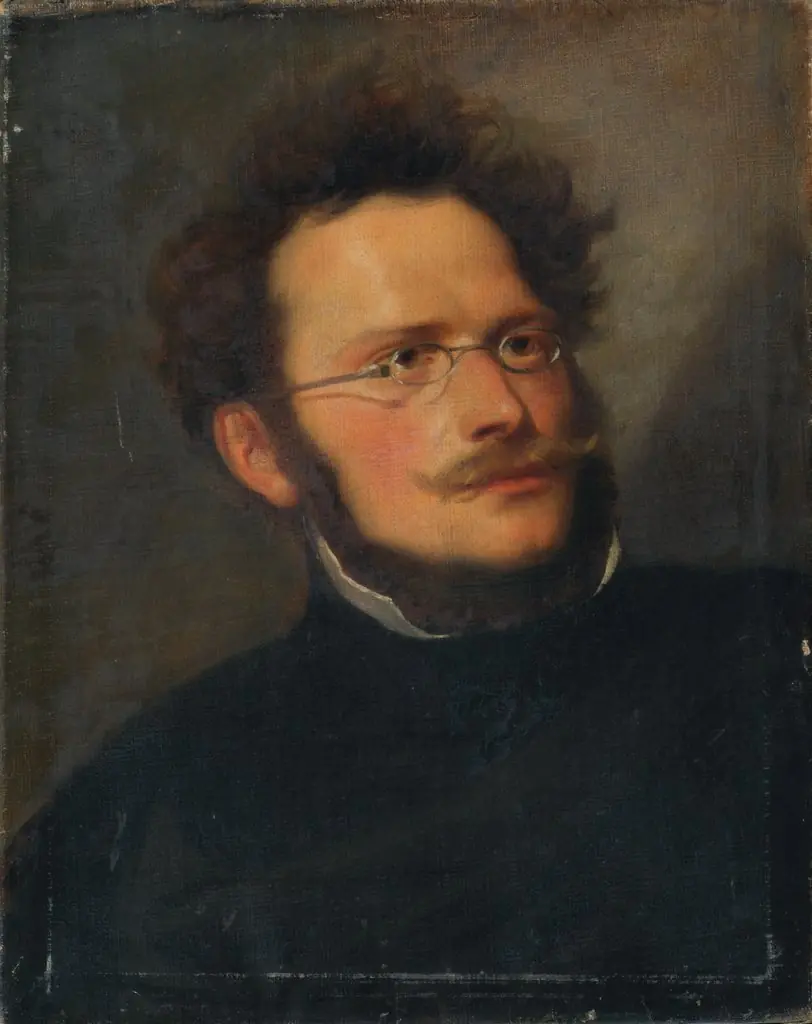 Der Maler Heinrich Schwemminger
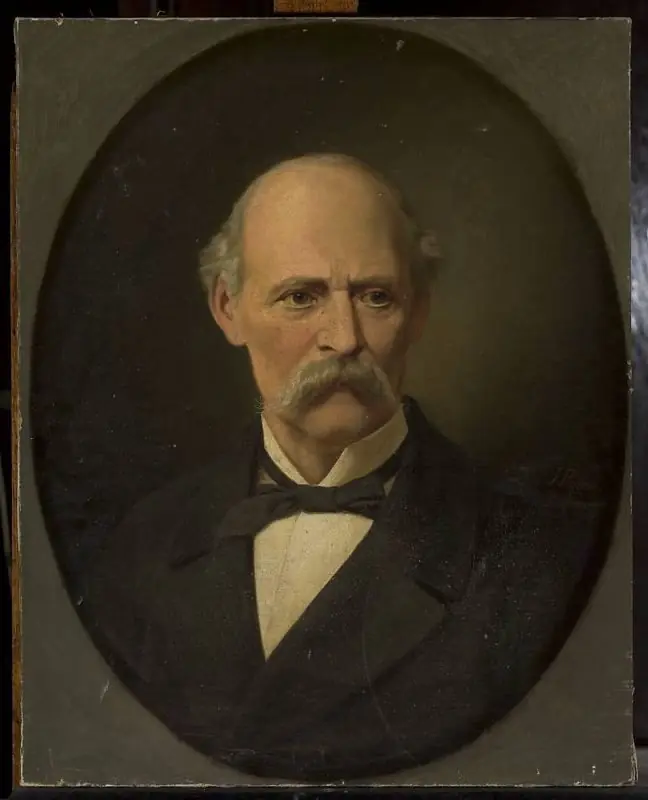 Self-portrait
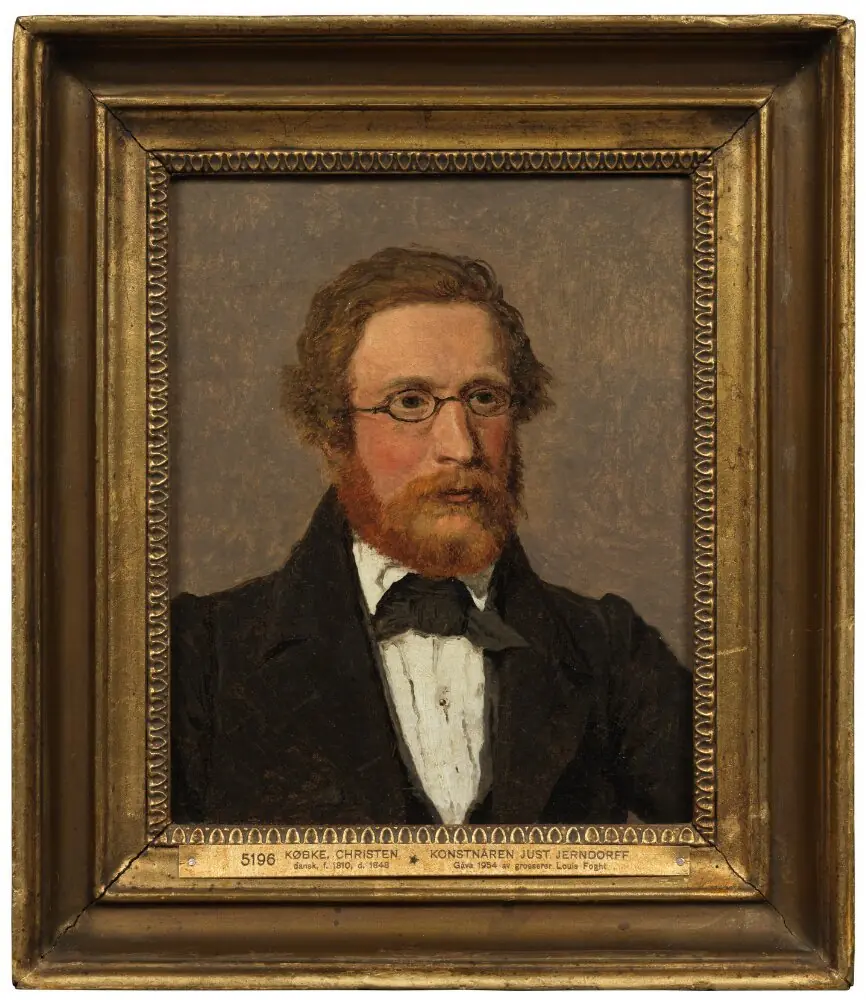 The Artist Just Jerndorff
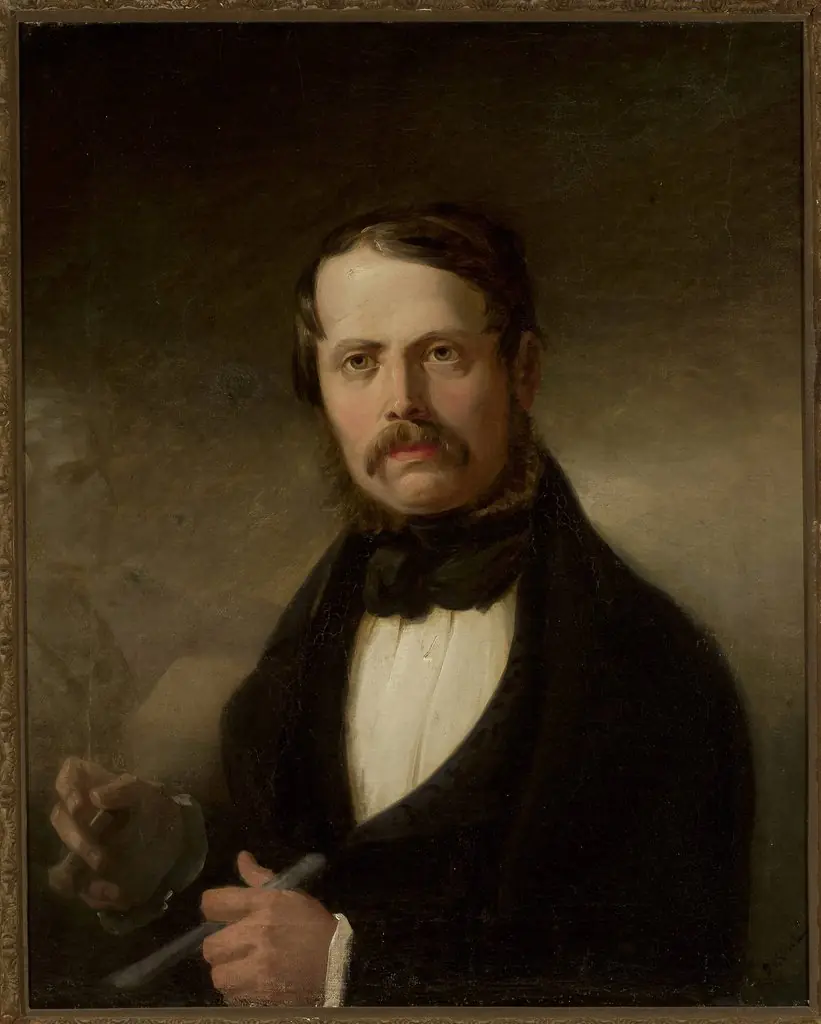 Portrait of Teofil Lenartowicz, poet and sculptor
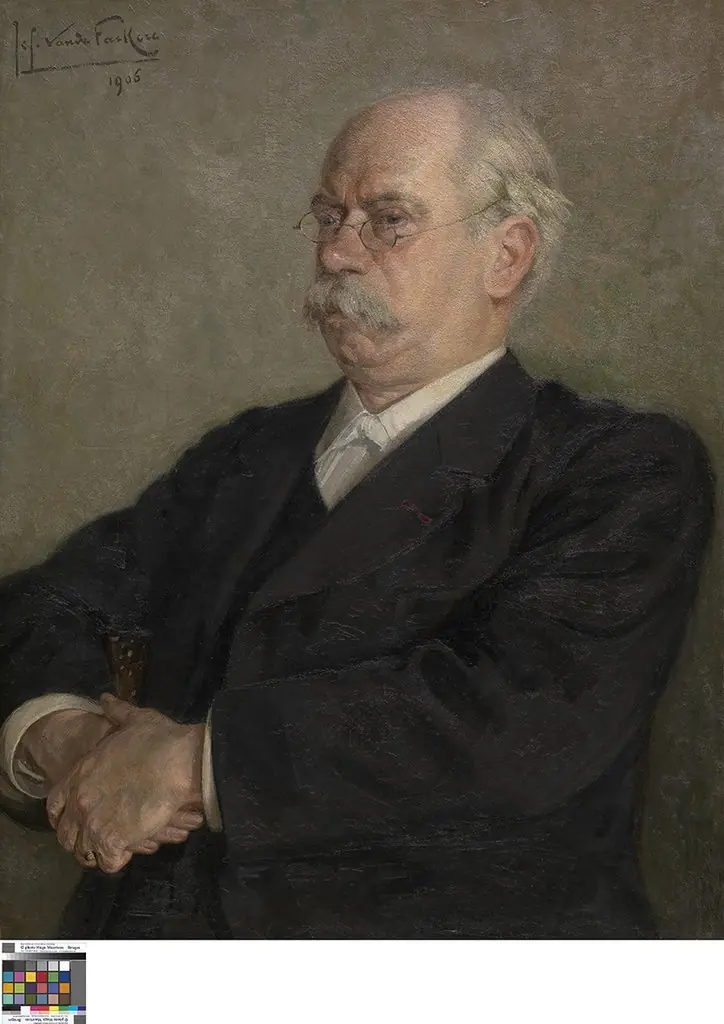 Portrait of Julius Sabbe
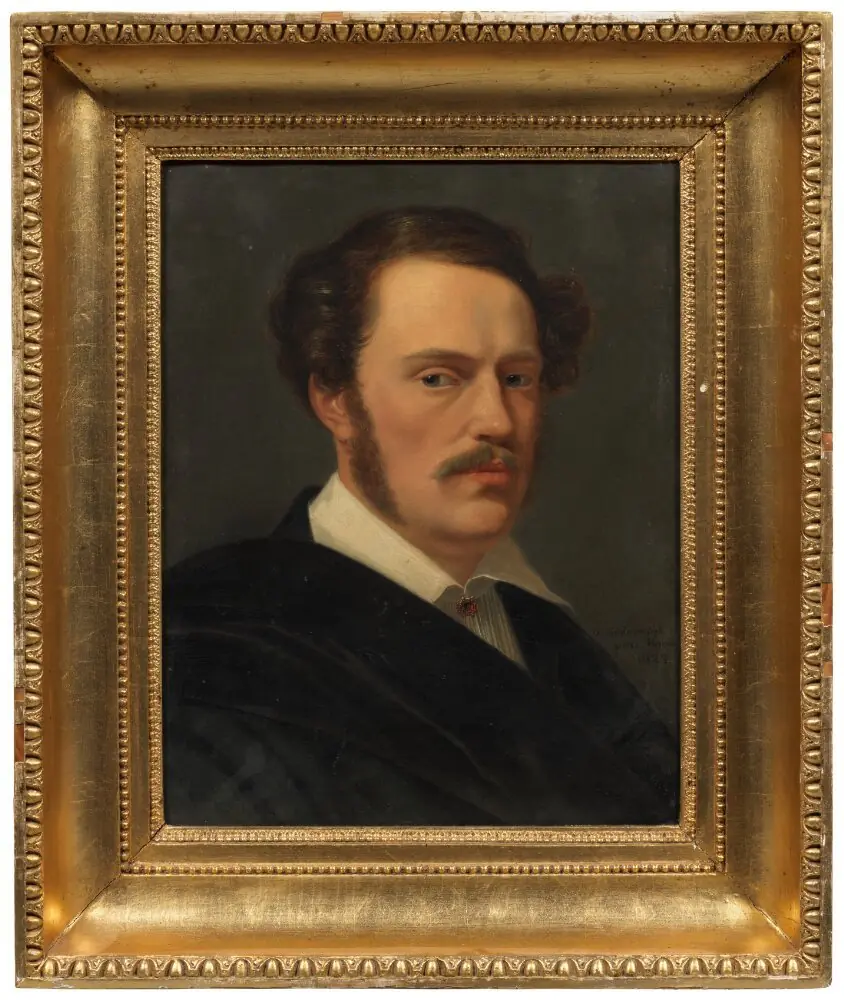 Presumed Self Portrait
 Magnus von Wrightin muotokuva
 Oberförster Ferdinand Kopp
 Self-Portrait
 The Architect Gottlieb Bindesbøll
 Portrait of Konstanty Świdziński (d. 1855)