Artwork
Portrait of Józef Patelski
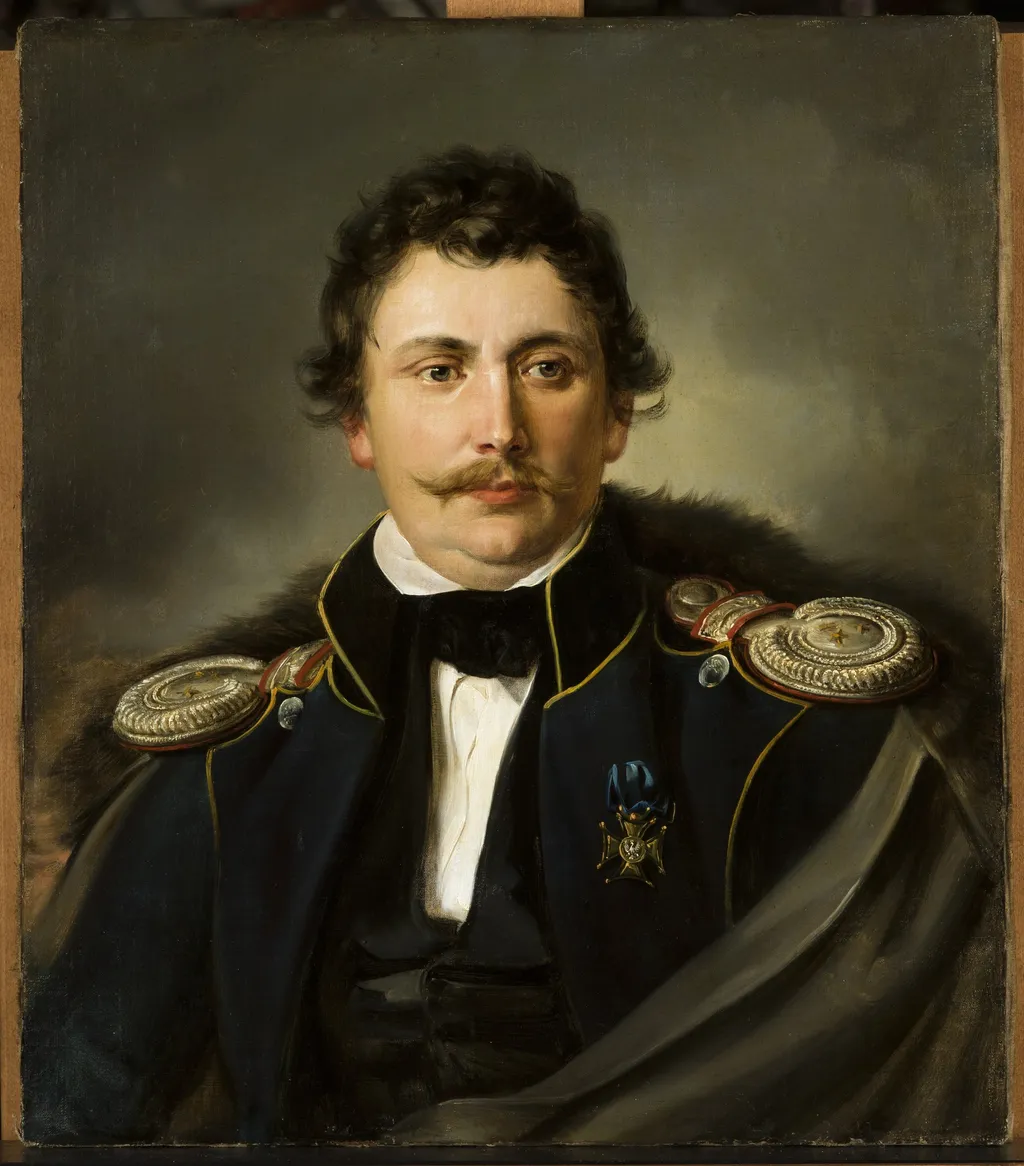
Portrait of Józef Patelski is an oil painting by Jan Nepomucen Głowacki. It dates from 1834 and is held in the collection of the National Museum in Kraków.
About this work
Overview
The painting resides in the National Museum in Kraków, part of a broader cultural effort to preserve Polish identity during the partitions.
Painted around 1834 by Jan Nepomucen Głowacki, this oil portrait depicts Józef Patelski, a Polish military figure, in formal uniform. Though Głowacki is best known for landscapes, this work reflects his skill in capturing individual presence through precise rendering. The painting resides in the National Museum in Kraków, part of a broader cultural effort to preserve Polish identity during the partitions.
Subject & Meaning
Józef Patelski is portrayed in a dark military coat adorned with gold epaulets and a blue ribbon, suggesting rank and service. His dark curly hair and mustache convey a sense of dignity, while the plain background focuses attention on his composed demeanor. The portrait likely served to affirm personal and national pride during a time when Poland’s sovereignty was suppressed, turning individual identity into a quiet act of resistance.
Technique & Style
Głowacki employed oil paint to achieve subtle tonal shifts and textured detail, particularly in the uniform’s metallic accents and fabric folds. The brushwork is controlled yet expressive, with careful attention to light falling across the collar and ribbon. The muted brown background avoids distraction, emphasizing the subject’s form and the precision of his attire, reflecting a realist approach rooted in observation rather than idealization.
History & Provenance
Created during Głowacki’s return to Kraków after years of study in Central European academies, the portrait dates to a period when he was transitioning from student to established artist. It entered the National Museum in Kraków’s collection in the 19th century, likely through institutional acquisition or donation. Its preservation reflects the museum’s early commitment to documenting Polish cultural figures amid foreign rule.
Context
In the 1830s, Poland was partitioned among neighboring empires, and public expressions of national identity were restricted. Portraits of military officers like Patelski became subtle vessels for cultural memory. Głowacki, though primarily a landscape painter, engaged with portraiture to honor individuals who embodied continuity of Polish tradition, aligning art with national resilience.
Legacy
While Głowacki’s landscapes defined his public reputation, this portrait remains a significant example of his versatility and commitment to documenting Polish society. It contributes to the historical record of elite civilian and military figures during the partitions, offering insight into how personal dignity was visually asserted in politically constrained times.
Artist & collection
Artist
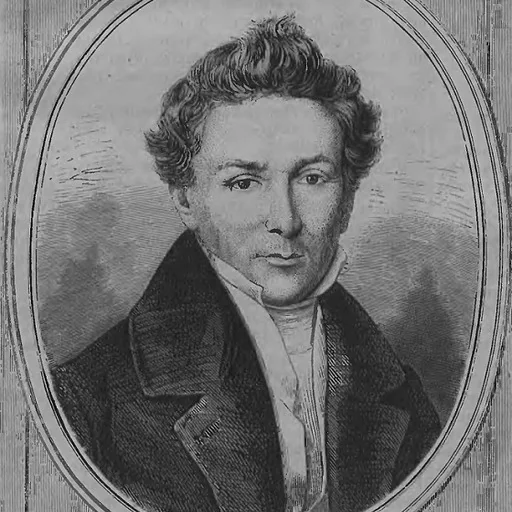
Jan Nepomucen Głowacki (1802 – July 28, 1847) was a Polish realist painter of the Romantic era, regarded as the most outstanding landscape painter of the early 19th century in Poland under the foreign partitions.

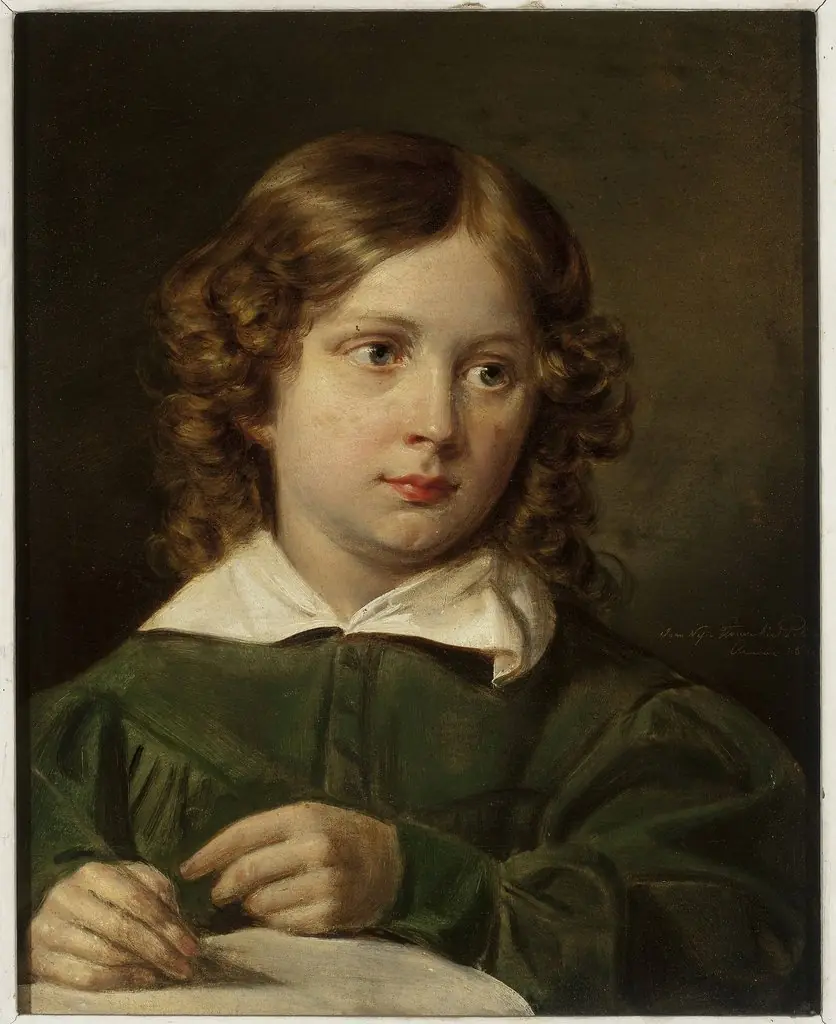 Portrait of a writing child
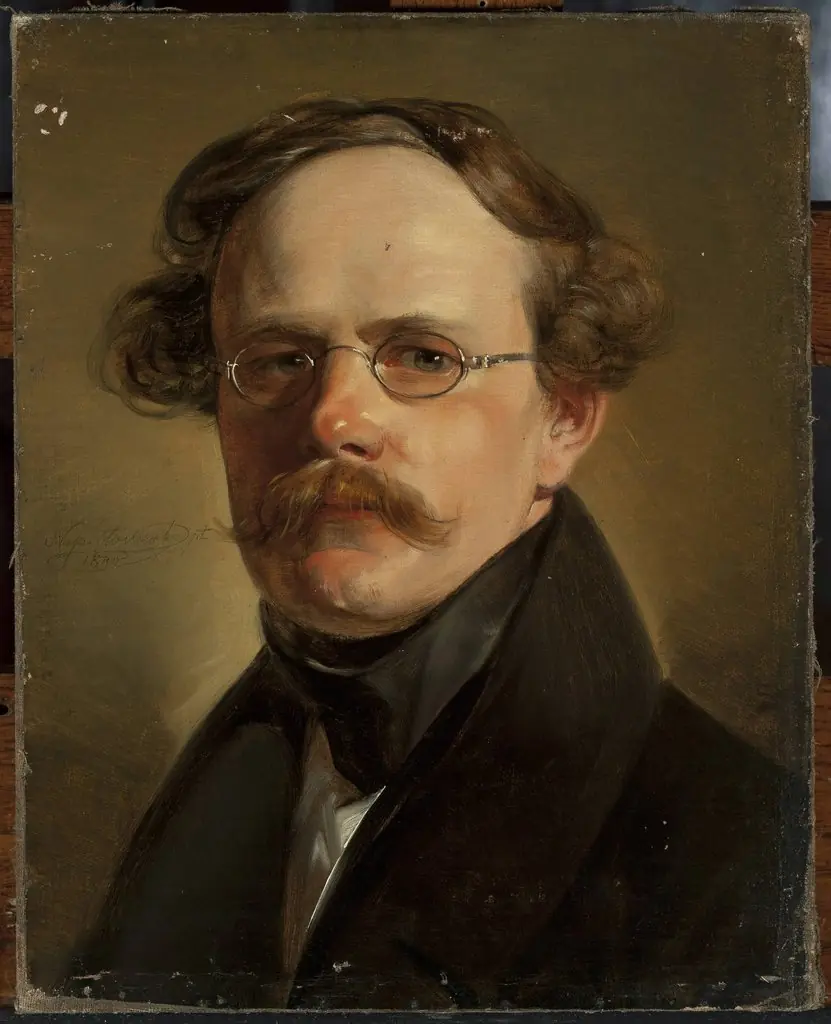 Portrait of Antoni Paszyc, colonel
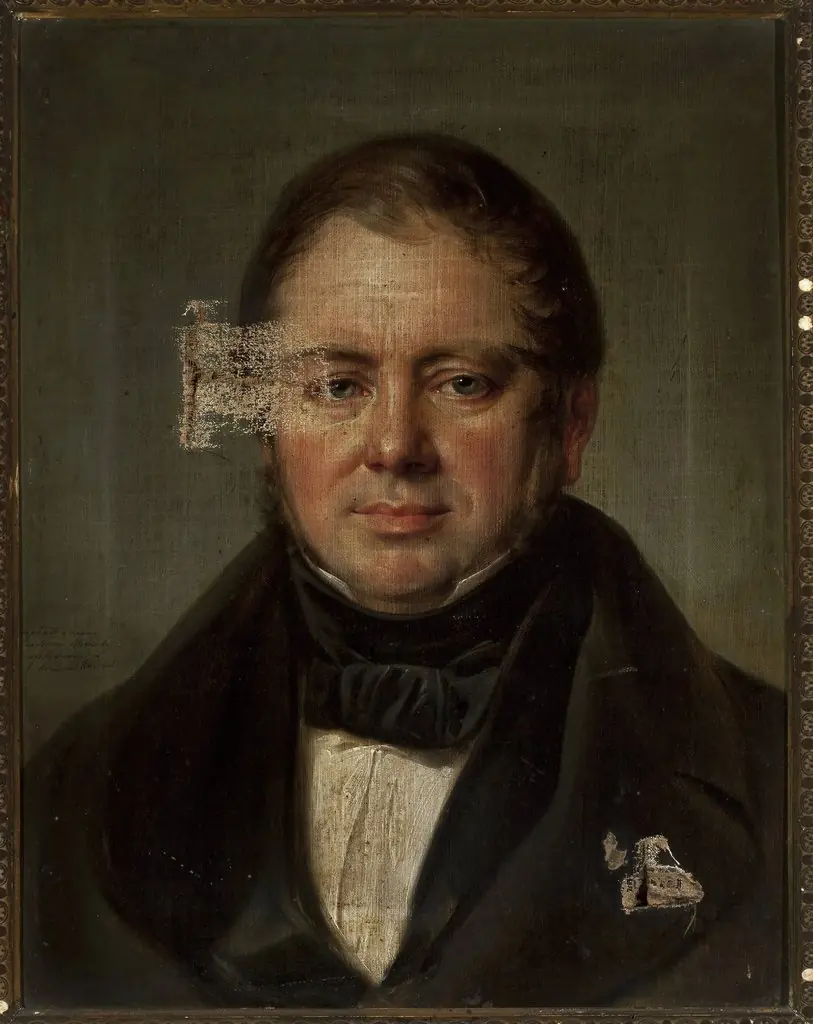 Portrait of Mikołaj Tyrchowski, rector at St. Anne's Secondary School in Kraków
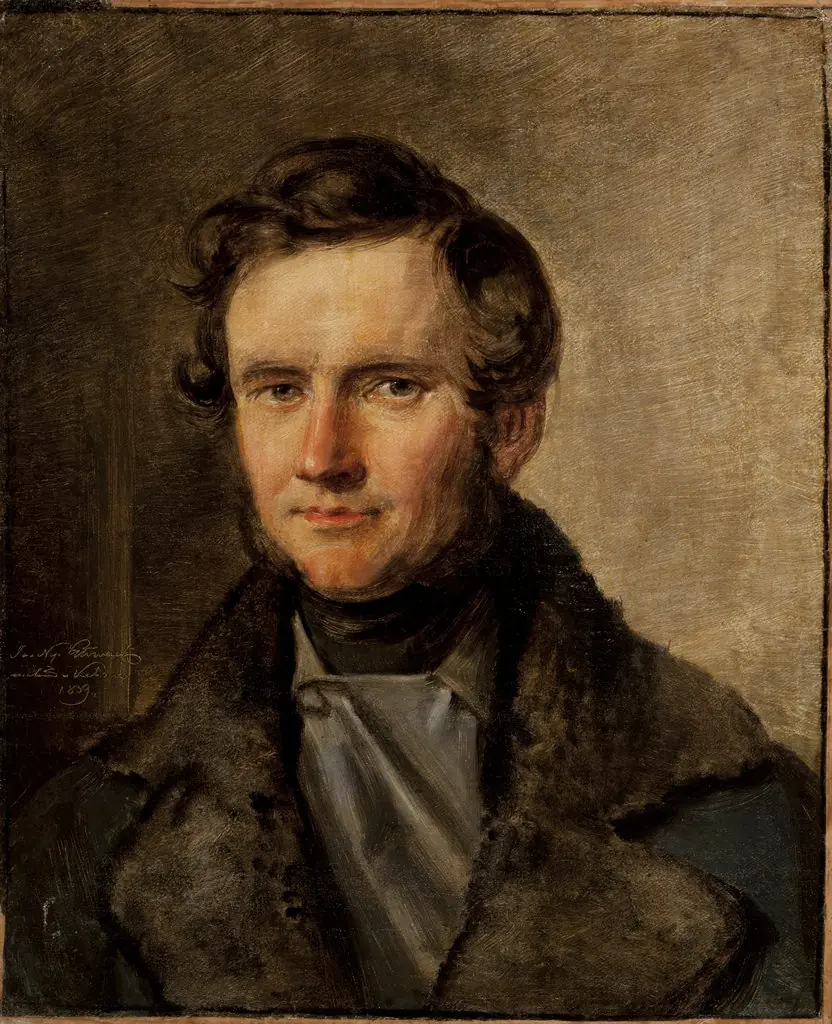 Portrait of Eng. Maciej Bajer
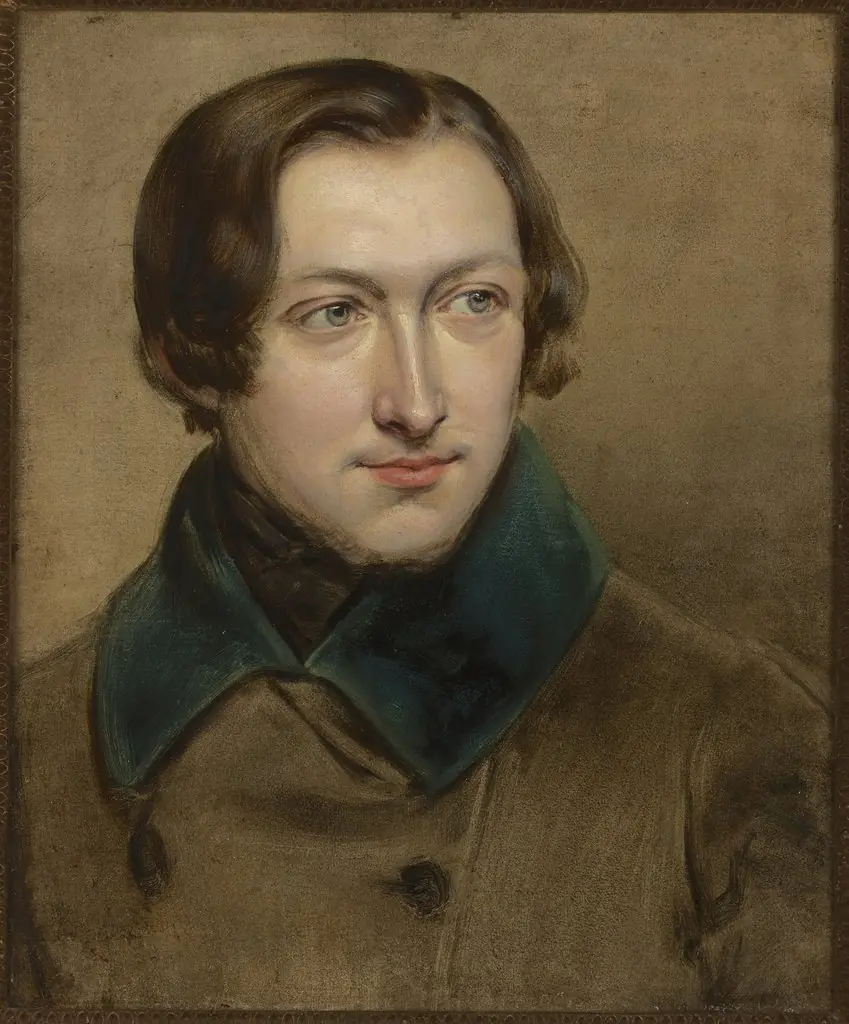 Portrait of Aleksander Płonczyński
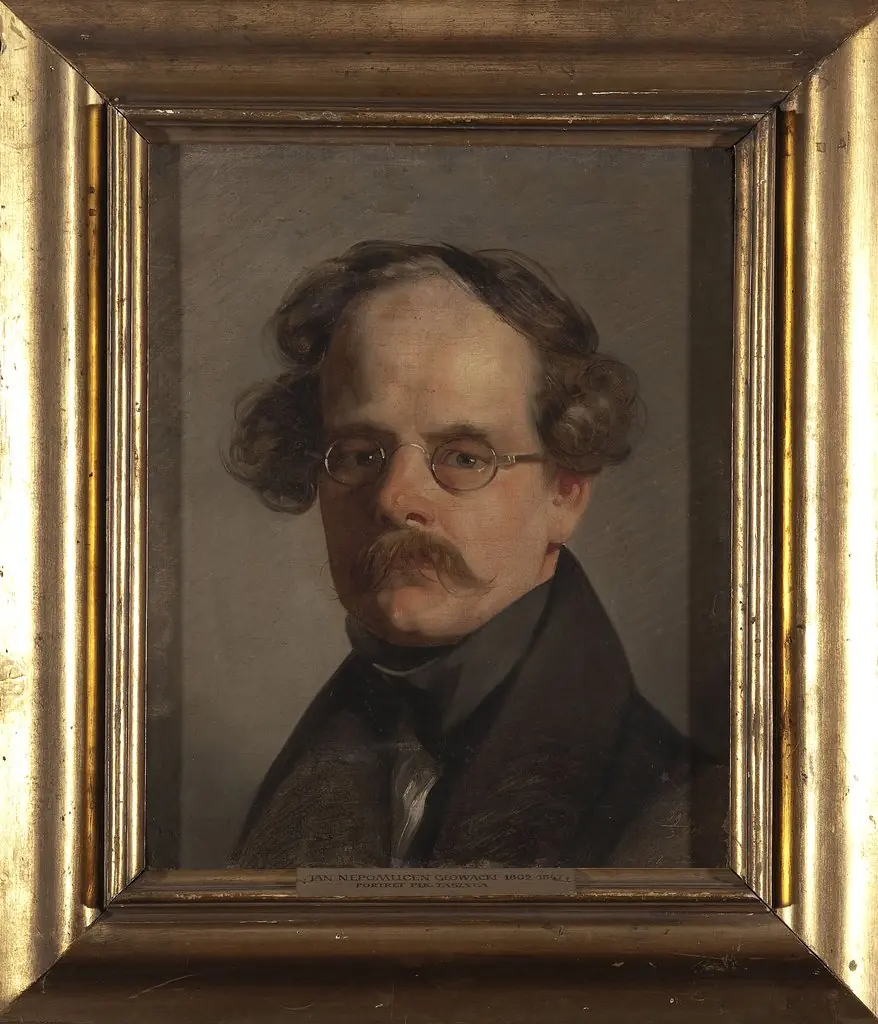 Portrait of Antoni Paszyc, colonel
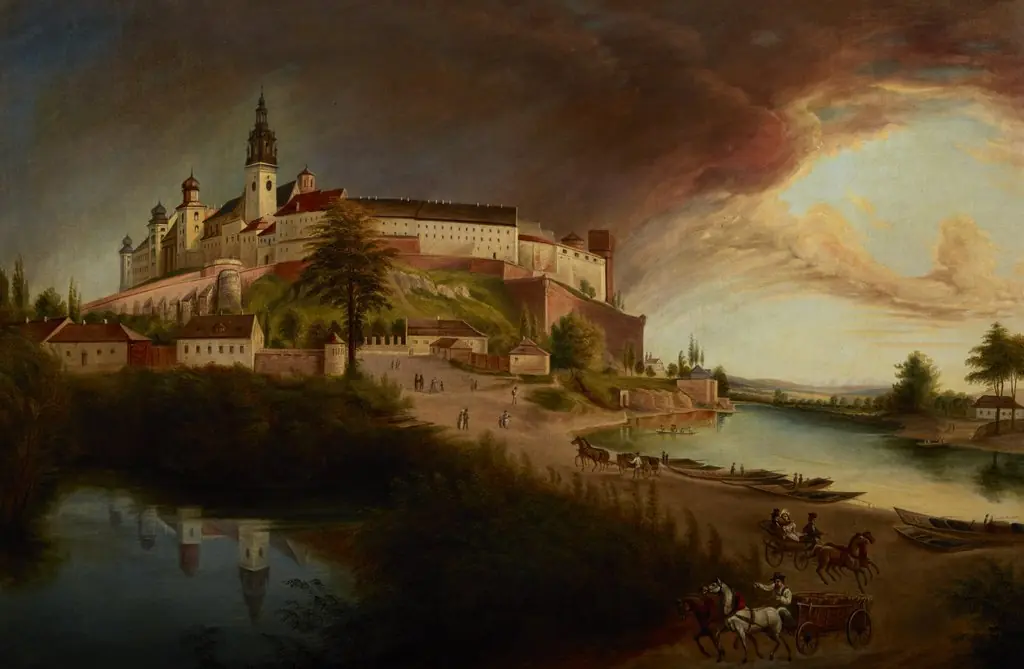 "View of Wawel" by Jan Nepomucen Głowacki
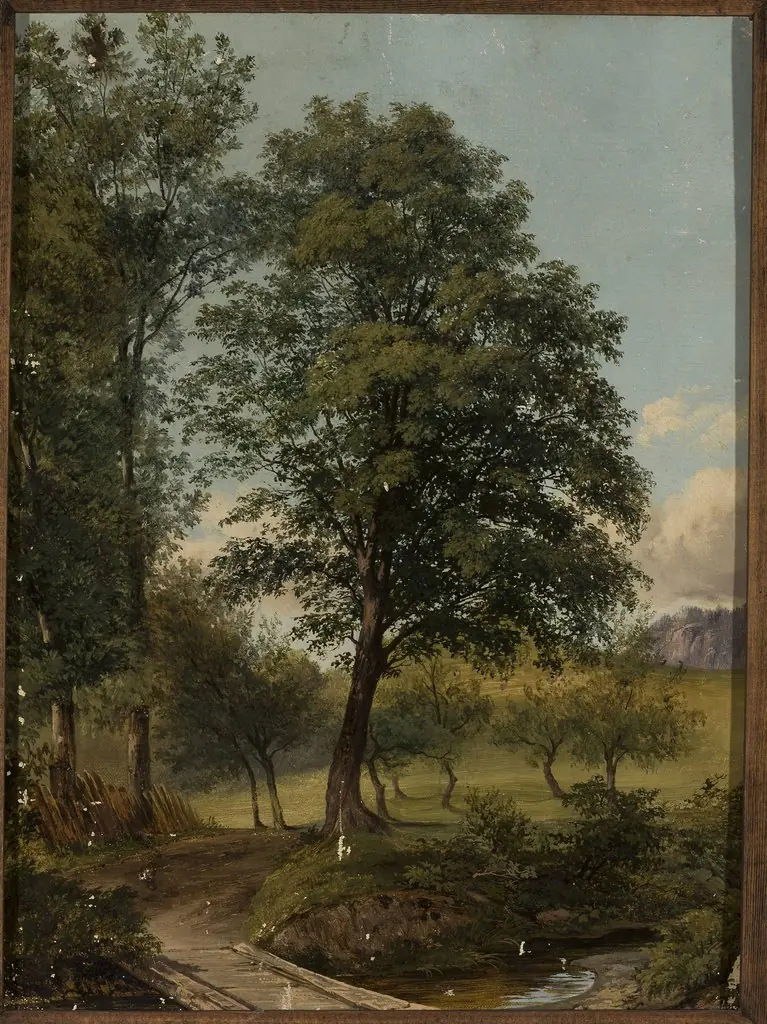 View with a bridge over a creek
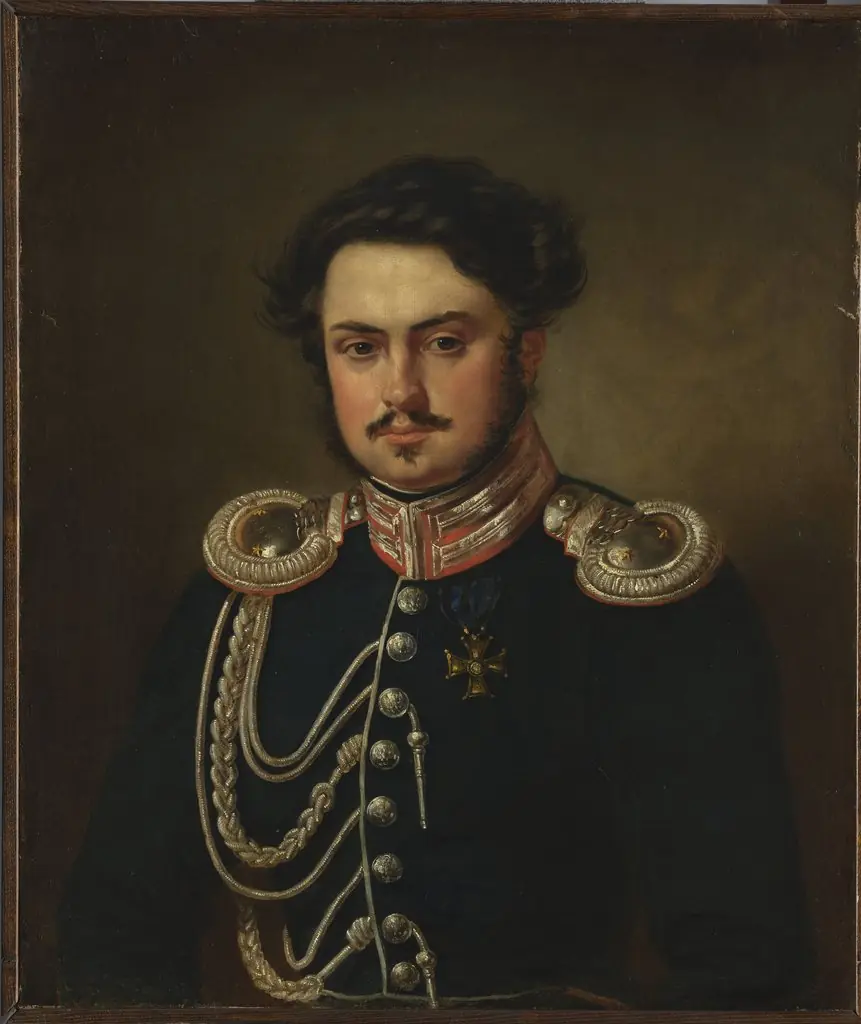 Portrait of Seweryn Madan, officer of the guard cavalry staff
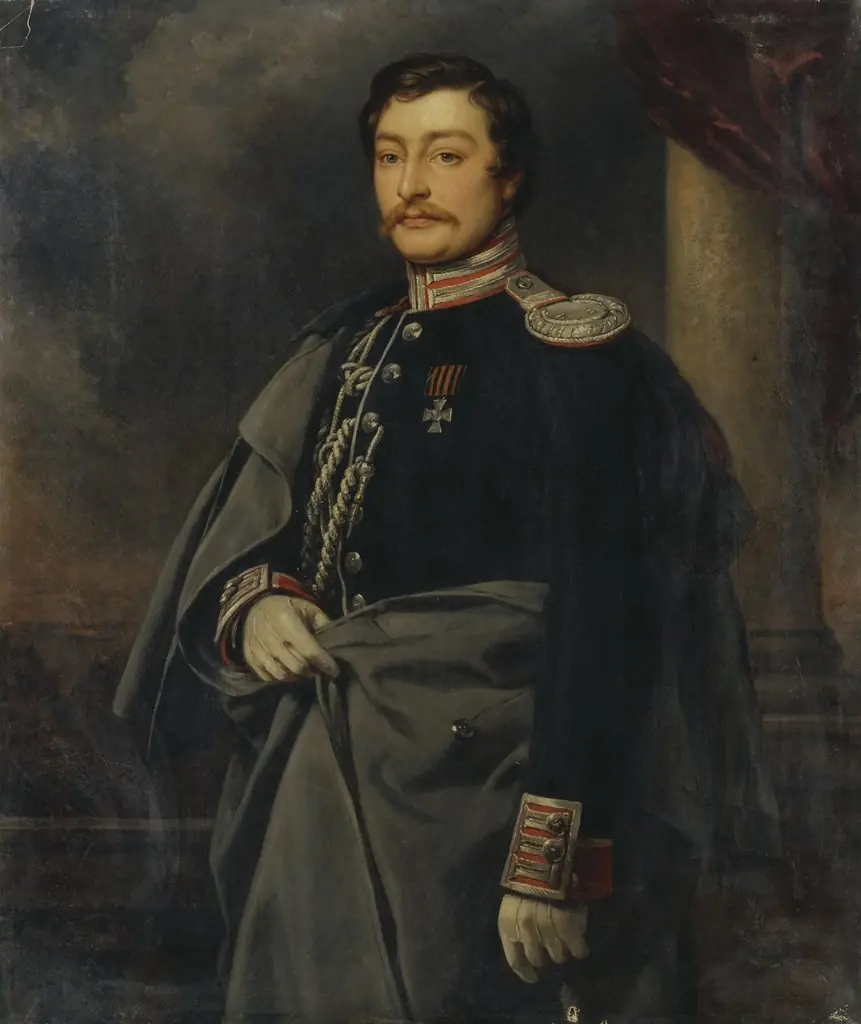 Portrait of Alexander P. von Benckendorff (1819 – 1851)
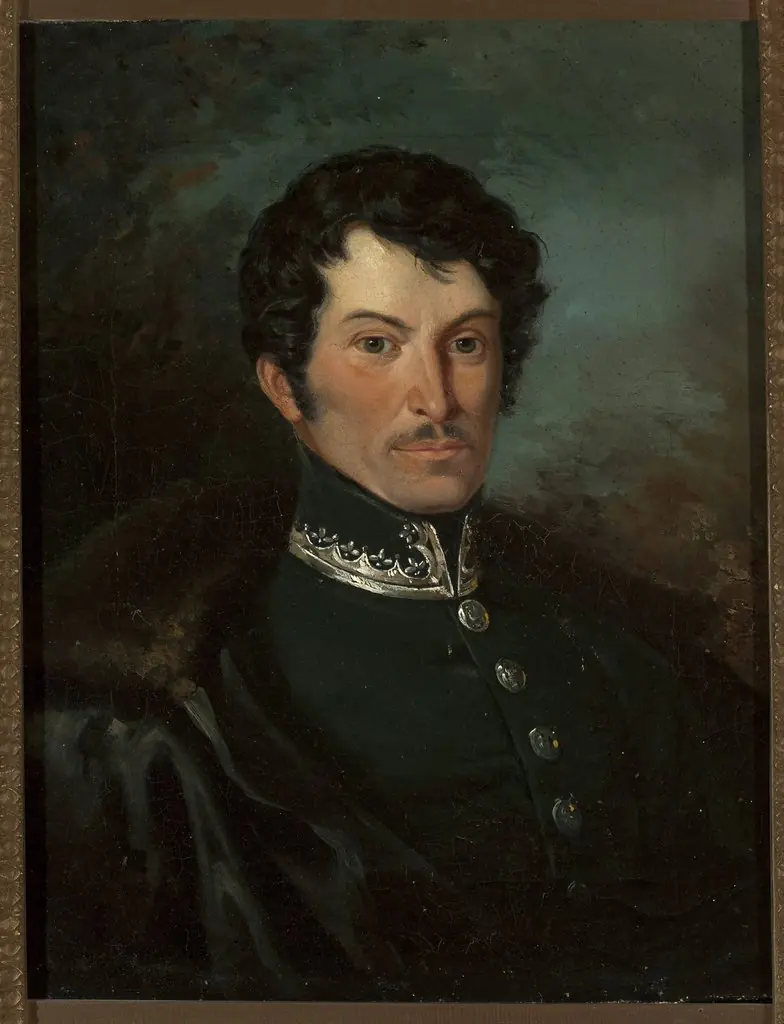 Portrait of Friedrich Christoph Dietrich
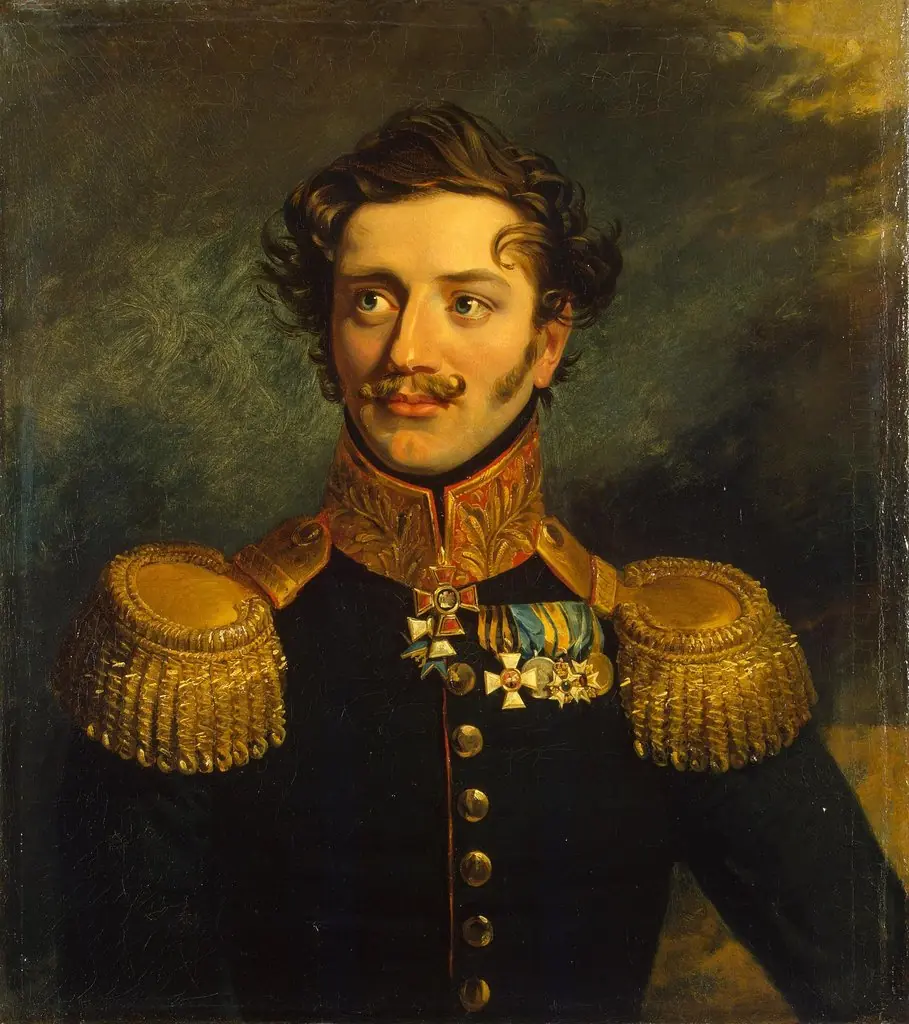 Portrait of Pavel P. Suchtelen (1788-1833) (2nd)
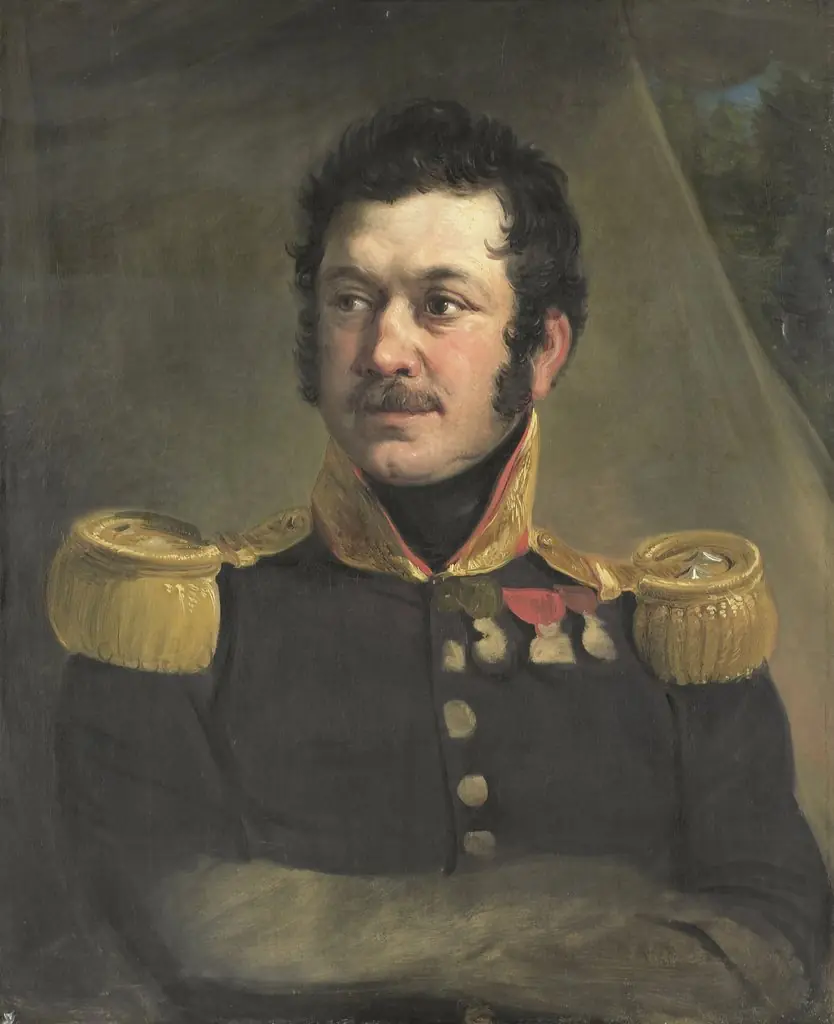 Portrait of Lieutenant-General Frederik Knotzer
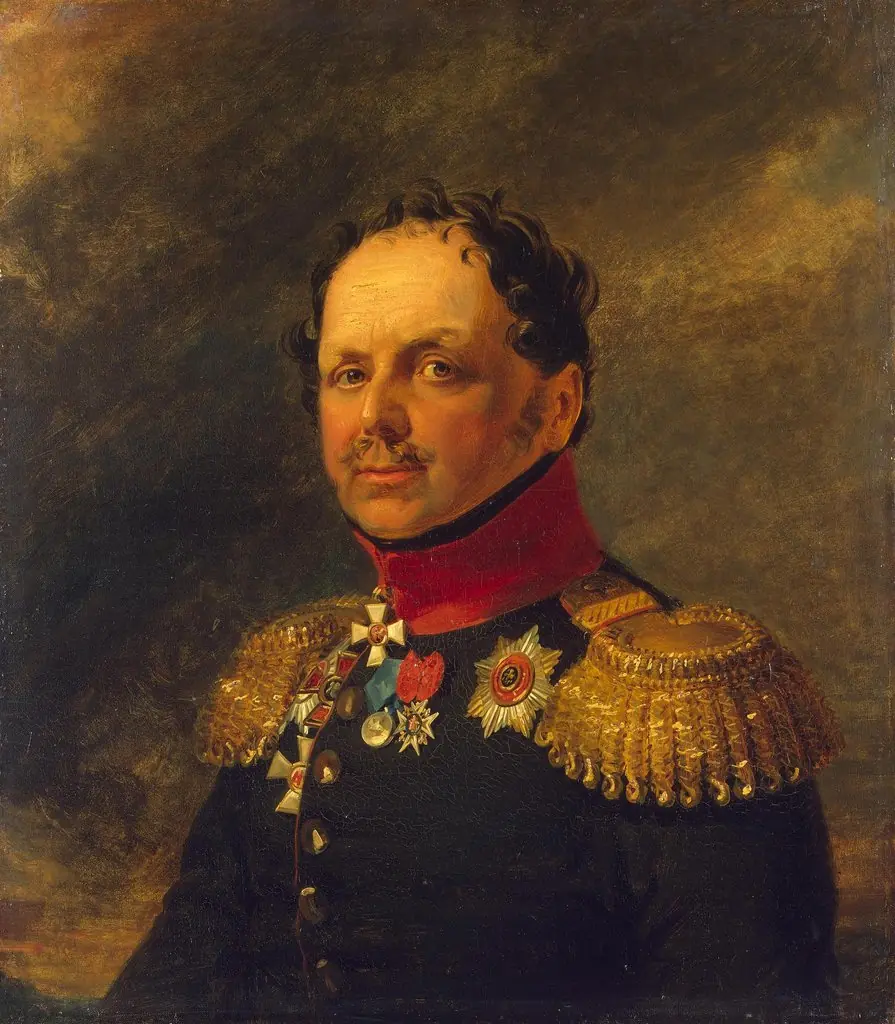 Portrait of Ilya I. Alexeyev (1772-1830)
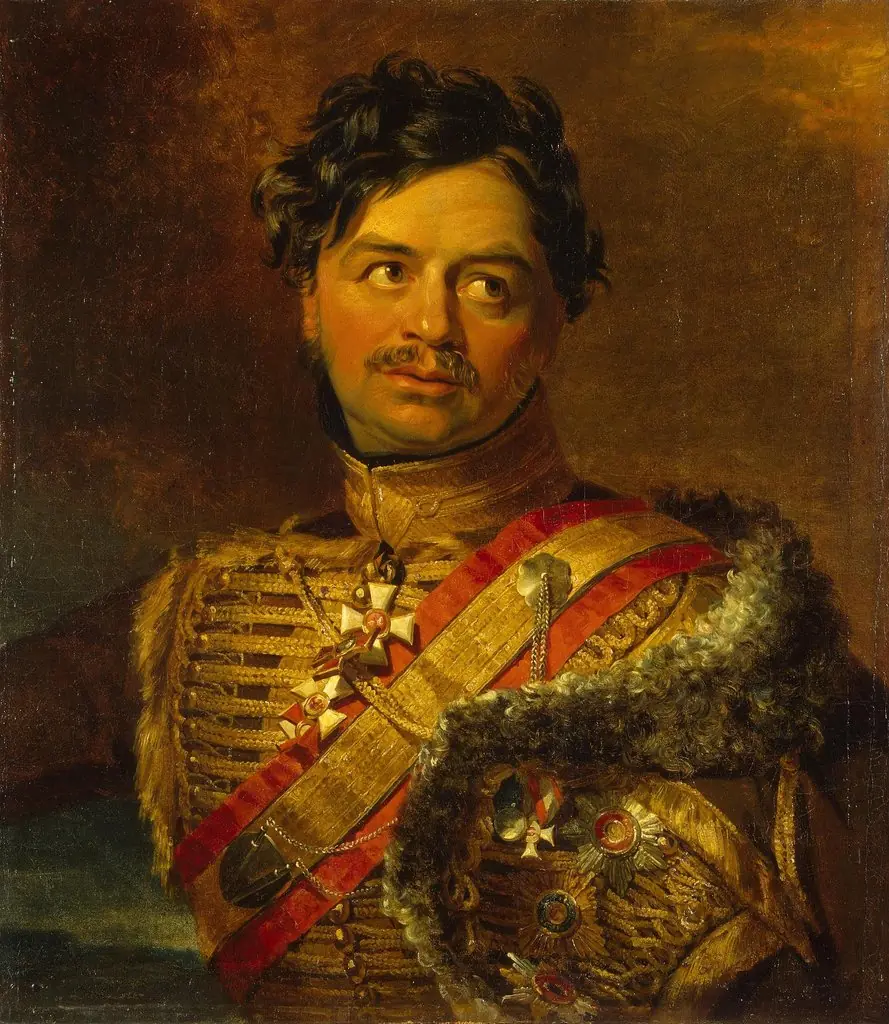 Portrait of Illarion V. Vasilchikov (1775/76-1847) (1st)
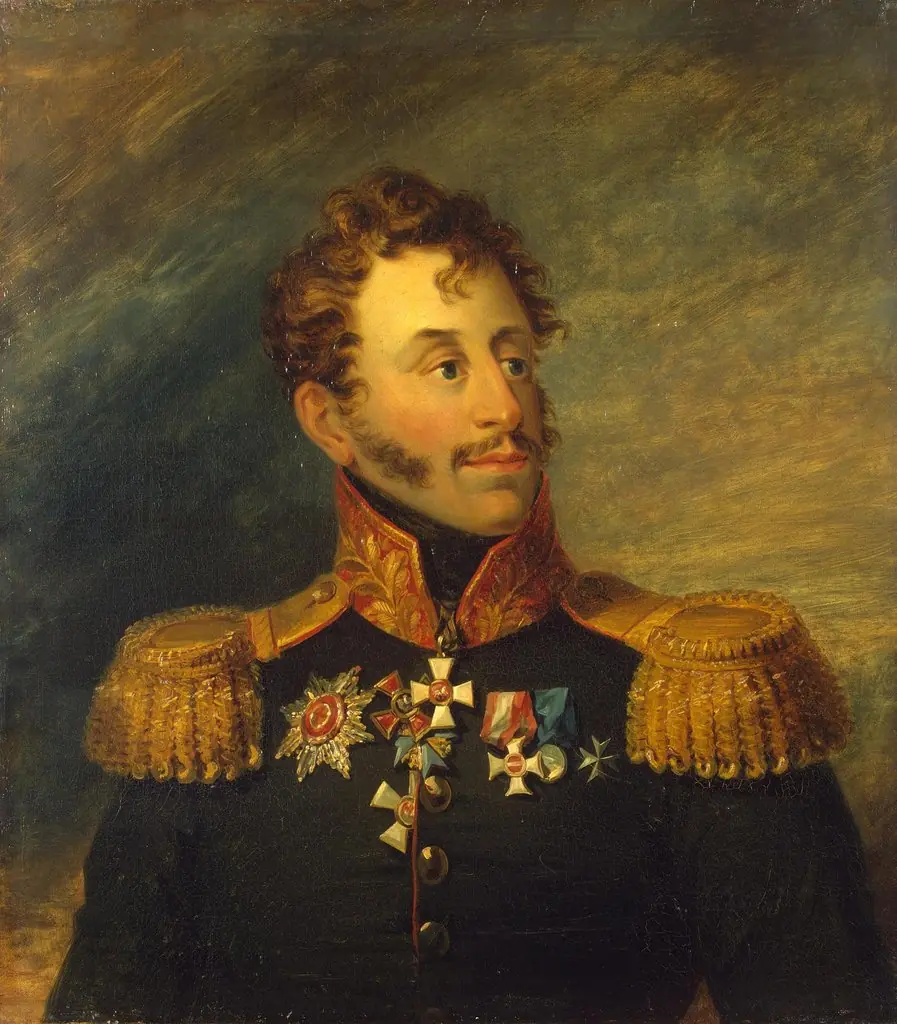 Portrait of Karl B. von Knorring (1774-1817) (3rd)
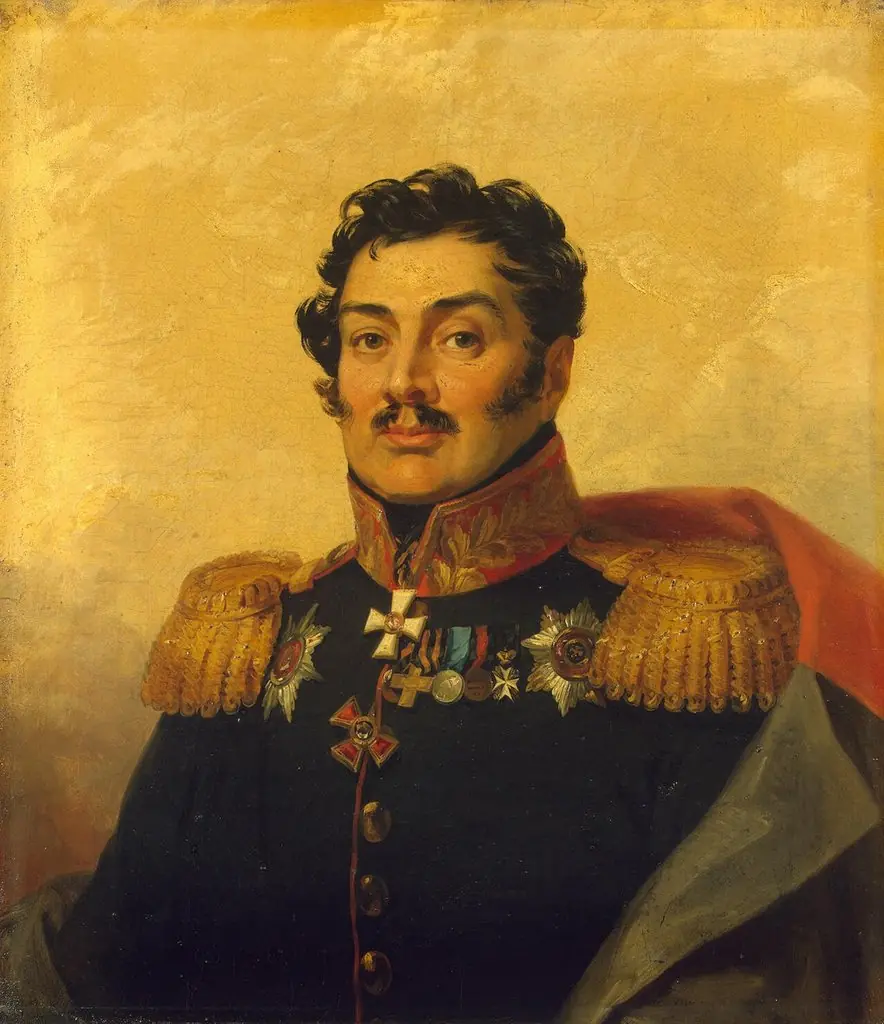 Portrait of Dmitry D. Shepelev (1771-1841)
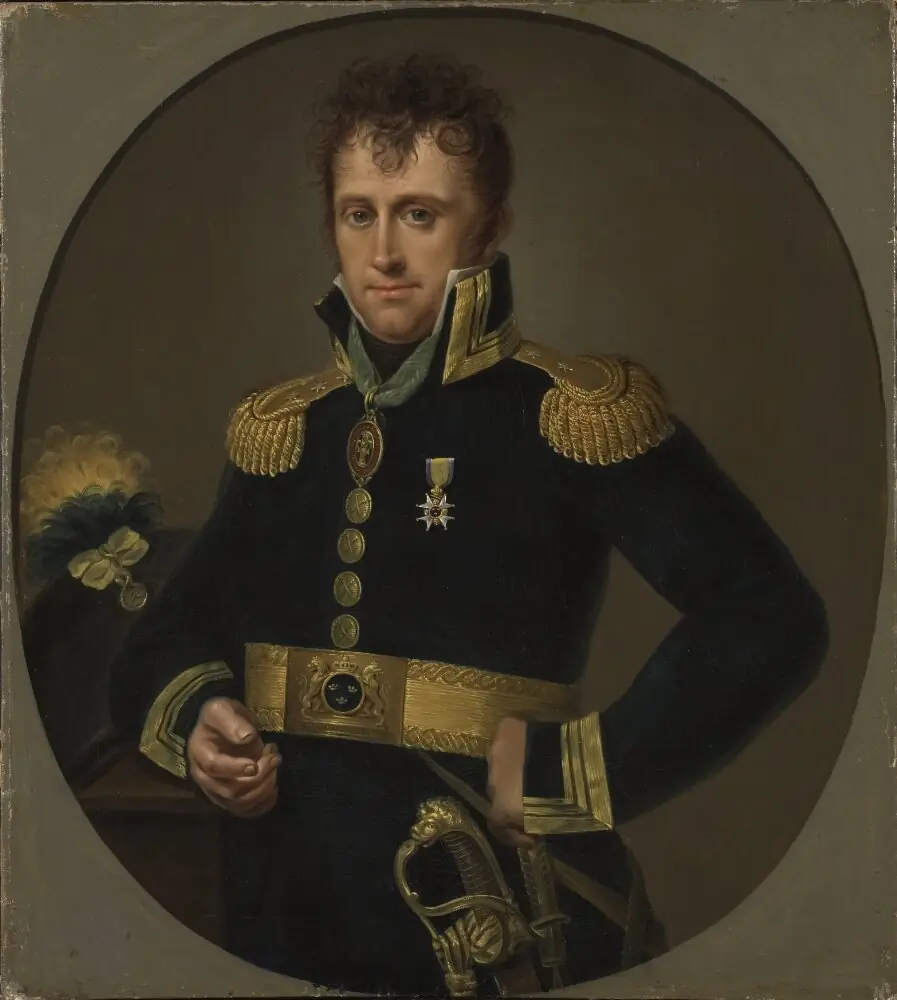 Carl von Dannfelt (1773-1841), officer, överadjutant
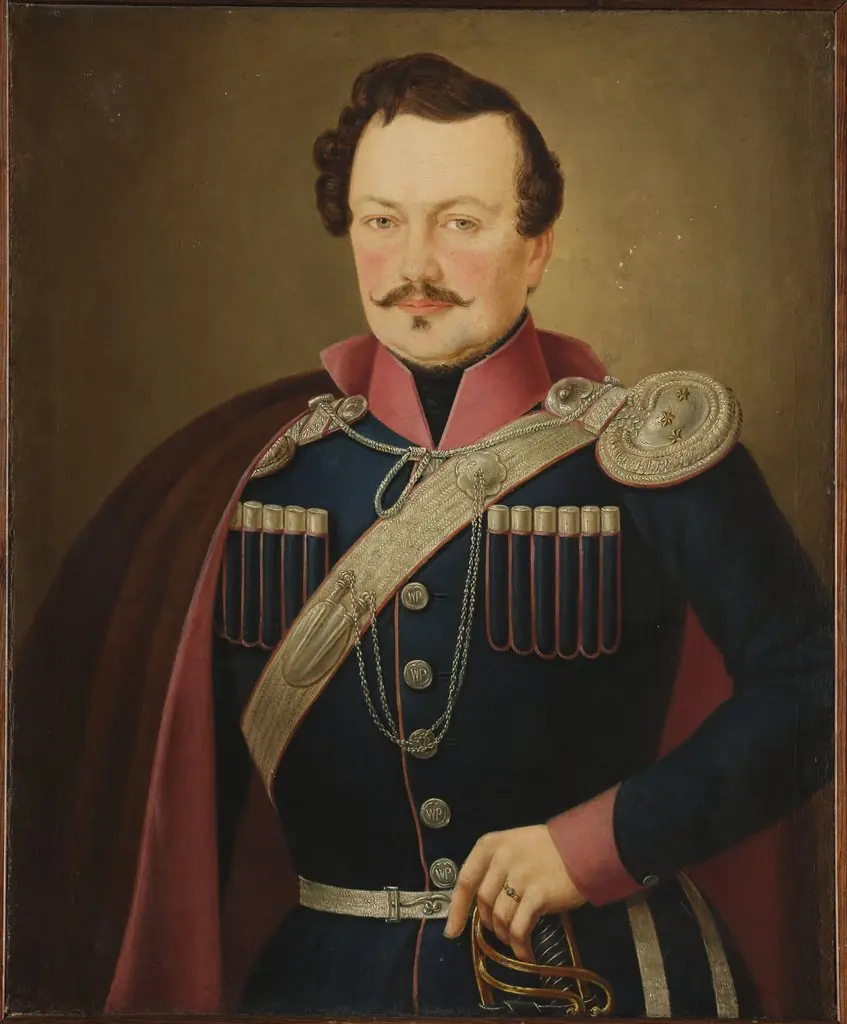 Portrait of Szymanowski, lieutenant of the Płock cavalry regiment
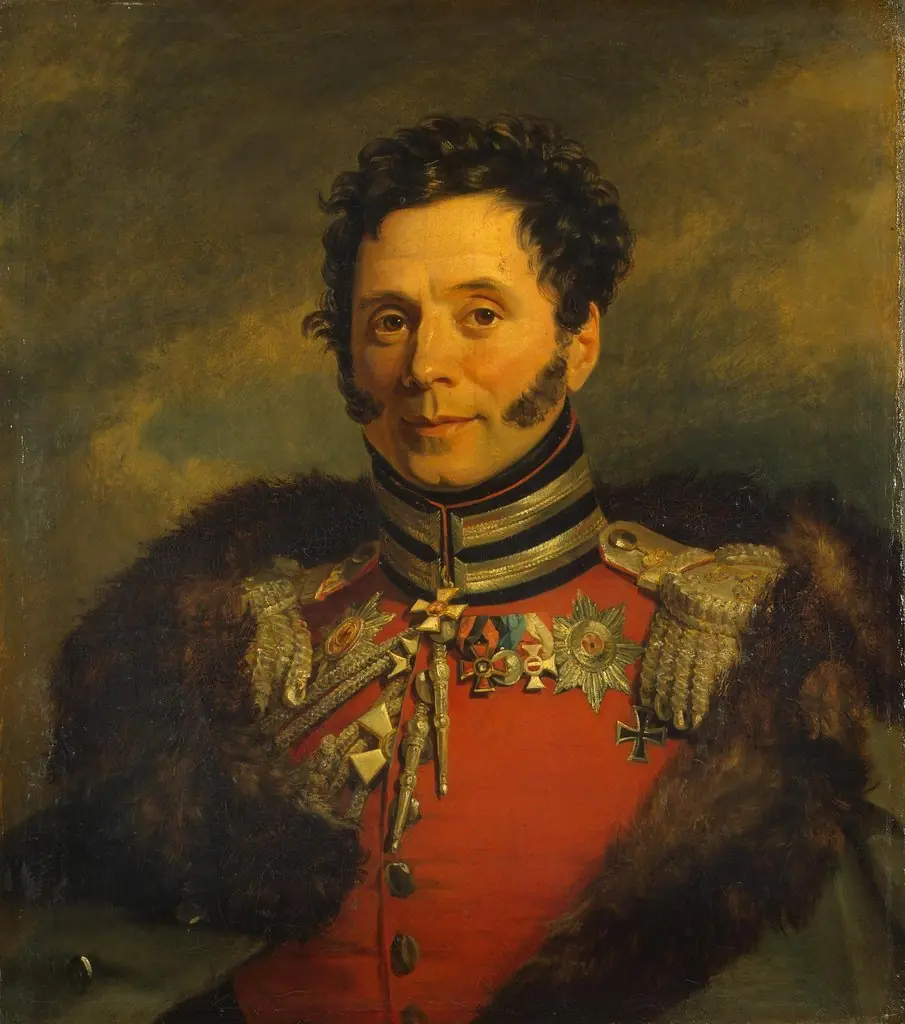 Portrait of Nikolai I. Depreradovich (1767-1843)