Artwork
Zechariah
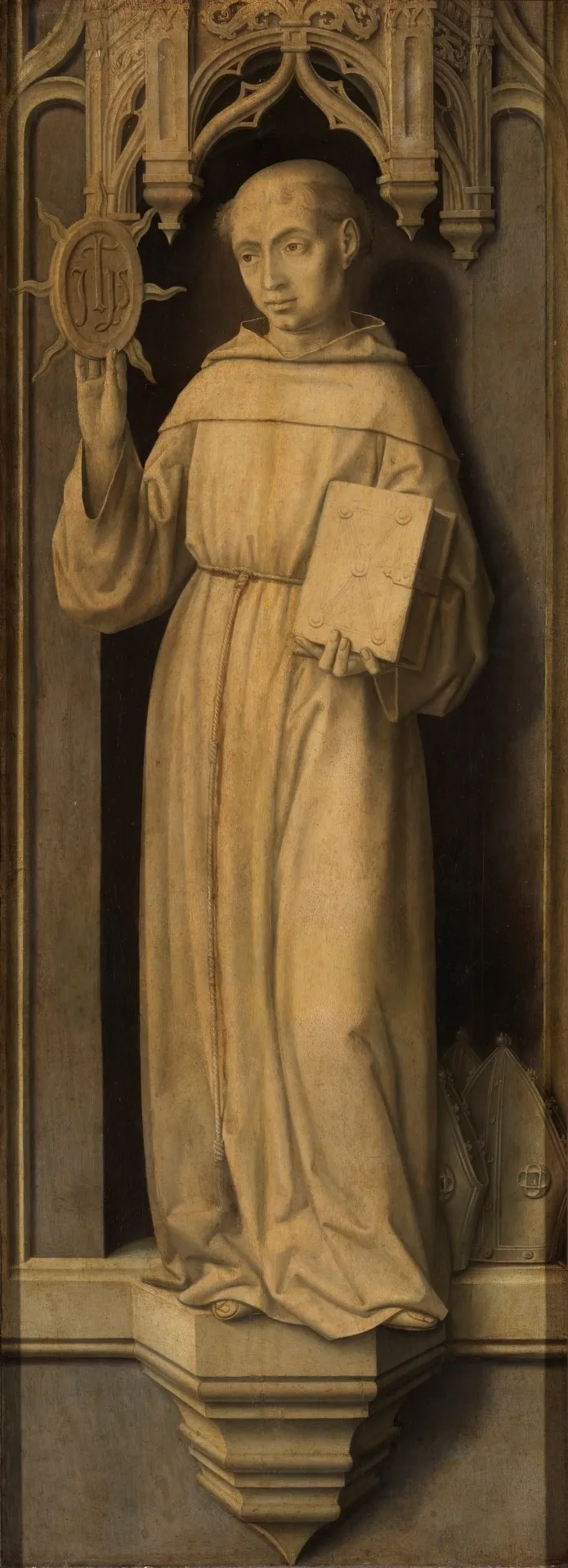
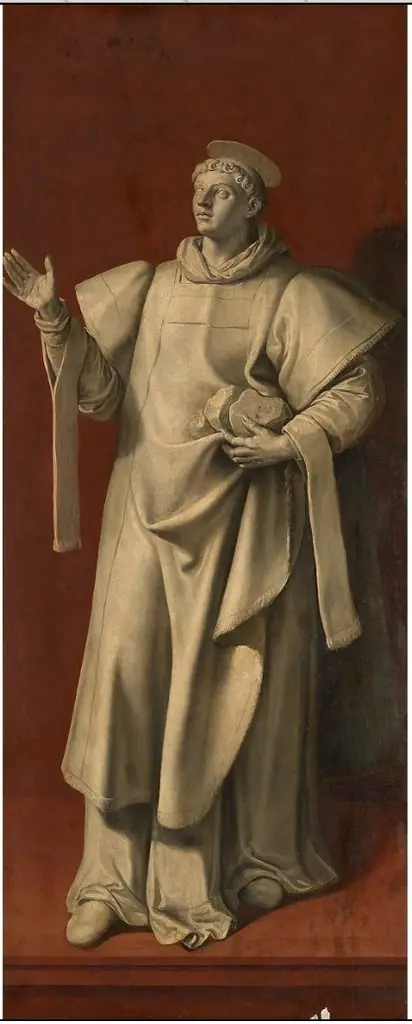
Zechariah is an oil painting by the Northern Renaissance artist Jan Provoost. It dates from 1510 and is held in the collection of the Museo del Prado.
About this work
Overview
Zechariah is an oil painting created by Jan Provoost in 1510, during the Northern Renaissance. The work depicts a contemplative monk in an ornate setting, characterized by meticulous detail and a serene atmosphere.
Subject & Meaning
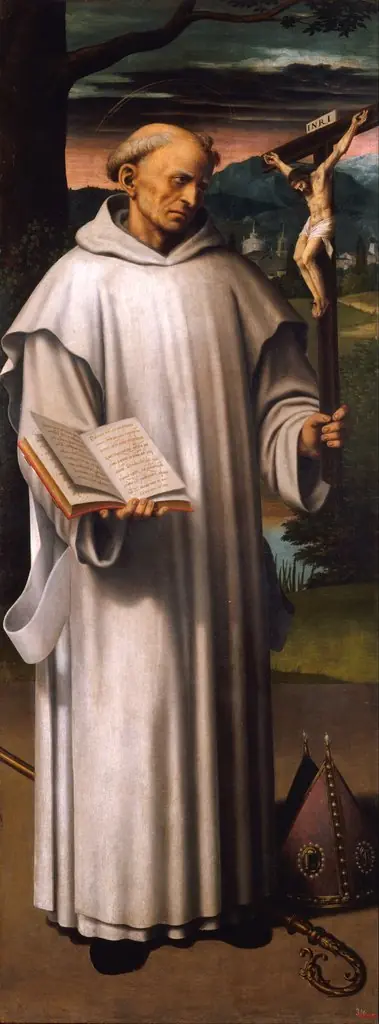
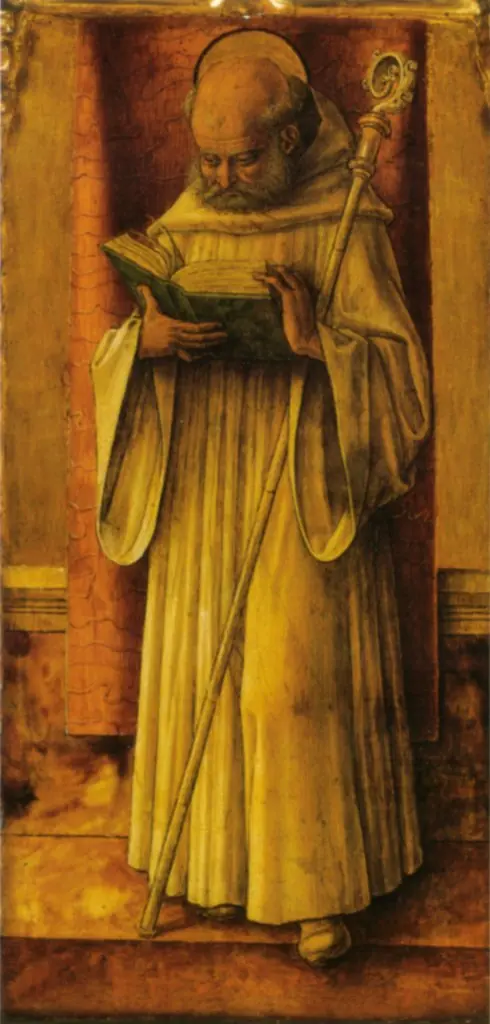
The painting portrays a monk in a cream-colored robe, standing within a Gothic-arched doorway. He holds a book and a decorative object, conveying an air of quiet reflection through his downward gaze and serious expression.
Technique & Style
Provoost employed oil paint to achieve intricate textures and details, evident in the folds of the monk’s robe and the carved archway. The style reflects the Northern Renaissance’s emphasis on realism and attention to detail.
History & Provenance
Created in 1510, Zechariah is now part of the Museo del Prado’s collection. Provoost, active in Bruges and Antwerp, worked across disciplines including cartography, engineering, and architecture before his death in 1529.
Context
Zechariah was produced amidst Provoost’s travels through major cultural and economic hubs of the Low Countries, influenced by the artistic and intellectual currents of the Northern Renaissance.
Legacy
As a work of the Northern Renaissance, Zechariah contributes to the period’s artistic heritage, showcasing Provoost’s skill in capturing contemplative scenes with precision and depth.
Artist & collection
Artist
Jan Provoost, or Jean Provost, or Jan Provost (1462/65 – January 1529) was a painter born in Mons.

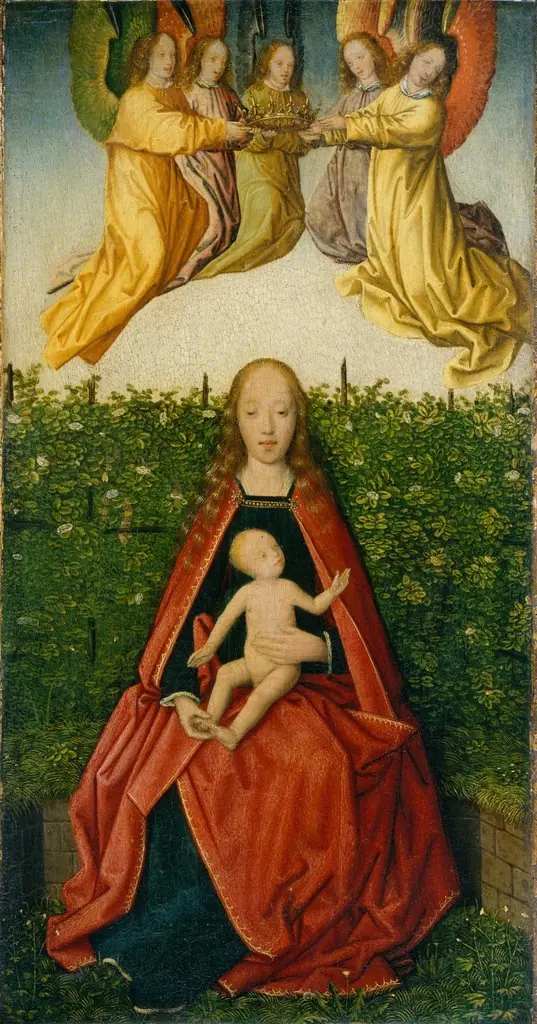 Virgin and Child
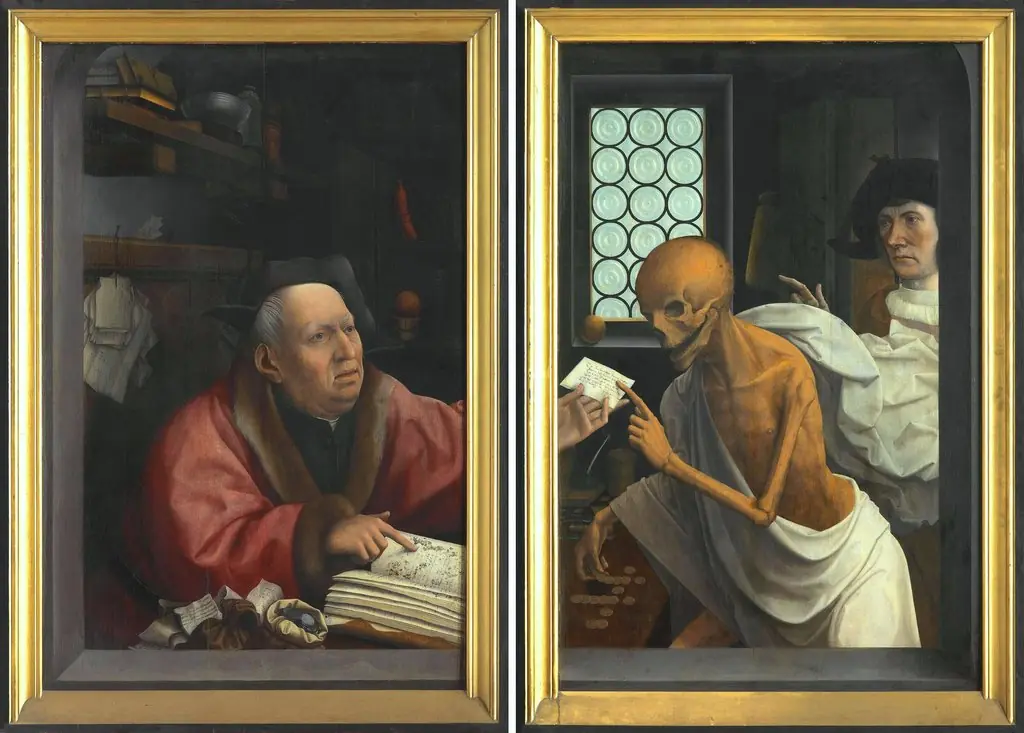 Death and the Miser (outer doors); St. Nicolas with donor and St. Godelieve with donor (inner doors)
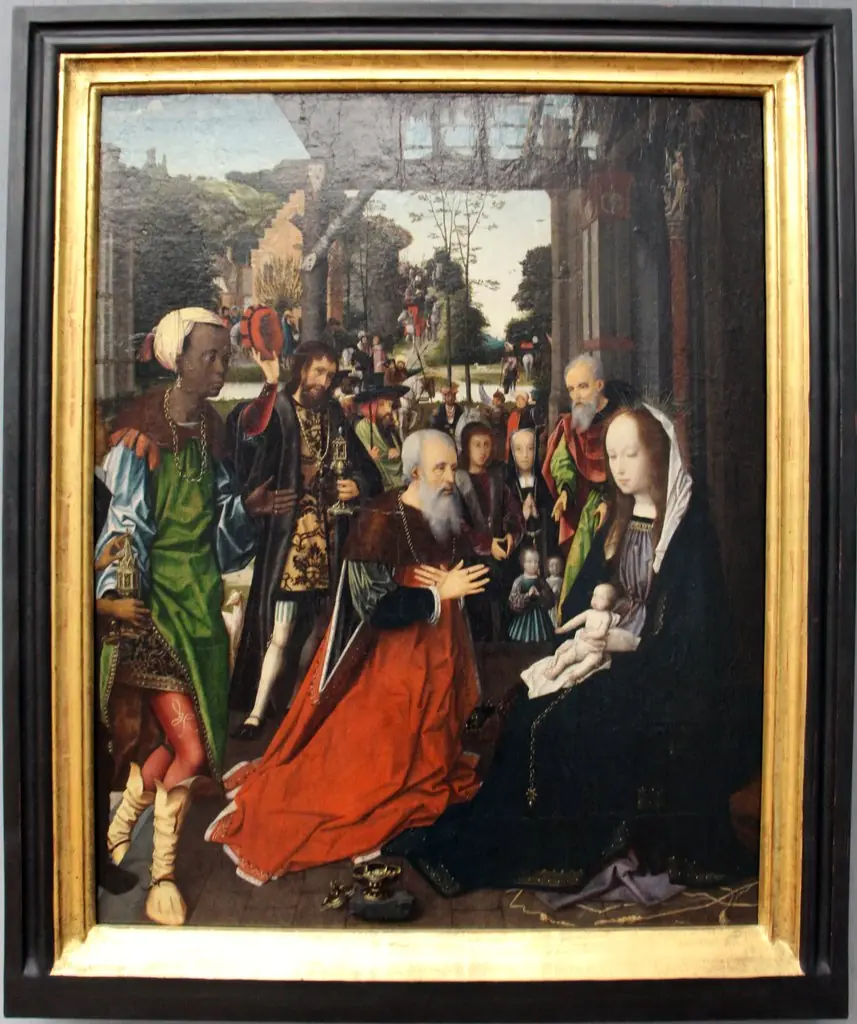 Adoration of the Magi
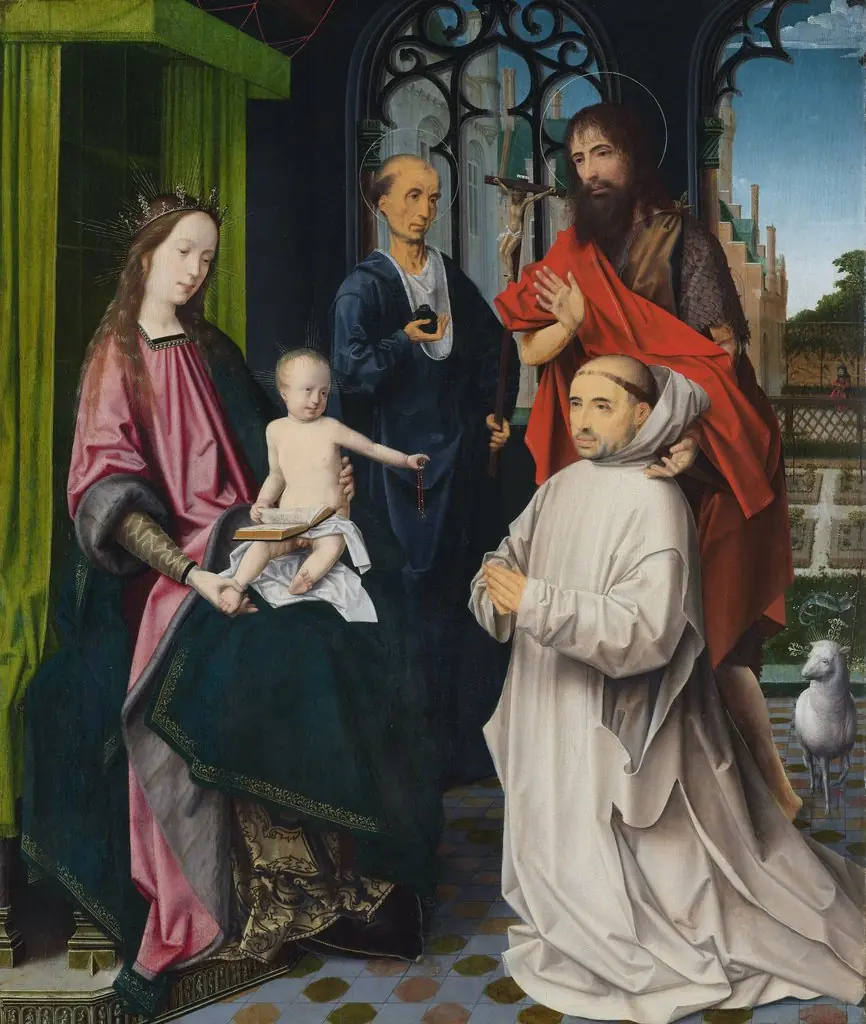 Virgin and Child Enthroned, with Saints Jerome and John the Baptist and a Carthusian Monk
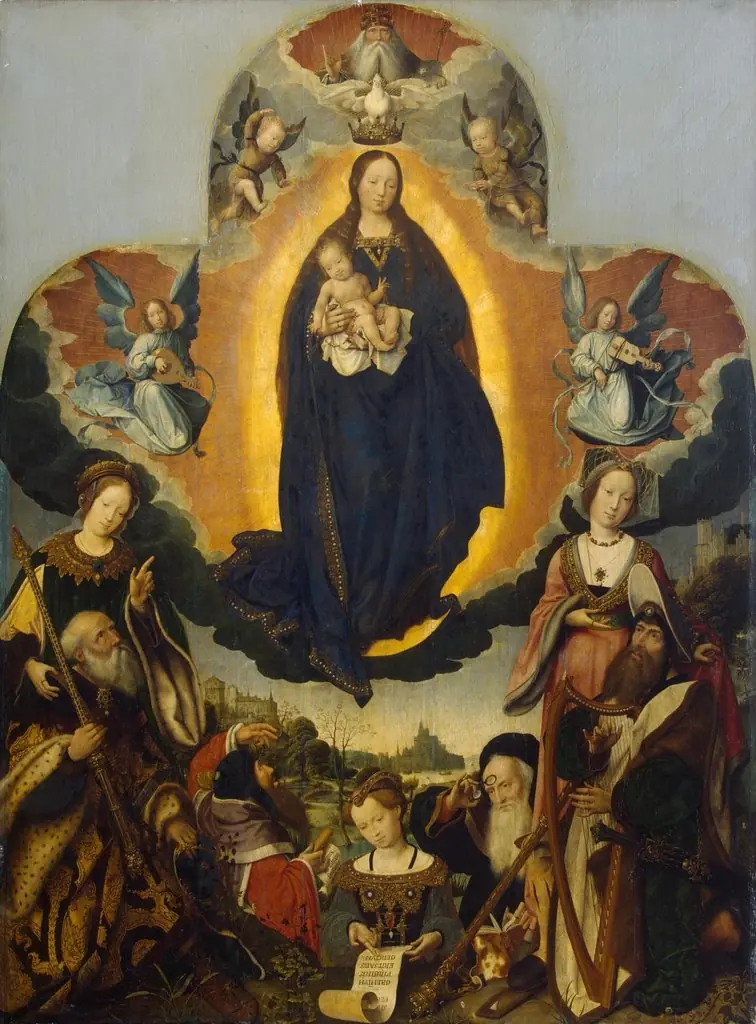 The Virgin Mary in Glory
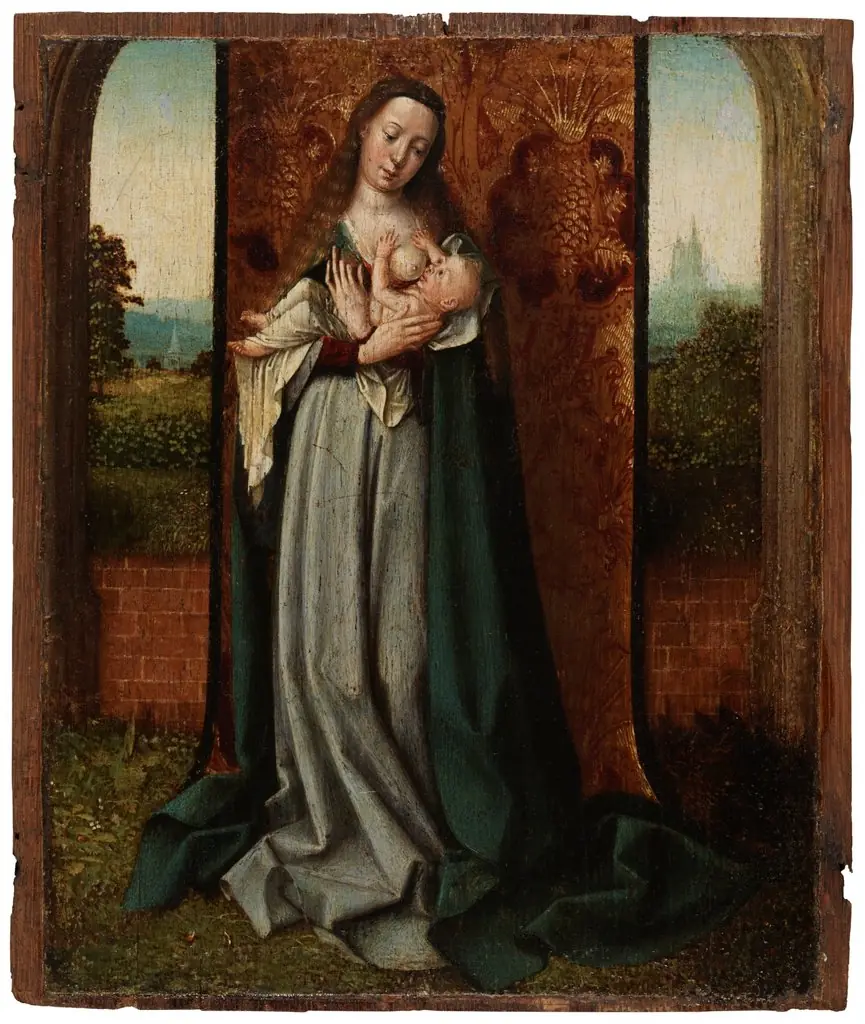 The Virgin and Child
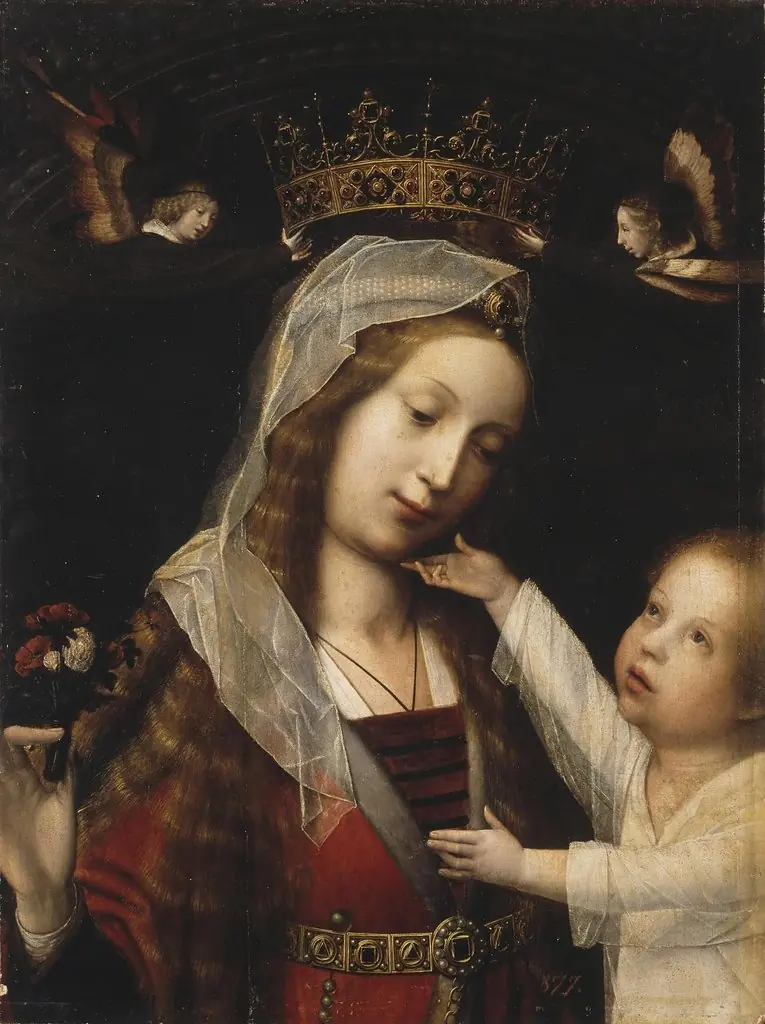 Madonna with the Child
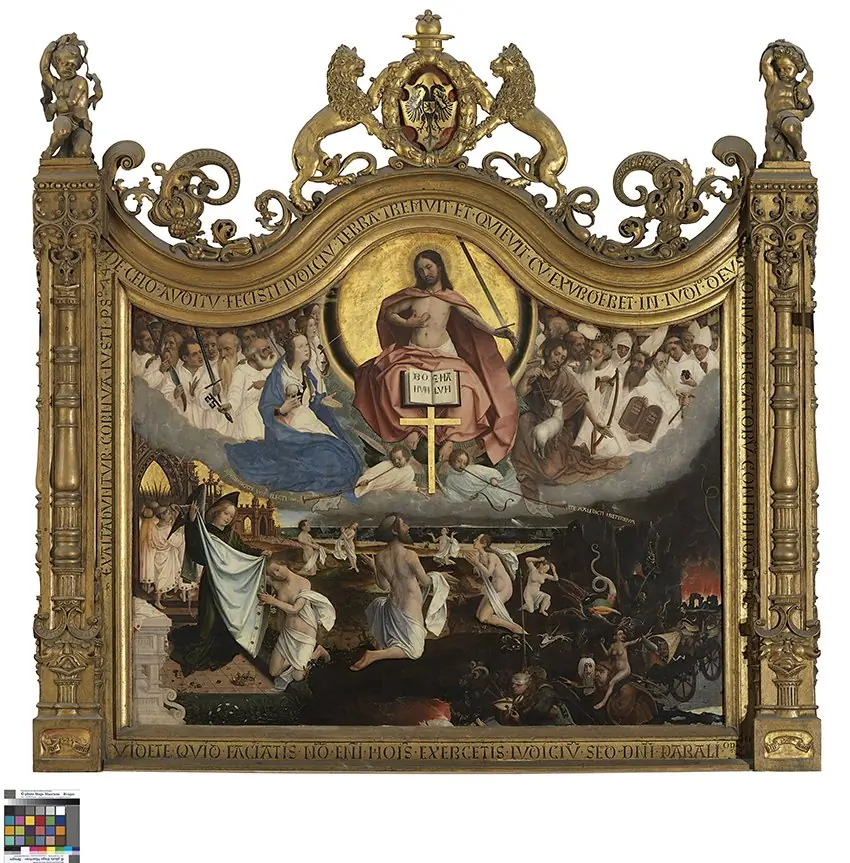 Last Judgement
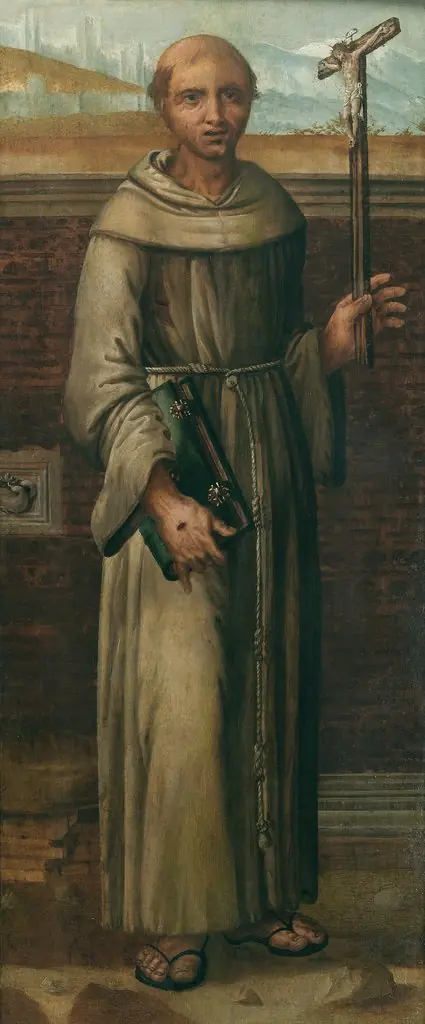
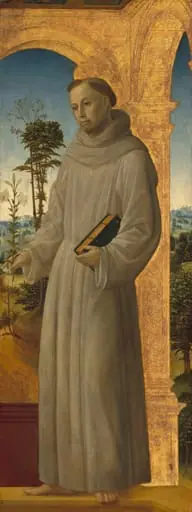
![Saint Francis [far left panel], by Cosmè Tura](https://artifactworldgallery.com/img/cosme-tura--saint-francis-far-left-panel--3b890eb4471ebc8a-w320.webp)