Artwork
The Virgin and Child
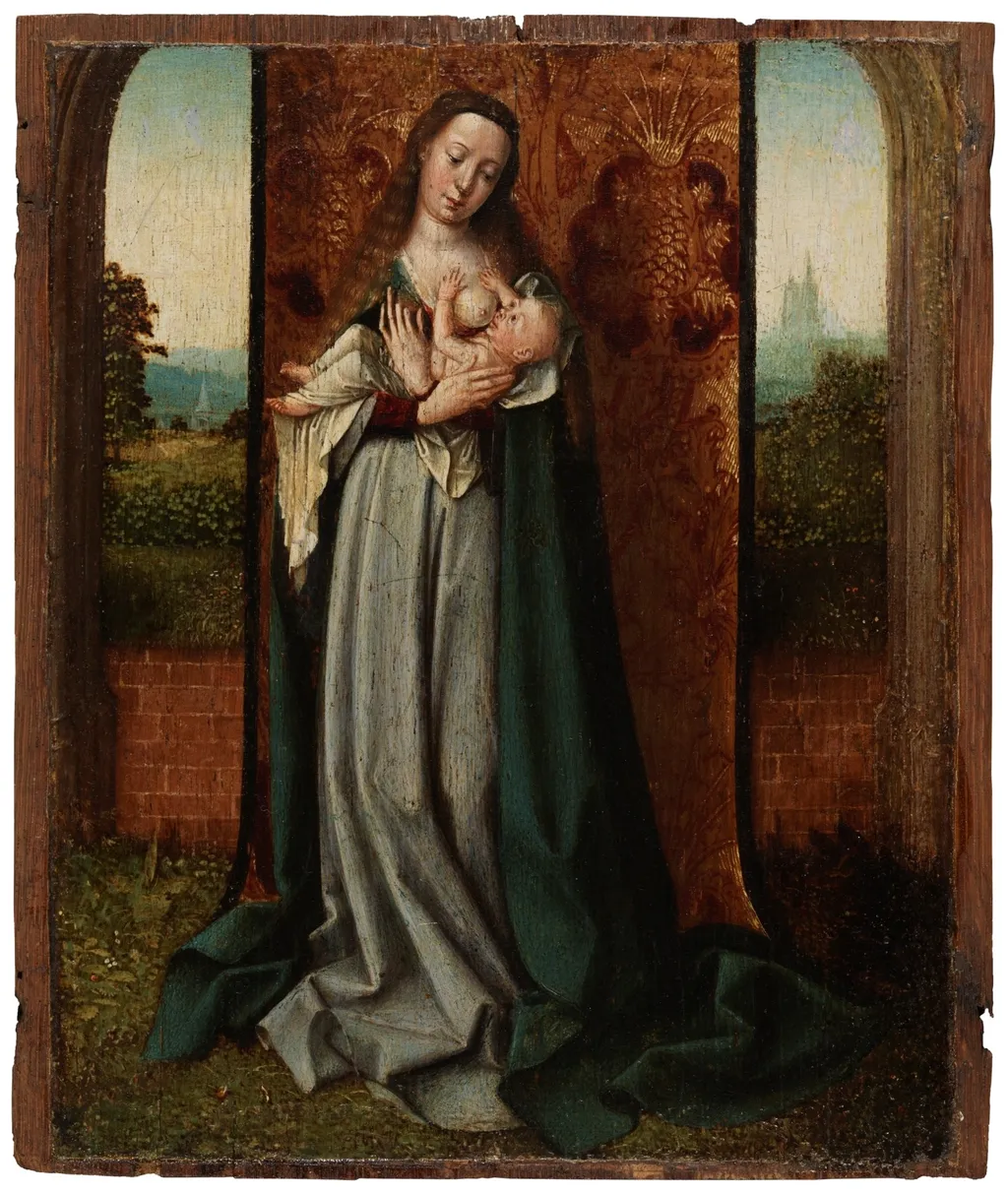
The Virgin and Child is an unspecified painting by the Northern Renaissance artist Jan Provoost. It dates from 1500 and is held in the collection of the Museo del Prado.
About this work
Overview
Created around 1500, *The Virgin and Child* is an oil painting by Jan Provoost, a Northern Renaissance artist originally from Mons. The work is part of the Museo del Prado’s collection and exemplifies the devotional imagery typical of the period.
Subject & Meaning
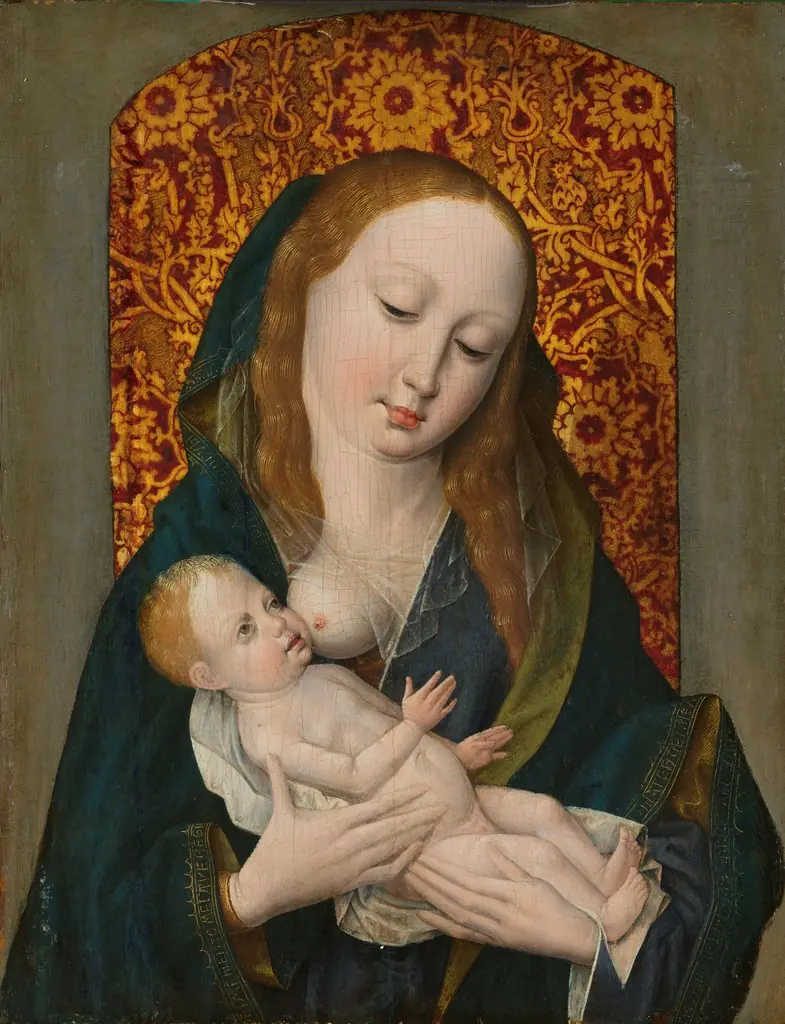
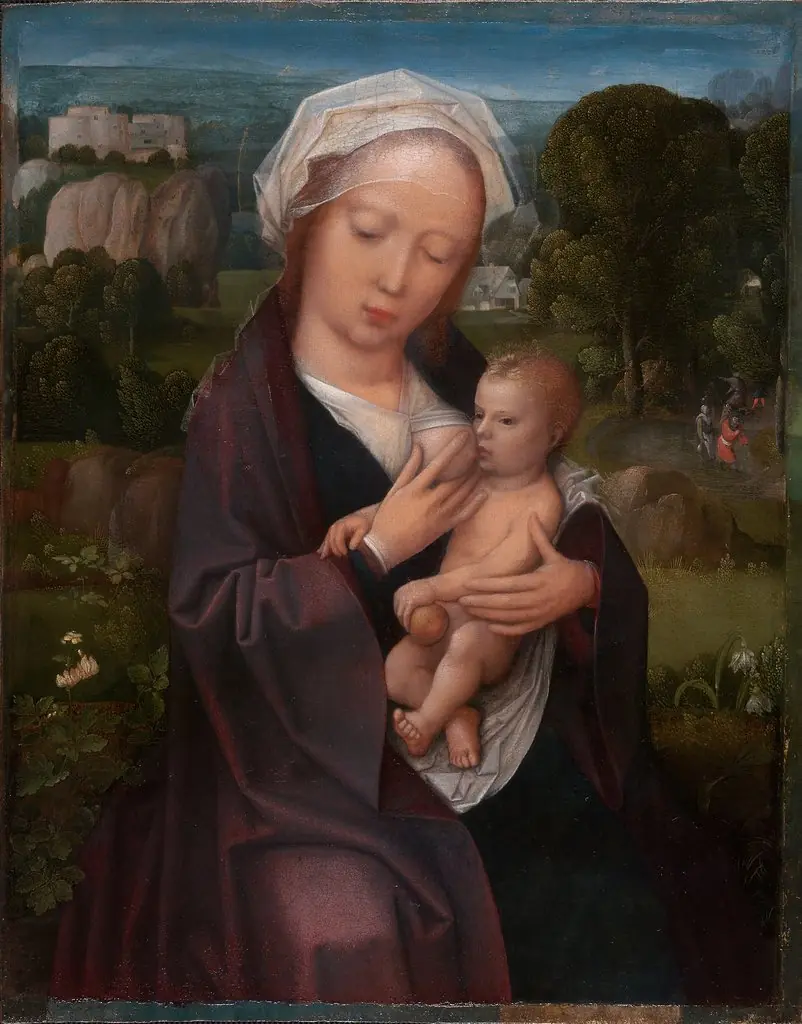
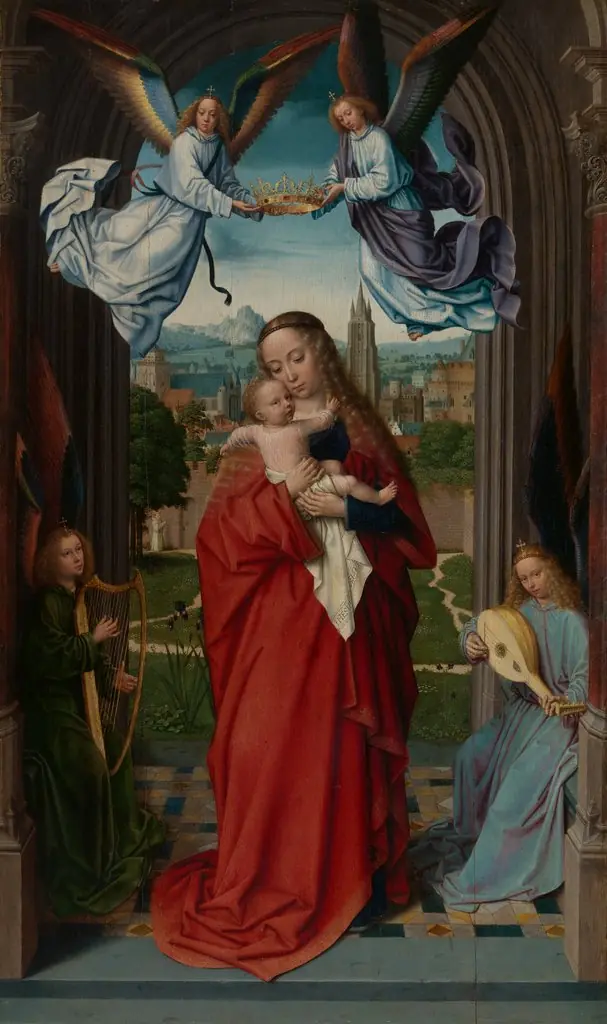
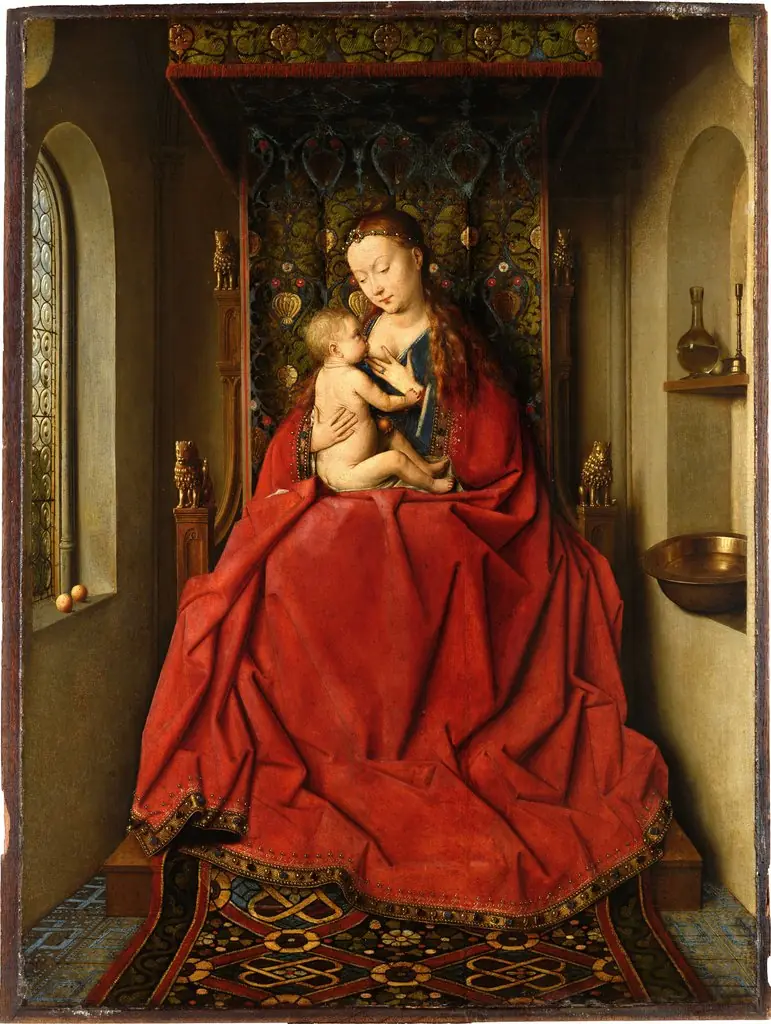
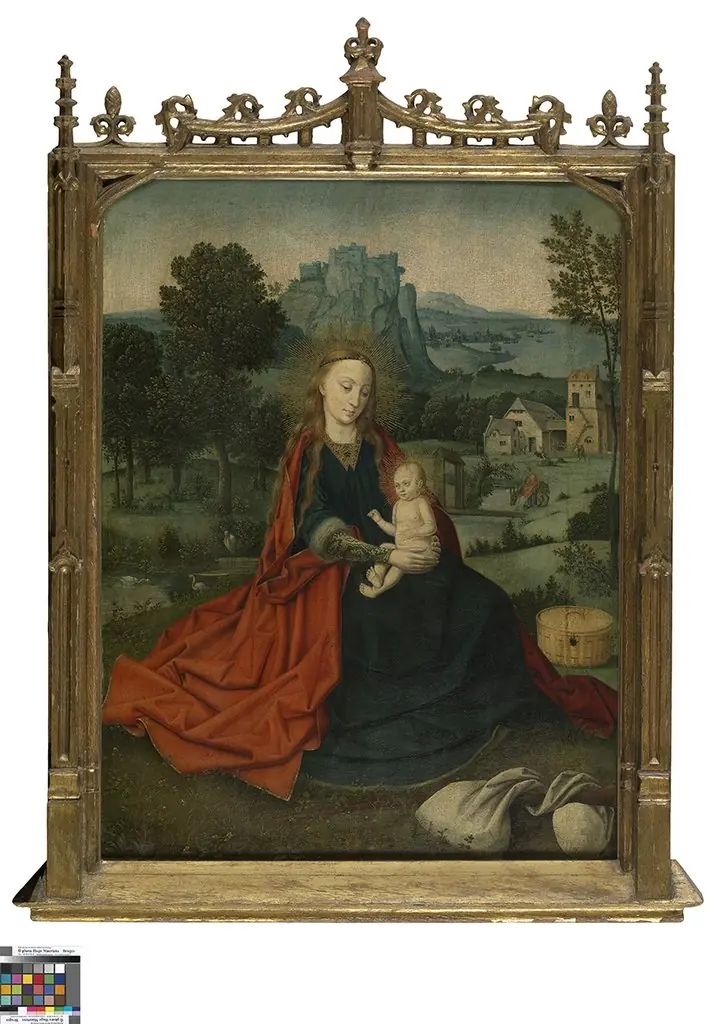
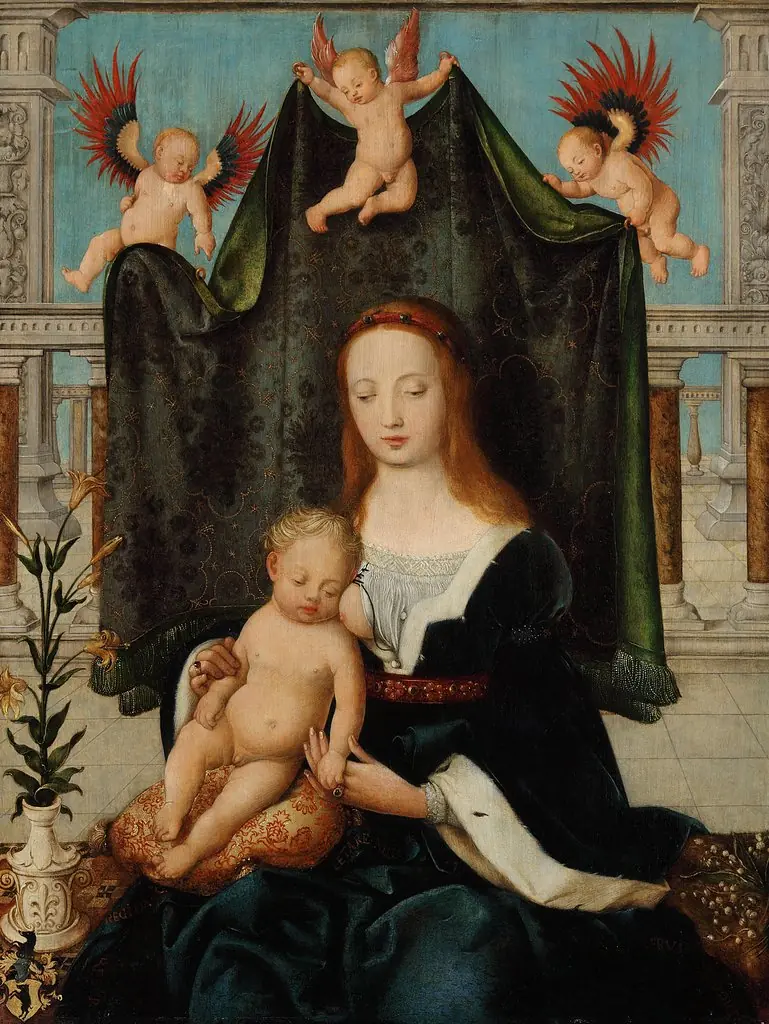
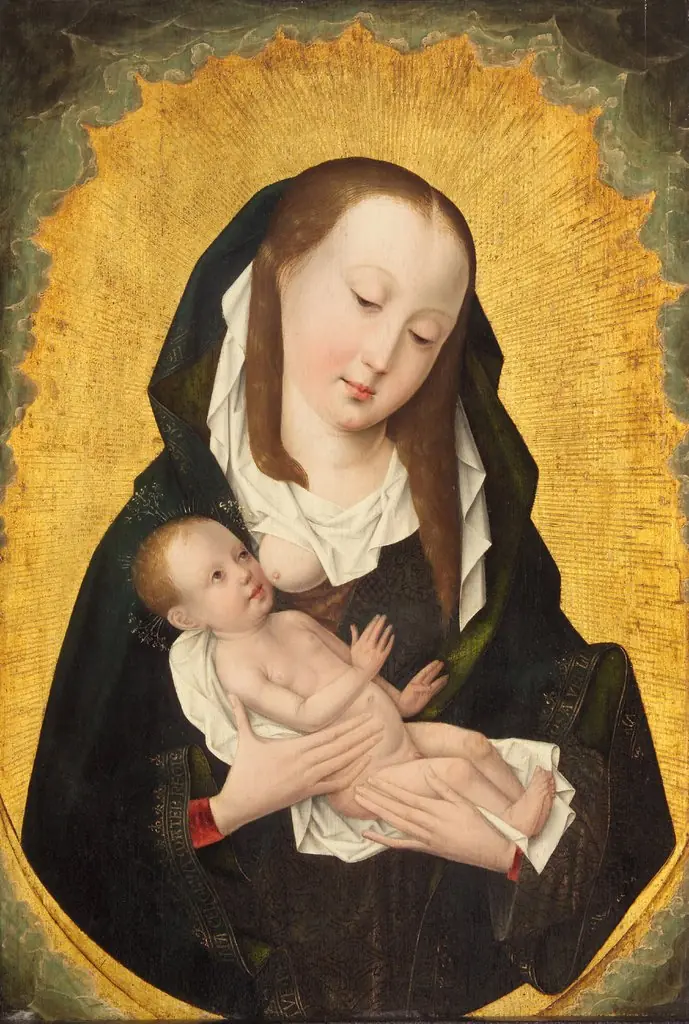
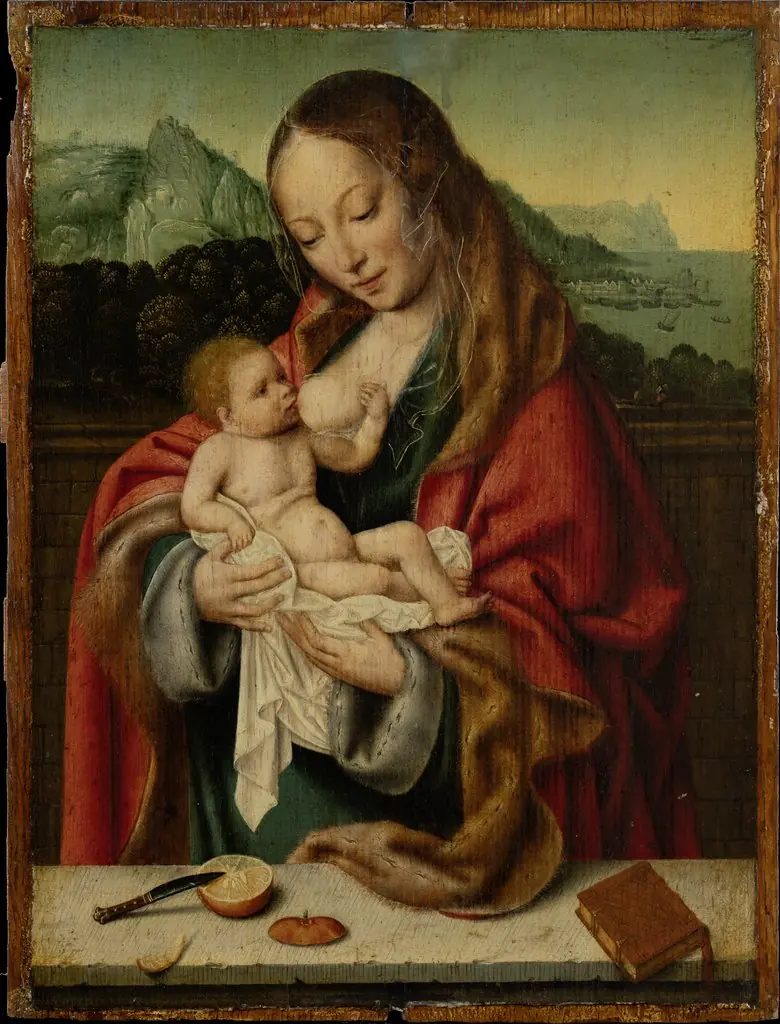
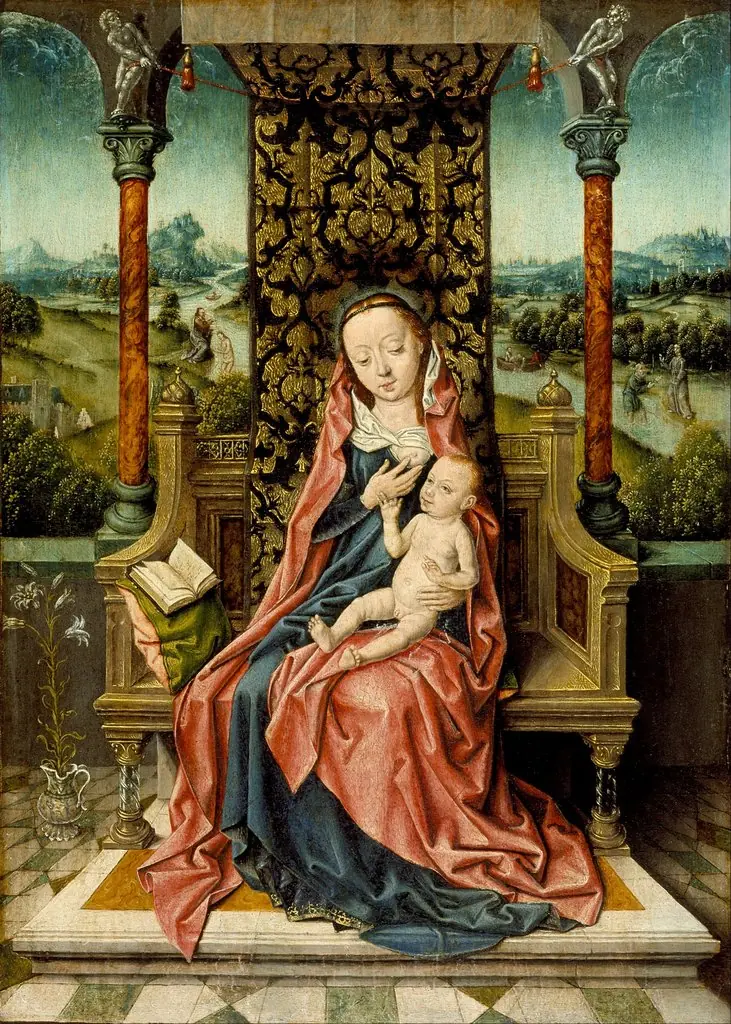
The composition presents the Virgin Mary kneeling on a grassy surface, dressed in a long blue‑green robe, cradling the infant Christ who is swaddled in cloth. Both figures display serene expressions, emphasizing a tranquil, intimate moment of maternal devotion.
Technique & Style
Provoost employs a restrained palette of soft hues while rendering the folds of the garments with precise, crisp brushwork. Gold leaf applied to the background and the ornate frame adds a luminous, sacred quality, and subtle chiaroscuro modelling gives the figures a modest sense of depth.
History & Provenance
Born in Mons, Provoost worked extensively in Bruges and Antwerp, where he managed several workshops and pursued interests in cartography, engineering, and architecture. The painting entered the Prado’s holdings at an unspecified later date, where it remains on display.
Context
The work reflects the Northern Renaissance’s blend of detailed naturalism and devotional symbolism. The inclusion of a dark architectural element behind the figures and the gilded frame aligns with contemporary practices of situating holy subjects within a hinted interior space.
Artist & collection
Artist
Jan Provoost, or Jean Provost, or Jan Provost (1462/65 – January 1529) was a painter born in Mons.

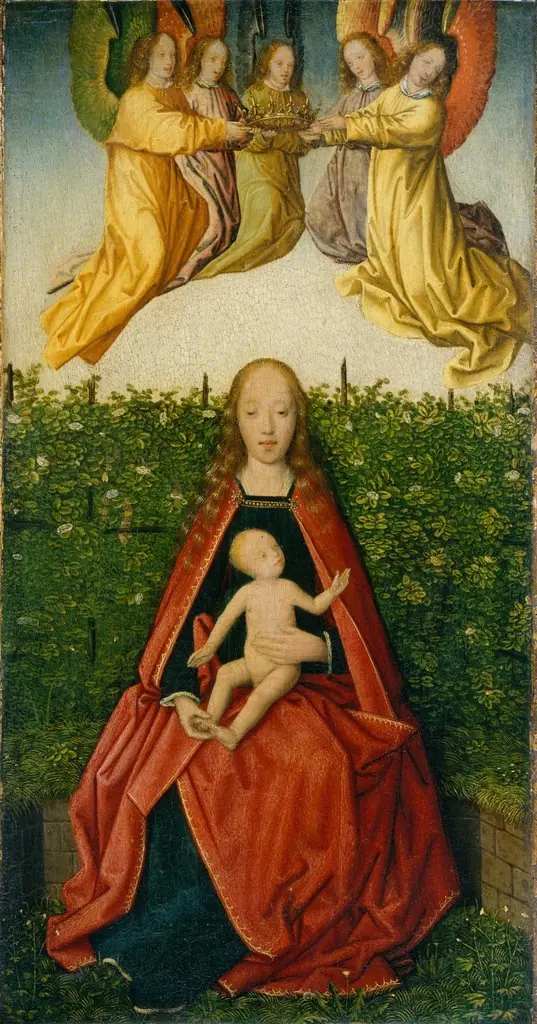 Virgin and Child
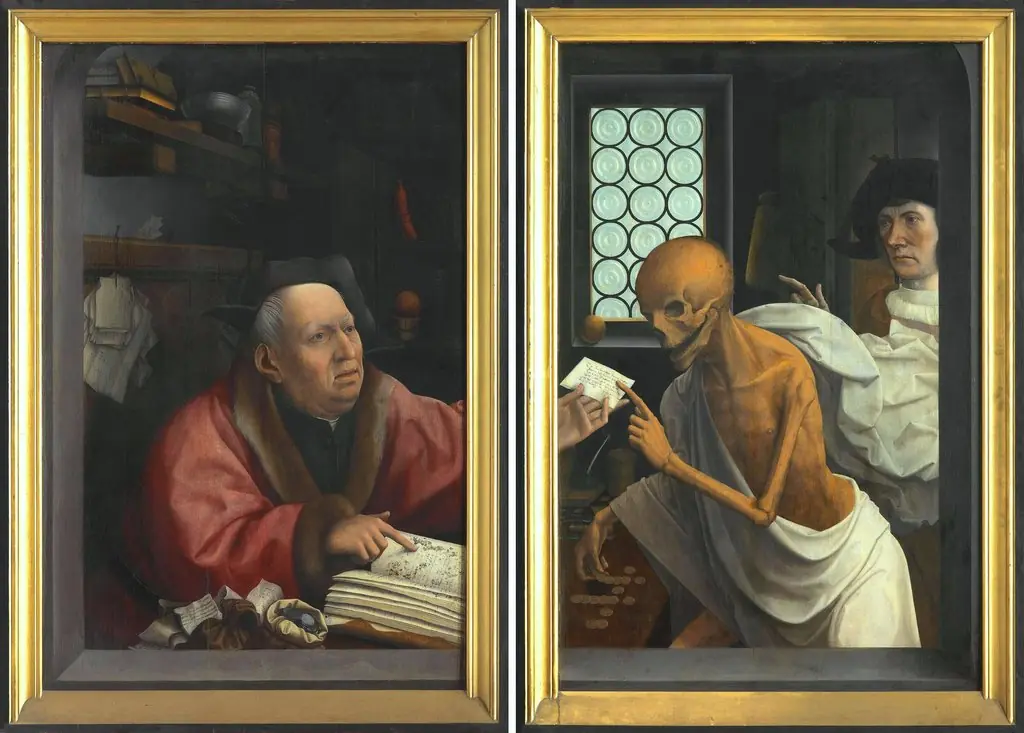 Death and the Miser (outer doors); St. Nicolas with donor and St. Godelieve with donor (inner doors)
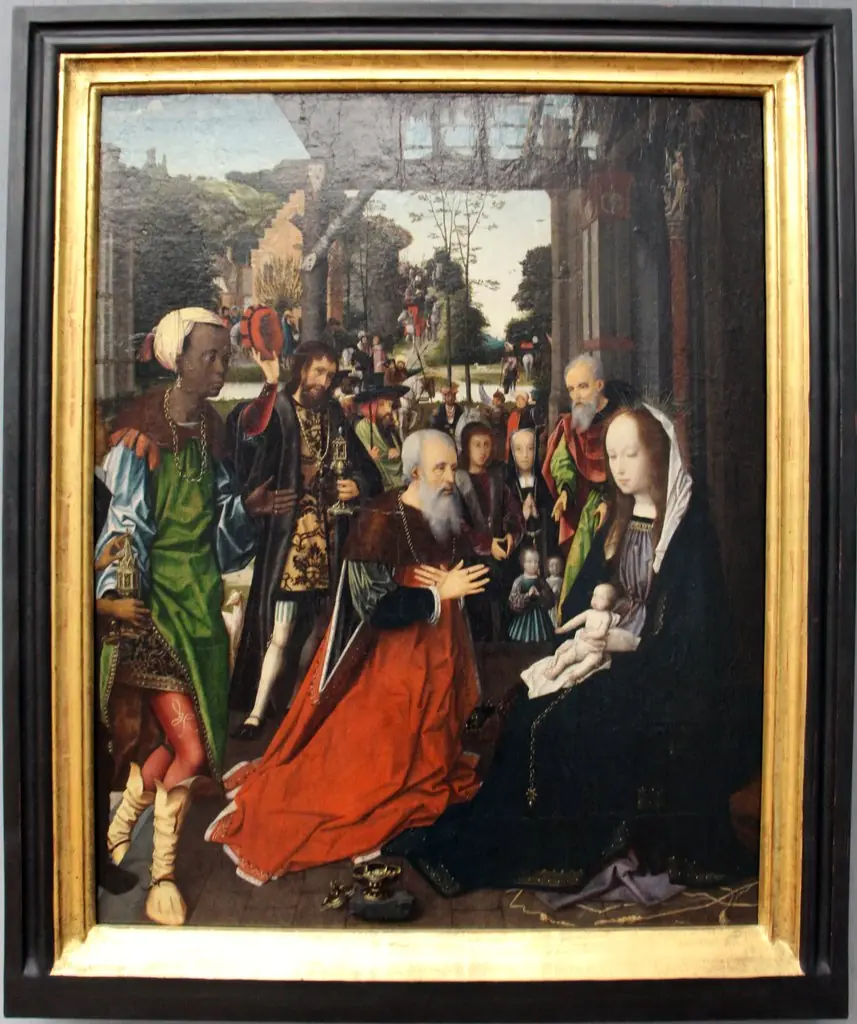 Adoration of the Magi
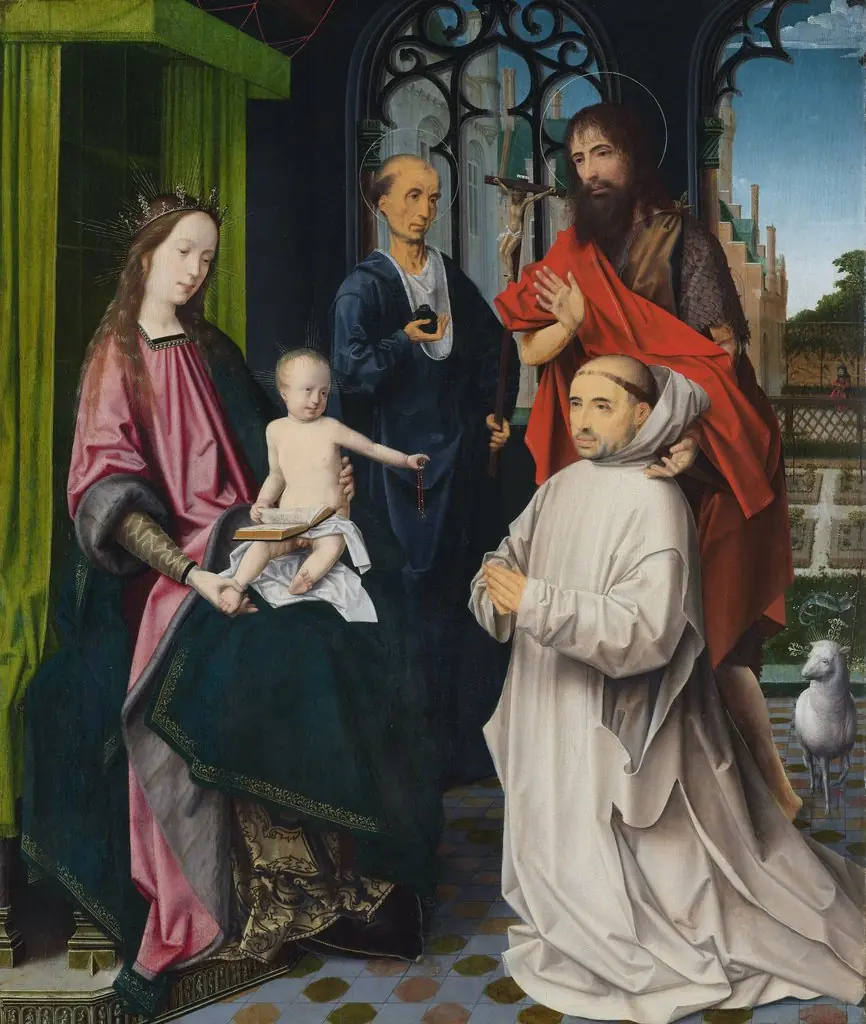 Virgin and Child Enthroned, with Saints Jerome and John the Baptist and a Carthusian Monk
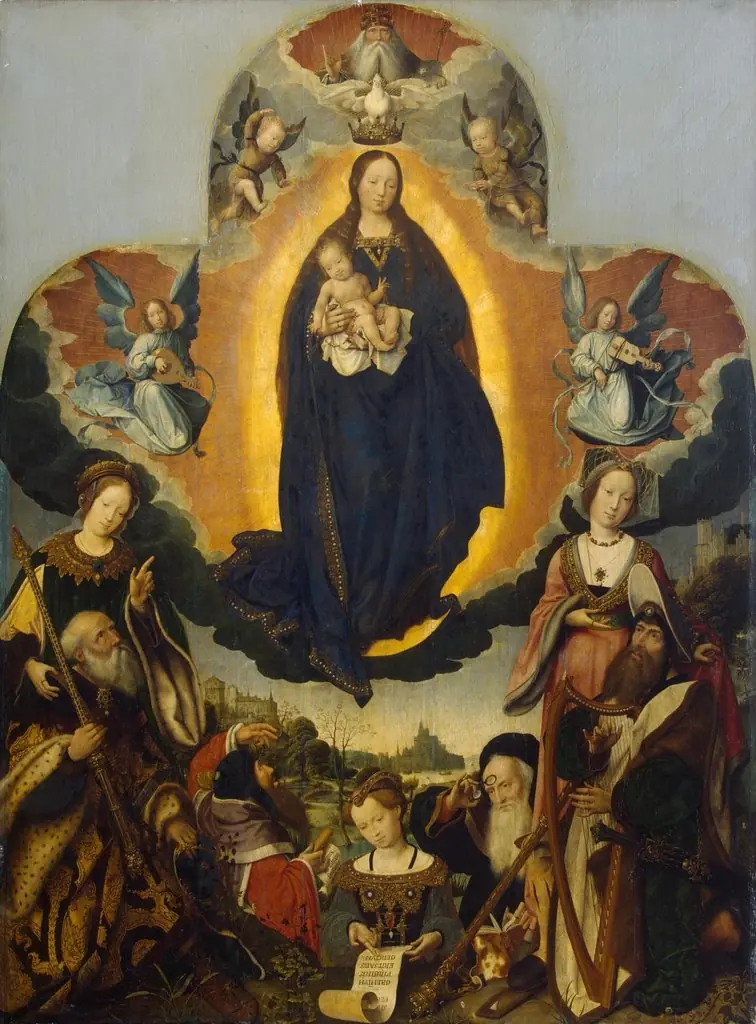 The Virgin Mary in Glory
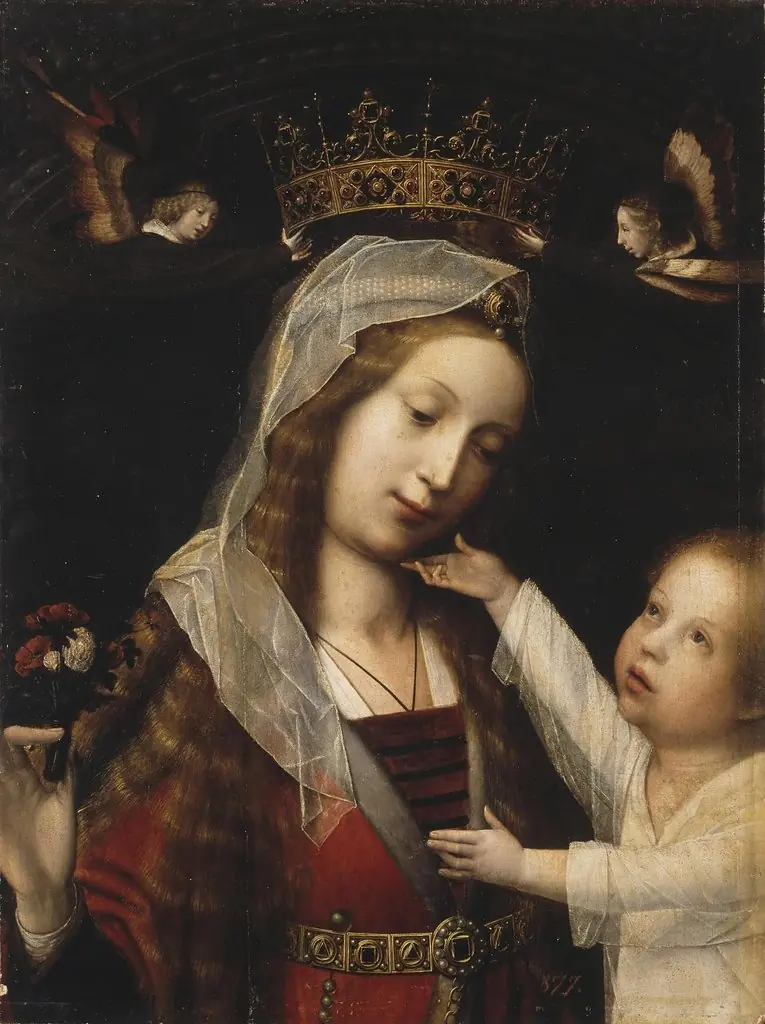 Madonna with the Child
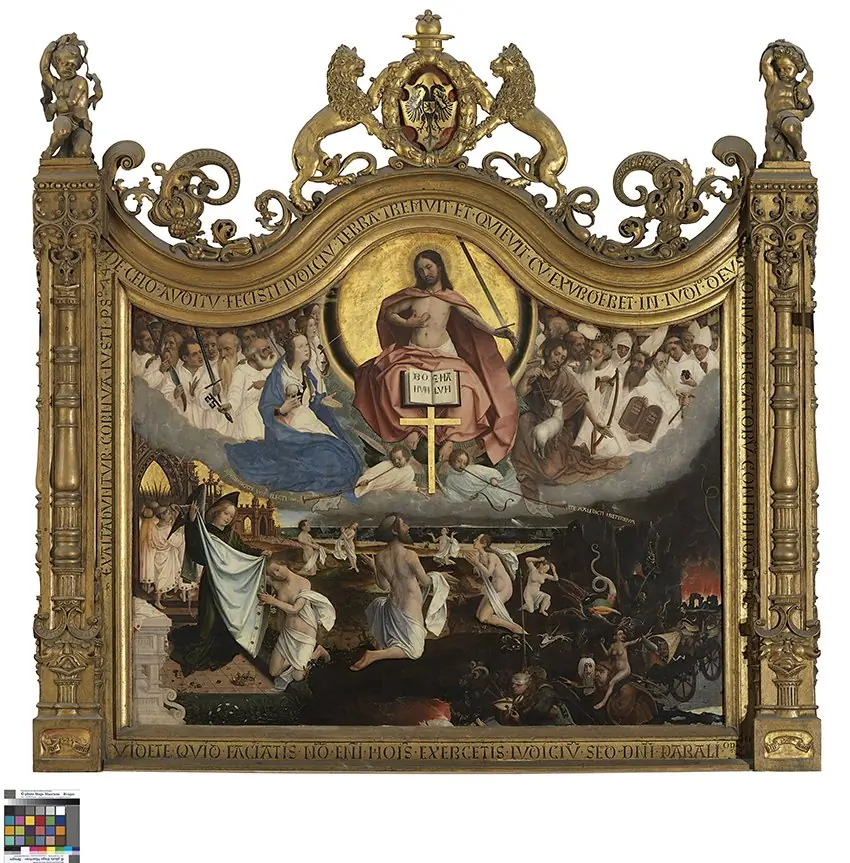 Last Judgement
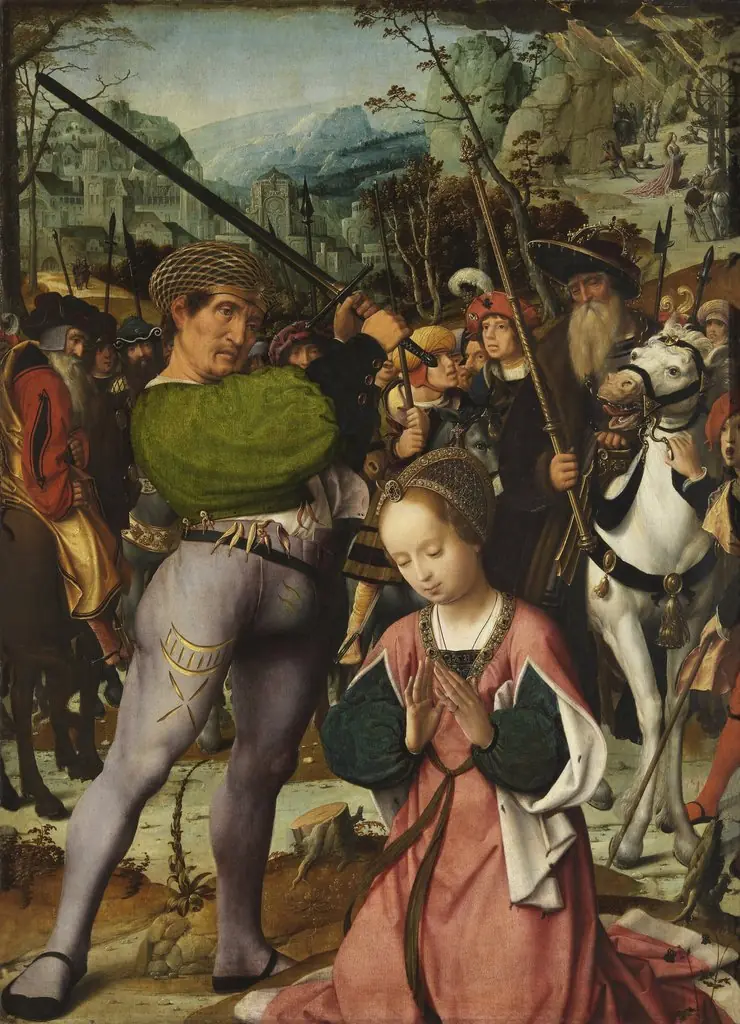 The Cruxifixion and the Life of Saint Catherine of Alexandria