Artwork
The Prediction of Ahijah
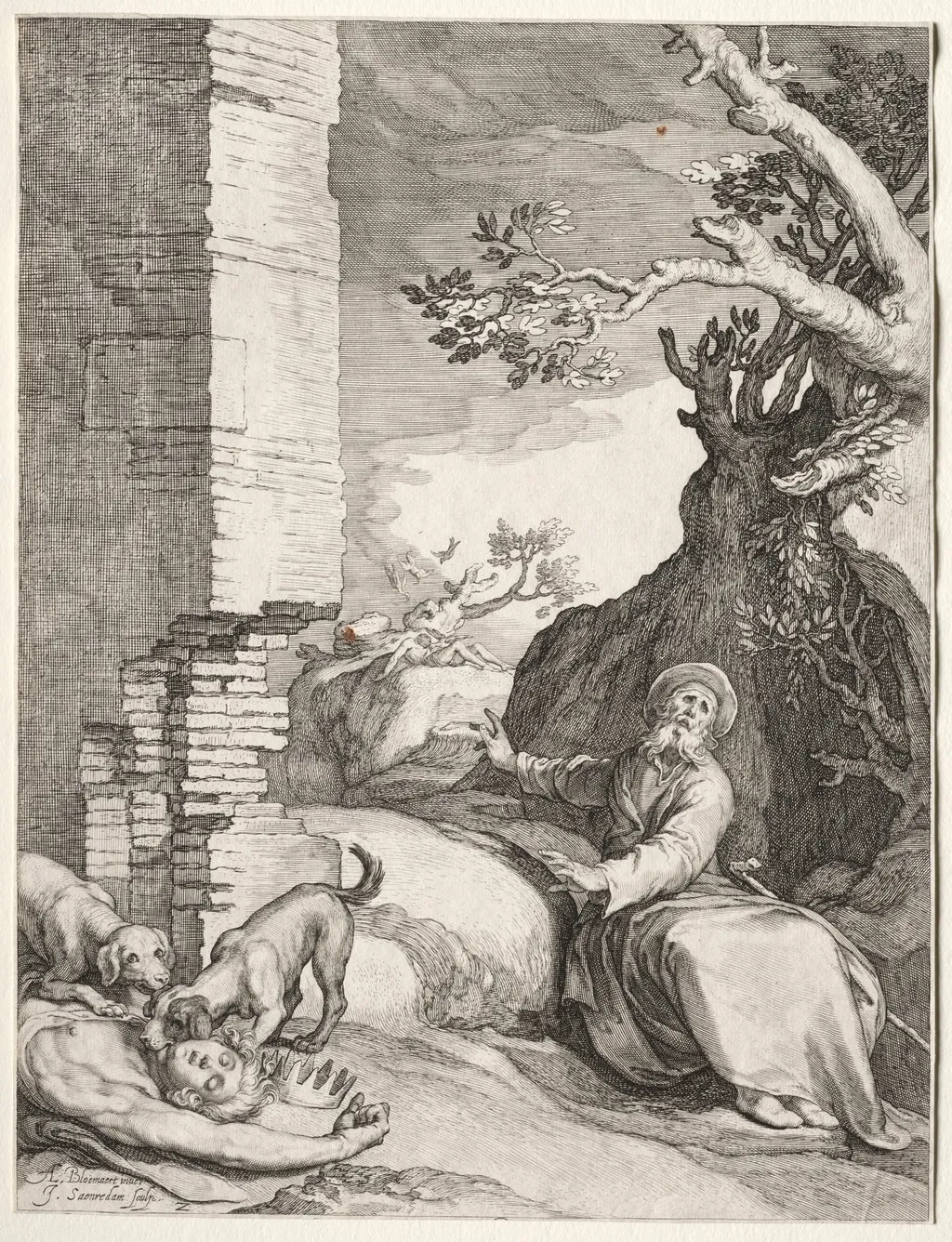
The Prediction of Ahijah is a print by the Baroque artist Jan Pietersz Saenredam. It dates from 1604 and is held in the collection of the Cleveland Museum of Art. This print depicts a moment from the Hebrew Bible in which the prophet Ahijah delivers a divine judgment against King Jeroboam.
About this work
Overview
This print depicts a moment from the Hebrew Bible in which the prophet Ahijah delivers a divine judgment against King Jeroboam.
This print depicts a moment from the Hebrew Bible in which the prophet Ahijah delivers a divine judgment against King Jeroboam. The scene captures the prophet seated, gesturing toward two dying figures—one of whom wears a crown, indicating royal lineage. The composition conveys solemnity through restrained movement and focused expression, emphasizing the gravity of prophetic pronouncement over human transgression.
Subject & Meaning
Ahijah’s prophecy foretells the violent end of Jeroboam’s lineage as divine retribution for idolatry and disobedience. The two figures he points to—dying in agony—symbolize the fate of those who perish within the city and those who fall in the field, their bodies left to scavengers. The crown on one figure signals the king’s son as a direct target of judgment, underscoring the personal and familial consequences of political and religious failure.
Technique & Style
The artist employs chiaroscuro to heighten emotional tension, contrasting deep shadows with sharp highlights to isolate the prophet and the dying figures. Linework is precise, defining drapery and facial expressions with minimal detail, directing attention to gesture and posture. The flat background and lack of landscape reinforce the psychological weight of the moment, stripping away distraction to focus on moral consequence.
History & Provenance
The print originates from a 17th-century biblical illustration series, likely produced in the Netherlands during a period of heightened interest in Old Testament narratives among Protestant audiences. Its circulation was tied to devotional and educational prints, intended to reinforce scriptural authority through visual storytelling. No documented ownership before the 19th century is recorded.
Context
In the biblical narrative, Ahijah’s prophecy follows Jeroboam’s establishment of unauthorized worship sites, violating covenantal law. The scene reflects a broader tradition in Reformation-era art that emphasized divine justice and the peril of apostasy. Such images served both as moral instruction and as warnings against political leaders who strayed from religious orthodoxy.
Legacy
This print contributes to a visual lineage of prophetic judgment scenes in early modern European print culture. Its restrained drama and symbolic clarity influenced later illustrators of biblical texts, particularly in Protestant regions where narrative clarity and theological precision were prioritized over ornamental excess.
Own this work as a print
Artist & collection
Artist
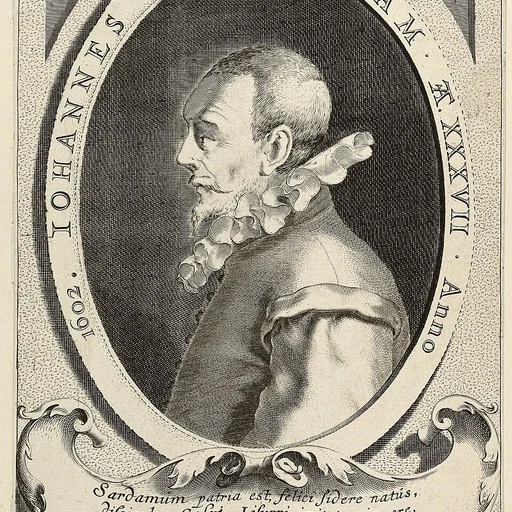
Jan Pieterszoon (abbr. Pietersz.) Saenredam (c. 1565 – 6 April 1607) was a Dutch Northern Mannerist painter, printmaker in engraving, and cartographer, and father of the painter of church interiors, Pieter Jansz…

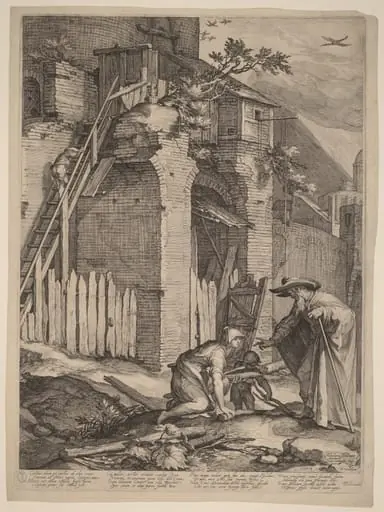
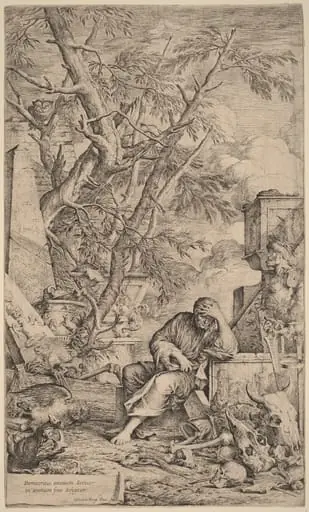 Democritus in Meditation
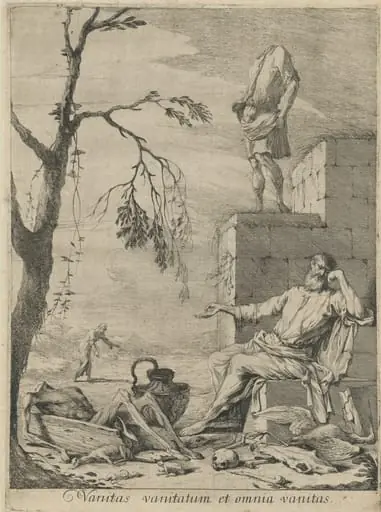 Democritus in Meditation
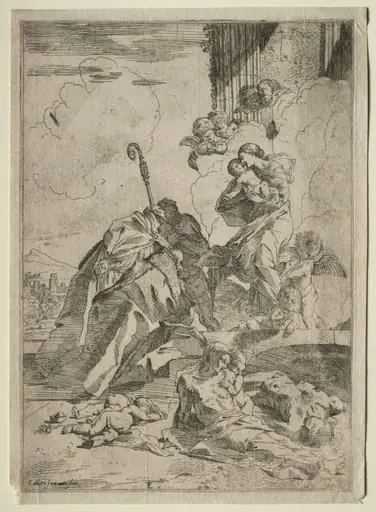 Three Lucchese Saints interceding with the Virgin for the Victims of the plague
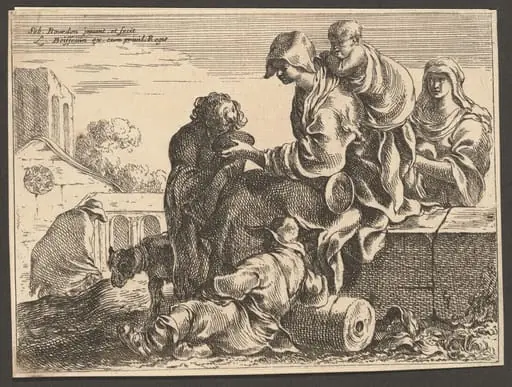 A Drinking Child with Resting Peasants
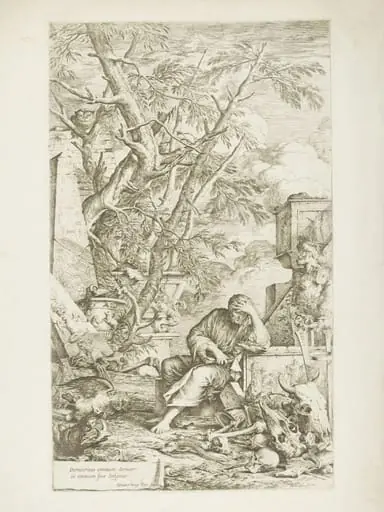 Democritus in Meditation
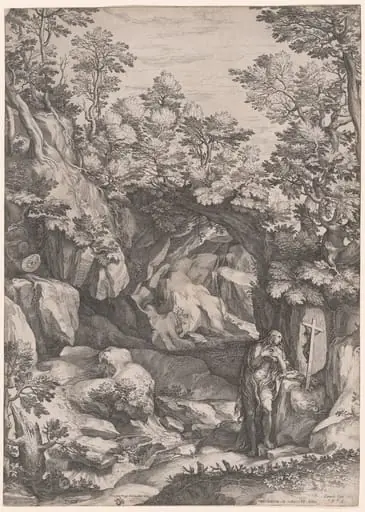 Landscape with a Penitent Magdalene
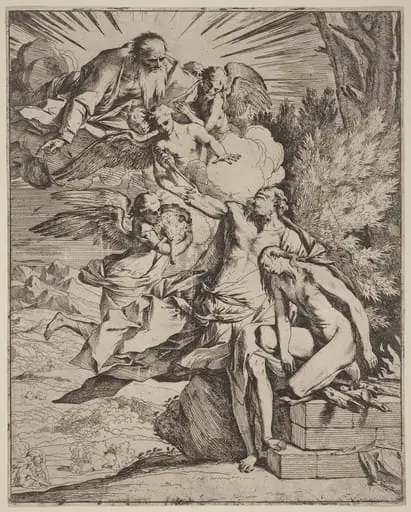 The Sacrifice of Abraham
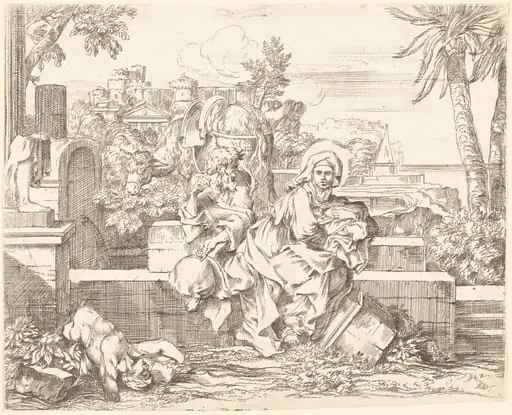 The Return from Egypt
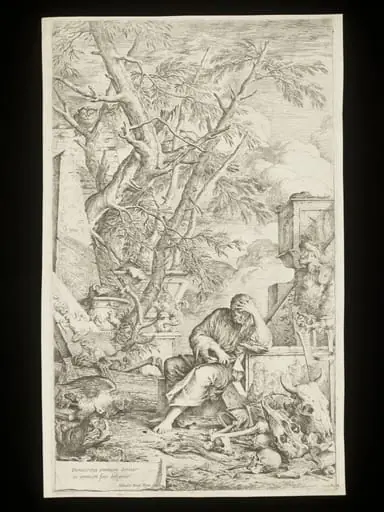 Democritus
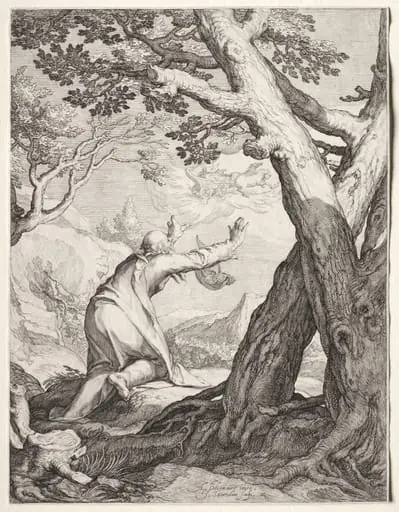 Elisha and Elijah's Chariot of Fire